
A plug that won’t insert smoothly is usually a simple, identifiable issue — safety shutters, insertion angle, or minor debris — but a few of the possible causes point to genuine electrical problems worth having a professional look at rather than continuing to force the issue.
Below are 10 causes to check, and always prioritize safety over forcing a stubborn plug — if an outlet feels unusually hot, shows visible damage, or sparks during insertion, stop immediately and have it inspected by a licensed electrician.
1. The Outlet Has Child-Safety Shutters
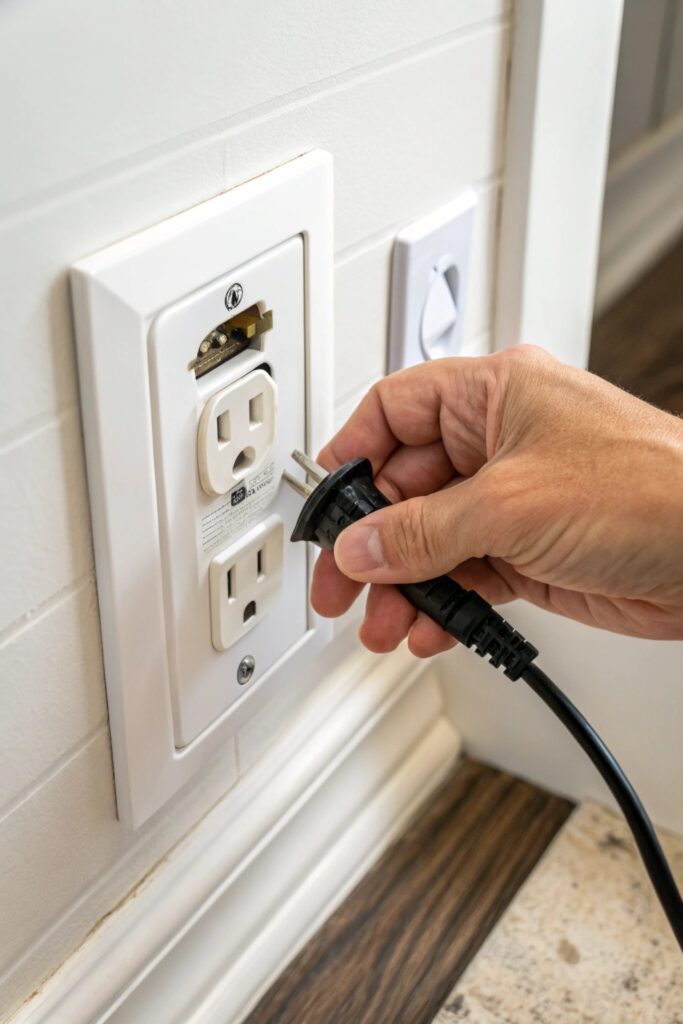
Tamper-resistant outlets (required in new construction in many areas since the mid-2000s) have internal shutters that only open when both prongs press evenly and simultaneously, which can feel like resistance if you’re used to older, non-shuttered outlets.
Insert both prongs at the same time with firm, even pressure rather than one prong first — this is specifically how tamper-resistant outlets are designed to work, and uneven insertion is the most common reason they seem to resist a genuinely correct plug.
2. You’re Inserting the Plug at an Angle
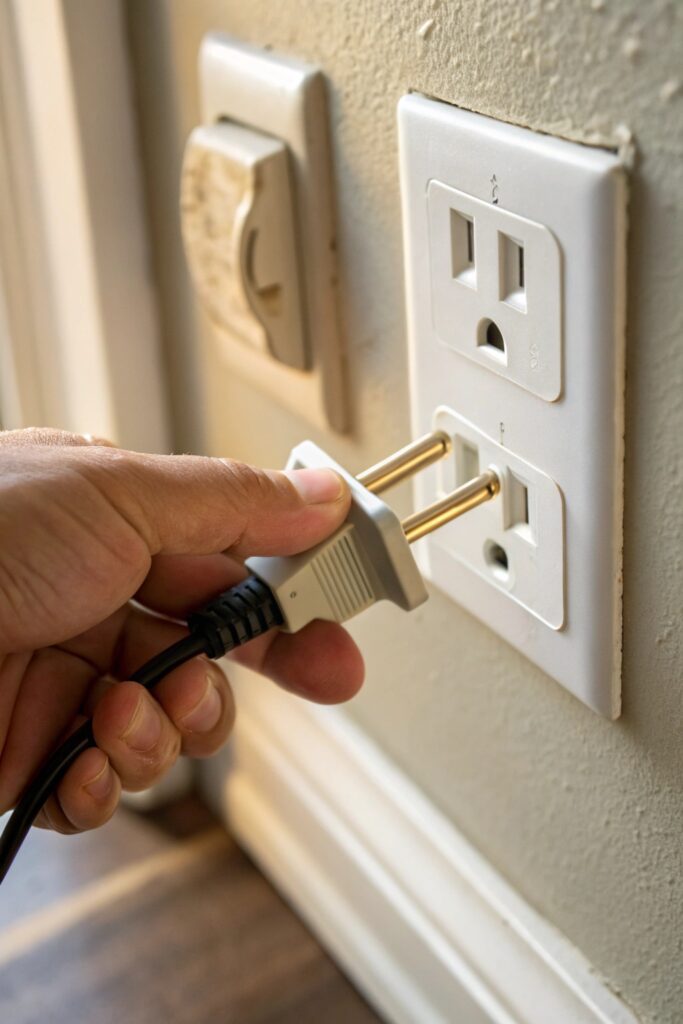
Even a slight angle off from perfectly perpendicular can cause a plug to catch on the outlet’s internal contacts rather than sliding in smoothly, which is easy to do without realizing, especially in a poorly lit or hard-to-see outlet location.
Align the plug as close to perfectly straight as possible relative to the outlet face, and avoid the common habit of prying or wiggling at an angle, which can worsen the issue rather than resolve it.
3. The Outlet Slots Are Damaged or Worn
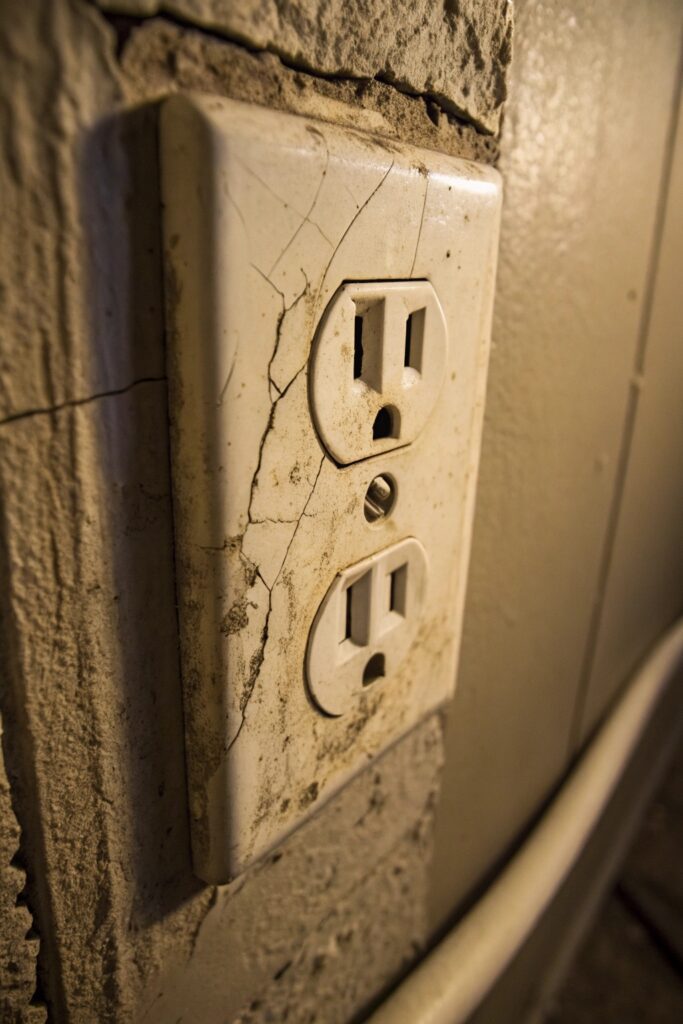
Outlets that have seen heavy use over many years can develop worn or slightly bent internal contacts that no longer grip or accept a plug as smoothly as they did when new, which can present as unusual resistance even with a completely normal plug.
A visibly loose-fitting or excessively worn outlet is worth having replaced by a licensed electrician rather than continuing to force plugs into it, since a worn outlet can also indicate a growing fire risk from poor contact and resulting heat buildup.
4. Debris or Dust Is Blocking the Slots
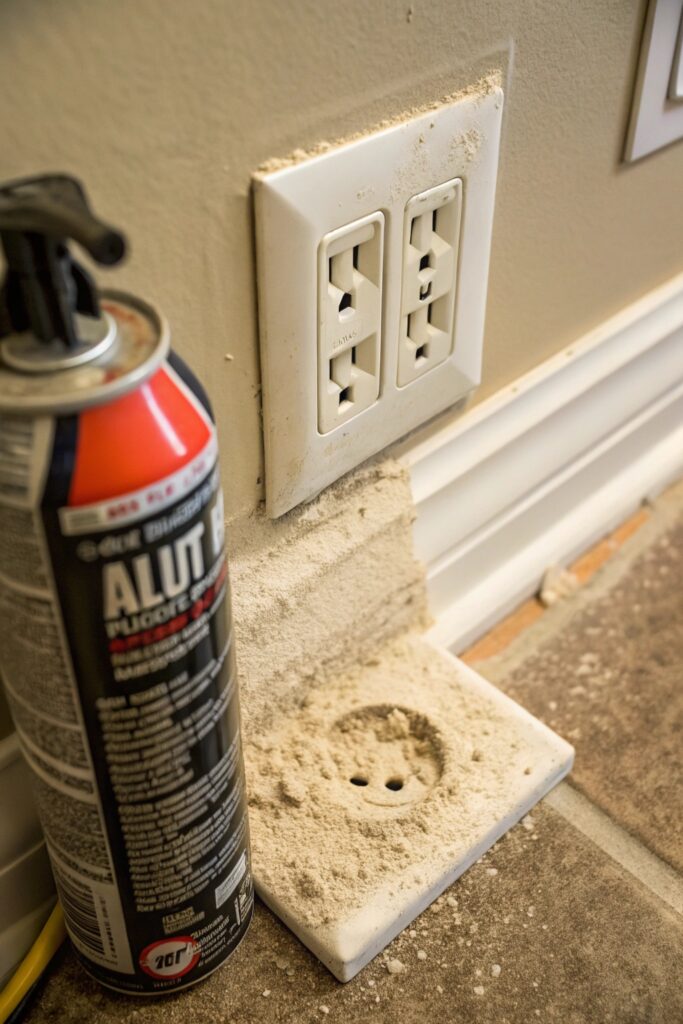
Dust, lint, or small debris that’s accumulated inside the outlet slots over time can physically obstruct a plug’s path, particularly in outlets that haven’t been used in a while or that sit in dusty locations like behind furniture.
With the outlet’s circuit breaker switched off first for safety, a can of compressed air can clear loose debris — never insert a metal object or your fingers into an outlet to manually clear a blockage.
5. The Plug Prongs Are Bent
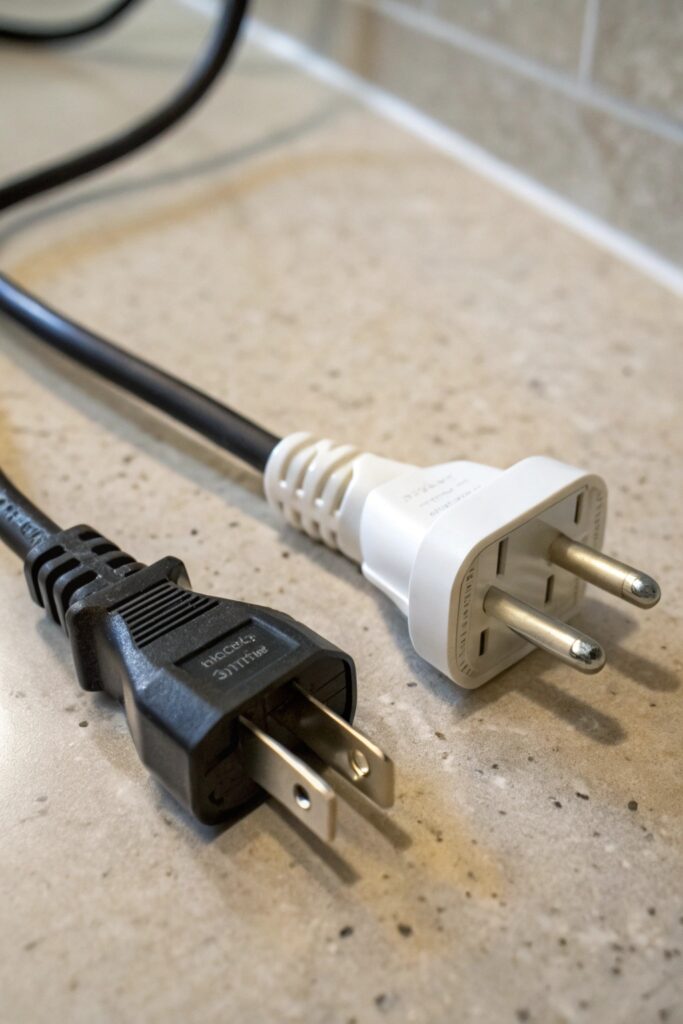
A plug that’s been dropped, stepped on, or repeatedly bent while unplugging (pulling by the cord rather than the plug body) can develop prongs that are no longer perfectly straight, which prevents smooth insertion even into a fully functional outlet.
Inspect the prongs against a flat surface for visible bending, and if slightly bent, very gently and carefully straighten them with pliers before attempting to plug in again — replace the cord or device if the prongs are significantly damaged rather than continuing to force a bent plug.
6. Wrong Plug Type for the Outlet
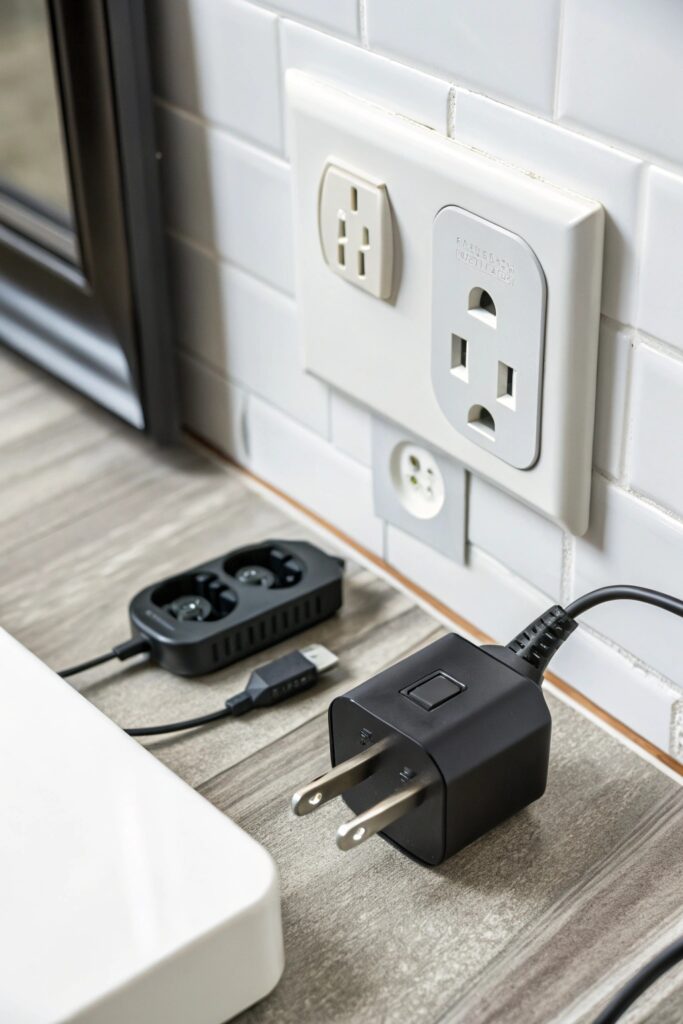
Some specialized outlets (240V outlets for large appliances, for instance) have differently shaped or spaced slots specifically to prevent standard 120V plugs from being inserted, which is a safety feature rather than a malfunction.
Confirm the outlet’s voltage rating and intended use matches your plug and device — attempting to force an incompatible plug into a specialized outlet isn’t just difficult, it can also be a genuine safety hazard.
7. The Outlet Is a GFCI That’s Tripped
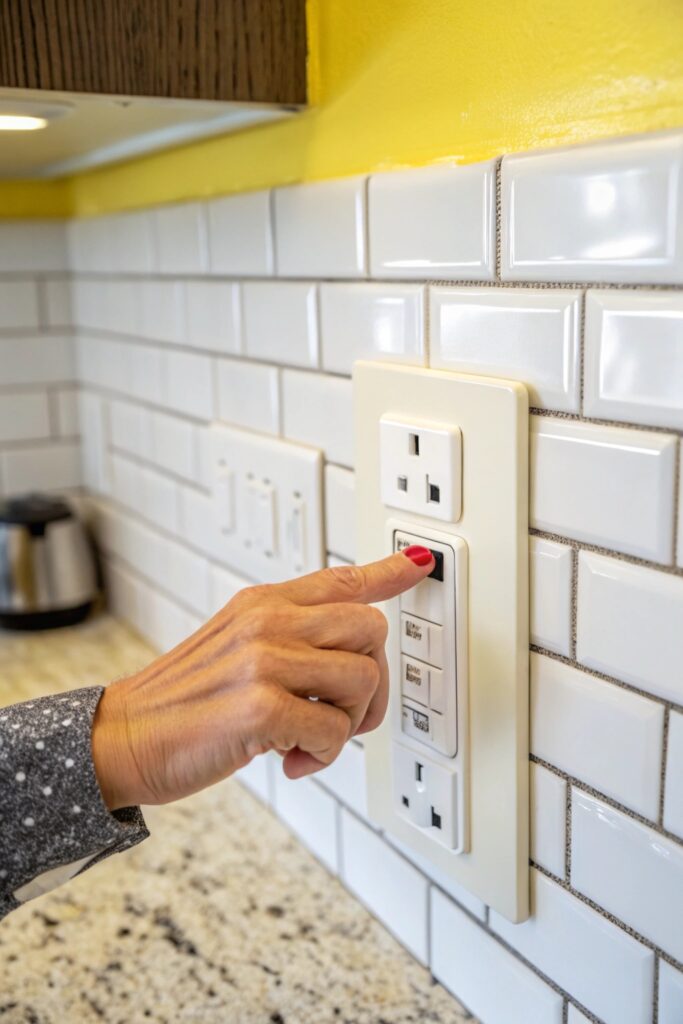
While a tripped GFCI (ground fault circuit interrupter) outlet typically still accepts a plug normally, some models can develop a slightly stiffer feel when tripped — worth checking the outlet’s reset button (usually a small button between the two plug slots) before assuming a different cause.
Press the reset button firmly until it clicks, which restores the outlet’s normal function if a ground fault trip was the underlying issue rather than a physical obstruction.
8. Furniture or Objects Are Blocking Full Access
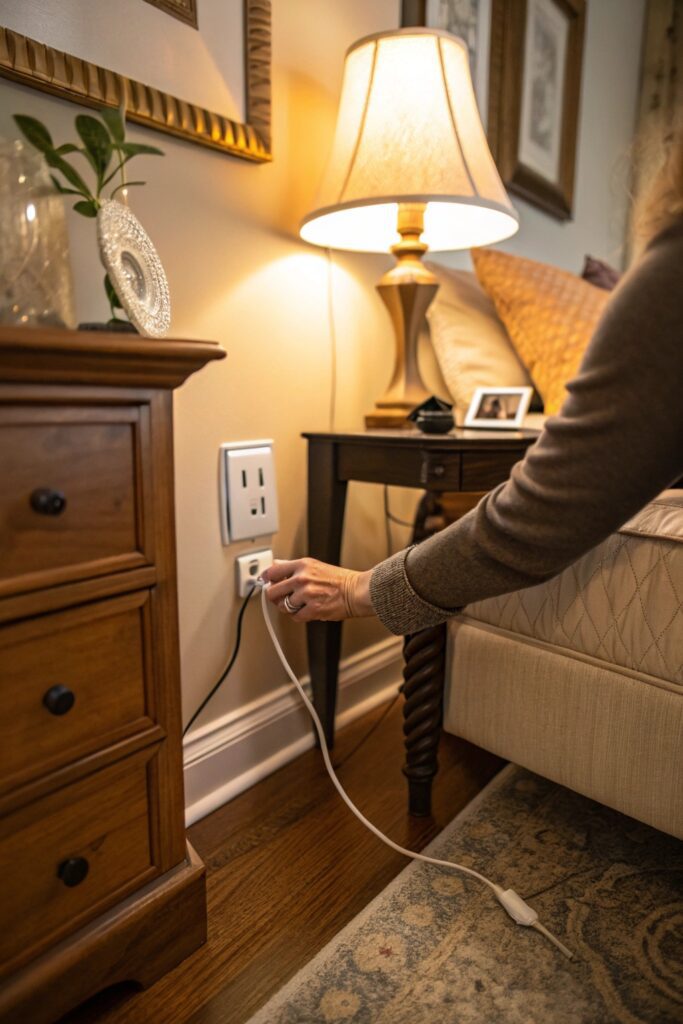
An outlet partially obstructed by nearby furniture, a rug, or other objects can limit your ability to insert a plug at the correct angle with adequate leverage, which can feel like the outlet itself is resistant when the actual issue is access.
Move furniture or objects enough to access the outlet directly and straight-on, which often resolves an apparent resistance issue that was really just a positioning and access problem.
9. The Outlet Itself Is Faulty or Dead
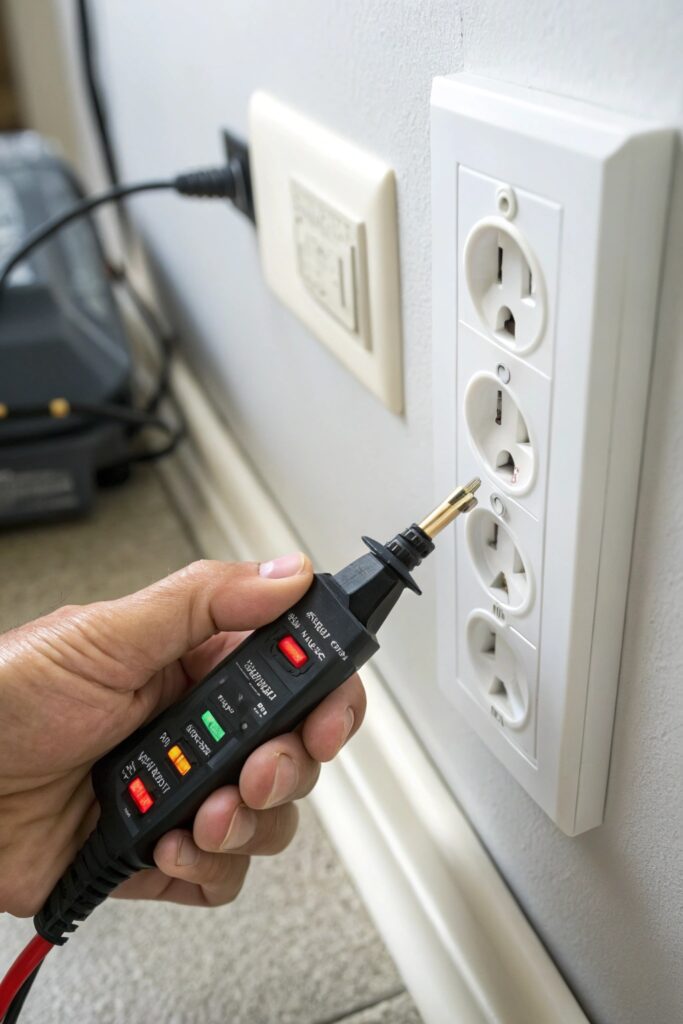
An outlet with internal component failure can sometimes physically resist plug insertion in addition to simply not providing power, particularly if internal parts have shifted or partially failed rather than cleanly stopped working.
Test with a known-working device, and if the outlet shows no signs of function alongside the insertion difficulty, treat it as a faulty outlet needing professional inspection rather than continuing to force plugs into it.
10. Old or Outdated Home Wiring
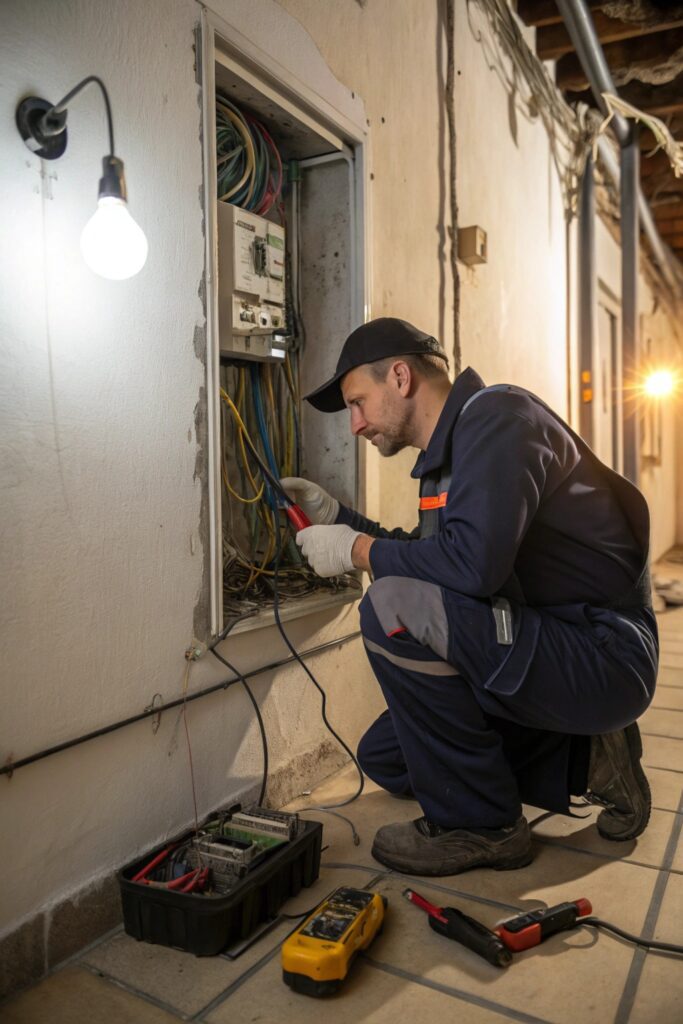
Homes with older electrical systems (particularly pre-1960s wiring that hasn’t been updated) can have outlets that were never built to modern manufacturing tolerances, leading to a persistently snug or difficult fit that’s inherent to the outlet’s age and design rather than any specific damage.
If multiple outlets throughout an older home show similar resistance, this points toward a broader wiring age issue worth having a licensed electrician assess, rather than treating each outlet as an individual, isolated problem.
Wrapping It Up
Child-safety shutters and insertion angle account for the majority of cases that feel like resistance but are actually normal outlet behavior working as designed. If an outlet shows visible wear, damage, or unusual heat, treat that as a genuine electrical safety issue and have it inspected rather than continuing to force a plug into it.