
Corner space is the most underused real estate in any home. Most people shove a plant there or, worse, just leave it empty while complaining they don’t have enough seating. Sound familiar?
Corner bench seating solves two problems at once — it maximizes a space that usually does nothing, and it adds serious seating capacity without eating up your floor plan. I discovered this after squeezing eight people around a dining table designed for six one too many times.
Whether you’re working with a tiny apartment kitchen, a sprawling farmhouse dining room, or an awkward living room corner, there’s a corner bench solution on this list that fits your space perfectly.
1. Built-In Dining Nook Bench
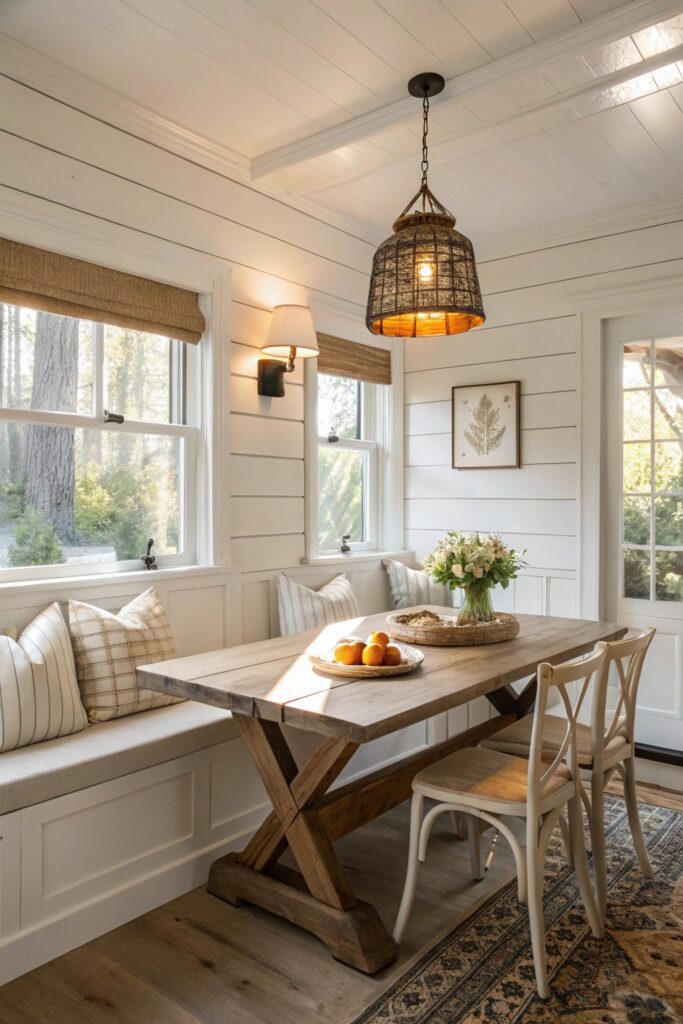
A built-in dining nook bench turns an ordinary kitchen corner into the coziest spot in the house. Think breakfast nook energy — the kind of corner where people linger over coffee way longer than planned.
Built-ins feel custom and intentional because they literally are. They fit your exact corner dimensions, which means zero wasted space and a polished, furniture-store-quality look.
Why built-in nook benches work so well:
- Seat significantly more people than a standard chair setup
- Create a defined, intimate dining zone
- Can include hidden storage underneath the seat cushions
The upfront cost runs higher than freestanding options, but the payoff in both function and resale value makes it worth every penny. IMO, a well-designed built-in nook is one of the best investments you can make in a small kitchen or dining area.
2. L-Shaped Storage Bench
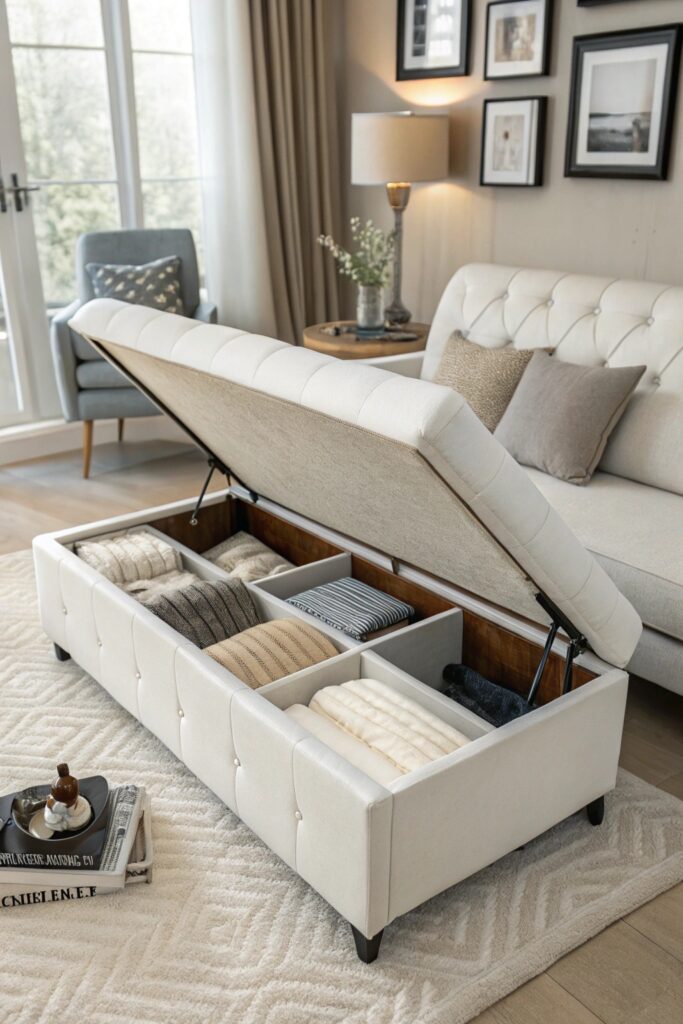
An L-shaped storage bench delivers the double win everyone wants — comfortable seating and hidden storage tucked neatly into a corner. The lift-up seat lid reveals a surprisingly roomy compartment perfect for extra blankets, board games, or seasonal items.
This works especially well in entryways, mudrooms, and living rooms where clutter tends to collect fastest.
What makes L-shaped storage benches stand out:
- Maximizes corner square footage completely
- Keeps living spaces looking clean and organized
- Works as a landing spot for bags, shoes, and everyday items
Choose a bench with a sturdy hinge mechanism and a soft-close lid — you’ll thank yourself later when the kids inevitably let the lid drop. The storage capacity on a well-designed L-shaped bench consistently surprises most people when they first open it up.
3. Farmhouse Corner Bench with Shiplap Back
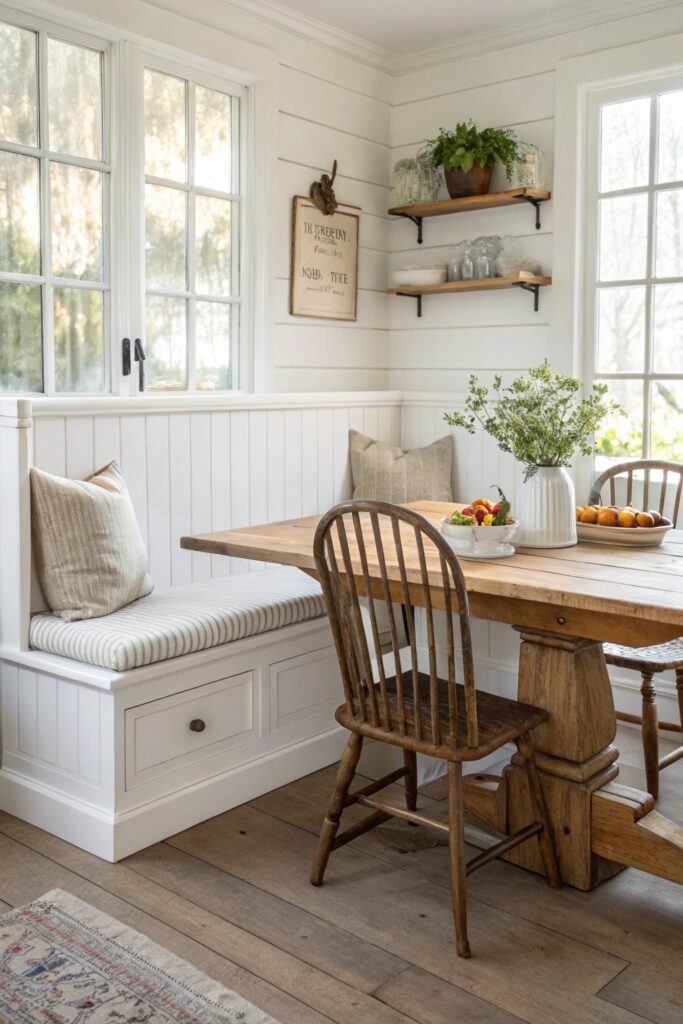
A farmhouse-style corner bench with a shiplap backboard brings that warm, rustic character into any dining space. The horizontal white or natural wood shiplap panels create a beautiful backdrop that makes the whole corner feel intentional and designed.
Pair it with a chunky wooden dining table and mismatched chairs on the open sides for that perfectly imperfect farmhouse aesthetic.
Key farmhouse bench elements to look for:
- Solid pine or oak construction with a distressed or whitewashed finish
- Shiplap or beadboard back panel for added texture
- Simple cushion in ticking stripe or neutral linen fabric
This style photographs exceptionally well — which matters if you ever want your home featured anywhere 🙂 Beyond aesthetics, the backboard actually adds structural support and makes the bench dramatically more comfortable for extended sitting.
4. Modern Minimalist Floating Corner Bench
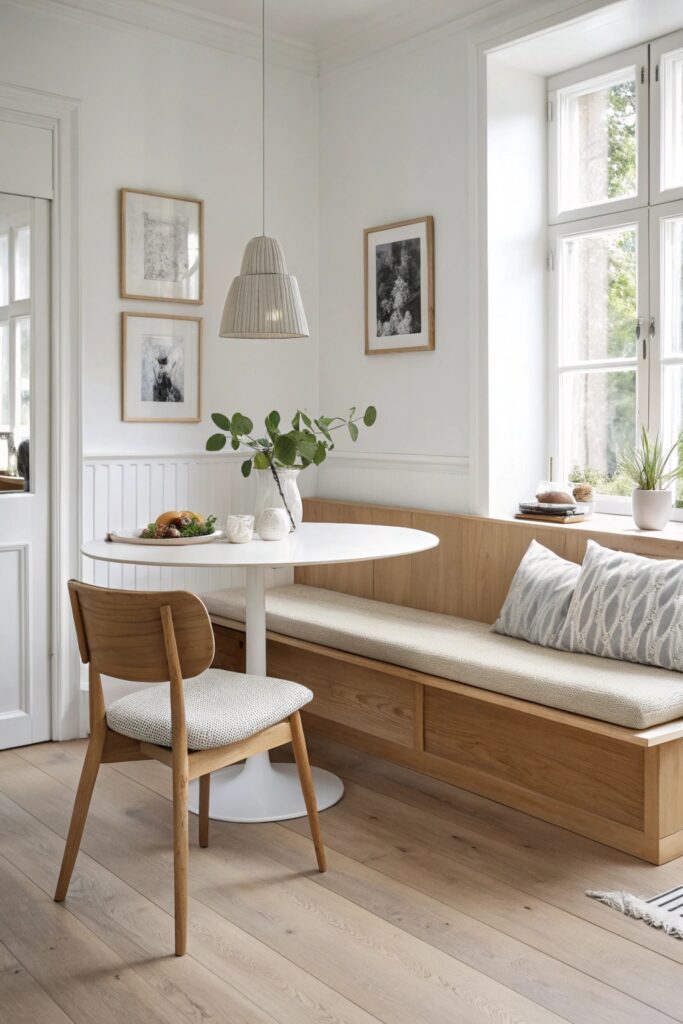
Floating corner benches mounted directly to the wall create a sleek, space-age look that works beautifully in modern and Scandinavian-style interiors. No legs touching the floor means easier cleaning underneath and a visually lighter feel in the room.
The floating installation also means you can set the exact height you want, which is truly useful for non-standard table heights.
Floating bench installation considerations:
- Requires proper wall stud anchoring for safe weight support
- Works best with clean-lined, minimal cushions or bare wood seats
- Pairs perfectly with a wall-mounted or pedestal dining table
Choose a light wood like birch or maple for a true Scandinavian vibe, or go with a walnut finish for something warmer and more sophisticated. Either way, the result looks custom-built without the custom-build price tag.
5. Upholstered Corner Bench with Tufted Cushions
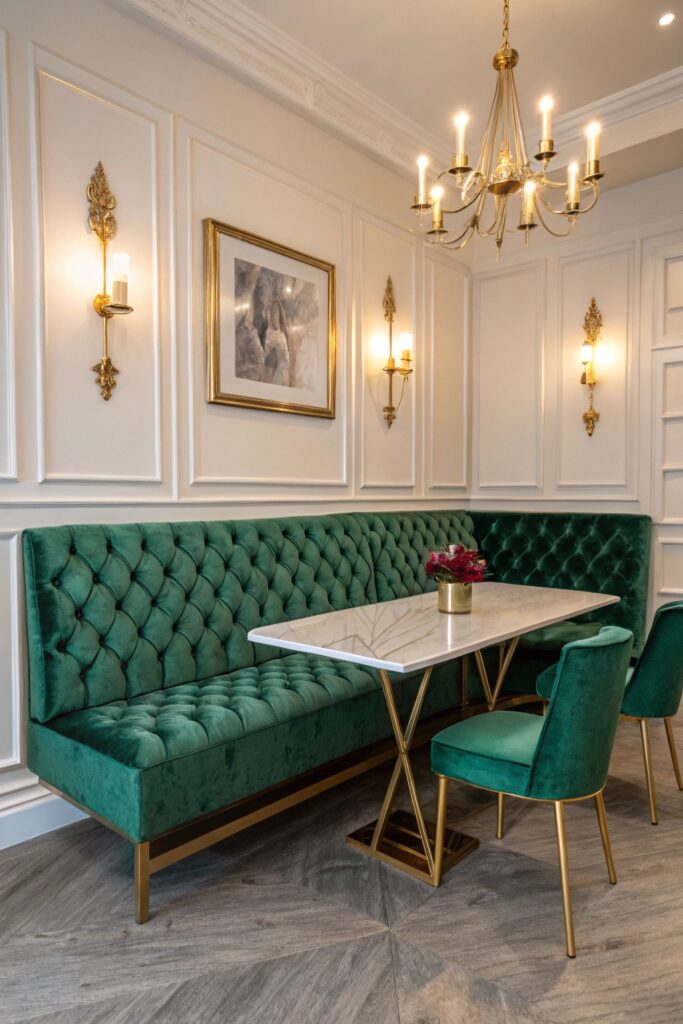
An upholstered corner bench with tufted cushions brings luxury seating to a corner that would otherwise hold nothing useful. The tufted detailing elevates the whole piece from functional furniture to actual design statement.
Velvet upholstery in deep jewel tones — emerald, navy, burgundy — looks especially stunning against neutral walls and adds an unexpected richness to dining or living spaces.
Upholstery options ranked by practicality:
- Performance fabric — best for families with kids or pets
- Velvet — most luxurious look, moderate durability
- Leather or faux leather — easiest to clean, very durable
- Linen — beautiful but requires more maintenance
The tufting isn’t just decorative — it also keeps the cushion filling from shifting over time, which means the bench maintains its shape and comfort far longer than a plain cushion alternative.
6. Outdoor Corner Bench for Patio Corners
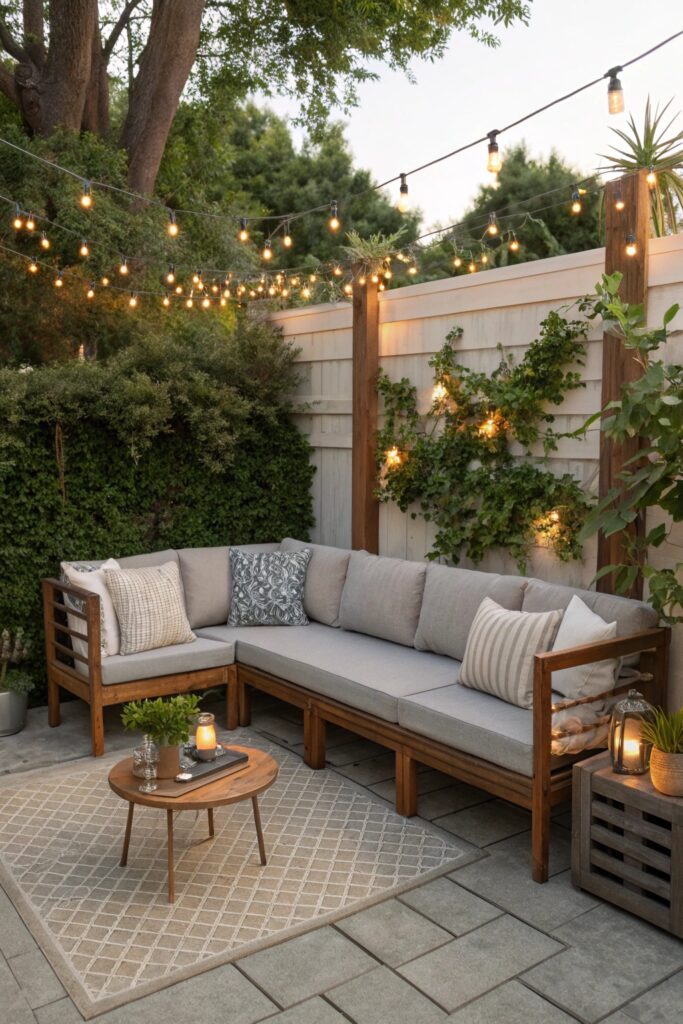
Outdoor corner bench seating transforms a neglected patio corner into an actual gathering spot. Weather-resistant materials like teak, powder-coated aluminum, or all-weather wicker handle the elements while still looking polished and intentional.
The corner placement creates a natural conversation pit that encourages people to actually sit and stay rather than drift around the patio aimlessly.
Best materials for outdoor corner benches:
- Teak — naturally weather resistant, ages beautifully to silver-gray
- Powder-coated steel — extremely durable, wide color range
- All-weather wicker — lightweight, comfortable, UV resistant
Add outdoor throw pillows in weather-resistant fabric and a small side table in the inner corner to complete the setup. FYI — outdoor corner benches with built-in storage underneath work especially well for stashing cushions and garden accessories between uses.
7. Window Corner Bench with Reading Nook Vibes
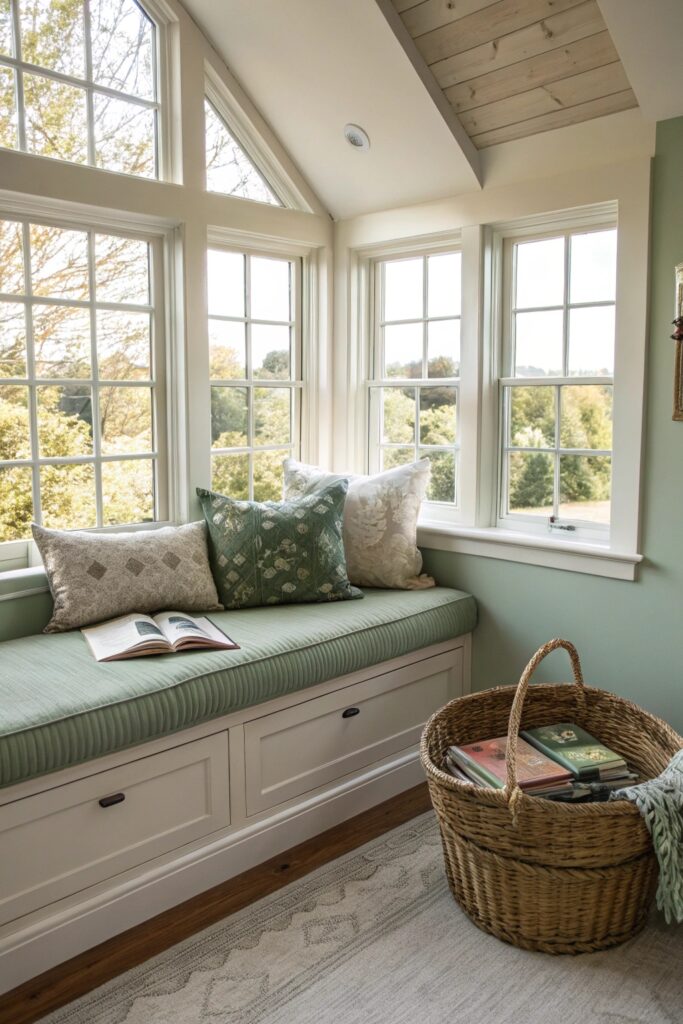
A corner bench positioned beneath two intersecting windows creates the most enviable reading nook imaginable. Natural light floods in from two directions, and the corner seat feels naturally cocooned and private — which is exactly what a good reading spot needs.
This setup works beautifully in bedrooms, living rooms, and even larger hallways where a corner window exists but goes completely unused.
Elements that make a window corner bench perfect:
- Deep seat cushion — at least 4 inches thick for real comfort
- Bolster pillows against both walls for back support
- Woven basket or under-seat storage for books and blankets
The key is making the bench deep enough to actually curl up on — standard bench depth of 18 inches works for sitting, but 24 inches lets you properly lounge. That extra six inches makes an enormous difference in how much the space actually gets used.
8. Kitchen Corner Bench with Table — The Classic Banquette
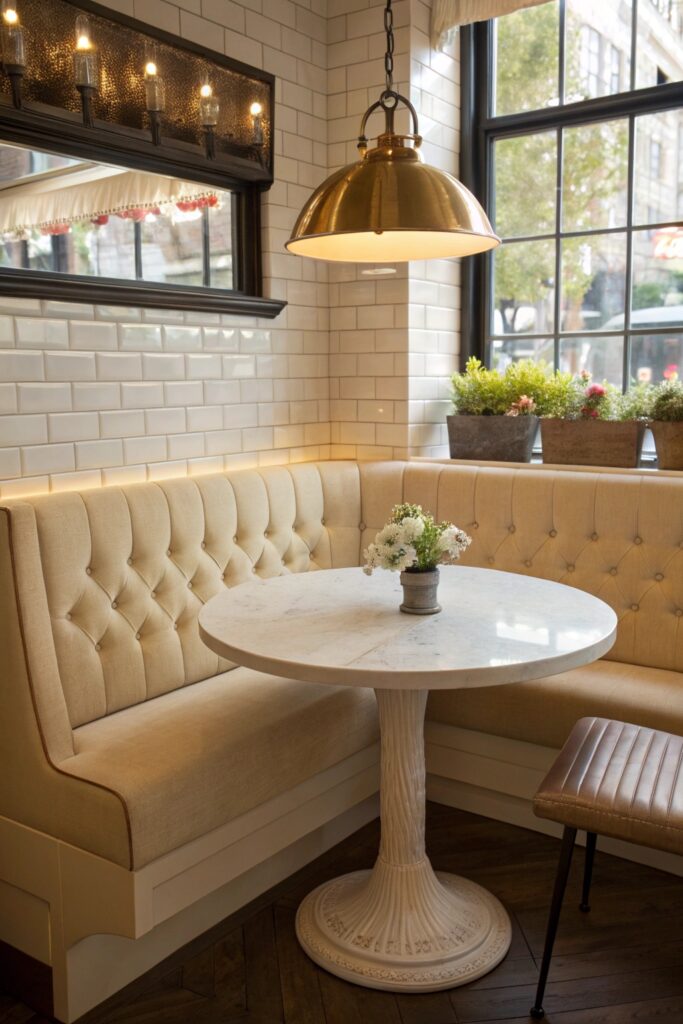
The kitchen banquette is the corner bench idea that never goes out of style, and for good reason. A well-designed banquette fits more people into less space than any chair-based dining setup while making the kitchen feel warm, lived-in, and truly inviting.
Restaurants figured this out decades ago. Home kitchens are finally catching up.
Banquette design tips that actually matter:
- Table height should sit 10–12 inches above the bench seat
- Allow at least 15 inches of table overhang for comfortable leg room
- Choose bench depth of 18–20 inches for standard dining comfort
A banquette with under-seat storage drawers rather than lift-up lids offers easier daily access — you don’t need to clear the table to grab what you need. Small detail, massive quality-of-life improvement once you experience it.
9. Industrial Pipe and Wood Corner Bench
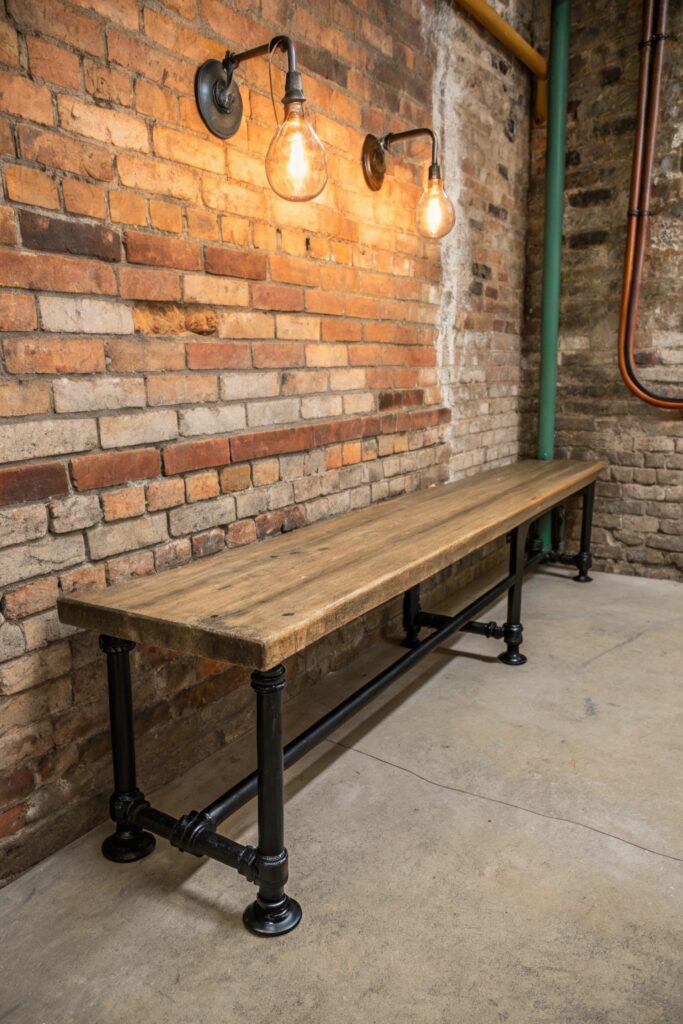
A pipe and reclaimed wood corner bench nails the industrial aesthetic perfectly while staying truly functional. The black iron pipe legs paired with a thick wooden plank seat create that raw, warehouse-loft look that works in both modern industrial and rustic spaces.
It’s also one of the most DIY-friendly corner bench styles — pipe fittings and reclaimed lumber are widely available and relatively affordable.
DIY industrial bench material list:
- Reclaimed pine or oak plank — 2–3 inches thick for durability
- Black iron pipe flanges and connectors for legs
- Sandpaper, wood stain, and clear sealant for finishing
The weight of the materials means this bench stays put without wall anchoring, which makes it truly portable if your layout changes. Sand the wood smooth and seal it properly, and this bench will outlast furniture that cost three times as much.
10. Curved Corner Bench for Round Tables
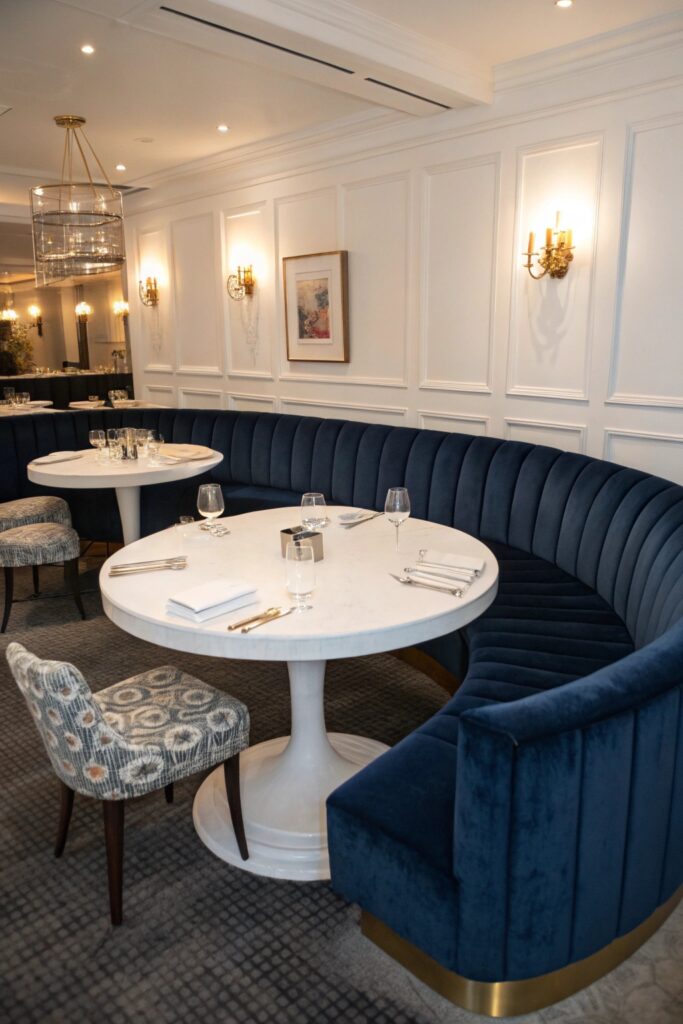
Most corner benches follow an L-shape, but a curved corner bench paired with a round pedestal table creates something truly different — a circular seating arrangement that feels intimate, social, and surprisingly space-efficient.
The curve eliminates the sharp corner angles that can feel rigid, creating a softer, more welcoming dining or living space arrangement.
Where curved corner benches work best:
- Breakfast rooms with round tables and bay windows
- Open-plan living areas needing a soft seating zone
- Restaurant-style booth setups in larger dining rooms
Upholstered curved benches in a single bold fabric color look particularly stunning — the continuous sweep of fabric without interruption creates a clean, sculptural look. This is one of those ideas that seems complicated but actually simplifies the whole room’s layout once it’s in place :/
11. Entryway Corner Bench with Hooks and Cubbies
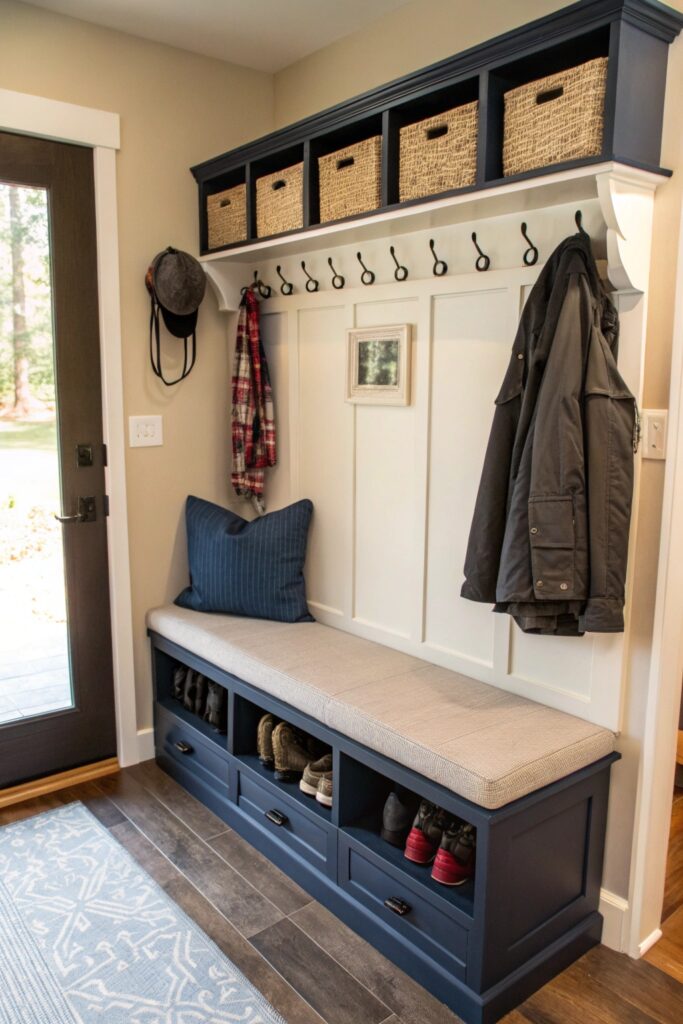
An entryway corner bench with overhead hooks and lower cubbies solves the eternal hallway chaos problem in one built-in solution. Shoes go in the cubbies, coats hang on the hooks, bags sit on the bench — and suddenly your entryway actually functions like it should.
This setup works in corners of any size, from a tight apartment entry to a spacious mudroom.
Must-have features for an entryway corner bench:
- At least 3–4 hooks per person in the household
- Individual cubbies sized for shoes plus a basket or two
- A cushioned bench seat for putting on and removing shoes comfortably
The corner placement keeps the main walkway completely clear while housing everything the entryway needs to manage. Paint the whole unit one color — white, black, or a deep navy — for a built-in look that appears far more expensive than it actually is.
12. Bohemian Floor-Level Corner Bench
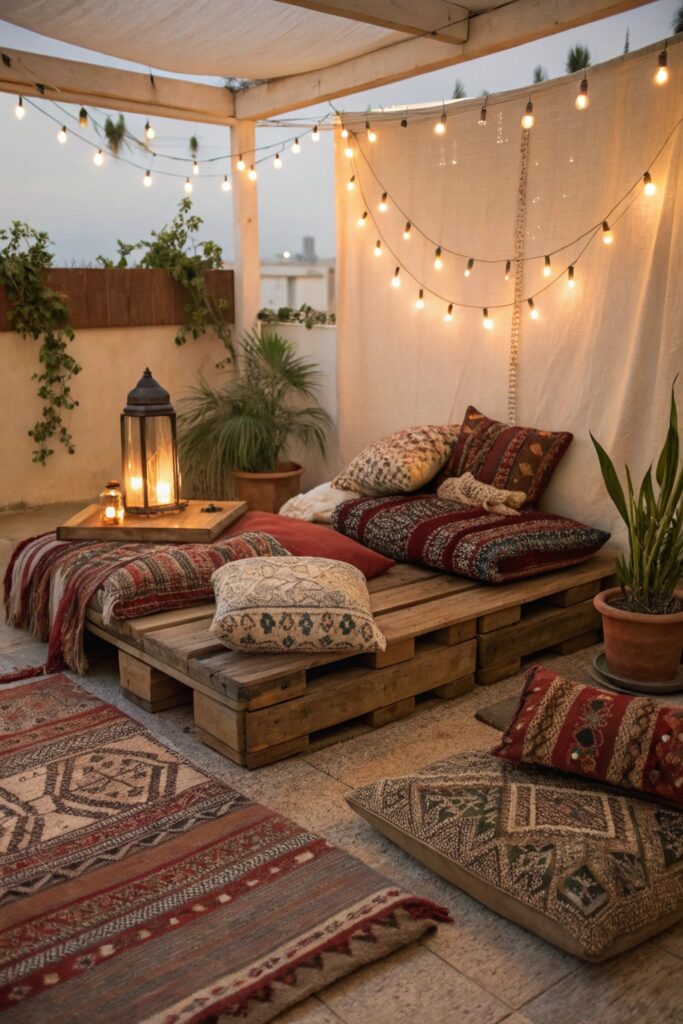
A floor-level corner bench covered in layered cushions, floor pillows, and woven textiles creates a relaxed, bohemian lounge corner that feels completely different from standard seating. Think Moroccan tea room meets cozy living room.
Low seating changes the entire energy of a space — conversations feel more relaxed, gatherings feel more casual, and the room instantly looks more interesting.
Building a bohemian floor bench corner:
- Start with a low wooden platform or repurposed pallet base
- Layer thick floor cushions in varying sizes and textures
- Add a low side table and ambient lighting like string lights or a lantern
Mix patterns freely — kilim prints, solid linens, embroidered textiles all work together in this style. The more layered and collected it looks, the better. This is easily one of the most budget-friendly corner seating ideas on the entire list.
Your Corner Deserves Better Than a Lonely Plant
Corner bench seating truly changes how a room functions and feels. Whether you go for a full built-in dining nook, a floating minimalist bench, or a bohemian floor cushion setup — you’re turning dead space into one of the most used spots in your home.
Start by identifying which corner bothers you most. Then pick the style that fits your space, your budget, and your aesthetic. The hardest part is just committing to the idea.
That corner has been waiting long enough. Time to give it a purpose — and maybe finally retire that lonely corner plant to somewhere it actually belongs.