
Introduction
Let’s be honest — nobody thinks about gutters until water is pooling in their yard like a backyard swimming pool nobody asked for. I learned this the hard way after one rainy season turned my garden into a muddy disaster zone. Not fun. :/
Good gutter drainage isn’t just about keeping things tidy. It’s about protecting your foundation, your landscaping, and honestly, your sanity. A little planning now saves you a massive headache later.
So whether you’re dealing with soggy soil, erosion, or runoff that keeps creeping toward your house, these 10 ideas will sort you out fast.
1. Extend Your Downspouts Away From the Foundation
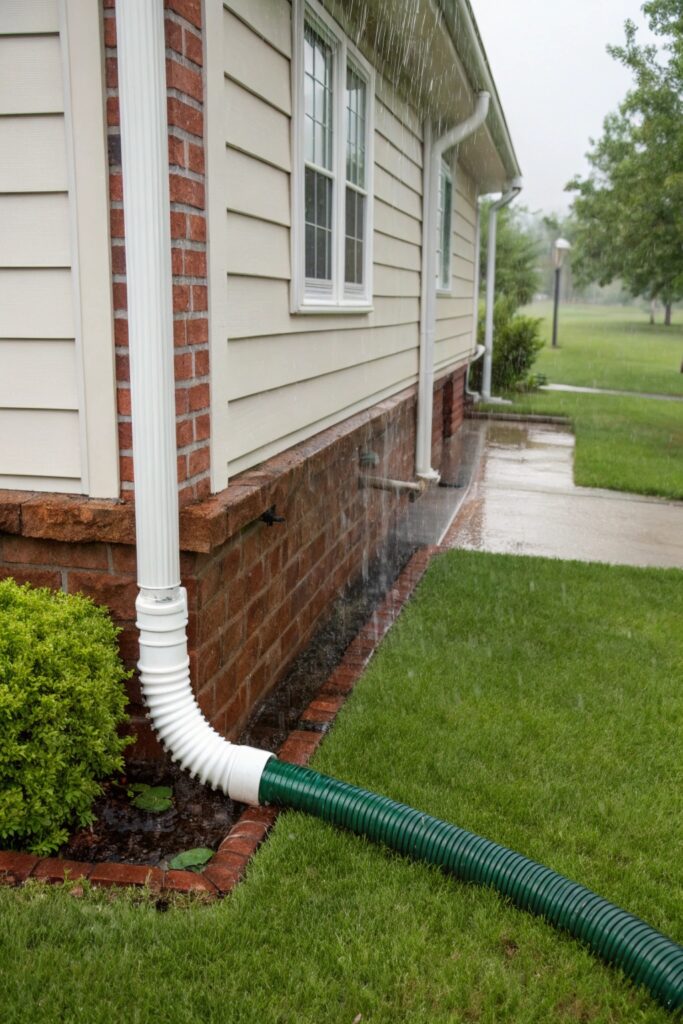
This is the simplest fix that most homeowners completely ignore. Your downspout dumps water right next to your foundation — and your foundation is quietly crying for help.
What you should do:
- Add a downspout extension at least 6 feet away from your home
- Use flexible or rigid extensions depending on your yard layout
- Point the water toward a sloped area or drainage zone
Extensions are cheap, easy to install, and make a dramatic difference. IMO, this is the first thing anyone should do before trying anything fancier. It’s the low-hanging fruit of gutter drainage, and it works.
2. Install a French Drain
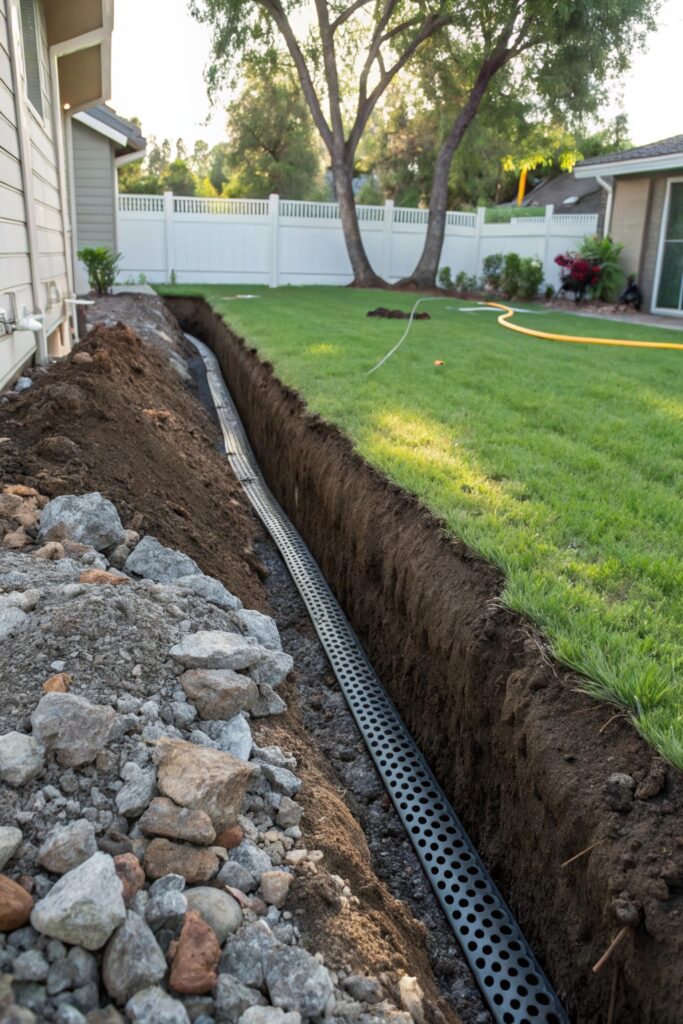
Ever wondered why your yard stays soggy for days after rain? A French drain might be exactly what you need. It’s basically a gravel-filled trench with a perforated pipe that redirects underground water away from problem areas.
Why it works so well:
- Captures both surface and subsurface water
- Redirects flow to a safer discharge point
- Works silently underground — no ugly pipes showing
French drains take a bit more effort to install, but they’re incredibly effective for yards with serious drainage issues. I’ve seen them completely transform waterlogged backyards into usable outdoor spaces. Well worth the weekend project.
3. Create a Rain Garden
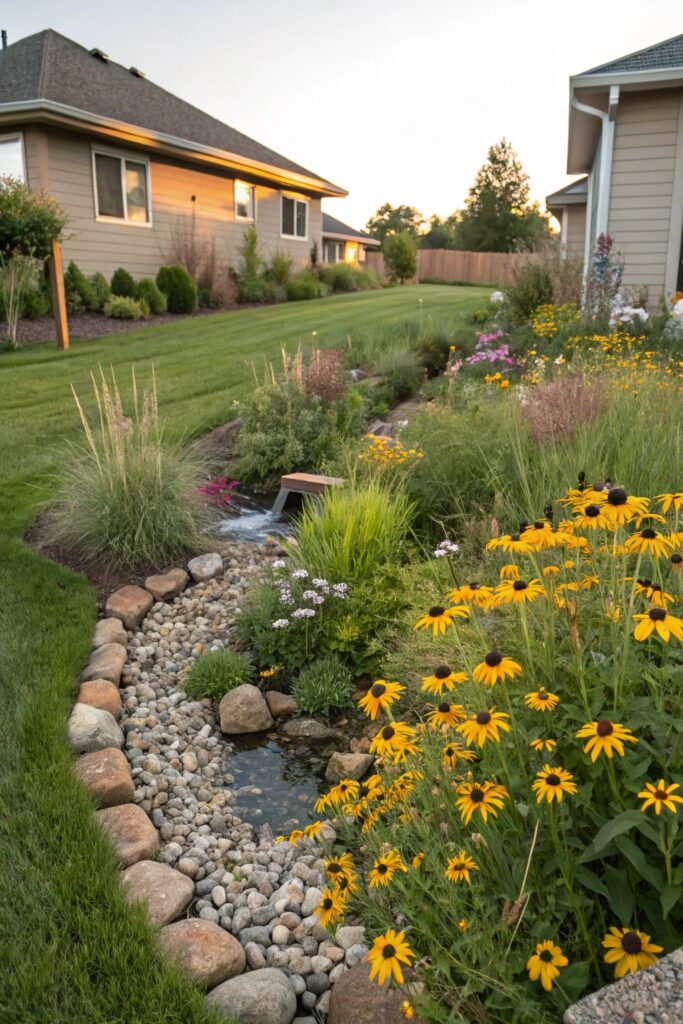
A rain garden is where smart drainage meets beautiful landscaping. You dig a shallow depression in your yard, fill it with native plants and absorbent soil, and let it soak up runoff naturally. It’s drainage that actually looks good — imagine that.
Best plants for rain gardens:
- Native grasses and wildflowers
- Black-eyed Susans
- Swamp milkweed
- Coneflowers
Position your rain garden at least 10 feet from your foundation and in a naturally low area. It collects water from your downspouts and lets it slowly absorb into the ground. Plus, pollinators absolutely love it. Two birds, one stone.
4. Add a Dry Creek Bed
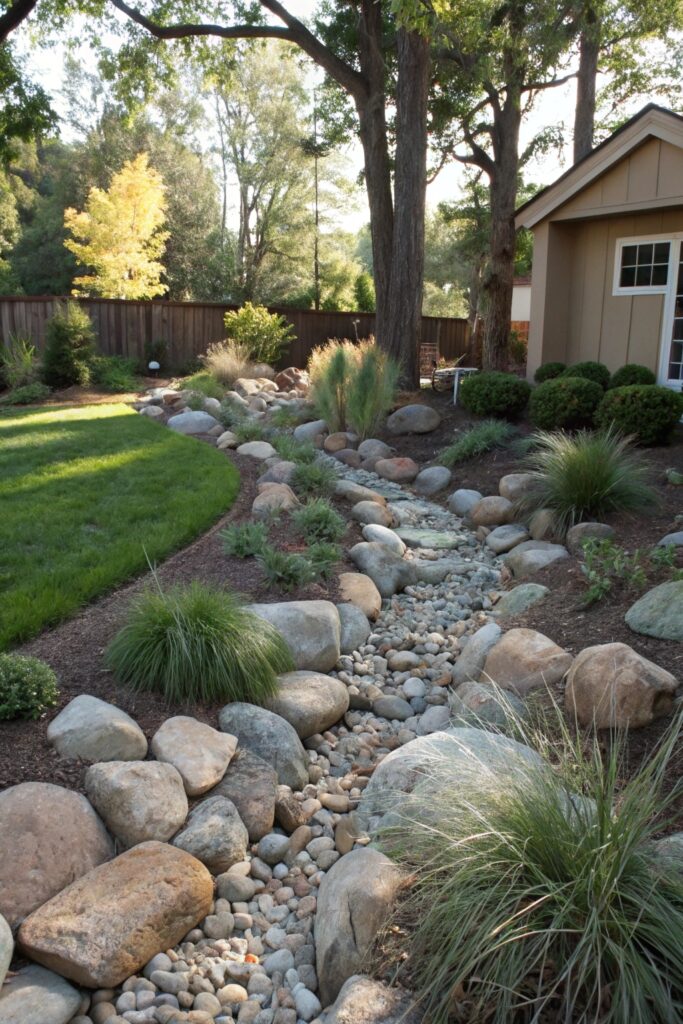
A dry creek bed channels water across your yard in a natural-looking path. Instead of water sheeting across your lawn and eroding everything in sight, it flows through a defined gravel channel toward a safe exit point.
What you’ll need:
- River rocks or decorative gravel
- Landscape fabric underneath
- A clear path sloping away from your home
The best part? It looks intentional and attractive even when it’s completely dry. Neighbors will think you hired a landscape designer. You don’t have to tell them it’s actually a drainage solution — FYI, it absolutely is.
5. Use Gutter Guards to Prevent Clogs
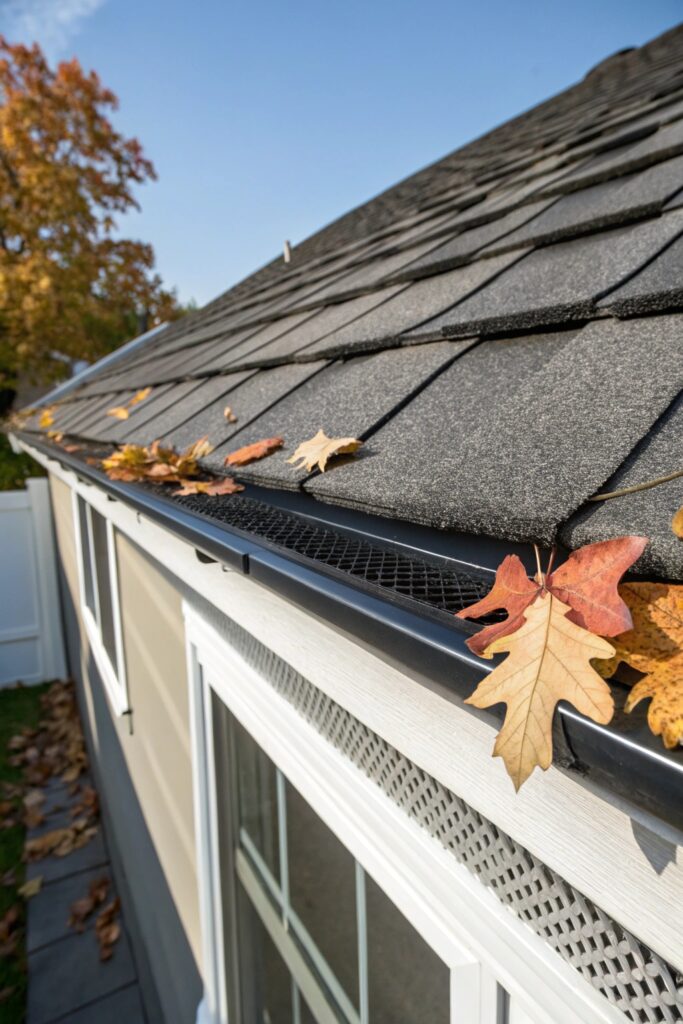
Clogged gutters overflow, and overflow means water dumping right against your house. Gutter guards stop leaves and debris from blocking your gutters in the first place. Prevention beats cleanup every single time.
Popular types of gutter guards:
- Micro-mesh guards — best for fine debris
- Reverse curve guards — good for heavy leaf areas
- Foam inserts — easy to install but need regular replacement
- Brush guards — budget-friendly option
Micro-mesh guards are my personal favorite. They keep out even tiny debris like pine needles and shingle grit. They cost a bit more upfront but save hours of cleaning every season. A solid investment for any homeowner.
6. Grade Your Yard Away From the House
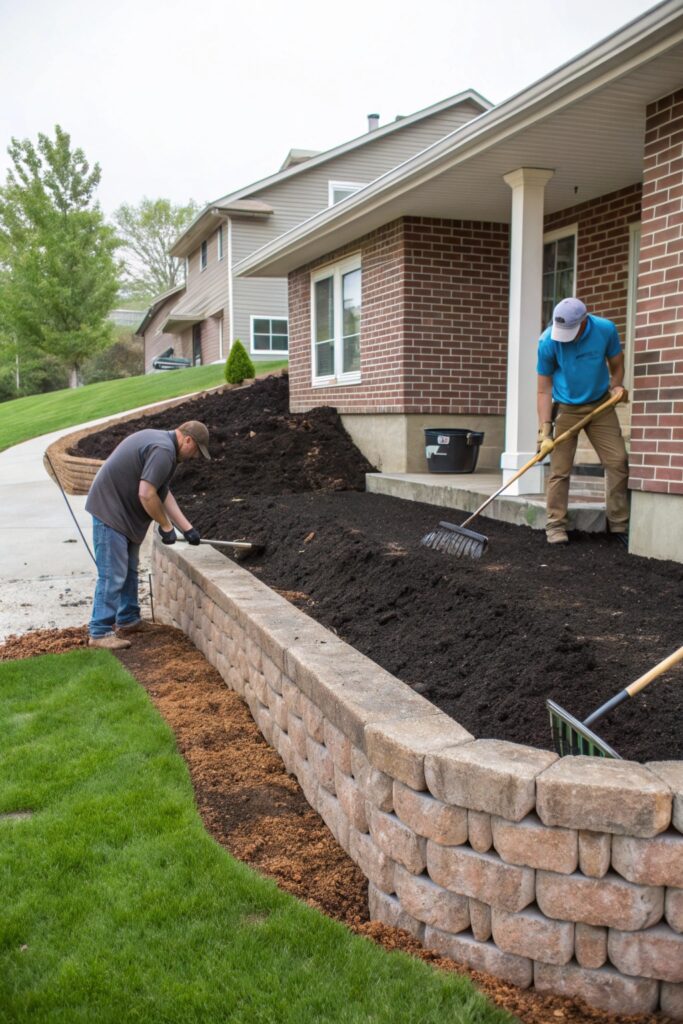
Sometimes the real problem isn’t your gutters — it’s the slope of your yard. If the ground tilts toward your foundation, water follows gravity straight to your basement wall. Regrading fixes that permanently.
The basic rule:
- Yard should slope at least 6 inches downward over the first 10 feet from your house
- Use clean fill dirt to build up low spots near the foundation
- Re-seed or re-sod after grading is complete
This isn’t a Saturday afternoon job — it takes some planning and physical effort. But if water keeps finding its way into your basement despite everything else you try, regrading is probably the missing piece.
7. Install a Catch Basin
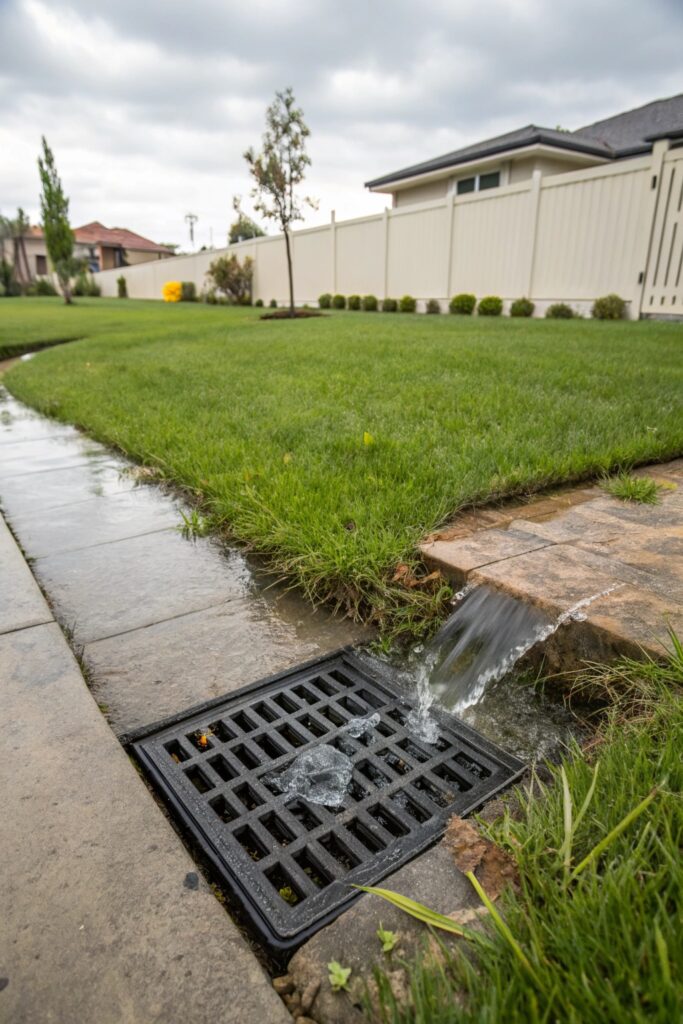
A catch basin is a buried drain that collects surface water and channels it underground through a pipe to a discharge point. Think of it as a drain for your yard — exactly like the one in your shower, just bigger and tougher.
Where to place one:
- Low spots where water consistently pools
- At the base of a slope
- Near driveway edges or patio runoff zones
Catch basins pair beautifully with French drains or underground pipe systems. You can connect multiple basins together to handle large volumes of runoff. Once installed, they’re virtually maintenance-free and incredibly effective at eliminating stubborn puddles.
8. Direct Downspouts Into Underground Pipes
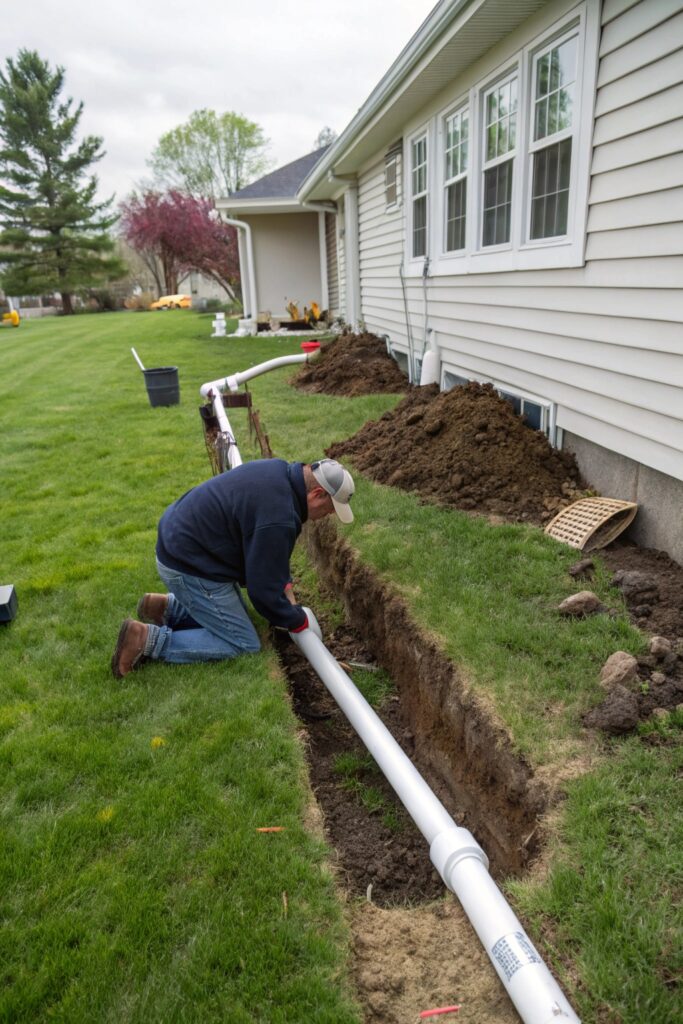
Instead of letting your downspouts dump water on the surface, you can connect them directly to underground PVC pipes that carry water far away from your home. It’s a cleaner, more permanent solution than surface extensions.
How it works:
- Connect downspout to a PVC pipe underground
- Pipe runs beneath the yard to a pop-up emitter
- Emitter releases water safely away from the foundation
The pop-up emitter opens under water pressure and closes when dry — keeping pests out between rainstorms. This system is practically invisible once installed, which means your yard stays looking sharp while the drainage does its job quietly underground.
9. Build a Swale
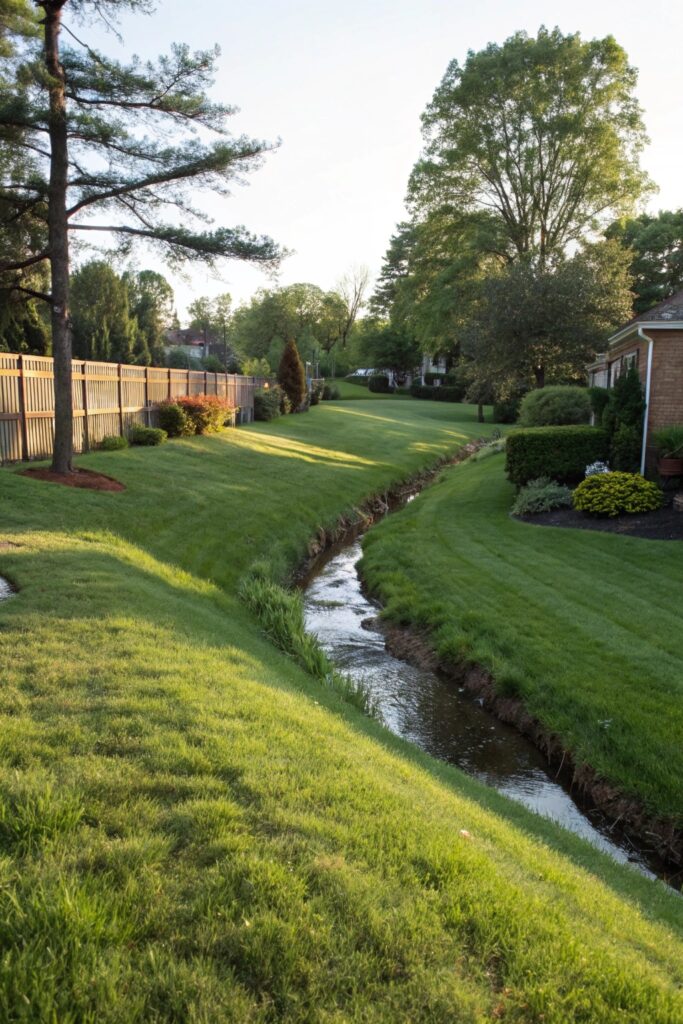
A swale is a shallow, wide channel — usually grass-lined — that guides water across your yard toward a better drainage point. It works with the natural contours of your land rather than fighting them.
Key benefits of a swale:
- Slows water flow, reducing erosion
- Allows water to absorb gradually into the soil
- Can be grassed over to blend seamlessly into your lawn
Swales work especially well on larger properties where water travels long distances across the yard. They’re low-cost to create compared to underground drainage systems, and with the right grass cover, they’re nearly invisible. Just mow over them like the rest of your lawn.
10. Add a Rain Barrel or Cistern System
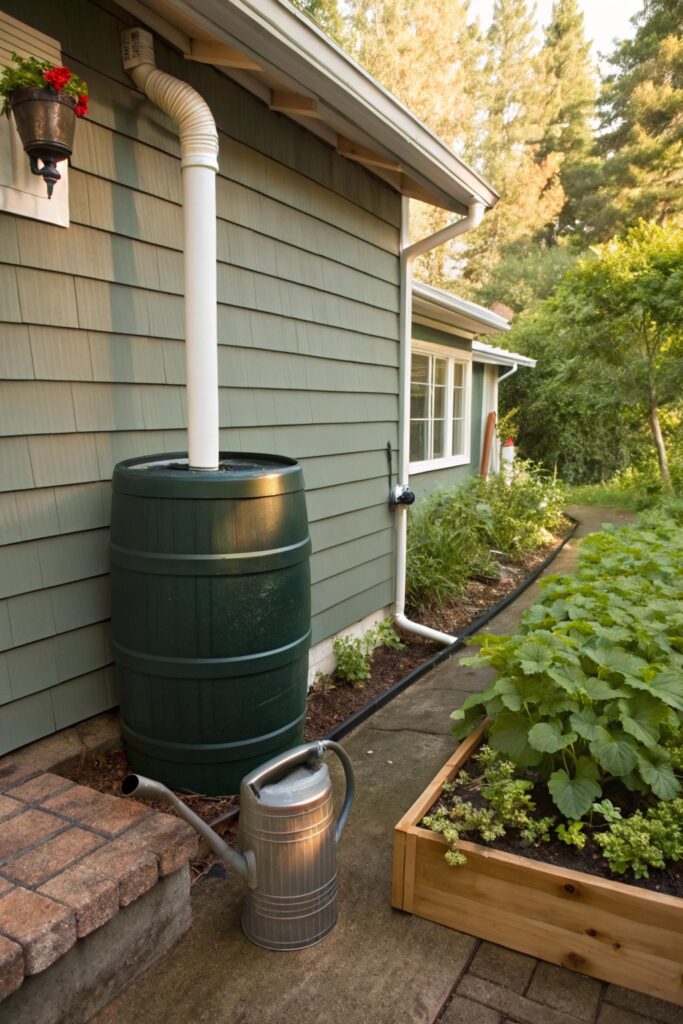
Why let all that rooftop runoff go to waste? Connect your downspouts to a rain barrel or cistern and capture that water for later use. It reduces runoff volume AND gives you free water for your garden. Win-win.
What to look for in a rain barrel:
- Capacity — standard barrels hold 50–80 gallons
- Overflow valve — essential for directing excess water away safely
- Mesh screen top — keeps mosquitoes out
- Spigot placement — should be high enough for a watering can
A cistern system scales this idea up significantly, storing hundreds of gallons underground. For anyone serious about water management and sustainability, this is the upgrade worth considering. Your plants will thank you, and so will your water bill.
Checking Drainage Before Committing to a Fix
Watching how water actually moves across your yard during a real rainstorm, rather than guessing, reveals which of these solutions addresses your specific problem instead of one that just looks good on paper.
A yard with a foundation-level pooling issue needs a different fix than one with a low spot in the middle of the lawn, so matching the solution to the actual water path saves both money and repeat work.
Conclusion
For more on the rain garden approach specifically, see our guide to rain garden ideas.
Water damage doesn’t announce itself — it sneaks up quietly through soggy soil, eroded flower beds, and eventually a damp basement wall. The good news? Every single idea on this list is something a motivated homeowner can tackle with the right tools and a free weekend.
Start simple with downspout extensions and gutter guards. Then work your way up to French drains or underground pipe systems if the problem calls for it. You don’t need to do everything at once — just start somewhere.
Your yard deserves better than being a puddle farm every time it rains. Pick one idea from this list today, and start protecting what you’ve worked hard to build. 🙂