If your garden feels a little lifeless lately, the problem probably isn’t your green thumb — it’s what you’re planting. Butterflies and bees don’t show up randomly. They show up when you give them an actual reason to.
I planted my first pollinator garden three summers ago with zero expertise and a handful of native wildflower seeds. Within two weeks, the bees found it. Within a month, the butterflies moved in like they’d been waiting for an invitation. It truly surprised me how fast it happened.
These 12 pollinator garden ideas work because they focus on what pollinators actually need — not just what looks pretty in a catalog. Let’s get your garden buzzing.
1. Plant a Native Wildflower Meadow Patch
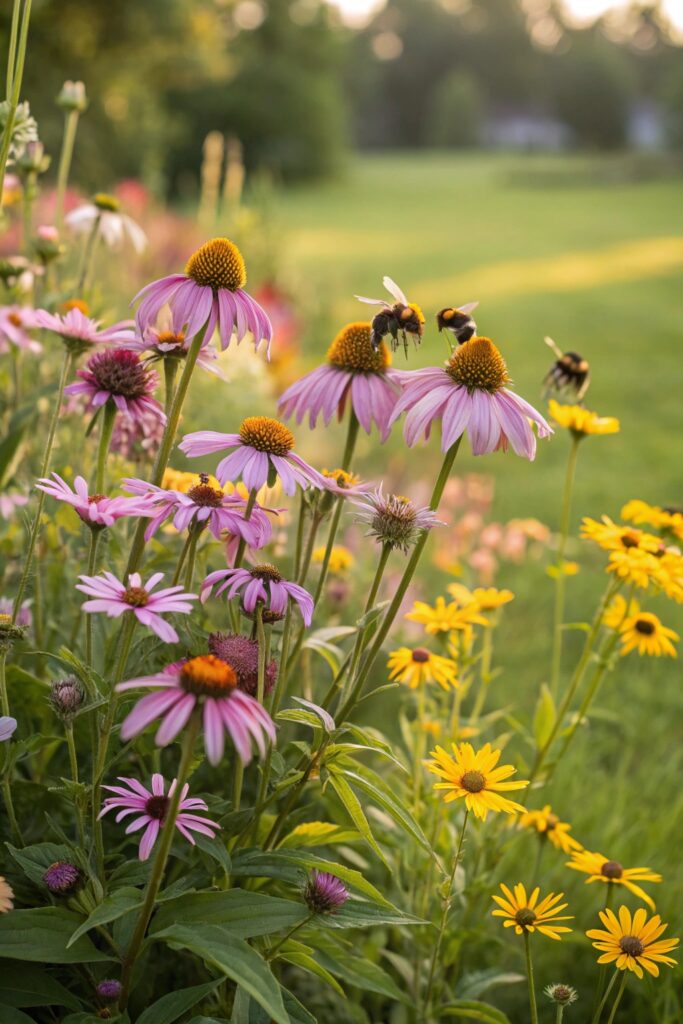
Nothing attracts pollinators faster than a dedicated patch of native wildflowers because local bees and butterflies evolved alongside these plants. They recognize the scent, the shape, and the nectar source instinctively.
You don’t need a huge yard for this. Even a 4×6 foot patch of mixed native wildflowers delivers remarkable results. Scatter seed mixes that include coneflower, black-eyed Susan, and native aster for a long bloom season that covers spring through fall.
- Choose a region-specific native seed mix for the fastest pollinator response
- Avoid hybrid varieties — they often produce less nectar than straight species
- Let a section go to seed at season’s end to feed birds and self-sow for next year
Native wildflowers also require almost zero maintenance once established, which is a bonus for everyone. 🙂
2. Add a Bee Watering Station
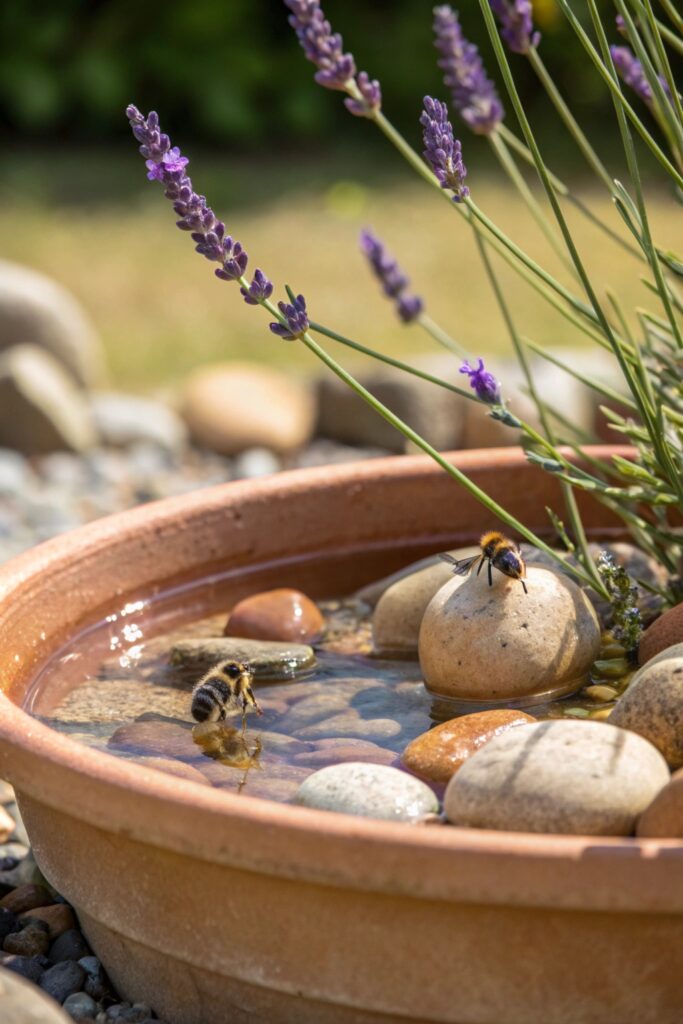
Most gardeners focus entirely on food sources and completely forget that bees need fresh water just as much as nectar. A simple, shallow watering station keeps native bees hydrated and encourages them to stay in your garden longer.
Use a shallow dish or birdbath filled with clean water and add a handful of pebbles or marbles for landing spots. Bees can’t swim — they need something solid to perch on while drinking. Change the water every two to three days to prevent mosquito breeding.
- Position the station near flowering plants rather than far from the garden
- Dark-colored dishes warm the water slightly, which bees prefer
- A dripping water feature attracts even more pollinators through sound and movement
- Keep it consistently filled — bees remember reliable water sources and return daily
3. Plant Lavender in Mass Groupings
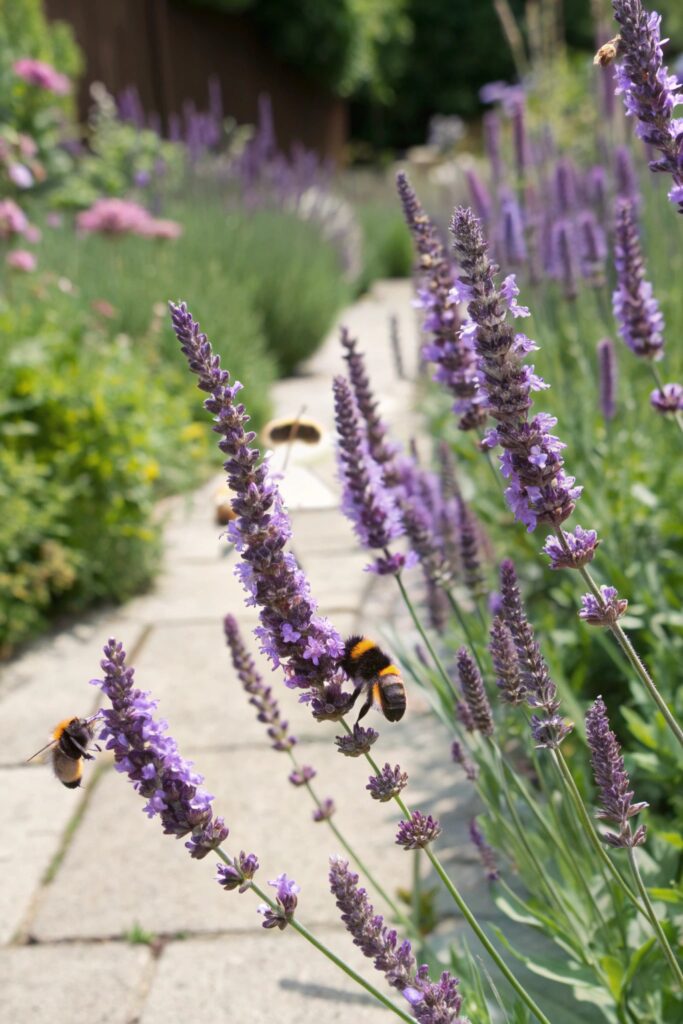
If you want to see bees lose their minds in the best possible way, plant lavender. Mass plantings of lavender attract bees in numbers that truly impress because the plant produces abundant nectar across a long bloom period.
A single lavender plant gets visits. Ten lavender plants planted together create a destination that bees actively recruit other bees toward. Plant in full sun with well-draining soil and watch the activity explode within days of first bloom.
- English lavender blooms longest and attracts the widest variety of bee species
- Trim spent blooms to encourage a second flush of flowers mid-season
- Lavender also attracts hummingbird moths — an incredible bonus visitor
- Plant along pathways so you enjoy the fragrance every time you walk past
FYI — lavender also repels aphids, which makes it one of the hardest-working plants in any pollinator garden.
4. Build a Simple Insect Hotel
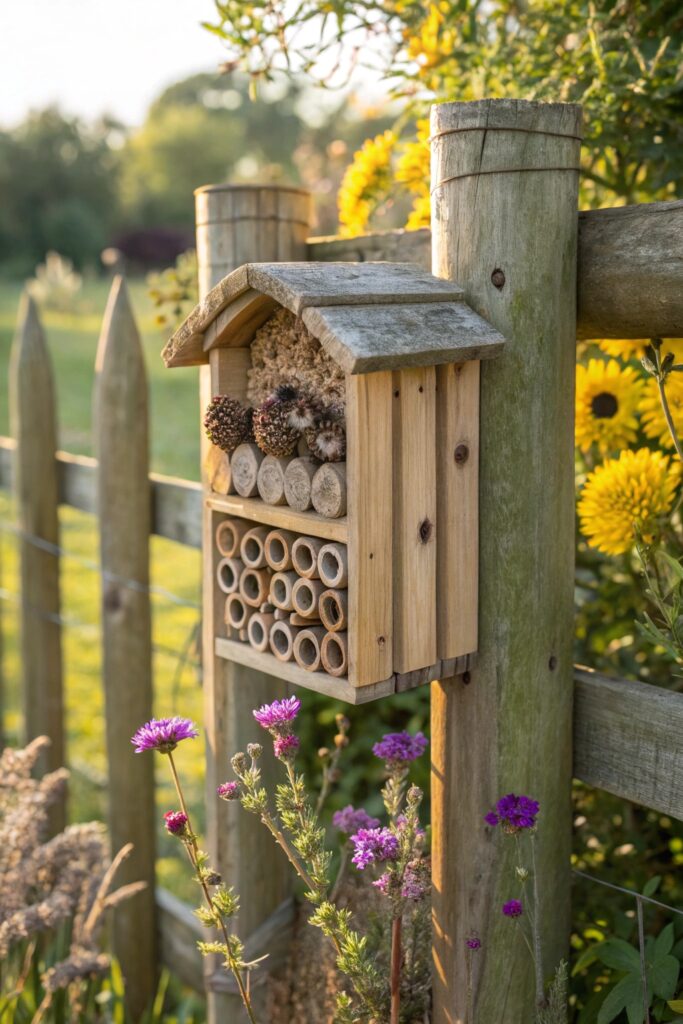
Solitary bees — which include mason bees and leafcutter bees — don’t live in hives. They nest in small hollow tubes and cavities, and an insect hotel gives them exactly the nesting habitat they need to thrive in your garden.
You can buy pre-made insect hotels or build one in an afternoon using hollow bamboo tubes, drilled wooden blocks, and pinecones bundled together in a wooden frame. Mount it on a south-facing wall or fence post at about chest height, in a sheltered sunny spot.
- Use tubes ranging from 3-10mm diameter to attract different solitary bee species
- Position with the entrance facing southeast for morning warmth
- Replace tubes every two years to prevent parasite buildup
- Place near flowering plants so nesting bees have immediate food access
IMO, an insect hotel is the single most impactful structural addition to any pollinator garden.
5. Create a Butterfly Puddling Station
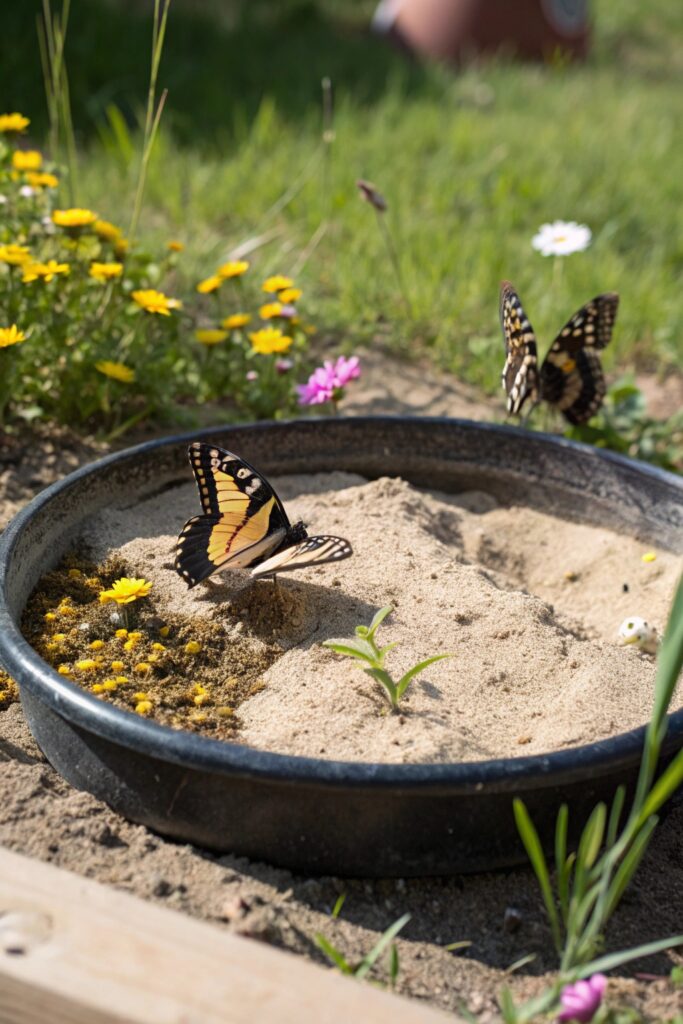
Ever notice butterflies gathered in muddy puddles on a warm day? That behavior has a name — puddling — and butterflies actively seek out shallow muddy water to absorb minerals and salts they can’t get from nectar alone.
Create a dedicated puddling station using a shallow dish filled with damp sand mixed with a small amount of sea salt or wood ash. Bury it slightly so the rim sits at ground level, and keep it consistently moist. Place it in a sunny, sheltered spot near your flowering plants.
- Use coarse sand rather than potting mix — it holds moisture without becoming waterlogged
- A pinch of sea salt per liter of water provides the minerals butterflies seek
- Dark colored dishes absorb heat and attract more butterfly activity
- Replenish moisture daily during hot weather when evaporation is fastest
6. Plant a Three-Season Bloom Sequence
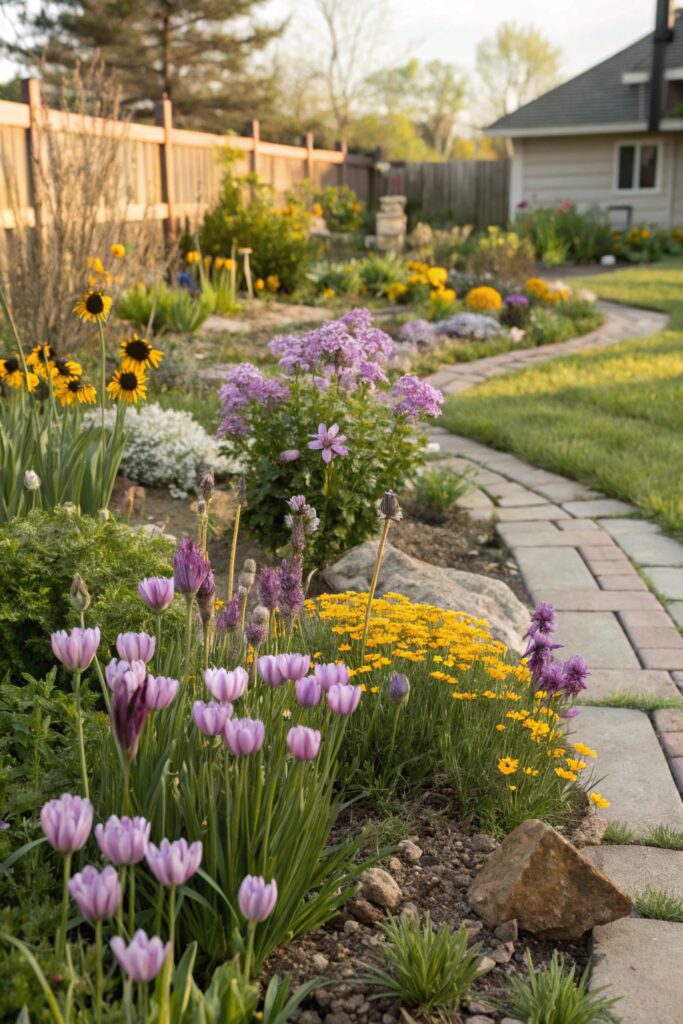
One of the biggest mistakes gardeners make is planting everything that blooms at once. Pollinators need food from early spring through late fall, and a three-season bloom sequence keeps them coming back all year.
Plan your garden so something always flowers. Early spring bulbs like crocus and allium feed emerging bees before most plants wake up. Summer perennials like coneflower and bee balm carry the middle season. Late-blooming asters and goldenrod sustain migrating butterflies through fall.
- Crocus is one of the earliest and most valuable early-season bee plants
- Goldenrod feeds more pollinator species than almost any other fall plant
- Overlap bloom times so there’s never a gap longer than two weeks
- Include plants with varying flower shapes to attract different pollinator species
A well-sequenced garden works harder for pollinators than a larger garden with poor timing.
7. Add Milkweed for Monarch Butterflies
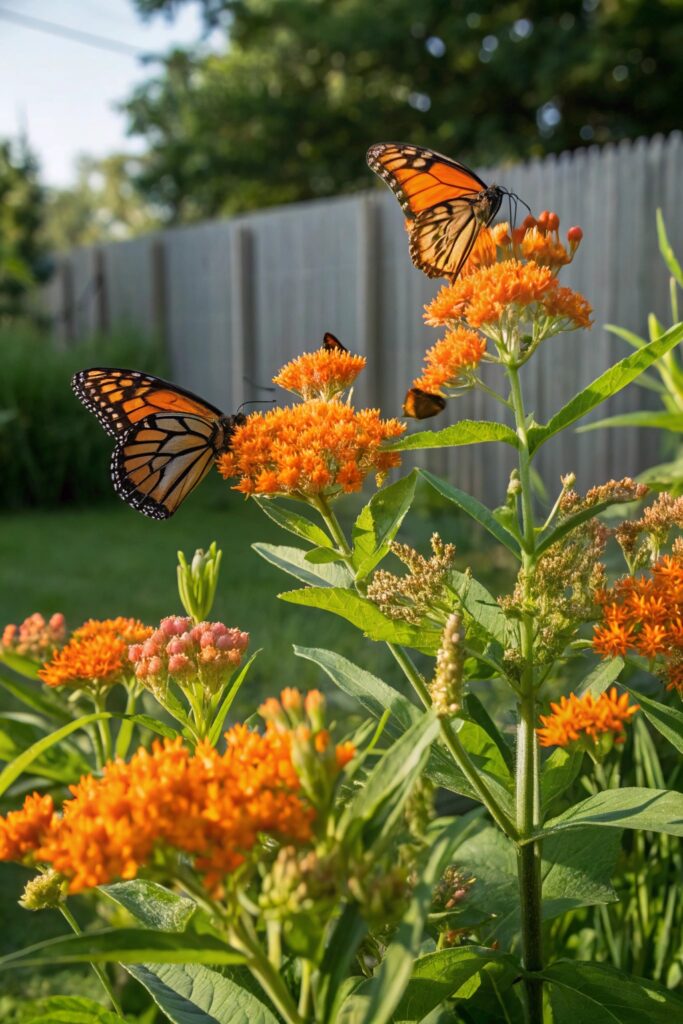
If monarch butterflies visit your area, milkweed isn’t optional — it’s the only plant monarch caterpillars can eat. Without it, monarchs can’t complete their lifecycle, and they won’t linger in gardens that don’t offer it.
Plant native milkweed species rather than tropical milkweed, which can disrupt monarch migration patterns in warmer climates. Common milkweed, butterfly weed, and swamp milkweed all work beautifully depending on your region and soil conditions.
- Butterfly weed produces brilliant orange flowers that also attract dozens of other species
- Allow seedpods to mature and self-sow naturally for expanding patches each year
- Plant in clusters of at least three to create a visible landing target for monarchs
- Avoid pesticides anywhere near milkweed — monarch caterpillars are extremely sensitive
Planting milkweed is one of the most meaningful contributions any home gardener can make to pollinator conservation right now.
8. Use Raised Beds Dedicated to Pollinator Plants
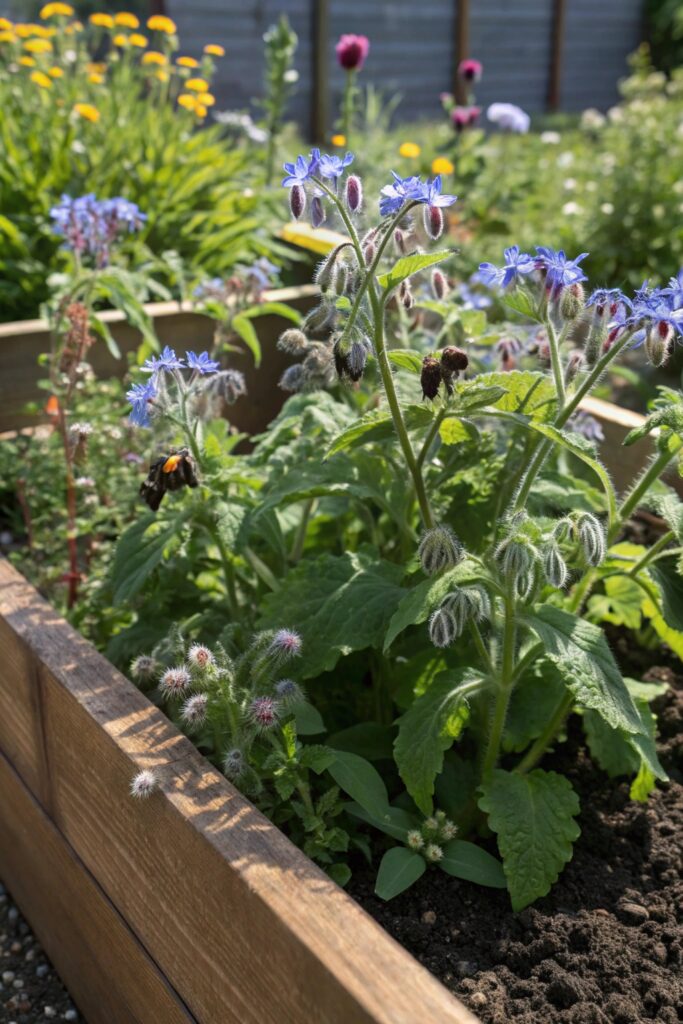
A raised bed planted exclusively with pollinator-friendly herbs and flowers creates a concentrated, high-value feeding station that attracts bees and butterflies consistently throughout the season.
Fill it with a rotating mix of borage, phacelia, sweet alyssum, and flowering herbs like thyme and oregano. These plants bloom prolifically, produce abundant nectar, and keep the raised bed looking beautiful while working hard for your local pollinator population.
- Borage reseeds itself aggressively — plant it once and it returns every year
- Phacelia is one of the highest-rated plants for honeybee attraction
- Flowering thyme and oregano attract bees while doubling as kitchen herbs
- Position the raised bed in full sun with at least six hours of direct light daily
The confined space of a raised bed also makes it easier to avoid any pesticide drift from neighboring areas.
9. Plant a Hedgerow of Flowering Shrubs
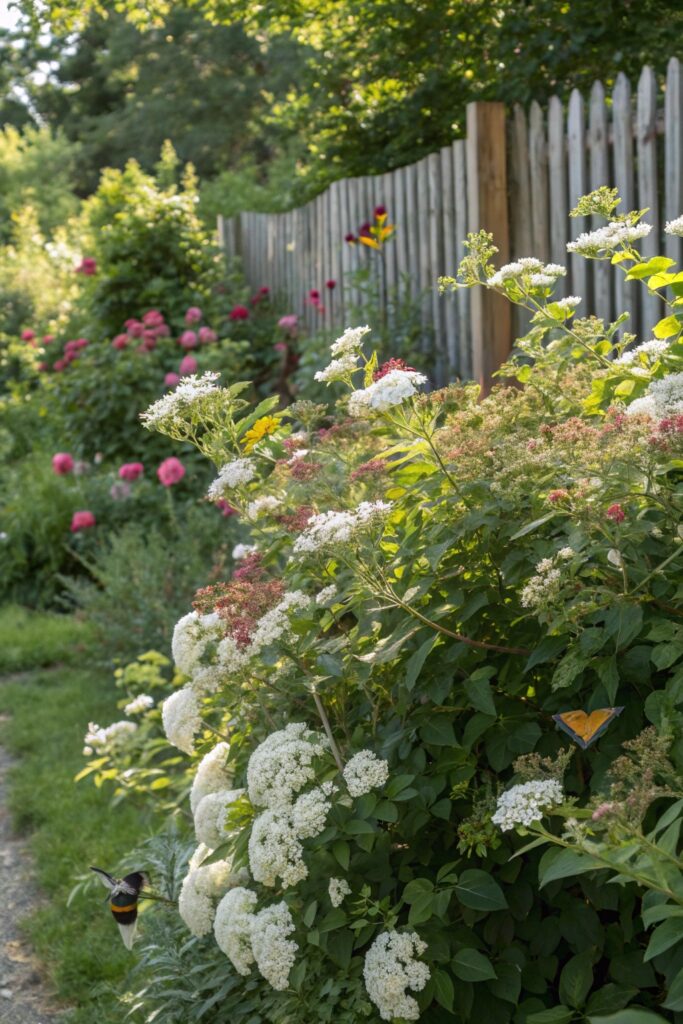
A mixed hedgerow of flowering native shrubs creates multi-level habitat that supports pollinators, nesting birds, and beneficial insects simultaneously. It’s one of the most ecologically valuable things you can add to a garden.
Include a mix of native viburnums, buttonbush, native roses, and elderberry. These shrubs bloom at different times, produce berries for birds, and provide shelter for overwintering beneficial insects. A hedgerow along your garden perimeter also acts as a windbreak that keeps pollinators more active on breezy days.
- Buttonbush is exceptional for attracting bumblebees and swallowtail butterflies
- Elderberry blooms attract pollinators and the berries feed migrating birds
- Space shrubs to allow eventual canopy overlap for maximum habitat value
- Leave fallen leaves beneath shrubs as overwintering habitat for native bees
10. Include Night-Blooming Flowers for Moths
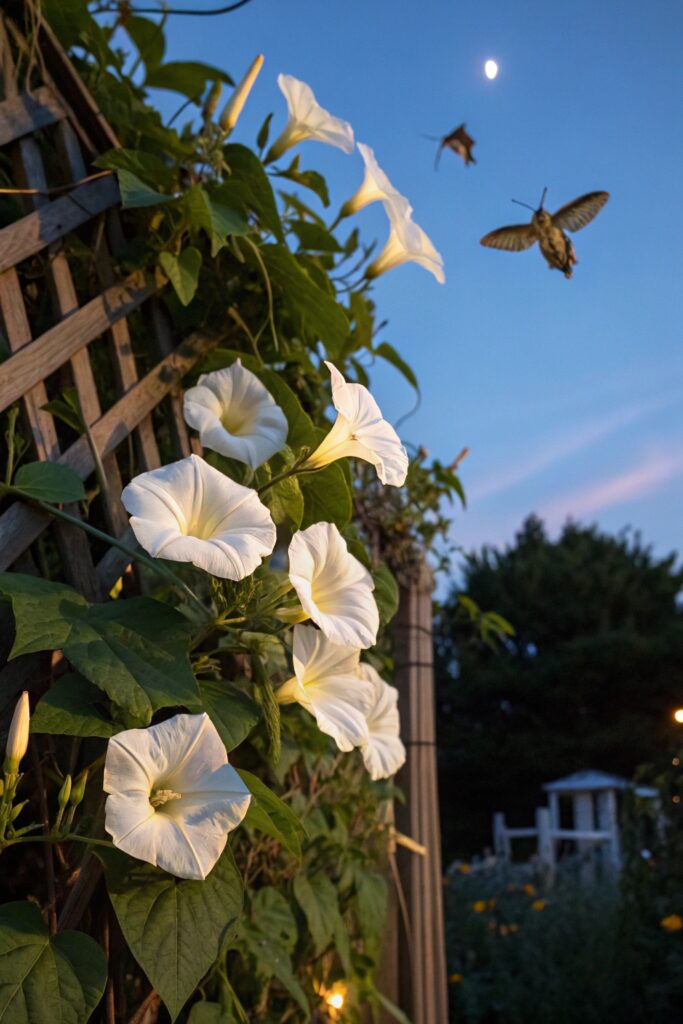
Most pollinator gardens focus entirely on daytime visitors — but night-blooming flowers support moths, which are critically important and deeply underappreciated pollinators. Some plants depend almost entirely on moth pollination.
Evening primrose, moonflower, and night-blooming jasmine open at dusk and produce intense fragrance that guides moths from surprisingly long distances. Position these plants near a seating area so you can enjoy watching the evening activity while also benefiting from the fragrance.
- Evening primrose self-seeds freely and spreads to fill gaps over time
- Moonflower climbs quickly and covers a trellis with enormous white blooms
- White and pale yellow flowers reflect moonlight and attract moths most effectively
- Include a small outdoor light nearby — moths navigate by light and gather around it
11. Leave Bare Soil Patches for Ground-Nesting Bees
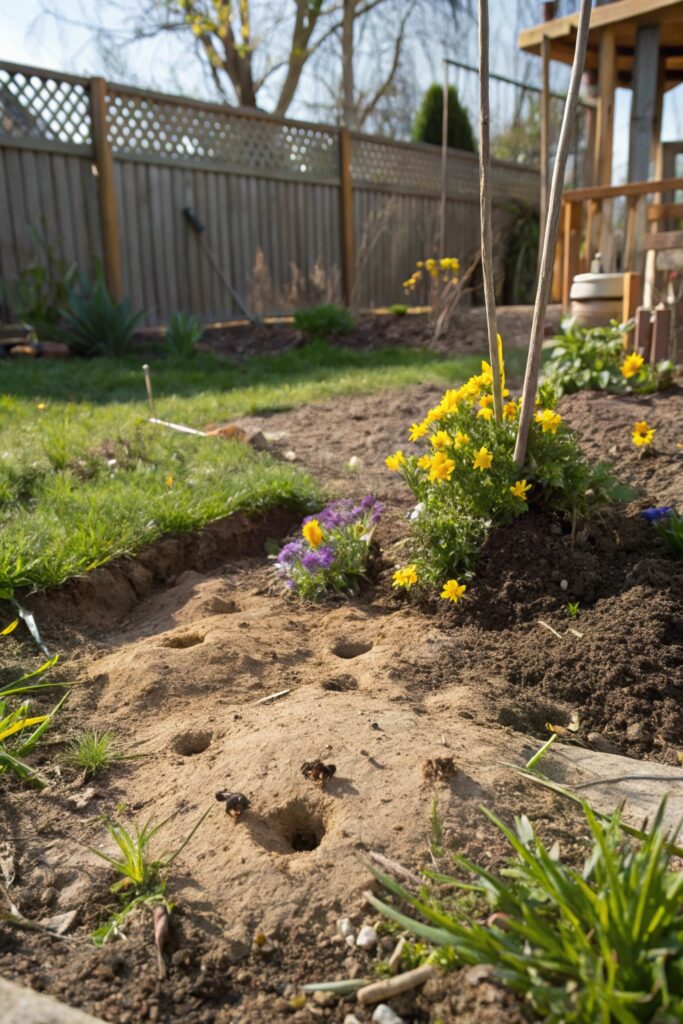
Around 70% of native bee species nest in the ground — and compacted, mulched, or lawn-covered soil gives them nowhere to nest. Leaving small patches of bare or lightly disturbed soil in your garden provides critical nesting habitat that most gardens completely lack.
Choose a sunny, well-drained spot and simply remove the mulch or grass from a 2-3 square foot area. South-facing slopes work especially well. You might notice small holes appearing — those are ground-nesting bee entrances, and they’re a sign your garden is working.
- Sandy or loose soil is strongly preferred over heavy clay for ground nesters
- Keep these patches free of foot traffic once bees establish nests
- Ground-nesting bees are non-aggressive and extremely unlikely to sting
- Combine bare patches with nearby flowering plants for immediate foraging access
12. Plant a Container Pollinator Garden for Small Spaces
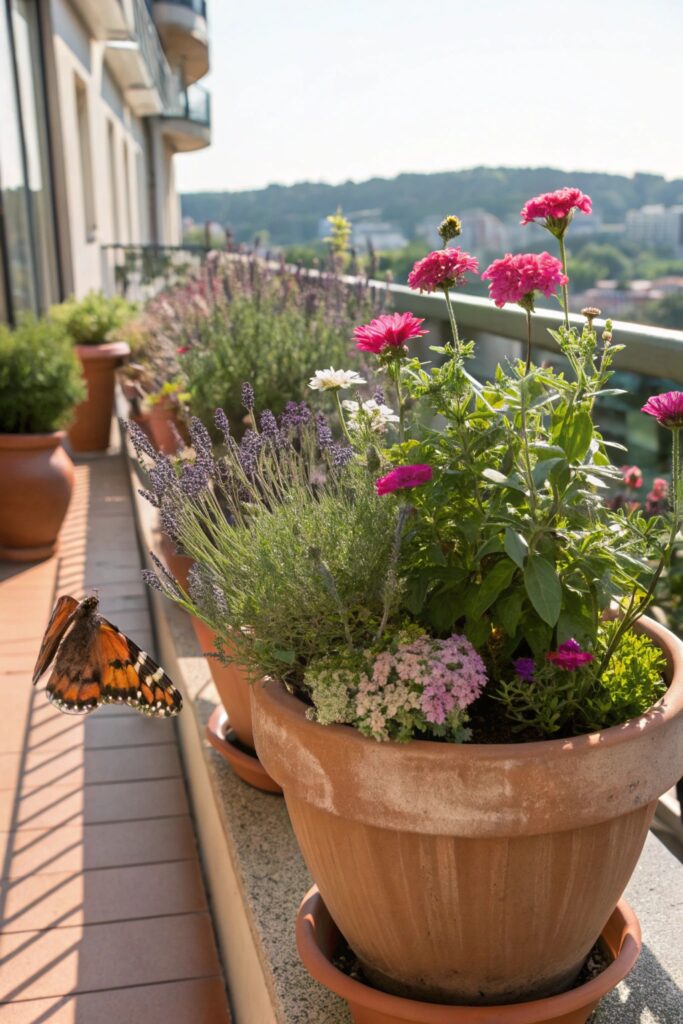
No yard? No problem. A container pollinator garden on a balcony, patio, or doorstep attracts bees and butterflies just as effectively as an in-ground garden when planted correctly. Pollinators search urban environments actively and find container plantings faster than most people expect.
Use large containers — at least 12 inches deep — and plant densely with a mix of lavender, sweet alyssum, zinnias, and trailing thyme. Group containers together to create a concentrated patch of color and scent that registers from a distance.
- Zinnias are among the easiest and most productive pollinator container plants
- Group five or more containers together rather than spreading them around
- Use unglazed terracotta pots which breathe better and keep roots healthier
- Water containers daily in summer — drought stress reduces nectar production significantly
A well-planted container garden proves that you don’t need space to make a real difference for pollinators.
Your Garden Can Change Things — Starting This Weekend
Round out the habitat with our guides to bird bath ideas and corner garden ideas for the rest of your backyard wildlife setup.
Pollinators don’t need a perfect garden. They need a willing one. Start with two or three ideas from this list, get them in the ground, and watch what happens within the first few weeks.
Native wildflowers, a water source, and one good nesting spot get you most of the way there. Add milkweed if monarchs visit your region and a three-season bloom sequence when you’re ready to level up.
The bees and butterflies are out there looking for exactly what you’re about to give them. Plant it and they will come — sometimes faster than you’d believe possible.