
A screened porch sits in the middle ground between fully indoor and fully outdoor, which means materials and equipment still need genuine outdoor ratings despite the space feeling more protected than an open patio. The details below cover both the design direction and these practical specifics for each idea.
Below are 12 screened-in back porch ideas worth considering, with the specifics for each.
1. Go All-In on Comfortable Seating
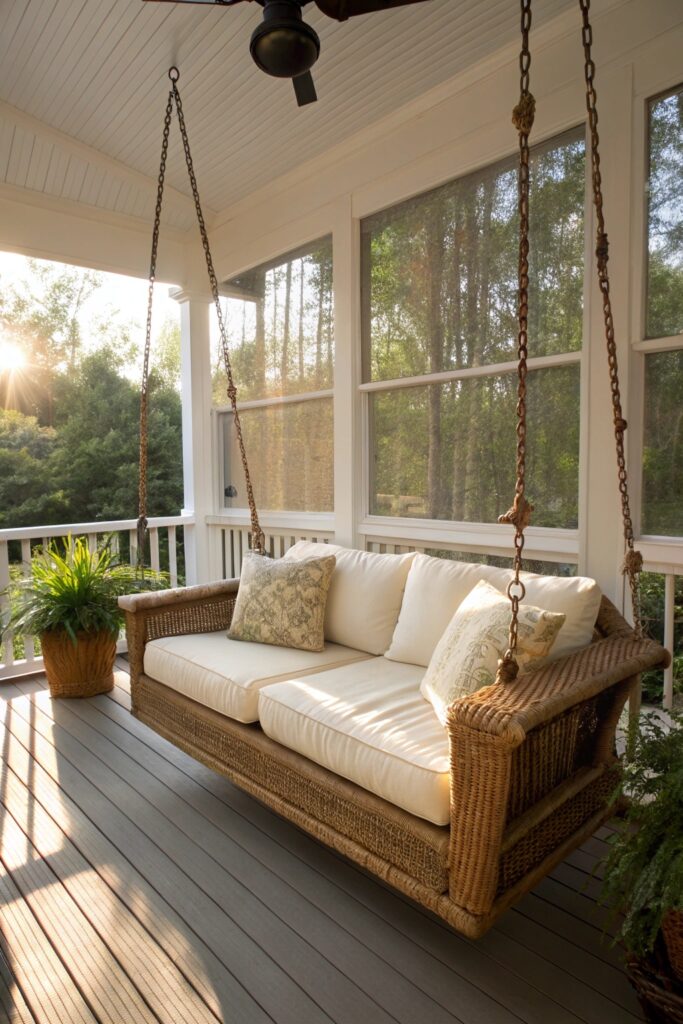
Choose truly outdoor-rated furniture despite the semi-enclosed feel, since screening reduces but doesn’t eliminate wind-driven rain and humidity exposure the way a fully indoor room would.
2. Add a Ceiling Fan (Seriously, Do It)
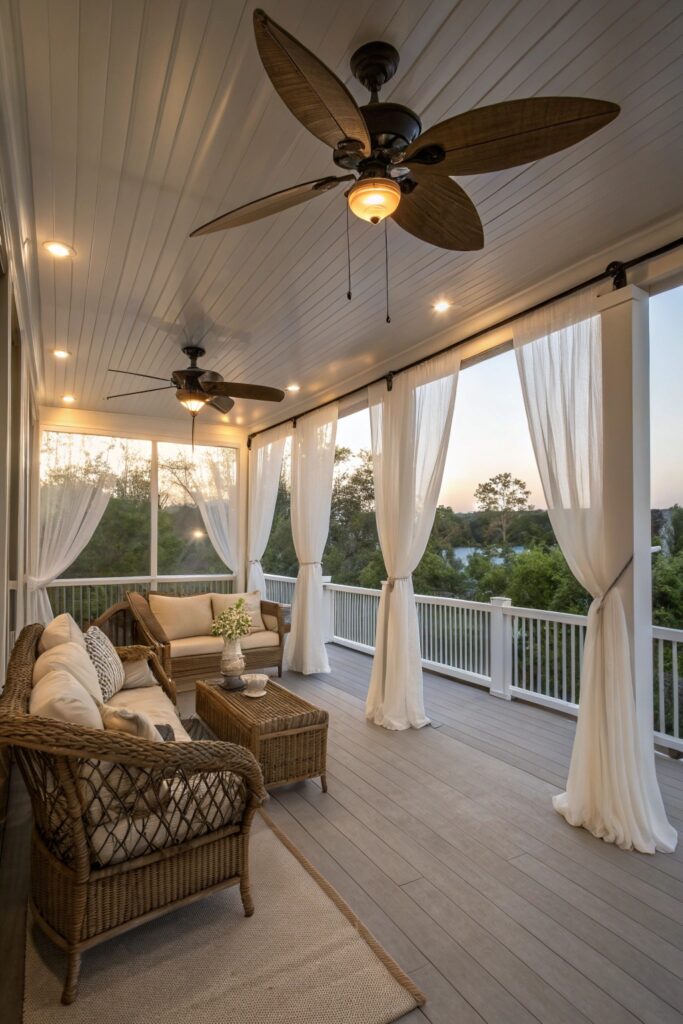
Choose a wet-rated or at minimum damp-rated fan depending on how exposed the space is to blowing rain, a real distinction from an indoor fan that isn’t rated for this environment at all.
3. Layer Your Lighting
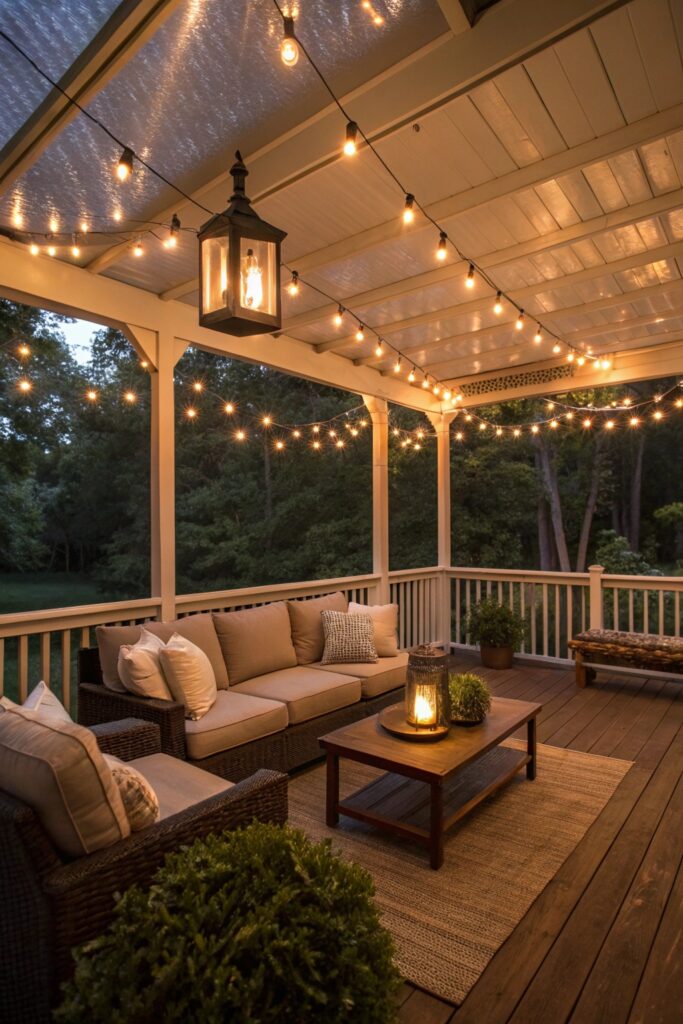
Combine a dimmer-controlled overhead source with a couple of lamps or string lights at seating height, since a single bright fixture alone tends to feel harsher than the layered glow most people want for this space.
4. Install a Screen Door That Actually Works
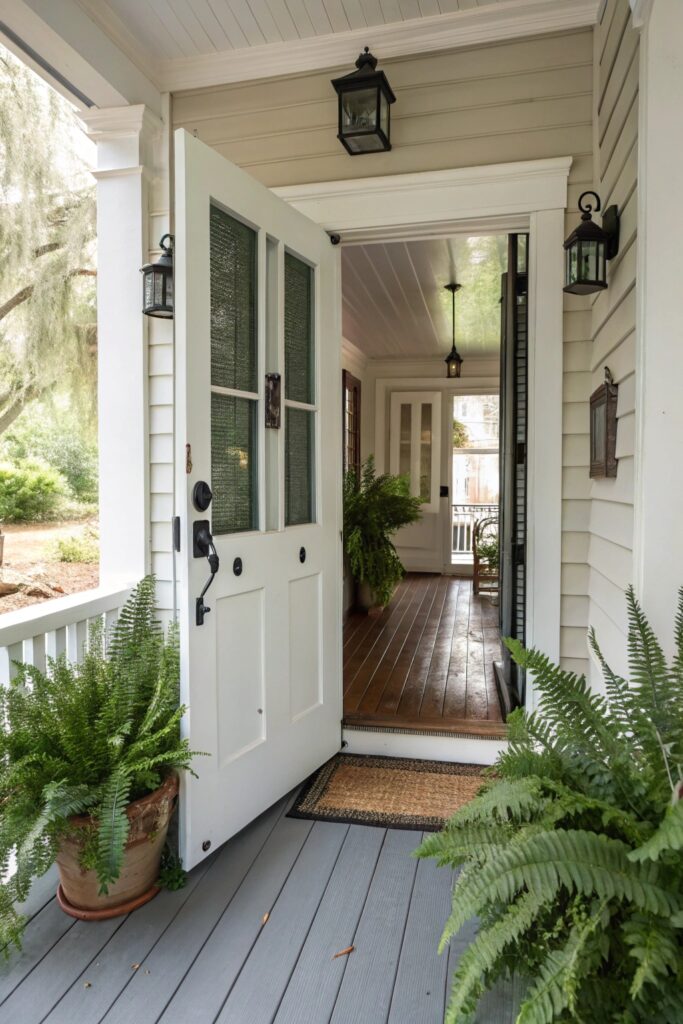
Keep the self-closing mechanism adjusted and lubricated, since this door sees far more daily open-and-close cycles than an average door, and one that doesn’t fully close defeats the entire purpose of a screened space by letting insects in.
5. Choose the Right Screening Material
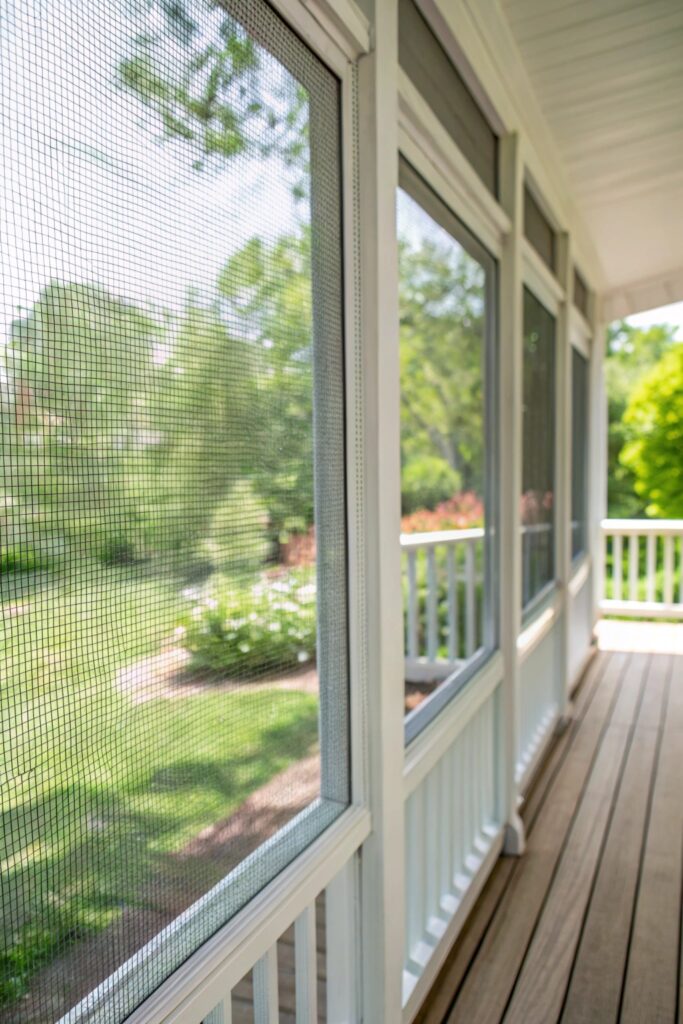
Consider heavier-gauge, pet-resistant screening if you have pets, since standard fiberglass screen tears easily from claws in a way that adds up to real, repeated repair costs.
6. Bring in an Outdoor Rug
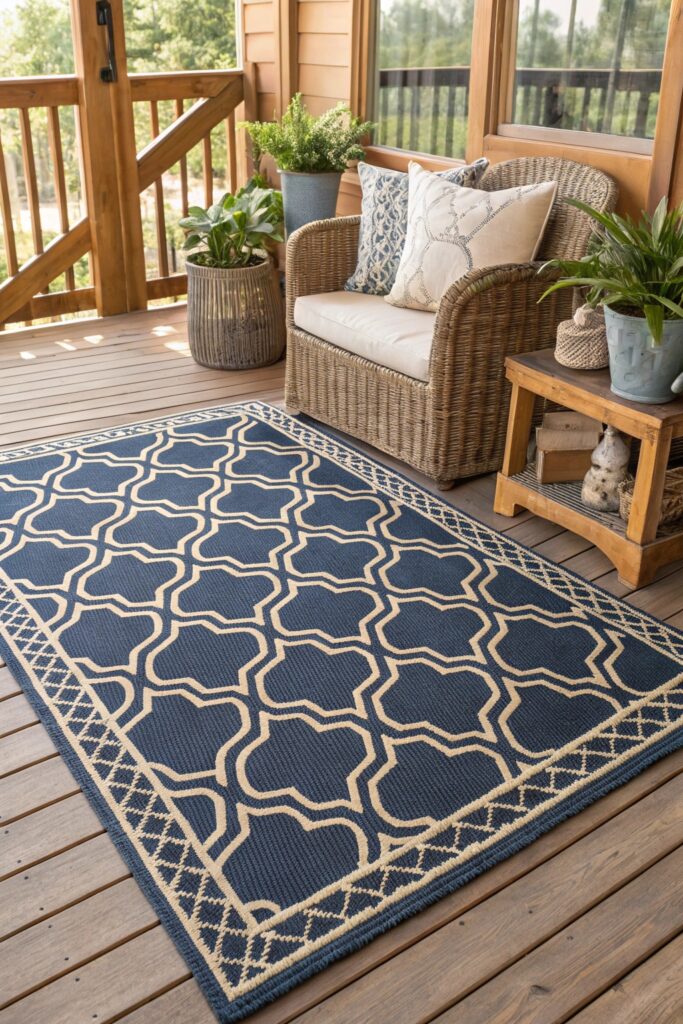
Choose a rug with a weave that lets water drain through rather than trapping moisture against the porch floor, since a moisture-trapping rug can promote mold or mildew underneath.
7. Create a Dining Nook
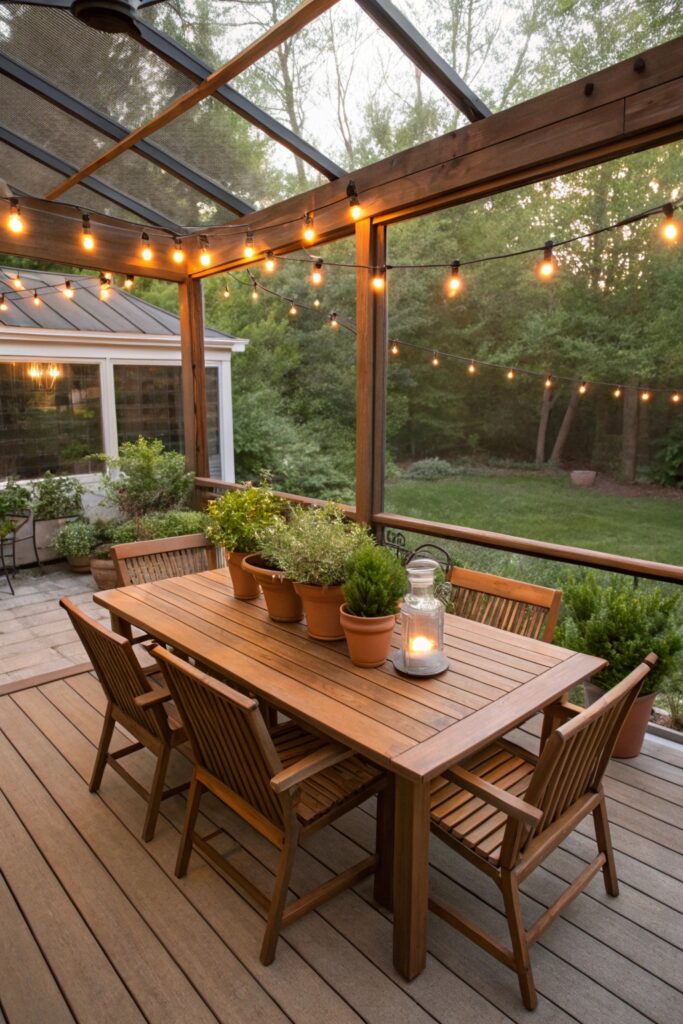
Leave the same 42 to 48 inches of clearance around a dining table that any functional dining space needs, a measurement that matters just as much here as in an indoor dining room.
8. Incorporate Vertical Greenery
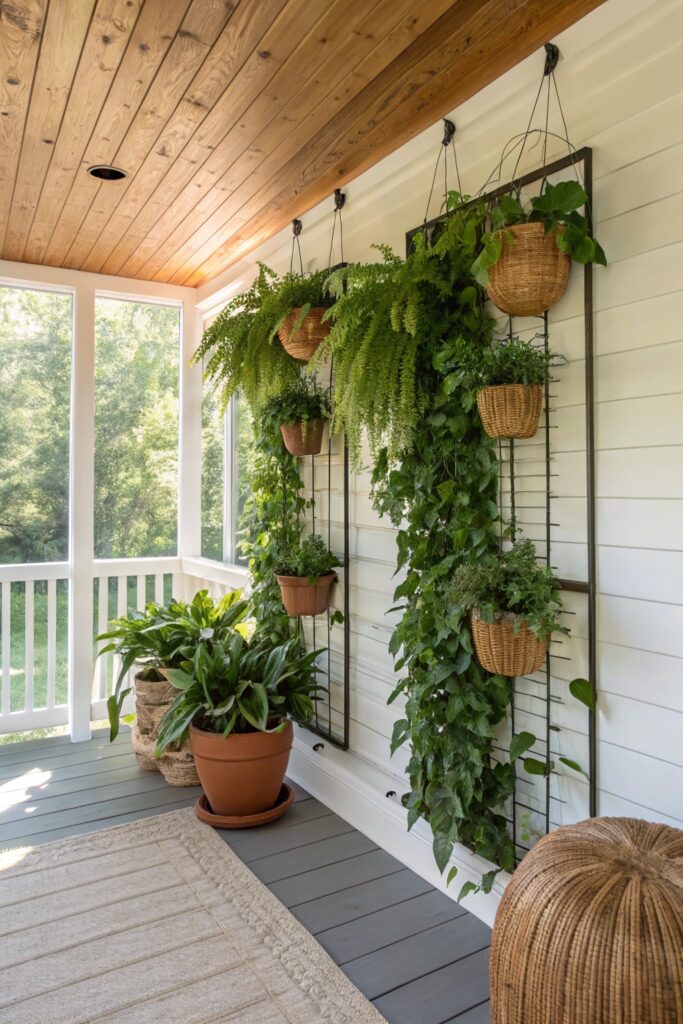
Reassess your plants’ light needs specifically for this space, since screening filters and reduces the direct sun a plant would get on a fully open patio.
9. Add a Privacy Wall or Curtains
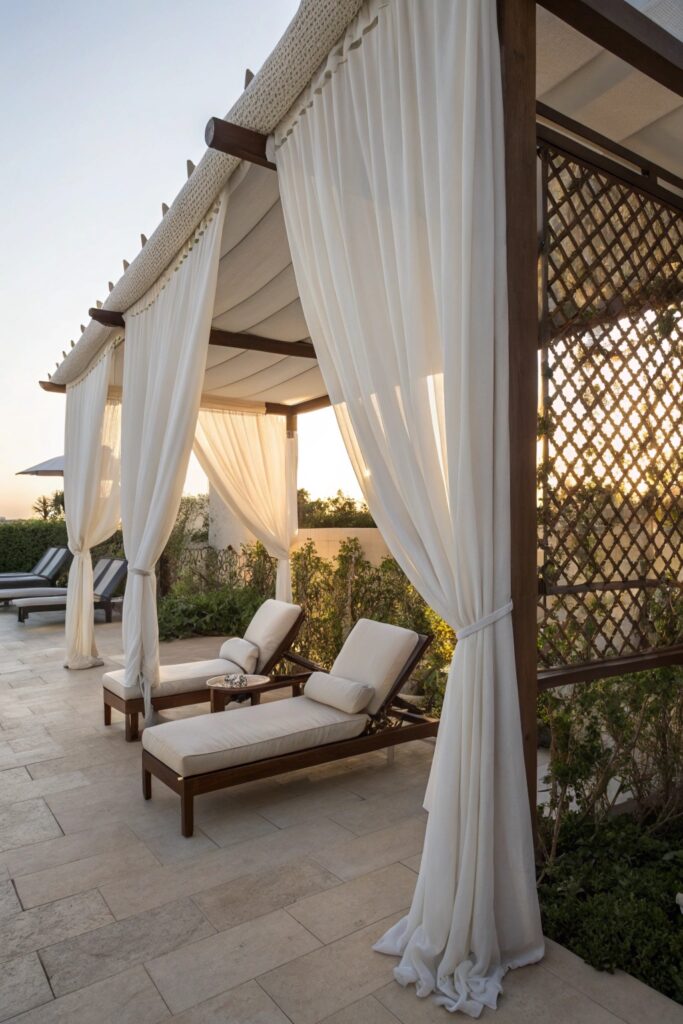
Choose solution-dyed acrylic or another UV and mildew-resistant fabric for any curtain here, the same material standard that applies to outdoor furniture cushions in this semi-enclosed, still-humid space.
10. Install a TV or Outdoor Speaker System
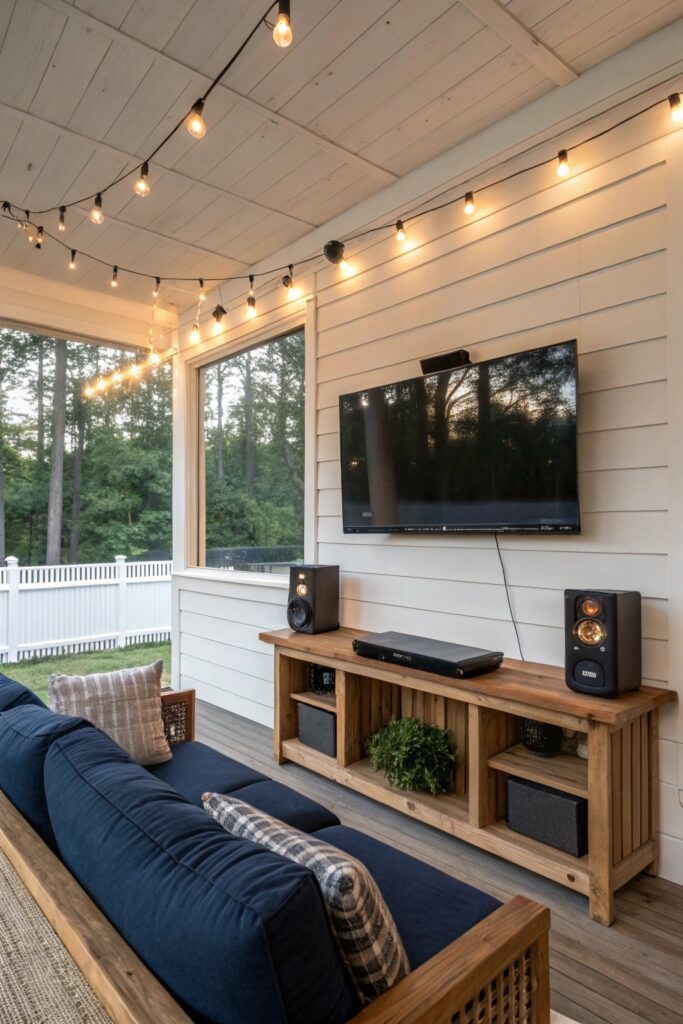
Choose electronics actually rated for outdoor use rather than adding a cover to indoor equipment, since a screened porch still exposes devices to humidity and temperature swings even though it blocks direct rain.
11. Set Up a Reading Nook Corner
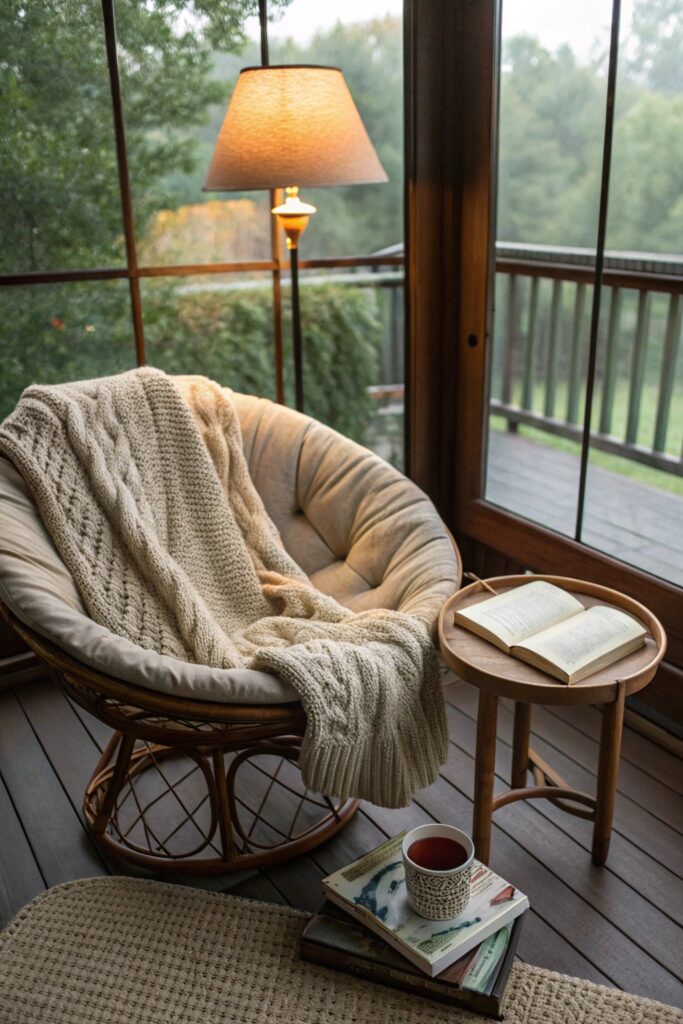
Choose a chair with a stable, non-tip base and cushions in truly weather-resistant fabric, given how much more exposure to humidity this spot gets than an equivalent indoor reading corner.
12. Add a Outdoor Heater or Fire Element
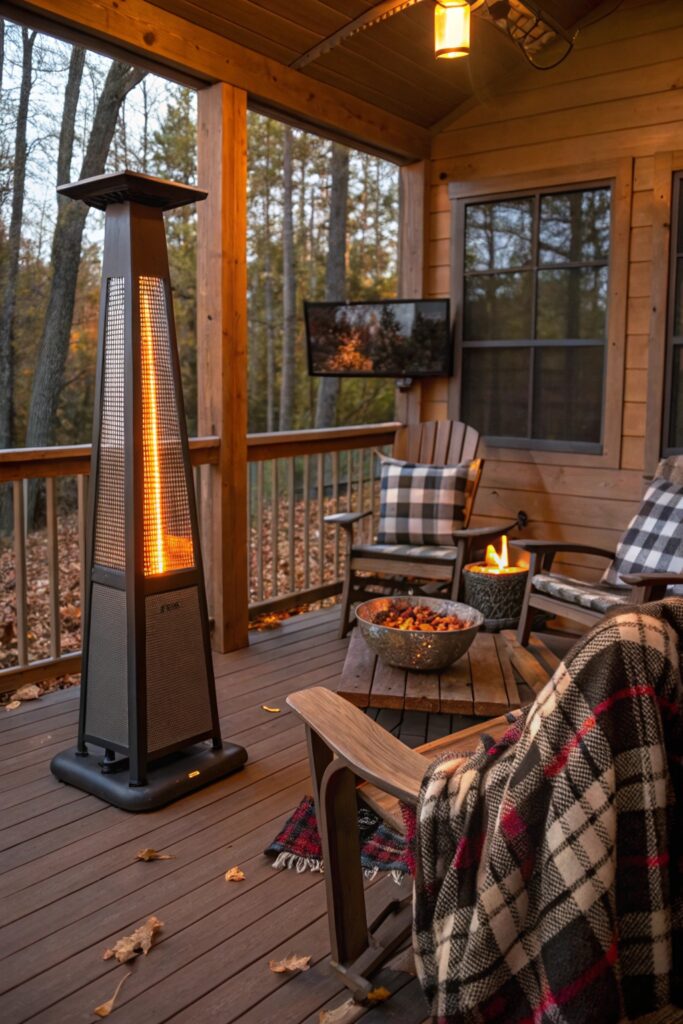
Confirm any fuel-burning heater is specifically rated safe for a screened, semi-enclosed space, since ventilation and carbon monoxide buildup are more realistic concerns here than on a fully open patio, and an electric heater is worth considering if ventilation is at all uncertain.
Considering Your Porch’s Foundation and Floor
The existing floor surface, whether it’s a concrete slab, wood decking, or composite material, affects how you can anchor furniture, run electrical for a ceiling fan, or install an outdoor rug, so understanding what you’re working with matters before finalizing your plan.
A wood floor specifically needs periodic inspection for rot or soft spots, given the humidity a screened porch traps compared to a fully open patio with better airflow.
What a Screened Porch Refresh Costs
A cosmetic update using furniture, lighting, and a rug typically costs $500 to $1,500 depending on quality.
A fuller transformation including a new screen door, ceiling fan, and dining setup runs considerably higher, often $3,000 to $8,000 or more depending on the scope.
Managing Temperature Swings Through the Seasons
A screened porch traps more heat on a hot afternoon than a fully open patio with unobstructed airflow, so a ceiling fan and, if you use the space regularly in summer, considering shade options for the sunniest exposure both help keep it comfortable.
In cooler months, the screening itself doesn’t provide meaningful insulation, so an electric heater or extending the season with heavier textiles tends to work better than expecting the space to feel warm without supplemental heat.
Keeping Pests Out Even With Screening in Place
Small gaps around the screen door frame or where screening meets the porch structure are common entry points for insects, so a periodic check of the perimeter helps catch issues before they undermine the whole point of a screened space.
A door sweep at the bottom of the screen door adds another layer of protection against crawling insects that can slip under a gap too small to notice at a glance.
Getting quotes from at least two or three contractors before starting a larger project, like replacing a screen door system or adding electrical for a ceiling fan, helps confirm both pricing and their specific experience with screened porch installations.
Coordinating the Porch With Your Indoor Living Space
A screened porch that connects directly to your living room or kitchen benefits from at least loose color or material coordination with those spaces, since an abrupt style shift between adjoining areas can feel disjointed rather than like a natural extension of the home.
Pulling one or two elements, like a wood tone or an accent color, through from the adjacent interior room helps tie the porch into the rest of the house without requiring an exact match.
A screened porch tends to become one of the most-used rooms in the house once it’s properly set up, offering a genuine connection to the outdoors without the bugs, direct sun, or sudden rain that can cut short time on a fully open patio.
Whichever combination of these ideas fits your space and budget, prioritizing the screening, drainage, and ventilation fundamentals first sets up everything else on this list to actually hold up through years of regular use.
It’s a project worth doing well.
Wrapping It Up
Testing the space during an actual evening, with the lighting and fan running, reveals whether the setup truly works for how you plan to use it, rather than just how it looks freshly furnished.
Whichever combination of these ideas fits your porch, choosing materials rated for its actual level of weather exposure tends to matter more to how well the space holds up than any single design choice on this list.