
A study space’s lighting and seating matter more to actual sustained focus and comfort than purely decorative choices, since these are the elements you’re using continuously through long sessions. The details below cover both the design direction and these practical specifics for each idea.
Below are 12 cozy study space ideas worth considering, with the specifics for each.
1. Create a Window-Side Study Nook
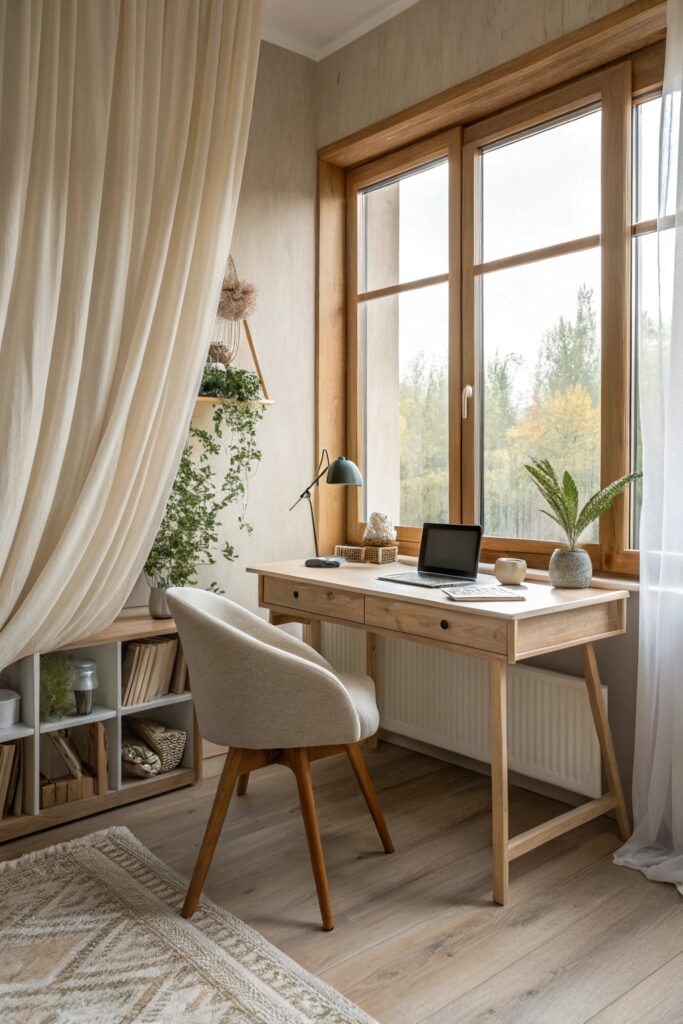
Position the desk perpendicular to the window rather than facing directly into it, since facing a bright window creates screen glare that’s actually hard to work around during actual study sessions.
2. Use Warm Lighting for a Cozy Feel
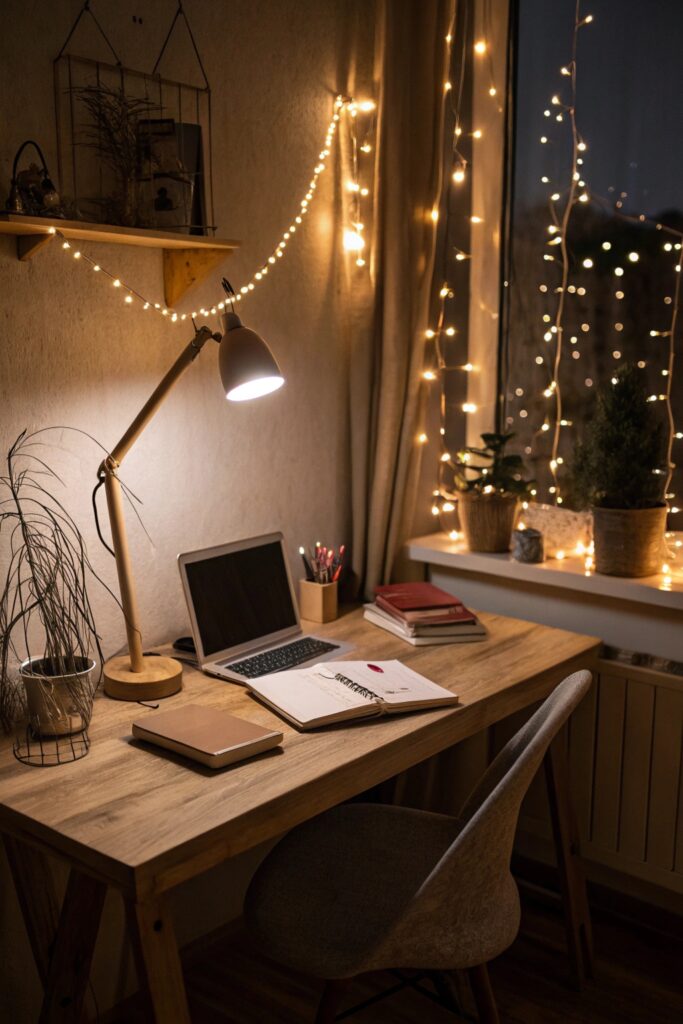
Warm ambient light alone can reduce alertness for focused work, so pairing it with a cooler, brighter task light directly on the work surface serves concentration better than warm lighting throughout the room.
3. Invest in a Comfortable Chair
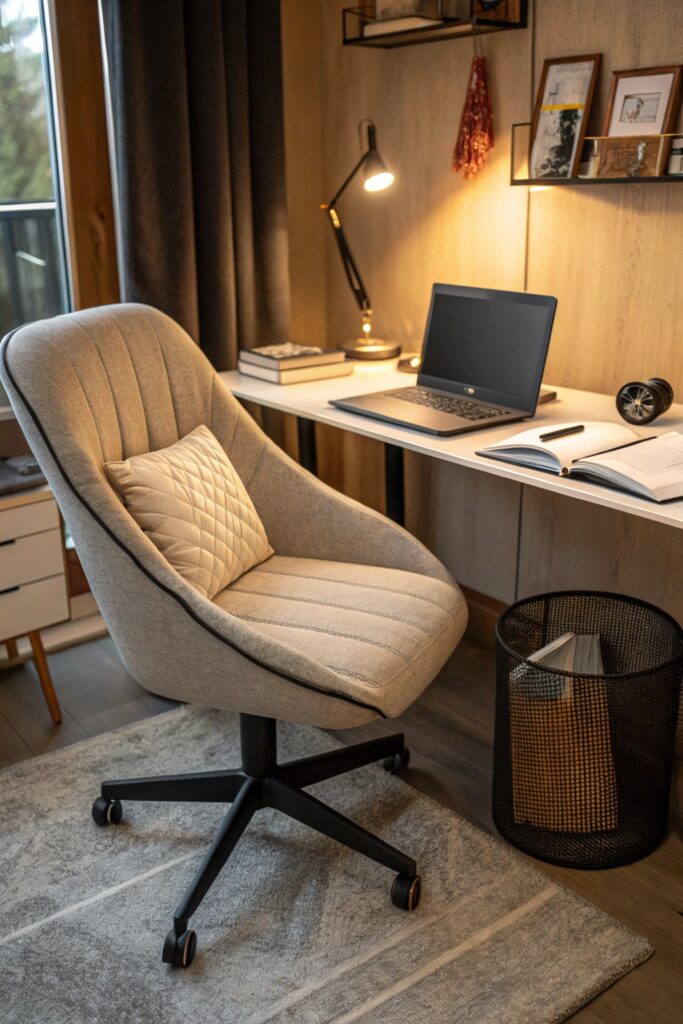
A chair chosen purely for softness without proper lumbar support can cause more discomfort during long sessions than a firmer, ergonomically supportive one, since “comfortable” and “supportive for extended sitting” aren’t always the same thing.
4. Keep Your Desk Minimal and Clean
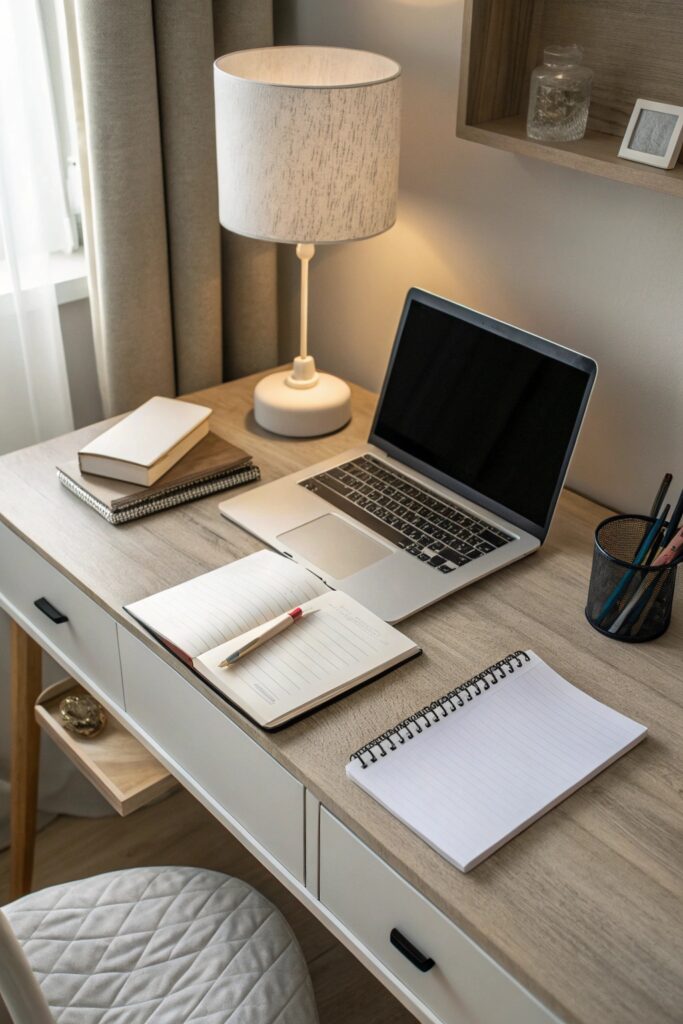
A cleared desk surface at the start of each session, rather than letting clutter accumulate day to day, takes less time to reset than tackling a fully buried desk once a week.
5. Add Soft Textures for Comfort
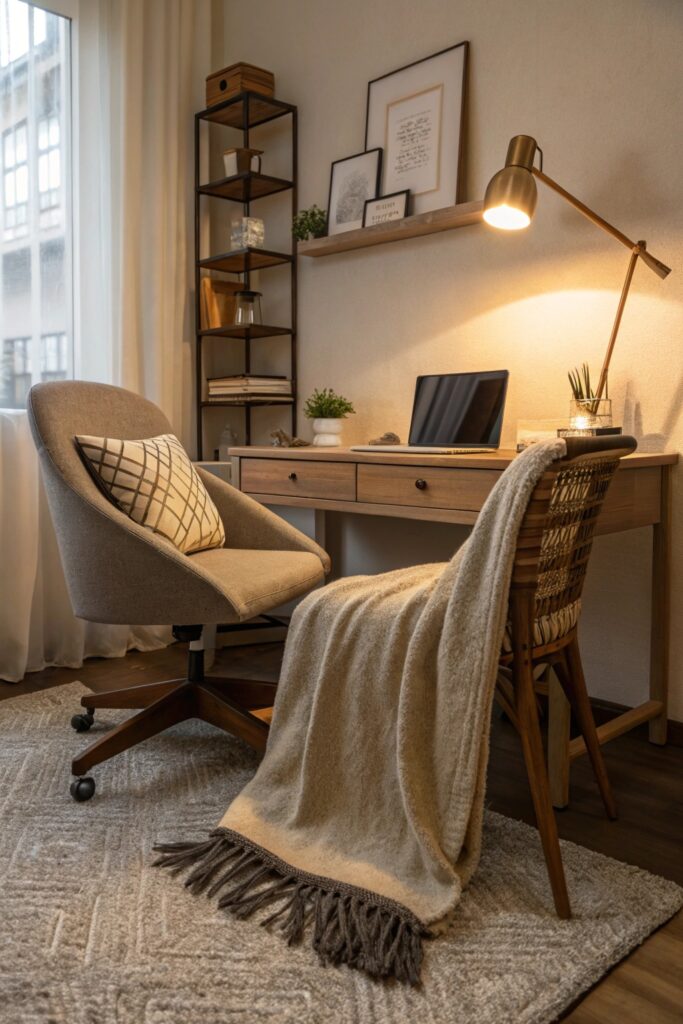
Machine-washable textiles hold up better to daily use in a study space than delicate fabrics, given how regularly this spot sees actual physical contact compared to a purely decorative corner.
6. Use Noise Control for Better Focus
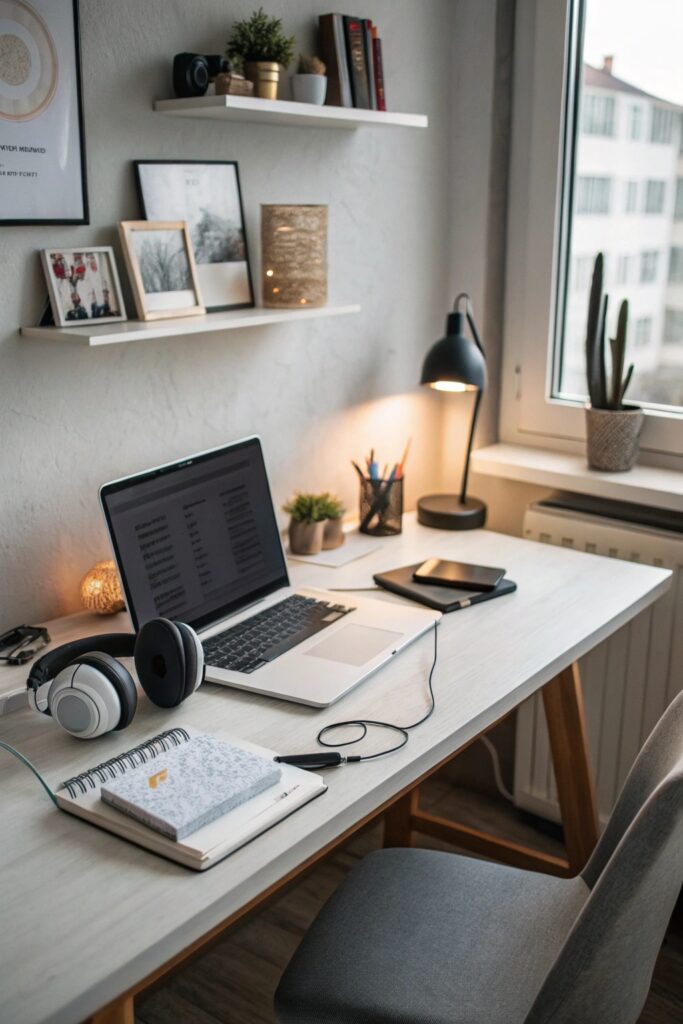
A white noise machine masks ambient sound within your own room, while noise-canceling headphones block external sound from reaching your ears, so choosing between them depends on whether the distraction originates nearby or elsewhere in the house.
7. Add a Personal Touch
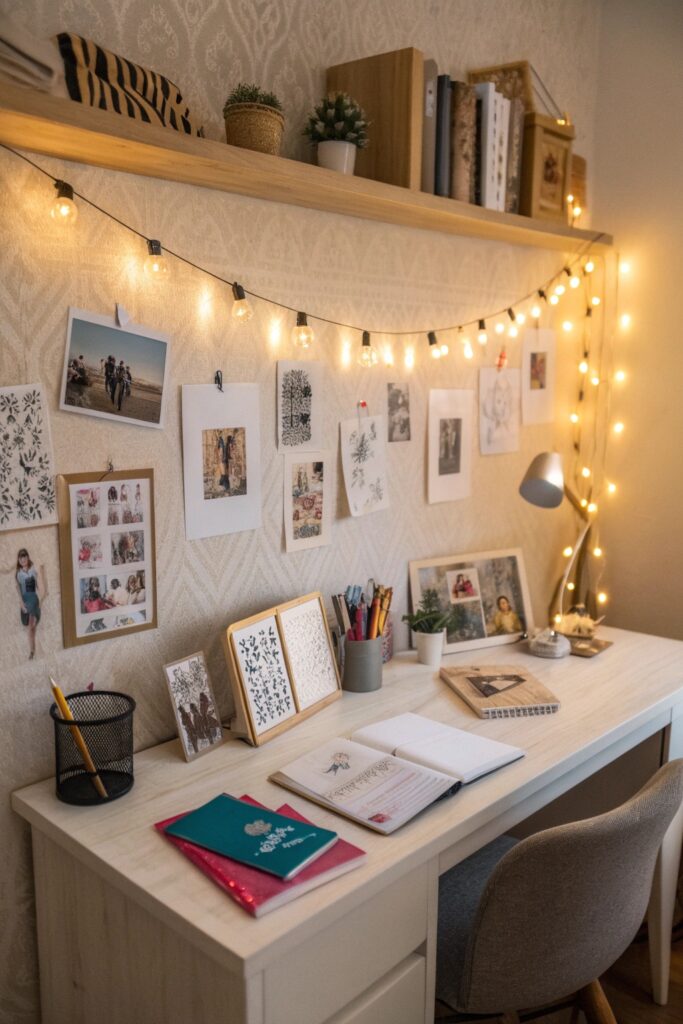
A few meaningful items, rather than a densely decorated space, keep the room feeling personal without adding visual clutter that competes for attention during focused work.
8. Create a Dedicated Study Zone
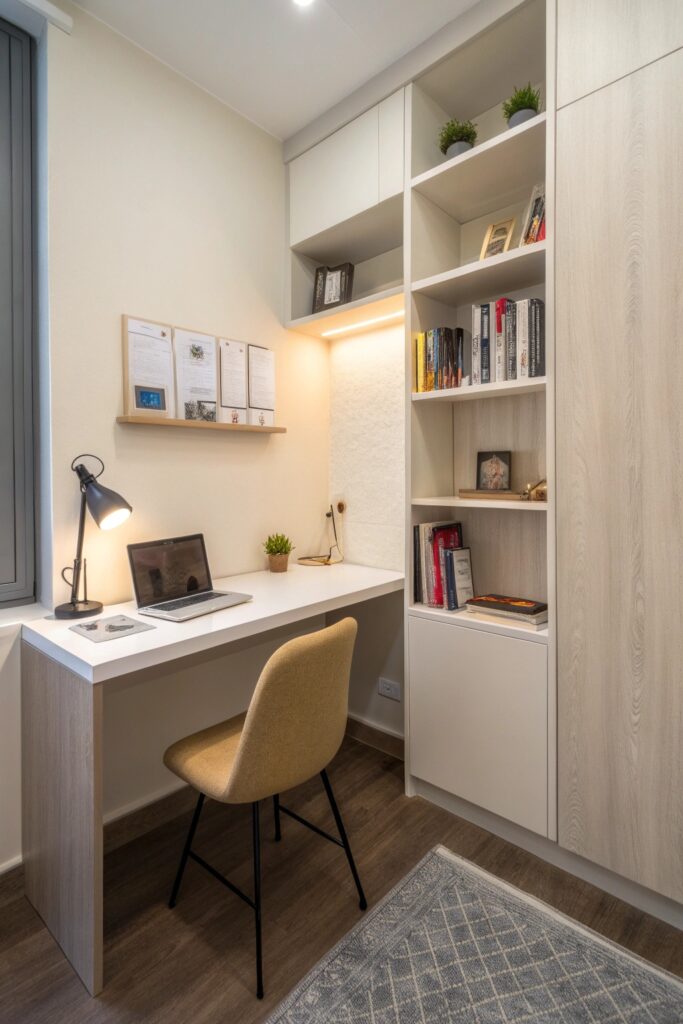
A spot used consistently only for study builds a stronger mental association with focus than a location also used for other activities, like a corner of the dining table, worth prioritizing if you have the option.
9. Use Smart Storage Solutions
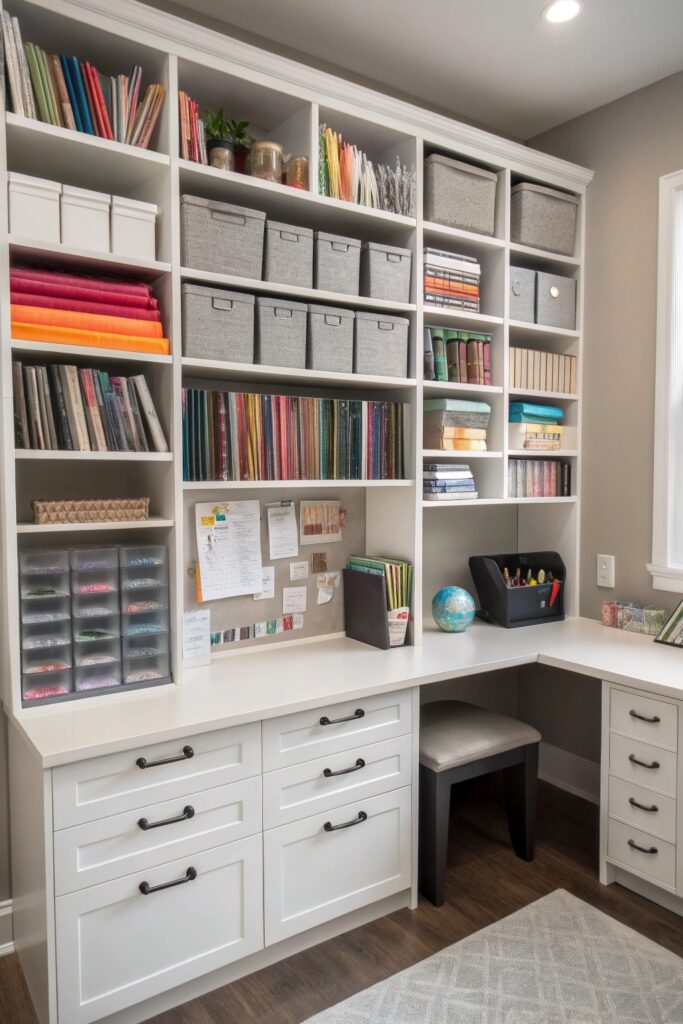
Choose storage rated for the actual weight of books and materials you’re keeping, the same consideration that applies to shelving in any other part of the house.
10. Add Greenery for a Fresh Vibe
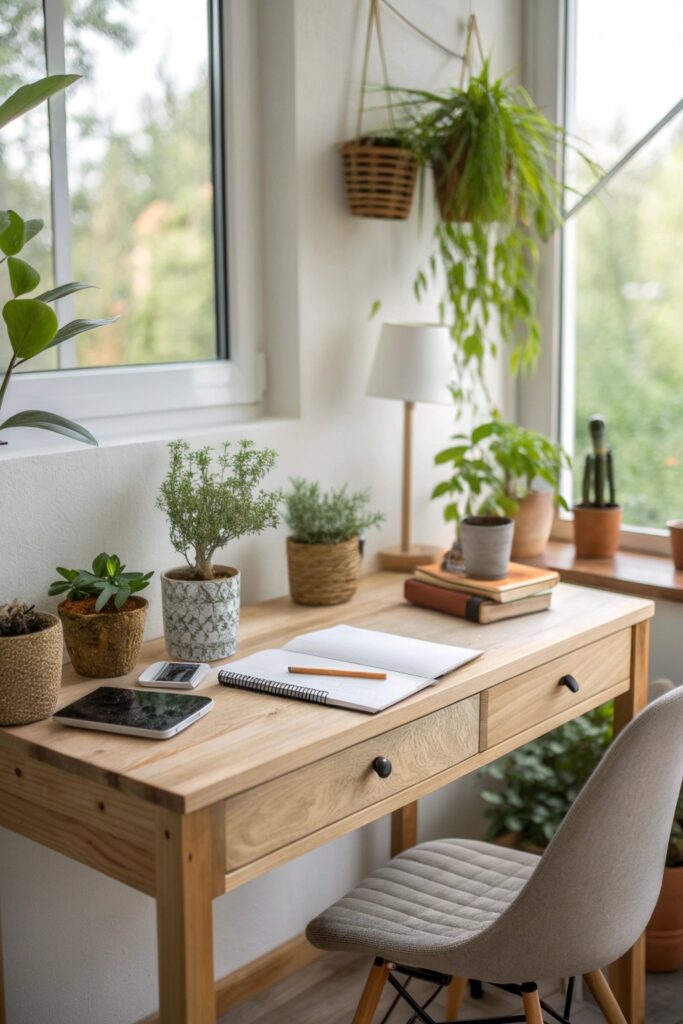
Keep plants out of the direct path of bright task lighting and away from a frequently opened desk drawer, since both scorched leaves and constant jostling shorten a plant’s life in this specific spot.
11. Use a Vision Board or Goal Board
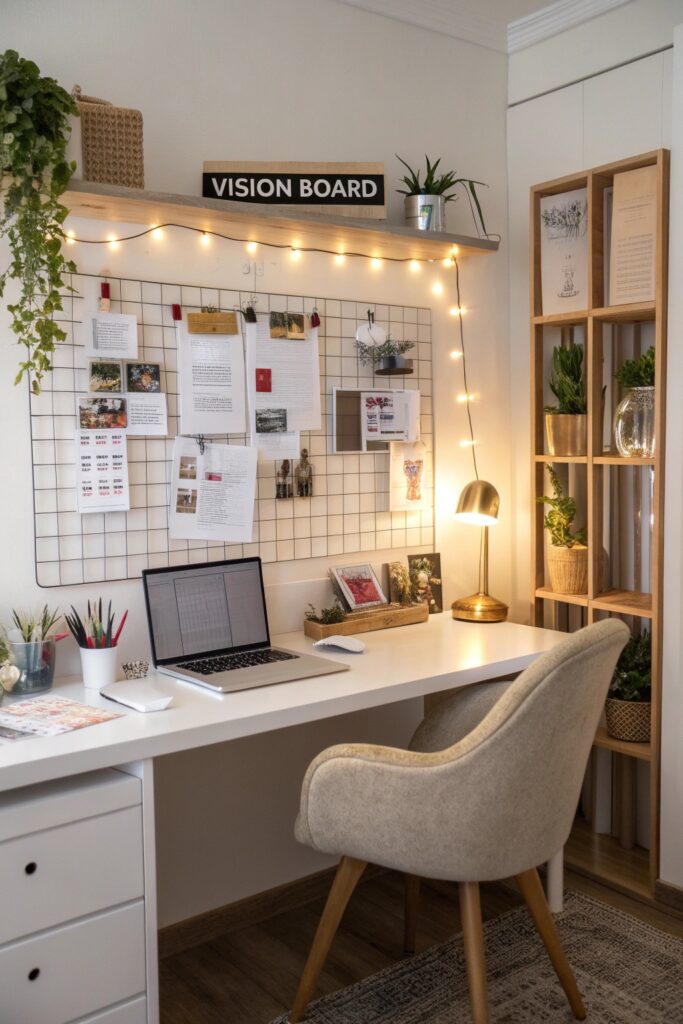
Position the board within your natural line of sight from the desk, rather than somewhere you have to turn around to see, so it actually serves as a passive reminder during study sessions.
12. Keep Distractions Out of Reach
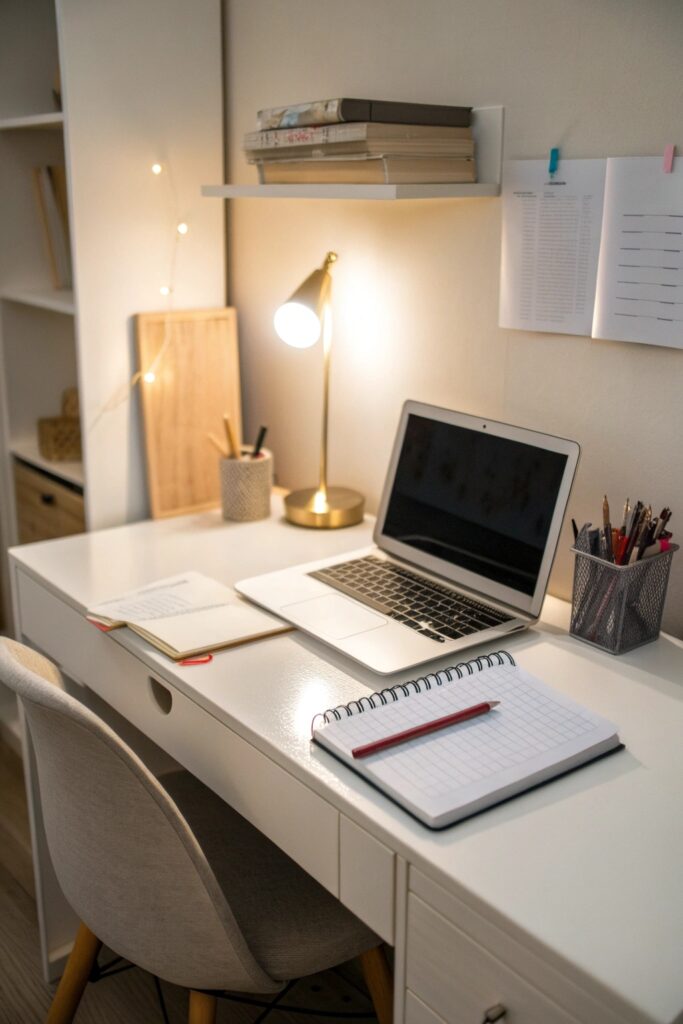
Physically storing your phone in another room, rather than just placing it face-down on the desk, measurably reduces the temptation to check it, since its mere presence nearby still pulls at attention even when it’s silent.
Matching Desk Height to Your Chair
A desk that’s too tall or too short relative to your chair forces your shoulders and wrists into an awkward position over long sessions, so checking that your forearms rest roughly parallel to the floor when typing matters more to comfort than the desk’s visual style.
An adjustable-height desk offers flexibility if multiple people share the space or if you like to alternate between sitting and standing during longer study blocks.
What a Study Space Setup Costs
A basic setup using a desk, chair, and task lighting typically costs $200 to $600 depending on quality.
A fuller setup including an ergonomic chair, adjustable desk, and coordinated storage runs higher, often $800 to $2,000 or more depending on the scope.
Temperature and Airflow During Long Sessions
A room that’s slightly too warm can make sustained focus harder, since drowsiness sets in faster in stuffy, overheated air than in a room with reasonable air circulation.
Cracking a window when weather allows, or positioning a small fan nearby, helps keep a stuffy study space from working against the focus you’re trying to build.
Building a Consistent Routine Around the Space
Studying in the same space at roughly the same time each day helps train your brain to associate that environment with focus, making it easier to settle into work mode compared to studying in a different spot every session.
A short pre-study ritual, like making tea or clearing the desk, can serve as a signal that transitions your mind into study mode, similar to how a consistent bedtime routine helps signal sleep.
Scheduling short breaks every 45 to 60 minutes, rather than pushing through hours without stopping, tends to preserve focus better over a full study session than a workspace design alone can accomplish, since even the best-designed space can’t fully offset genuine mental fatigue.
Adapting the Space for Different Types of Work
Reading-heavy work benefits from a comfortable chair positioned away from a screen, while writing or computer-based study calls for the ergonomic desk setup covered earlier, so a space that serves both needs some flexibility built in rather than a single fixed configuration.
A rolling cart or portable caddy for supplies lets you shift between a desk setup and a more relaxed reading spot within the same room without needing two entirely separate areas.
Getting quotes from at least two or three furniture retailers or local carpenters before investing in a larger built-in desk or shelving system helps confirm both pricing and lead time, since custom pieces can take several weeks to arrive depending on the supplier.
Whichever combination of these ideas fits your space and study habits, a room designed around how you actually work — not just how a study space is expected to look — tends to support real, sustained focus far better than one built purely around aesthetics.
The right setup makes showing up to work each day considerably easier.
Conclusion
Testing the space during an actual study session, not just when decorating it, reveals problems no amount of visual planning catches, like glare on your screen at a certain time of day or a chair that’s comfortable for ten minutes but not two hours.
Whichever combination of these ideas fits your space, prioritizing lighting and seating first tends to matter more to how productive the space actually feels than any single aesthetic choice on this list.