
A well-chosen mix of games keeps guests of different ages engaged throughout a graduation party, rather than everyone standing around after the initial excitement fades.
Below are 12 games worth considering, with practical notes for each.
1. Graduation Trivia
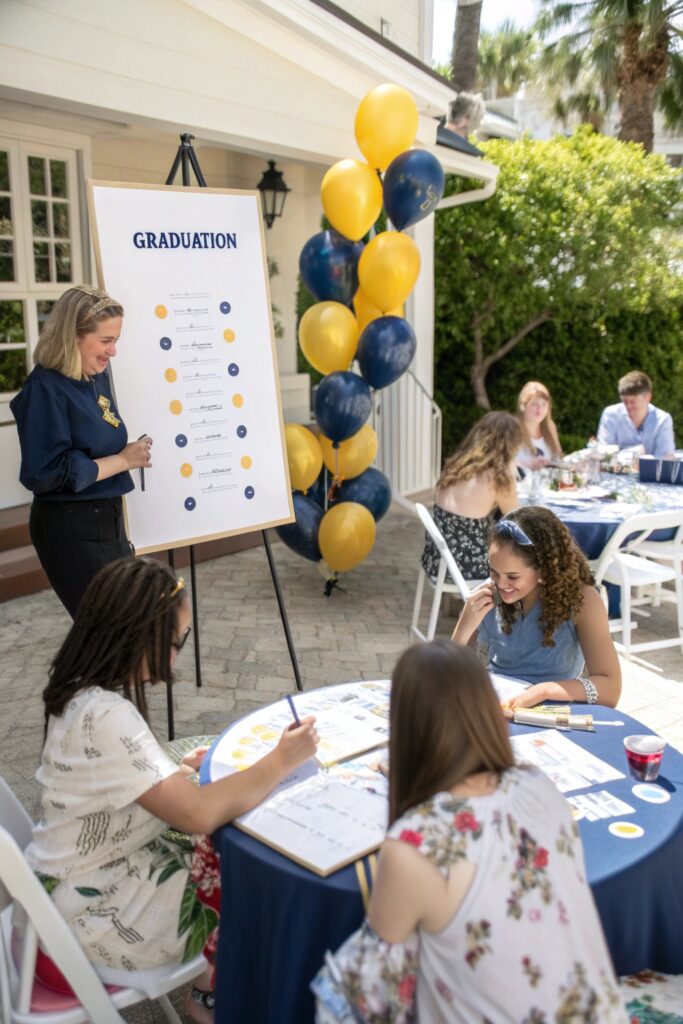
Mixing general trivia with a few questions specific to the graduate keeps this game engaging for both close friends and extended family.
Keep question rounds short, five to ten questions at a time, which keeps the pace lively rather than dragging on too long between other activities.
2. Giant Jenga with a Graduation Twist
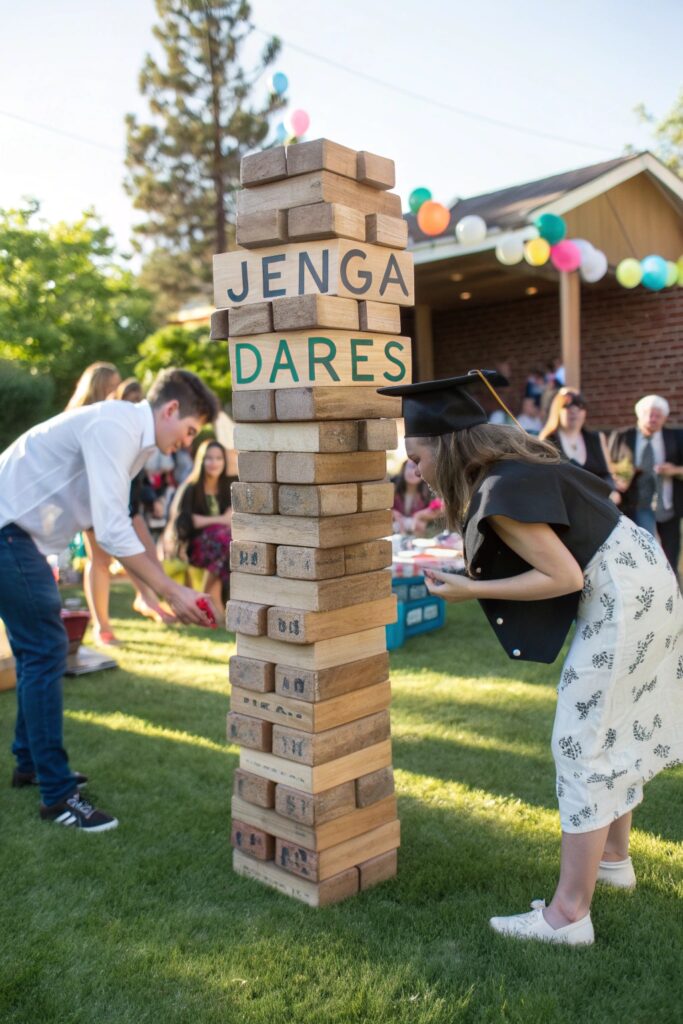
Writing fun prompts or trivia questions on select blocks adds an extra layer beyond the standard stacking game.
Choose sturdy, oversized blocks specifically, since a standard-size set can feel awkward for a larger group playing outdoors.
3. Memory Lane Photo Scavenger Hunt
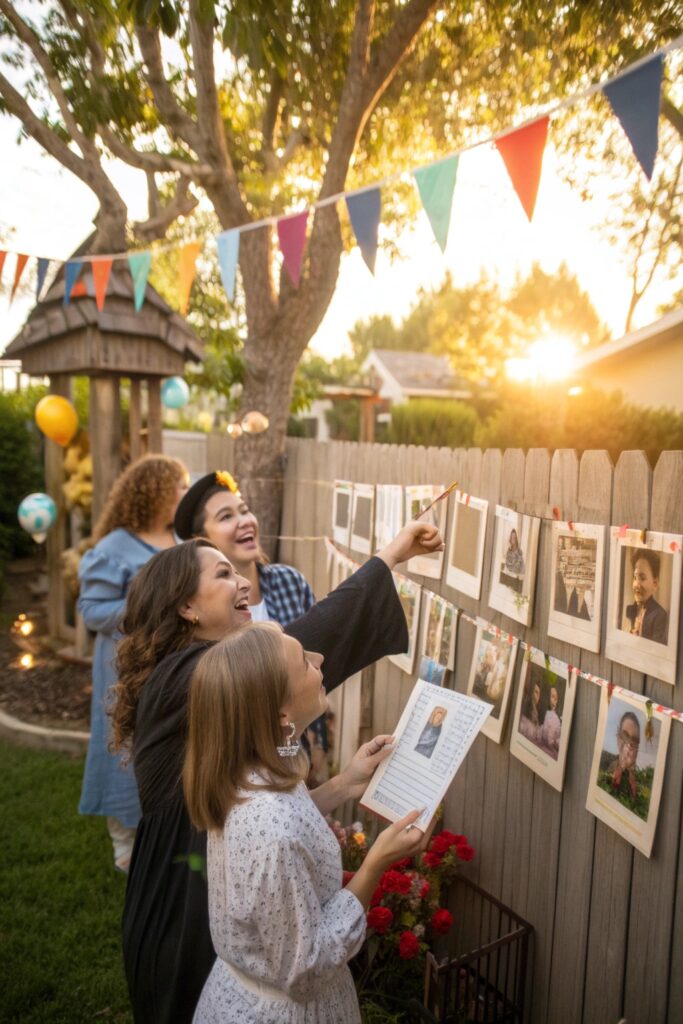
Using real childhood photos of the graduate gives this activity more personal meaning than a generic scavenger hunt list.
Set a reasonable time limit for this hunt, since an open-ended search can lose momentum once the easier photos have already been found.
4. Cornhole Tournament
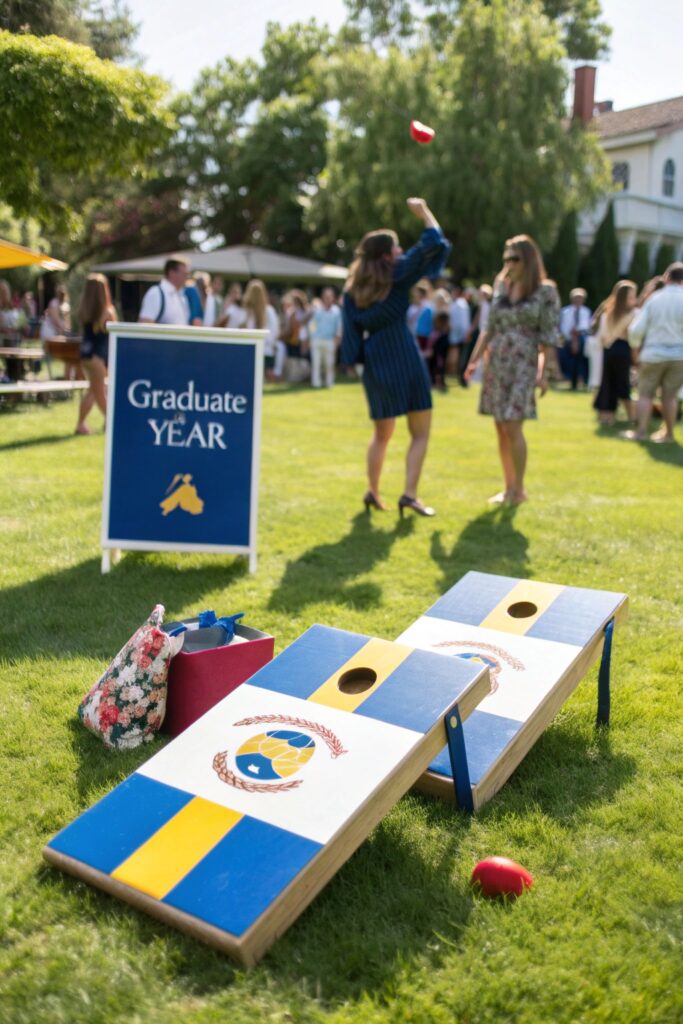
A simple bracket format keeps this classic lawn game organized for a larger group without much extra setup.
Provide simple beanbags or boards suited to casual play, since a tournament format works better with accessible equipment than anything overly specialized.
5. “Who Knows the Graduate Best” Quiz

Gathering the questions and answers directly from the graduate ahead of time ensures the quiz is both accurate and personal.
Keep the question list to a manageable length, around ten to fifteen questions, which keeps the activity fun without dragging on too long.
6. Lawn Bowling
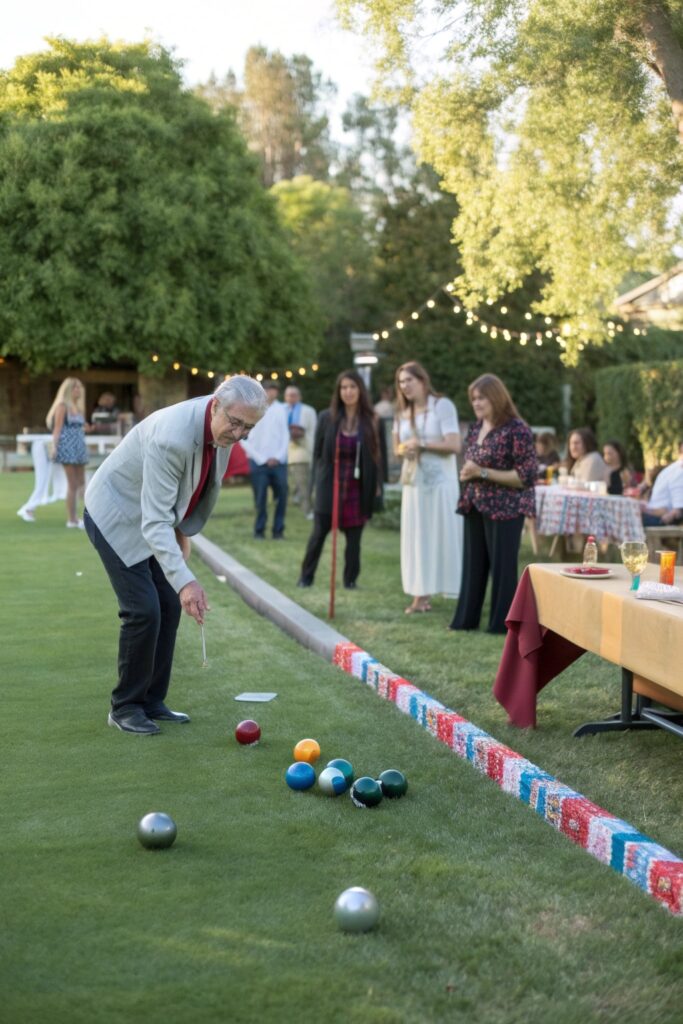
This low-key game suits a mixed-age crowd well, since it doesn’t require much physical exertion or prior skill.
Choose a flat, open area for this game, which matters more for lawn bowling than most other yard games given how the ball travels.
7. Graduation Bingo
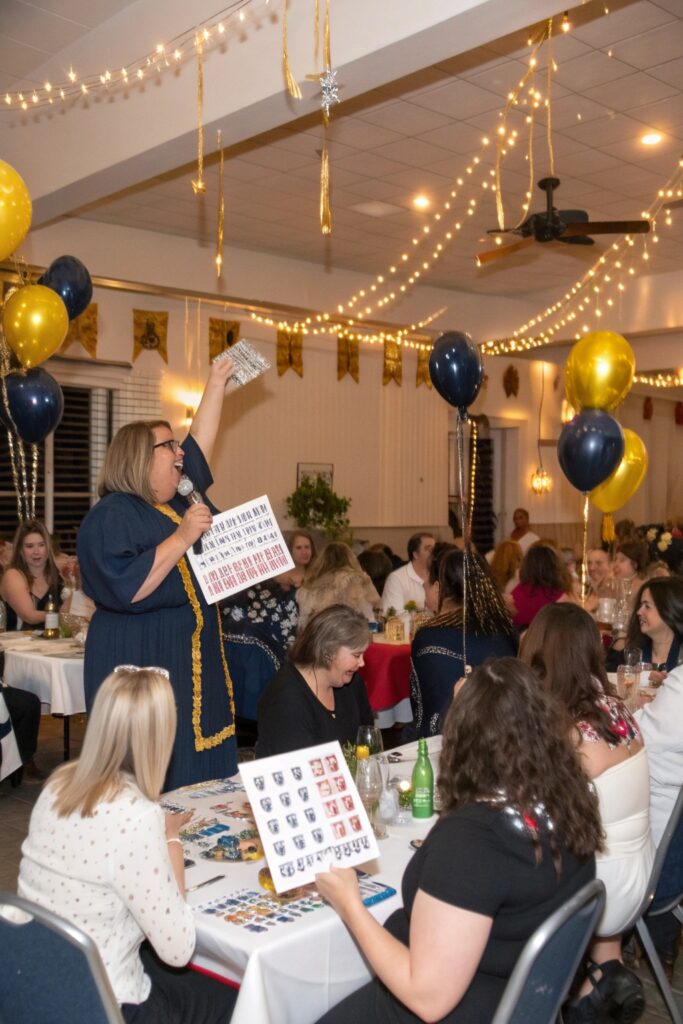
Custom bingo cards featuring graduation-specific squares — cap toss, speeches, specific guests — add a personalized twist to a familiar game.
Print enough cards for your expected guest count, with a few extras on hand in case more people want to join partway through.
8. Tug of War
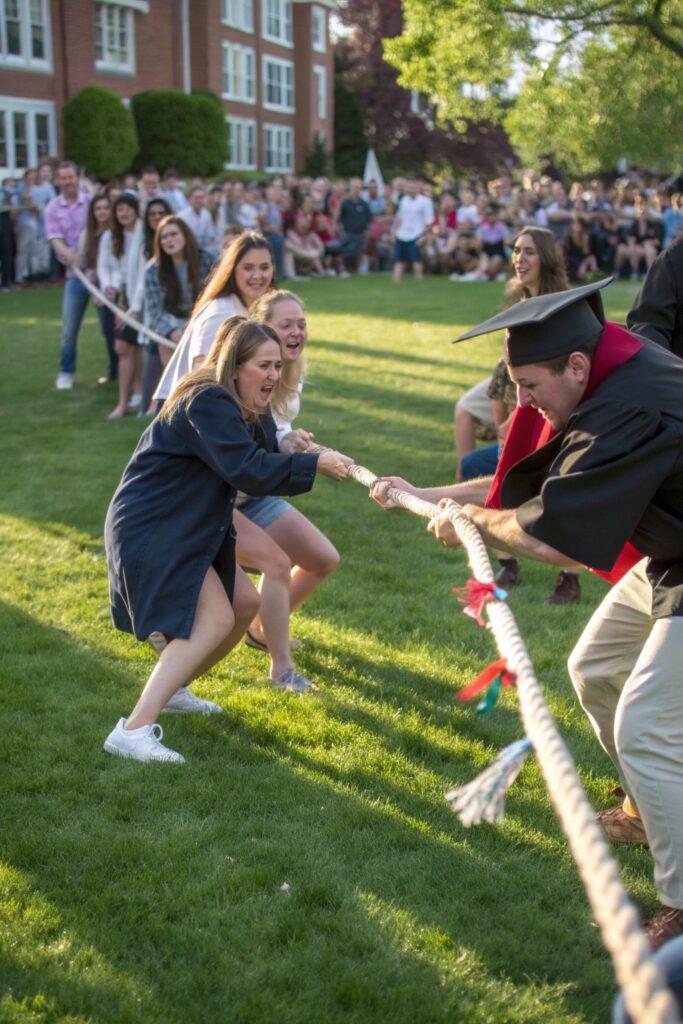
Balanced teams matter for this game to stay fun, so consider mixing ages and sizes rather than grouping strictly by friend circles.
Mark a clear boundary line for this game, which helps prevent injuries and keeps the activity organized for a larger group.
9. Advice Jar Station

This low-effort activity doubles as a keepsake, giving the graduate written advice and well-wishes to look back on after the party.
Provide nice notecards or a decorated jar specifically, which makes this small station feel more intentional than a plain box and paper.
10. Water Balloon Dodgeball
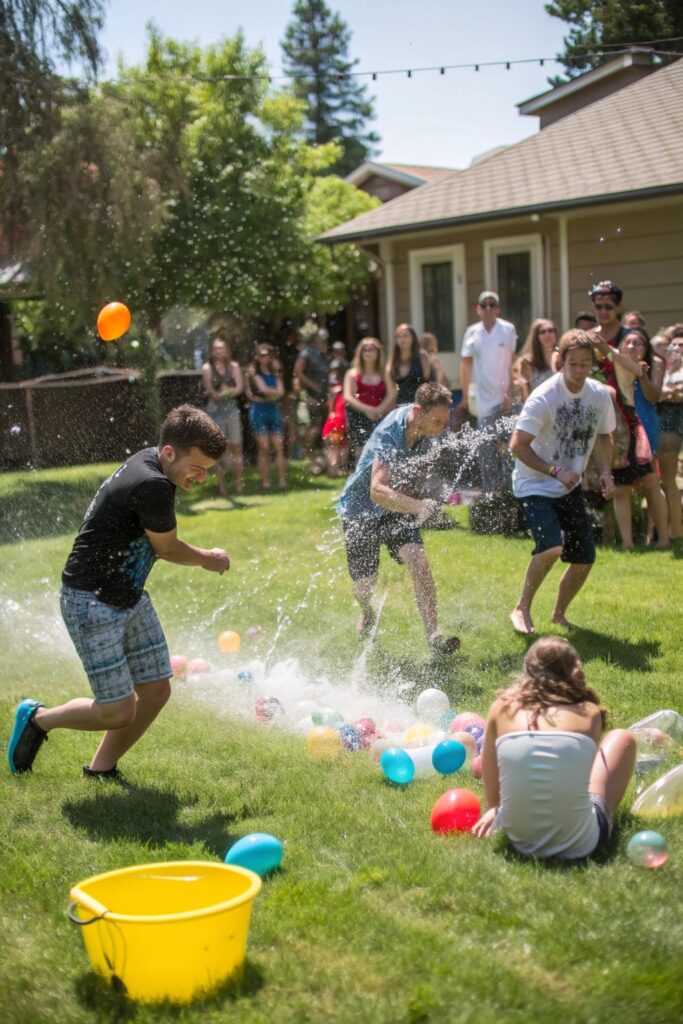
This works best for a warm-weather outdoor party, and it’s worth designating a specific area to keep the mess contained.
Set clear boundaries for this game specifically, since water balloon activities can get chaotic quickly without some structure in place.
11. Photo Booth with Props

Genuinely graduation-themed props — caps, diplomas, signs — give this classic party activity a clear tie-in to the occasion.
Stock enough props for a larger group, since a photo booth with too few options can create a bottleneck during busy stretches of the party.
12. Giant Connect Four
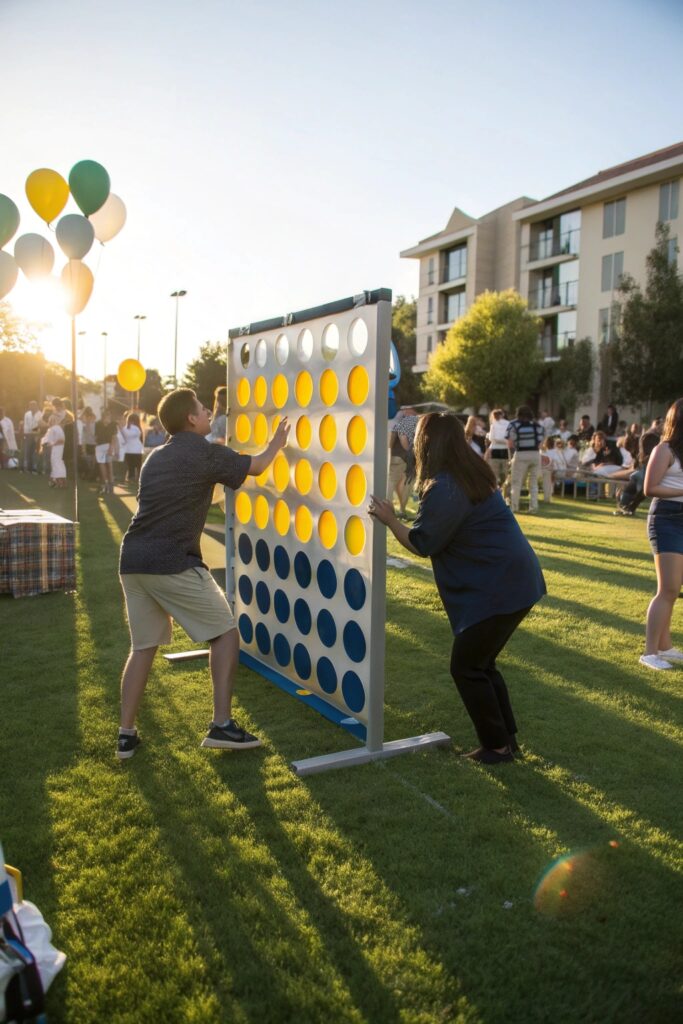
This simple, familiar game translates well to an oversized outdoor version that works for both kids and adults.
Matching Games to Your Guest List
A mixed-age crowd benefits from games that don’t require much physical exertion, like trivia, bingo, or the advice jar, alongside a few more active options for younger guests.
If the guest list skews toward the graduate’s own peers, more active games like water balloon dodgeball or tug of war tend to get more participation than quieter, more reflective activities.
What These Games Cost
Most of these games cost $10 to $30 in materials if made or assembled yourself.
Purchasing pre-made versions, like a giant Jenga or cornhole set, typically runs $30 to $80 depending on the specific quality and size.
Set up a designated games area separate from the food and seating, which keeps active games from interfering with guests who’d rather sit and chat throughout the party.
Rotate between a few games throughout the day rather than setting everything up at once, which keeps the party feeling fresh as different guests arrive and leave at different times.
Assign one person, whether a friend or family member, to oversee the games throughout the party, which frees up the host to focus on other hosting responsibilities without games falling by the wayside.
Secondhand and rental sources are worth checking specifically for larger yard games, since equipment like giant Jenga or cornhole sets is often available for a fraction of retail cost from someone who used it for a single past event.
Whatever combination of these games you choose, keep at least one activity genuinely accessible for guests who arrive later or prefer to ease into the party gradually, rather than requiring everyone to jump in from the very start.
Take photos of guests enjoying these games throughout the party, since these candid, active moments often make for more memorable photos than posed group shots taken at the start of the celebration.
A well-planned mix of games turns a standard backyard gathering into something guests actually remember, giving the celebration a livelier feel than food and conversation alone would provide.
Test any new game with a small group before the actual party if possible, which helps catch any confusing rules or setup issues while there’s still time to make adjustments.
Final Thoughts
Mixing active games with quieter, more personal activities like the advice jar keeps the party balanced for guests with different energy levels and ages. Most of these games use materials you can either make yourself or find affordably, keeping the overall entertainment budget reasonable alongside other party costs.