
A successful graduation party often comes down to avoiding a handful of common planning mistakes rather than executing any single element perfectly.
Below are 10 things worth avoiding, with practical notes for each.
1. Don’t Invite Everyone You’ve Ever Met
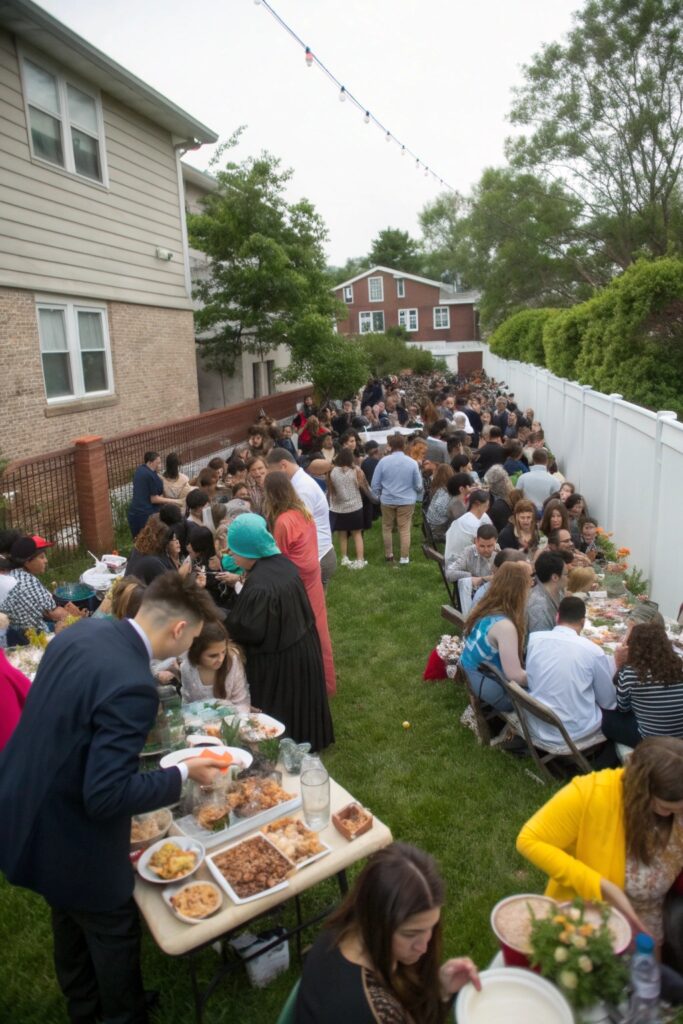
A focused guest list, built around people who actually matter to the graduate, tends to create a more meaningful gathering than a large but impersonal crowd.
Ask the graduate directly who they want there, rather than assuming based on your own social circle or extended family expectations.
2. Don’t Leave Food Planning to the Last Minute
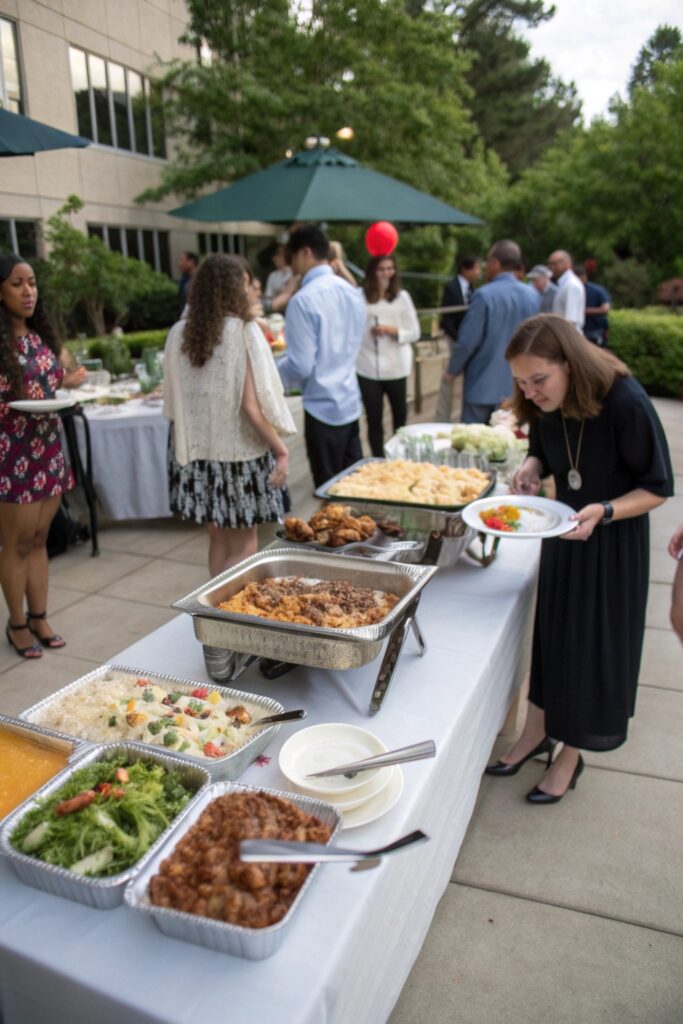
Confirming quantities and any dietary restrictions a week or more ahead avoids the stress of last-minute grocery runs or scrambling to accommodate a guest’s needs.
Confirm final headcounts with guests who RSVP close to the date, since actual attendance can shift and affects how much food you genuinely need.
3. Don’t Skip a Realistic Budget

Setting a number before shopping, rather than after, keeps smaller individual purchases from adding up to an unexpectedly large total.
Track spending as you go rather than only at the end, which helps you catch if you’re trending over budget while there’s still time to adjust.
4. Don’t Ignore Your Guest’s Age Range
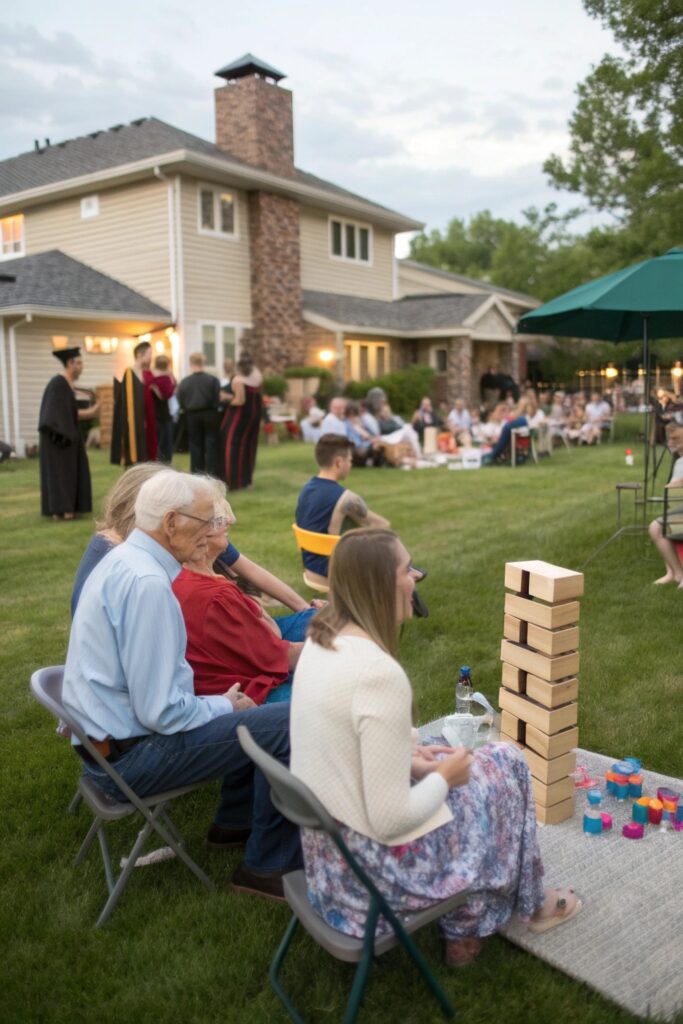
A mixed-age guest list benefits from activities and seating that work for both grandparents and younger relatives, not just the graduate’s peers.
Provide seating options genuinely suited to older guests specifically, since standing for an extended period isn’t comfortable for everyone attending.
5. Don’t Let the Schedule Run Itself

A loose but present schedule — food out by a certain time, speeches around another — keeps the party from dragging or feeling disorganized.
Share a rough timeline with close family or helpers ahead of time, so everyone knows what’s happening and when without needing to ask you directly.
6. Don’t Forget About the Weather (For Outdoor Parties)
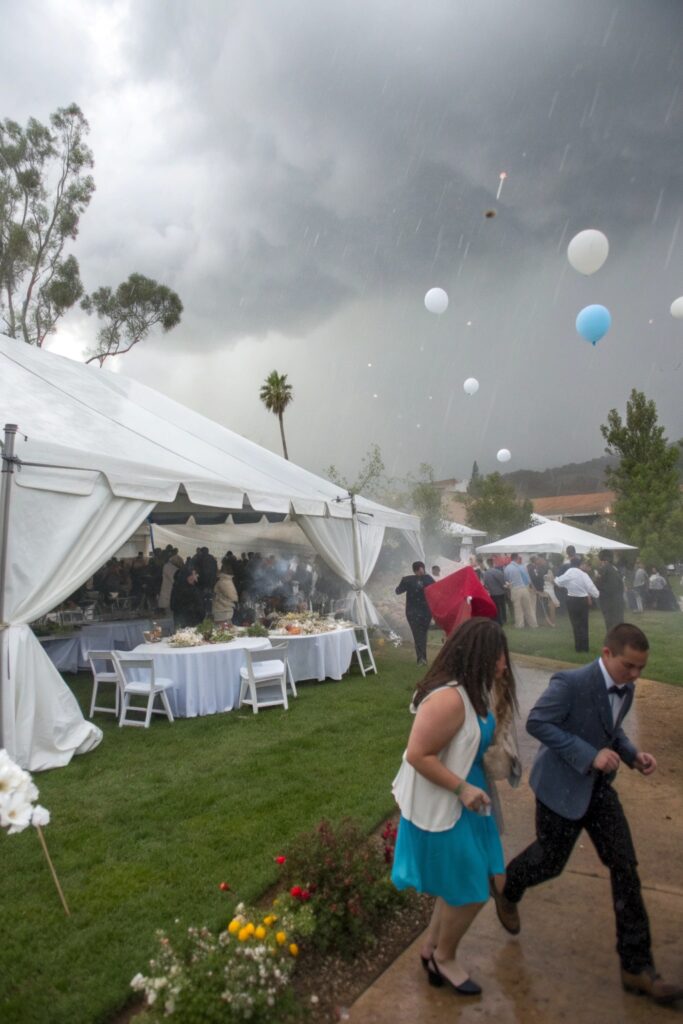
A backup plan for rain or extreme heat, confirmed a few days ahead rather than the morning of, avoids a last-minute scramble to relocate everything.
Check the forecast again the day before and morning of, since conditions can shift enough in that window to affect your plans.
7. Don’t Make the Whole Party About Speeches

Keeping any formal remarks brief respects that most guests came to celebrate and socialize, not sit through an extended program.
Keep any speeches to a few minutes each, and consider limiting the total number of speakers if several people want to say something.
8. Don’t Neglect the Music
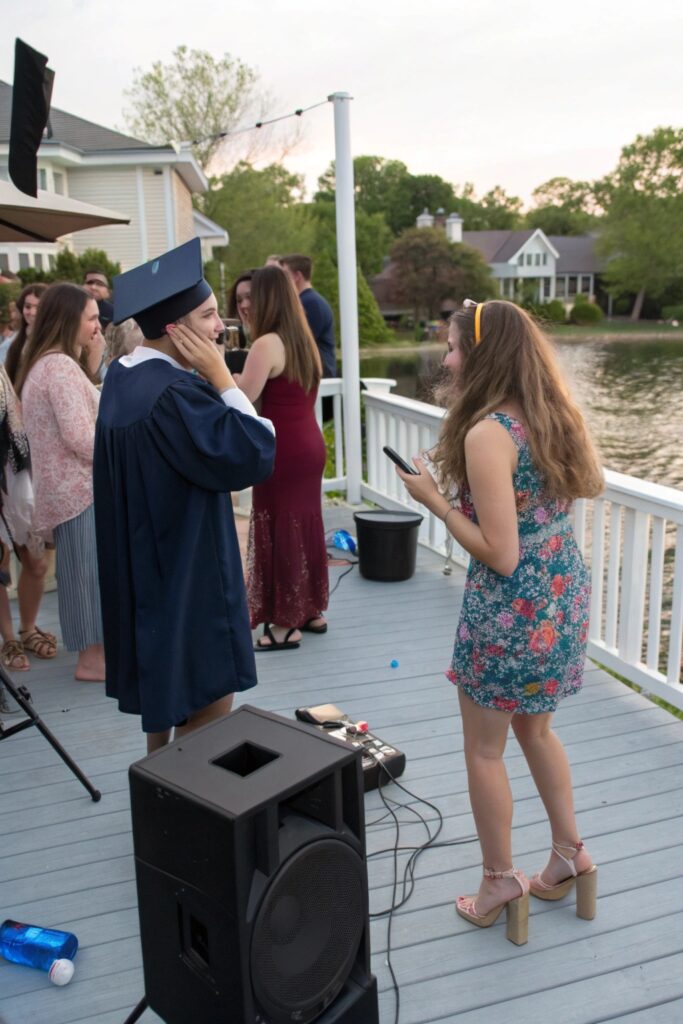
A curated playlist, rather than a random shuffle, sets a more intentional tone and avoids awkward silence or jarring song transitions.
Test your audio setup ahead of time, since outdoor sound often needs more volume than expected to be heard clearly across a yard.
9. Don’t Forget to Actually Be Present
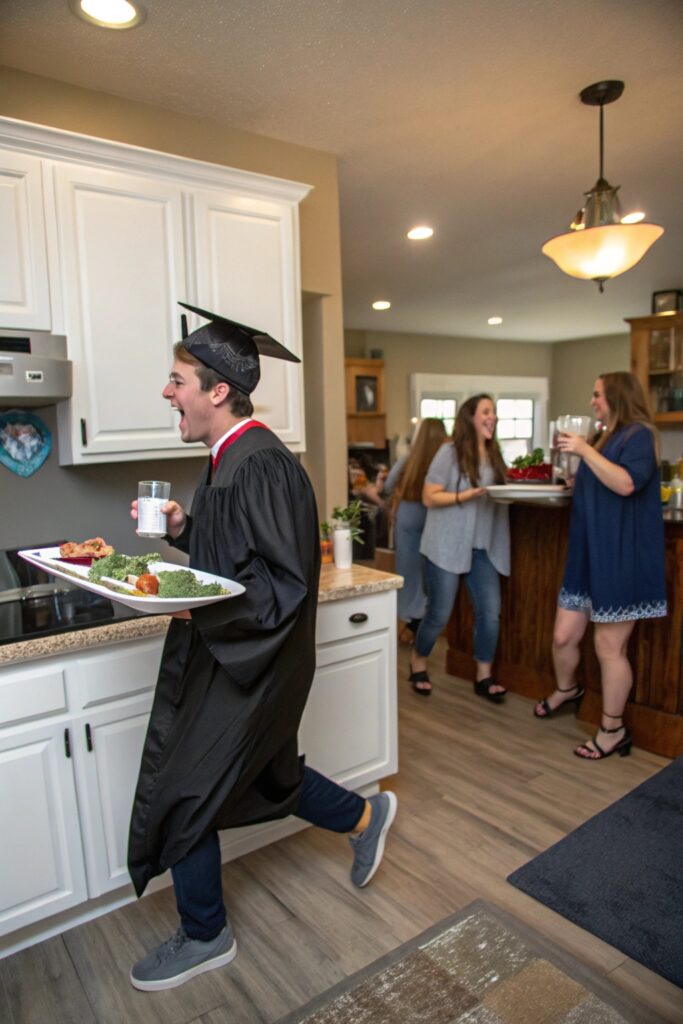
Delegating small tasks to a friend or family member ahead of time frees up the host to actually enjoy the party rather than managing logistics the whole time.
Assign specific tasks to specific people rather than a vague ask for help, which reduces the chance that something gets missed.
10. Don’t Skip the Thank You Acknowledgment

A thank-you, whether a quick note or a mention during the party itself, goes a long way toward showing guests their presence and any gifts were appreciated.
Balancing Planning With Actually Enjoying the Day
It’s easy to get so focused on avoiding mistakes that the planning process itself becomes stressful, which somewhat defeats the purpose of a celebration meant to mark a genuine milestone.
Building in some flexibility, and accepting that a few small things may not go exactly as planned, keeps the day feeling genuinely celebratory rather than like a checklist to complete perfectly.
Starting Your Planning Timeline
Beginning the planning process four to six weeks ahead gives you enough time to handle invitations, food, and any rentals without last-minute pressure. Starting earlier than that is rarely necessary for a typical backyard or home celebration, though a larger venue-based party may benefit from more lead time.
Write a simple checklist covering these ten areas a few weeks before the party, and revisit it periodically as the date approaches, which helps catch any gaps before they become last-minute problems.
Ask a friend or family member to help photograph the day, since a host focused on hosting rarely ends up in many of their own photos, and it’s worth having someone dedicated to capturing the actual celebration.
Consider simplifying at least one element of the party, whether that’s food, decor, or activities, if you’re feeling stretched thin, since a slightly scaled-back celebration hosted comfortably beats an elaborate one that leaves everyone exhausted.
Revisit your guest list one more time a week before the party, since RSVPs and plans can shift, and it’s worth confirming your final numbers before locking in food and seating arrangements.
Trust that guests are there to celebrate the graduate and support you as the host, so small imperfections along the way are rarely noticed the way a stressed host might imagine them to be.
Whatever combination of these considerations applies to your specific situation, the goal is a celebration that feels manageable to host and meaningful to attend, rather than a flawless production that leaves you too exhausted to actually enjoy it.
A graduation party marks a real milestone, and the memory guests take away has more to do with feeling welcomed and celebrated than with any single logistical detail going perfectly according to plan.
Final Thoughts
Most of these mistakes come down to planning gaps rather than a lack of effort, so a bit of advance organization goes a long way toward avoiding them. Keeping the graduate’s actual preferences at the center of the planning process, rather than defaulting to generic party conventions, tends to result in a celebration that feels personal.