
A genuinely memorable dorm party works around the space constraints most dorm rooms present, building the event around a specific activity or theme rather than assuming an open-ended hangout will fill the space well.
Below are 10 dorm party formats, with real costs and practical notes for each.
1. Host a Glow-in-the-Dark Party
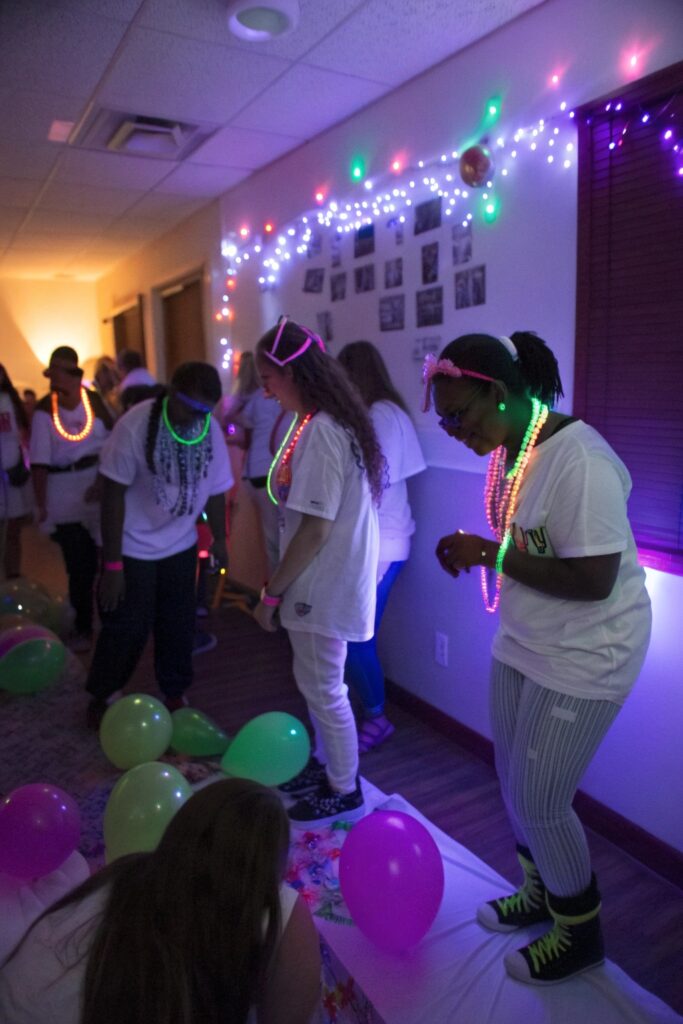
Blacklight bulbs ($10-20) and glow sticks or neon accessories create genuine atmosphere in a genuinely small space, since the dramatic lighting effect works even in a compact dorm room.
This is worth planning around a specific activity (glow-in-the-dark games, neon face paint) rather than lighting alone, which gives guests something to actually do beyond just standing around under blacklight.
2. Throw a Movie Marathon Night Party
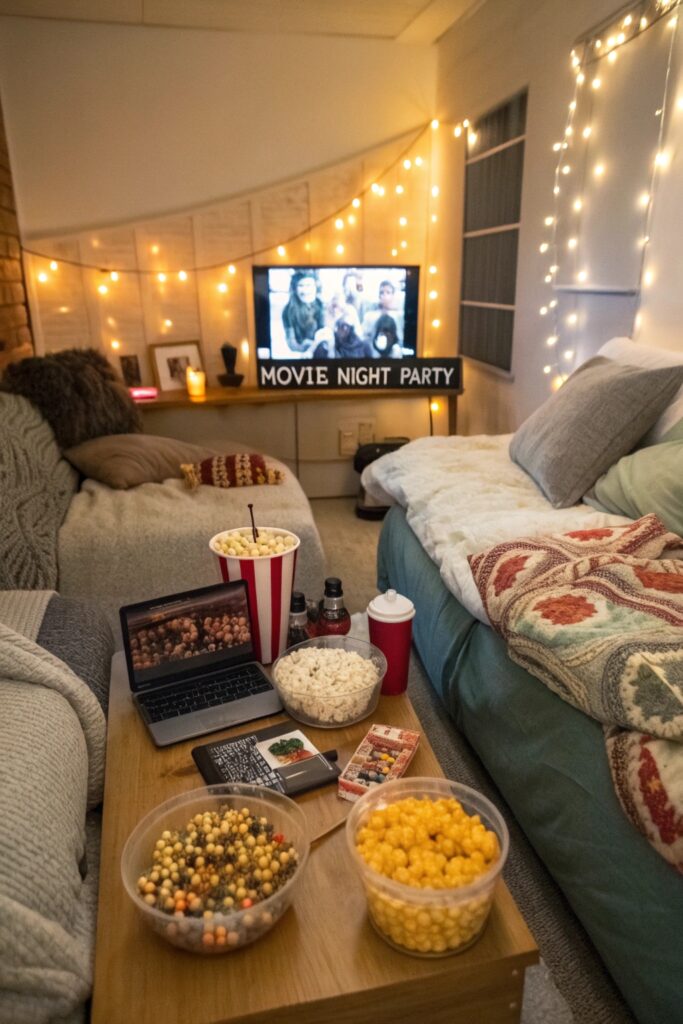
A projector ($40-100) turned toward a blank wall or hung sheet creates a genuinely bigger viewing experience than a laptop screen, working well for a themed marathon (a specific franchise or genre).
Blankets and floor cushions matter as much as the screen setup itself, since comfortable seating for an extended movie session is genuinely limited in most dorm rooms.
3. Organize a Game Tournament Night
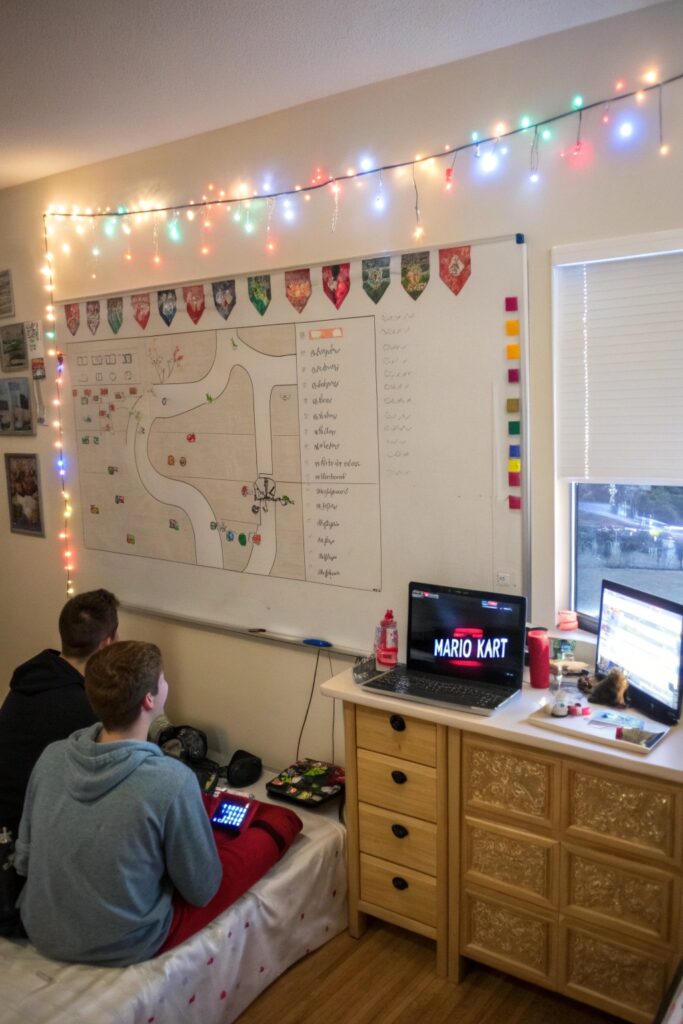
A bracket-style tournament (video games, card games, or board games) gives a party genuine structure and a reason for people to stay engaged throughout the night, rather than a purely open-ended hangout.
This works particularly well for a floor or hall-wide event, since a tournament format naturally scales to more participants than a small room gathering.
4. Plan a Cultural Potluck Party
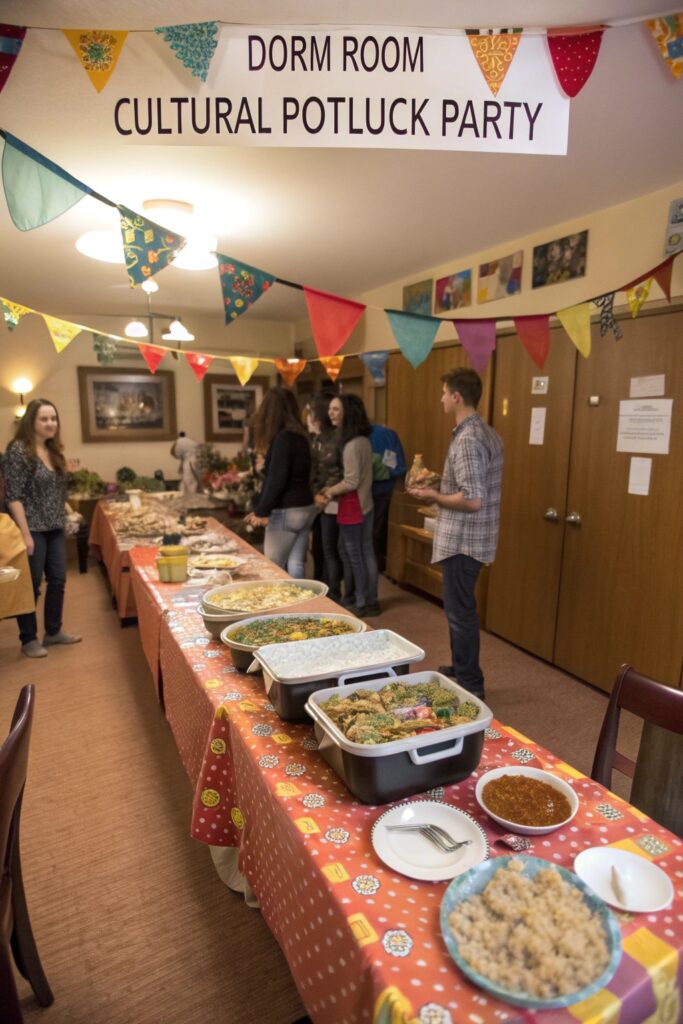
Asking guests to bring a dish representing their background or a favorite recipe creates a genuinely interesting, food-centered gathering that works well in a diverse dorm community.
This is a lower-cost party format than hosting all the food yourself, since the potluck structure spreads both cost and effort across everyone attending.
5. Create a DIY Craft Party
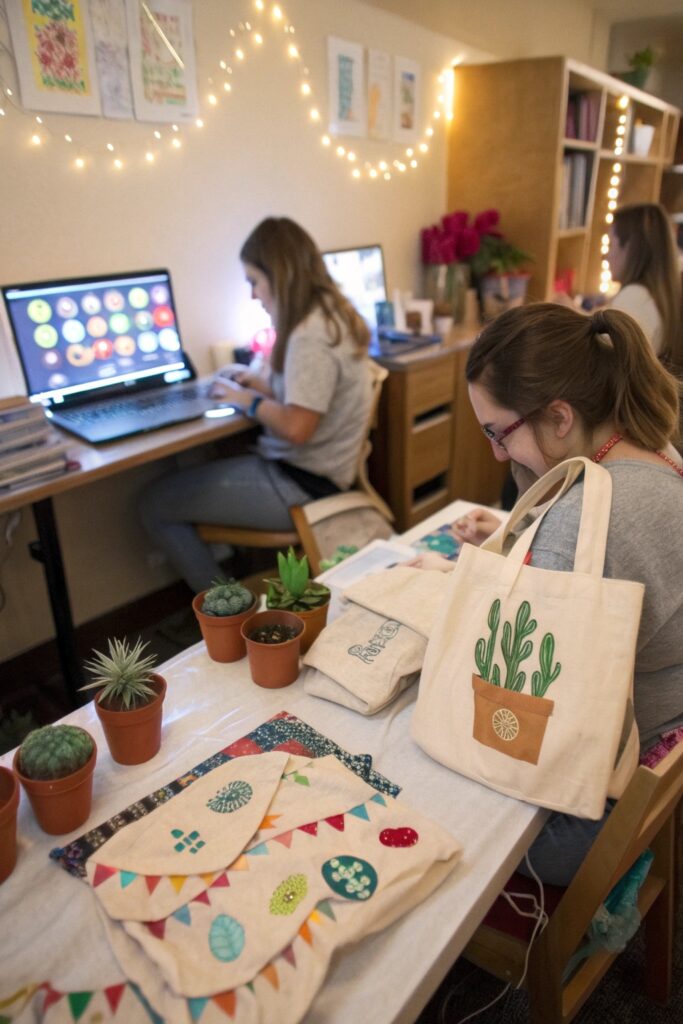
A specific craft activity (tie-dye, jewelry making, painting) gives guests something genuinely productive to do while socializing, and everyone leaves with something they made.
Buy supplies in bulk for the specific craft rather than a wide variety, which keeps costs manageable while still giving everyone enough material to genuinely participate.
6. Host a Themed Costume Party
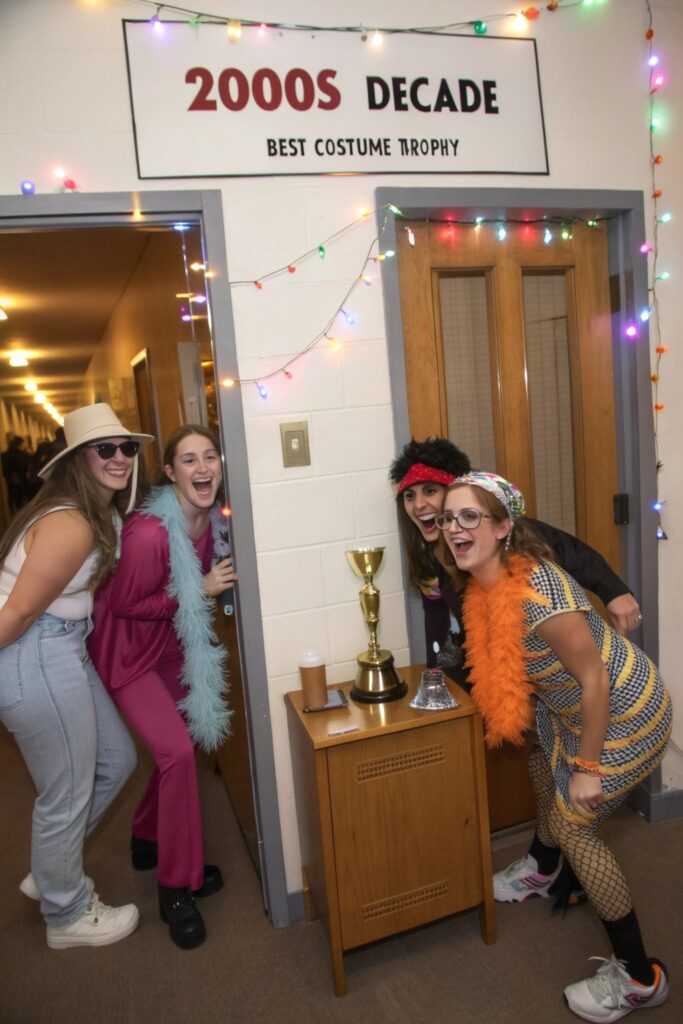
A specific dress-up theme (decades, a movie, a color scheme) gives a party genuine structure and a shared activity (getting dressed for the theme) before the event even starts.
Choose a theme with enough flexibility that guests can participate on any budget, since not everyone will want to invest heavily in a costume for a single dorm party.
7. Set Up a Karaoke Night
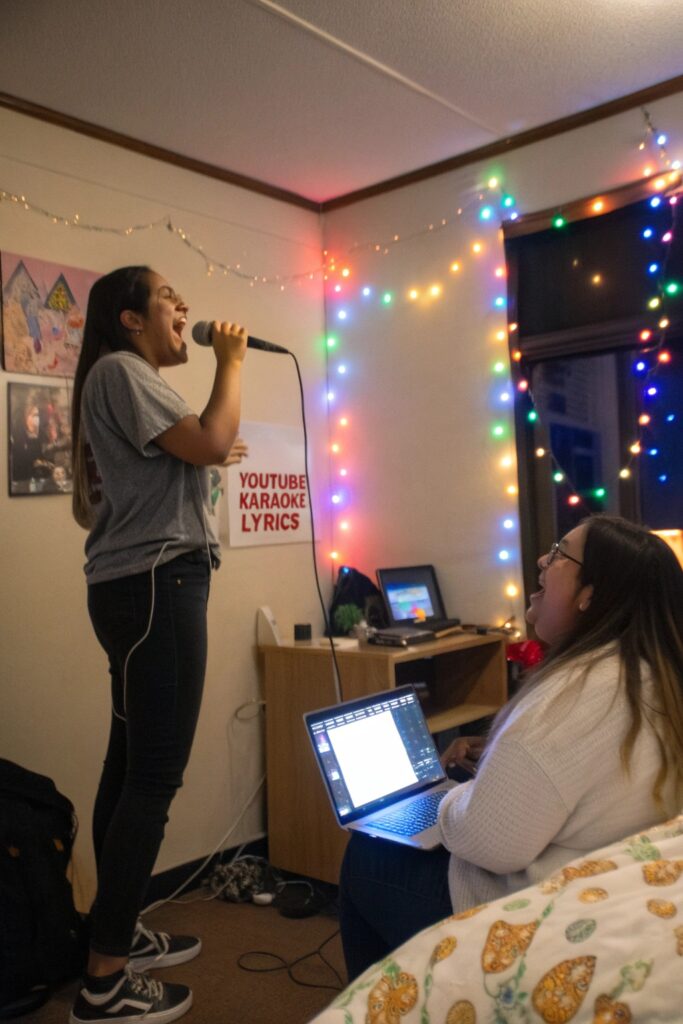
A karaoke app or a small speaker system ($20-50) turns a dorm room into a genuine karaoke venue without requiring specialized equipment.
This works especially well as a smaller, more intimate party format, since karaoke naturally limits how many people can participate at once compared to a general hangout.
8. Organize a Study Break Dessert Party
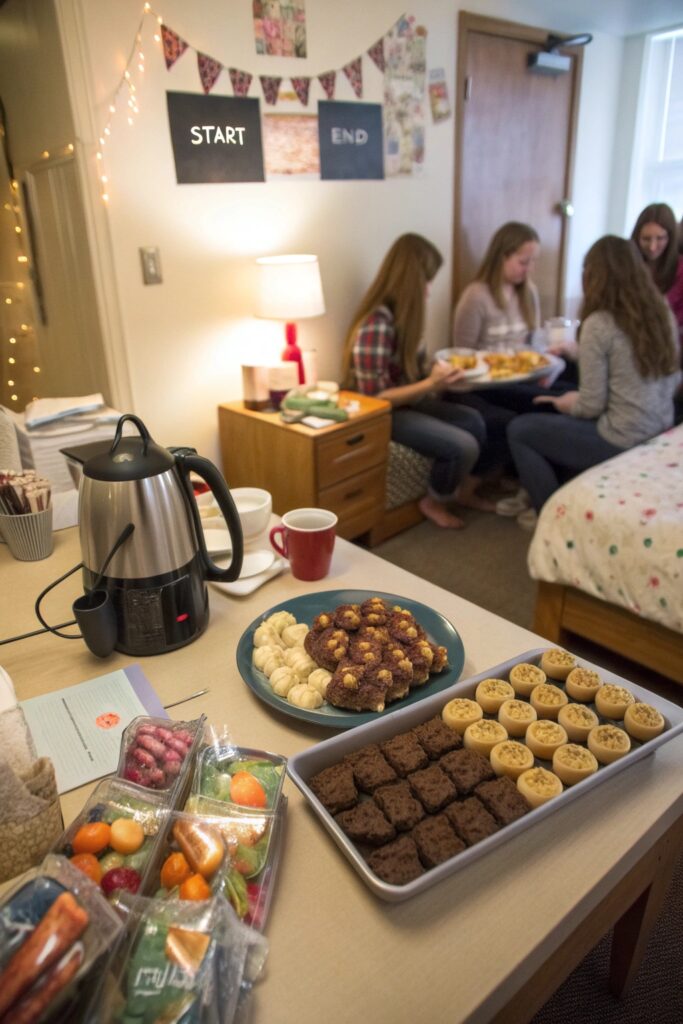
A dessert-focused gathering timed around a genuinely stressful period (midterms, finals) offers guests a low-commitment social break without requiring a late night or major event planning.
This format works particularly well because it’s genuinely easy to host — a few dessert options and a casual setup are enough, without needing elaborate planning.
9. Plan a Rooftop or Outdoor Courtyard Extension
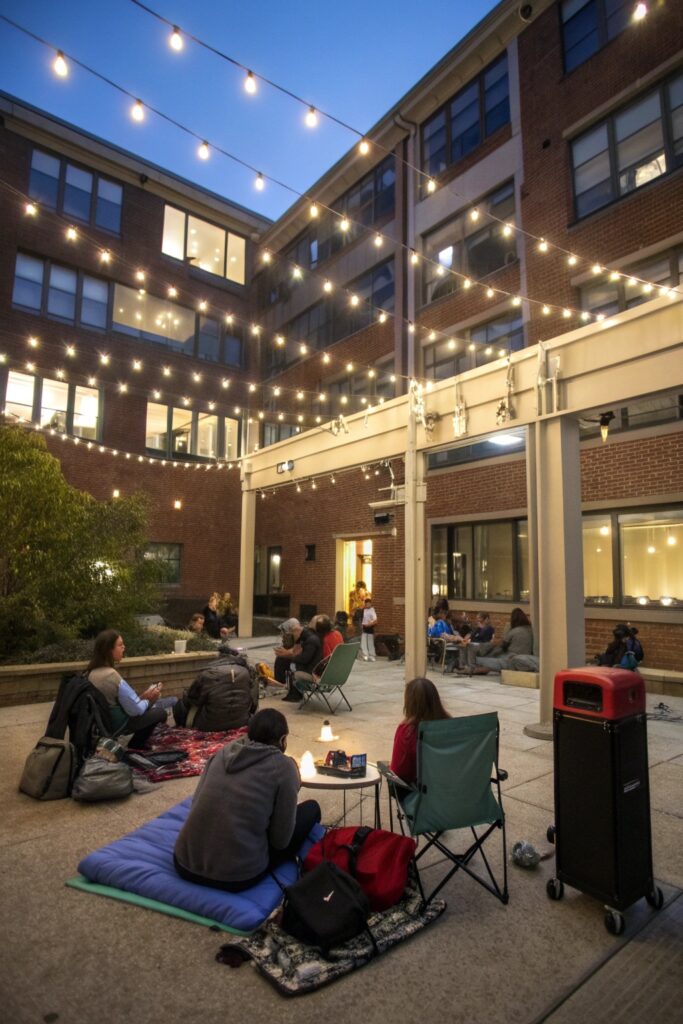
If your dorm has access to a rooftop, courtyard, or common outdoor space, extending a party there genuinely solves the space constraint a single dorm room presents.
Confirm your specific building’s policy on outdoor gatherings and noise before planning around this space, since access and rules vary considerably between dorm buildings.
10. Host a Music Discovery Listening Party
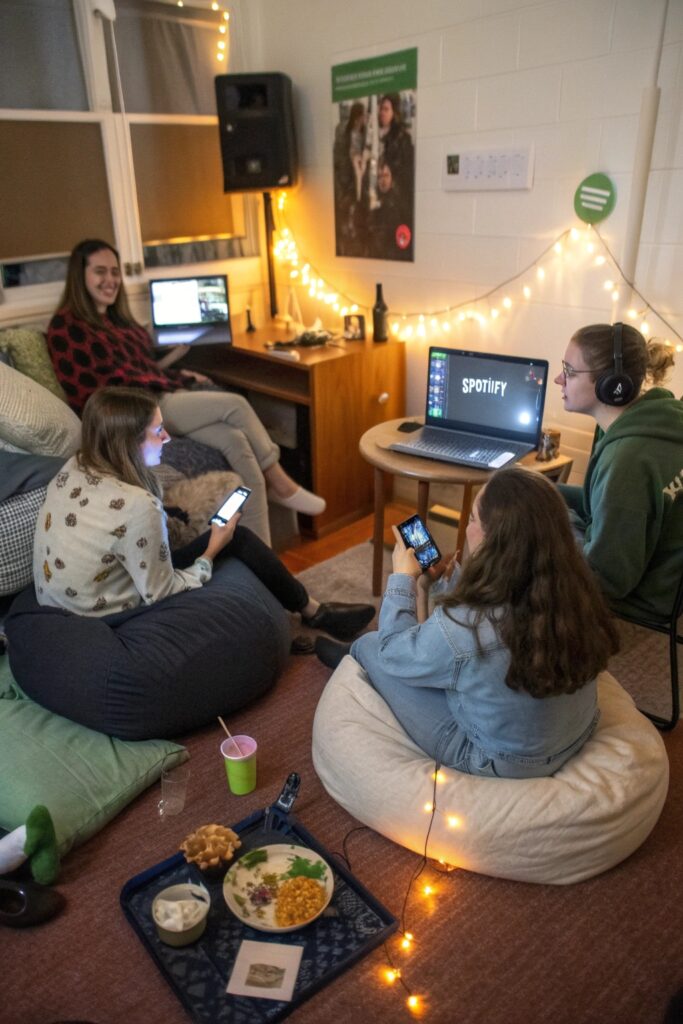
Asking each guest to bring a song or playlist to share creates a genuinely interactive party format built around discovering new music together.
A decent speaker ($20-50) matters more for this format than for a general hangout, since the music itself is the actual point of the gathering rather than background noise.
Keeping It Within Dorm Rules
Nearly every one of these party formats needs to work within your specific dorm’s actual policies on guest limits, noise curfews, and shared space use, which vary considerably between schools and even between individual buildings on the same campus.
Checking with your resident advisor or housing office before planning anything beyond a small, quiet gathering saves genuine hassle — many dorms require advance notice or approval for larger events, and violating noise or guest policies can result in real consequences beyond just an awkward conversation with a neighbor.
Budgeting for a Genuinely Small Space
Most of these party formats can be pulled off for under $50 total, split among a few people, which matters considerably on a genuine student budget — the glow party and karaoke night specifically cost the least upfront since the equipment (blacklight bulbs, a speaker) can be reused for future gatherings rather than being single-use purchases.
Splitting costs among co-hosts, or asking guests to contribute a small amount toward supplies, is a genuinely common and reasonable approach for dorm parties specifically, where the host’s individual budget is often more constrained than it would be for someone hosting from an apartment or house.
Wrapping It All Up
A specific activity or theme matters more than any individual party idea on this list, since structure is what keeps a genuinely small dorm room space from feeling empty or awkward once people arrive. Check your dorm’s specific noise and guest policies before planning any of these, since violating either can create genuine problems with resident advisors or housing staff.