Choosing effective patio shade depends on your specific climate, sun exposure, and how permanent a solution you want, since options range from a simple umbrella to a full structural build.
Below are 12 shade solutions worth considering, with practical notes for each.
1. Install a Pergola with a Retractable Canopy
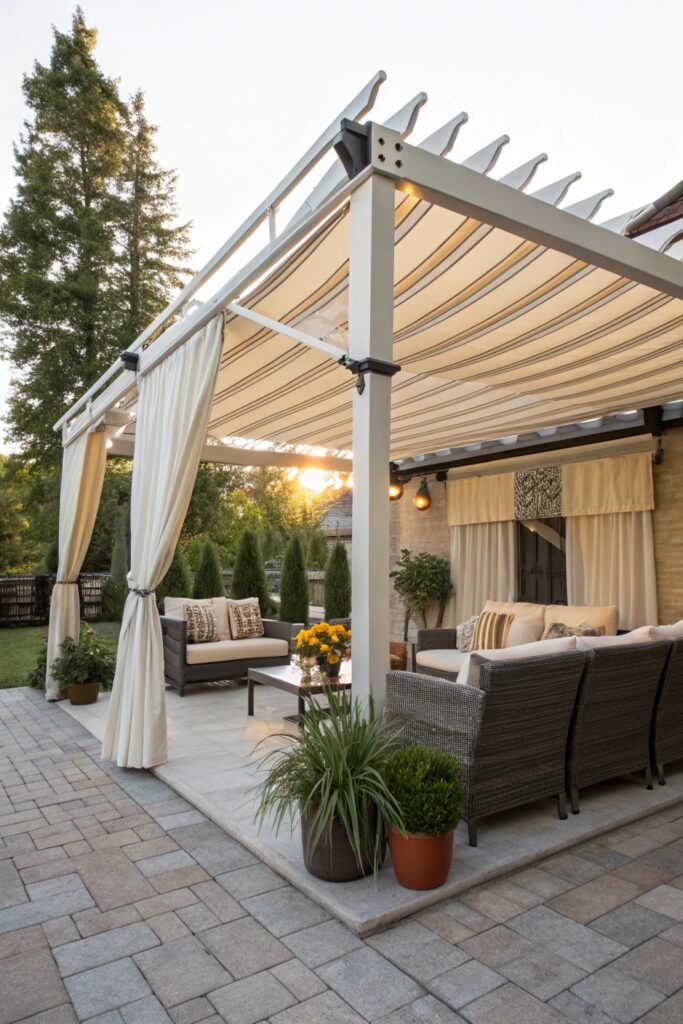
A retractable canopy offers more flexibility than fixed shade, letting you open the space up on cooler or overcast days.
Choose UV-resistant, weather-rated canopy fabric specifically, since standard outdoor fabric can fade and weaken faster under prolonged direct sun exposure.
2. Hang Outdoor Shade Sail Panels
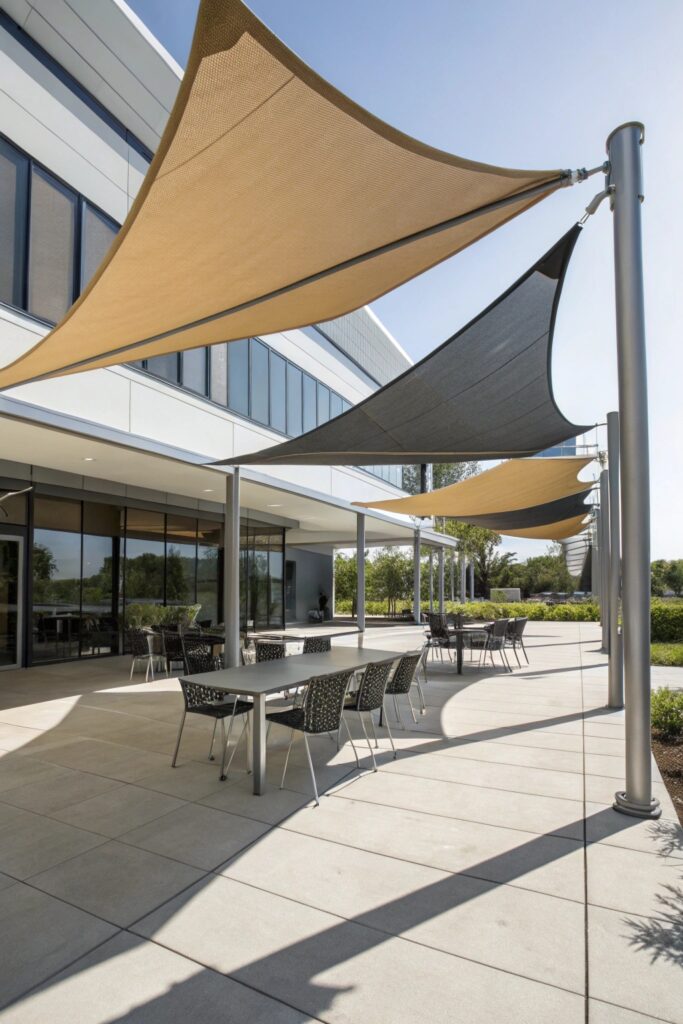
Proper tensioning matters for these panels, since a loose sail can flap in wind and wear out faster than a correctly tightened one.
Choose marine-grade hardware for the tensioning points, which resists corrosion better than standard hardware exposed to consistent outdoor moisture.
3. Build a Solid Roof Patio Cover
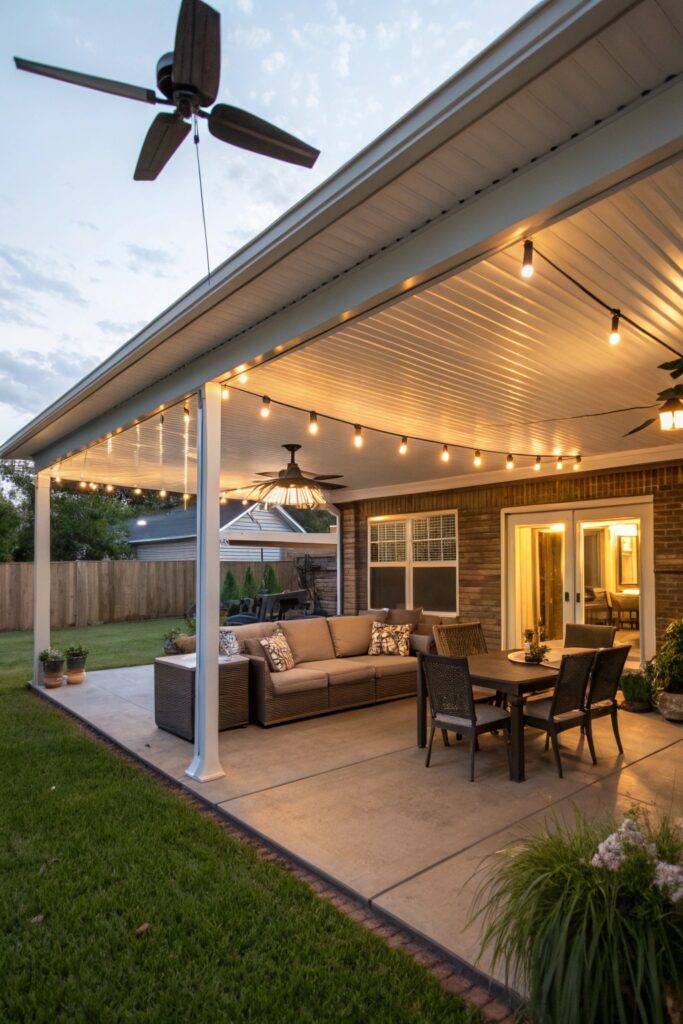
Confirm your local building code and permit requirements before this project, since a solid roof structure is a bigger commitment than most other options on this list.
Get quotes from licensed contractors specifically for this project, since structural roof work involves both building codes and load-bearing considerations beyond a typical DIY scope.
4. Use a Large Cantilever Umbrella
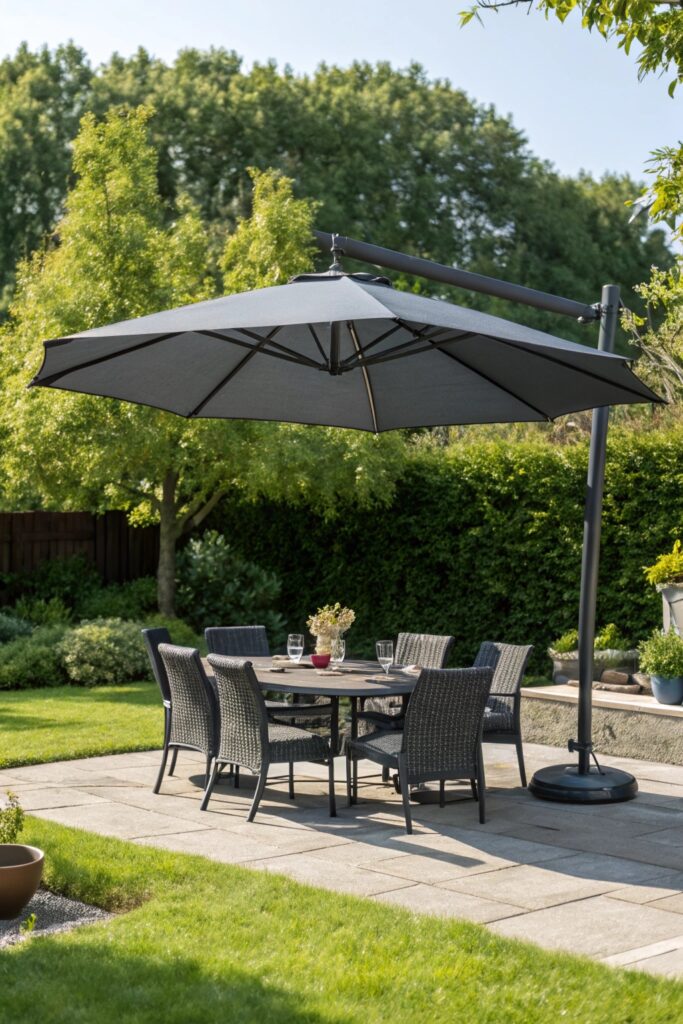
A weighted base matters considerably for this style, since the offset design puts more stress on the base than a standard center-pole umbrella.
Choose a sturdy, weighted base rated for your specific umbrella size, since an undersized base risks tipping in wind.
5. Grow a Wisteria or Vine-Covered Pergola
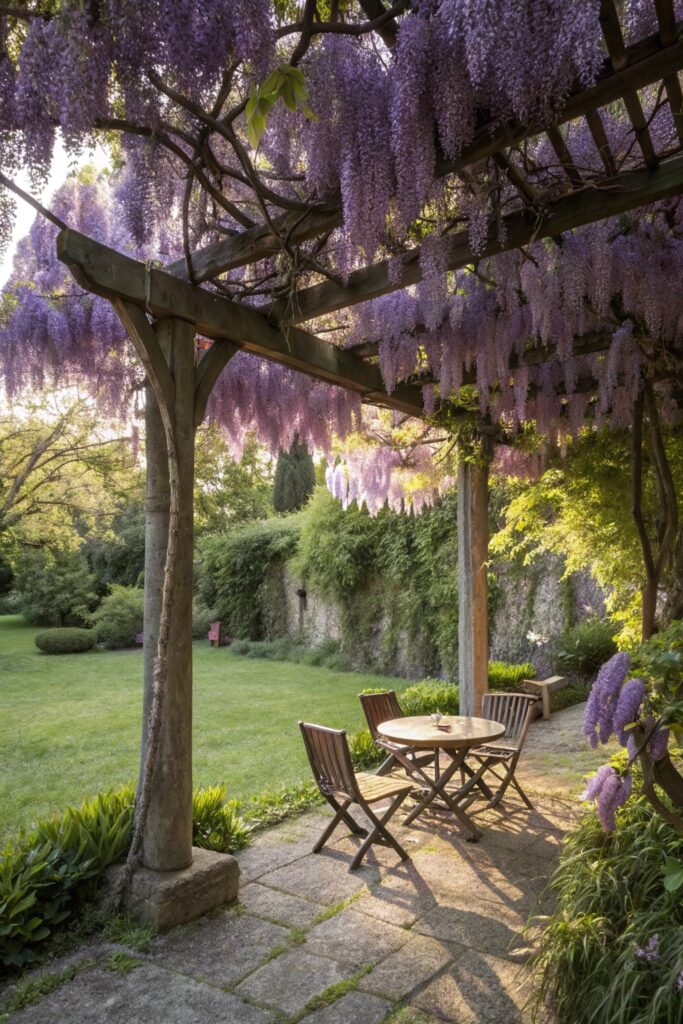
Vines take a few seasons to fully mature and provide dense shade, so plan for a gradual buildup rather than immediate full coverage.
Choose appropriate vine varieties for your climate zone, since some vines can become invasive or require more aggressive pruning than others.
6. Install Outdoor Roller Shades or Blinds
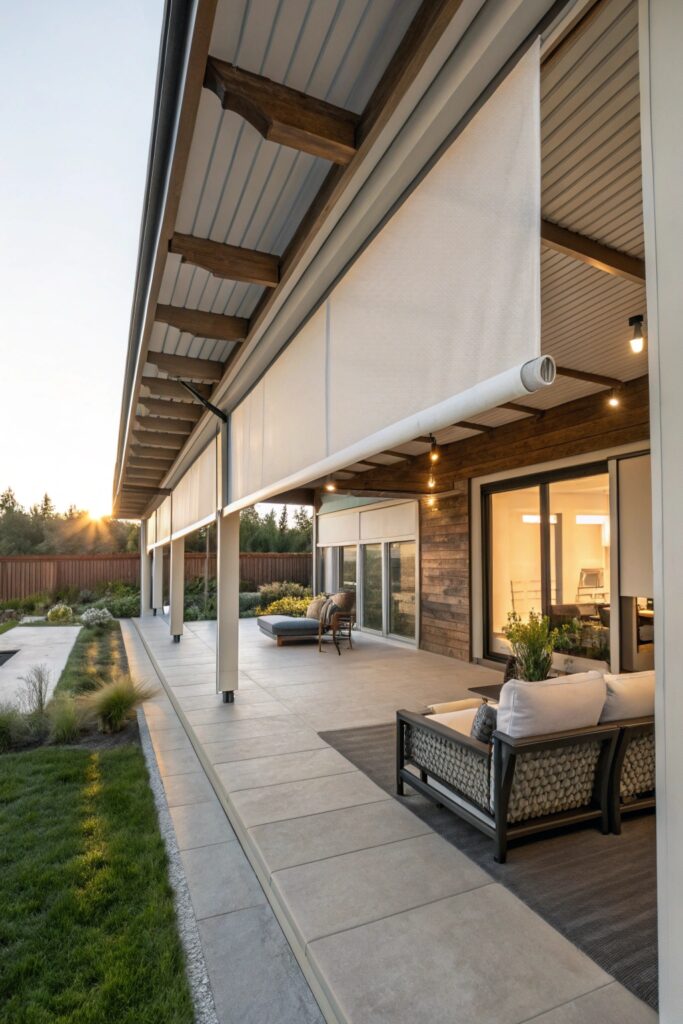
Choose UV-resistant, weatherproof fabric specifically for this application, since standard indoor blind materials won’t hold up to direct outdoor exposure.
Choose motorized options if budget allows, which offer more convenient control than manually operated roller shades for frequent adjustment.
7. Add a Freestanding Gazebo
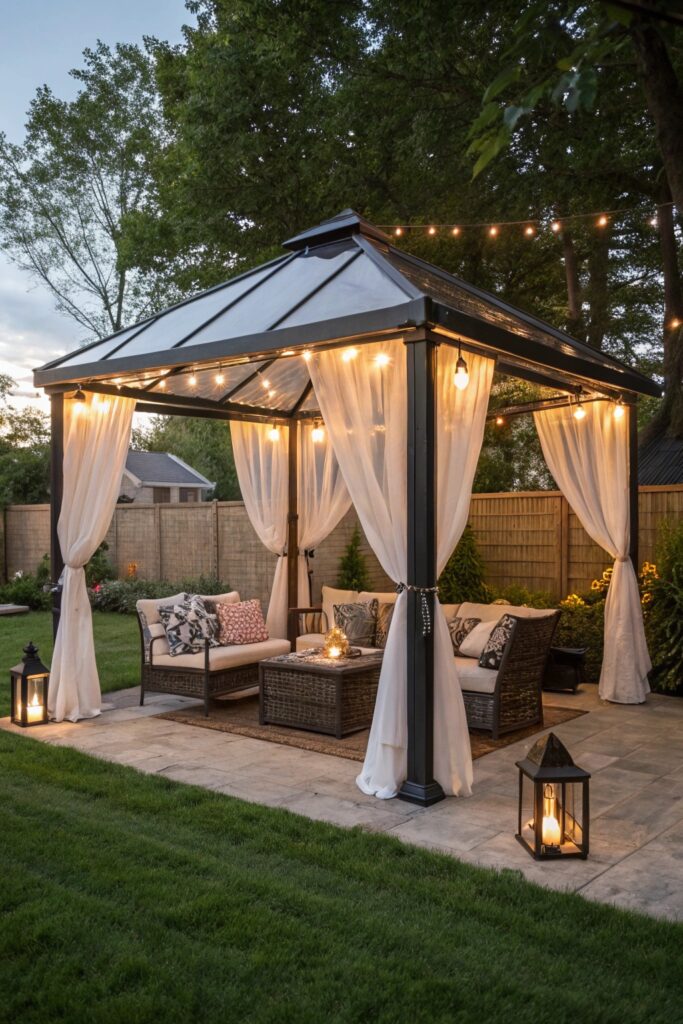
Confirm local setback and permit requirements before installation, since gazebos sometimes fall under different regulations than smaller shade structures.
Choose a appropriately sized gazebo for your patio’s actual dimensions, since an oversized structure can overwhelm a smaller outdoor space.
8. Plant a Row of Fast-Growing Privacy Trees
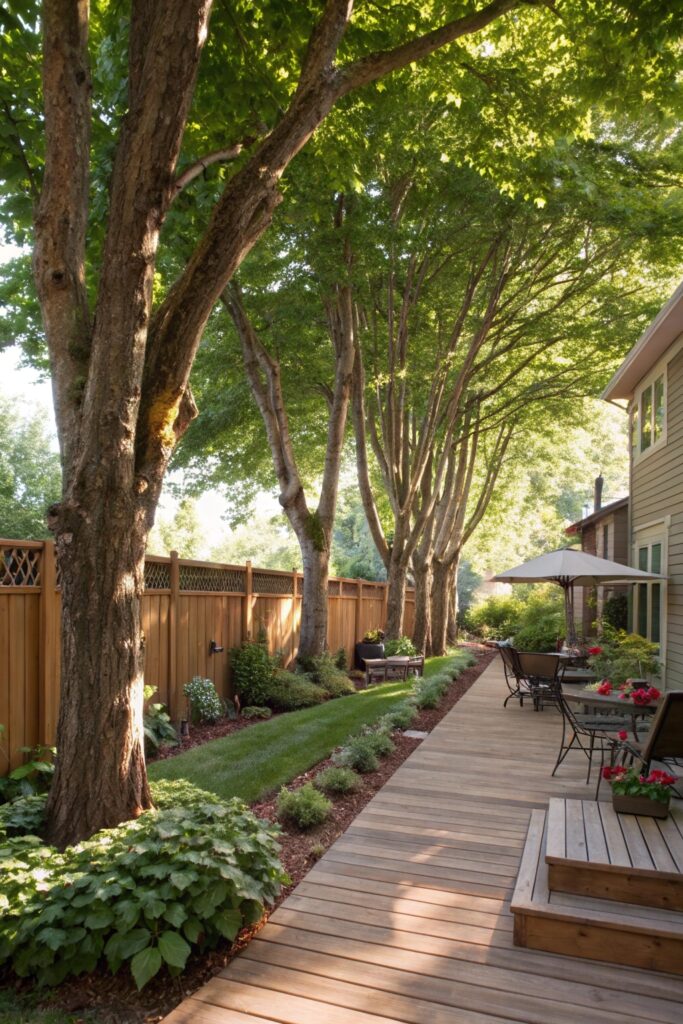
Choosing tree varieties suited to your specific climate zone matters more than growth speed alone, since a fast-growing tree unsuited to your region may struggle regardless.
Plant at an appropriate distance from your home’s foundation and any underground utilities, since root systems can eventually cause issues if planted too close.
9. Stretch a Waterproof Patio Awning
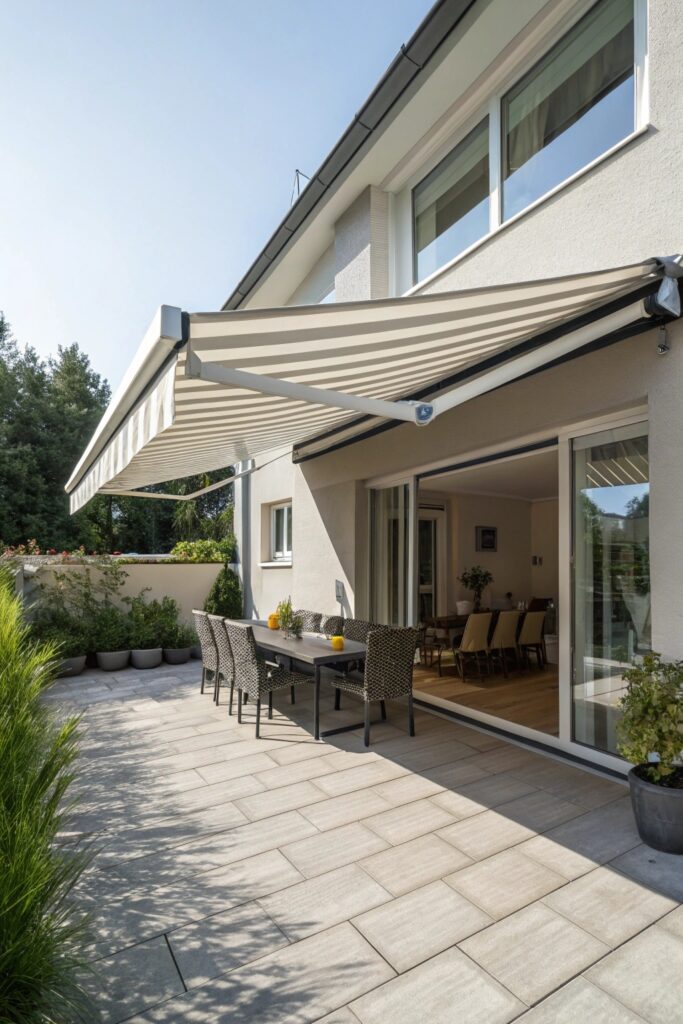
A retractable awning offers more flexibility than a fixed one, letting you adjust coverage based on the sun’s position throughout the day.
Choose rust-resistant hardware and a weather-rated fabric specifically, since this structure faces consistent outdoor exposure.
10. Hang Outdoor Curtains from a Pergola or Beam
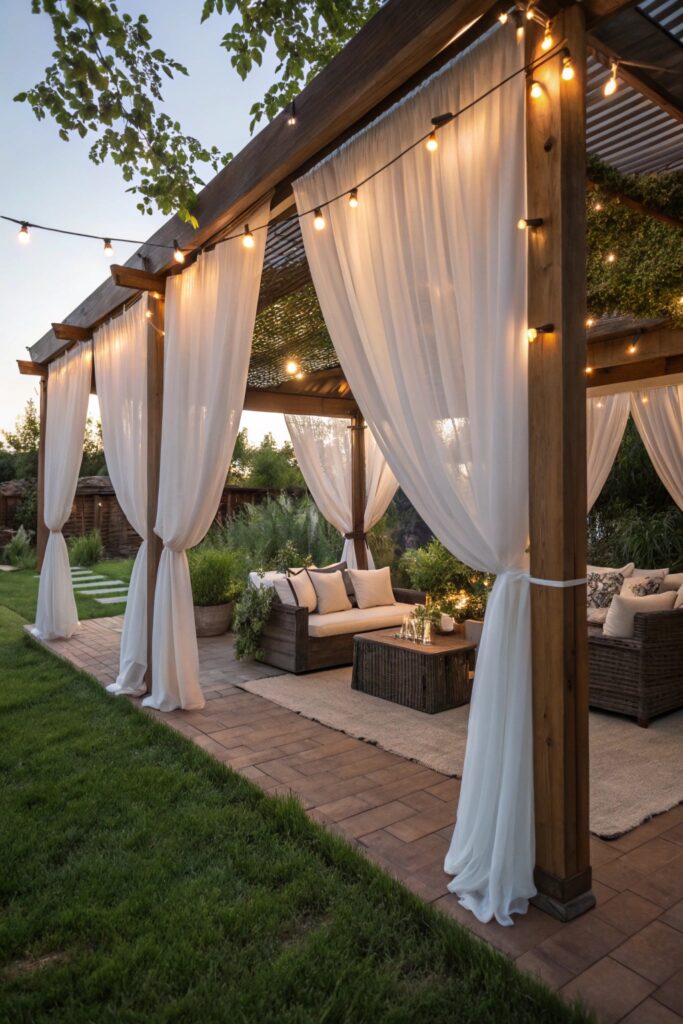
Choose outdoor-rated fabric specifically, since standard curtain material fades and deteriorates considerably faster with direct sun and moisture exposure.
Choose rust-resistant curtain rods and weighted hems, which help the curtains hang properly and resist wind better than lightweight, unweighted panels.
11. Install a Louvered Roof System
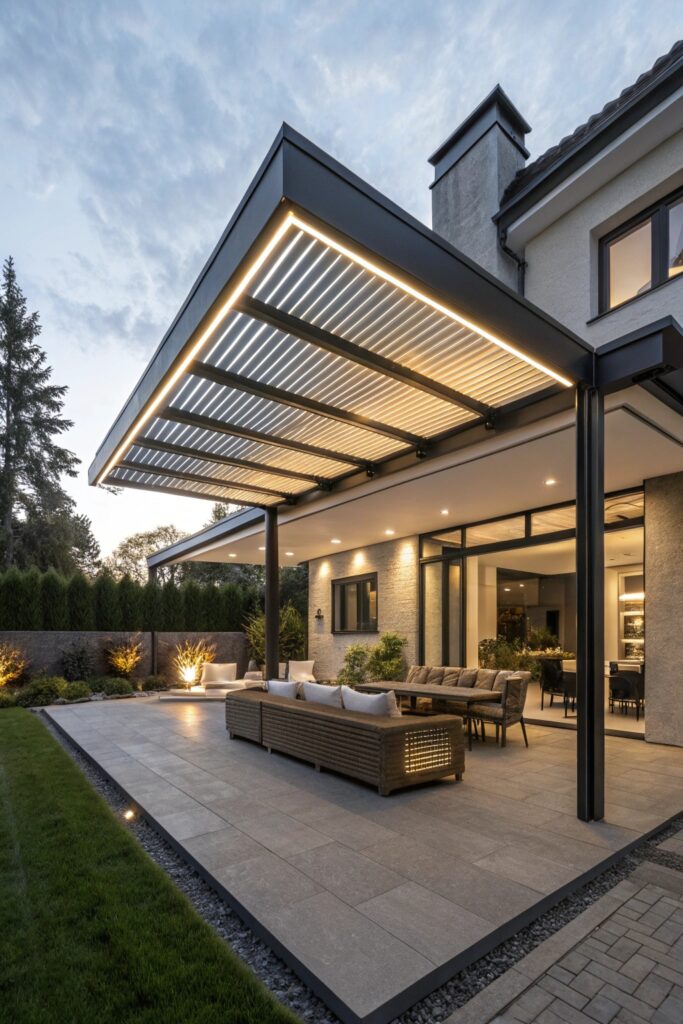
This adjustable system lets you control light and airflow more precisely than a fixed roof, though it’s typically a larger investment.
Get quotes from at least two installers specifically for this system, since labor costs for louvered roofs vary considerably based on the specific mechanism and size.
12. Create a Green Roof or Living Wall for Side Shade
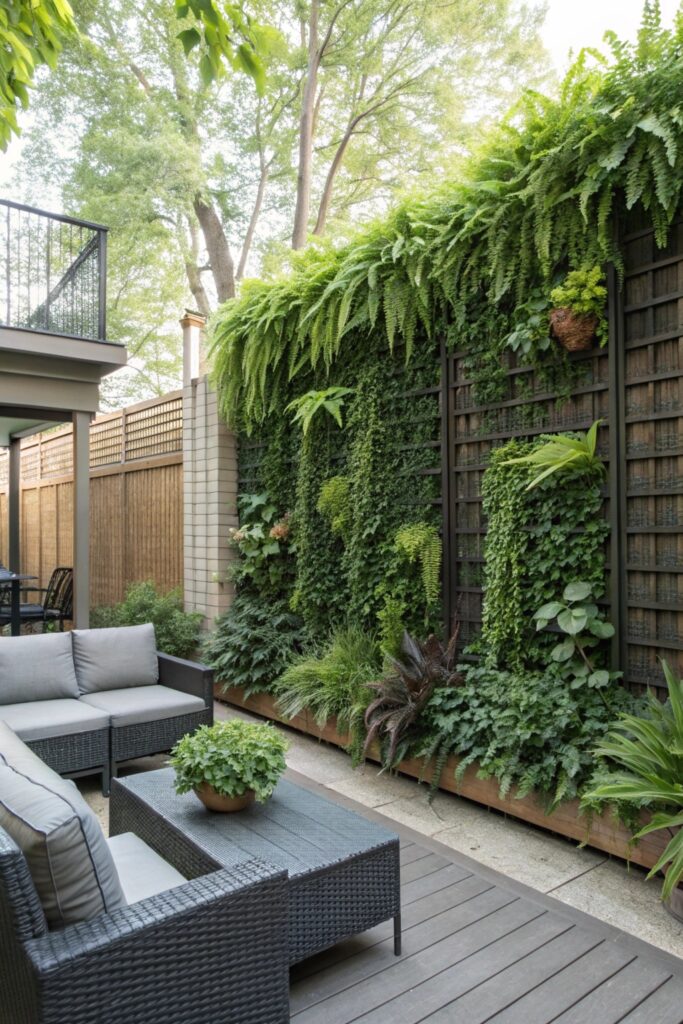
Confirm your structure can support the added weight of a living wall system before installation, since soil and mature plants add significant load.
What These Shade Solutions Cost
Smaller, movable options like umbrellas or curtains typically cost $50 to $300.
Larger structural investments like a solid roof cover or louvered system run considerably higher, often $3,000 to $15,000 or more depending on size and materials.
Consider your patio’s sun path throughout the day and across seasons before finalizing a shade solution, since a fixed structure positioned without this consideration may not actually block sun during the hours you use the space most.
Check with neighbors ahead of time if you’re planning a taller structure, since a genuinely large shade feature can affect sightlines or shadow patterns on adjoining properties.
A combination of shade and airflow matters more than shade alone in especially hot, humid climates, since blocked sun without adequate ventilation can still leave a patio feeling uncomfortably warm.
Consider starting with a smaller, movable option like an umbrella or curtains if you’re unsure which permanent solution suits your space, since this lets you test how you actually use the shaded area before committing to a larger structural investment.
Take photos of the finished shade structure once installed, since it’s useful to have a reference for how the space looks and functions across different times of day and seasons.
A well-shaded patio extends how much of the year and day you can comfortably use the space, making this one of the more practical outdoor investments for any home with an existing patio or deck.
Whatever solution you choose, prioritize durability alongside appearance, since a shade structure that holds up well through multiple seasons of sun and weather ultimately delivers more value than one that needs frequent repair or replacement.
A well-shaded outdoor space gets used considerably more throughout the summer than one left fully exposed to direct sun.
Conclusion
Confirm your local building code and any homeowners association requirements before committing to a larger structural project, since permanent shade structures often require permits. Combining different shade types — a fixed structure plus movable curtains or an umbrella — gives you more flexibility to adjust coverage throughout the day and across seasons.