
A neutral living room reads as considered rather than plain specifically because of layered texture and material variety — without those elements, an all-neutral palette can end up feeling flat rather than timeless.
Below are 15 ways to build that texture-forward approach, with practical notes for each.
1. Layer Different Shades of White
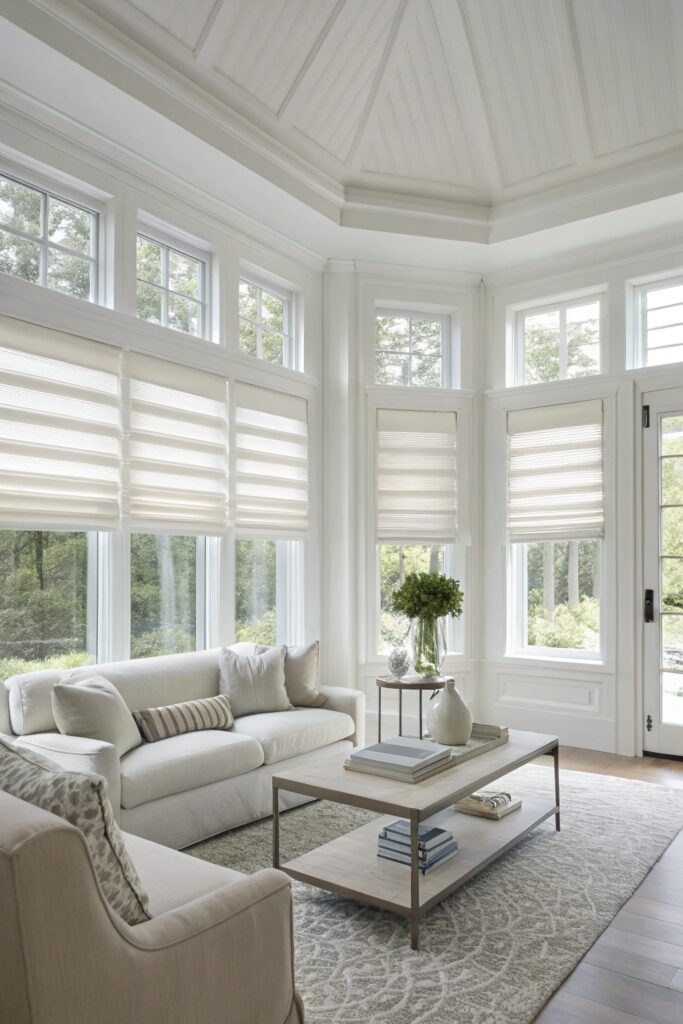
Combining several whites and off-whites (rather than one uniform shade) across walls, upholstery, and textiles creates depth that a single flat white can’t achieve, since the subtle variation reads as intentional layering rather than a lack of color.
Test whites against each other in natural daylight before committing, since some whites carry subtle warm or cool undertones that only become obvious once placed side by side in the same room.
2. Add Texture with a Chunky Knit Throw
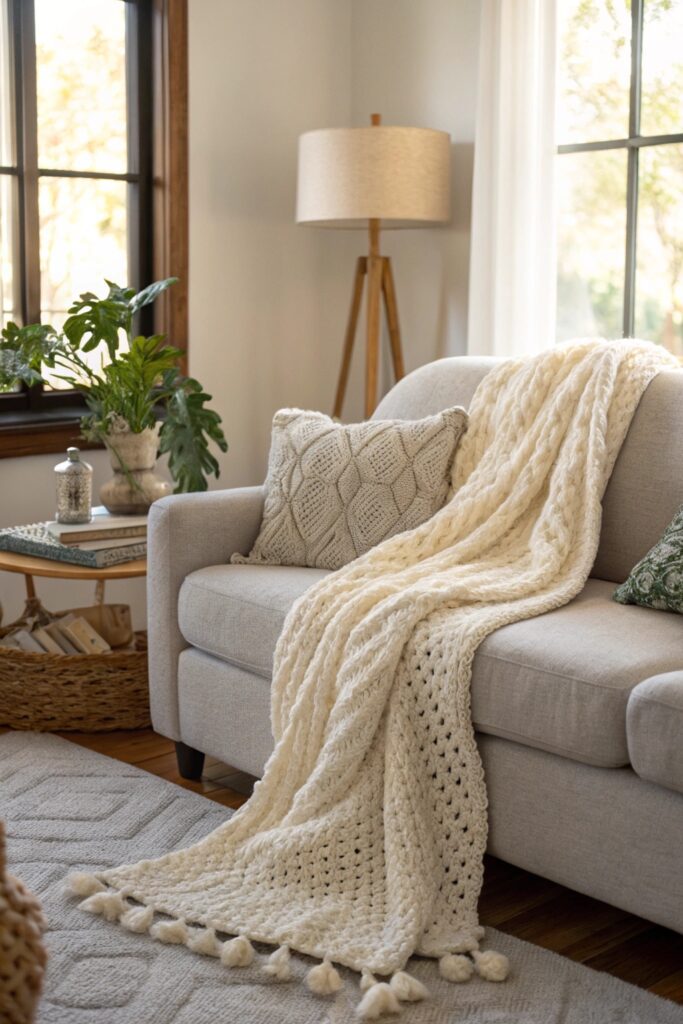
A cable-knit or heavily textured throw blanket ($30-50) adds tactile interest that’s essential in a neutral room, where texture does the visual work color would otherwise provide in a more saturated palette.
Choose a throw with genuine natural fiber content (wool, cotton) rather than a fully synthetic knit, since natural fibers tend to hold their texture and shape better over repeated use.
3. Use a Jute or Sisal Area Rug
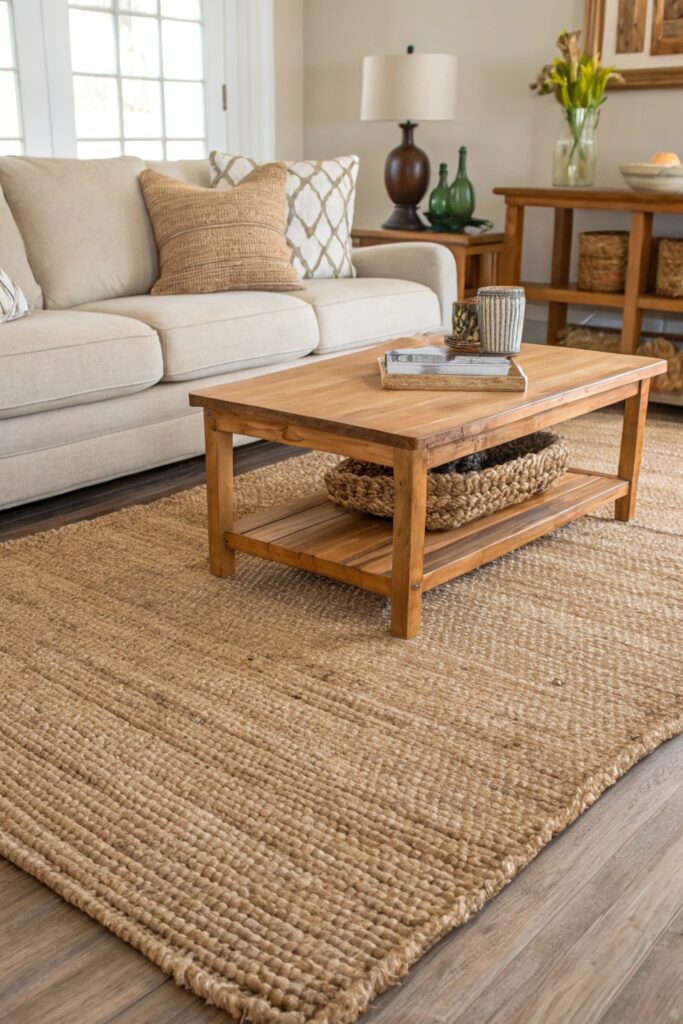
Natural fiber rugs bring organic texture and a warm, grounding element that a flat-weave synthetic rug doesn’t offer, and their neutral coloring works reliably across nearly any neutral palette variation.
Jute rugs specifically can feel rough underfoot compared to a softer wool option, so consider pairing one with a smaller plush rug layered on top in the main seating area for comfort.
4. Mix Wood Tones for Natural Warmth
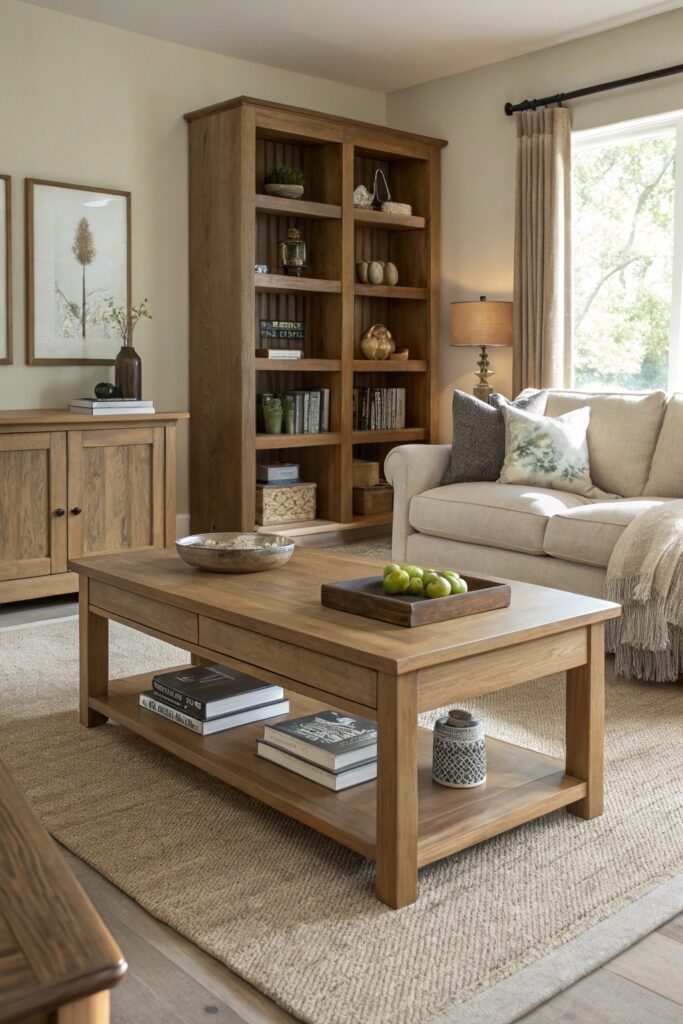
Combining two or three different wood tones (rather than matching every piece exactly) reads as more collected and intentional than a fully matched wood furniture set, and it’s genuinely more forgiving if you’re building a room’s furniture over time rather than all at once.
A general guideline is limiting a room to 2-3 distinct wood tones rather than more, which keeps the mixed-wood look from reading as accidental or mismatched.
5. Add Depth with Textured Throw Pillows
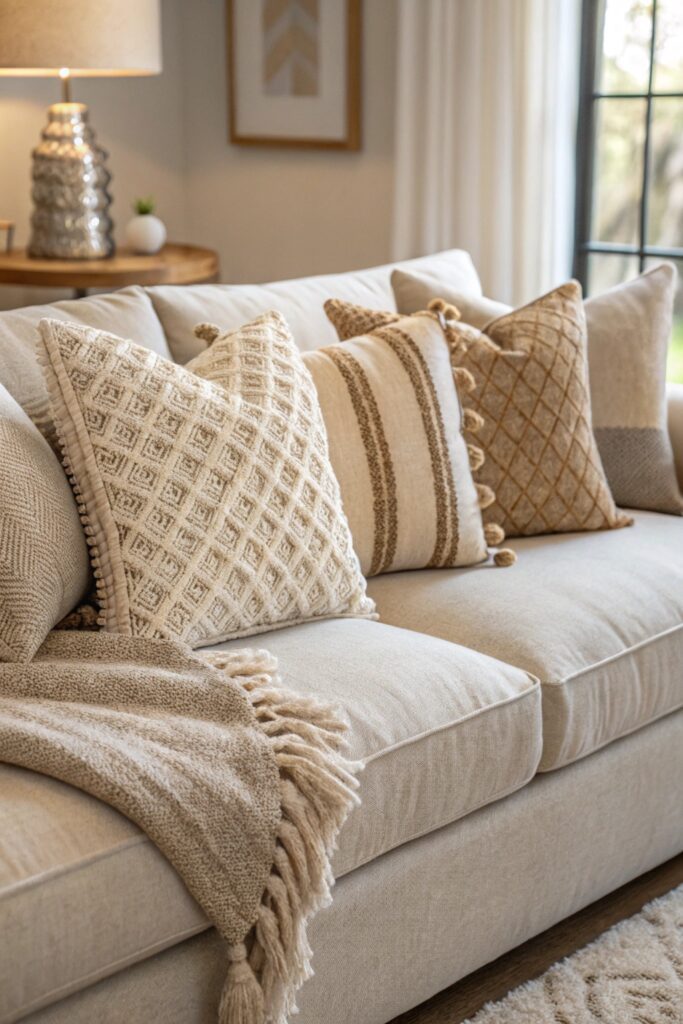
Pillow covers in varied textures — boucle, linen, velvet — within the same neutral color family add dimension that flat cotton pillows in identical fabric can’t achieve, even when the actual color palette stays narrow.
Vary pillow sizes slightly (not just texture) across a seating arrangement, which adds another layer of visual interest beyond fabric alone.
6. Incorporate Natural Materials Like Rattan and Wood
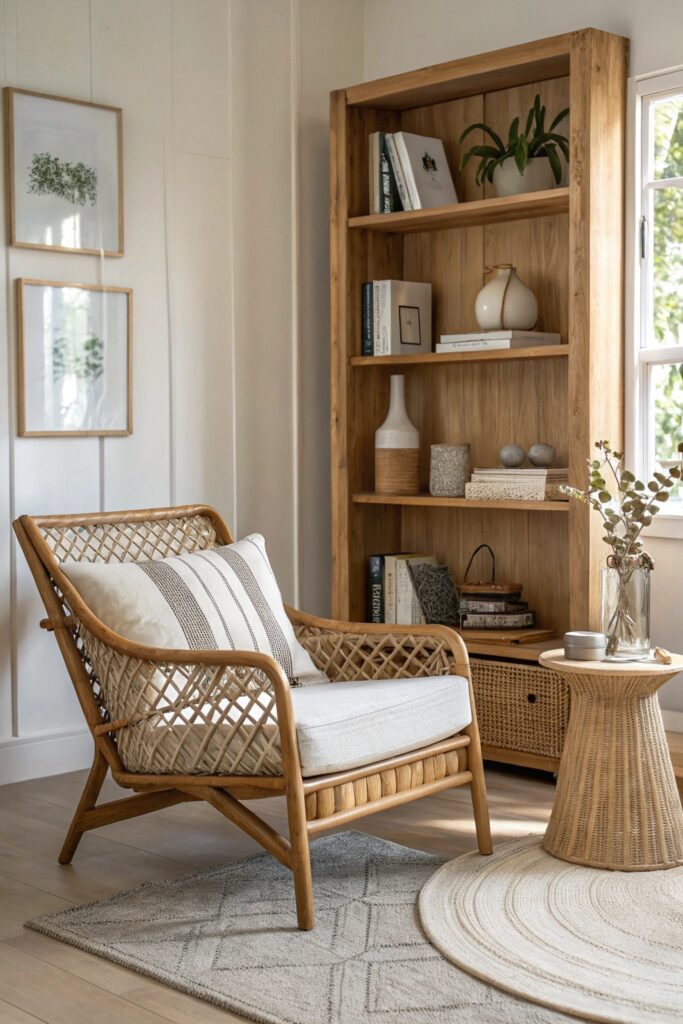
Rattan chairs, wood side tables, and woven light fixtures introduce organic texture that keeps an all-neutral room from feeling flat or overly minimal, grounding the space with material variety rather than color variety.
Look for rattan and wood pieces with a matte rather than glossy finish, which tends to read more organic and less like a mass-produced import.
7. Choose Linen Curtains for Soft Movement
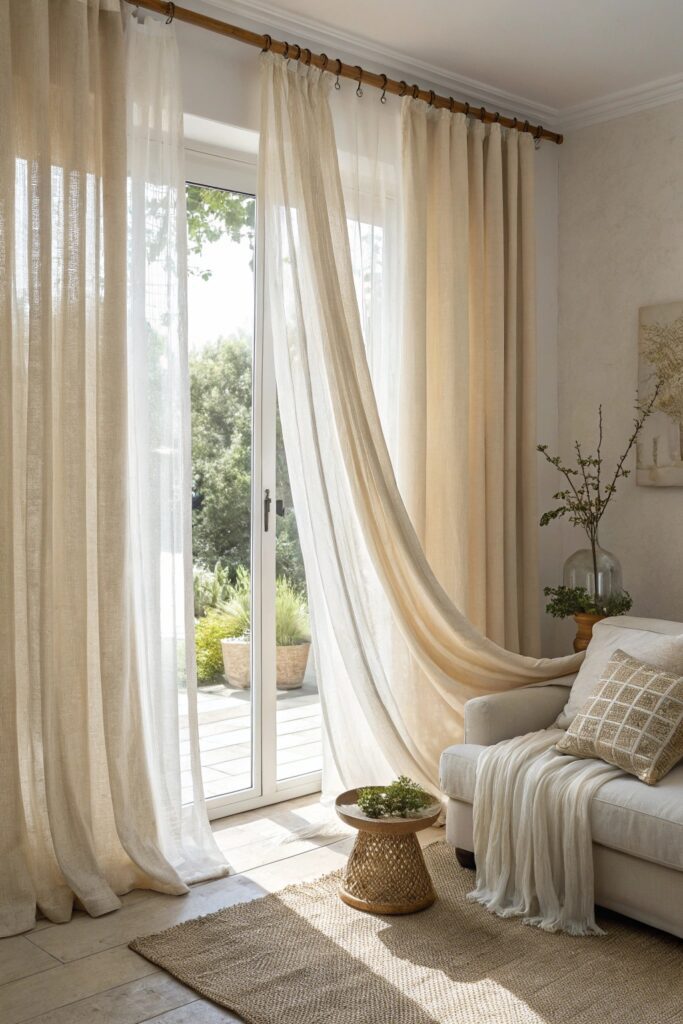
Linen’s naturally slubby, slightly rumpled texture adds visual softness at the windows that a stiffer, more uniform fabric doesn’t provide, and it’s specifically well-suited to a neutral room’s texture-forward approach.
Linen wrinkles more visibly than synthetic blends, which some people find part of its casual appeal and others prefer to avoid — worth considering your own tolerance before committing to a full room of linen curtains.
8. Add a Statement Neutral-Toned Artwork
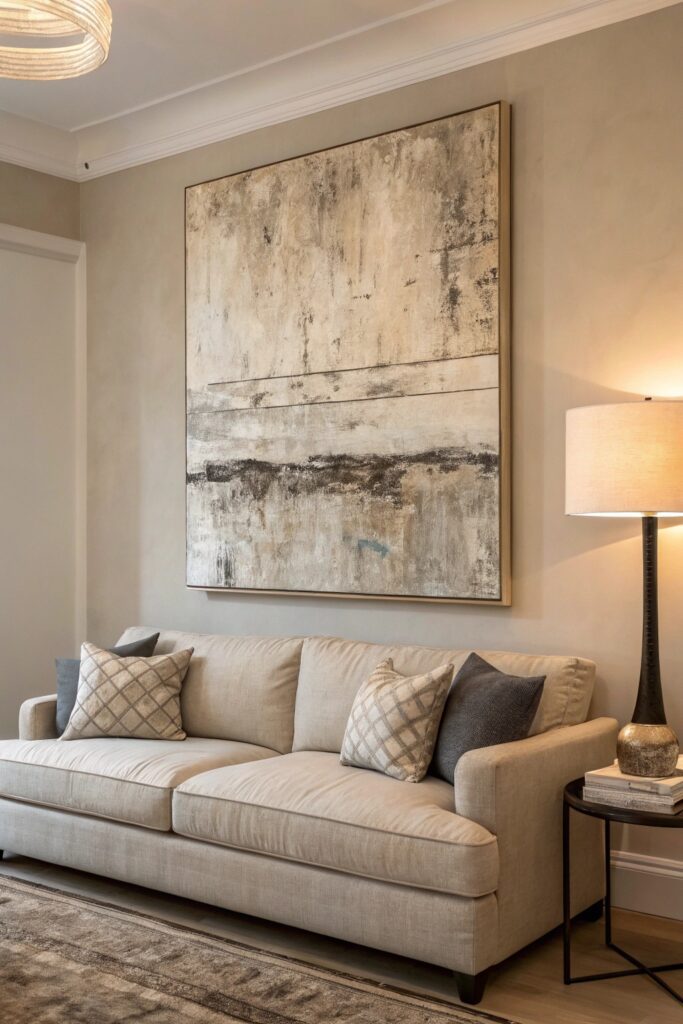
A larger piece of abstract or textural art in tonal neutrals ($60-150) gives the room a genuine focal point without introducing an out-of-palette color, keeping the overall scheme intact while still adding visual interest.
Position art at standard eye level (roughly 57-60 inches to the piece’s center) regardless of how large or small it is, which is the single most common sizing mistake in otherwise well-chosen wall art.
9. Use Layered Lighting for Warmth
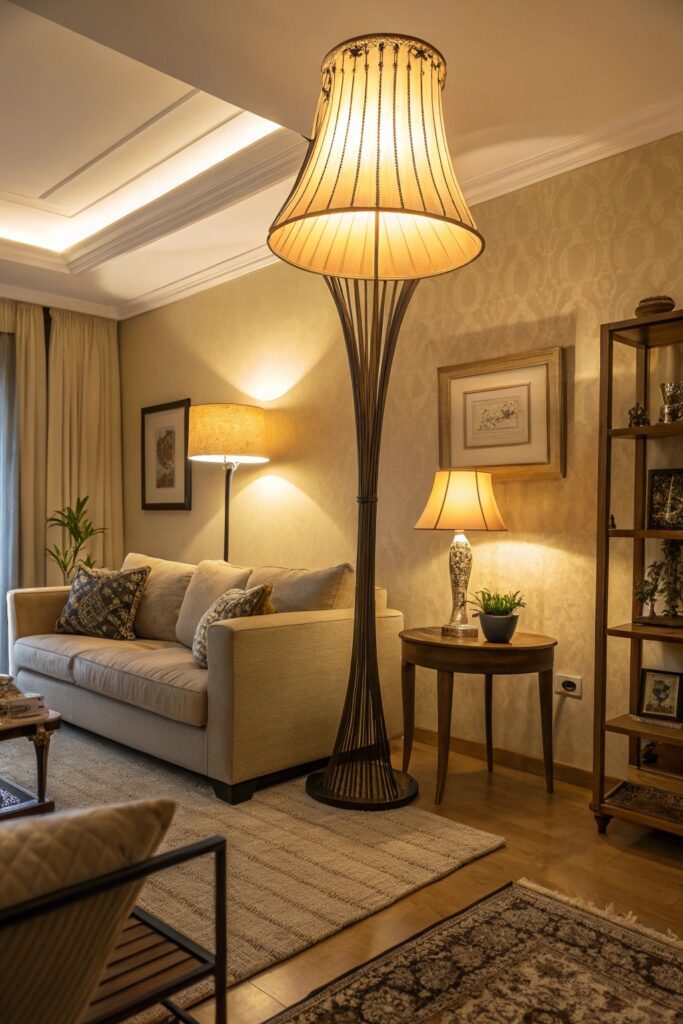
Floor lamps and table lamps in addition to any overhead fixture matter more in a neutral room than a boldly colored one, since warm ambient light is part of what keeps an all-neutral palette from reading as cold or clinical.
Warm bulbs (2700K or lower) matter more in a lamp used for ambient evening light than one used primarily for task lighting, where slightly cooler and brighter light is more functional.
10. Add Woven Baskets for Storage and Texture
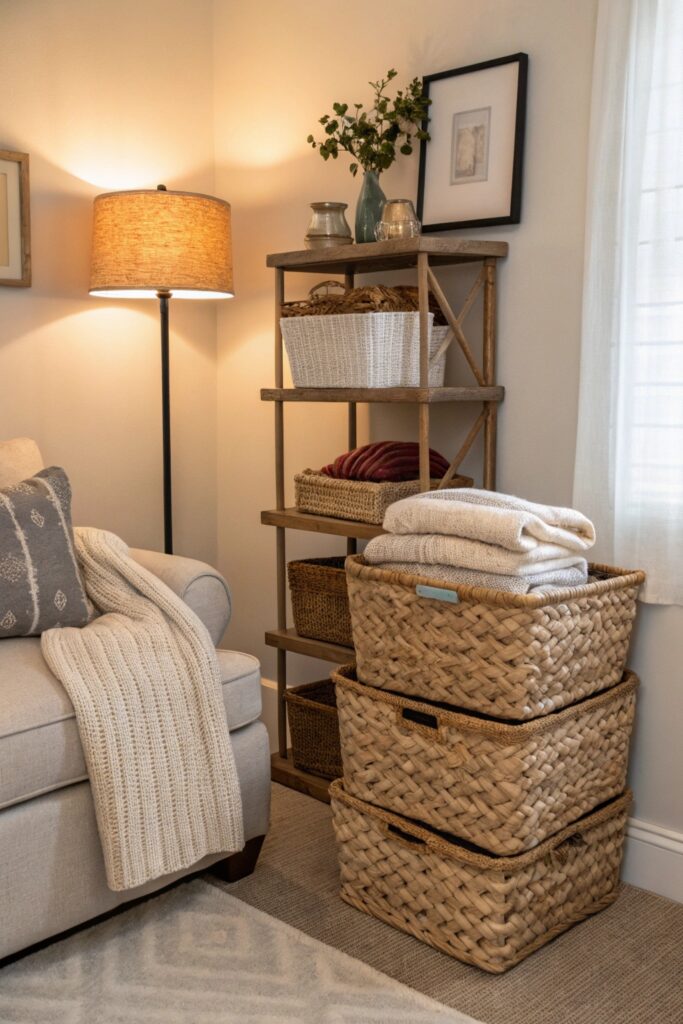
Baskets serve genuine storage function while adding the same natural-material texture that runs through a well-executed neutral room, making them a practical rather than purely decorative addition.
Look for baskets with genuine handle reinforcement if they’ll be used for heavier storage, since thinner woven handles can tear under sustained weight over time.
11. Choose a Neutral Sofa with Textural Fabric
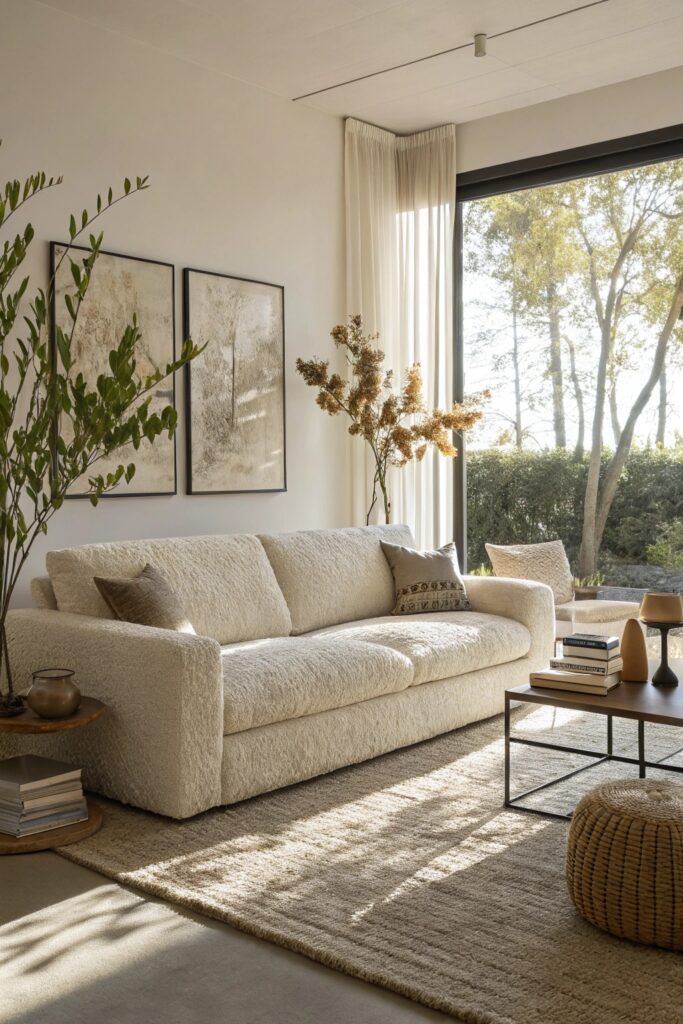
A boucle, chenille, or nubby weave sofa fabric adds inherent texture to the room’s largest single piece of furniture, which does more visual work than a smooth, flat fabric in the same neutral color.
12. Add Greenery for a Natural Contrast
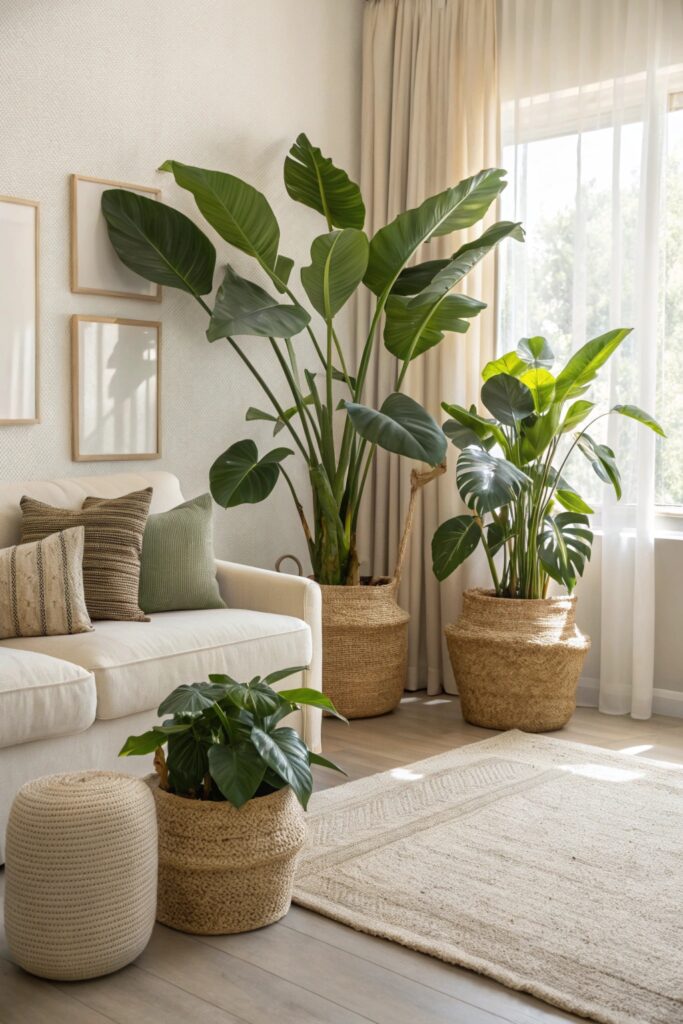
Plants introduce the one genuinely organic color variation that fits naturally within a neutral scheme, since green foliage reads as a neutral-adjacent, natural element rather than a competing bold color choice.
13. Incorporate Metallic Accents Sparingly
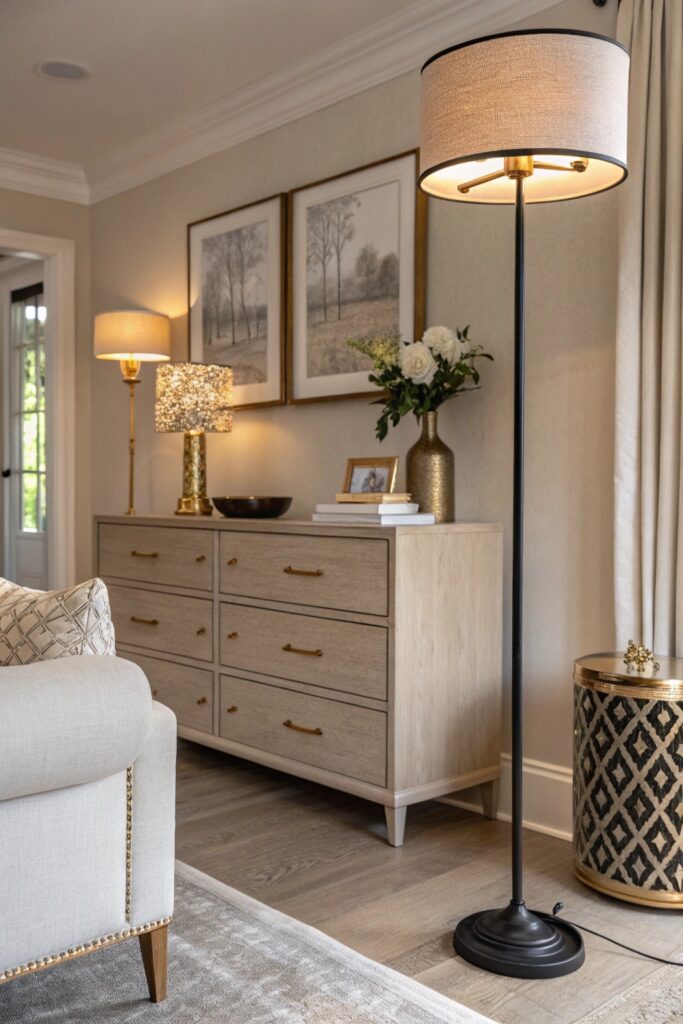
A few warm metal details — brass lamp bases, gold picture frames — add subtle sparkle and visual interest without overwhelming the room’s overall restrained palette, working best in small, intentional doses rather than throughout.
14. Use a Gallery Wall in Neutral Frames
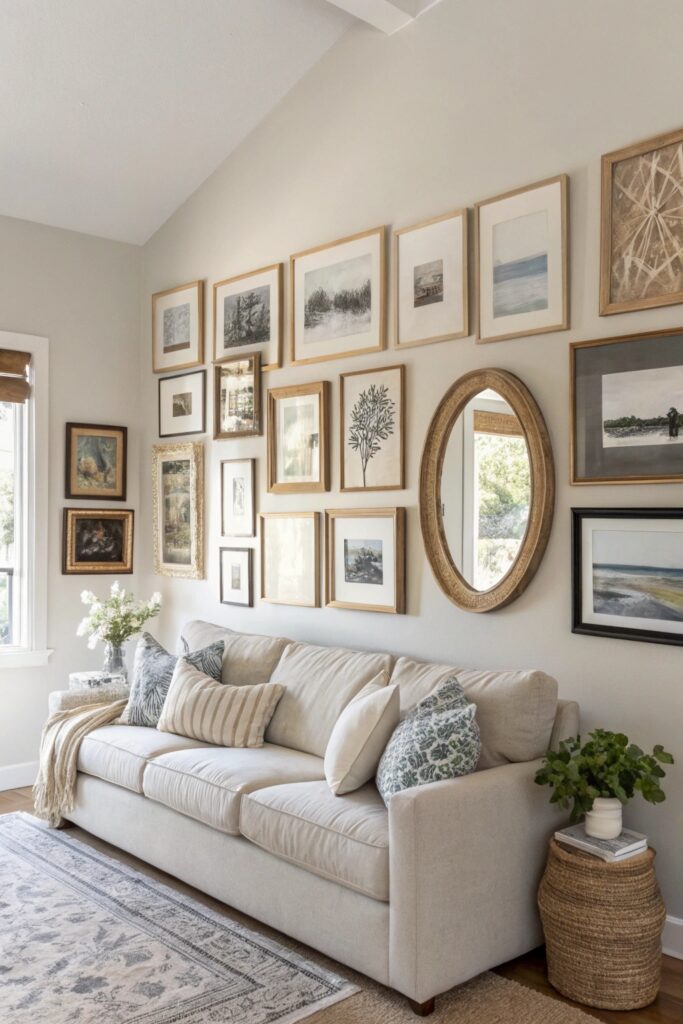
A cluster of framed art or photos in coordinated neutral-toned frames (wood, cream, black) adds personal detail and visual interest while staying within the room’s overall restrained color story.
15. Ground the Room with a Neutral Statement Rug
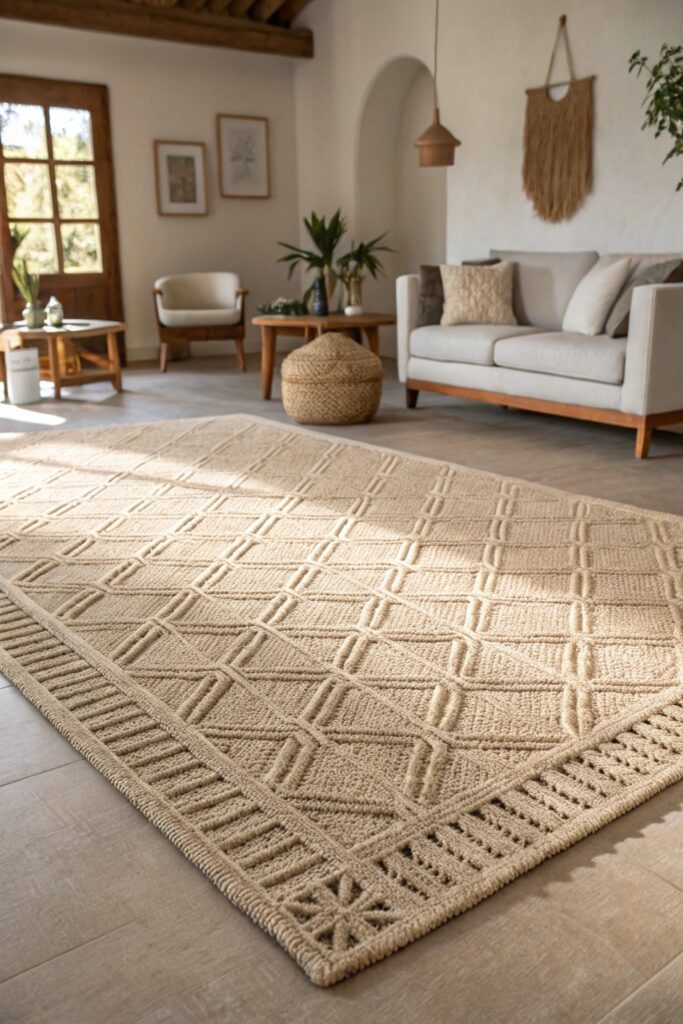
A larger, more textural rug specifically sized to anchor the main seating area (with at least the front furniture legs resting on it) defines the space and prevents an all-neutral room from feeling visually ungrounded or floating.
Final Thoughts
Texture is the single most important factor in making a neutral room feel intentional rather than empty — layering knits, woven materials, and varied wood tones does more than any additional furniture piece to give the space genuine depth. Warm lighting matters nearly as much, since it’s what keeps the palette from reading as cold rather than cozy.