
Above-ground pool safety and electrical code compliance deserve verification with local authorities before or during any modification, since these requirements protect against real injury risk and vary meaningfully by location. The details below cover both the design direction and these practical specifics for each idea.
Below are 12 above-ground pool ideas worth considering, with the specifics for each.
1. Build a Wraparound Deck
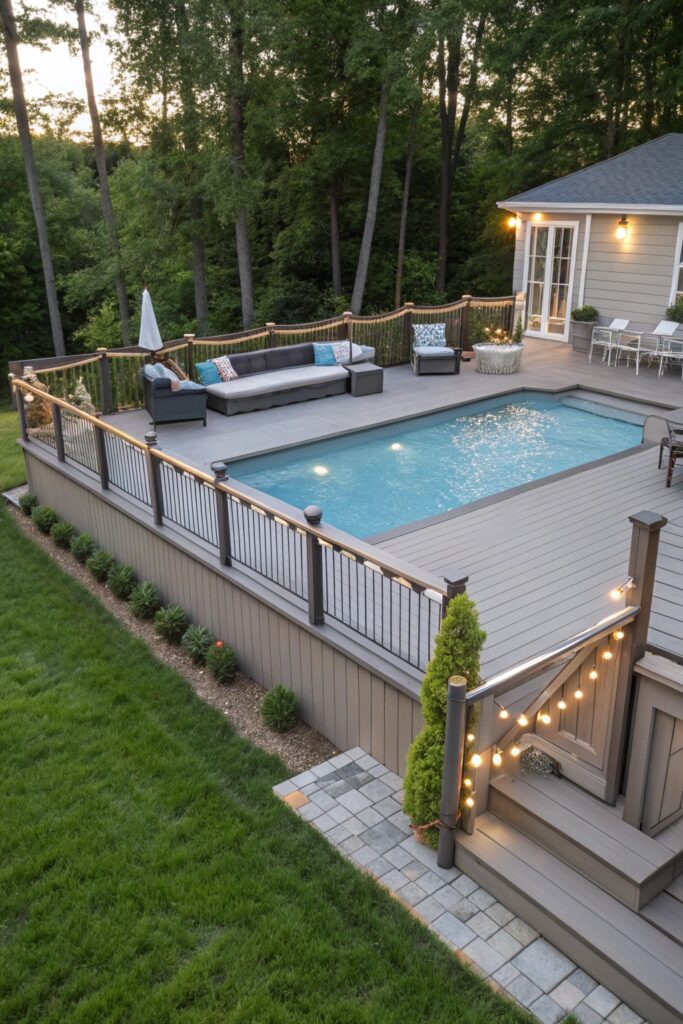
Check local pool barrier codes before finalizing deck height and layout, since any gap or access point the design creates between the deck and pool wall can violate safety requirements many jurisdictions have specifically for pool barriers.
2. Partially Sink the Pool Into the Ground
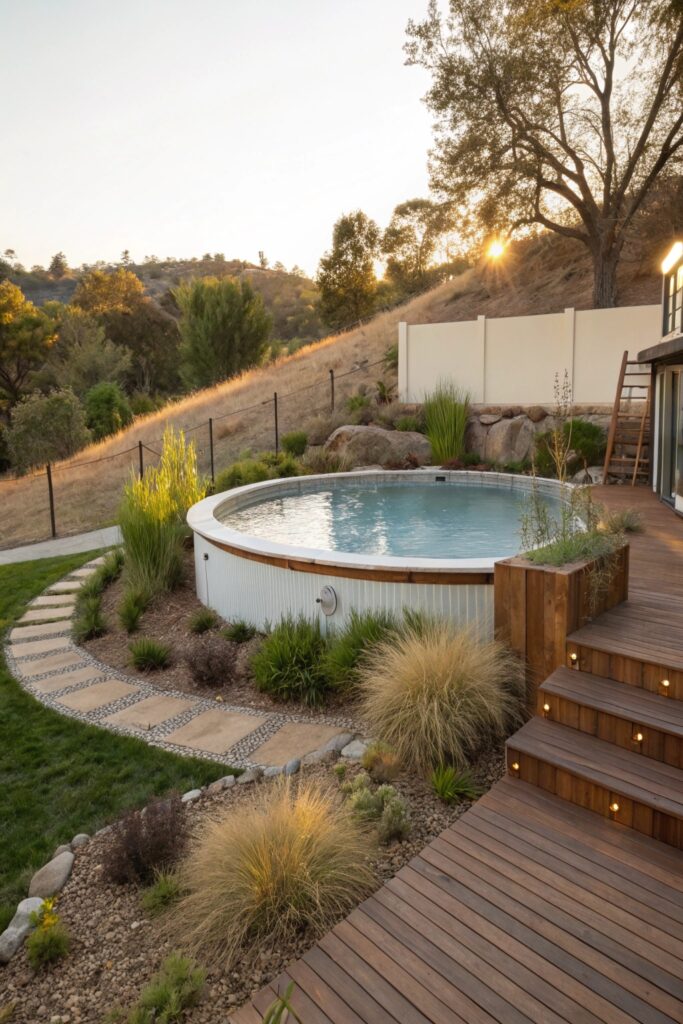
This approach needs a professional engineering assessment of the surrounding soil and water table, since above-ground pool walls aren’t built to handle the lateral soil pressure that comes with a partial in-ground installation.
3. Surround It with Landscaping
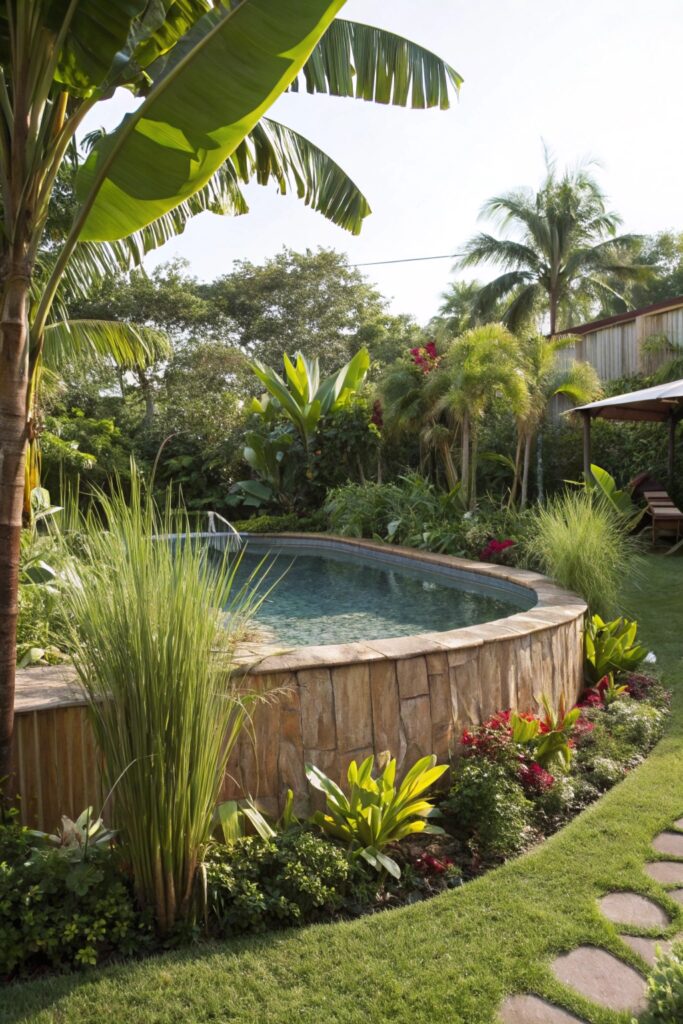
Choose non-invasive root varieties for plants placed directly against the pool structure, since aggressive roots can damage the pool’s foundation or liner over time in a way that wouldn’t affect plants elsewhere in the yard.
4. Add a Pool Pergola or Shade Structure
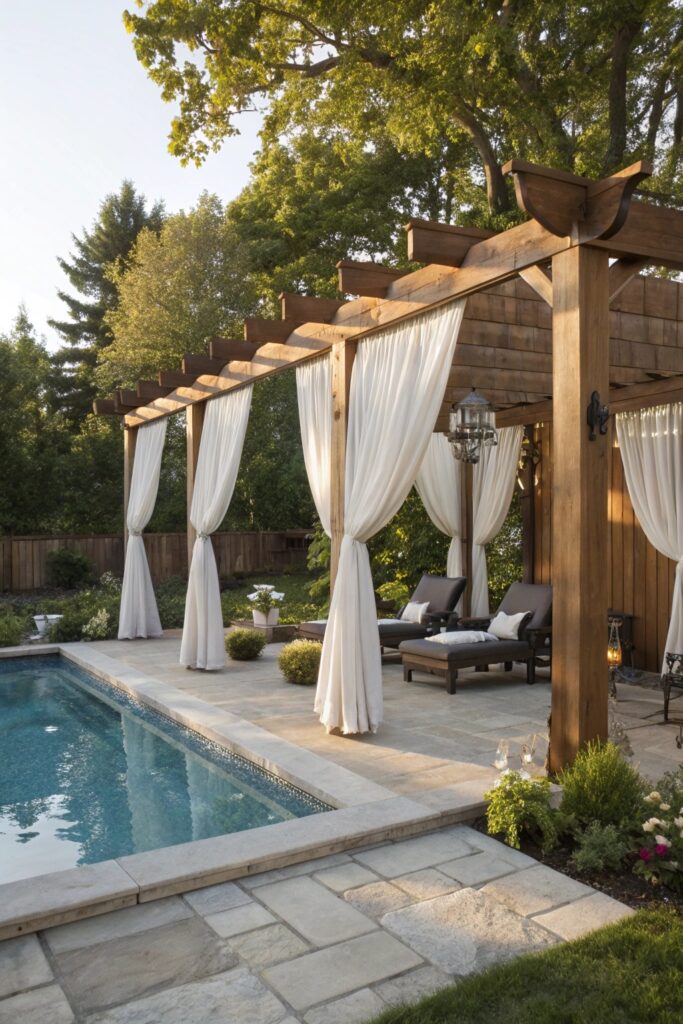
Any shade structure needs its own separate footings independent of the pool itself, since above-ground pool walls aren’t rated to bear additional structural load from an attached pergola or roof.
5. Install Pool Lighting for Evening Swims
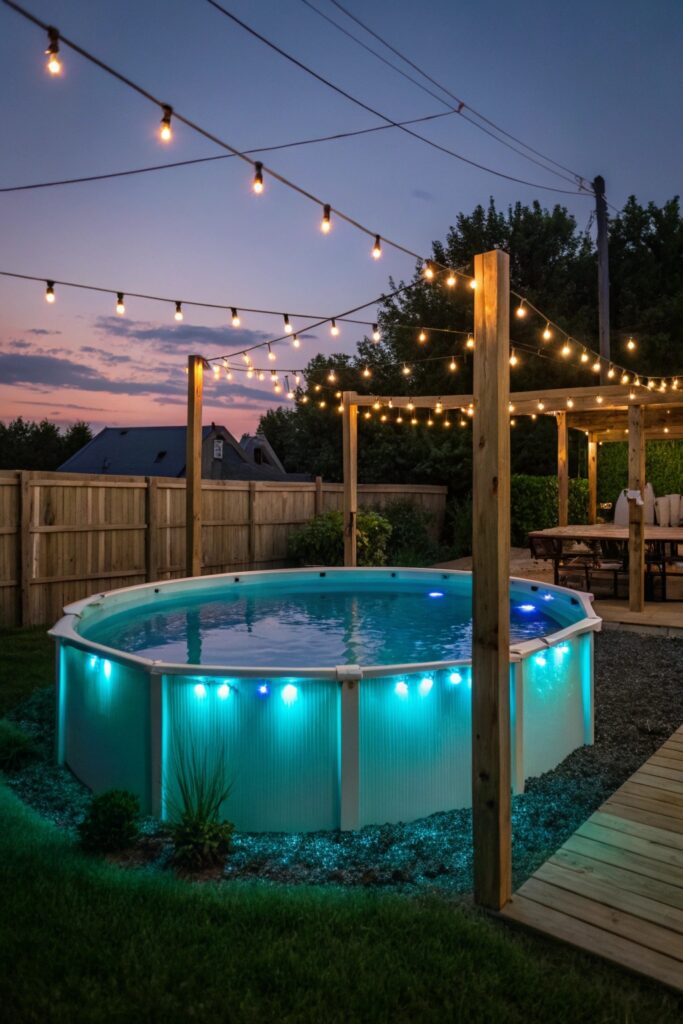
Hire a licensed electrician familiar with pool-specific code rather than a general contractor, since electrical work this close to water carries stricter GFCI protection and clearance requirements than typical outdoor lighting.
6. Create a Poolside Lounge Zone
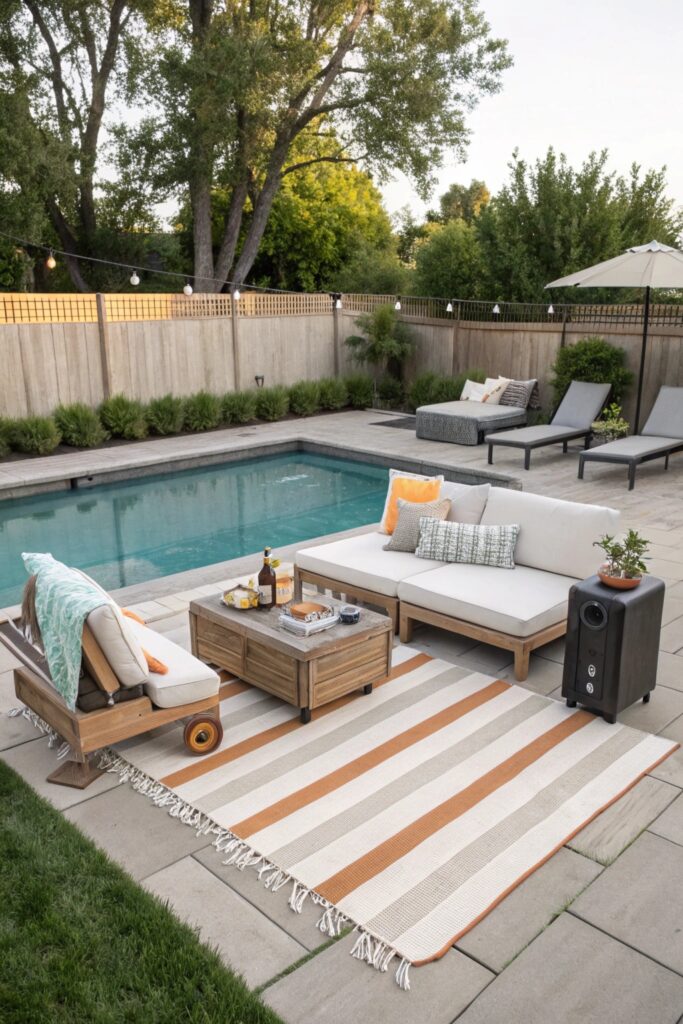
Leave real walking clearance between lounge furniture and the pool ladder or steps, since this specific access point sees more foot traffic in wet conditions than any other spot in the lounge area.
7. Use Lattice Panels to Hide the Pool Wall
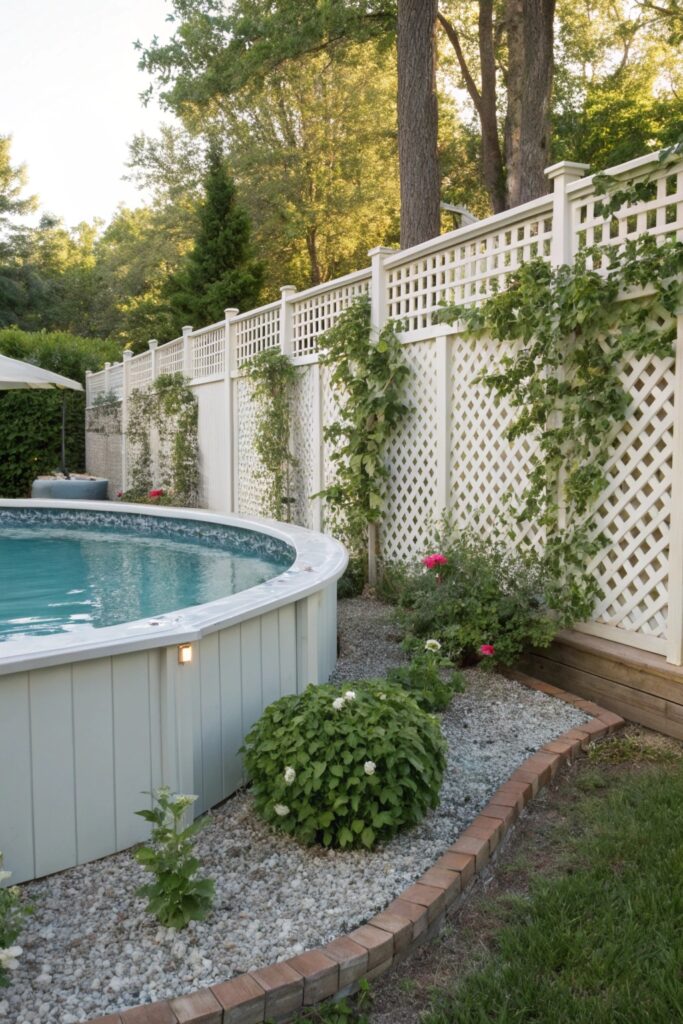
Mount lattice on a separate frame with an air gap rather than directly against the pool wall, since trapped moisture between lattice and the pool’s metal or resin structure can accelerate corrosion or degradation over time.
8. Build a Pool Bar or Snack Station
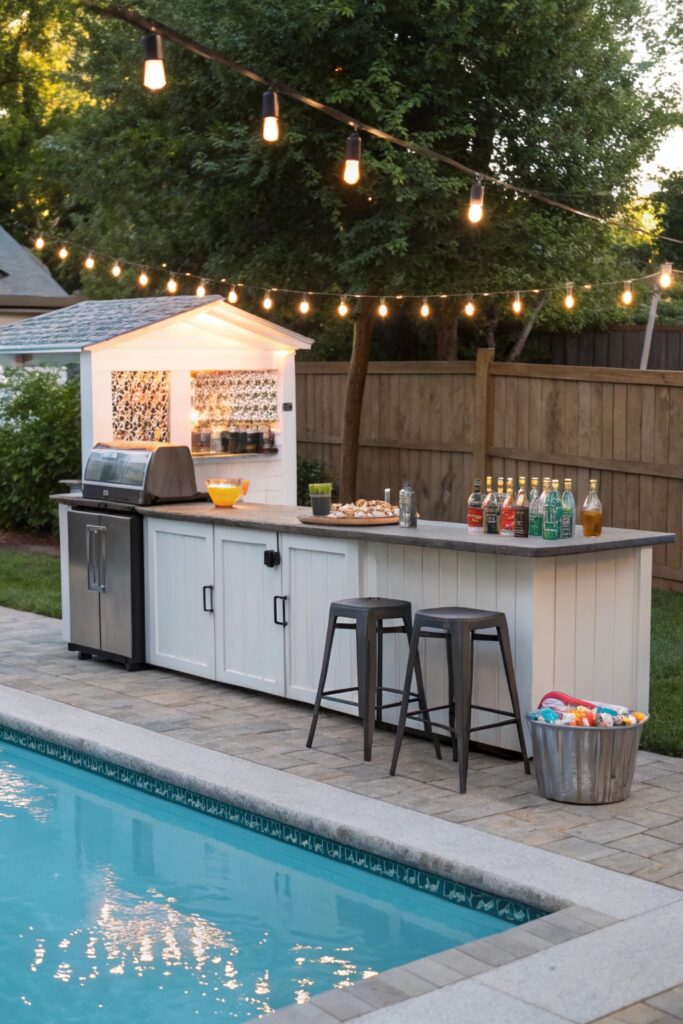
Any outlets for a blender, mini fridge, or other appliance need GFCI protection specifically, given how much closer this structure sits to standing water than a typical outdoor kitchen setup.
9. Add a Water Feature or Small Waterfall
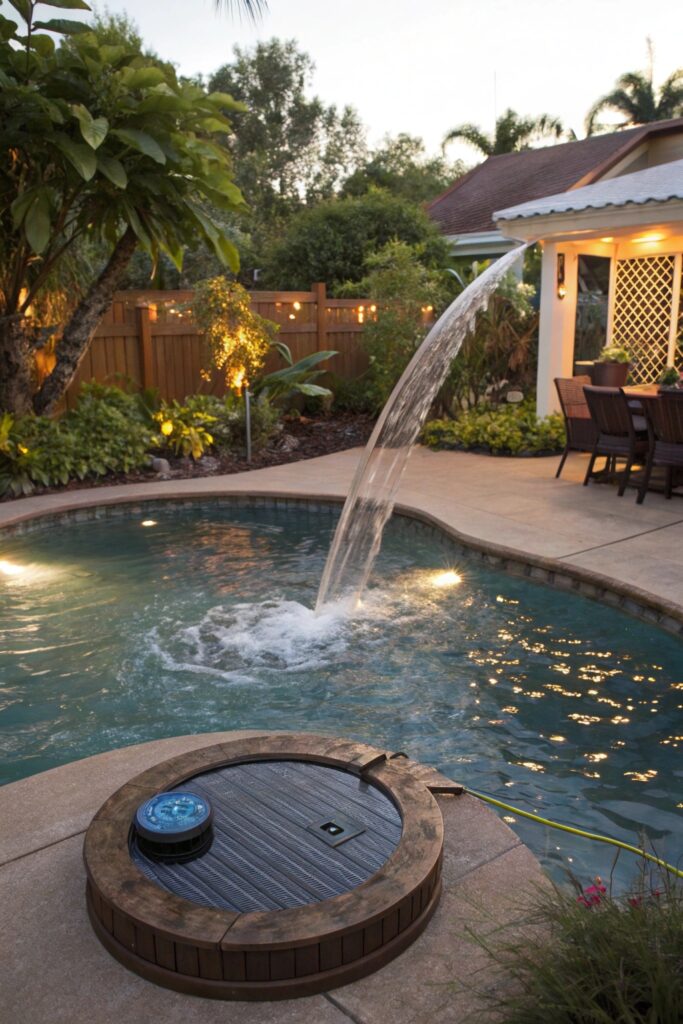
Give the feature’s pump its own dedicated, GFCI-protected electrical circuit rather than combining it with the pool’s main circuit, since adding this extra load isn’t advisable on a single circuit.
10. Go Oval or Rectangle for a More Elegant Shape
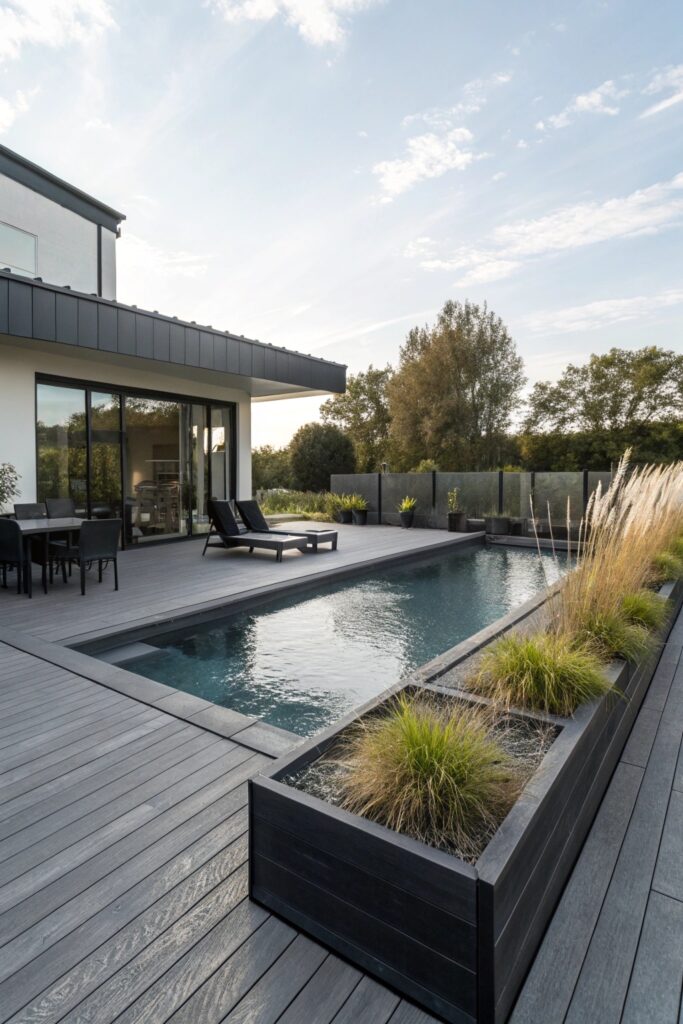
These shapes typically need more precise site leveling before installation than a round pool, since an uneven base shows more visibly along a long, straight wall than around a circular one.
11. Install a Safety Fence That Looks Good
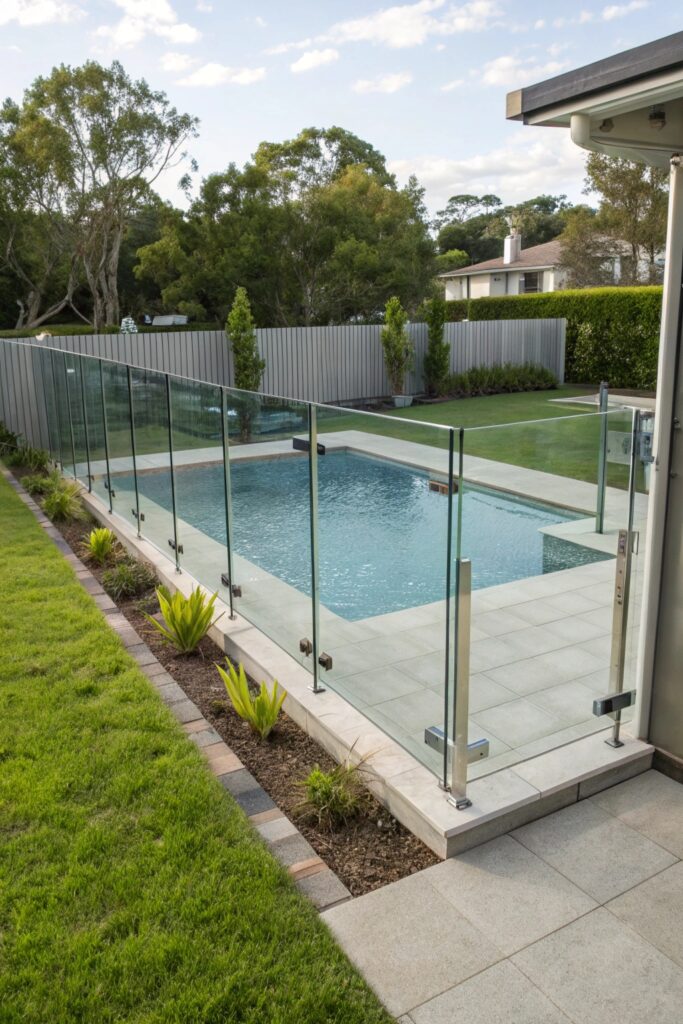
Most jurisdictions require a minimum 48-inch fence height along with a self-closing, self-latching gate, a genuine legal safety requirement rather than just an aesthetic choice, so confirming your exact local code matters before finalizing the design.
12. Theme the Entire Backyard Around the Pool
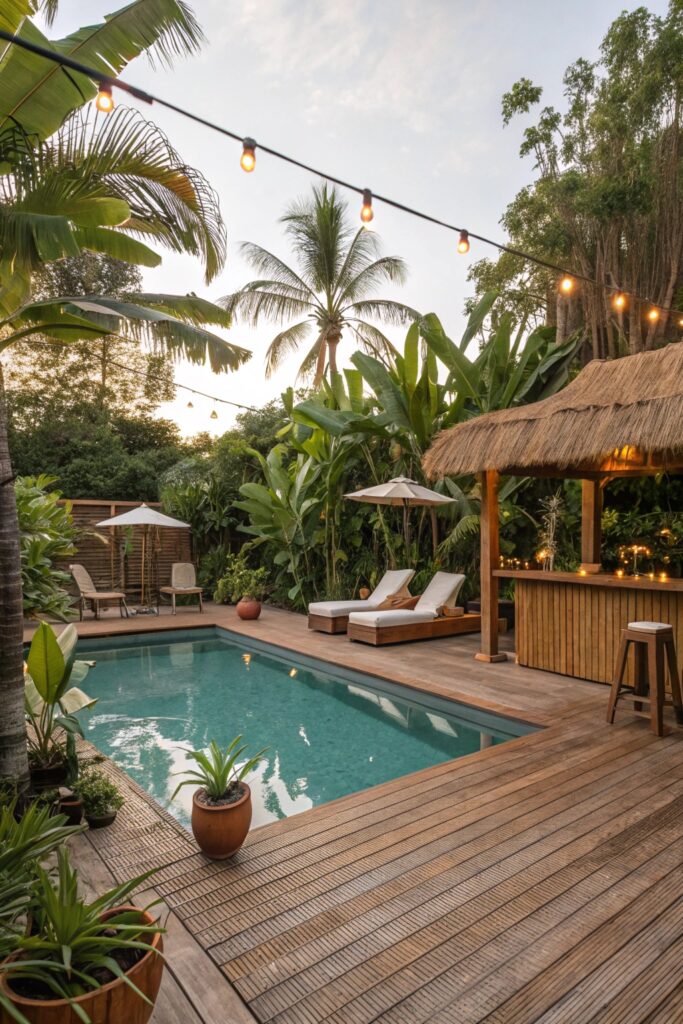
Choosing furniture and decor materials rated for consistent sun and chlorine exposure holds up better here than pieces meant for a covered patio further from the water.
Site Preparation Matters More Than People Expect
A level, well-compacted base is essential before installation, since even a small slope or soft spot can cause uneven wear on the liner and put unnecessary stress on the pool walls over time.
Sand, crushed stone, or a solid foam base are all common choices, and having a professional confirm your specific soil type can handle the pool’s weight once filled is worth the consultation before committing to a DIY installation.
What an Above-Ground Pool Upgrade Costs
Cosmetic additions like landscaping, lighting, and a lounge area typically cost $500 to $2,000 depending on scope.
A full transformation including a wraparound deck, pergola, and fencing runs considerably higher, often $8,000 to $25,000 or more depending on materials and size.
Maintenance Access Should Shape Your Design
Whatever you build around the pool, leave a clear, unobstructed path to the filter, skimmer, and any equipment pad, since decorative elements that look great but block routine maintenance access become a real hassle every time you need to service the system.
A removable or hinged panel section in decking or lattice near the equipment area lets you keep the finished look while still allowing full access when something needs attention.
Seasonal Considerations for Cold Climates
If you’re in a region with hard winters, proper closing procedures matter as much as the summer setup, since water left in the filter lines or plumbing can freeze and crack components that are far more expensive to replace than the cost of a proper winterization.
A pool cover rated for your specific climate, along with an air pillow to relieve ice pressure on the walls, protects the investment you’ve made in both the pool and any surrounding structures during the off-season.
Getting quotes from at least two or three contractors before starting a larger project, like a wraparound deck or partial in-ground installation, helps confirm both pricing and their specific experience with above-ground pool structures, since this differs from standard deck or patio construction.
A thoughtfully designed above-ground pool area can truly rival the look and function of an in-ground pool at a fraction of the cost, which is worth keeping in mind if budget was the main reason you went this route in the first place.
Testing the layout with actual furniture placement before finalizing any permanent structure, like a deck or pergola, helps confirm the flow of the space works for how your family actually uses the pool, rather than discovering a traffic pattern issue after construction is complete.
An above-ground pool that’s thoughtfully integrated into the rest of the backyard, rather than treated as a separate feature bolted onto the yard, tends to add real value to how the whole outdoor space functions for gatherings, everyday relaxation, and daily family use throughout the warmer months.
Whichever combination of these ideas fits your yard and budget, prioritizing the underlying safety and structural fundamentals first sets up everything else on this list to succeed.
Final Thoughts
Checking with your local building department about permit and code requirements before starting any structural or electrical work saves real cost and hassle compared to redoing work that doesn’t pass inspection.
Whichever combination of these ideas fits your backyard, prioritizing the safety and structural details first tends to produce a space you can actually enjoy without worry, rather than one that looks good but cuts corners on the fundamentals.