
A backyard corner is one of the most underused spaces in most yards, often left as an empty angle simply because it doesn’t fit neatly into a lawn mowing pattern or a central garden bed.
Below are 12 ways to put a corner to use, with practical notes for each.
1. Build a Tiered Raised Garden Bed
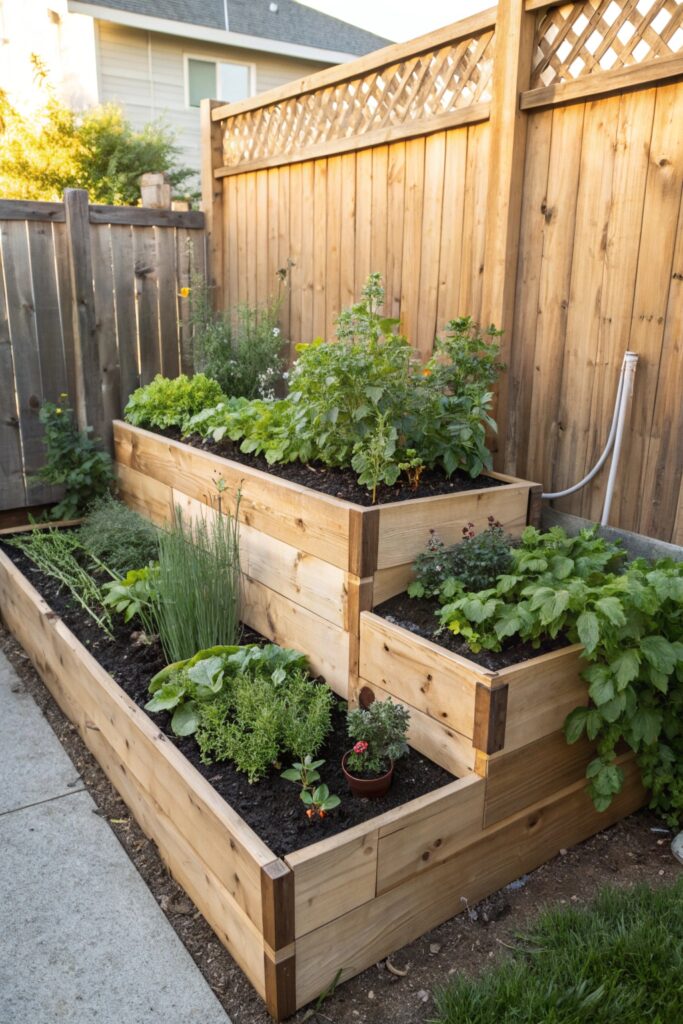
Tiering maximizes planting area within a corner’s limited footprint, letting you fit considerably more plants than a single flat bed would allow.
Choose a sturdy material for the tiers, like stone or thick lumber, which holds up to years of soil weight and weather exposure better than thinner materials.
2. Install a Corner Trellis with Climbing Plants
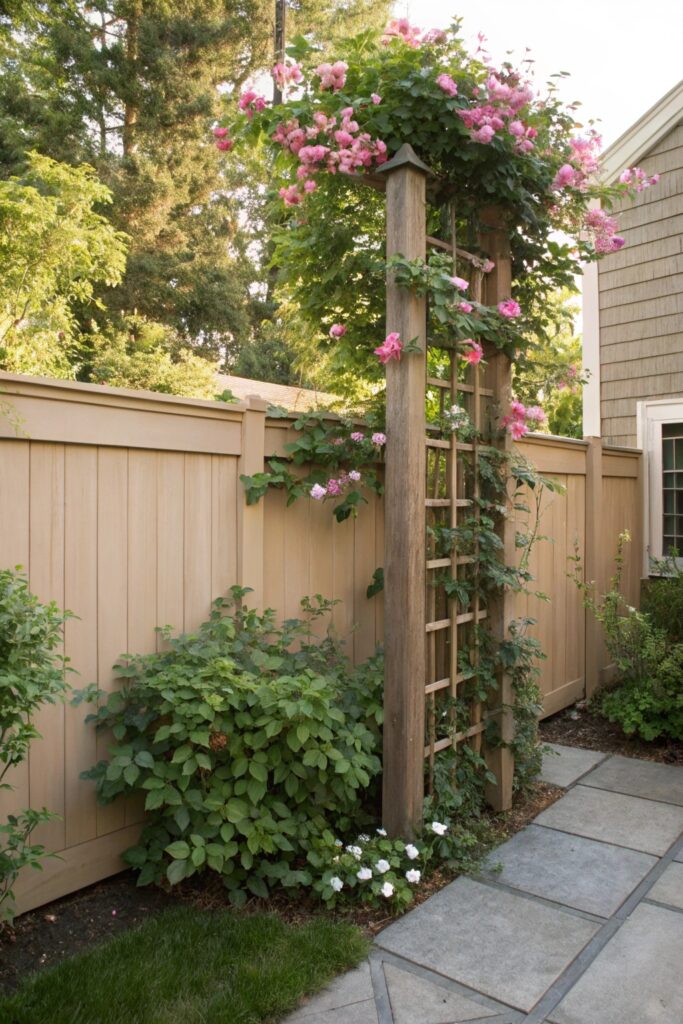
A trellis uses vertical space that a corner often has in abundance, turning an awkward angle into a green focal point.
Choose a trellis material rated for outdoor use, since untreated wood or lower-grade metal can deteriorate faster than expected in direct weather exposure.
3. Create a Cottage-Style Wildflower Corner
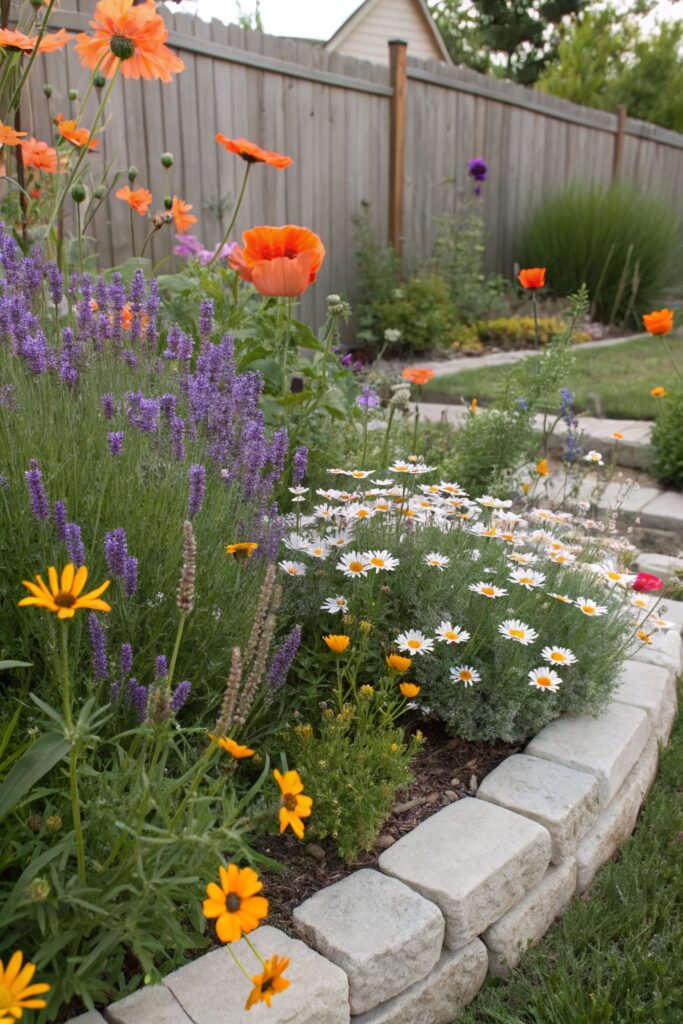
This informal planting style suits a corner’s irregular shape better than a more structured garden format would.
Choose a informal mix of self-seeding annuals and perennials, which fills in naturally over a season or two without needing precise, evenly spaced planting.
4. Set Up a Corner Potting Bench with Shelving
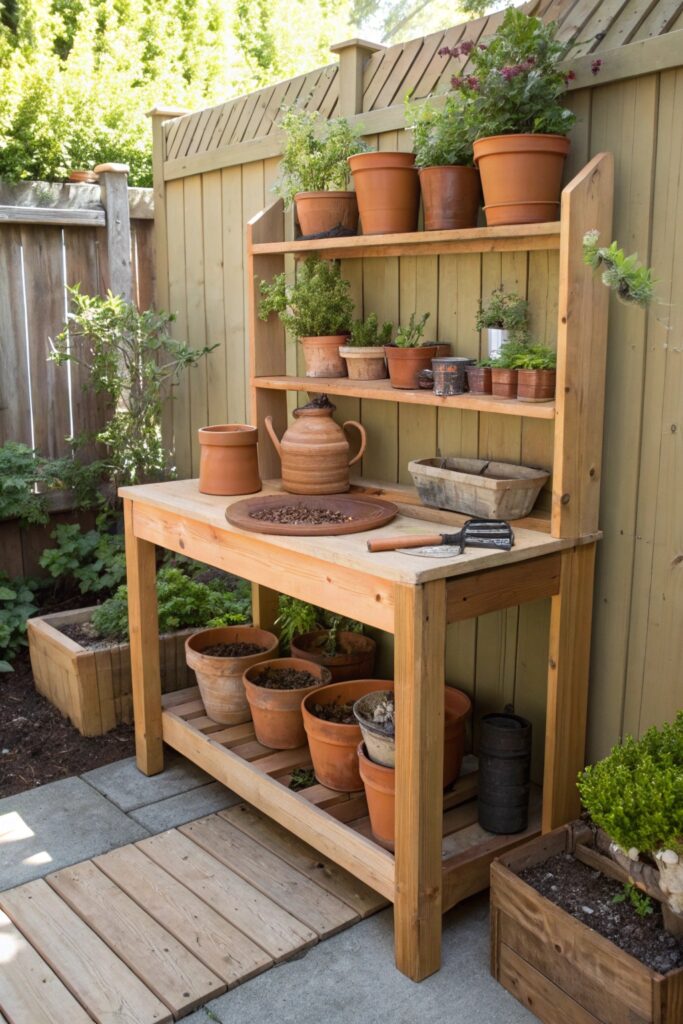
A dedicated bench centralizes gardening tasks in one spot, keeping soil and mess contained to a specific corner of the yard.
Choose a bench height and work surface comfortable for standing tasks, which matters more for daily usability than the bench’s visual style.
5. Plant a Corner Privacy Hedge
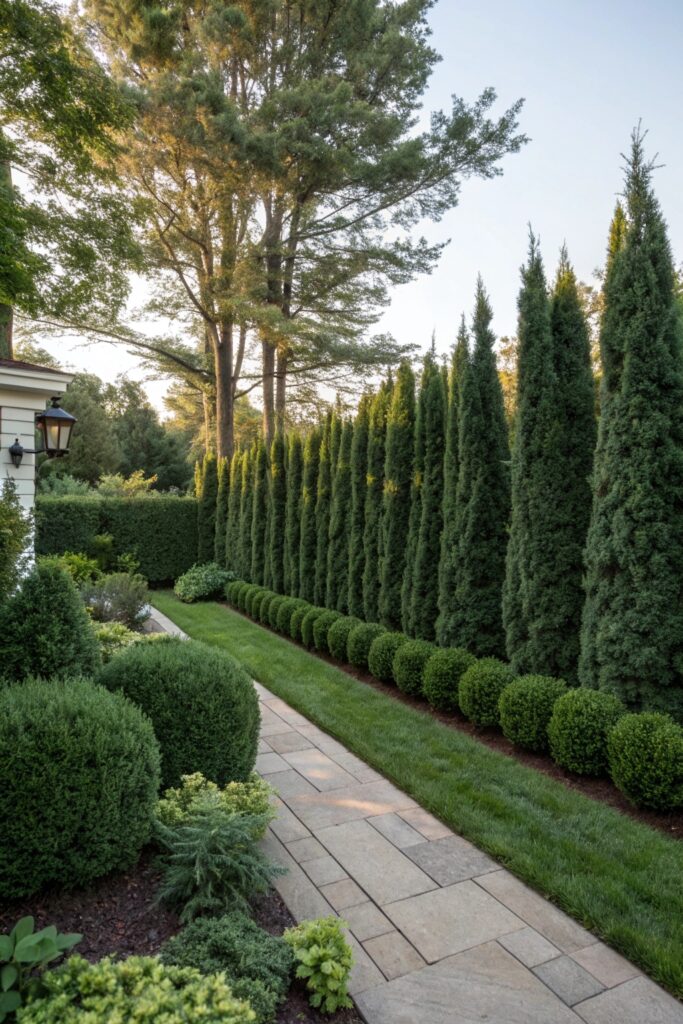
Choosing a appropriate mature size for your specific corner matters here, since an overgrown hedge can eventually encroach on neighboring space.
Research your specific hedge variety’s genuine mature width before planting, since spacing too close to a fence or walkway leads to repeated trimming down the line.
6. Add a Corner Water Feature
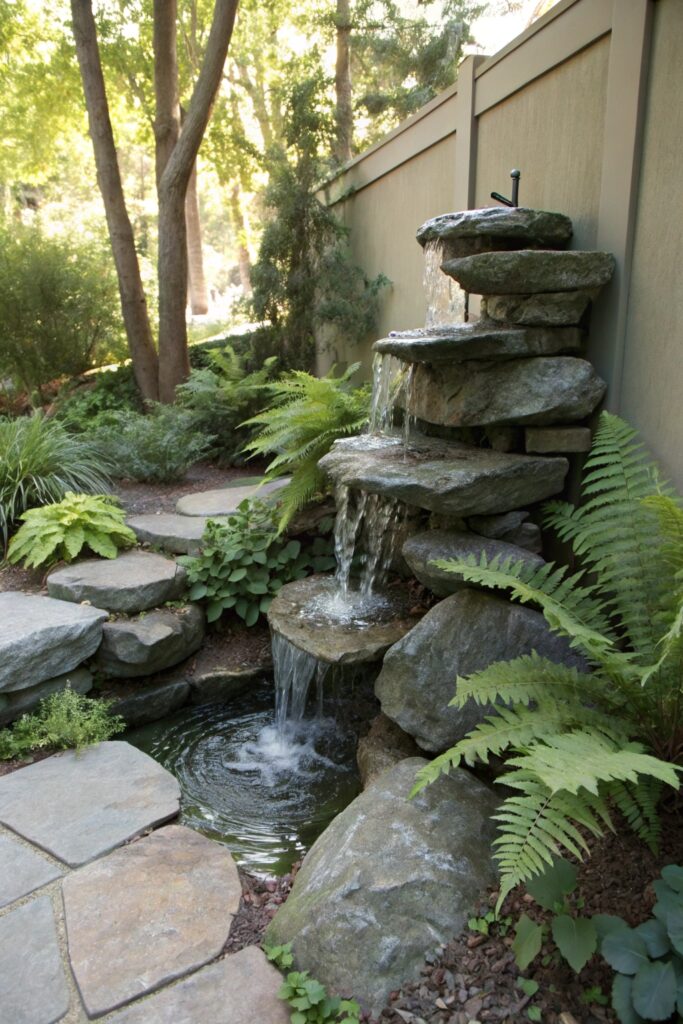
A water feature benefits from being tucked into a corner, since the enclosed space helps contain and direct the sound rather than letting it dissipate across an open yard.
Choose a pump size appropriate for your water feature’s total volume, since an undersized pump struggles to keep water moving and can lead to algae buildup.
7. Build a Corner Seating Nook with Planters
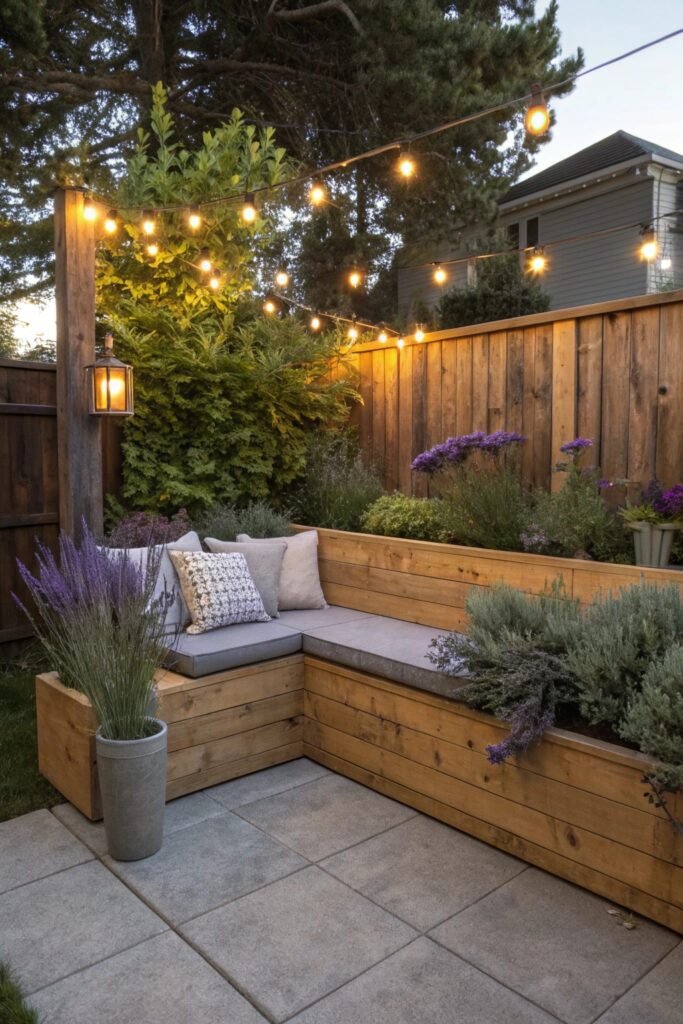
Surrounding a small seating area with planters truly creates a sense of enclosure, making an open backyard corner feel more intimate.
Choose weather-resistant cushions and fabric specifically for this seating area, since it will see more direct exposure than furniture closer to the house.
8. Design a Shade Garden Corner
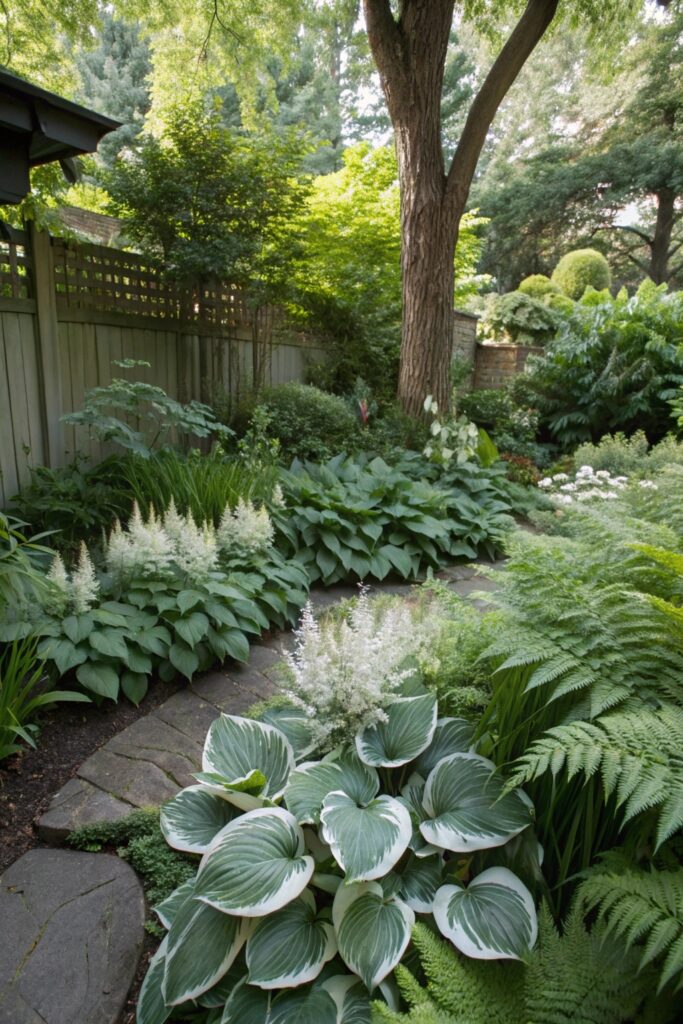
A shaded corner, often the most underused part of a yard, can become a real asset once planted with species suited to low light.
Choose plants suited to low light specifically, since many typical garden plants need considerably more sun than a shaded corner provides.
9. Install Corner Raised Planters with Vegetables
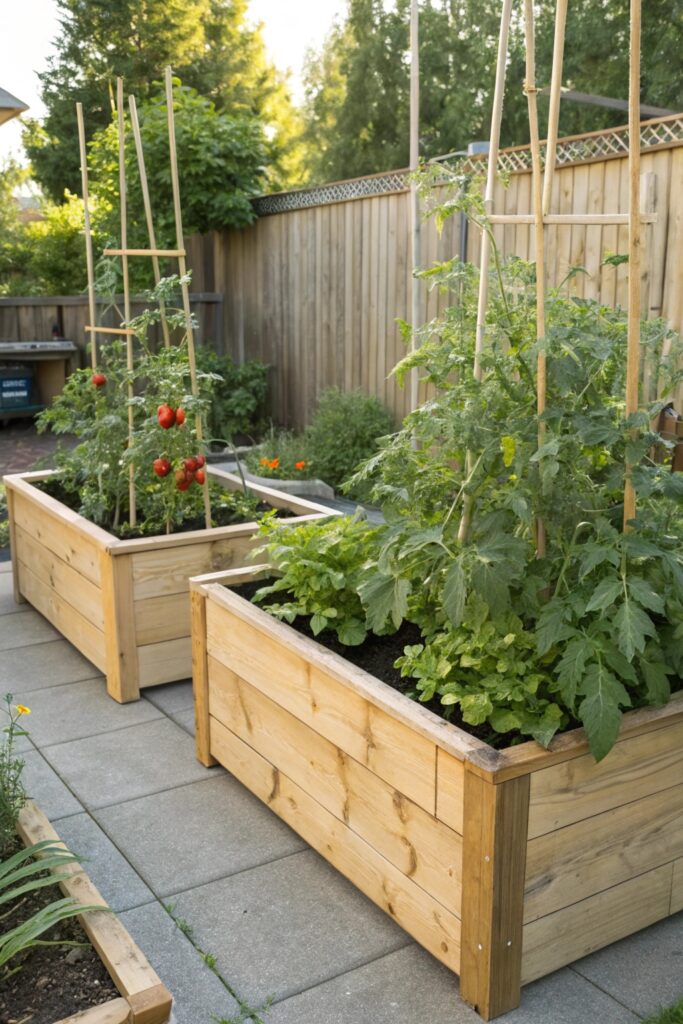
Raised planters measurably improve drainage and soil quality in a corner, which sometimes has compacted or poor-quality native soil from years of foot traffic.
Confirm the planter’s genuine depth accommodates your specific vegetables, since root crops need more soil depth than shallow-rooted greens.
10. Create a Zen-Inspired Gravel Corner Garden
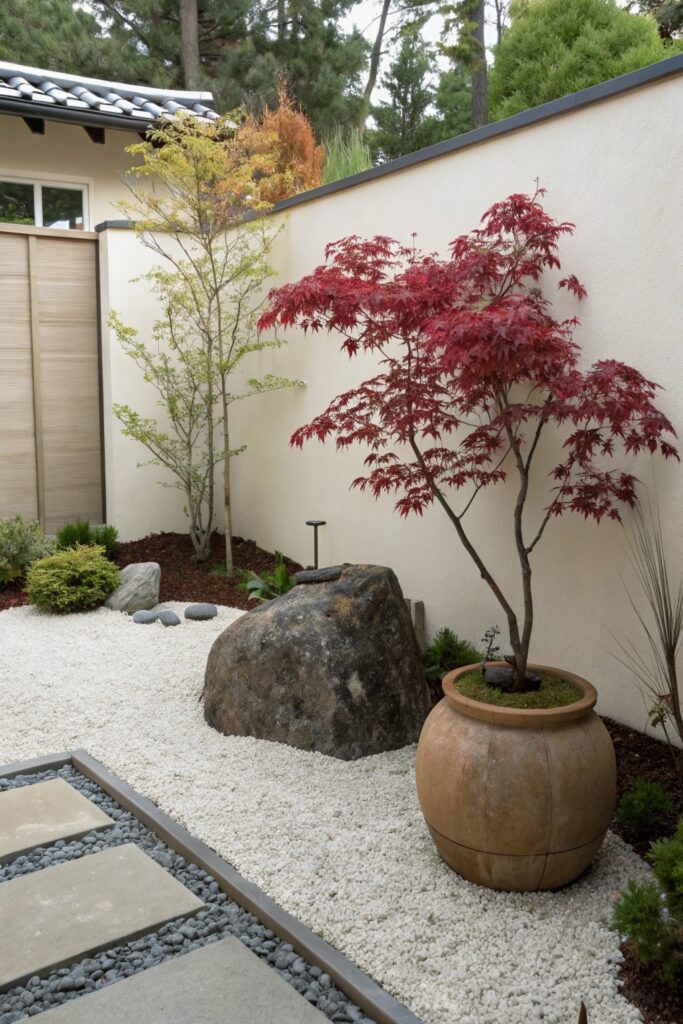
Gravel requires minimal ongoing maintenance compared to a planted bed, making this a practical choice for a corner you don’t want to fuss over.
Choose gravel in a size and color that complements your home’s exterior materials, which ties this corner into the yard’s overall look.
11. Try a Corner Herb Spiral
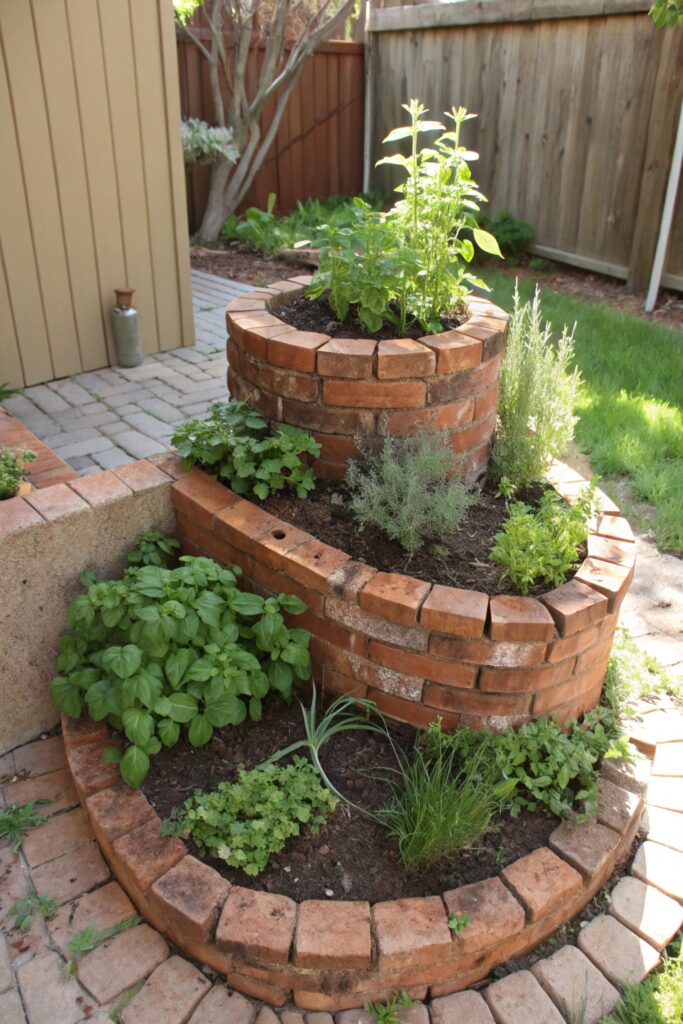
A spiral design creates multiple microclimates within a small footprint, letting you grow herbs with different sun and drainage needs in one compact structure.
Layer the spiral’s genuine height gradually from base to top, which is what creates the varied sun and drainage conditions this design depends on.
12. Plant a Corner Ornamental Grass Garden
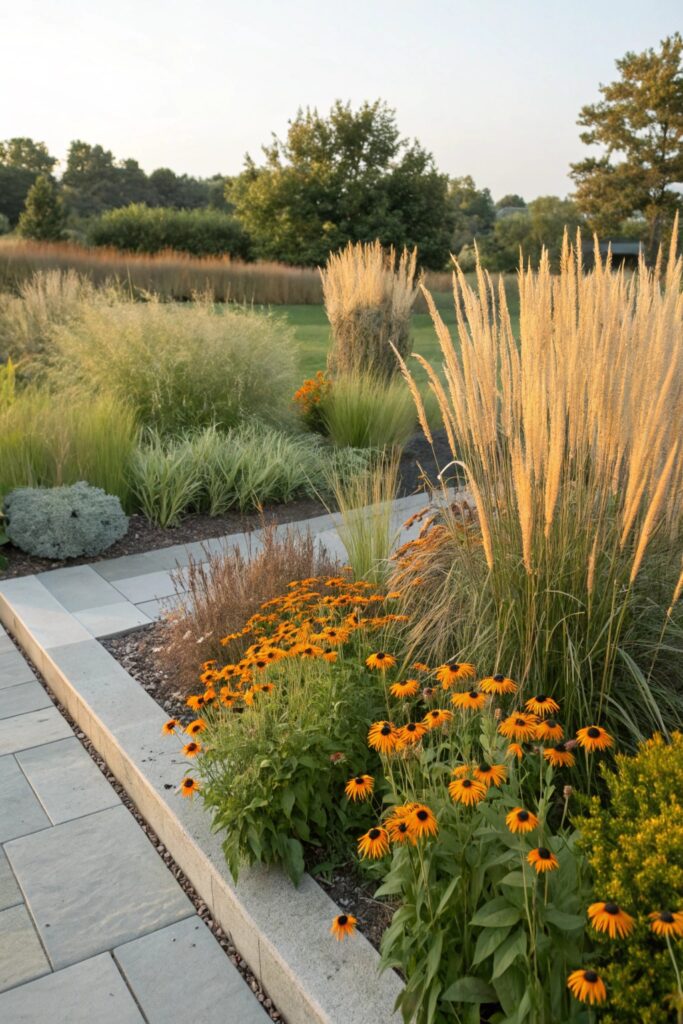
Grasses add movement and height to a corner without the ongoing maintenance many flowering plants require.
Matching the Idea to Your Corner’s Sun Exposure
A corner that gets full sun most of the day supports vegetable beds, ornamental grasses, and most flowering plants, while a shaded corner tucked beside a fence or building calls for plants bred for low light, like hostas, ferns, or heuchera.
Watching the corner for a full day before planting anything permanent reveals exactly how many hours of direct light it actually gets, which often differs from what you’d assume just by glancing at it once.
A little patience during that first season pays off in a corner that actually thrives rather than one that’s fighting its conditions from day one.
Working With Your Corner’s Actual Shape
Not every corner is a genuine 90-degree angle, so measure the actual space before committing to a design, since an irregular or obtuse angle may suit a curved bed better than a symmetrical layout.
A corner bordered by fencing on both sides offers more privacy for a seating nook, while an open corner visible from the house works better for a feature meant to be viewed from a distance, like ornamental grasses or a water feature.
What These Projects Cost
Smaller projects like an herb spiral or a cluster of raised planters typically run $100 to $400.
Larger installations like a water feature, a full hedge, or a built seating nook cost considerably more, often $500 to $2,500 depending on materials and whether the work is DIY or hired out.
Check with your local utility company before digging for any structural feature, since underground lines can run closer to a yard’s corner than expected, and confirming their location first avoids a costly mistake.
Whatever combination you choose, view the finished corner from inside the house and from other spots in the yard, since the two vantage points can look noticeably different, and it’s worth confirming both read as intentional before considering the project complete.
Take before and after photos of the space, since a corner transformation like this is easily one of the more satisfying small-scale projects to look back on once the plants have filled in and the design has had time to settle into the yard.
A well-planned corner truly adds usable space to a yard that might otherwise sit empty, making this one of the more efficient ways to get more out of a backyard without a larger renovation.
Make That Corner Work For You
Consider your corner’s actual sun exposure before choosing plants, since a shaded corner and a sun-drenched one call for different species regardless of which format you choose. Starting with a smaller section of the corner is a reasonable way to test an idea before committing the full space to a single design.