
A genuinely cozy hobby room comes down to balancing real function — adequate storage, the right lighting, enough workspace — with the comfort elements that make a room feel like a retreat rather than a purely utilitarian workspace.
Below are 11 ways to build this kind of space, with real costs and practical notes for each.
1. Start With the Right Chair
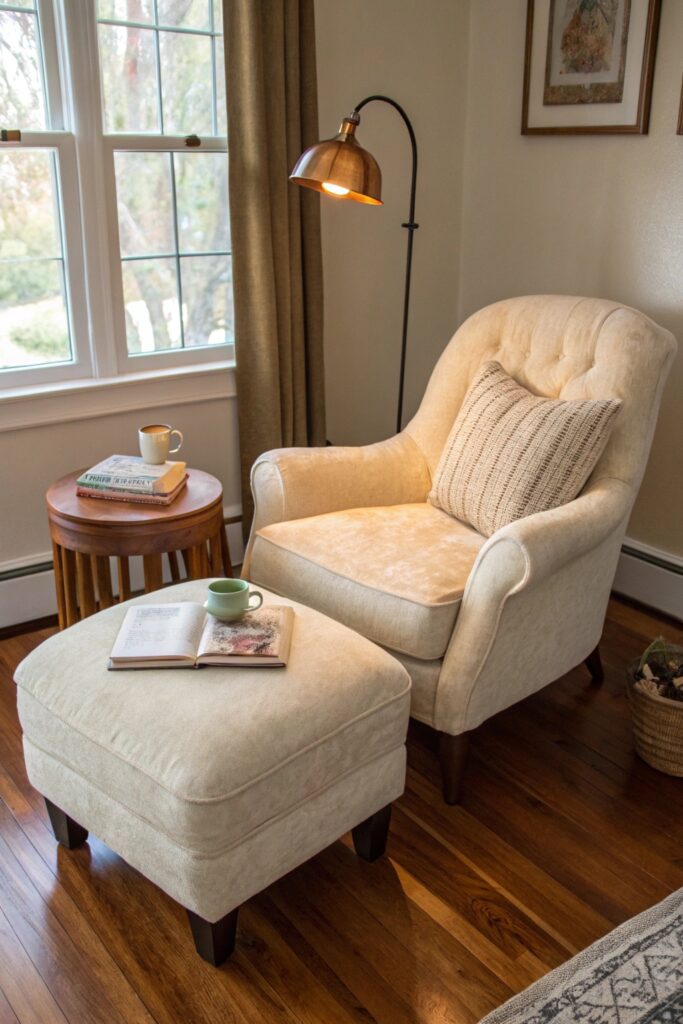
A genuinely comfortable chair ($100-300) matters more in a hobby room than almost any other furniture choice, since you’re likely sitting in it for extended stretches during actual hobby time.
Test the chair in person when possible, since ergonomic fit varies considerably between people and a chair that looks supportive in photos doesn’t always feel that way in actual extended use.
2. Build a Dedicated Storage Wall
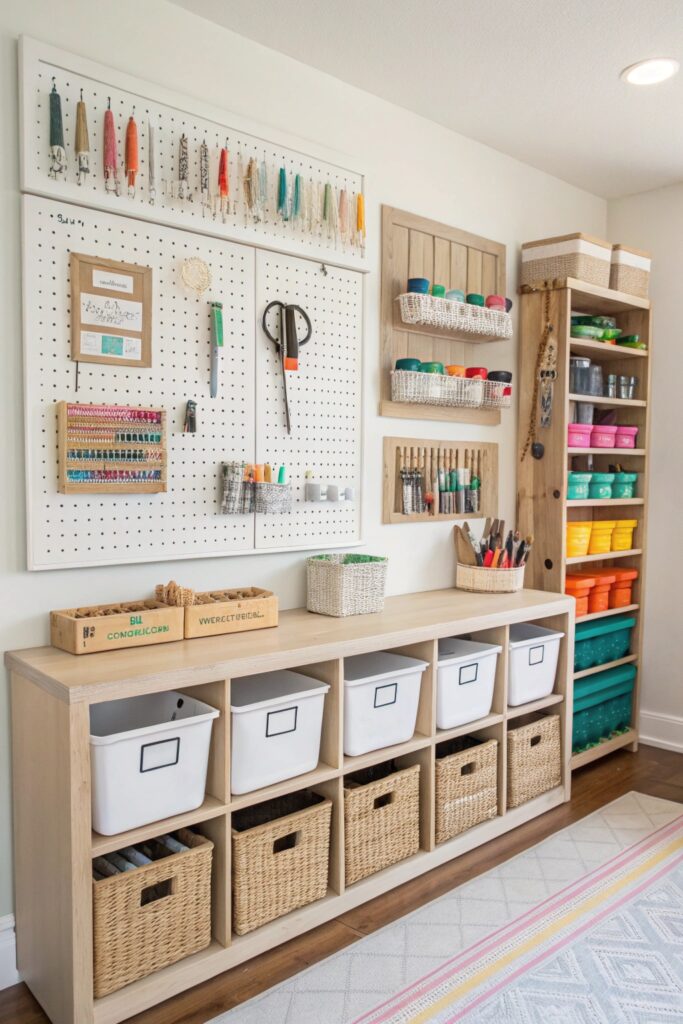
Wall-mounted shelving or a pegboard system keeps hobby supplies genuinely organized and visible, which matters for a space that often accumulates a wide range of small materials and tools.
Choose shelving with adjustable heights specifically, which lets you reconfigure the storage as your specific hobby supplies and equipment needs change over time.
3. Layer Your Lighting for Maximum Comfort
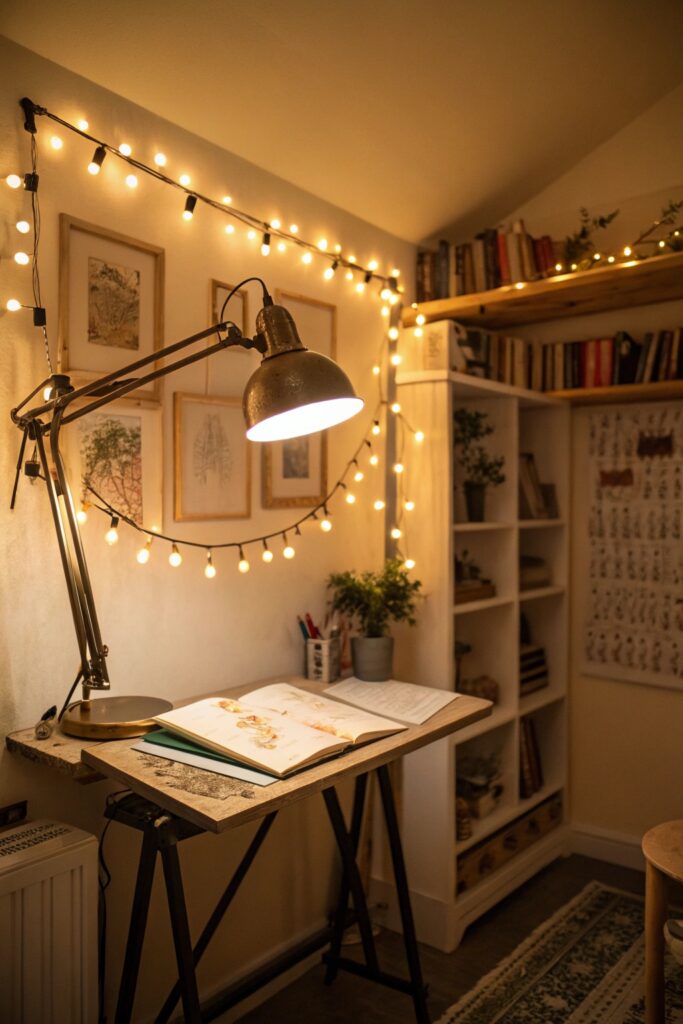
Combining overhead lighting with a dedicated task lamp genuinely supports detailed hobby work better than a single ceiling fixture, while a softer secondary light source keeps the room feeling cozy rather than clinical.
Warm-toned bulbs (2700K or lower) in the ambient light source specifically make a genuine difference in how relaxing the room feels compared to a cooler, harsher light temperature.
4. Create a Dedicated Display Area for Your Work
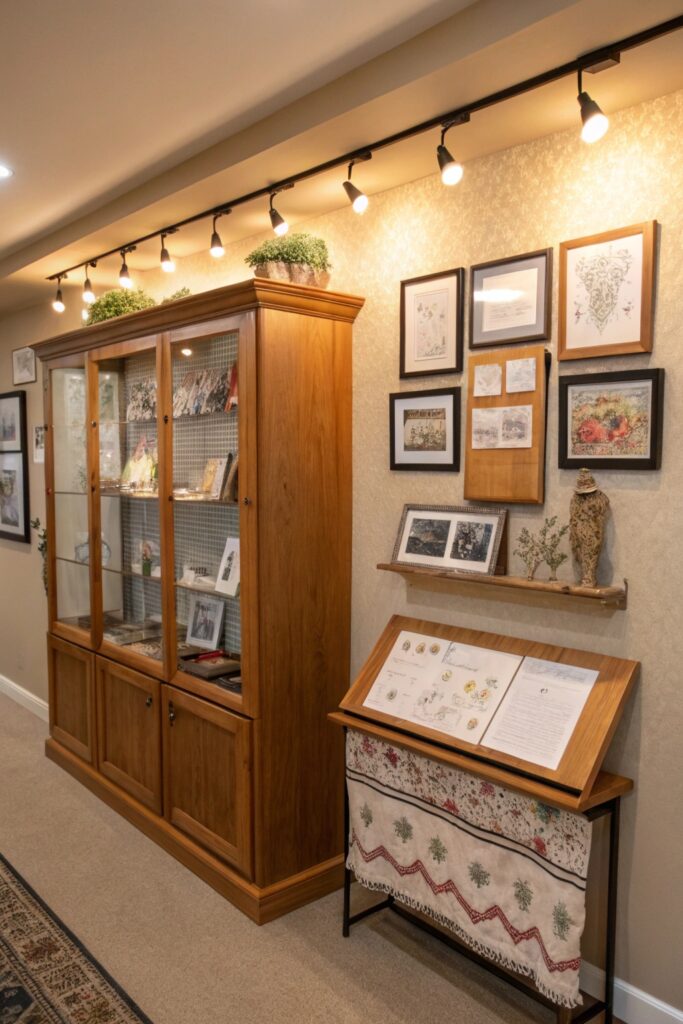
A shelf or wall space specifically for finished projects gives genuine visibility to your work, which matters for staying motivated and tracking progress over time.
Rotate the display periodically to keep it feeling current, since a static display of the same few pieces over months can start to blend into the background.
5. Add a Cozy Reading Nook Corner
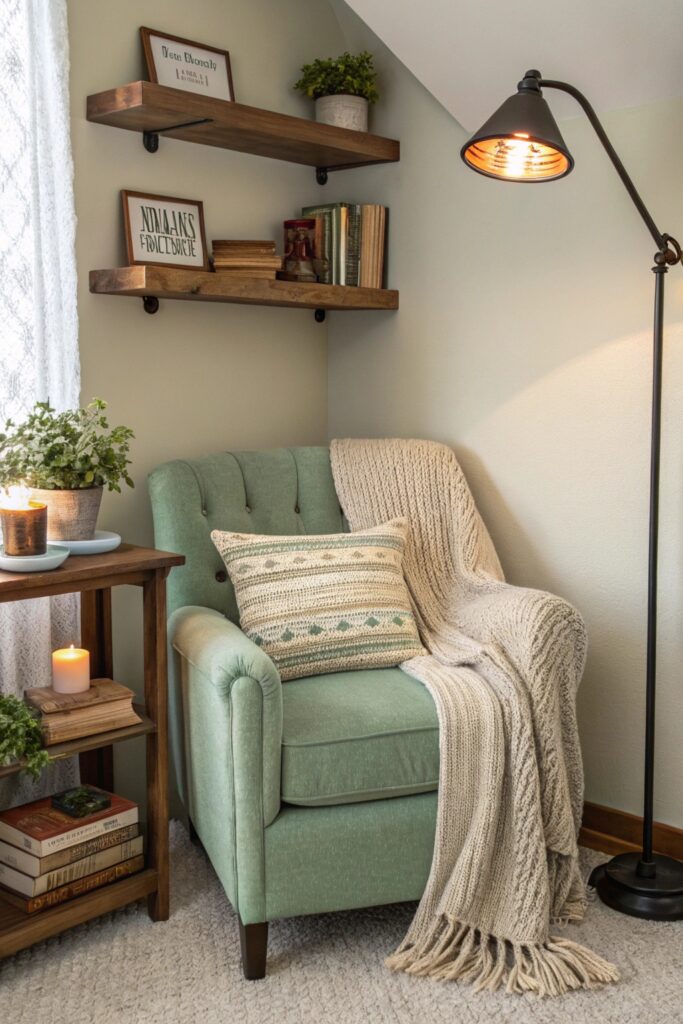
A small chair or floor cushion with a throw blanket creates a genuine secondary spot for downtime within the room, distinct from the primary work area.
Choose a nook location away from the primary work area’s direct sightline, which helps this spot genuinely feel like a separate retreat rather than an extension of the workspace.
6. Use a Large Worktable as Your Room’s Centerpiece
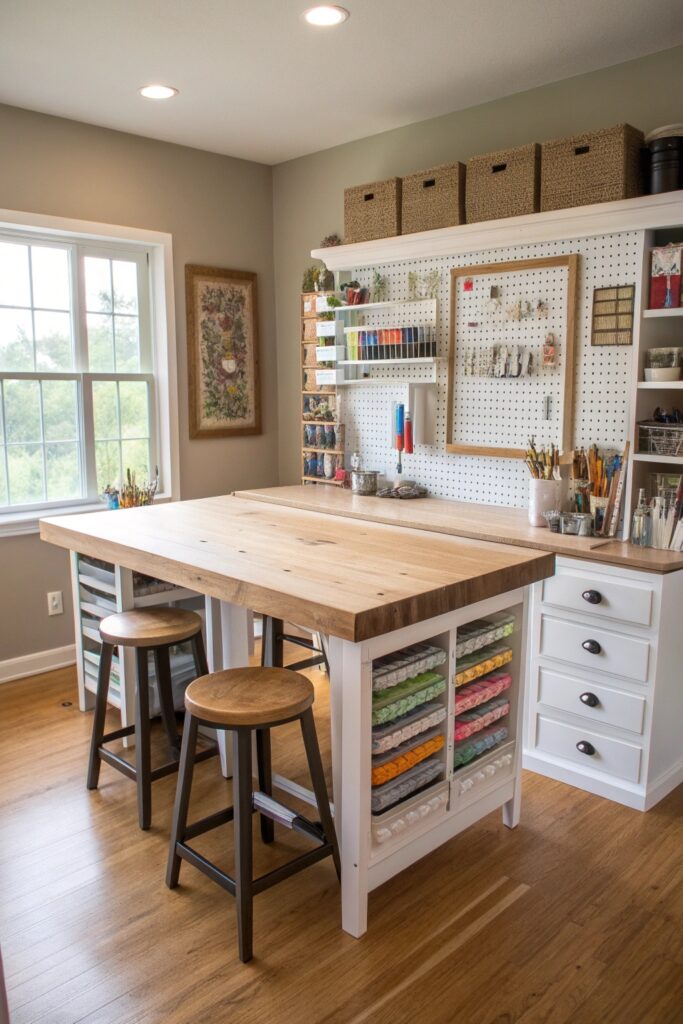
A genuinely spacious worktable accommodates hobbies that need more surface area than a standard desk provides, working as the room’s practical and visual anchor.
Choose a table height and depth suited to your specific hobby’s actual physical requirements, since needs vary considerably between different types of hobby work.
7. Bring in Plants and Natural Elements
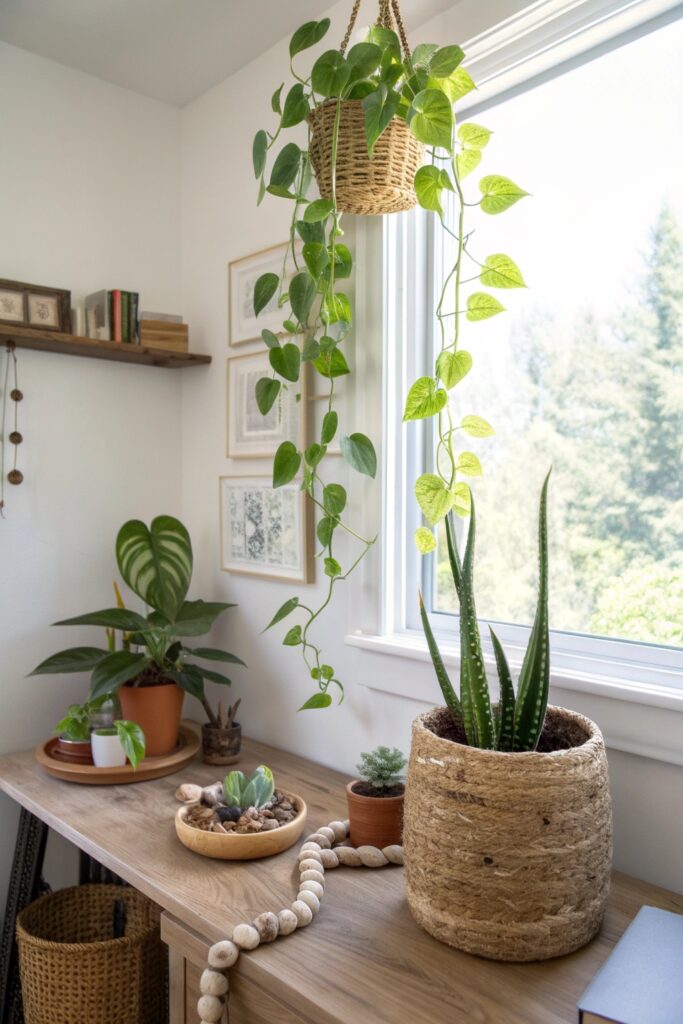
Plants soften a hobby room’s often more utilitarian furniture and storage with genuine organic texture, contributing to the space’s overall cozy feel.
Confirm the room’s actual light exposure before choosing real plants, since hobby rooms are sometimes converted from spaces without abundant natural light.
8. Personalize With a Gallery Wall
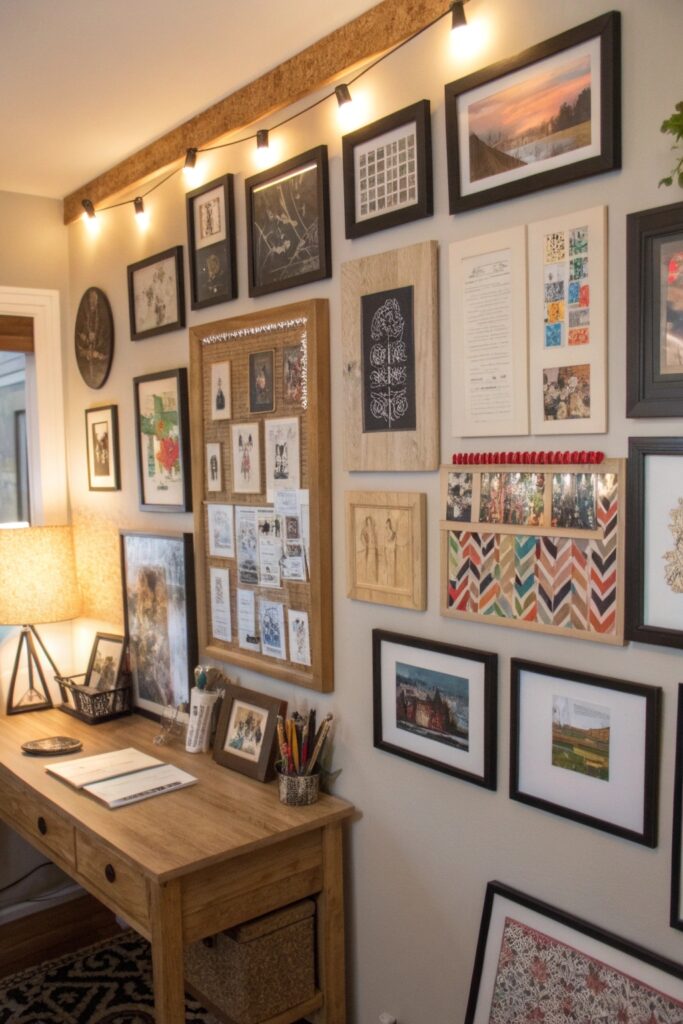
A wall of inspiration images, finished work, or meaningful objects makes the room feel like a genuine personal retreat rather than a purely functional workspace.
Choose frames or display methods that are easy to update, since a gallery wall meant to reflect ongoing inspiration works better when it’s not a permanent, hard-to-change installation.
9. Set Up a Dedicated Music or Podcast Corner
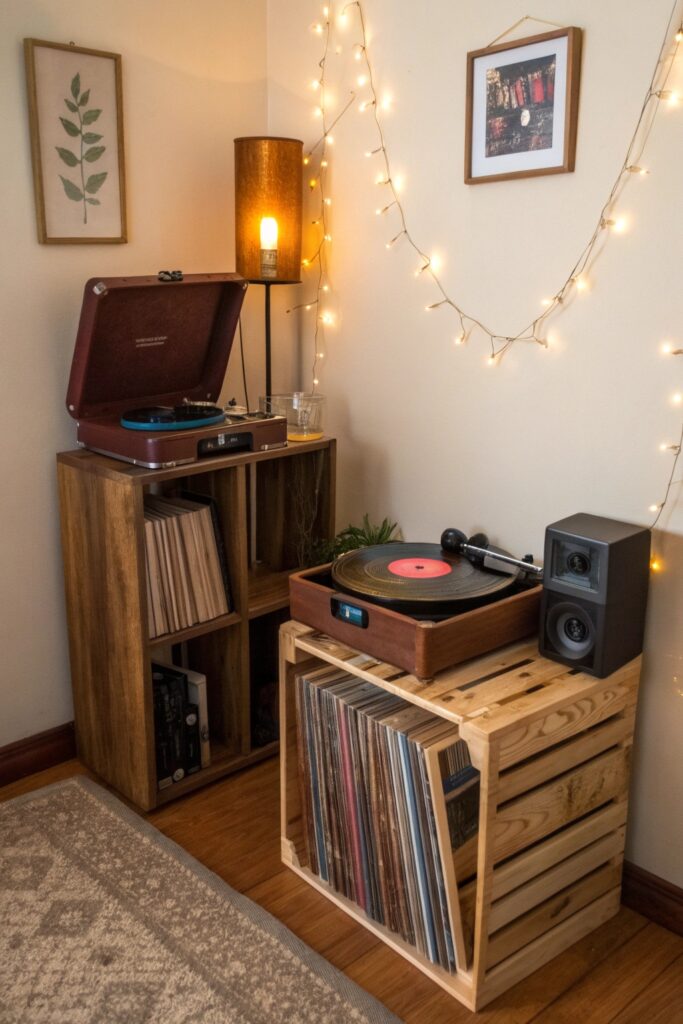
A small speaker or dedicated listening spot supports whatever background audio genuinely enhances your specific hobby time, whether that’s music, podcasts, or audiobooks.
A dedicated speaker avoids relying on a phone’s smaller built-in speaker, which genuinely improves audio quality during extended hobby sessions.
10. Incorporate Warm Textiles and Rugs
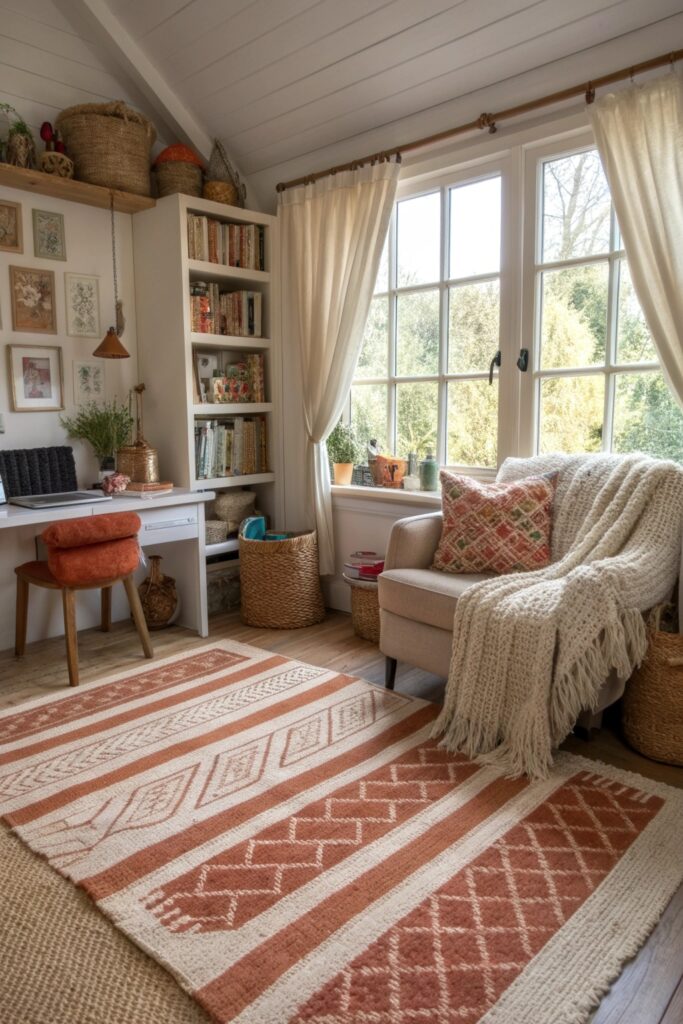
A rug and soft textiles genuinely add warmth to a room that might otherwise be dominated by hard surfaces like a worktable and storage shelving.
Choose a rug material that’s easy to clean specifically if your hobby involves materials that could stain or mark the floor, which is a genuinely practical consideration beyond pure aesthetics.
11. Control Your Room’s Scent and Atmosphere
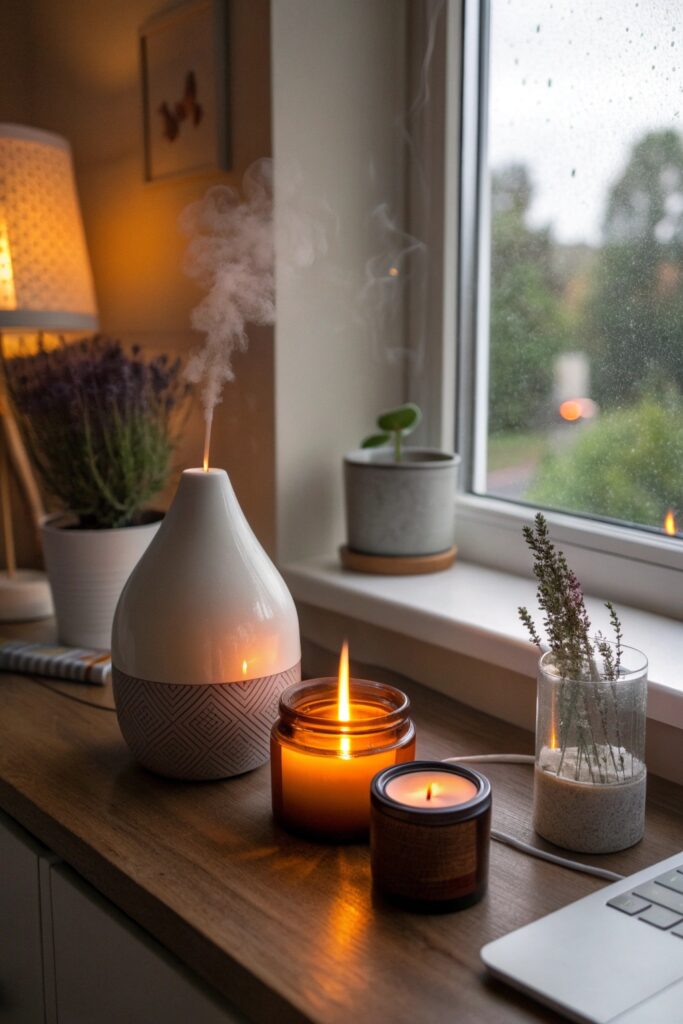
A candle or diffuser adds a genuine sensory layer to the room, which matters for a space meant to feel like a retreat rather than purely functional storage.
Setting Up for Your Specific Hobby
A general hobby room framework like this one needs some genuine customization for whatever specific activity fills the space — a sewing room has different storage and surface needs than a painting studio or a model-building workspace, even though the underlying comfort principles stay consistent.
Spend some time actually noting what supplies, tools, and workspace configuration your specific hobby genuinely requires before finalizing the room’s layout, since retrofitting a space designed around the wrong assumptions is more disruptive than planning around your actual needs from the start.
Working With a Genuinely Small Space
Not every home has a spare room to dedicate entirely to a hobby, and a genuinely small corner or shared space can still incorporate most of these principles at a smaller scale — a comfortable chair, adequate task lighting, and accessible storage matter regardless of whether the space is a full room or a single dedicated corner.
A rolling cart specifically works well for a shared or multi-purpose space, since it lets you set up and pack away hobby supplies without needing to dedicate an entire room’s worth of square footage permanently to a single activity.
A realistic budget for furnishing a full hobby room with all of these elements runs roughly $400-800 depending on the chair, table, and storage choices, while a genuinely minimal setup — a good chair, task lighting, and basic shelving — can be assembled for closer to $150-250.
Building the room’s full setup gradually, rather than all at once, also gives you genuine time to notice what you actually use and what ends up unnecessary, which is often clearer after a few real hobby sessions than it would be from planning alone.
Wrapping It All Up
A genuinely comfortable chair and adequate storage matter most if you’re prioritizing only a couple of these changes, since both directly affect how long you can comfortably spend in the room during actual hobby time. Layering in warmth — textiles, plants, personal touches — afterward is what turns a functional workspace into a genuine retreat.