
Luxury bathroom finishes require real attention to moisture and humidity specifications, since even a beautifully designed hotel-like look fails quickly if materials aren’t actually rated for this room. The details below cover both the design direction and these practical specifics for each idea.
Below are 11 modern bathroom design ideas worth considering, with the specifics for each.
1. Install a Walk-In Rainfall Shower
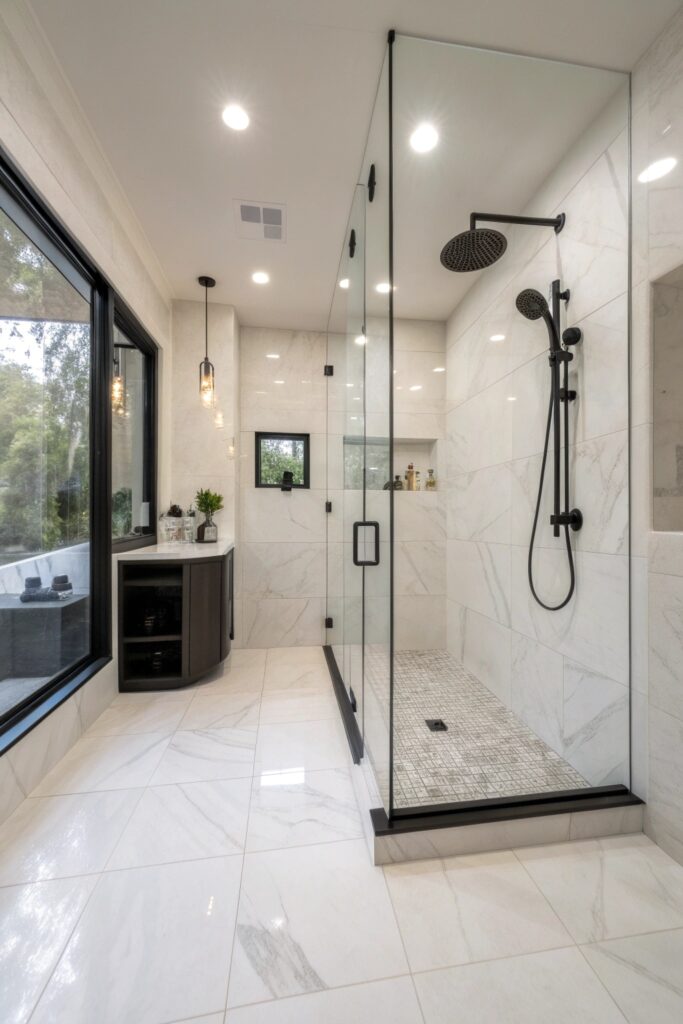
A curbless walk-in shower needs proper floor slope, typically a quarter inch per foot minimum toward the drain, built into the subfloor during installation, since this isn’t something easily retrofitted after tile is already down.
2. Choose Large-Format Tiles
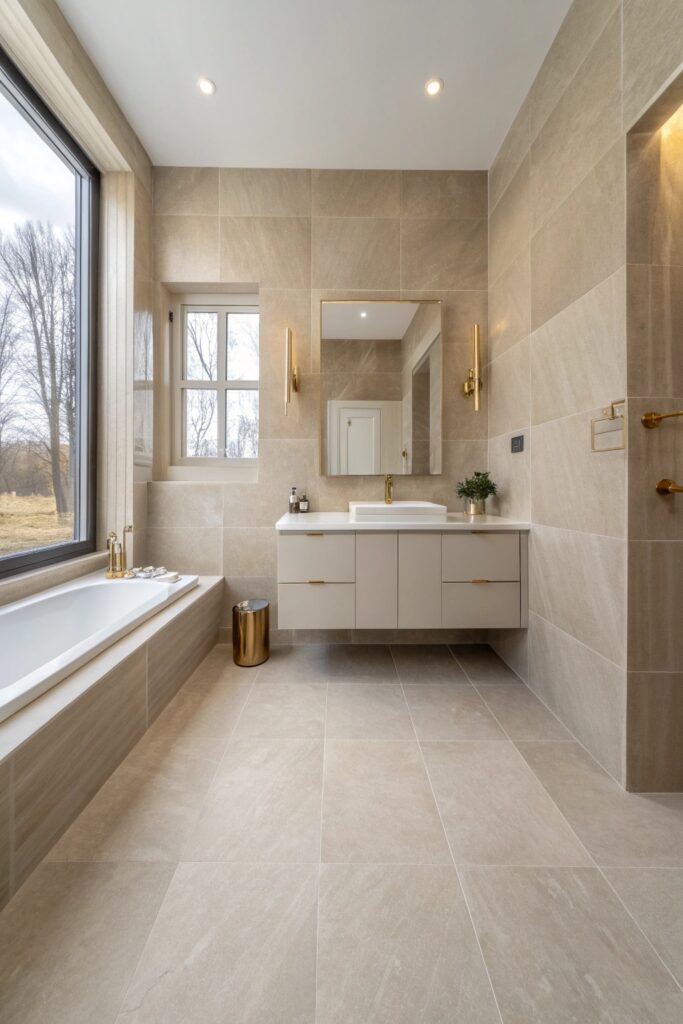
Large-format tile requires a truly flat subfloor, considerably more so than smaller tiles that can flex slightly to accommodate minor unevenness, so substrate leveling is a real cost worth budgeting for when switching to this style.
3. Add a Freestanding Soaking Tub
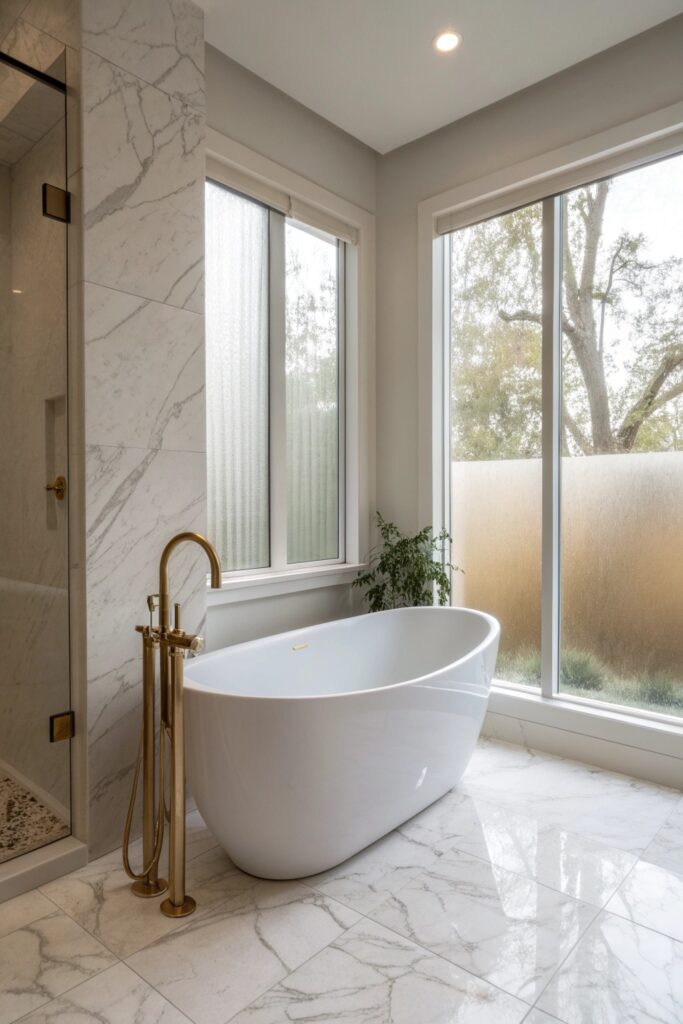
A filled tub plus a person can exceed a thousand pounds, so older homes or upper-floor bathrooms should have the floor structure checked for adequate load capacity before installing one.
4. Mount a Floating Vanity
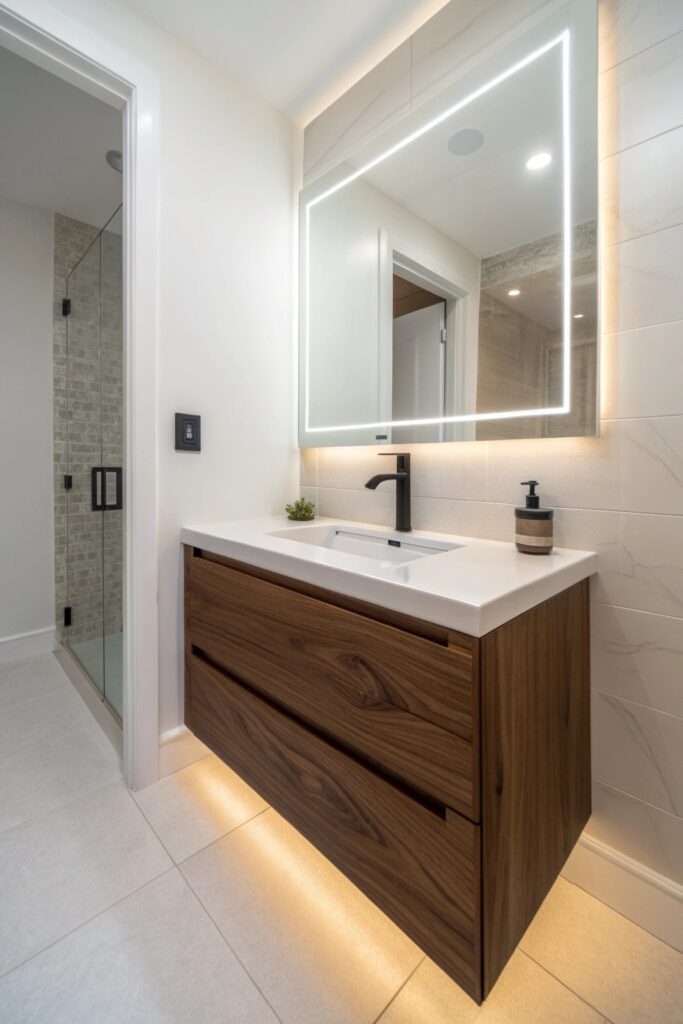
This style needs solid blocking installed inside the wall during construction to support the cantilevered weight, not standard drywall anchors, so it’s worth planning ahead of tiling if this is part of a full remodel.
5. Use a Dramatic Accent Wall
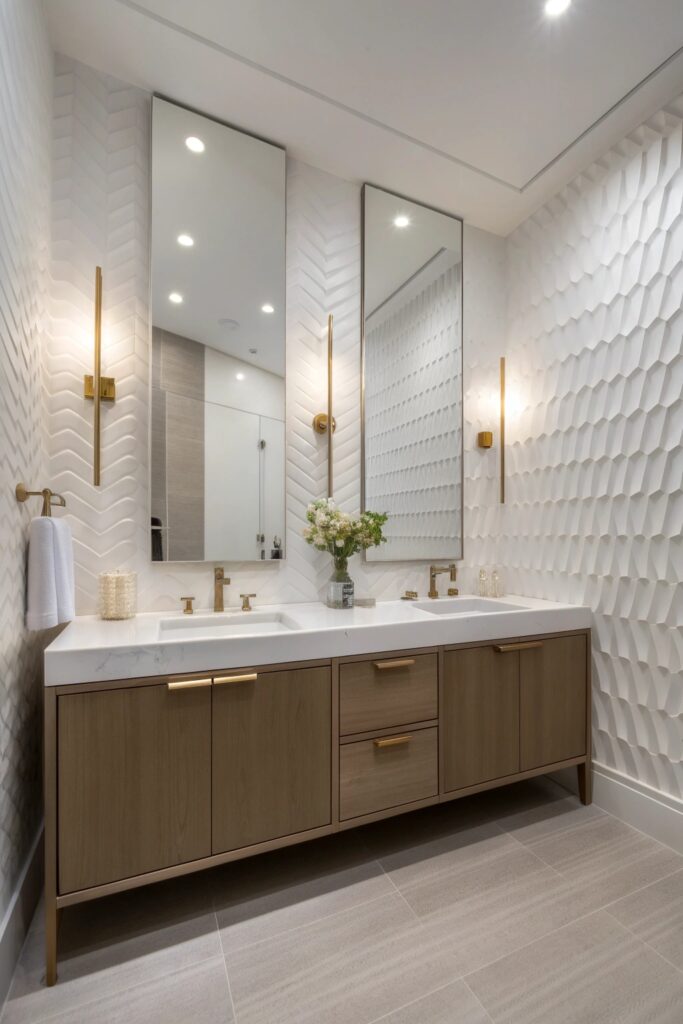
Any accent material here needs a rating specifically for high-humidity environments, since sustained bathroom humidity is more intense than almost any other room in the house.
6. Invest in Heated Floors
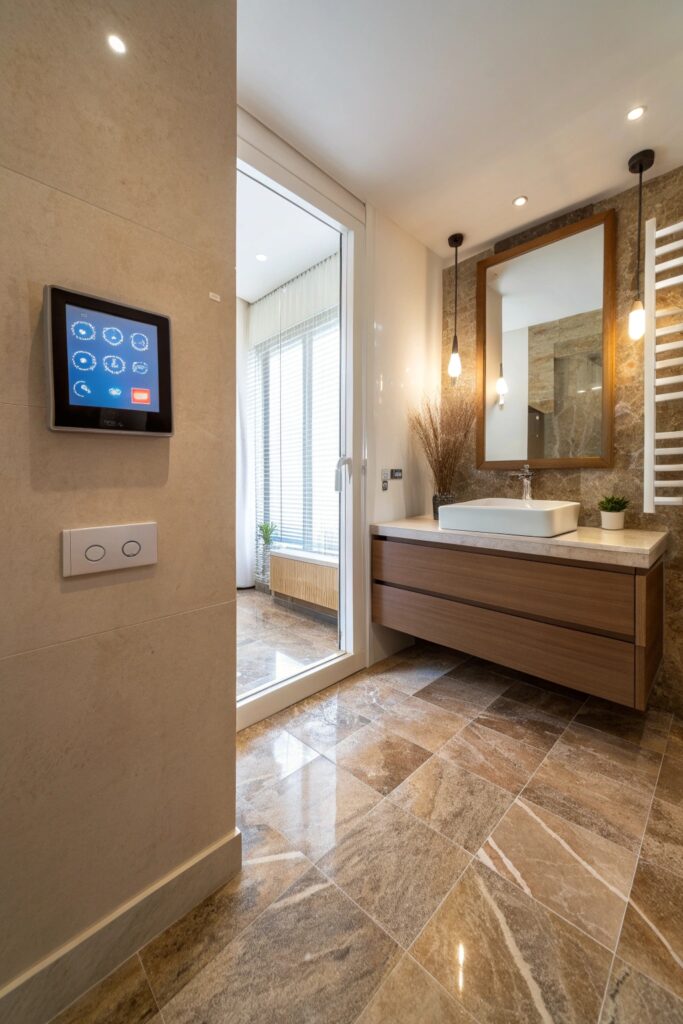
Electric radiant floor heating needs its own dedicated circuit and typically requires a licensed electrician, and the system should be tested for continuity before tile goes down, since a failure afterward means removing tile to access it.
7. Upgrade to Backlit Mirrors
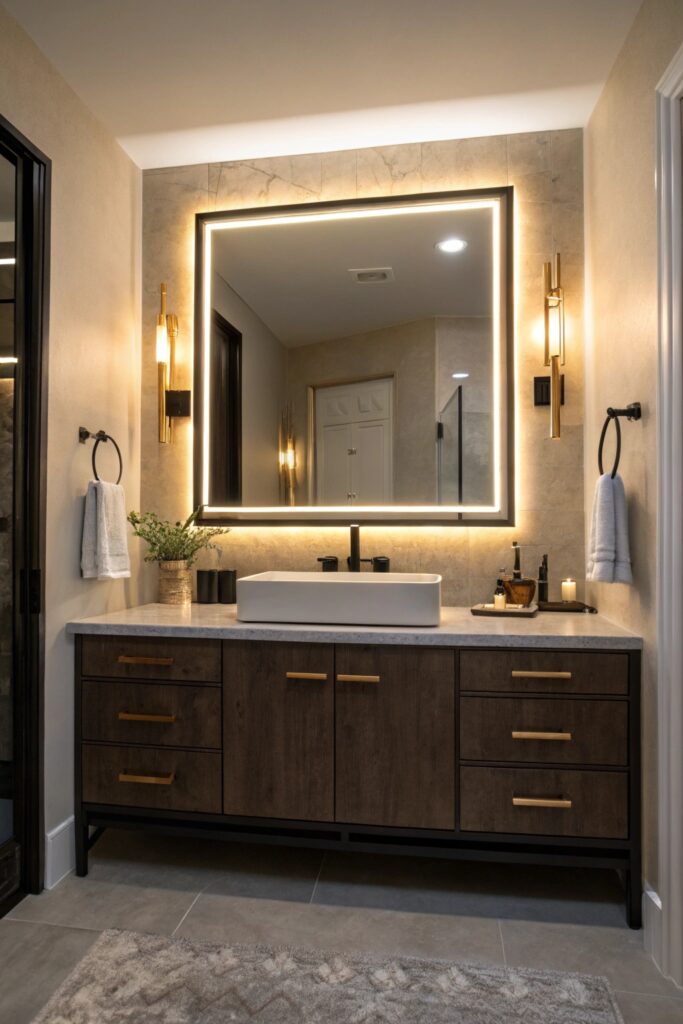
Any electrical mirror needs to be on a GFCI-protected circuit given the bathroom’s wet environment, the same code requirement that applies to any other bathroom electrical fixture.
8. Incorporate Natural Stone or Stone-Look Surfaces
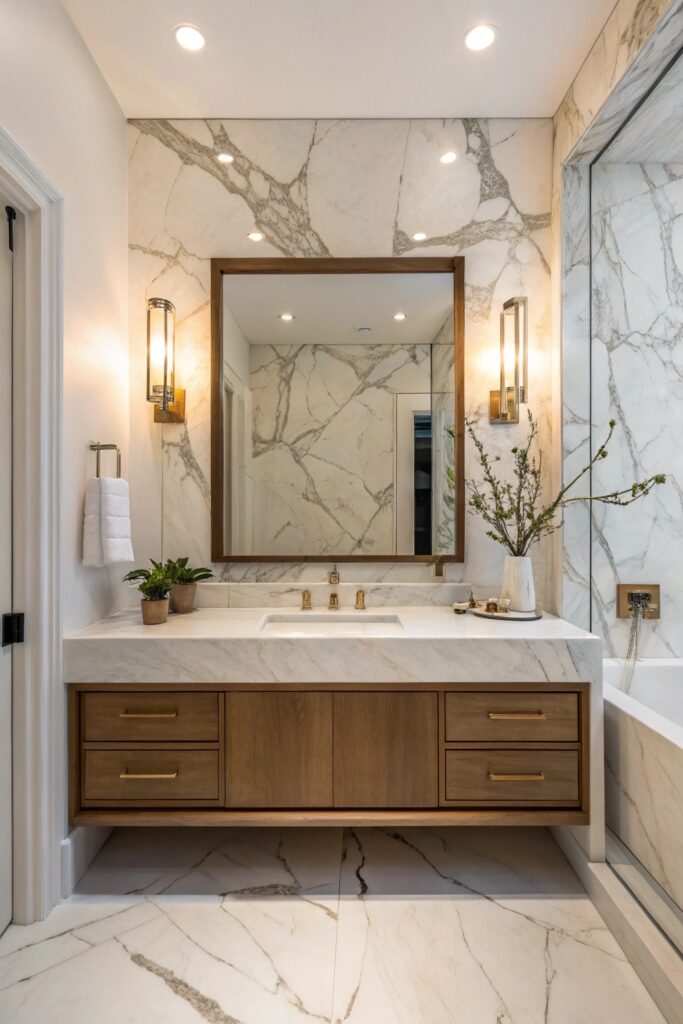
Natural stone, especially marble, is porous and needs more frequent resealing in a bathroom than in drier rooms, since unsealed stone can stain or etch from everyday products like toothpaste or acidic cleaners.
9. Add Thoughtful Built-In Storage
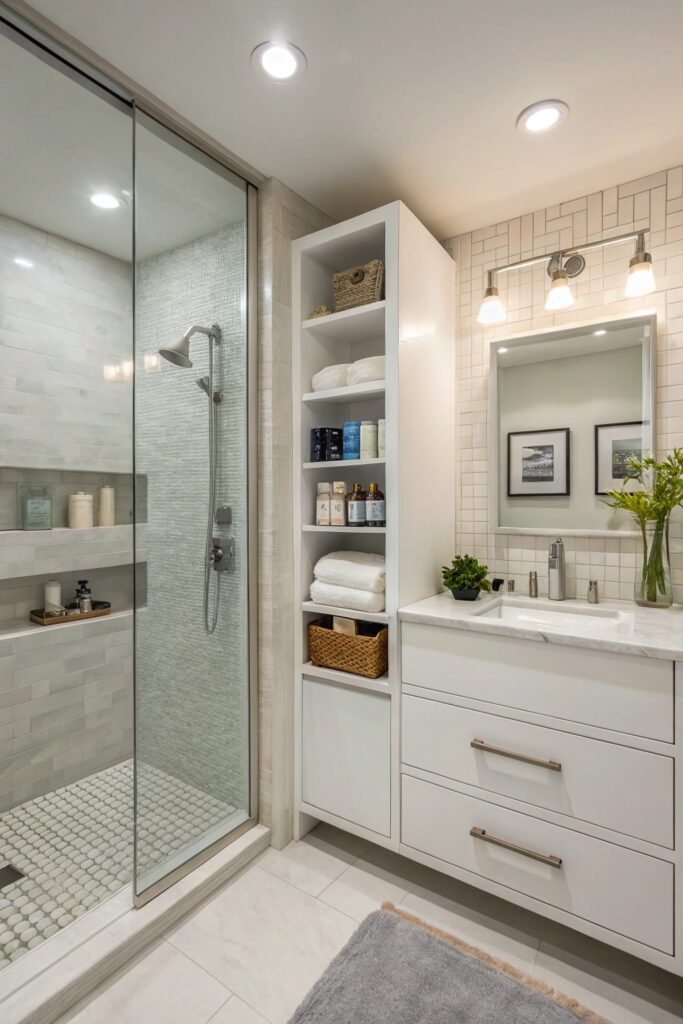
Choose storage rated for the actual weight of what you’re keeping, particularly for anything wall-mounted, the same consideration that applies to shelving anywhere else in the house.
10. Layer Your Lighting
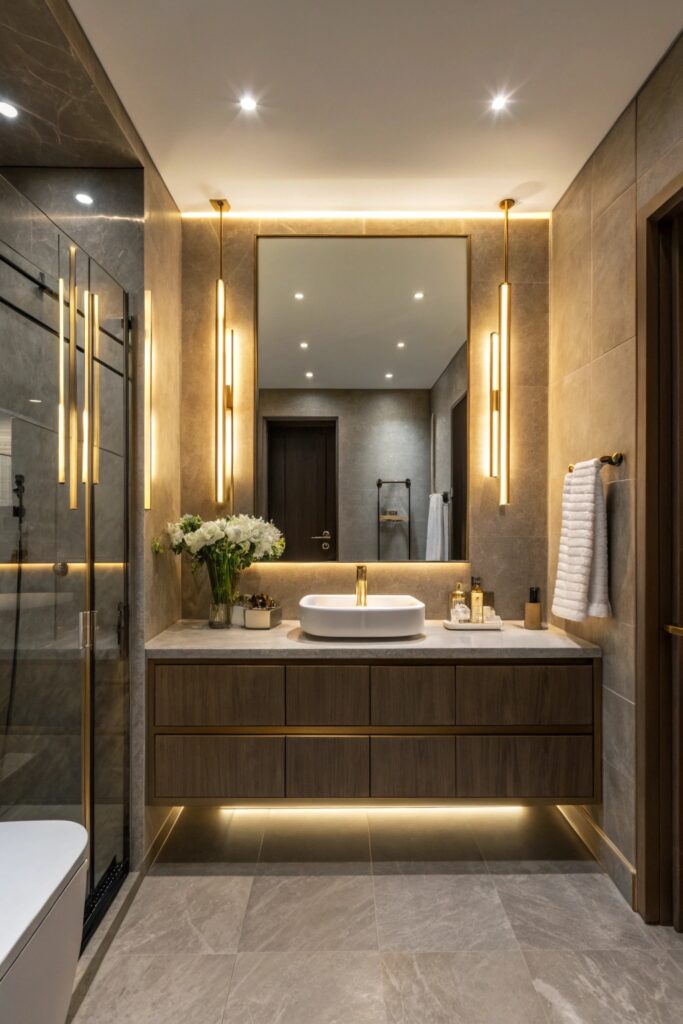
Vertical sconces flanking the mirror light the face more evenly than overhead lighting alone, which tends to cast unflattering shadows, a real difference worth prioritizing over a single ceiling fixture.
11. Bring in Natural Elements
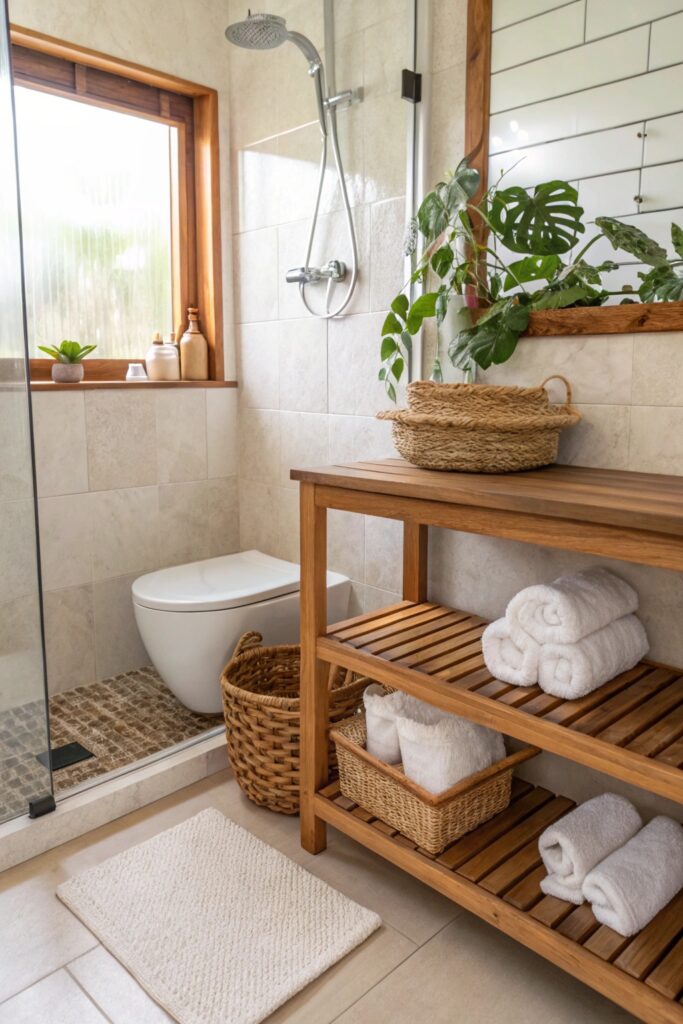
Choose a moisture-resistant wood species like teak, or confirm any other wood is properly sealed, since standard wood swells and warps in sustained bathroom humidity in a way it wouldn’t in a drier room.
Ventilation Matters More With These Upgrades
A rainfall shower and freestanding tub both introduce more standing water and steam into the room than a standard shower-tub combo, so confirming your exhaust fan is properly sized for the room’s square footage matters more here than in a typical bathroom.
Running the fan for a full 20 to 30 minutes after each shower helps protect the investment in natural stone, wood accents, and other moisture-sensitive materials covered above.
What a Modern Bathroom Remodel Costs
A partial update using new fixtures, lighting, and hardware typically costs $3,000 to $8,000 depending on quality.
A fuller renovation including a freestanding tub, large-format tile, and heated floors runs considerably higher, often $15,000 to $35,000 or more depending on the scope.
Sequencing Your Renovation Correctly
Rough-in work for heated floors, additional electrical circuits, and any plumbing changes needs to happen before tile goes down, so finalizing these decisions early in the planning process avoids costly rework partway through the project.
Ordering large-format tile and any specialty fixtures, like a specific freestanding tub model, well ahead of your renovation start date also helps, since these items can have longer lead times than standard bathroom materials.
Balancing Drama With Everyday Practicality
A single dramatic element, like a bold accent wall or a striking freestanding tub, tends to read as more intentional than combining several bold choices at once, which can compete with each other rather than complement.
Keeping high-touch surfaces like the vanity countertop and shower walls in easier-to-maintain materials, even while splurging elsewhere, helps balance visual drama with the daily practicality most households actually need from this room.
Getting quotes from at least two or three contractors before starting a larger renovation helps confirm both pricing and their specific experience with the elements you’re prioritizing, since heated floors, large-format tile, and structural work for a freestanding tub each call for somewhat different expertise.
Checking Insurance and Resale Considerations
Adding significant weight or plumbing changes, like a large freestanding tub, is worth mentioning to your homeowner’s insurance provider, since some structural or water-related changes can affect coverage.
A well-executed modern bathroom also tends to be one of the higher-return renovation projects for resale value, though the actual return varies by market, making it worth researching what buyers in your specific area tend to prioritize before committing to the most expensive finishes on this list.
A modern, luxurious bathroom done thoughtfully becomes a real daily retreat rather than just a functional room, which is worth keeping in mind when weighing the upfront investment against how much time your household actually spends here each day.
Living with a smaller change first, like new lighting and hardware, before committing to the larger structural elements gives you a real sense of how the direction feels day to day before making a bigger investment.
Whichever combination of these ideas fits your space and budget, prioritizing the structural and mechanical fundamentals first sets up every other decision on this list to actually last, rather than needing rework a few years down the road.
The result is a bathroom that looks as good as it functions, day after day.
Take the time to get it right.
Your future self will thank you for it.
Enjoy the process.
Happy renovating.
Make Your Bathroom Feel Like It Belongs in a Hotel
Confirming any structural, electrical, or plumbing work meets your local building code before installation, particularly for heated floors, a freestanding tub, or a floating vanity, saves real cost and risk compared to discovering an issue after the work is done.
Whichever combination of these ideas fits your space, prioritizing materials actually built for bathroom conditions tends to matter more to how well the space holds up than any single design choice on this list.