
Your dining room does more than just hold a table and some chairs. It sets the mood for every meal, every conversation, and every memory you make around food. And honestly? Most dining rooms are sleeping on their potential.
I’ve spent way too much time obsessing over dining spaces — rearranging furniture at midnight, testing lighting setups before dinner parties, the whole thing. So trust me when I say small changes make a massive difference.
Ready to turn your dining room from “meh” to truly memorable? Let’s get into it.
1. Layer Your Lighting Like a Pro
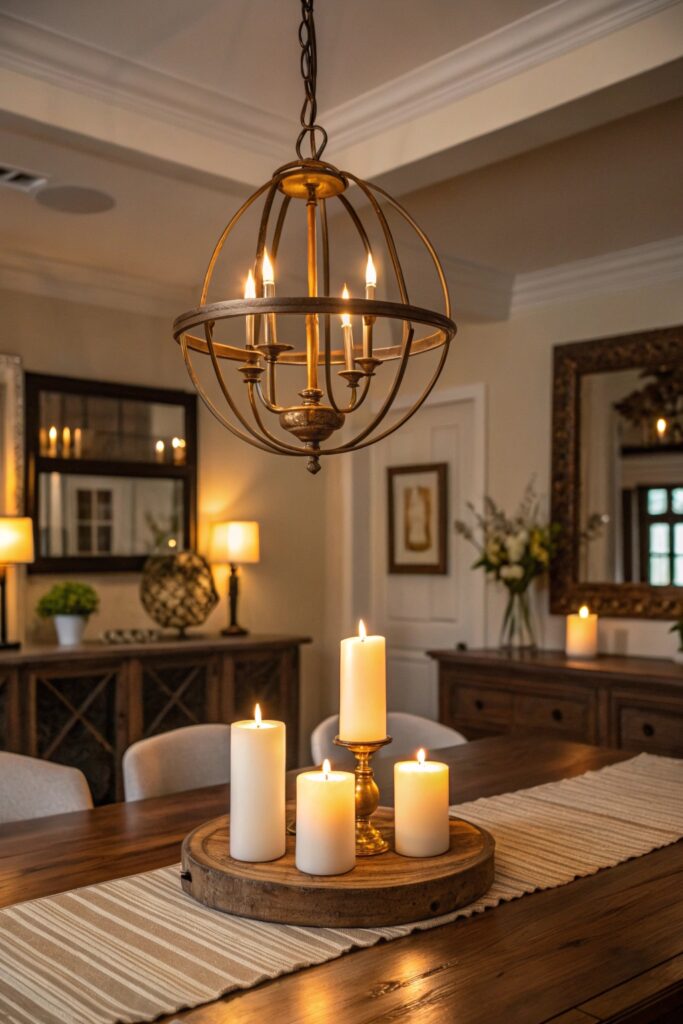
Overhead lighting is fine. Layered lighting is chef’s kiss.
The secret to a dining room that feels special is controlling the mood with light. A statement pendant or chandelier above the table anchors the space, but you need more than that one source.
Add these layers for maximum effect:
- Dimmable overhead fixture — gives you flexibility from brunch to dinner
- Wall sconces or buffet lamps — add warmth and depth
- Candles on the table — because nothing beats candlelight for making food look incredible
Swap those harsh, cool-white bulbs for warm-toned ones (2700K–3000K). You’ll be amazed how much cozier everything feels immediately.
2. Invest in a Statement Dining Table
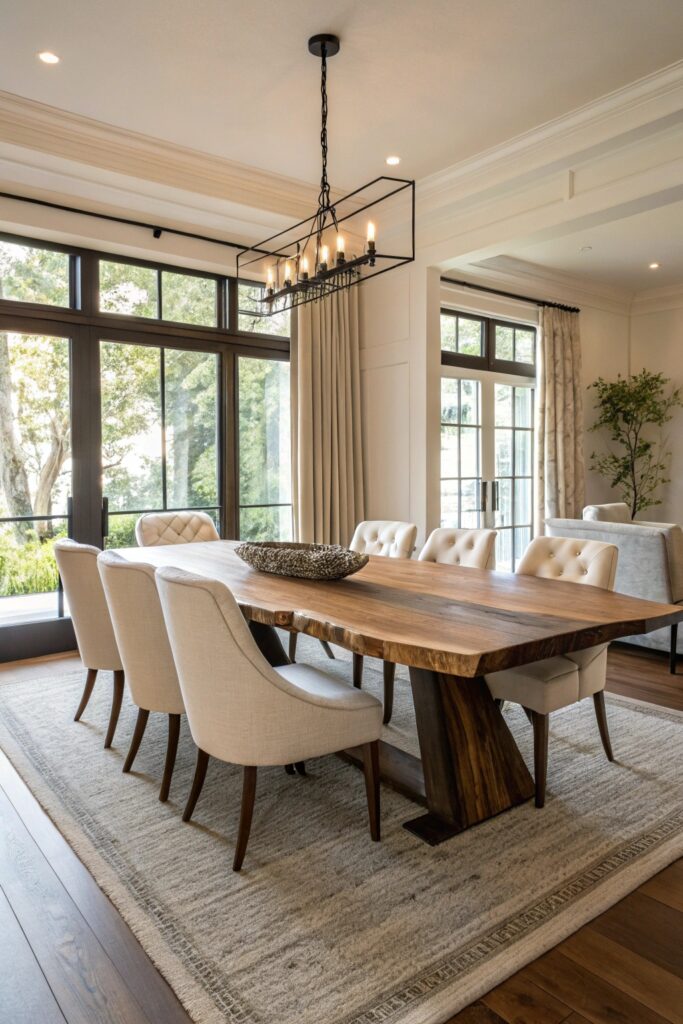
Everything in your dining room orbits around the table, so it better earn its place.
A great dining table isn’t just functional — it’s the focal point of the entire room. Whether you go for a live-edge wood slab, a sleek marble top, or a classic farmhouse style, pick something with character. You want guests to notice it the moment they walk in.
Size matters too. A table that’s too small feels cramped; too large and the room swallows it. Leave at least 36 inches of clearance on all sides so people can move comfortably.
IMO, a solid wood table is almost always worth the investment. It ages beautifully and tells a story over time.
3. Choose Chairs That Actually Invite You to Sit Longer
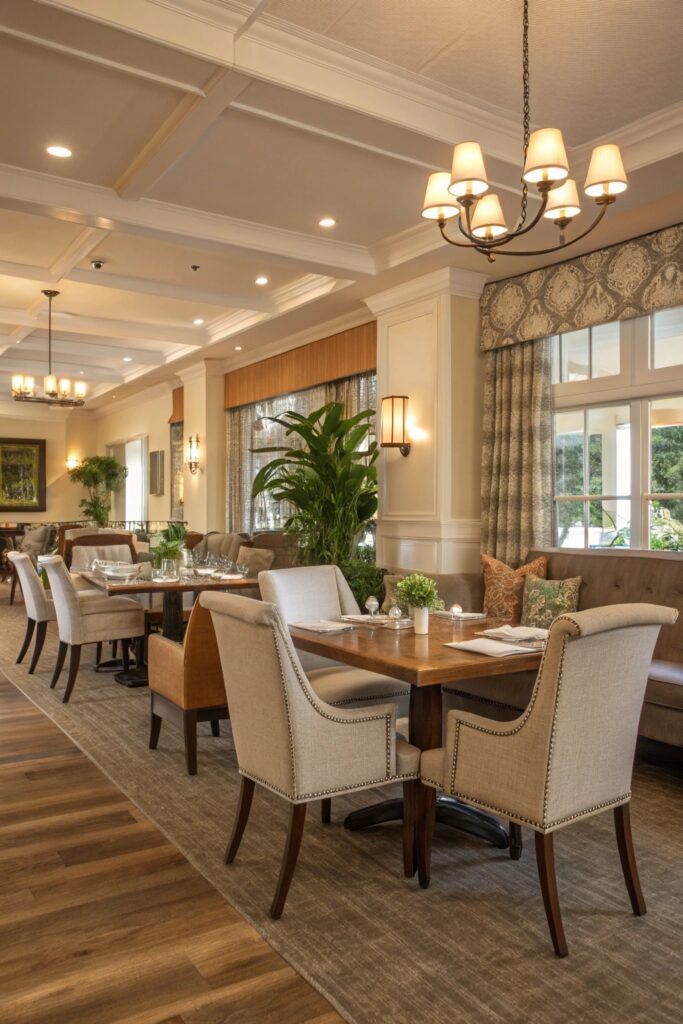
Ever sat in a dining chair so uncomfortable you basically inhaled your food just to escape? Yeah, not the vibe.
Comfortable seating transforms a quick meal into a lingering, enjoyable experience. Look for chairs with some cushioning, proper back support, and a seat height that works with your table (typically 10–12 inches of clearance between seat and tabletop).
Don’t be afraid to mix chair styles either. Pairing upholstered host chairs at the ends with simpler side chairs along the middle is a popular trick that adds visual interest without chaos.
Your guests should want to stay at that table long after dessert. Make the chairs worthy of that.
4. Add a Rug to Define the Space
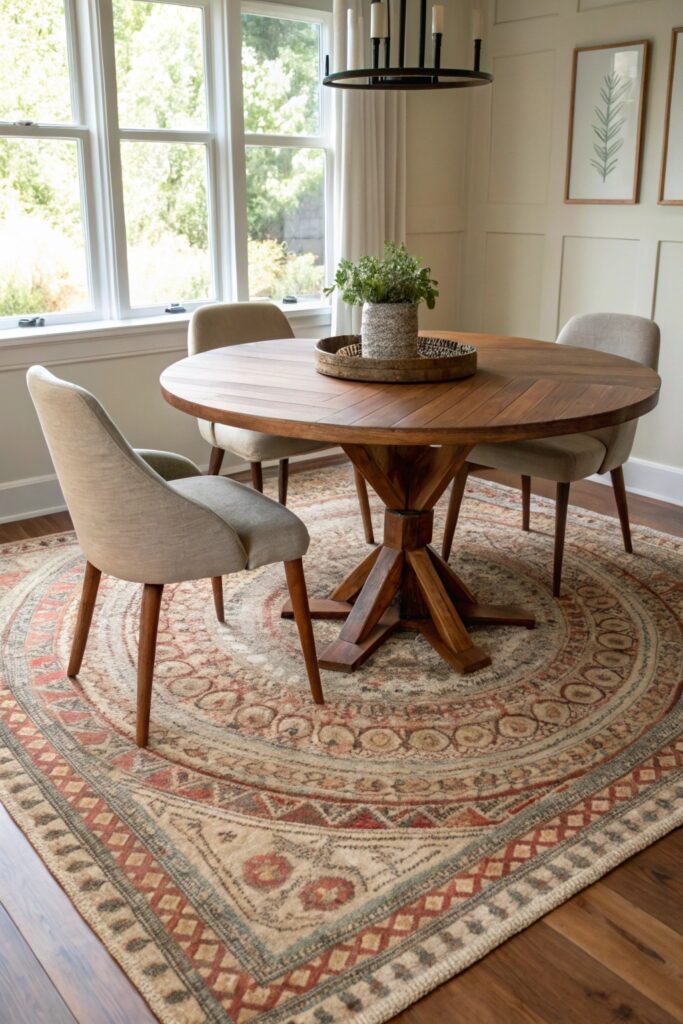
A dining room without a rug feels unfinished — like a sentence without a period.
A well-chosen rug anchors your dining area and adds warmth, texture, and color. Go for a rug large enough that all chair legs remain on it even when pulled out. That usually means sizing up to at least an 8×10 or 9×12.
For materials, stick with low-pile, easy-to-clean options. Wool, polypropylene blends, or flat-woven rugs handle food and drink spills without becoming a disaster zone. Patterned rugs are especially forgiving — they hide crumbs between cleanings. Not glamorous advice, but actually useful 🙂
5. Build a Gallery Wall or Statement Art Moment
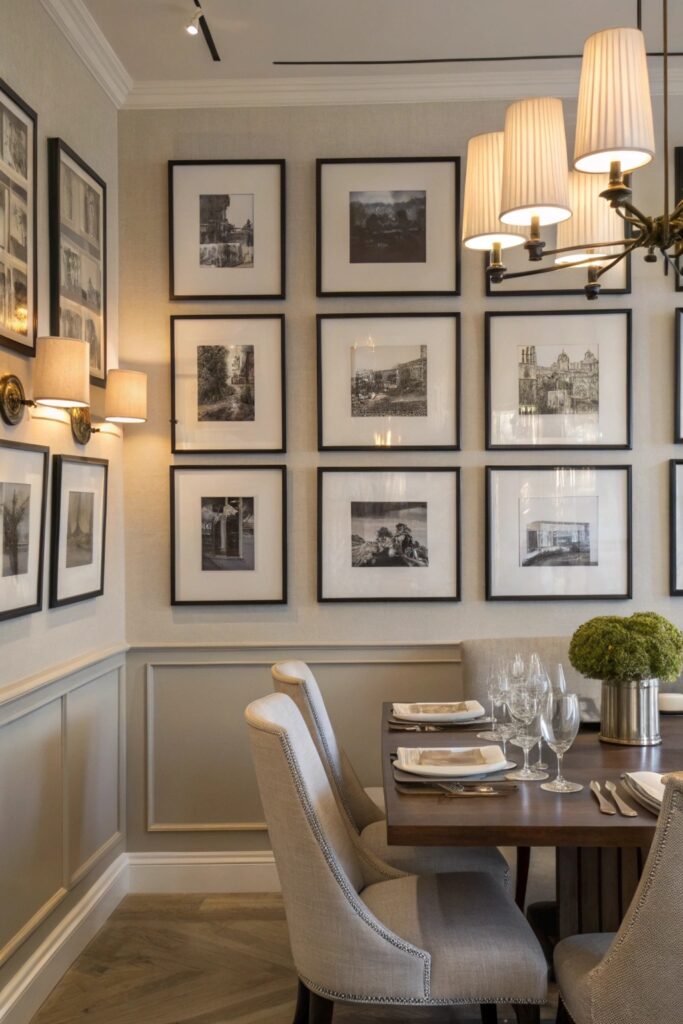
Blank dining room walls are a missed opportunity.
Art transforms a plain room into a space with personality. You don’t need expensive originals — a well-curated gallery wall of prints, photographs, or even vintage frames creates the same effect on a budget. The key is intentionality; whatever you hang should feel deliberate, not random.
Keep your art at eye level — roughly 57–60 inches from floor to center. For gallery walls, lay everything out on the floor first to plan your arrangement before committing to nail holes.
One oversized statement piece above a sideboard works just as beautifully as a curated collection. Pick your style and commit to it.
6. Style a Sideboard or Buffet
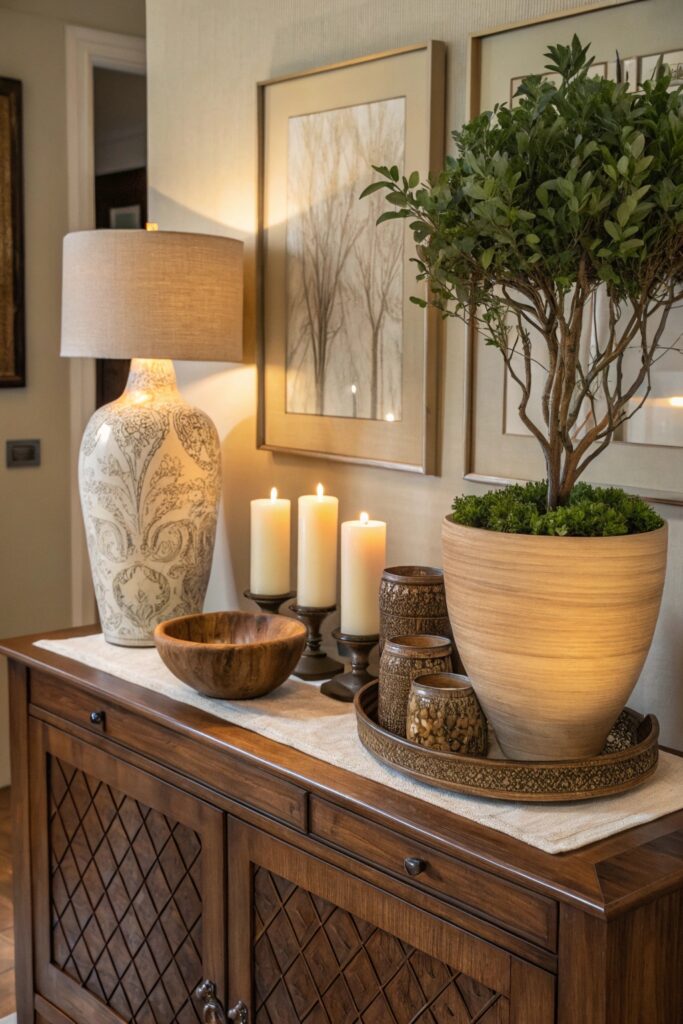
A sideboard does double duty — extra storage and a serious styling opportunity.
This piece of furniture is where your dining room gets to show personality. Style the top with a mix of heights: a tall vase, some shorter candles, a decorative bowl, maybe a small plant. The classic rule of thirds works well here — odd numbers of objects in varying heights look naturally balanced.
Inside the sideboard, store table linens, extra candles, serving platters, and anything else you want accessible but off the table. Function and form, working together. FYI — if you don’t own a sideboard yet, this is honestly one of the best dining room upgrades you can make.
7. Use Table Linens to Instantly Elevate Any Meal
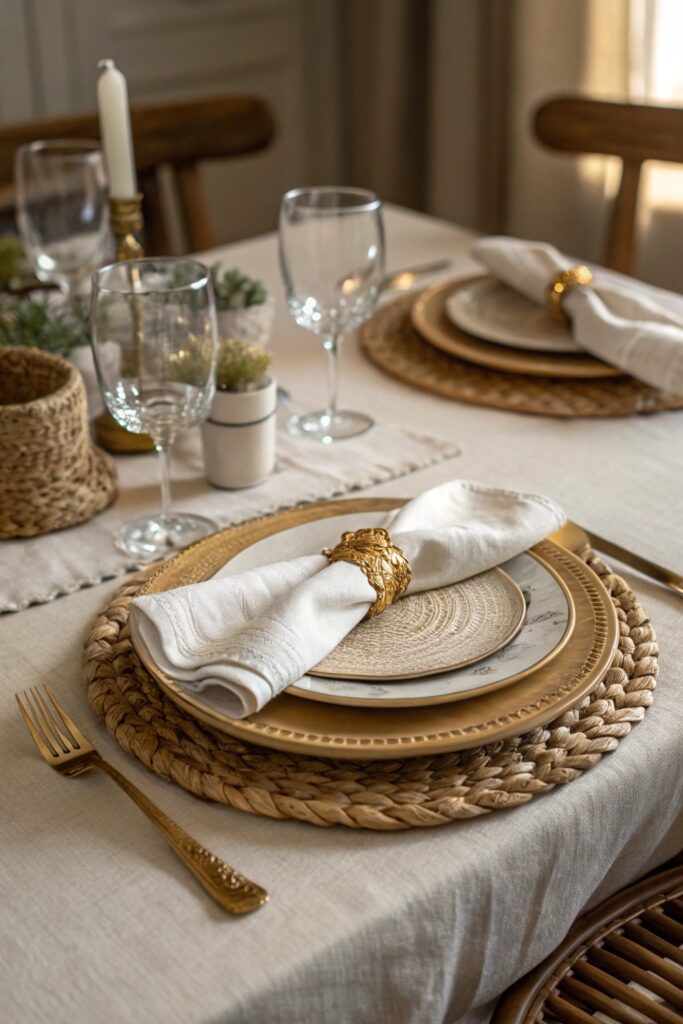
A beautiful tablecloth or set of cloth napkins signals that a meal is an occasion worth savoring.
You don’t need to reserve linens for holidays. Using them on a regular Tuesday dinner shifts the whole energy of the meal. Linen tablecloths in natural tones work in almost any aesthetic; cotton is easier to wash for everyday use.
Napkin rings are a small detail that adds a surprising amount of polish. Mix textures too — a woven placemat under a smooth ceramic plate creates that layered, styled look you see in magazines. It takes five minutes to set up and makes the table feel truly special.
8. Bring in Some Greenery
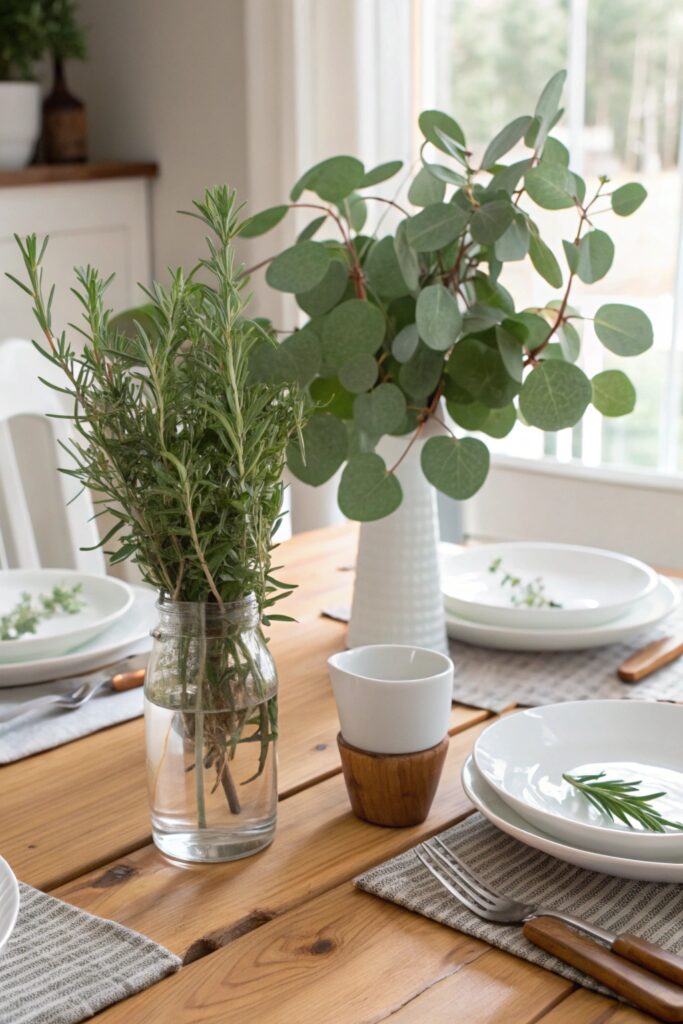
Plants make every room better. Dining rooms included.
A centerpiece with fresh flowers or a potted plant adds life and freshness to the table in a way no decor item can replicate. Keep centerpieces low enough that people can see each other across the table — nothing kills dinner conversation like a floral arrangement acting as a privacy wall.
For low-maintenance options, consider:
- Eucalyptus stems in a simple vase
- Potted herbs like rosemary or thyme (functional and decorative)
- A trailing pothos on the sideboard or a nearby shelf
Real greenery beats faux every time, but good-quality faux works if you’d rather not deal with upkeep.
9. Control the Acoustics
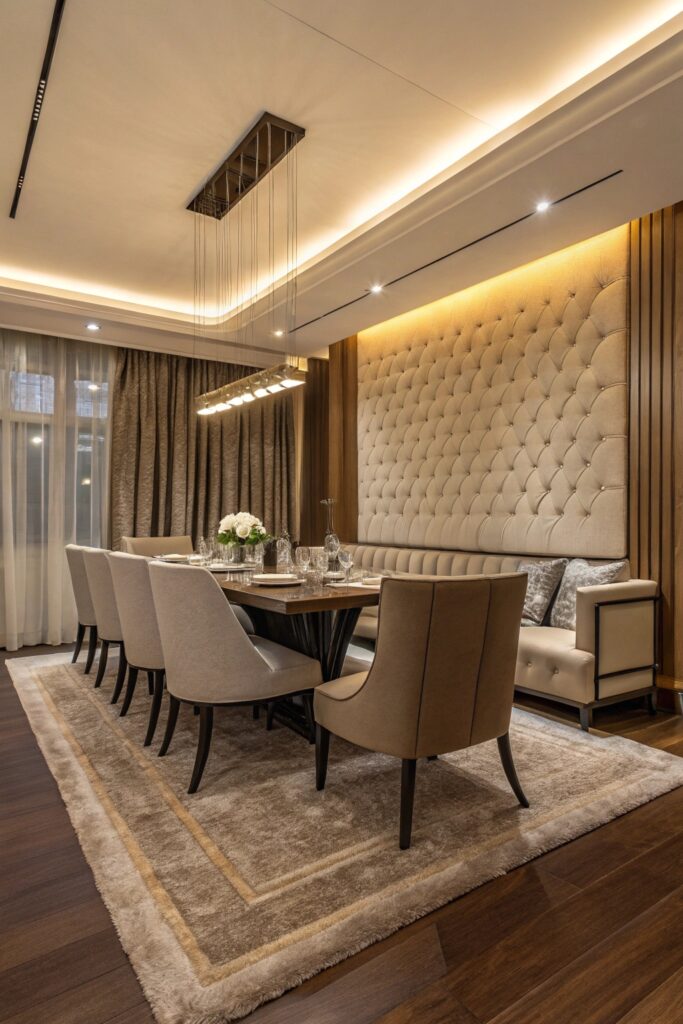
This one almost nobody talks about, but it makes a huge difference.
Hard surfaces — tile floors, bare walls, glass — create echo and noise that makes conversation feel exhausting. A rug helps enormously, but adding soft furnishings like upholstered chairs, curtains, and even a cushioned bench seat absorbs sound and makes the room feel more intimate.
Think about it: have you ever been in a restaurant so loud you left with a headache? Your dining room shouldn’t do that. Layering soft textiles isn’t just about aesthetics — it noticeably improves how the space sounds and therefore how comfortable it feels to sit and talk in it.
10. Create Atmosphere with Scent
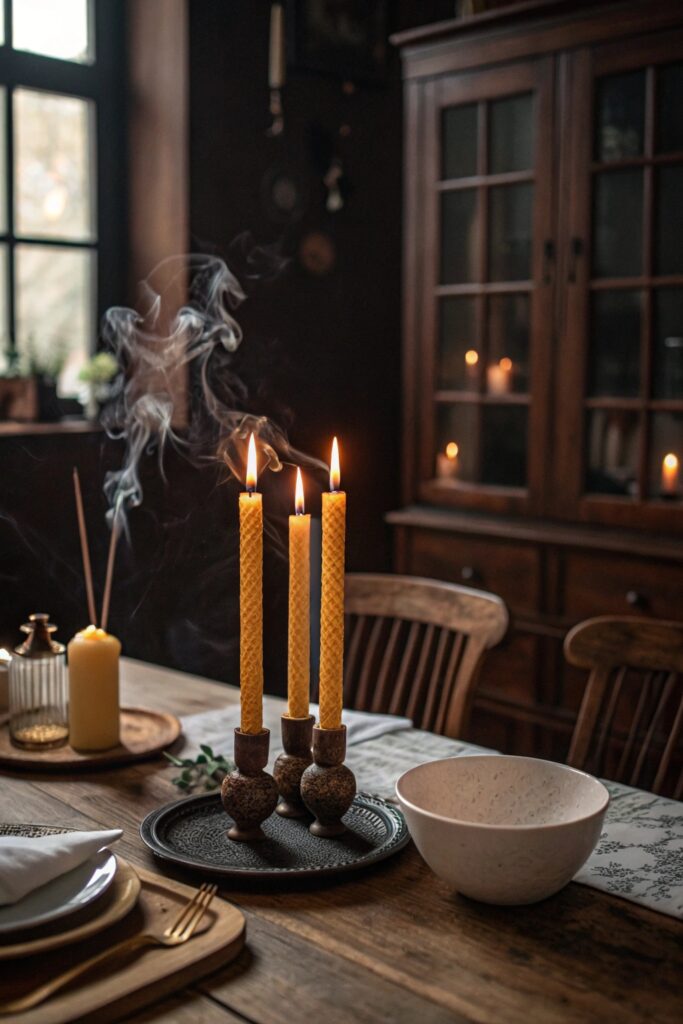
Your dining room engages all five senses, and scent is wildly underrated.
A subtly scented candle or diffuser running before guests arrive sets a welcoming, sensory tone before anyone even sits down. Stick with clean, food-friendly scents — think light citrus, cedar, or fresh linen. Avoid heavy florals or anything competing with the smell of food.
Beeswax candles on the table are a classic choice: they burn cleanly, smell faintly of honey, and look truly beautiful. Light them about 20 minutes before a meal so the scent has time to settle subtly into the room without being overwhelming.
11. Personalize with Small, Meaningful Details
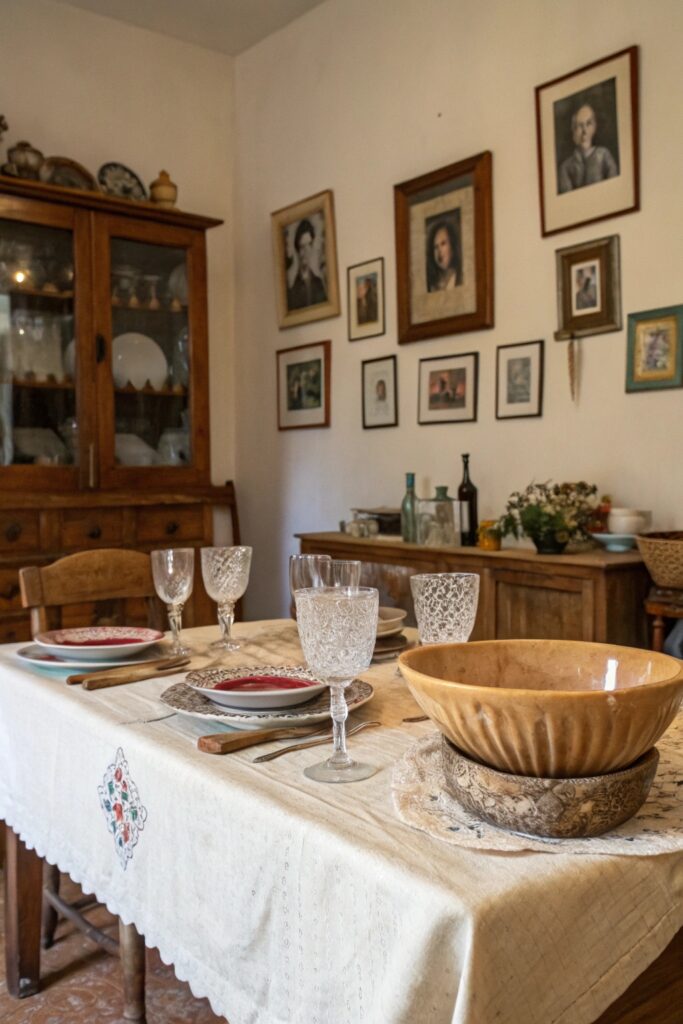
This is the one that ties everything together.
The dining rooms that feel truly special aren’t the ones with the most expensive furniture — they’re the ones with soul. Maybe that’s a set of mismatched vintage wine glasses you’ve collected over years. A tablecloth from a market in Portugal. Framed photos of family meals on the wall.
Personal details communicate that this space matters to you, and that feeling transfers to your guests. They’ll sense that care even if they can’t articulate why the room feels so warm. Don’t chase a catalog-perfect look. Chase yours.
Final Thoughts
Have a hutch or sideboard in the room? See our guide to hutch decorating ideas for styling it further.
You don’t need a renovation budget or a designer to create a dining room that makes every meal feel like an occasion. Most of these ideas cost very little — they just require a bit of intention and attention.
Start with one or two changes. Better lighting and a rug alone can transform a space dramatically. Layer in the rest over time.
The best dining rooms are the ones people don’t want to leave. With a little effort, yours can absolutely be one of them. Now go set that table like you mean it 🙂