
The ceiling is the most overlooked surface in most rooms, and treating it as a design opportunity rather than a blank plane can add real character without competing with the walls or furniture below.
Below are 14 ceiling treatments worth considering, with practical notes for each.
1. Bold Paint in a Contrasting Color
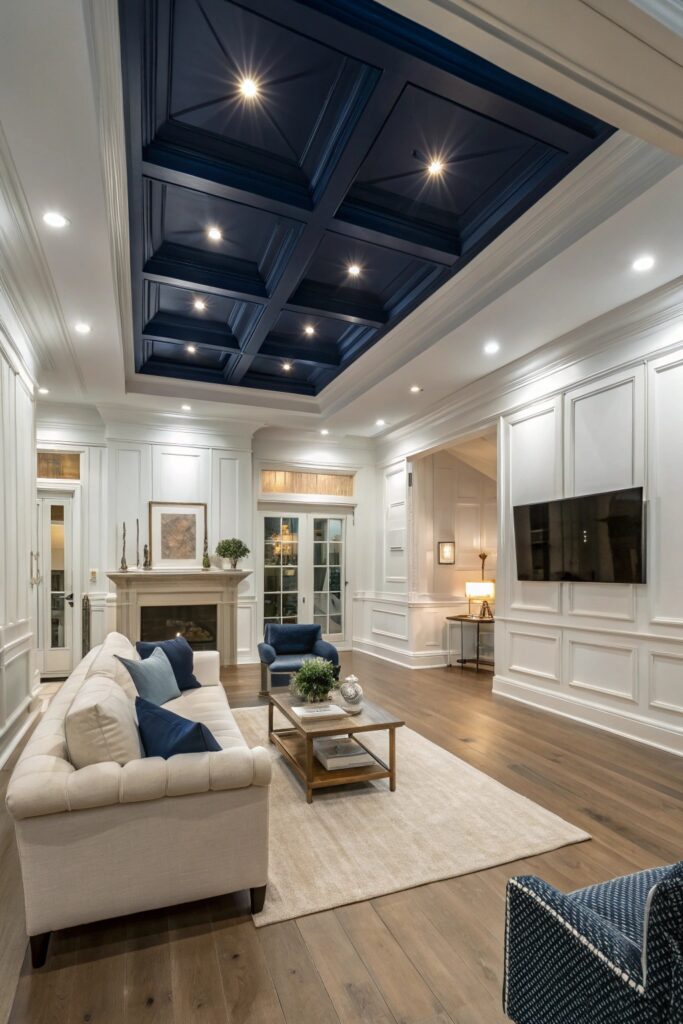
A dark or saturated ceiling color visually lowers the room, working best in a space with generous ceiling height to spare.
Choose a matte finish over glossy for this application, since a flat sheen minimizes glare from overhead light fixtures reflecting off the ceiling.
2. Shiplap or Wood Planks
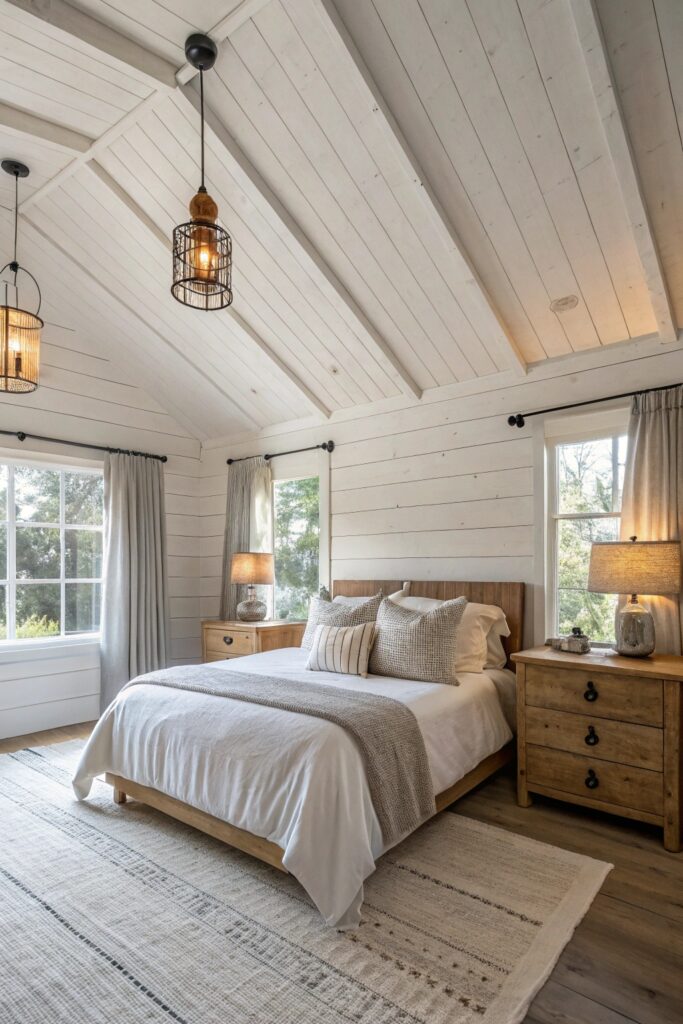
Genuine wood planking adds real texture and warmth, though it’s worth confirming the ceiling structure can support the added weight before installation.
Confirm your ceiling joists can support the added weight before installation, since this is a structural consideration beyond just the visual finish.
3. Wallpaper on the Ceiling
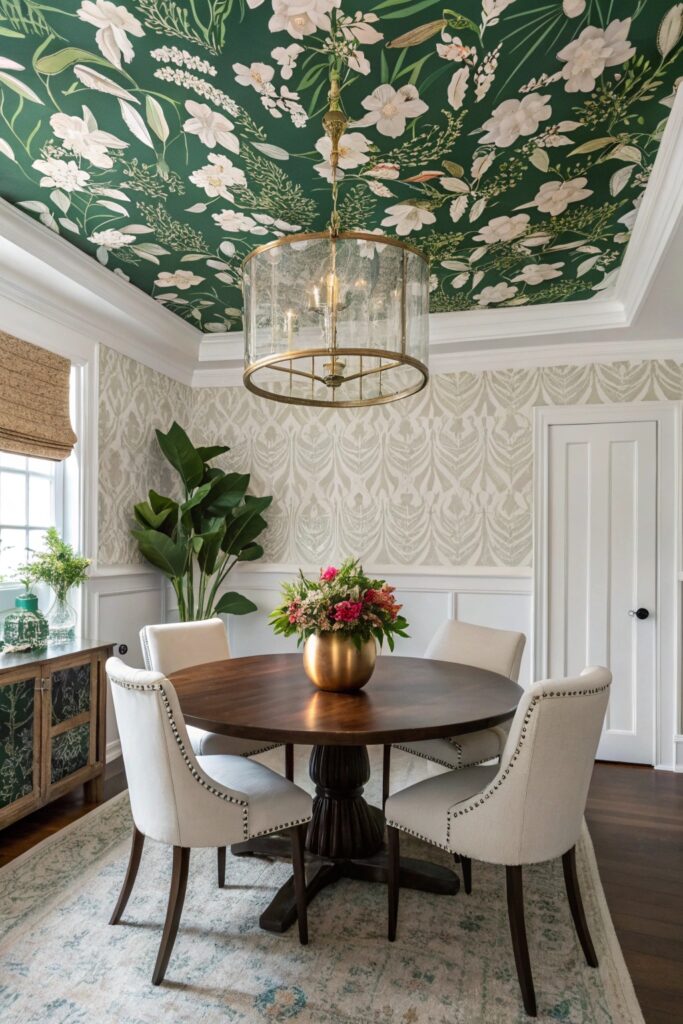
Ceiling wallpaper requires more careful installation than a wall application, since gravity works against the adhesive holding it in place.
Apply the paper in small, manageable sections with a helper if possible, since working overhead alone makes this a considerably more difficult installation than a standard wall.
4. Exposed Beams
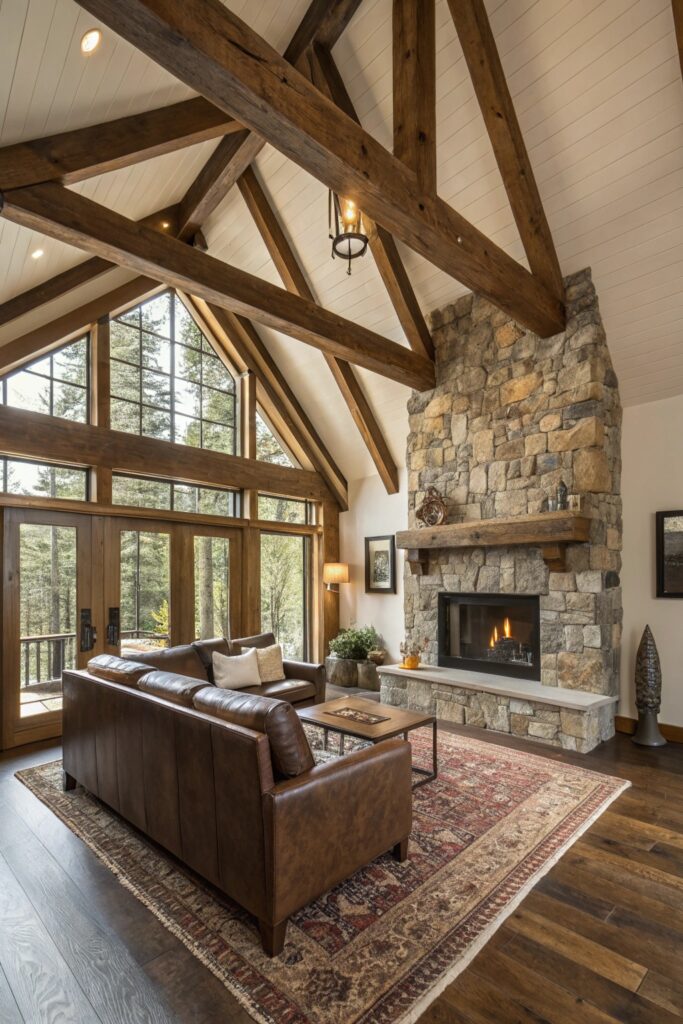
Genuine structural beams add architectural character that decorative beam alternatives can approximate but not fully replicate.
Confirm any exposed beams meet current structural code if they’re genuinely load-bearing, and consult a professional before removing drywall to reveal them.
5. Tin or Metal Ceiling Tiles
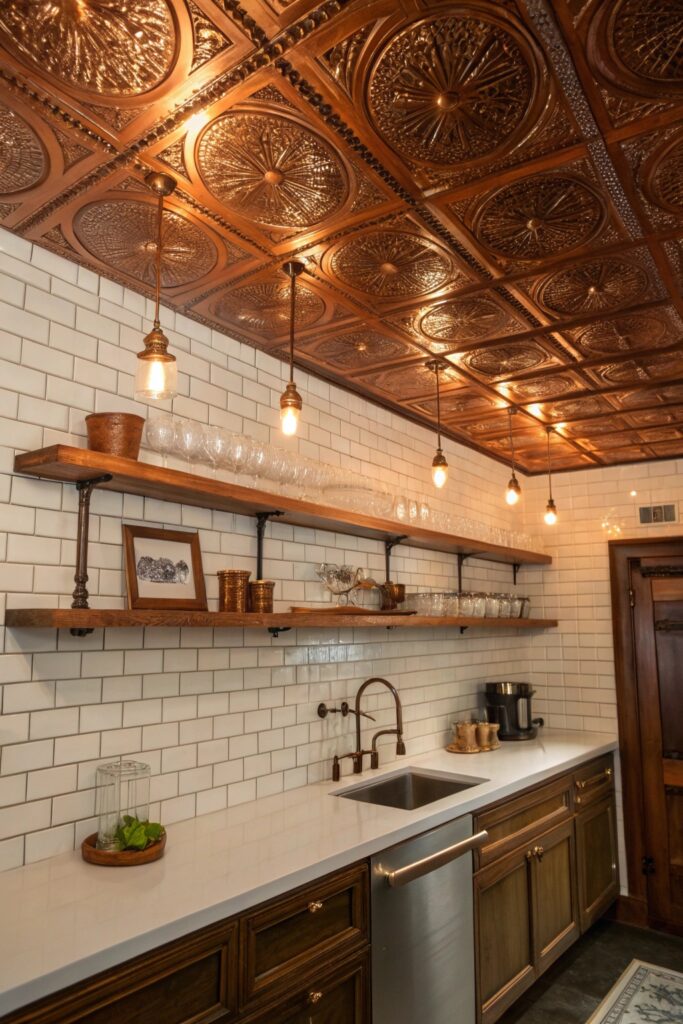
These suit a vintage or industrial aesthetic, working especially well in a kitchen or dining room with similar character elsewhere.
Choose tiles in a consistent finish and pattern for a cohesive look, since mismatched batches can be noticeably different once installed.
6. Coffered Ceiling
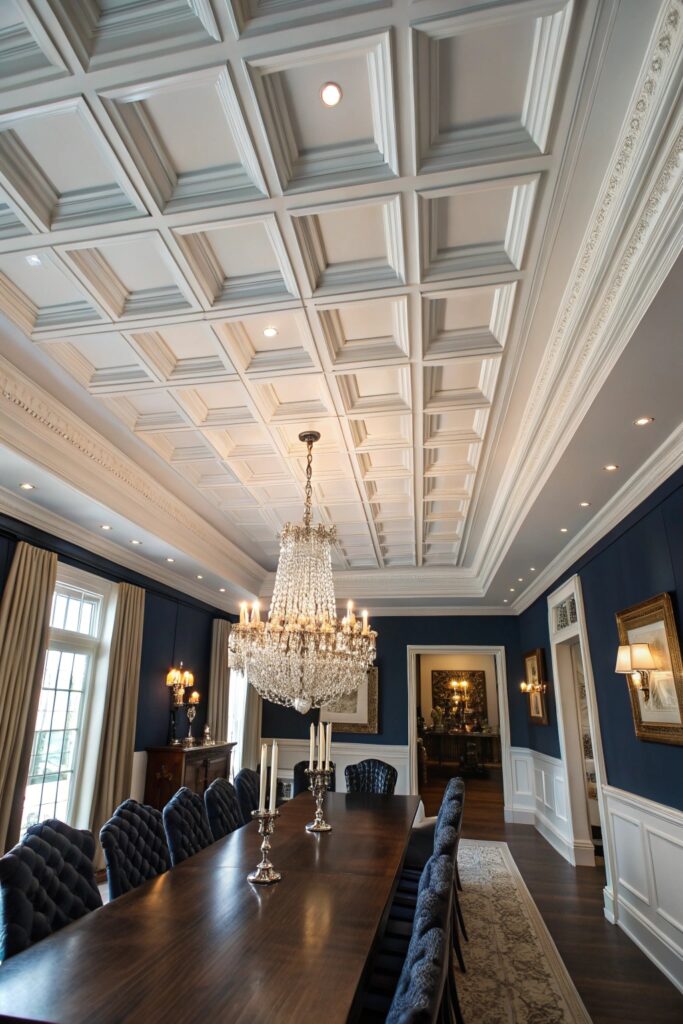
This adds depth and architectural interest through a grid of recessed panels, though it’s one of the more construction-intensive options on this list.
Get quotes from a contractor before committing to this option, since coffering is one of the more labor-intensive treatments on this list.
7. Tray Ceiling with Accent Color

A tray ceiling’s recessed center creates a natural spot for a contrasting paint color, adding dimension without needing a full room repaint.
Choose a color that complements the walls rather than matching them exactly, which lets the tray’s depth read as an intentional design choice.
8. Stenciled Ceiling

A intricate stenciled pattern adds detail at a fraction of wallpaper’s cost, though it does require more hands-on time to execute well.
Practice the stencil pattern on paper first, which helps you gauge spacing and alignment before committing to the actual ceiling.
9. Tongue and Groove Paneling
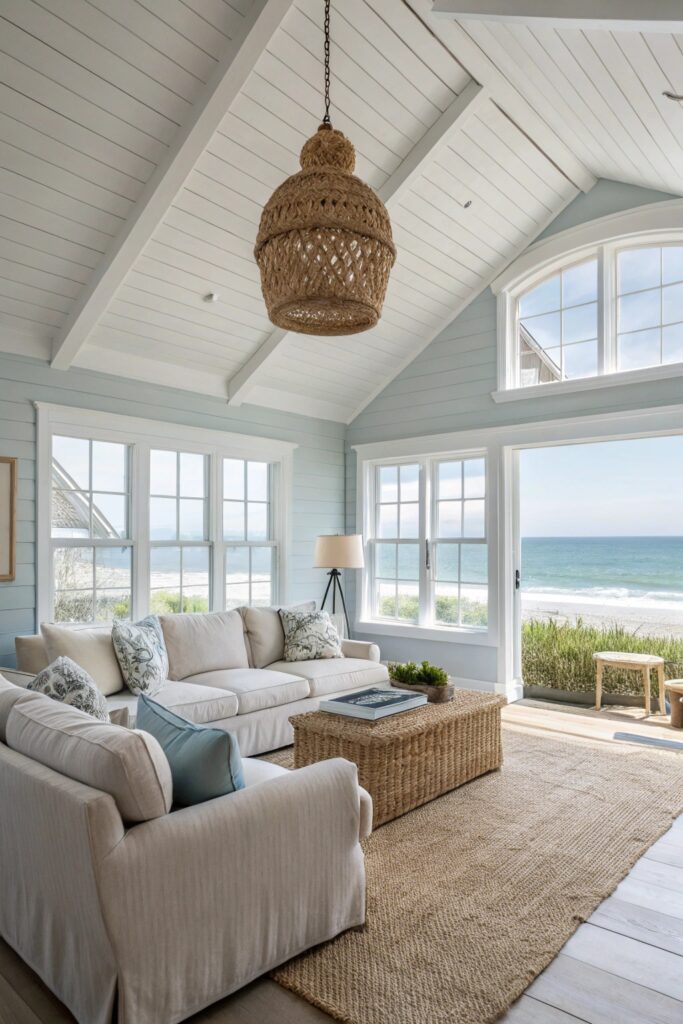
This creates a clean, finished look with visible seams that read as more intentional than a flat drywall ceiling.
Seal the wood well if installing in a bathroom or kitchen, since these spaces see more humidity than a typical living area.
10. Fabric Draped Ceiling
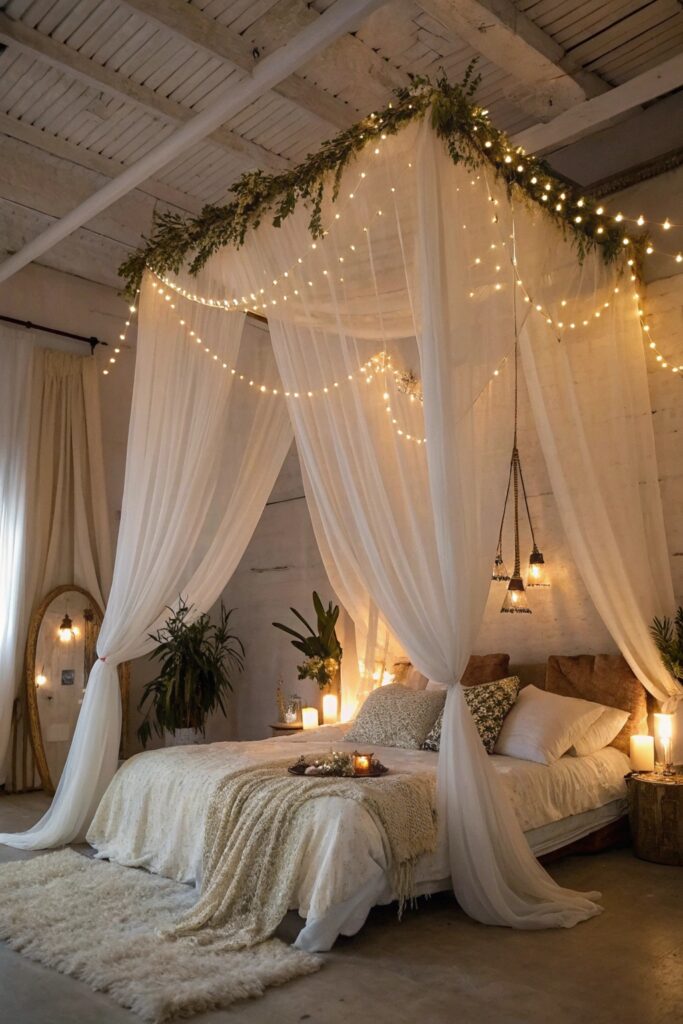
Genuine fabric draping softens a room and works especially well for a temporary installation, like an event space or a rental where permanent changes aren’t an option.
Choose fire-rated fabric specifically if code requires it in your area, which is worth confirming before installation regardless of the room’s use.
11. Mirrored Ceiling Panels
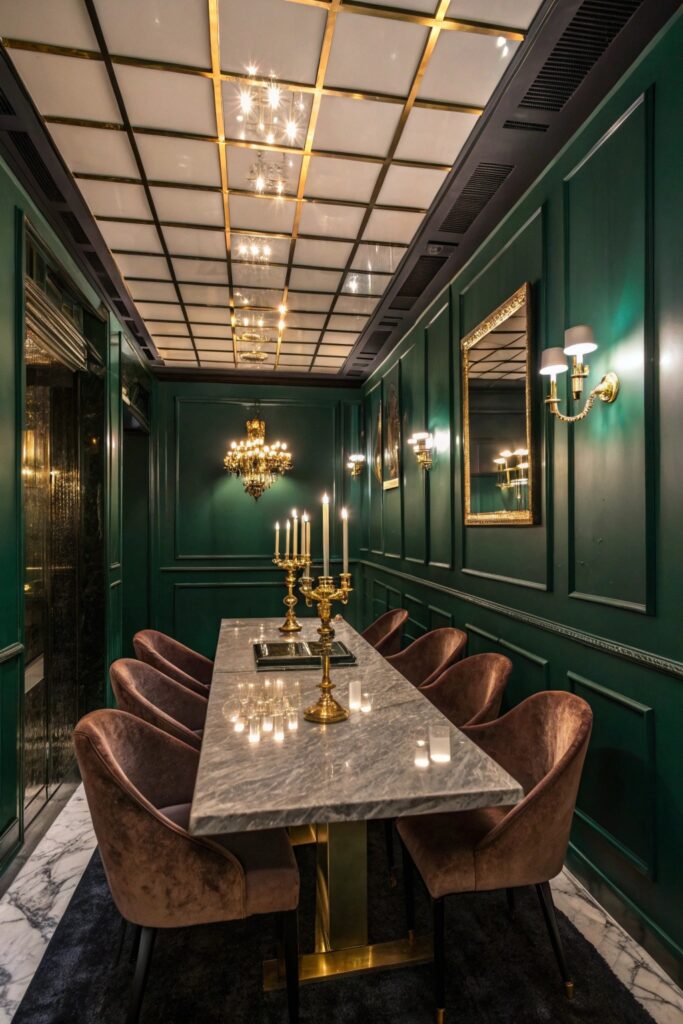
Mirror bounces light around a room, though it’s worth using this option selectively rather than across an entire ceiling, which can feel overwhelming.
Clean mirrored panels with a streak-free glass cleaner regularly, since dust and fingerprints show up more visibly overhead than at eye level.
12. Painted Geometric Patterns
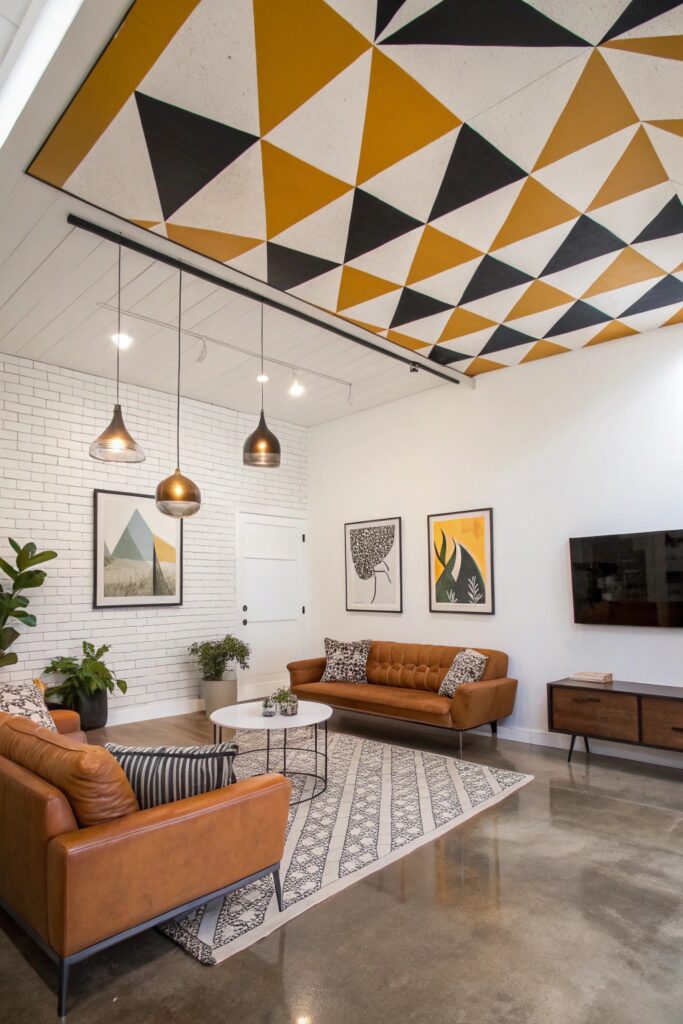
A bold geometric design works best in a room with clean, simple furniture, letting the ceiling be the space’s clear focal point.
Mark out the pattern with genuine painter’s tape before applying paint, which keeps the geometric lines crisp rather than freehand and uneven.
13. Dark Ceiling with Recessed Lighting
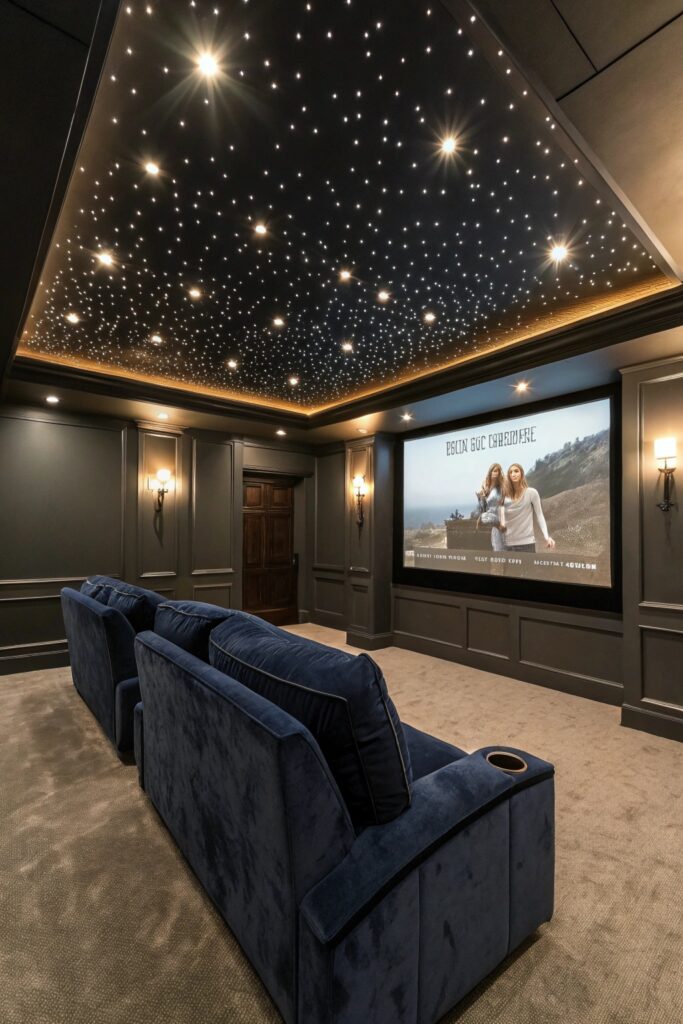
Recessed fixtures work better than a single overhead light in a dark ceiling, since they distribute light more evenly across the darker surface.
Choose warm-toned recessed bulbs specifically, which keeps a dark ceiling from feeling cold or overly dramatic once the lights are on.
14. Living Moss or Botanical Ceiling Installation
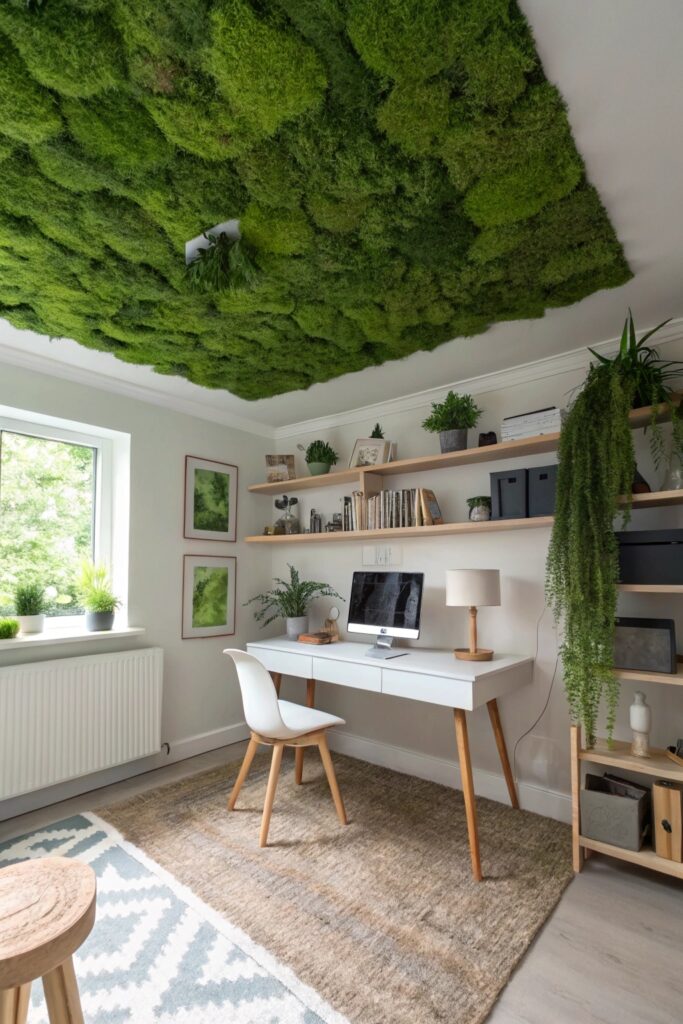
This niche option needs a controlled humidity environment to thrive, making it a better fit for a bathroom or sunroom than a typical living space.
Choosing the Right Room
A ceiling treatment has more impact in a room you spend real time in looking upward, like a bedroom or a formal dining room, than in a space people mostly pass through.
Rooms with simple, uncluttered walls and furniture tend to showcase a bold ceiling treatment better, since there’s less visual competition pulling attention away from the overhead detail.
What These Treatments Cost
Paint and simpler treatments like a stencil or tray accent color typically cost $100 to $500 depending on room size.
Structural options like beams, coffering, or wood planking run considerably higher, often $1,500 to $6,000 or more depending on materials and whether the work requires a contractor.
Get quotes from at least two contractors before committing to any structural change, since labor costs for ceiling work can vary considerably based on the room’s height, access, and the complexity of the specific treatment chosen.
Live with a smaller test, like a sample paint patch or a single stenciled section, before committing to the full ceiling, since it’s genuinely easier to judge whether a treatment works once you’ve seen it in your actual room’s lighting.
Take photos of the finished ceiling from a few different angles once complete, since this is a detail that’s easy to forget documenting compared to walls and furniture, but it’s worth having a record of the finished work.
Final Thoughts
Ceiling height and the room’s overall proportions determine which treatments will work best, since a technique that looks dramatic in a tall room can feel oppressive in a lower one. Structural options like beams, coffering, and heavier materials are worth confirming with a contractor before committing, since not every ceiling can support significant added weight.