
Vintage spring decor works by leaning into imperfection — a chip, a faded color, a mismatched set — rather than the crisp, uniform look most new decor aims for.
Below are 11 ways to bring that character into a room, with practical notes for each.
1. Bring in Ironstone and Ceramic Pitchers Filled with Wildflowers
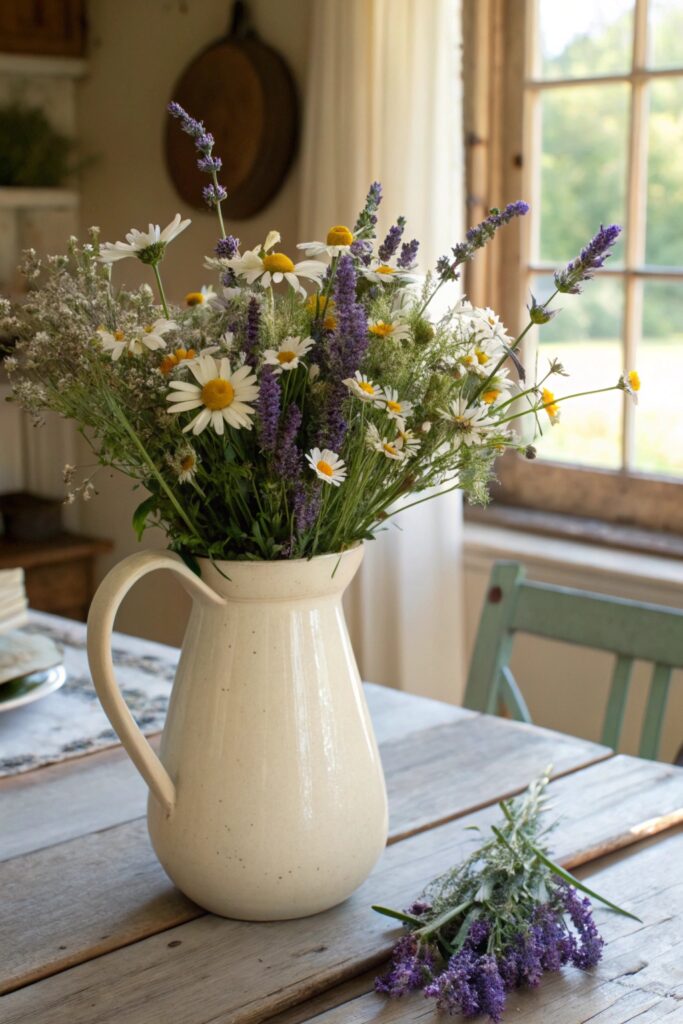
An old pitcher holding a loose bunch of stems looks considerably more collected than a purchased vase, especially if it has a bit of wear or a chip that shows its age.
Check flea markets and estate sales specifically, since these tend to have better prices and more genuine variety than antique shops that mark items up considerably.
2. Layer Vintage Quilts and Linen Throws Over Furniture
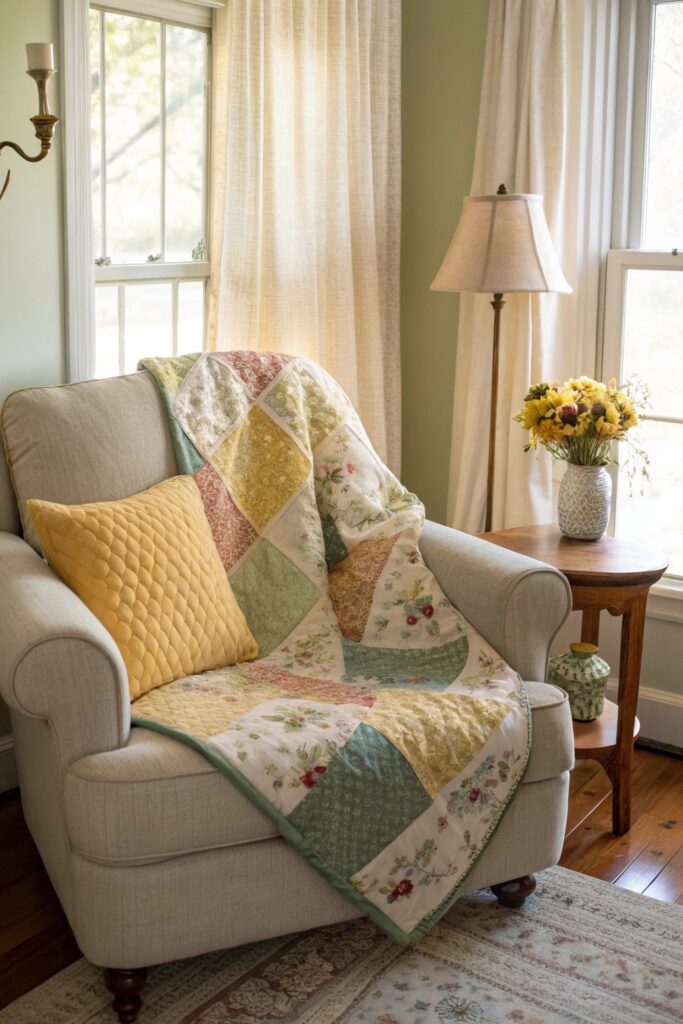
A quilt draped over the back of a chair or the foot of a bed adds pattern and history that a new throw simply can’t replicate, no matter how well it’s made.
Wash quilts gently by hand or on a delicate cycle, since older fabric can be more fragile than modern textiles and doesn’t always hold up to a standard wash.
3. Display Vintage Botanical Prints in Mismatched Frames
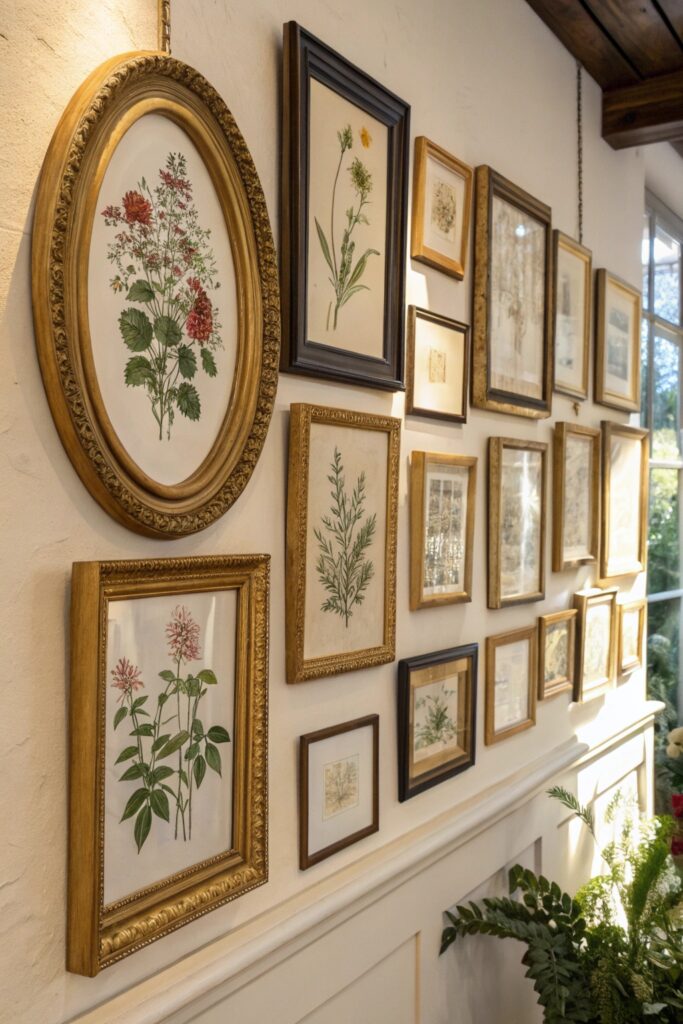
Old frames in different woods and finishes, hung together, feel more like a collection built over years than a set bought in one trip.
A quick coat of clear varnish over an old frame’s finish can stabilize it without erasing the character that makes it worth using in the first place.
4. Use Vintage Milk Glass Vases and Bowls as Centerpieces
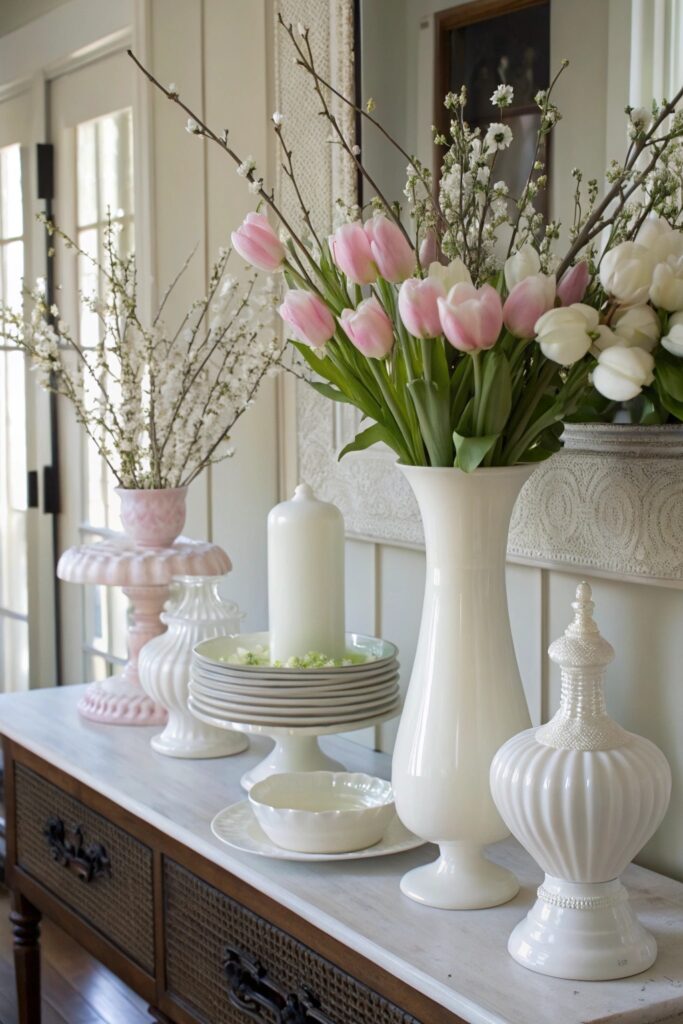
Milk glass has a soft, slightly imperfect quality that reads as genuinely old rather than styled to look that way, which is part of why it pairs so well with spring’s lighter palette.
Check for a maker’s mark on the base, which can help you confirm whether a piece is genuinely old or a more recent reproduction styled to look vintage.
5. Hang a Vintage Wreath Made of Dried Botanicals
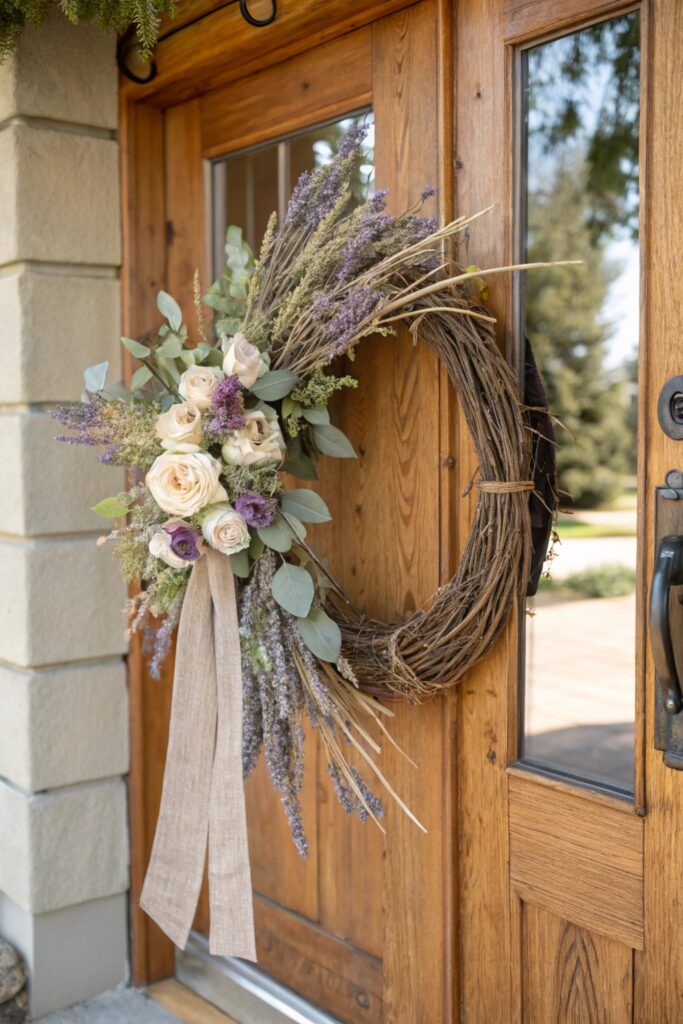
A dried wreath ages gracefully instead of wilting, and the muted tones it develops over time fit a vintage aesthetic better than a fresh, saturated arrangement would.
Store the wreath somewhere dry between seasons, since dried botanicals can develop mold if kept in a damp basement or garage.
6. Set Up a Vintage Tea Station with Mismatched China
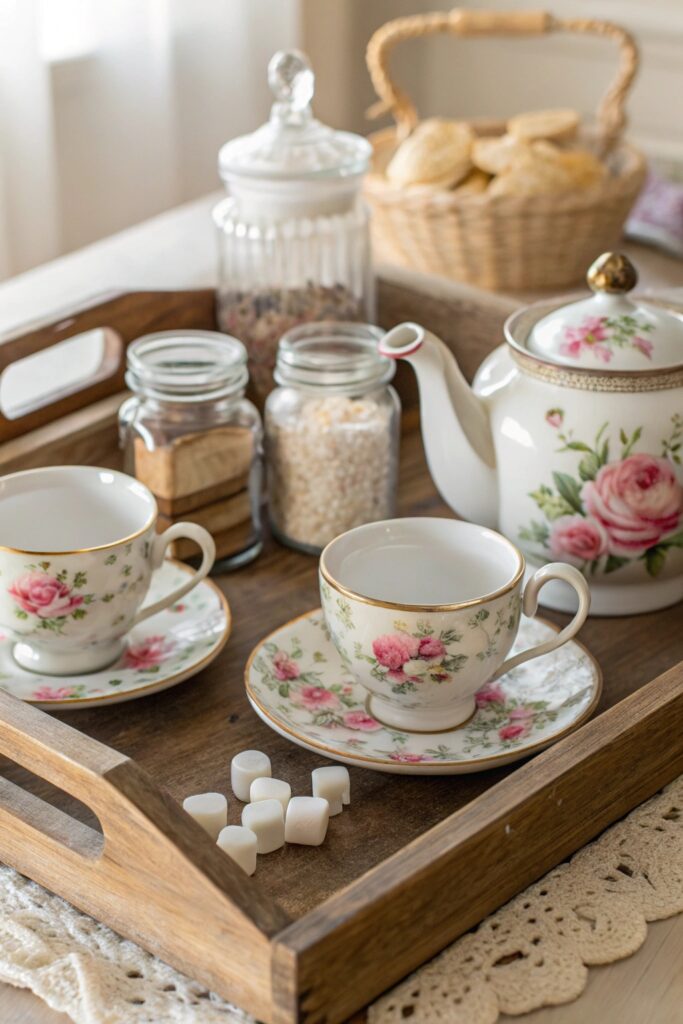
A collection of teacups and saucers that don’t match perfectly looks more like a family heirloom set than something purchased as a matched service.
A single mismatched cup and saucer works just as well as a full set if you’re starting small or don’t want to commit to a larger collection right away.
7. Add Vintage Wicker and Rattan Accents
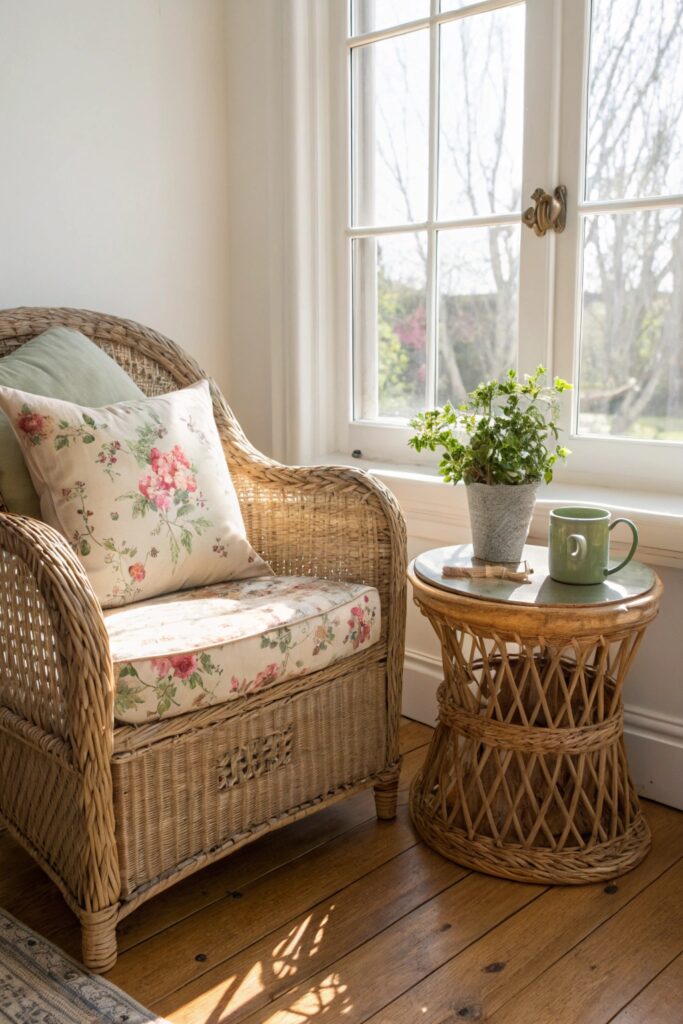
Older wicker develops a warmer, more honeyed tone over time that’s hard to fake with new pieces, making secondhand baskets and furniture genuinely worth seeking out.
Look specifically for pieces with a tighter, more detailed weave, which tends to be a sign of better original craftsmanship and holds up longer over time.
8. Use Antique Mason Jars and Apothecary Bottles as Vases
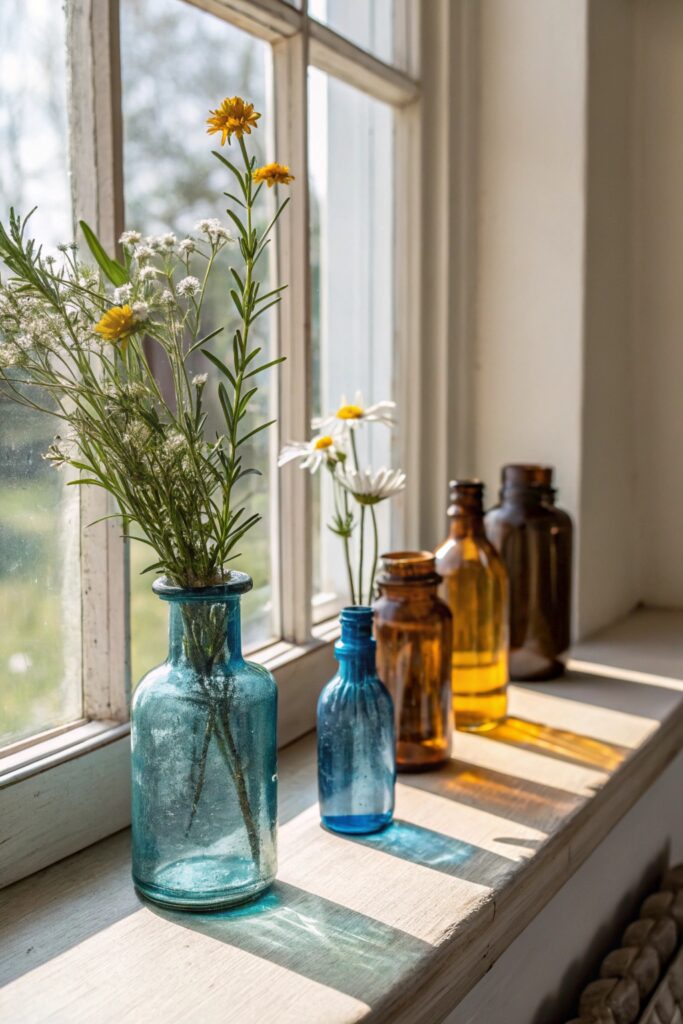
Old glass often has small bubbles or slight color variation that gives it away as genuinely vintage, which is part of the appeal compared to new reproduction jars.
A quick soak in warm water and a soft brush is usually enough to clean up an old jar without scrubbing away any of its natural character.
9. Style Your Mantle or Shelf with Vintage Spring Collectibles
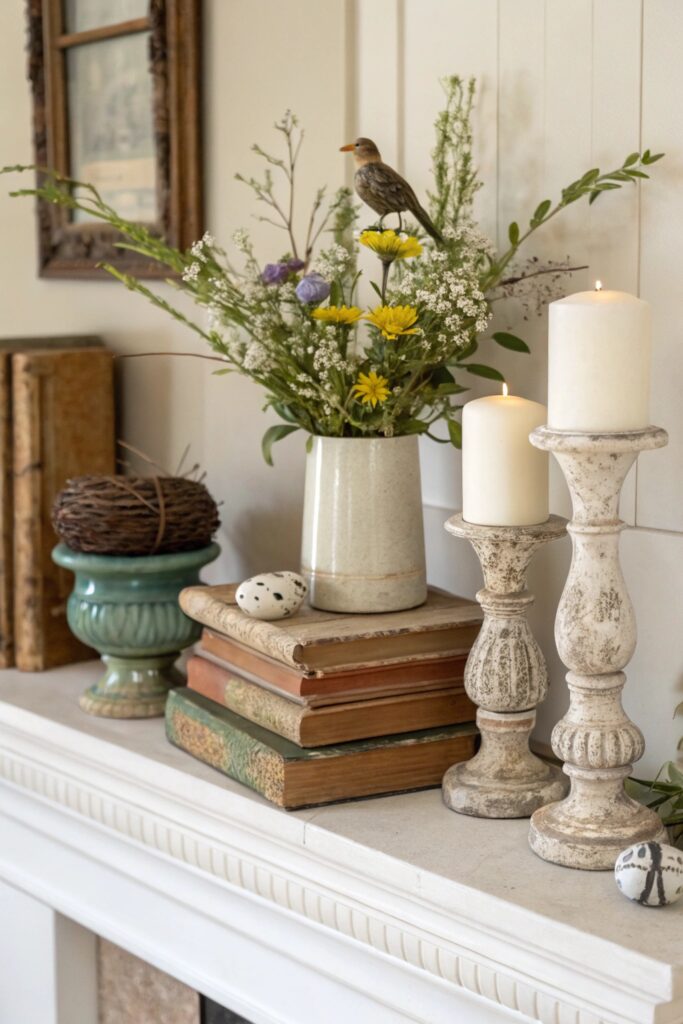
A few small figurines, tins, or trinkets from estate sales bring personality that’s difficult to achieve with anything bought new off a shelf.
Rotate a few pieces in and out every season rather than displaying everything at once, which keeps the display feeling fresh rather than static.
10. Incorporate Vintage Lace and Embroidered Textiles
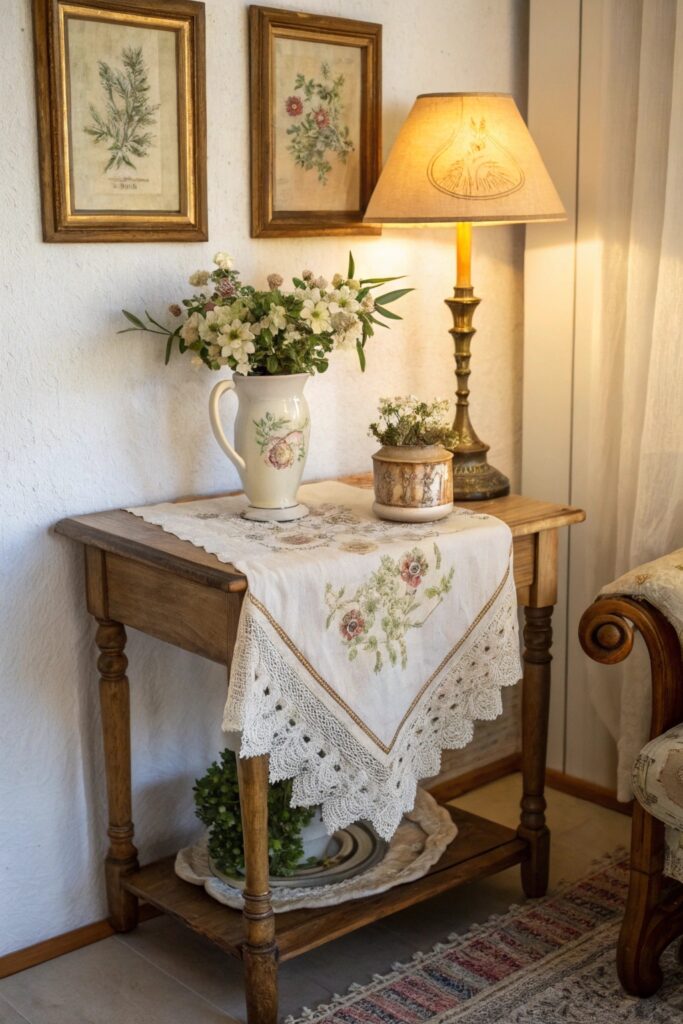
A lace runner or an embroidered napkin set adds delicate detail that instantly signals an older era, working well layered under a simpler modern piece.
Iron on a low, gentle setting or skip ironing altogether for delicate lace, since high heat can scorch or damage older fibers.
11. Bring the Garden Indoors with Vintage Terracotta and Clay Pots
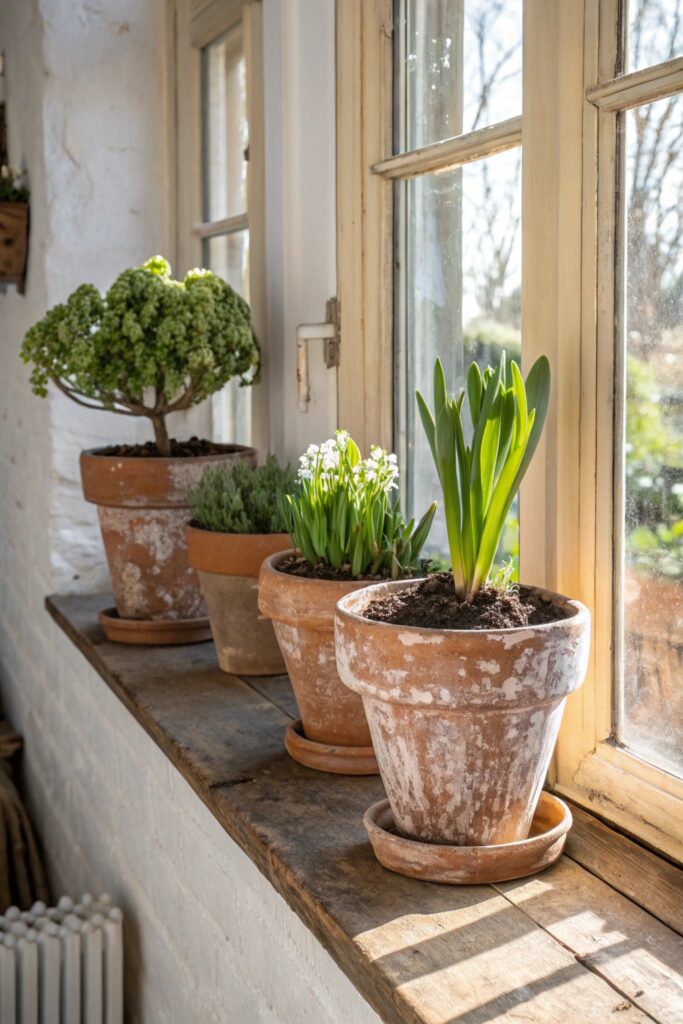
Weathered terracotta with visible mineral staining looks like it’s actually been used for years of gardening, which new pots take a long time to develop naturally.
Mixing Old and New Without It Looking Staged
A room made entirely of vintage pieces can start to feel like a museum rather than a home. Pairing a few genuinely old items with simpler, modern furniture usually reads better than going all-in on one era.
A good rule of thumb: let one or two vintage pieces be the focal point of a room, and keep everything else quiet enough that they can actually stand out.
Where to Actually Find These Pieces
Estate sales tend to have the best prices since sellers are often motivated to clear out a home quickly, though the selection is less predictable than a shop.
Online marketplaces work well if you’re searching for something specific, while local antique malls let you browse in person and check condition before buying.
Prices for genuinely vintage pieces vary widely, but most of what’s covered here can be found for under $30 a piece if you’re patient and check a few different sources rather than buying the first thing you see.
Give any piece a genuine once-over before buying — check for cracks, structural wobble, or musty odors that soap and water won’t fix. A bit of visible age is part of the charm, but a piece that’s actually falling apart isn’t worth bringing home.
Bargaining is usually welcome at estate sales and flea markets, especially later in the day or on the last day of a sale, so it’s worth asking if the price has any flexibility before walking away from something you like.
Conclusion
Estate sales, flea markets, and secondhand shops are worth checking regularly rather than all at once, since the best vintage pieces tend to show up unpredictably. A collection built slowly over time also tends to look more authentic than one assembled in a single weekend of shopping.