
The chaotic room aesthetic embraces genuine visual density and deliberate mismatch as the point, rather than something to edit down — a reaction against minimalism that treats a fuller, more layered room as authentically expressive rather than disorganized.
Below are 11 ways to build this look, with practical notes for each.
1. Maximalist Gallery Wall
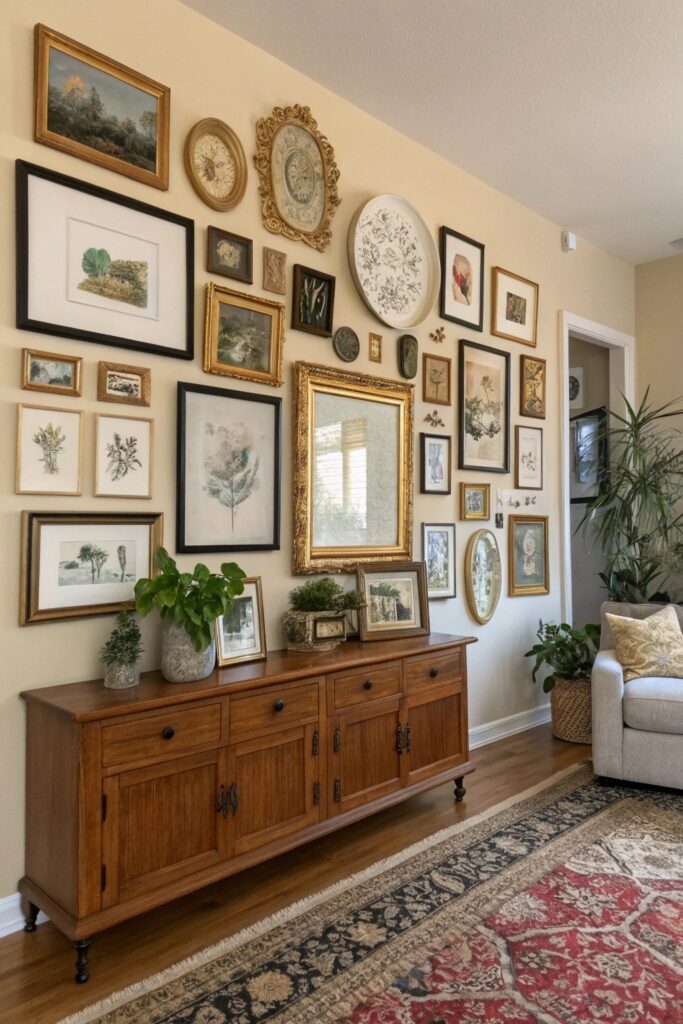
A genuinely dense wall of mismatched art, photos, and objects, covering nearly the full wall rather than leaving open space, is central to this aesthetic’s deliberately packed, layered look.
Plan the full layout on the floor before hanging anything, which lets you adjust the density and spacing without repeatedly patching nail holes as you experiment.
2. Eclectic Furniture Mix
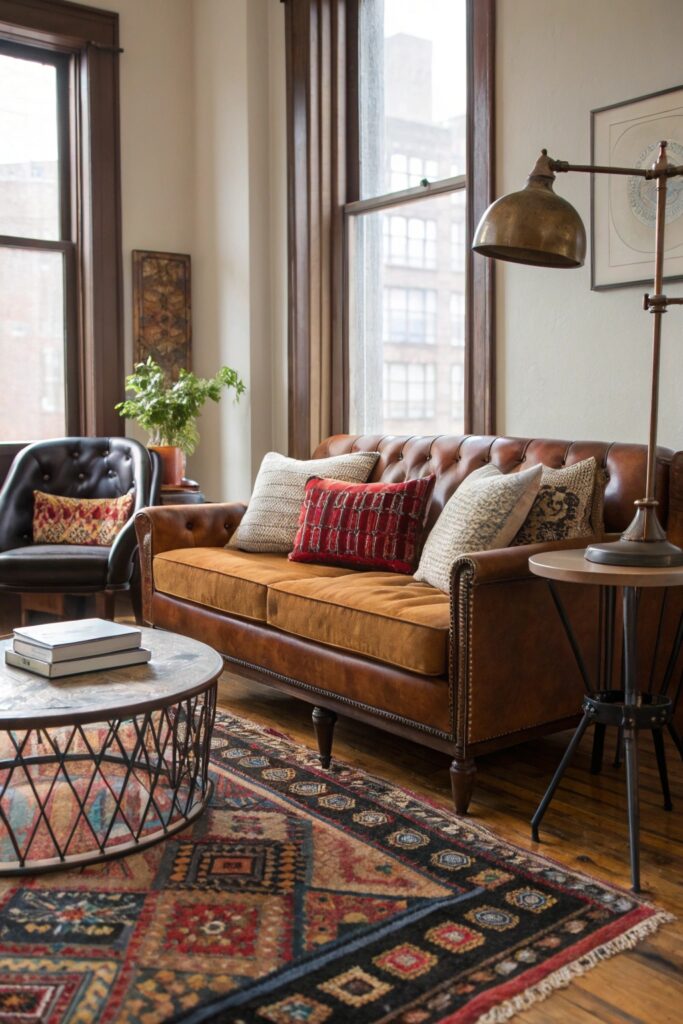
Furniture pulled from genuinely different eras and styles, rather than a matched set, reinforces the sense that the room evolved organically over time rather than being purchased all at once.
Choose pieces that share at least one element (a similar wood tone, a common era) even while differing in style, which keeps the mix feeling intentional rather than genuinely random.
3. Collected Shelf Chaos
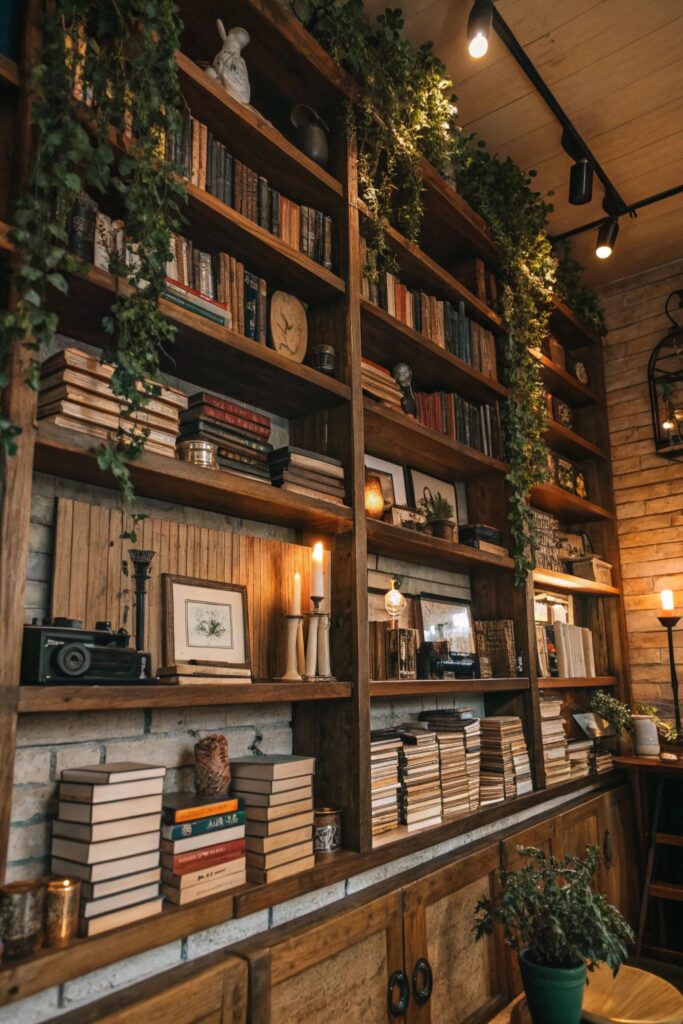
Shelves genuinely filled to capacity with books, objects, and collected items — deliberately avoiding the negative space typical styling advice recommends — is a defining feature of this specific look.
A recurring color or material across the shelf’s objects, even a subtle one, keeps this density from tipping into feeling disorganized rather than deliberately full.
4. Pattern-on-Pattern Bedding
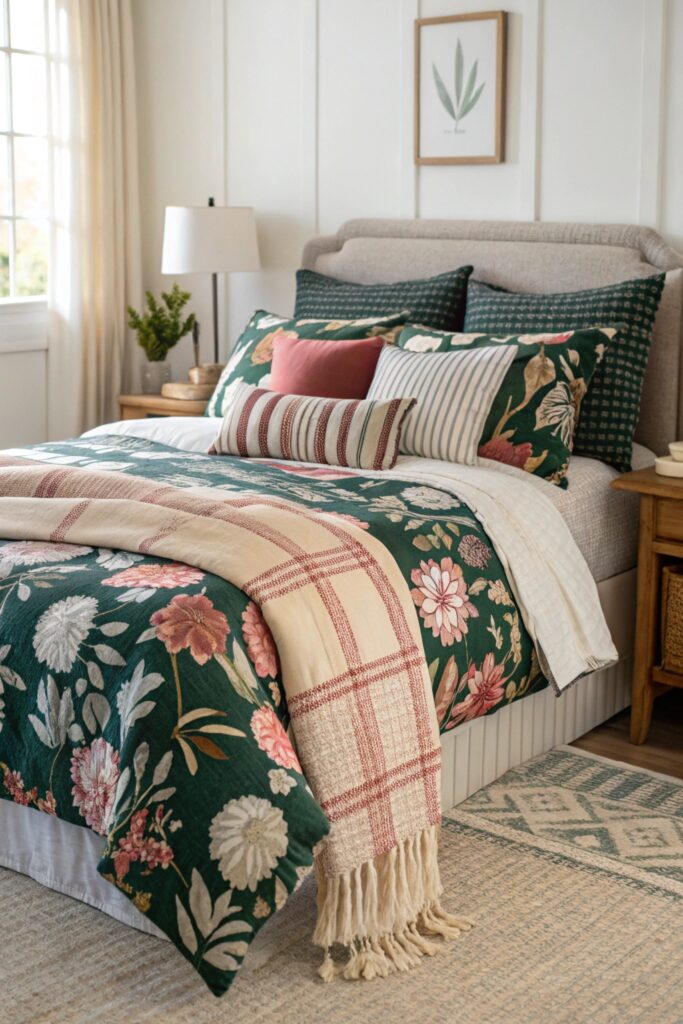
Layering multiple patterned textiles on a bed without a single unifying print creates genuine visual density that’s core to this aesthetic’s overall approach to textiles.
Choose textiles within a shared color family even as patterns vary, which is the detail that keeps heavily layered bedding reading as considered rather than mismatched by accident.
5. Vintage and Modern Clash
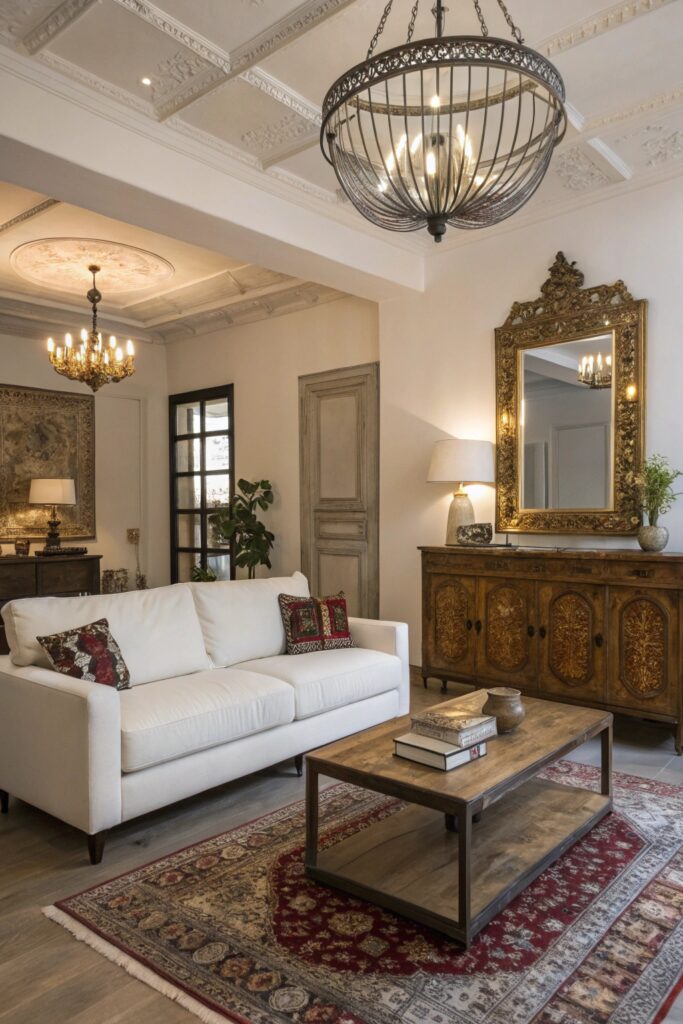
Placing a genuinely modern piece next to something clearly vintage or antique creates intentional visual tension that this aesthetic embraces rather than smooths over.
This pairing works especially well when the two pieces share a similar scale or proportion, which prevents one from visually overwhelming the other despite their stylistic difference.
6. Plant Overload Room
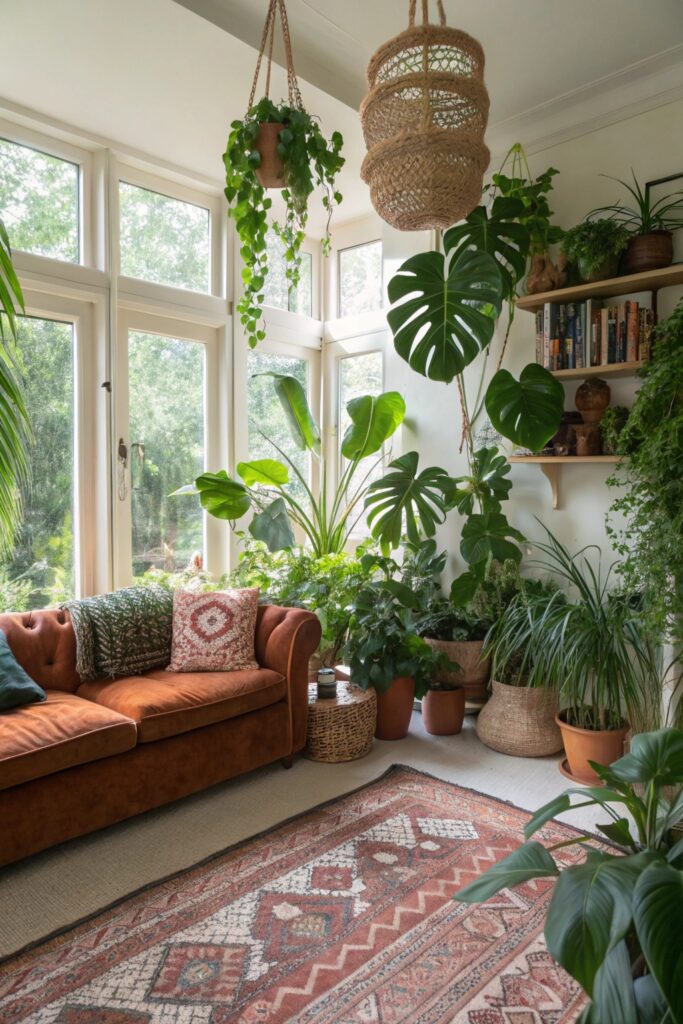
A genuinely large plant collection, filling shelves, corners, and hanging space throughout the room, extends the aesthetic’s overall density into living, organic elements.
Choose plants in a range of pot styles and sizes specifically, which extends the room’s overall variety down to the greenery rather than treating plants as a uniform addition.
7. Layered Rug Situation
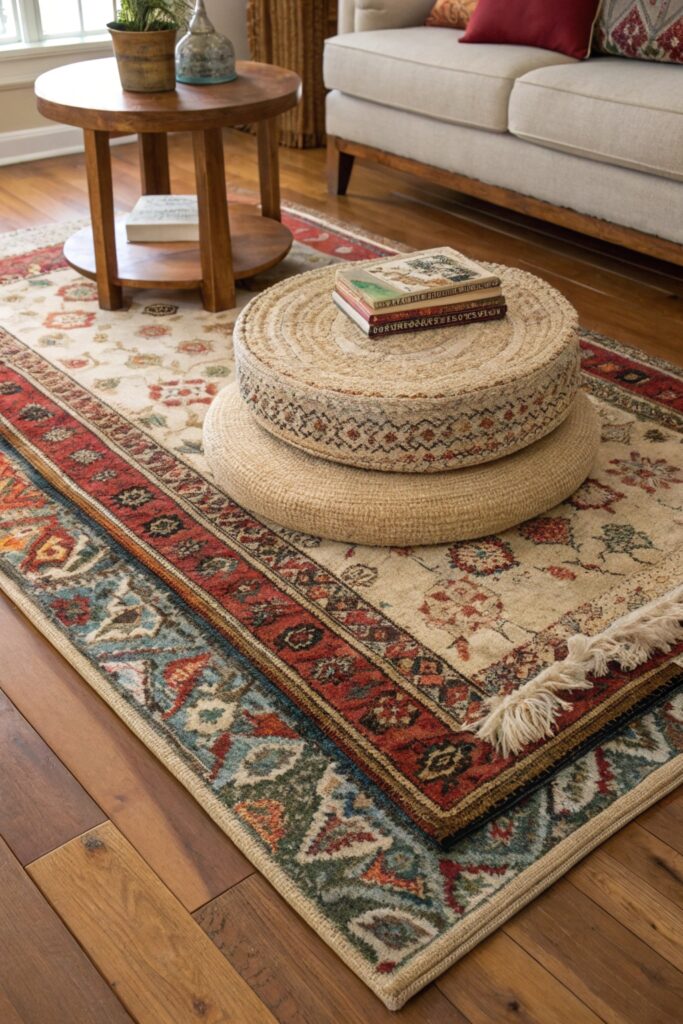
Overlapping multiple rugs in different patterns and sizes, rather than a single floor covering, adds genuine textural and visual layering at floor level.
Keep the rugs within a shared color palette even as patterns differ, which is what prevents a layered rug arrangement from feeling chaotic in the negative sense.
8. Maximalist Color Blocking
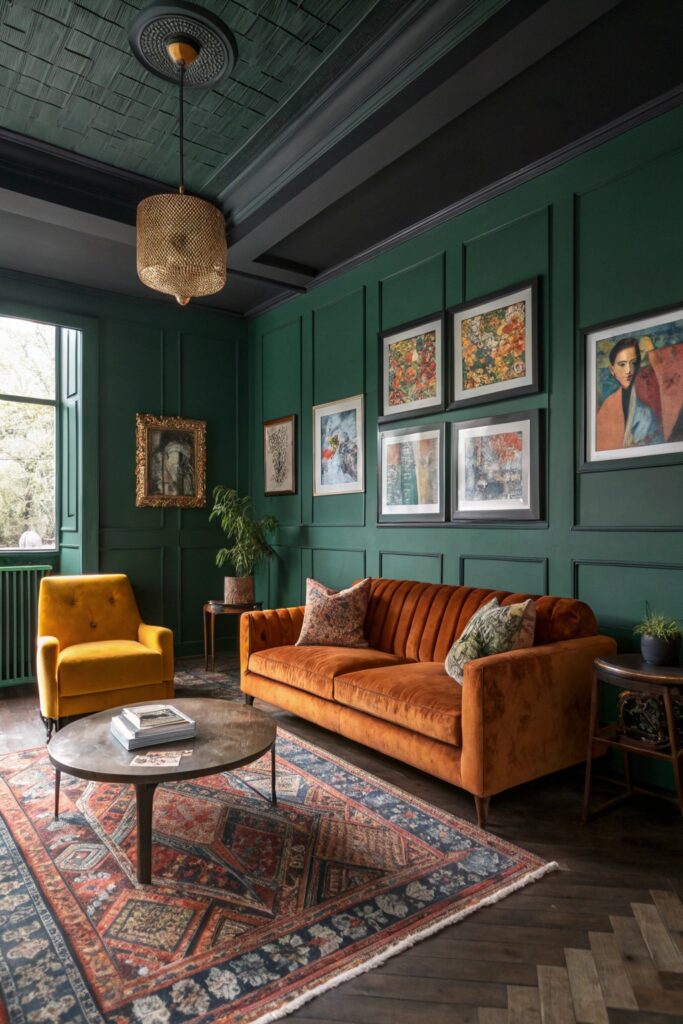
Using several genuinely saturated colors across different zones of a room, rather than a coordinated palette, is a bolder approach than most color schemes typically recommend.
Choose colors that share at least a similar saturation level across the different zones, which keeps bold color blocking feeling cohesive rather than visually competing.
9. Thrifted and Mismatched Dining Chairs
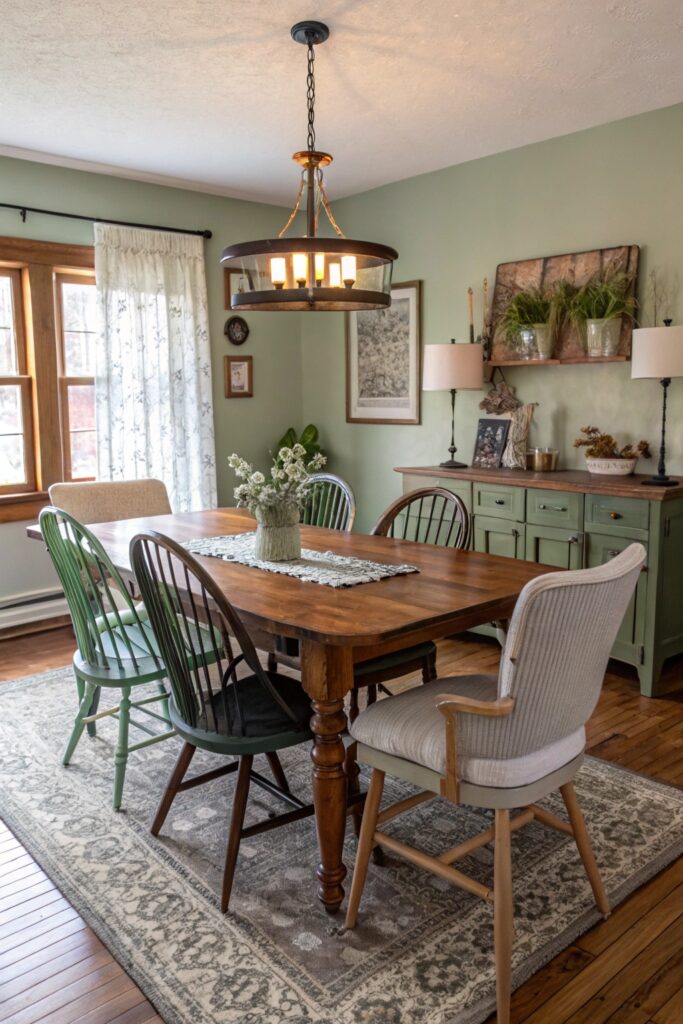
A dining set with genuinely different chairs around the same table extends this aesthetic’s core philosophy — visible variety over uniformity — into a functional furniture piece.
Unify the different chairs with a shared paint color or cushion fabric if the mismatch feels too extreme initially, which offers a middle ground between fully matched and fully varied.
10. Organized Chaos Desk Setup
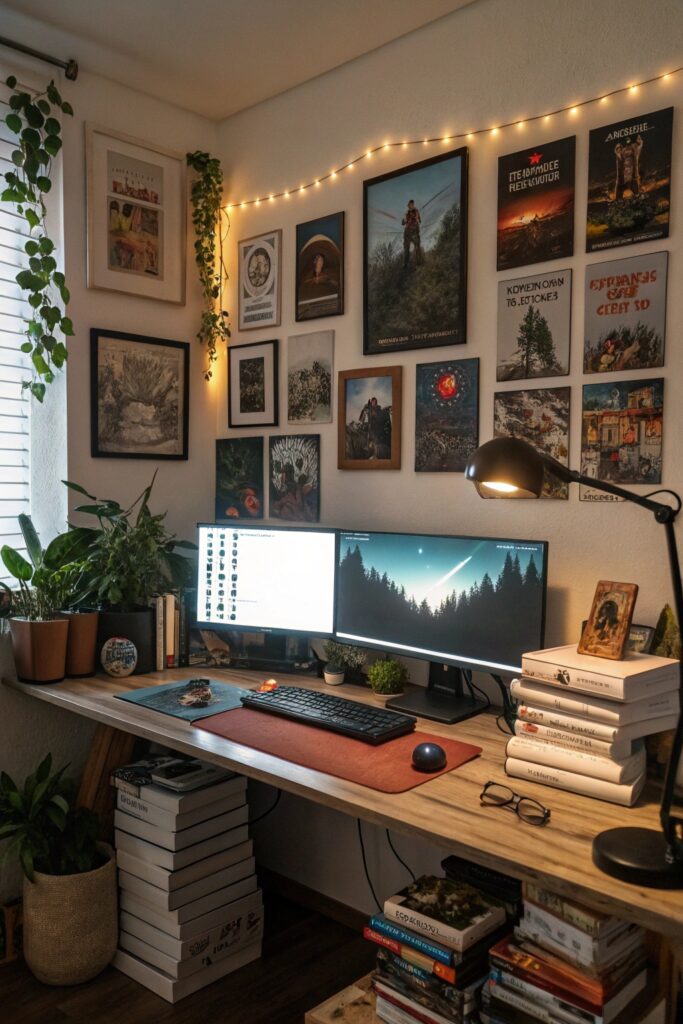
A desk covered in genuinely visible supplies, papers, and personal objects, arranged with some underlying logic even if it doesn’t look tidy at a glance, captures this aesthetic’s specific balance between mess and function.
11. Dark Academia Clutter Aesthetic
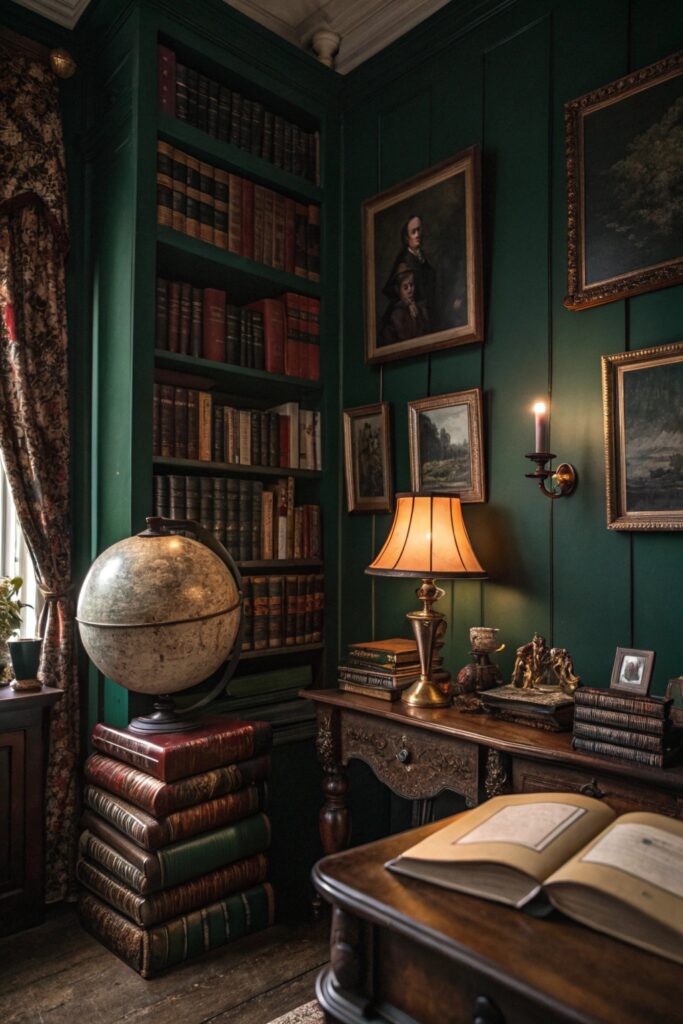
Stacks of books, vintage objects, and layered textiles in a moody, warm-toned palette combine this broader chaotic aesthetic with dark academia’s specific scholarly, collected sensibility.
Organized Chaos: The Underlying Discipline
Despite the name, this aesthetic genuinely depends on an underlying organizing logic — even a subtle one — to keep the density from tipping into a space that just reads as messy rather than deliberately curated.
A recurring color palette, a consistent material family, or simply keeping items grouped by genuine category within the visible clutter are all ways to maintain this thread, and it’s the detail that separates an authentically styled chaotic room from one that’s simply accumulated items without any consideration at all.
Building the Room Gradually
This aesthetic genuinely benefits from being built up over months or years rather than assembled all at once, since its authentic, collected quality comes specifically from pieces gathered gradually — thrifted finds, gifts, travel purchases — rather than a themed set purchased together in a single shopping trip.
Starting with a few foundational pieces and layering in more over time also gives you genuine room to notice which combinations actually work in your specific space, rather than committing to a fully finished look before living with it for a while.
Secondhand and thrifted sources are worth prioritizing throughout, since this aesthetic genuinely rewards pieces with visible history and character over uniformly new, matched furniture.
Conclusion
Genuine variety in furniture and objects matters more than any single decorative choice, since this aesthetic depends on visible mismatch reading as intentional rather than accidental. A loose organizing thread — even something as simple as a recurring color or material — still helps the density feel considered rather than genuinely chaotic in the negative sense.