
A kitchen often accumulates decor and items gradually over years, and removing what’s genuinely stopped serving a function or aesthetic purpose does more to refresh the space than adding anything new.
Below are 10 categories worth reconsidering, with practical notes for each.
1. The Overloaded Countertop Appliance Collection
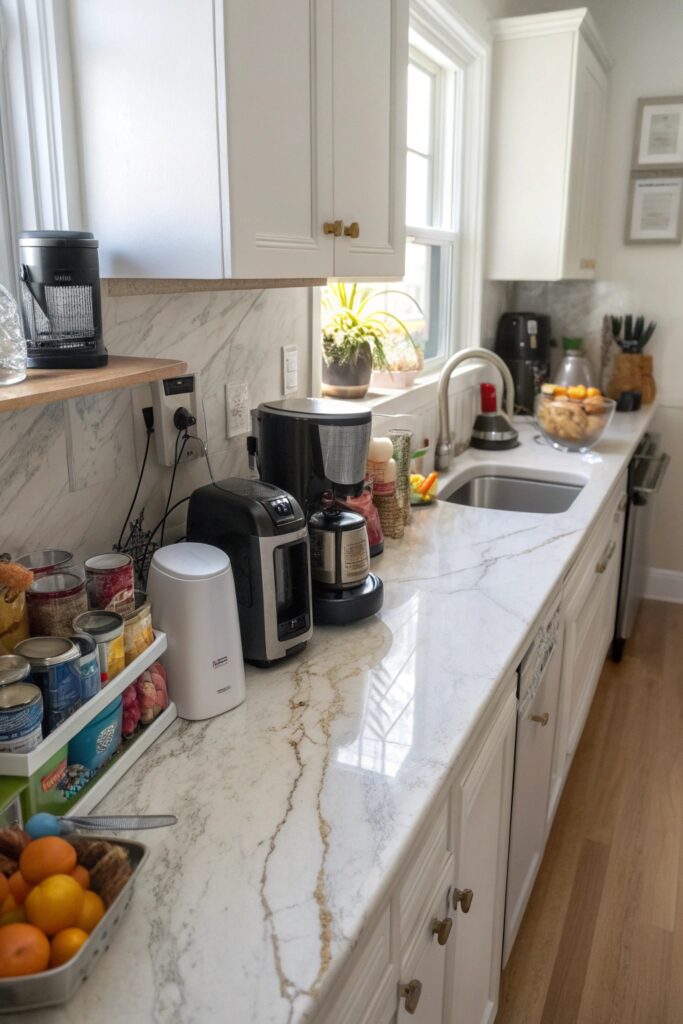
Small appliances used only occasionally (a bread maker, a panini press, a specialty gadget) take up genuine daily counter space for infrequent use, and moving them to a cabinet or pantry recovers that footprint for actual daily cooking.
Keep only the appliances you use at least weekly on the counter itself, storing everything else in a cabinet where it’s still accessible but not occupying prime daily workspace.
2. Decorative Rooster and Farm Animal Collections
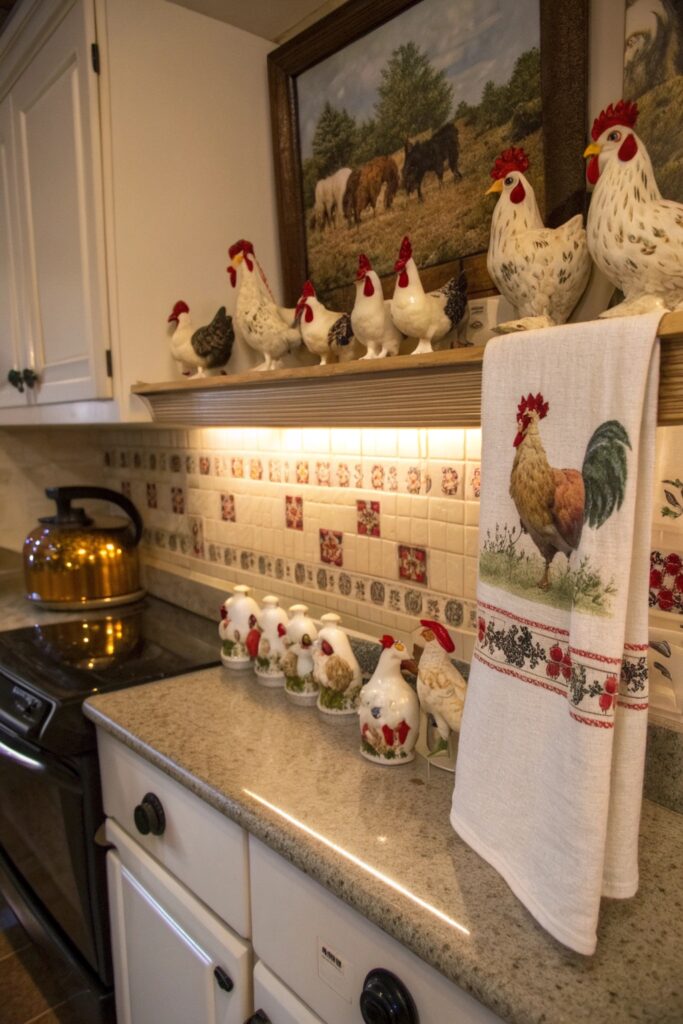
A themed collection that’s expanded well beyond its original one or two pieces often reads as dated rather than charming, and paring back to just a favorite piece or two genuinely refreshes a kitchen’s overall look.
This doesn’t mean eliminating all personality-driven decor, just recognizing when a specific theme has accumulated past the point of feeling curated.
3. Expired or Decorative-Only Spice Racks
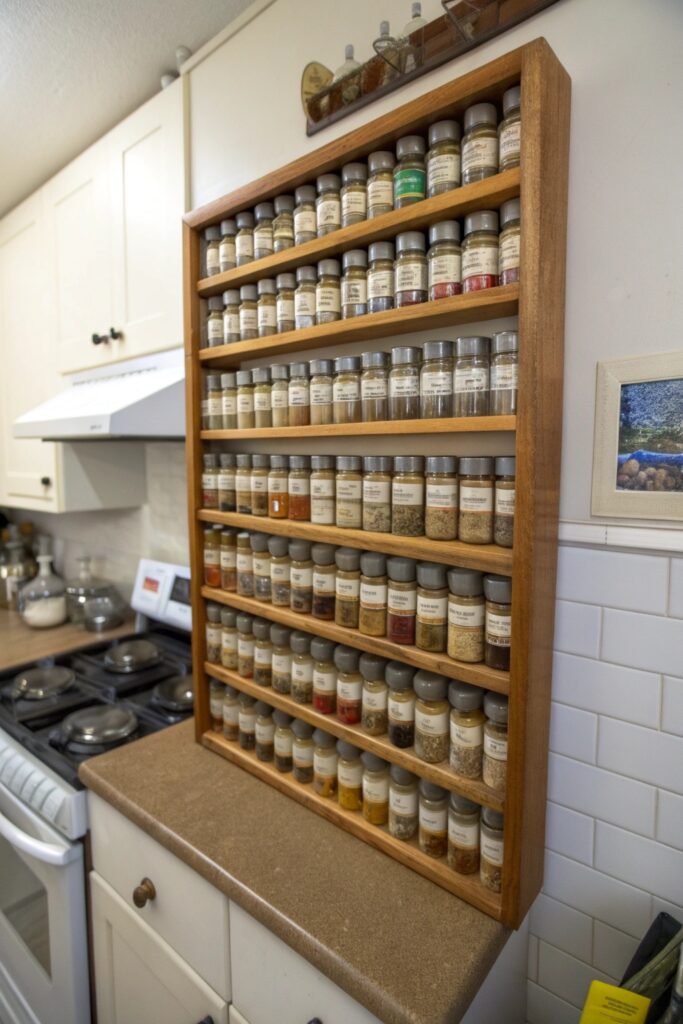
Spices genuinely lose potency after 1-2 years, and a decorative rack filled with expired jars serves no actual cooking function while still occupying counter or wall space.
Check expiration dates during a kitchen refresh and replace only the spices you actually use regularly, rather than keeping a full decorative set that isn’t functionally useful.
4. The “Inspirational” Word Signs
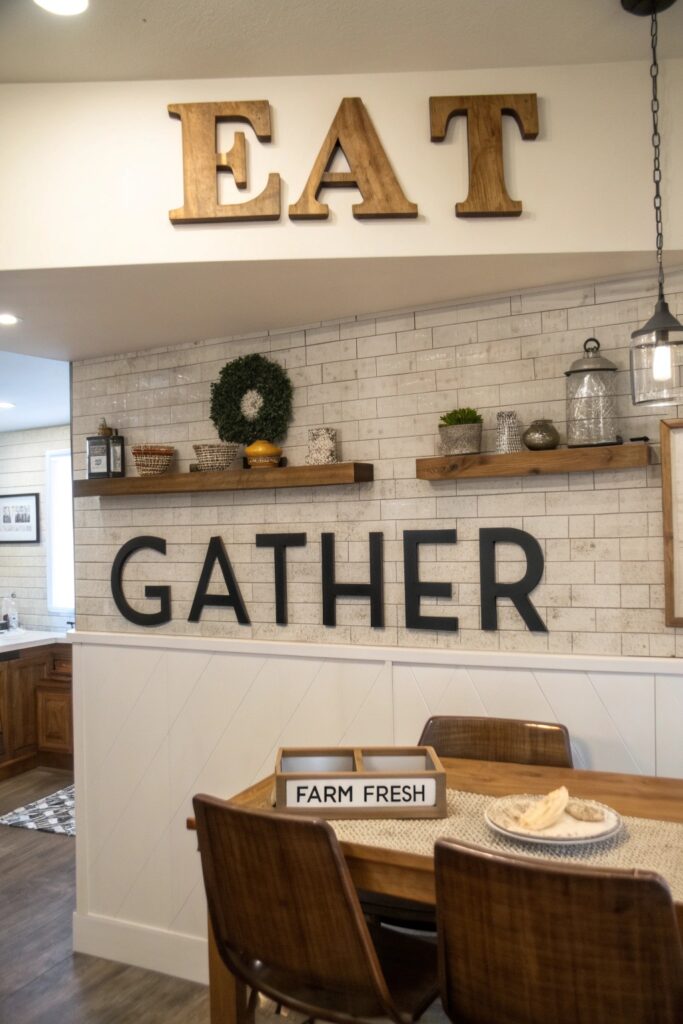
Multiple decorative signs with kitchen-related phrases, once a popular trend, can accumulate into visual clutter when there are more than one or two in a single space.
Keeping a single meaningful piece rather than a full collection lets that piece actually stand out, rather than becoming visual noise among several similar items.
5. Mismatched or Excessive Refrigerator Magnets
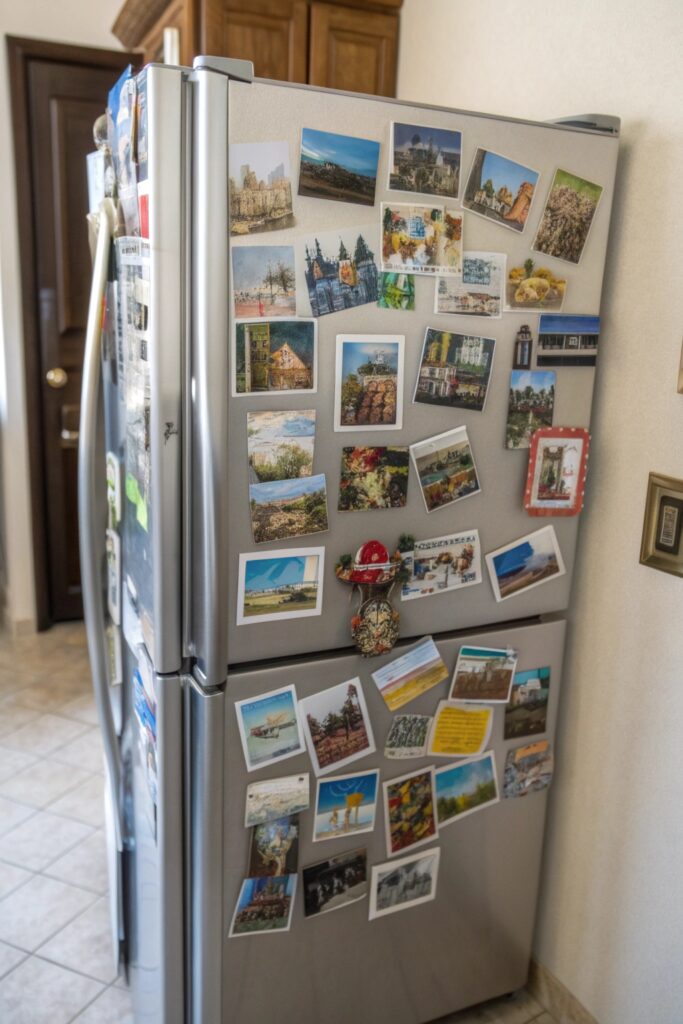
A fridge covered in magnets from every vacation, restaurant, and school fundraiser reads as cluttered regardless of how meaningful each individual magnet is.
Consider keeping a curated handful of genuinely meaningful magnets and photos, storing the rest in a memory box rather than displaying everything at once indefinitely.
6. Plastic Fruit and Vegetable Decorations
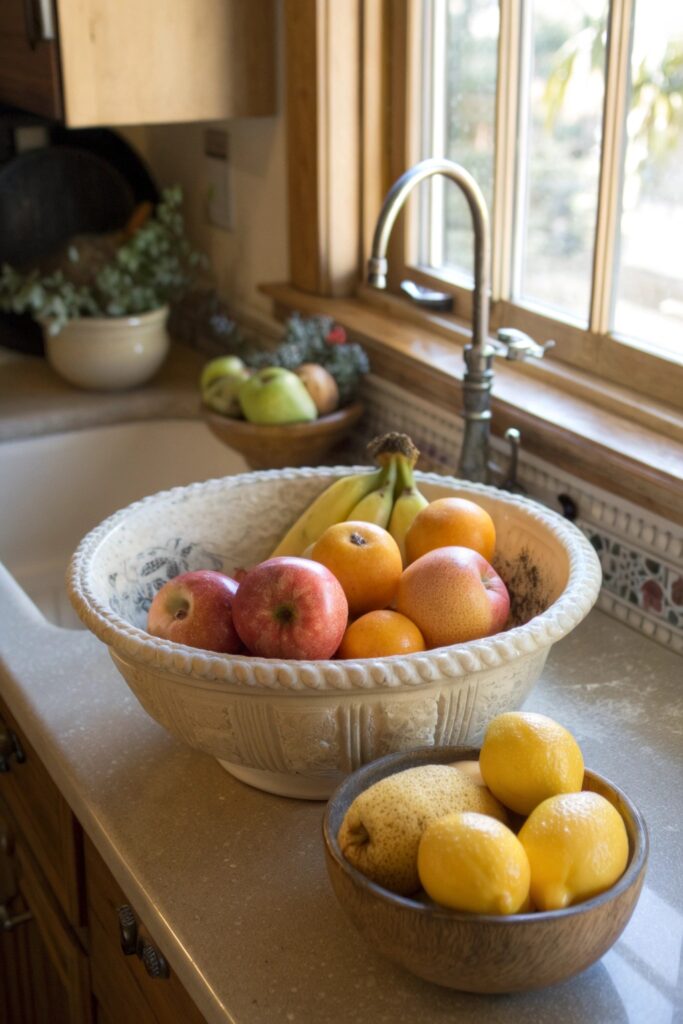
Decorative plastic produce, once a common styling choice, tends to read as dated and slightly artificial-looking compared to current kitchen styling trends.
A bowl of real or genuinely high-quality faux fruit serves the same decorative function with a considerably more current, natural look.
7. Excessive Decorative Dish Towels
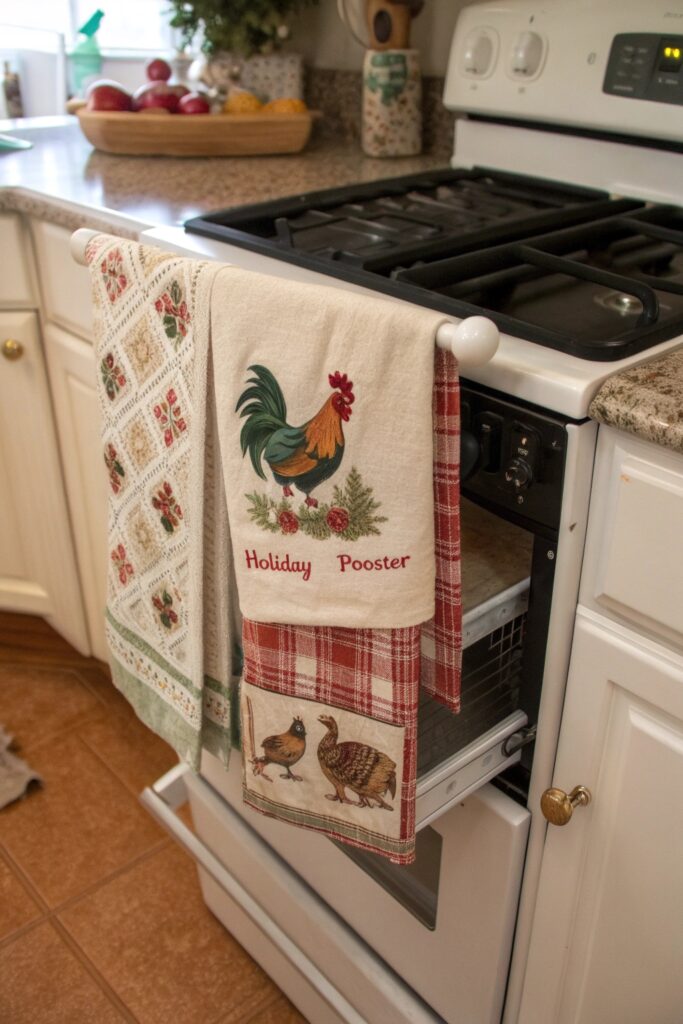
A large collection of seasonal or novelty dish towels, if most are rarely actually used for drying dishes, take up drawer space that could hold genuinely functional daily-use items.
Keep a rotating set of a few towels you actually use, storing decorative or seasonal ones separately and swapping them in occasionally rather than keeping the full collection accessible at once.
8. Cluttered Open Shelf Styling
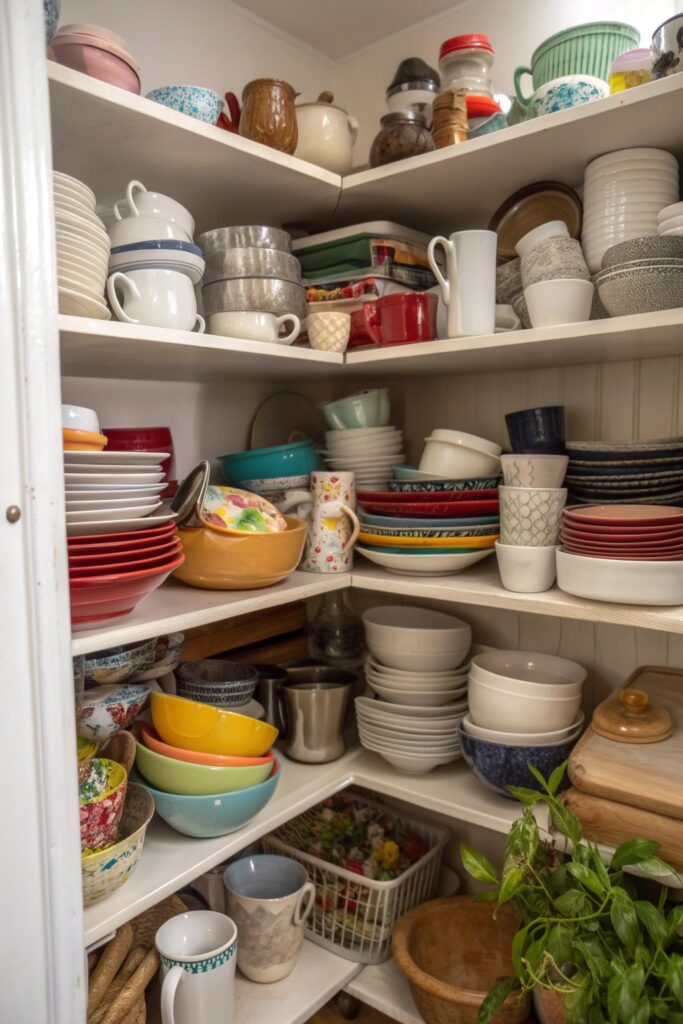
Open shelving that’s been allowed to fill with every dish and object rather than a curated selection undermines the entire point of open shelving as a styling choice.
Editing down to fewer, more considered items with genuine negative space between them reads as considerably more intentional than a fully packed shelf.
9. The Paper and Mail Accumulation Zone
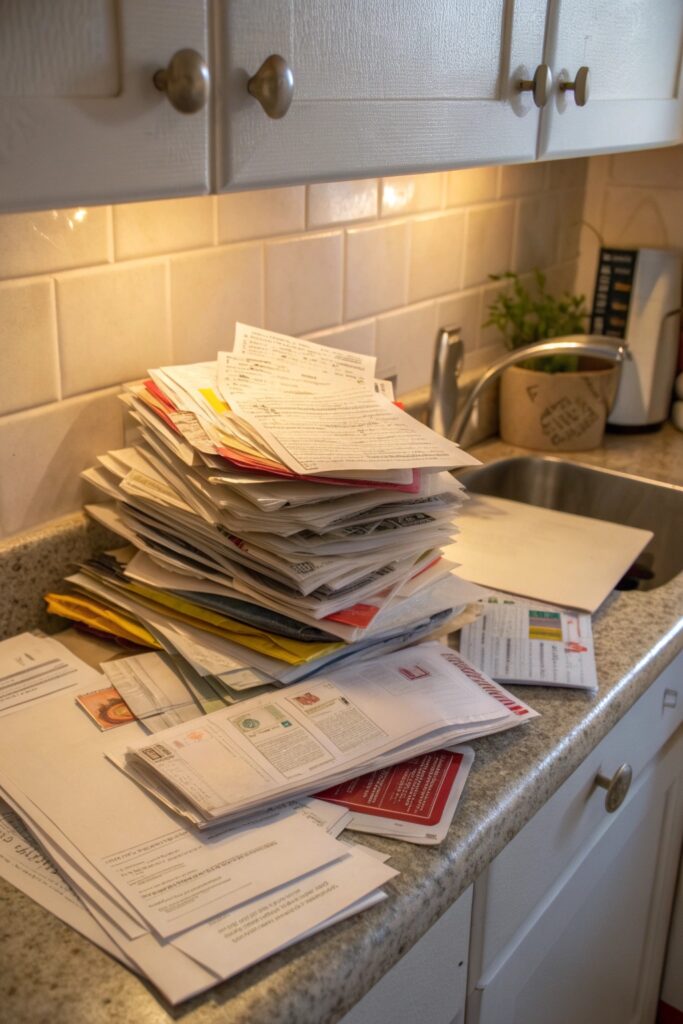
Nearly every kitchen has a spot where mail, papers, and miscellaneous items pile up, and this genuine clutter zone undercuts any other styling effort in the room regardless of how nice everything else looks.
A dedicated small tray or basket with a regular clearing habit (weekly, at minimum) prevents this accumulation from becoming a permanent visual problem.
10. Collections of Novelty Mugs and Cups
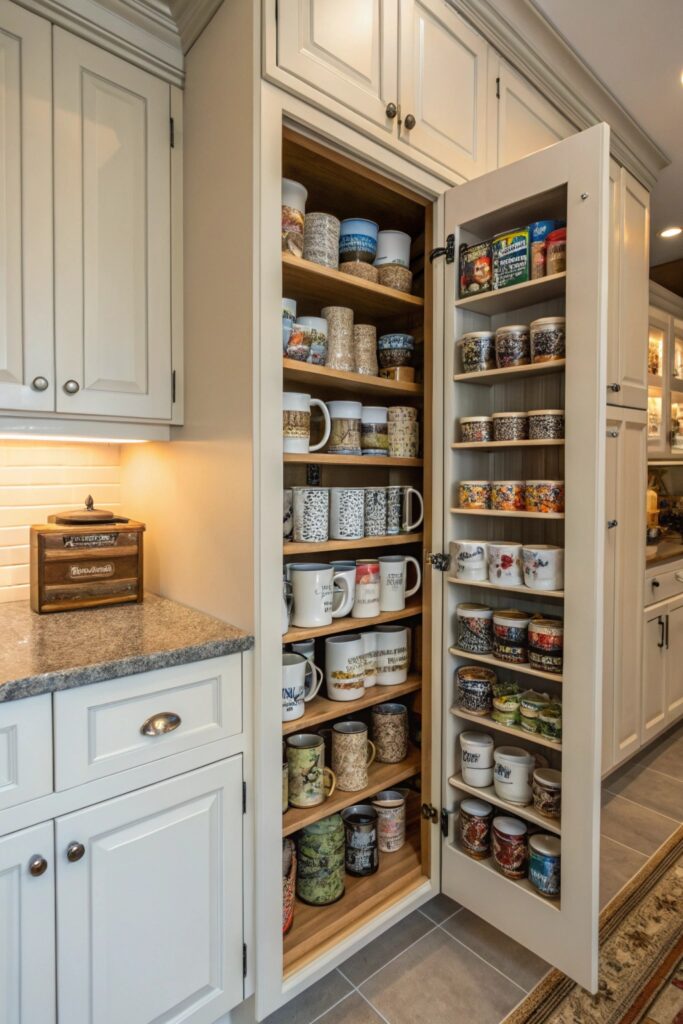
A large mug collection, especially one with mismatched novelty or promotional mugs, takes up genuine cabinet space that could hold everyday dishware more efficiently.
Keep a functional set of your favorite mugs and donate or repurpose the rest, which recovers real cabinet space without losing the pieces you actually reach for.
How to Approach This Without Overwhelm
Tackling all ten categories in a single session can feel like a lot, so it’s worth picking just two or three that genuinely apply to your specific kitchen first, rather than treating this as an all-or-nothing project that needs to happen at once.
A useful approach is doing one category per week over a couple of months — the overloaded counter this week, the fridge magnets next week — which keeps the process manageable and gives you time to actually notice whether removing each category improves how the space feels before moving to the next.
What to Keep in Mind Before You Toss Anything
Not everything on this list needs to be discarded entirely — donating still-usable items, repurposing decorative pieces in another room, or simply storing sentimental items rather than displaying them are all reasonable middle grounds between keeping everything visible and getting rid of it completely.
This distinction matters especially for items with genuine sentimental value, like handmade gifts or inherited pieces, where the goal isn’t necessarily removing them from your life but finding them a more appropriate home than a crowded, visible kitchen surface.
Wrapping It All Up
Overloaded counters and cluttered open shelving matter most to address first, since both are the most visually prominent sources of kitchen clutter and the easiest to genuinely improve in a single afternoon. A regular decluttering habit — reassessing what’s accumulated every few months — matters more long-term than any single big cleanup effort, since kitchens tend to slowly refill with the same categories of clutter without ongoing attention.