
KitchenAid dishwasher handles aren’t universally interchangeable across the brand’s full product lineup — compatibility comes down to your specific model number, the handle’s mounting style, and sometimes the exact production year, not just the general appearance of the handle.
Below are 10 things worth knowing before buying a replacement handle, to avoid ordering a part that looks right but doesn’t actually fit or match.
1. Your Model Number Is Everything
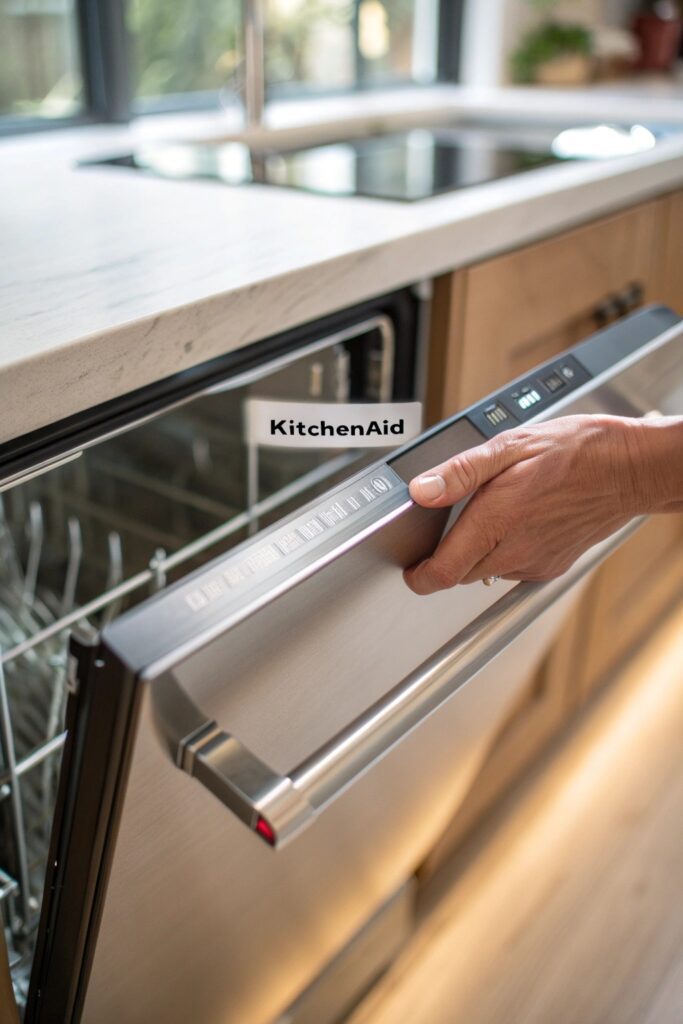
KitchenAid dishwashers span many product lines and design generations, and handle compatibility is determined by your specific full model number, not just the general ‘KitchenAid’ brand — two dishwashers that look nearly identical can use entirely different handle hardware.
The model number is typically printed on a sticker or plate along the inner edge of the door, visible when the door is open — write it down exactly as printed, including all letters and numbers, before searching for replacement parts.
2. Handle Styles Vary by Series
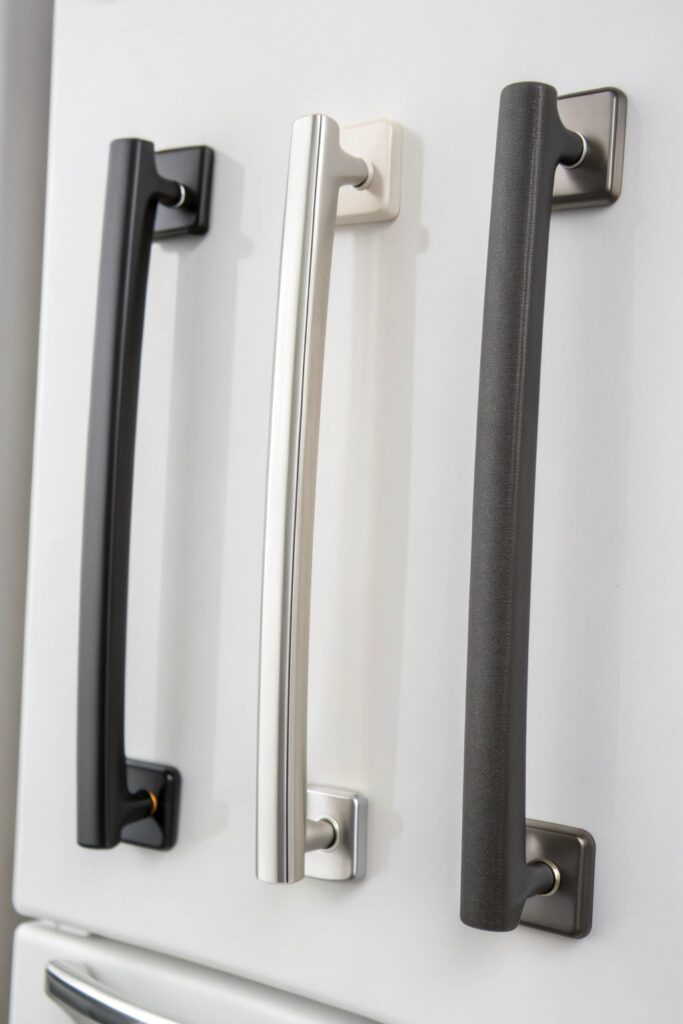
KitchenAid has used several distinct handle designs across its product lines over the years — full-width bar handles, shorter pull handles, and integrated handles built into the control panel — and these styles are generally not interchangeable with each other even within the same broad product era.
Compare your current handle’s shape, length, and mounting style directly against product photos of any replacement part before purchasing, since listing titles alone don’t always make the style difference obvious.
3. Screw Hole Spacing Isn’t Universal
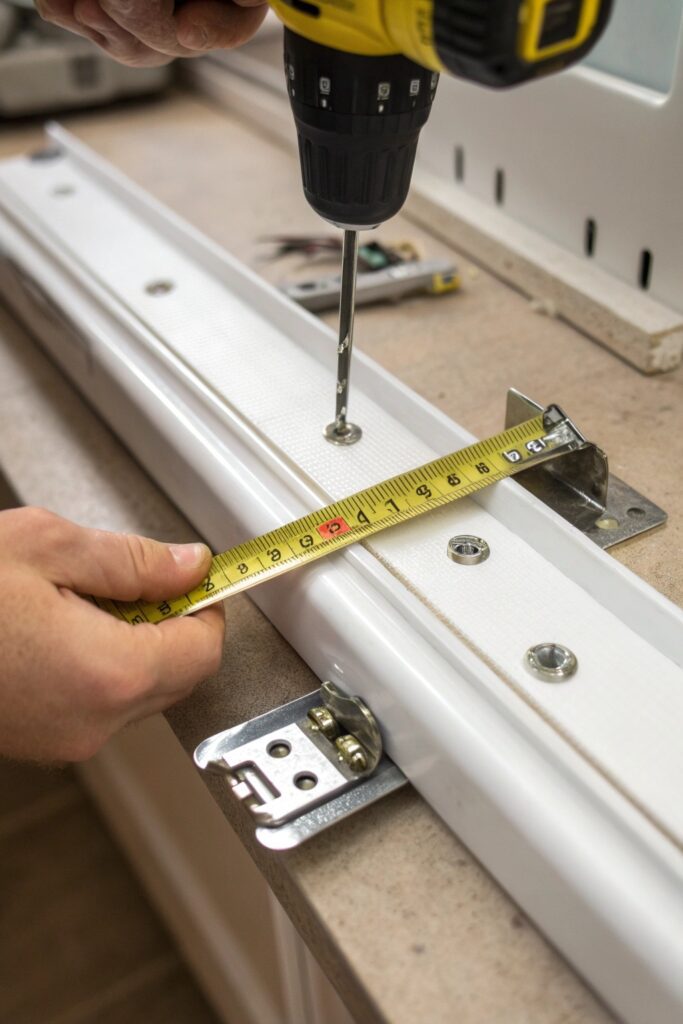
Even handles that look visually similar can have different screw hole spacing on the back mounting bracket, which means a handle that appears to match your dishwasher’s style may still not physically install without new mounting holes.
Measure the distance between your current handle’s mounting screws before ordering a replacement, and check that measurement against the listed specifications for any replacement part rather than relying on visual similarity alone.
4. Color and Finish Matching Matters
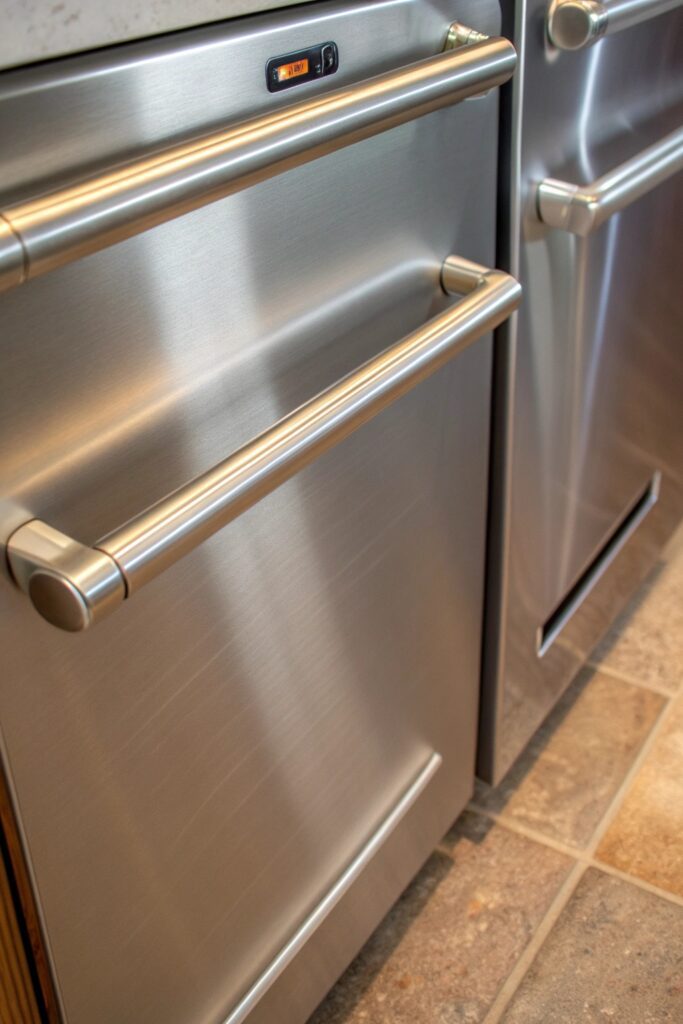
KitchenAid has offered handles in multiple finishes (stainless steel, black stainless, white, black, bisque) across different years, and finishes don’t always carry consistent naming between product generations, which can lead to a mismatched replacement even when the physical handle style is correct.
Order a sample or check close-up photos specifically for finish matching if your dishwasher uses a less common color, since stainless finishes especially can vary subtly between manufacturing batches and years.
5. OEM vs. Aftermarket Parts

Genuine OEM (original equipment manufacturer) handles guarantee exact compatibility with your specific model but typically cost more ($40-80) than generic aftermarket alternatives ($15-30), which may fit but sometimes show minor differences in finish, weight, or long-term durability.
For a highly visible part like a handle, OEM is generally worth the extra cost specifically to avoid a mismatched finish or a slightly different feel that becomes a daily annoyance every time the dishwasher is used.
6. Panel-Ready Models Need Custom Handles

Panel-ready dishwashers, designed to accept a custom cabinet-matching front panel, often use different or no standard handle at all — the handle in this case is frequently chosen and installed separately as part of the custom panel itself, not sourced through standard KitchenAid parts.
If you have a panel-ready model, consult with whoever installed the custom panel (a kitchen designer or cabinet installer) rather than searching for a standard KitchenAid replacement handle, since the hardware setup is fundamentally different.
7. Older Models May Have Discontinued Handles
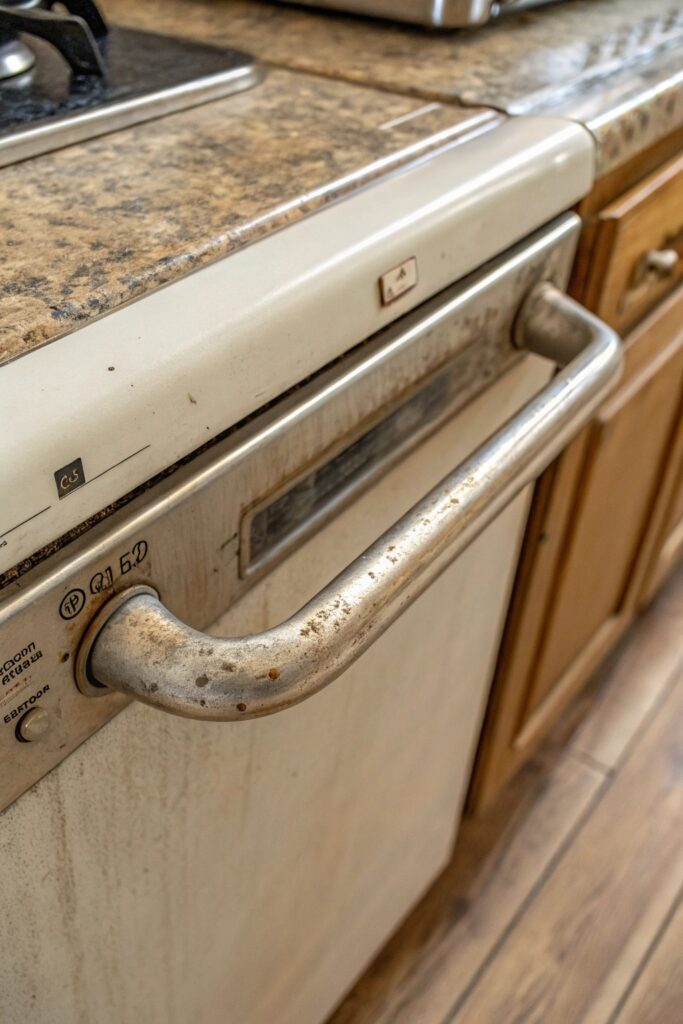
Handles for dishwasher models older than roughly 10-15 years may no longer be manufactured or stocked, even by KitchenAid directly, which means sourcing a replacement may require checking third-party parts retailers or appliance salvage yards.
Cross-reference your specific part number (found in your dishwasher’s manual or by contacting KitchenAid support with your model number) against appliance parts retailers like RepairClinic or PartSelect, which often carry a broader range of older, discontinued parts than manufacturers do directly.
8. Handle Length Can Affect Door Balance
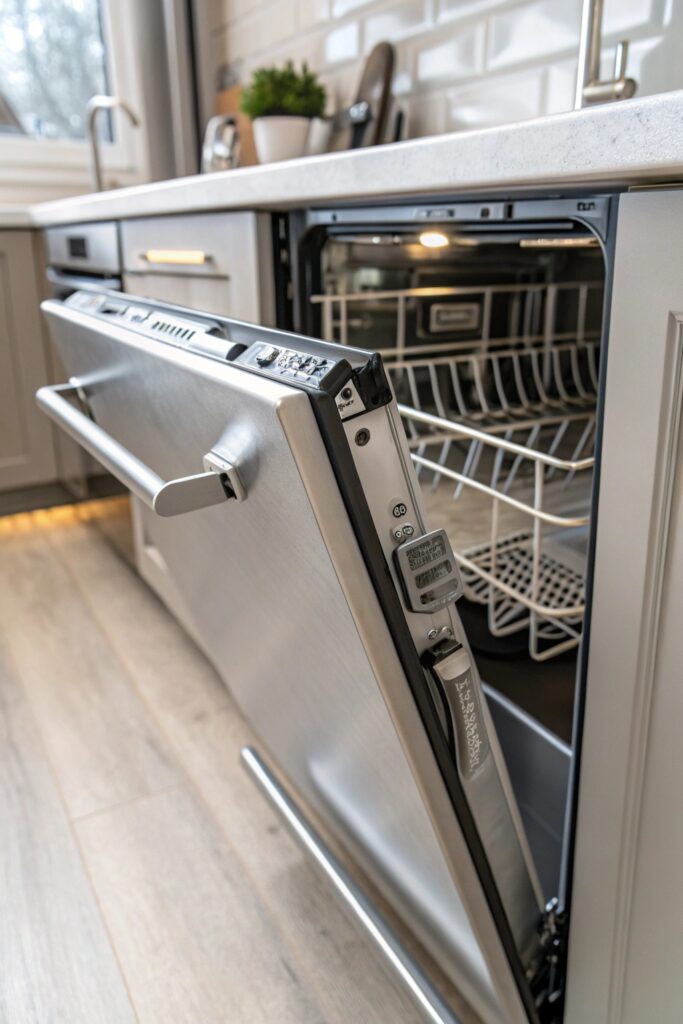
A handle that’s shorter or longer than the original, even if it technically fits the mounting holes, can shift how the door feels to open and close, and in some cases affect the door’s spring balance mechanism if the handle’s weight differs meaningfully from the original.
Stick as closely as possible to the original handle’s exact length and weight specifications, even when choosing an aftermarket alternative, to avoid this kind of subtle functional issue.
9. Integrated Control Handles Are More Complex
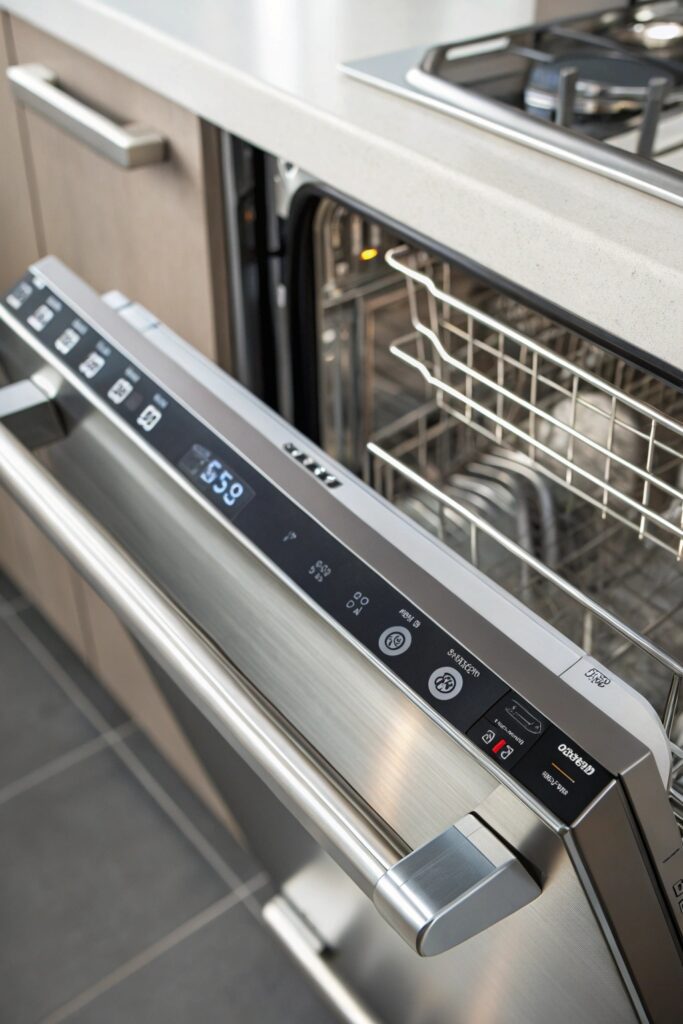
Some KitchenAid models integrate the door handle directly with the control panel or touch controls, meaning a handle replacement on these models may require removing and reinstalling electronic components rather than a simple screw-on swap.
This is a more involved repair best approached with the specific service manual for your model, or handled by a professional appliance repair technician if you’re not comfortable working around integrated electronics.
10. When in Doubt, Contact KitchenAid Directly

KitchenAid’s customer support can look up exact compatible parts using your full model and serial number, which is the most reliable way to confirm compatibility before purchasing, especially for less common or older models where online listings may be incomplete or inaccurate.
Have your model and serial number ready (both are on the same sticker inside the door) when contacting support, since these two numbers together let them pull your exact parts diagram rather than a general product line reference.
Final Thoughts
Your exact model number is the single most important piece of information for finding a genuinely compatible handle — cross-reference it directly against any replacement part’s listed compatibility rather than relying on visual similarity. When a listing doesn’t clearly confirm compatibility with your specific model, contacting KitchenAid support directly is worth the extra step before purchasing.