
Skim coating and new drywall installation solve different underlying problems, which means the cost comparison only makes sense once you’ve confirmed which one your specific wall actually needs — comparing prices without that context can lead to choosing the cheaper option for the wrong situation.
Below are 12 factors that affect the real cost comparison, covering materials, labor, hidden costs, and the situations where each option genuinely makes sense.
1. Upfront Material Costs
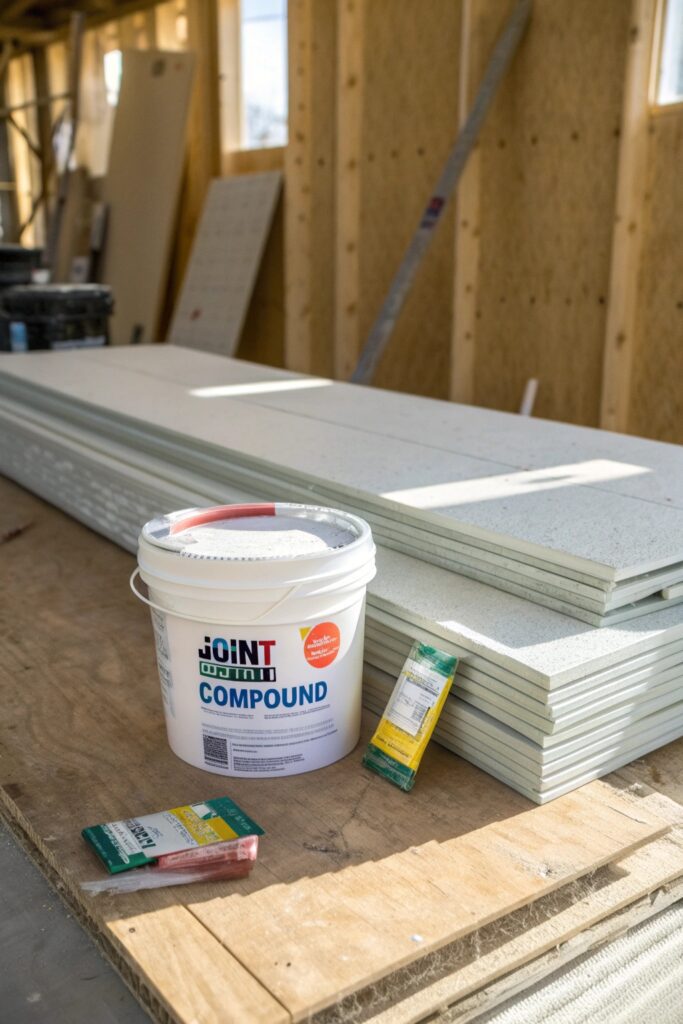
Skim coating materials (joint compound, primer, basic tools) typically run $0.50-1 per square foot, considerably less than new drywall installation, which runs $1.50-3 per square foot in materials alone once you factor in sheets, screws, tape, and compound.
For a typical 12×12 room (roughly 400 square feet of wall and ceiling surface), this difference alone can mean a few hundred dollars in material costs before any labor is factored in.
2. Labor Costs Comparison
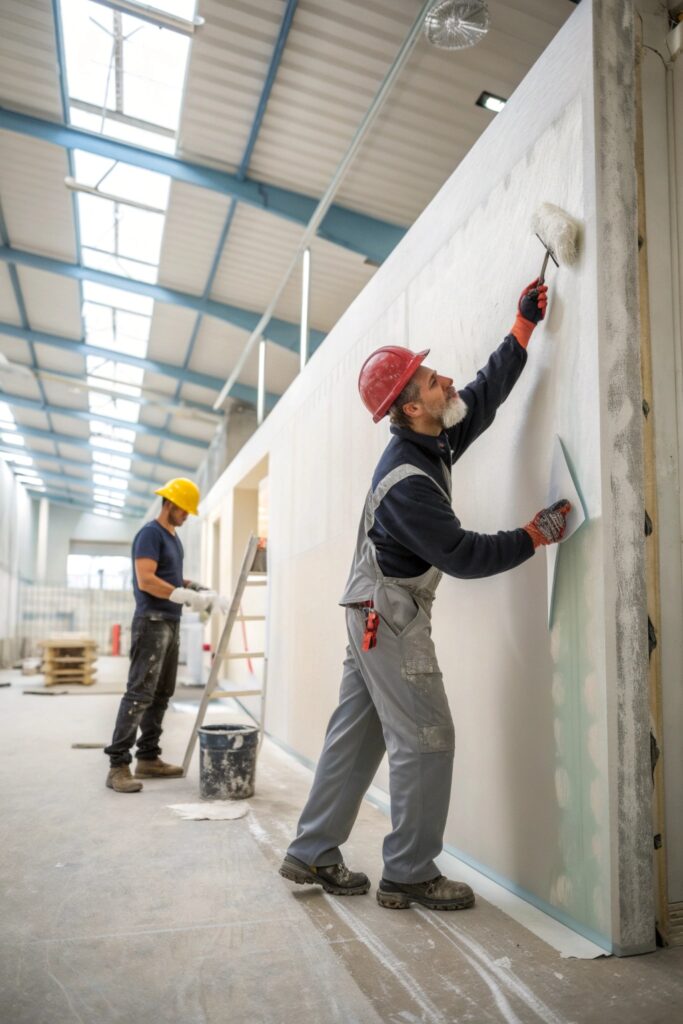
Professional skim coating labor runs $1-3 per square foot, while full drywall replacement (including demo, hanging, taping, and finishing) typically runs $2-4 per square foot — the gap narrows when labor is included, since skim coating still requires skilled application for a smooth result.
DIY labor removes this cost entirely for either option, but skim coating has a notably shorter learning curve than hanging and finishing new drywall, which involves more physically demanding and technically precise steps.
3. When Skim Coating Actually Makes Sense
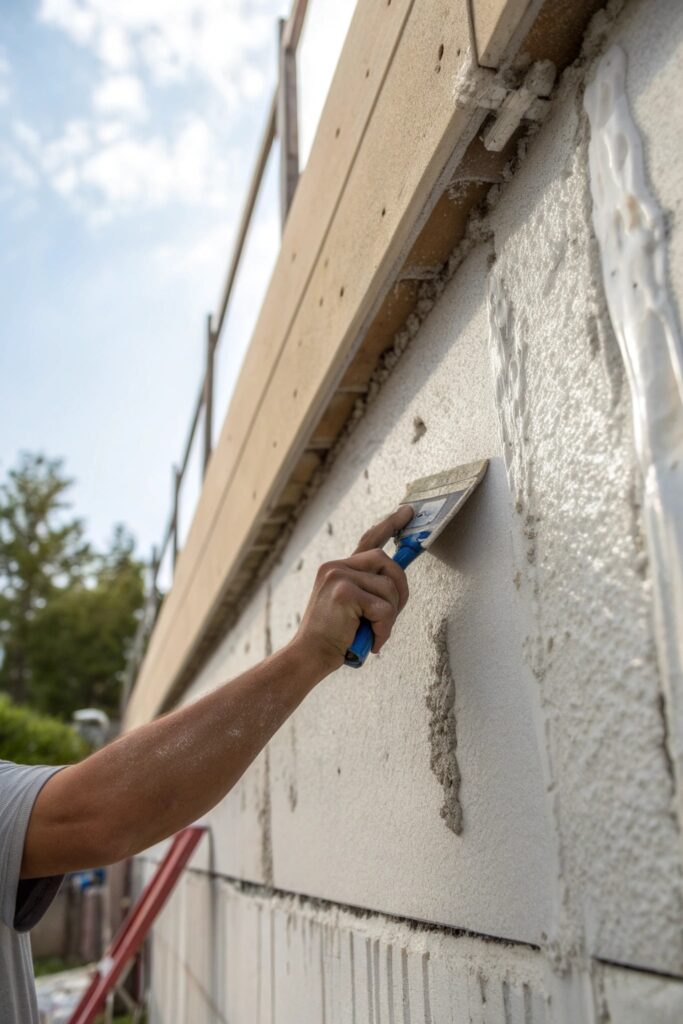
Skim coating is the right choice when the underlying drywall is structurally sound but cosmetically damaged — texture you want to remove, minor surface imperfections, or a wall that’s been patched multiple times and shows visible seams.
This is also the better option specifically when you want to change wall texture (going from heavily textured to smooth, for instance) without the cost and disruption of a full tear-out.
4. When New Drywall Becomes Necessary
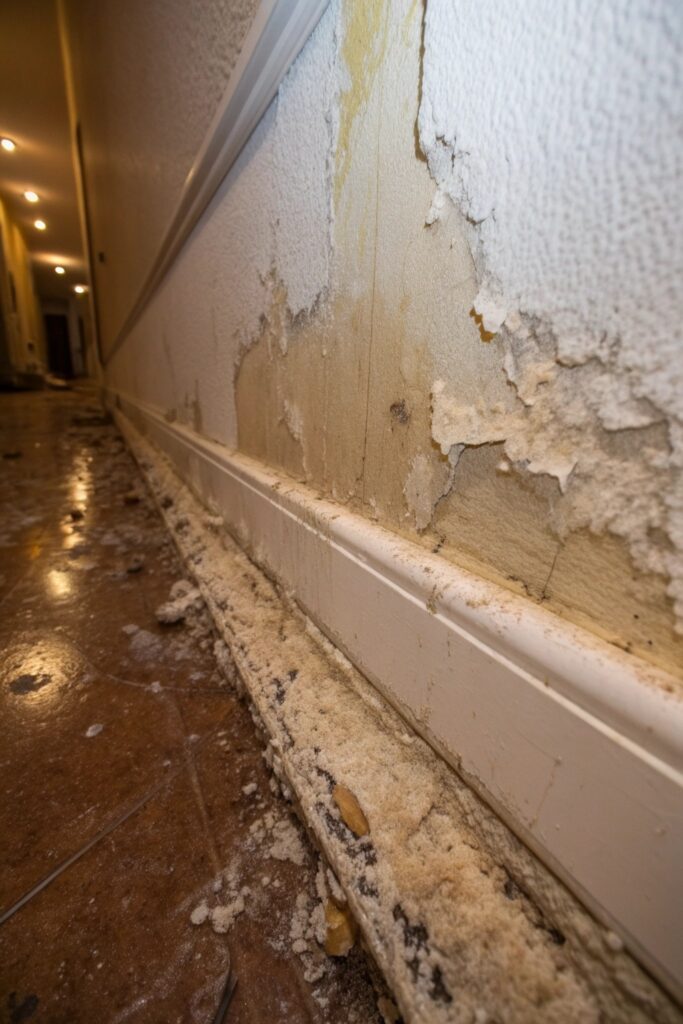
Water damage, significant structural cracking, mold, or drywall that’s been compromised by prior renovation work generally can’t be adequately addressed with a skim coat, since the underlying problem persists beneath any cosmetic surface treatment.
If more than roughly 30-40% of a wall’s surface needs patching or shows structural issues, full replacement often ends up being more cost-effective than extensive, labor-intensive skim coat repair work across a heavily damaged surface.
5. Time Investment Differences
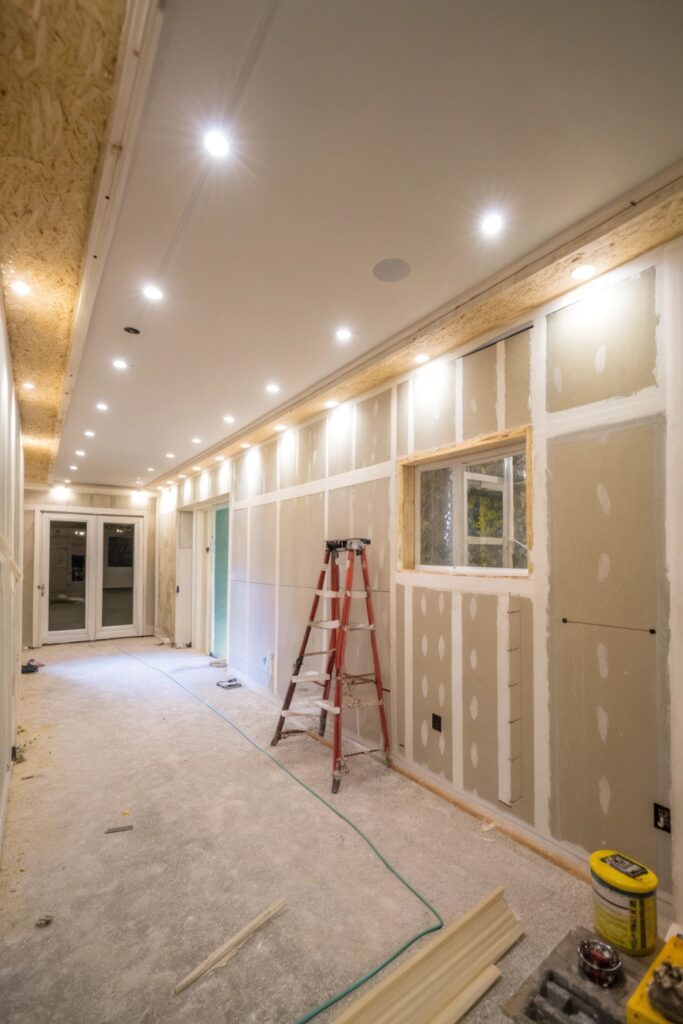
A skim coat project for an average room can be completed in 2-4 days including drying time between coats, while new drywall installation (demo, hanging, taping, three rounds of compound with drying time, sanding, priming) often takes 5-10 days for the same space.
This time difference matters most for occupied homes or rental properties, where a shorter project timeline directly translates to less disruption and, in a rental context, less lost income during the work.
6. Dust and Mess Factor
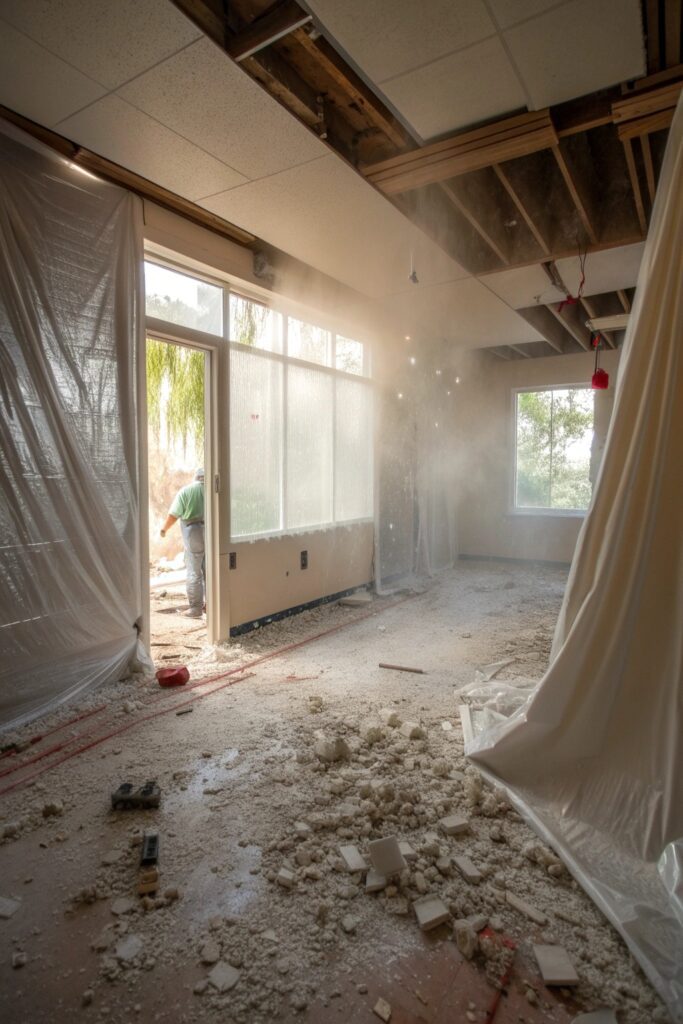
New drywall installation generates significantly more dust and debris — demo alone produces substantial mess, and drywall dust from sanding is notoriously pervasive throughout a home even with careful containment.
Skim coating still produces some sanding dust between coats, but the absence of a demo phase and the smaller volume of material involved make it considerably easier to contain and clean up, particularly relevant if you’re working in occupied living space.
7. Long-Term Durability
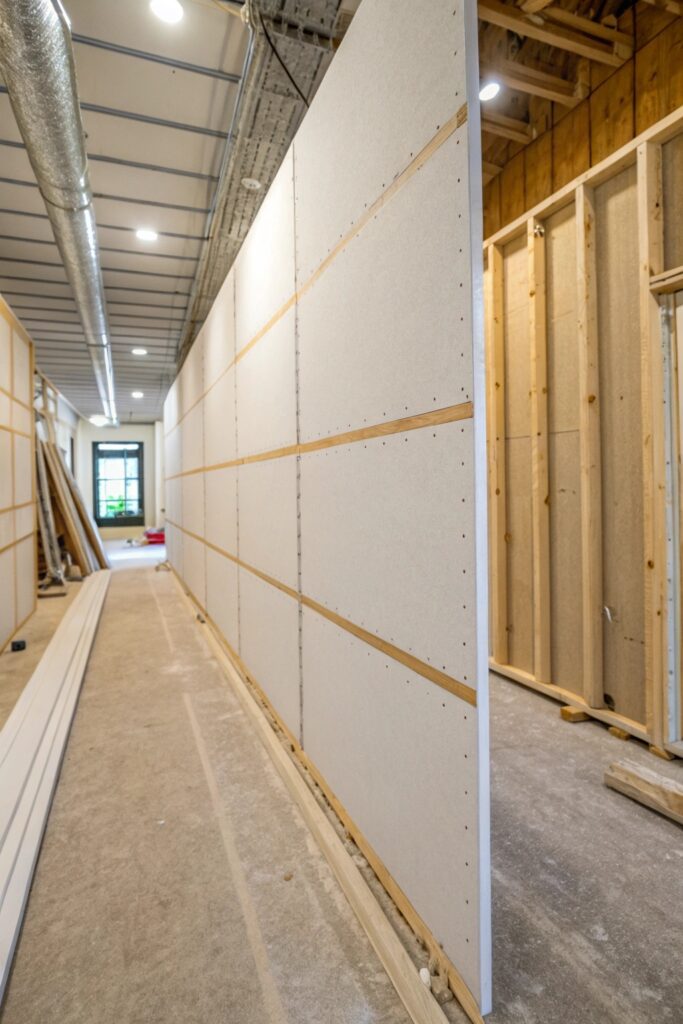
A well-executed skim coat over sound drywall lasts as long as the underlying wall itself, since it’s essentially a refinishing of the existing surface rather than a separate material with its own lifespan.
New drywall has the advantage of addressing any underlying structural or moisture issues at the source, which matters if the original damage was caused by something a skim coat can only cosmetically cover rather than actually resolve.
8. Impact on Home Value
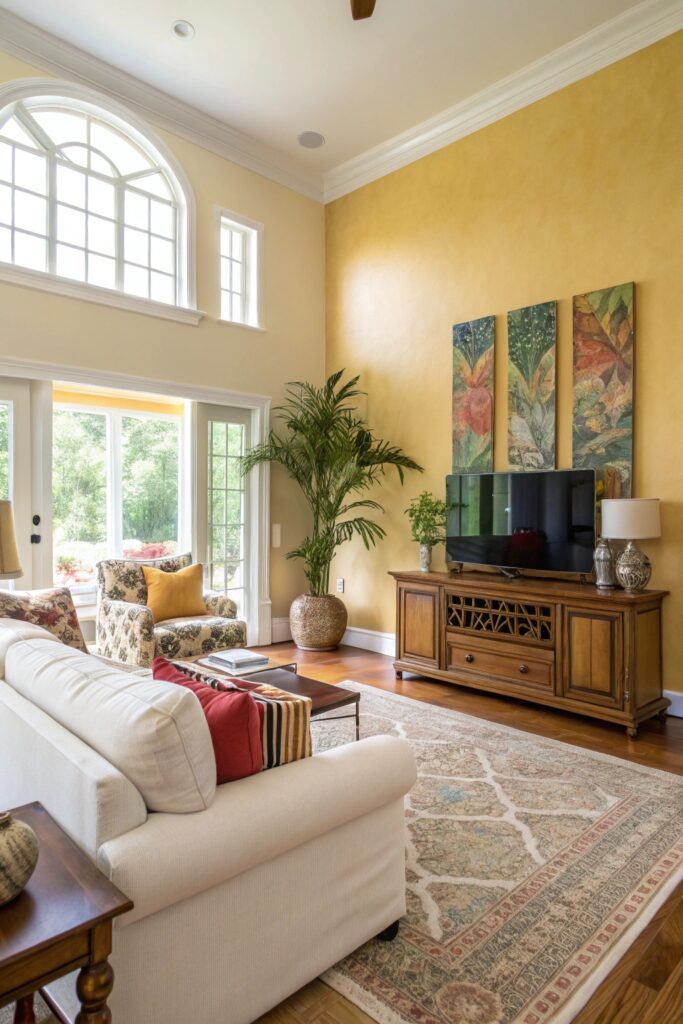
Both options can improve a room’s appearance and marketability if executed well, but new drywall specifically addresses any documented water damage or structural issues, which matters for disclosure requirements and buyer confidence during a home sale in a way a cosmetic skim coat doesn’t.
For a purely cosmetic update with no underlying damage, a quality skim coat achieves a comparable visual result to new drywall at a lower cost, meaning the value impact per dollar spent often favors skim coating in cosmetic-only situations.
9. DIY Feasibility and Savings
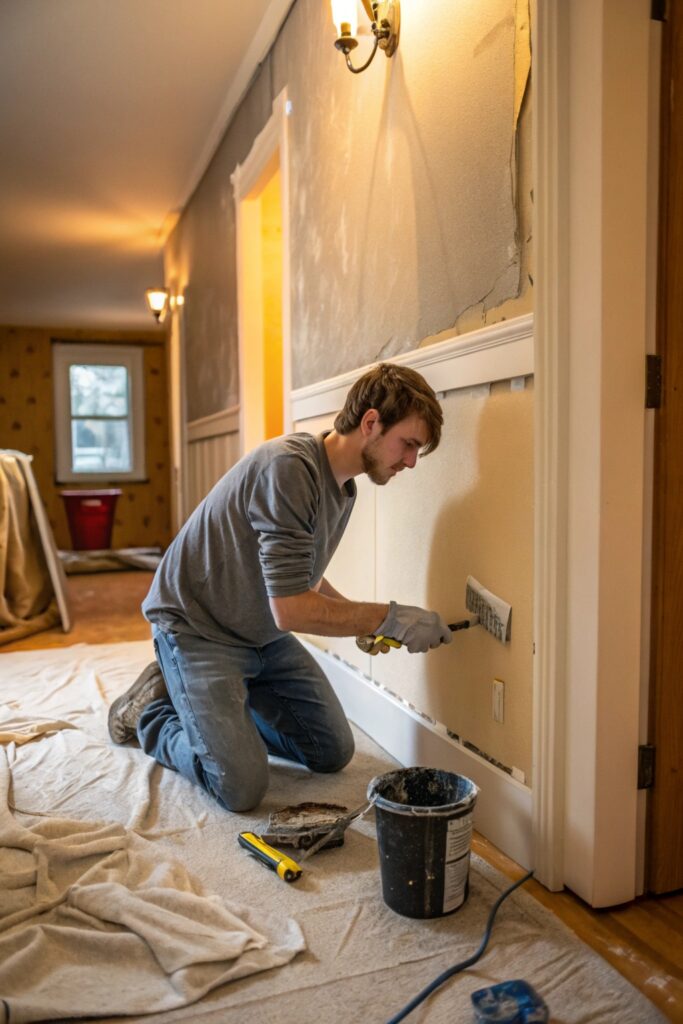
Skim coating is genuinely more DIY-accessible than full drywall installation — the tools are simpler (a few trowels and sandpaper versus drywall lifts, cutting tools, and screw guns) and mistakes are generally easier to correct with an additional thin coat.
DIY skim coating can save the full labor cost estimated above, while DIY drywall installation, though possible, carries a steeper learning curve and higher risk of visible seams or uneven finishing for a first-time attempt.
10. Hidden Costs You Might Overlook
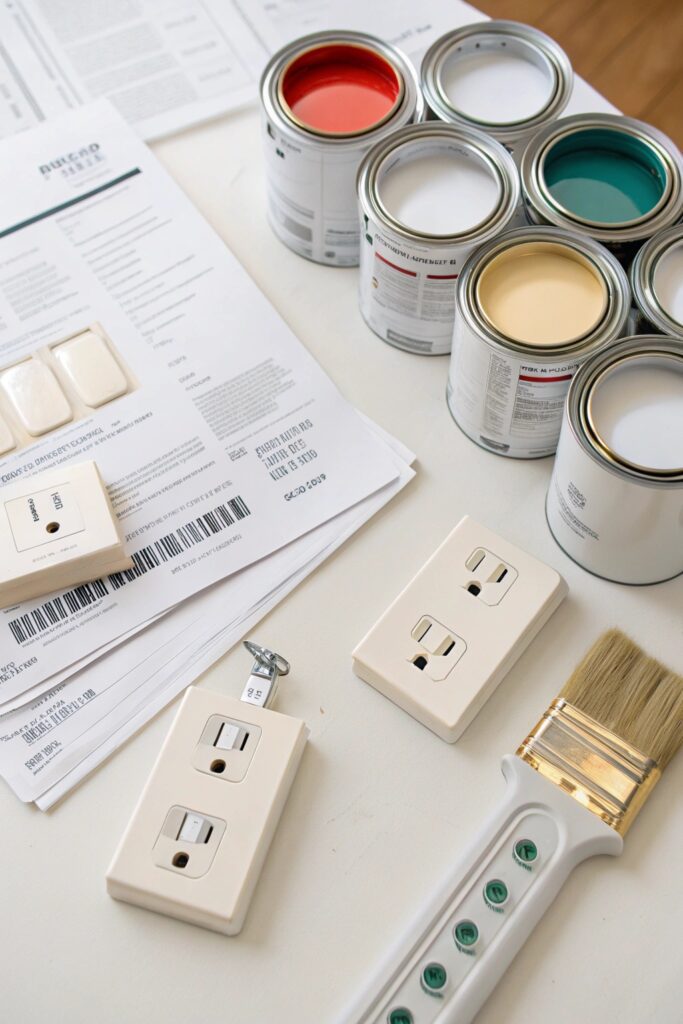
New drywall installation often triggers secondary costs — repainting the entire room (since new drywall needs primer and won’t match existing paint texture), potential trim or baseboard removal and reinstallation, and sometimes electrical outlet or switch plate adjustments.
Skim coating has fewer secondary costs but still typically requires a full repaint afterward, since the new surface texture won’t match existing paint applied over the old, unskimmed surface.
11. Environmental and Waste Considerations
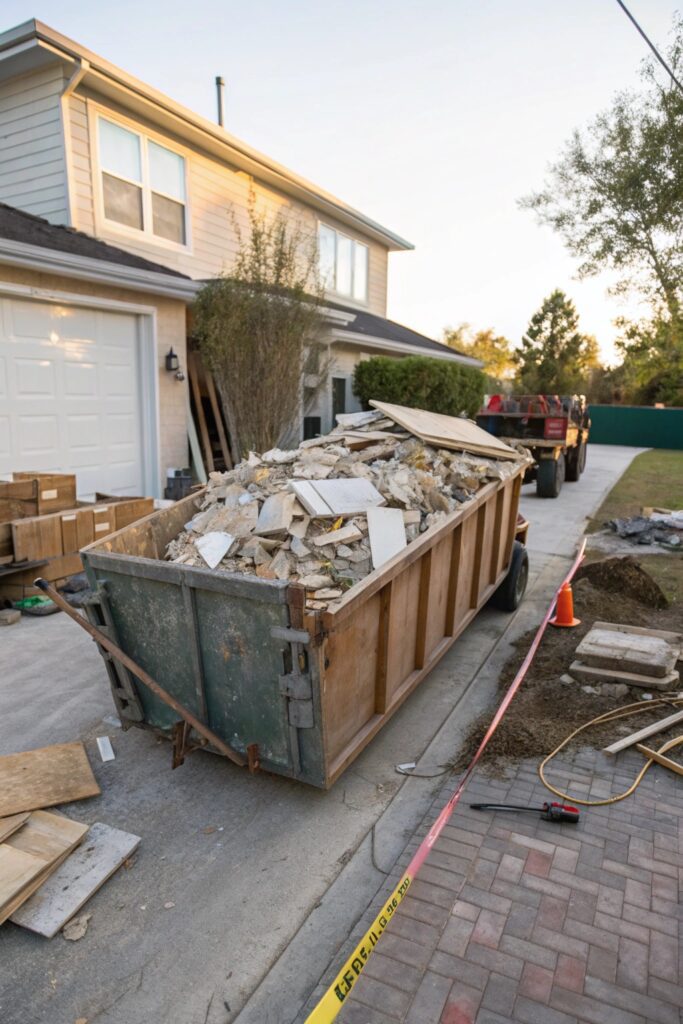
Full drywall replacement generates substantially more construction waste — old drywall sheets typically go to landfill, since drywall recycling isn’t widely available in most areas — while skim coating produces comparatively minimal waste beyond empty compound buckets and sanding dust.
If minimizing renovation waste is a priority alongside cost, skim coating is the more resource-efficient choice whenever the underlying wall condition actually supports it.
12. Which Option Actually Saves More Money
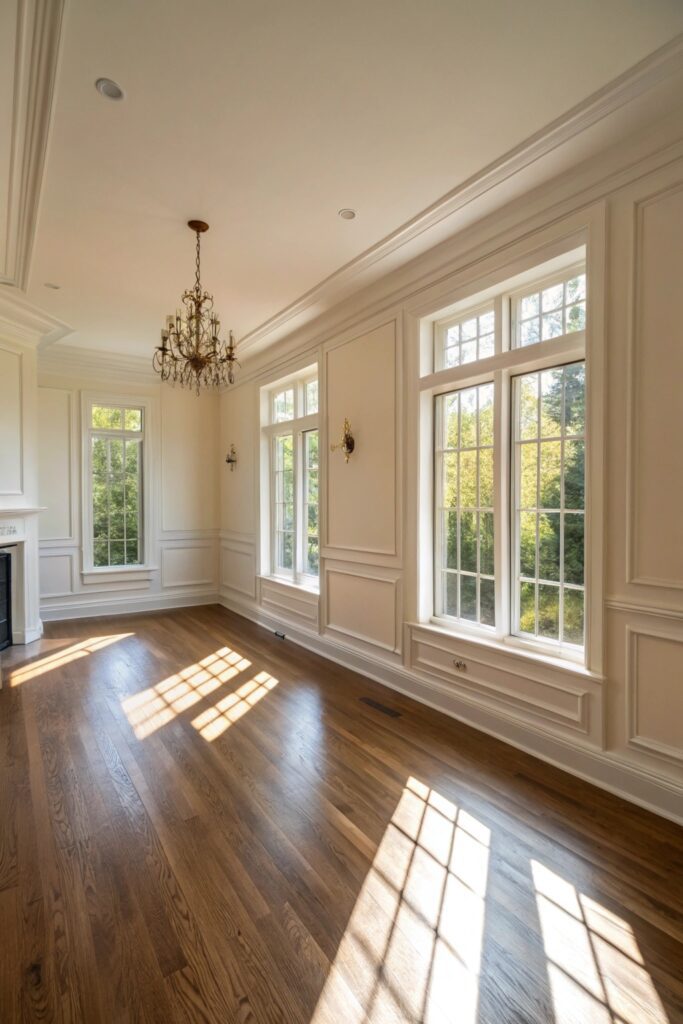
For walls with only cosmetic issues and no underlying damage, skim coating saves money in nearly every scenario — lower materials, lower labor, less secondary cost, and a shorter timeline all favor it when it’s a viable option for the wall’s actual condition.
The calculation flips once genuine structural or moisture damage is involved, since a skim coat over an underlying problem is a temporary cosmetic fix that will likely need to be redone once new drywall becomes unavoidable anyway — in that case, the ‘savings’ of skim coating are often false economy.
Wrapping It Up
The wall’s underlying condition determines the right choice more than price alone — skim coating is the more cost-effective option in nearly every case where the drywall itself is structurally sound, while genuine water damage or structural issues make new drywall the only real long-term solution regardless of the higher upfront cost.