
A small bathroom reads as considerably larger through a combination of light, reflective surfaces, and reduced visual clutter — techniques that work together rather than any single change carrying the full effect on its own.
Below are 14 ways to make a small bathroom feel more spacious, with real costs and practical notes for each.
1. Install a Large Wall Mirror
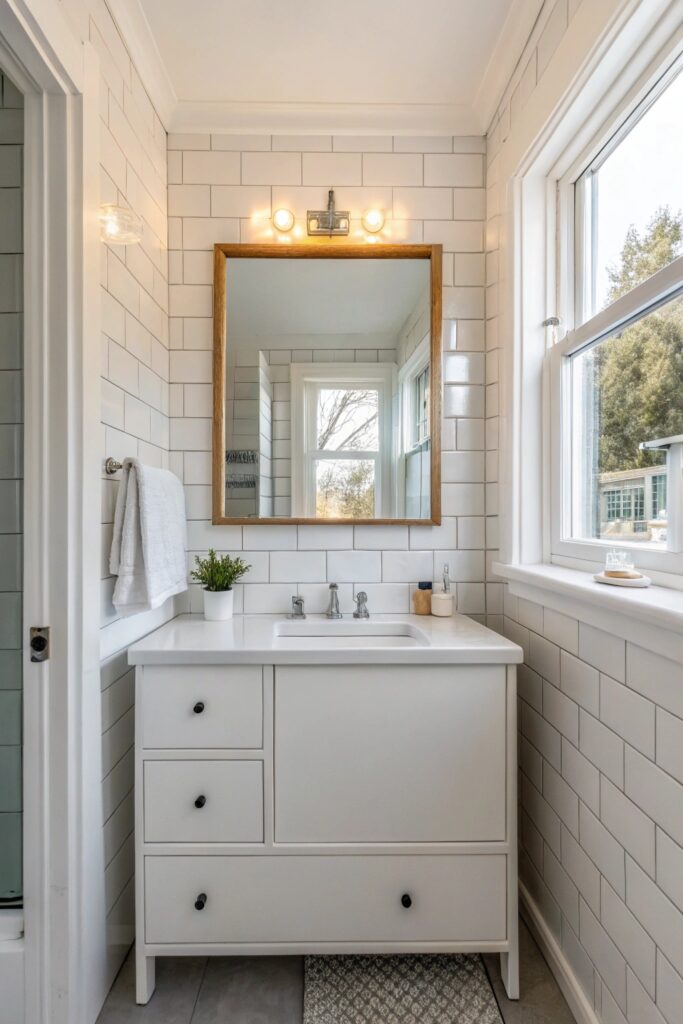
A mirror sized close to the vanity’s full width ($80-200) reflects considerably more light and creates more visual depth than a small, standard medicine-cabinet-sized mirror.
This is one of the highest-impact, lowest-effort changes available for a small bathroom, since mirror size directly affects how open the room feels without any structural change.
2. Choose Light, Neutral Wall Colors
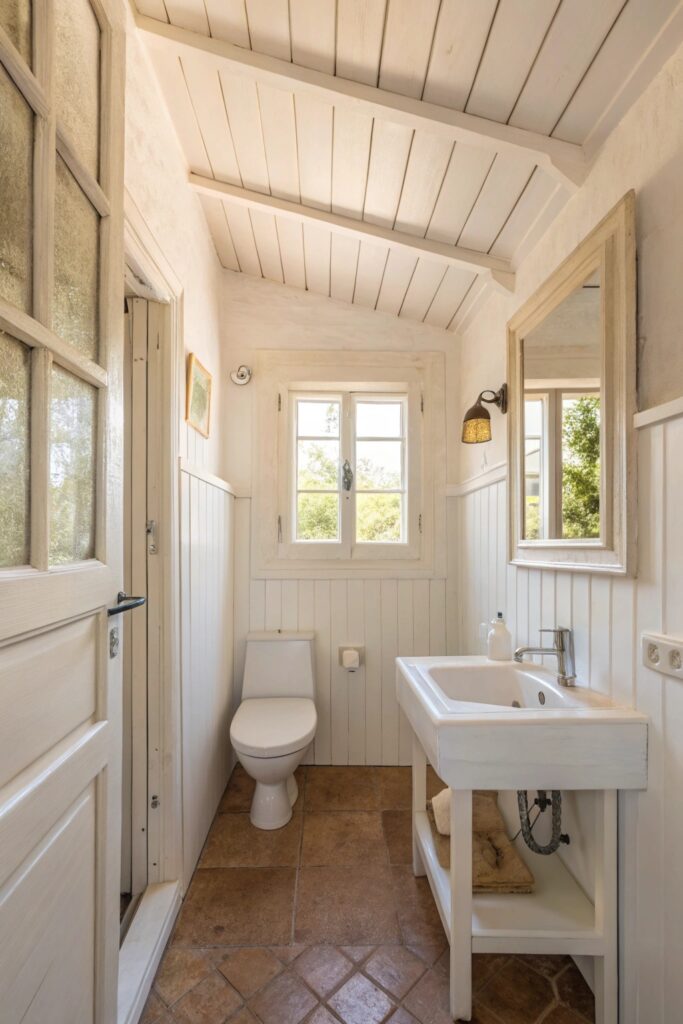
Lighter tones reflect more light than darker colors, which genuinely affects how spacious a small bathroom feels, particularly in a room that often lacks abundant natural light to begin with.
This doesn’t mean avoiding all color — a lighter base with a bolder accent (tile, a vanity color) still achieves this effect while allowing some personality.
3. Swap a Bulky Vanity for a Floating One
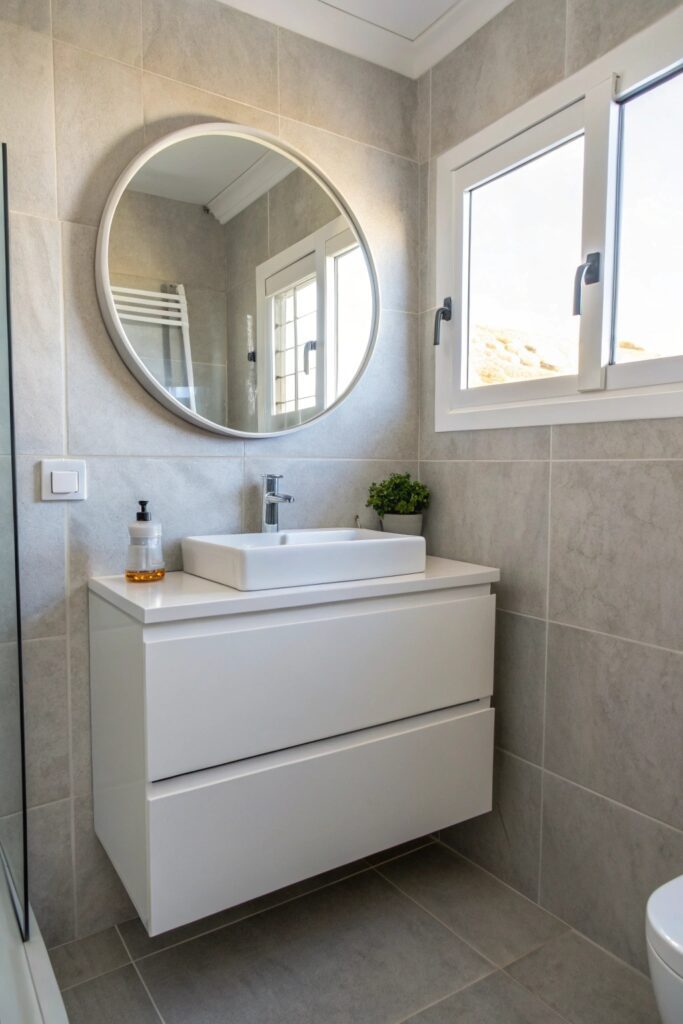
A wall-mounted floating vanity ($200-600) lets light and sightlines pass underneath, creating a sense of openness that a vanity sitting flush on the floor doesn’t provide.
This also makes floor cleaning considerably easier, since there’s no base cabinet trapping dust and moisture against the floor.
4. Use a Glass Shower Enclosure
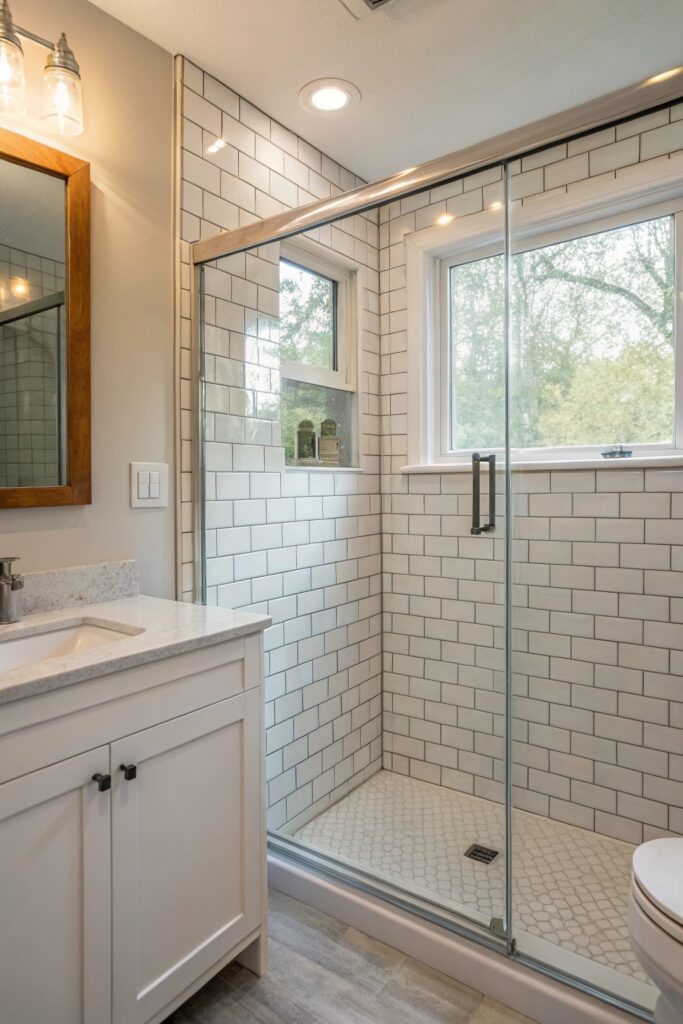
Clear glass ($400-1,200 depending on configuration) lets sightlines continue through the shower area rather than stopping at an opaque curtain or door, which makes the entire room read as more open.
This is a bigger investment than most changes on this list, but it’s genuinely one of the most effective ways to make a small bathroom feel larger, since shower enclosures often occupy a significant visual portion of the room.
5. Add Recessed Storage Instead of Shelving
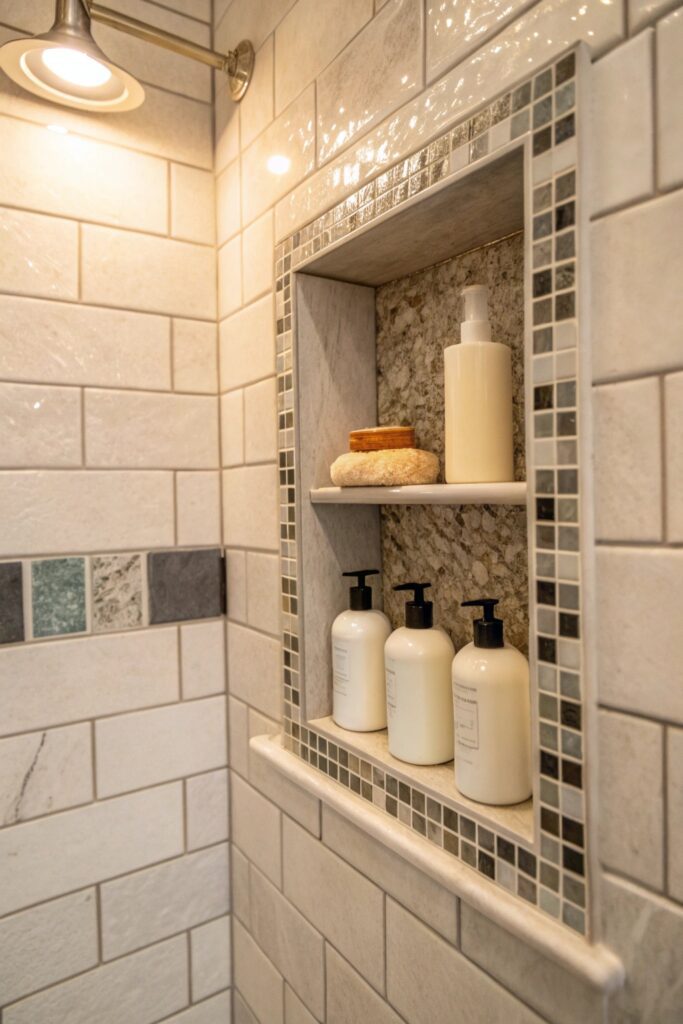
A niche built into the wall cavity itself (typically requiring the wall to be open during a renovation) provides storage without adding any protruding shelf depth into the room’s usable space.
This is worth planning for specifically during a renovation, since retrofitting recessed storage into a finished wall is considerably more involved than incorporating it while the wall is already open.
6. Install a Wall-Mounted Toilet
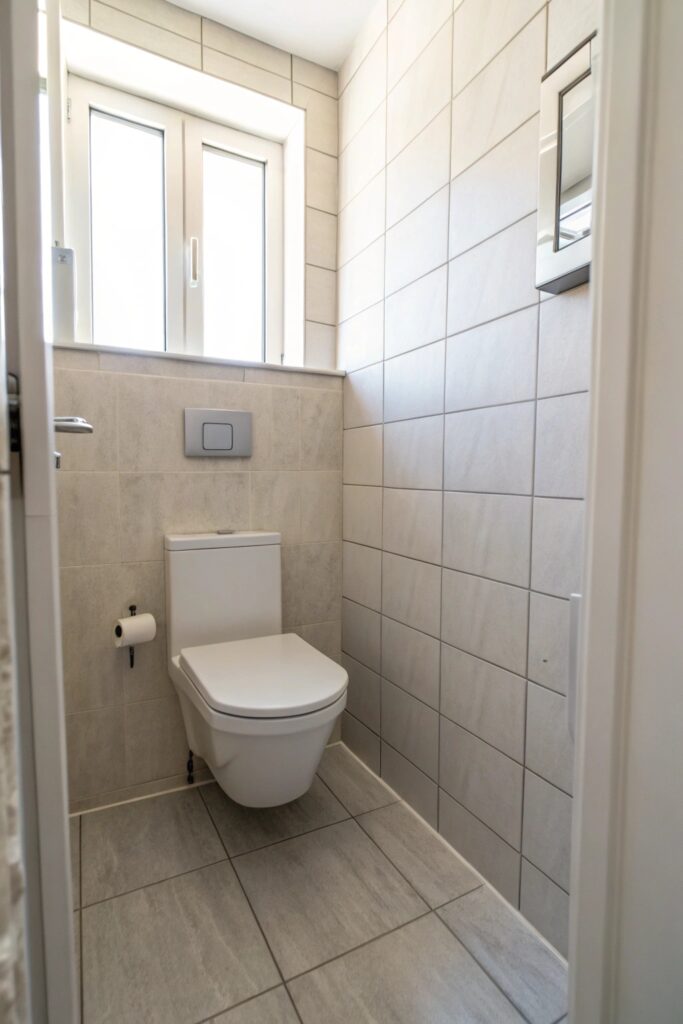
A wall-mounted toilet ($400-900 plus installation) with the tank concealed in the wall takes up meaningfully less visual and physical floor space than a standard floor-mounted toilet with an exposed tank.
This requires more significant plumbing work than a standard toilet swap, making it a renovation-level change rather than a simple fixture replacement.
7. Maximize Natural Light With a Larger Window
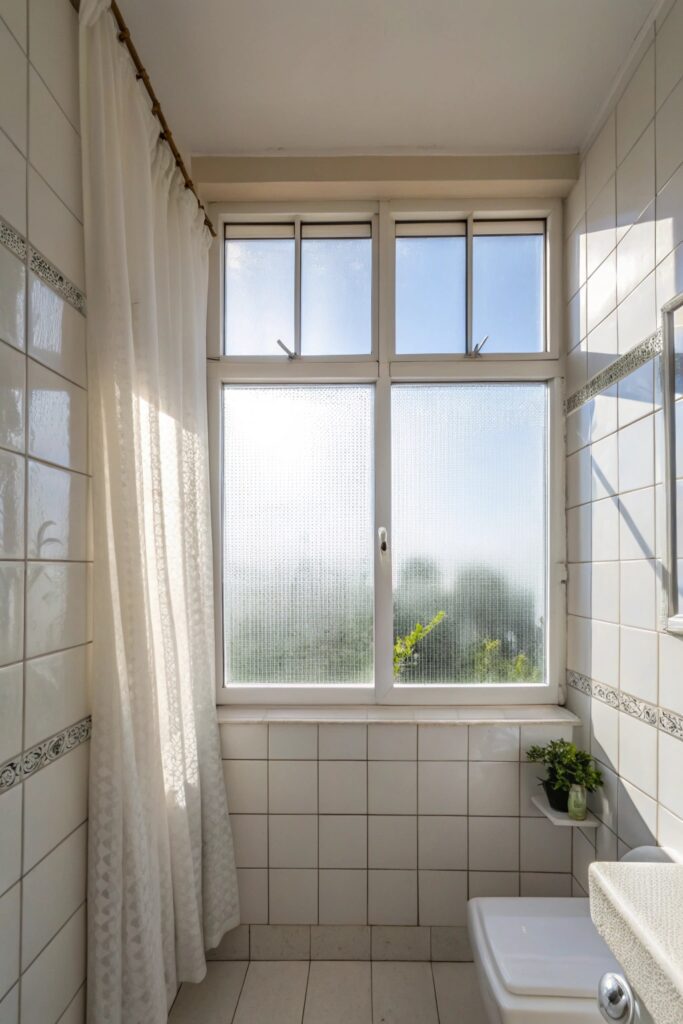
Enlarging an existing window, where structurally and privacy-wise feasible, brings in considerably more natural light than a small or standard window typically allows.
This is a genuine renovation project requiring professional assessment of the wall’s structure, but the light and openness payoff can be substantial in a small, often naturally darker room.
8. Use Vertical Storage With a Tall Cabinet
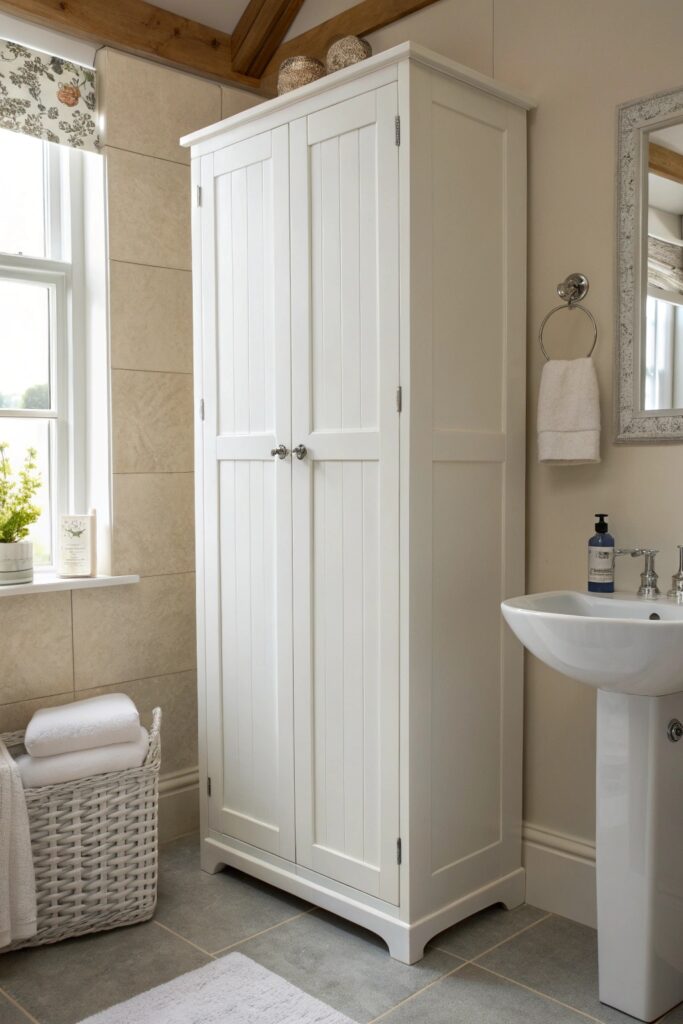
A narrow but tall storage cabinet ($150-400) uses height rather than floor footprint to provide genuine storage capacity, which matters more in a small bathroom than almost any other room in a home.
Choose a cabinet with a shallow depth (8-12 inches) specifically, which preserves floor clearance while still delivering meaningful vertical storage.
9. Install a Pedestal or Corner Sink
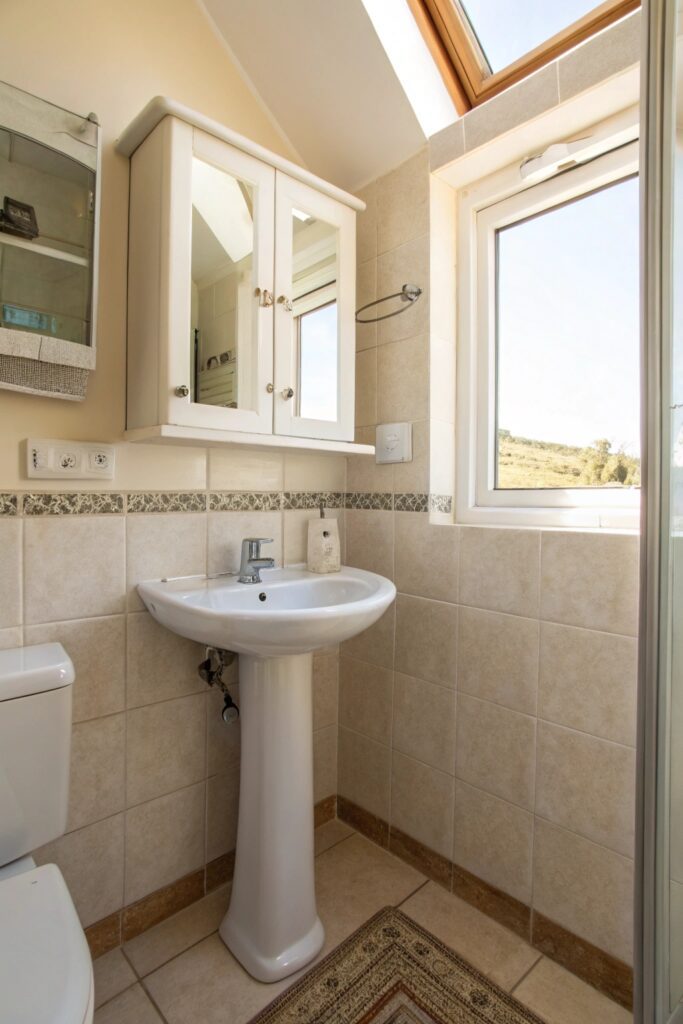
A pedestal sink ($150-400) or a sink designed specifically for corner installation takes up considerably less floor footprint than a standard vanity, which matters directly in a genuinely tight bathroom layout.
This tradeoff does sacrifice under-sink storage, so it’s worth pairing with vertical storage elsewhere in the room to compensate for what a vanity would otherwise provide.
10. Add a Skylight for Extra Light
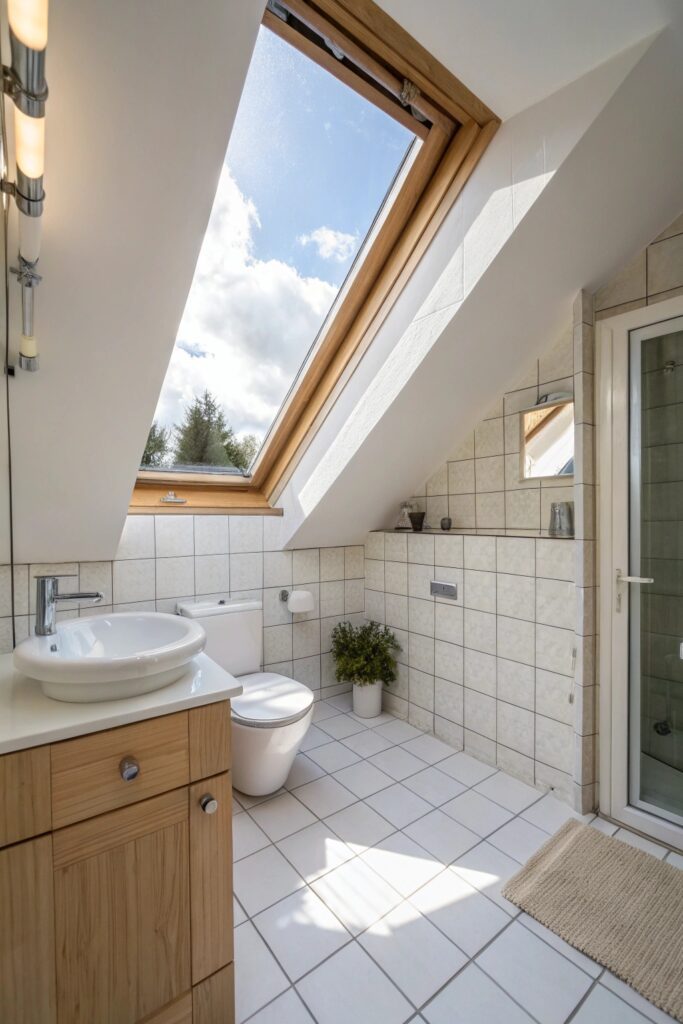
A skylight ($900-2,500 installed) brings in natural light from above, which is particularly valuable in a small bathroom without exterior wall space for a standard window.
This is a significant renovation investment requiring professional installation, best considered during a fuller bathroom remodel rather than as a standalone project.
11. Use Large-Format Tile on the Floor
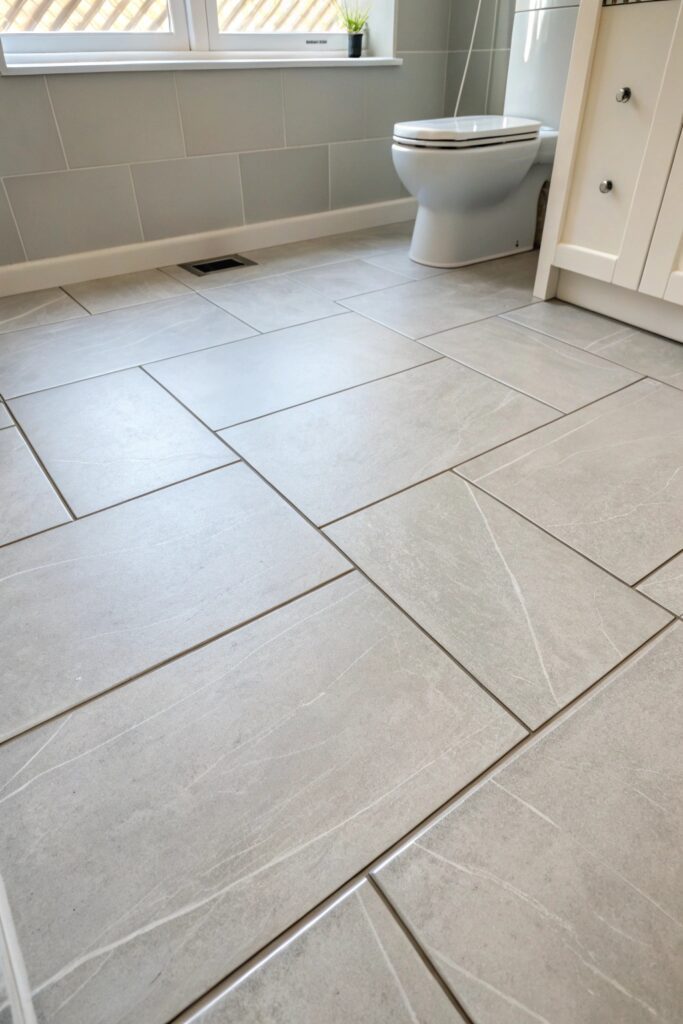
Larger tiles ($4-10 per square foot) mean fewer grout lines, which reduces visual breaks in the floor that can make a small space feel more segmented and busy.
This works particularly well combined with a lighter tile color, compounding the openness effect of both fewer grout lines and more light reflection.
12. Install Sliding Doors Instead of Swinging Ones
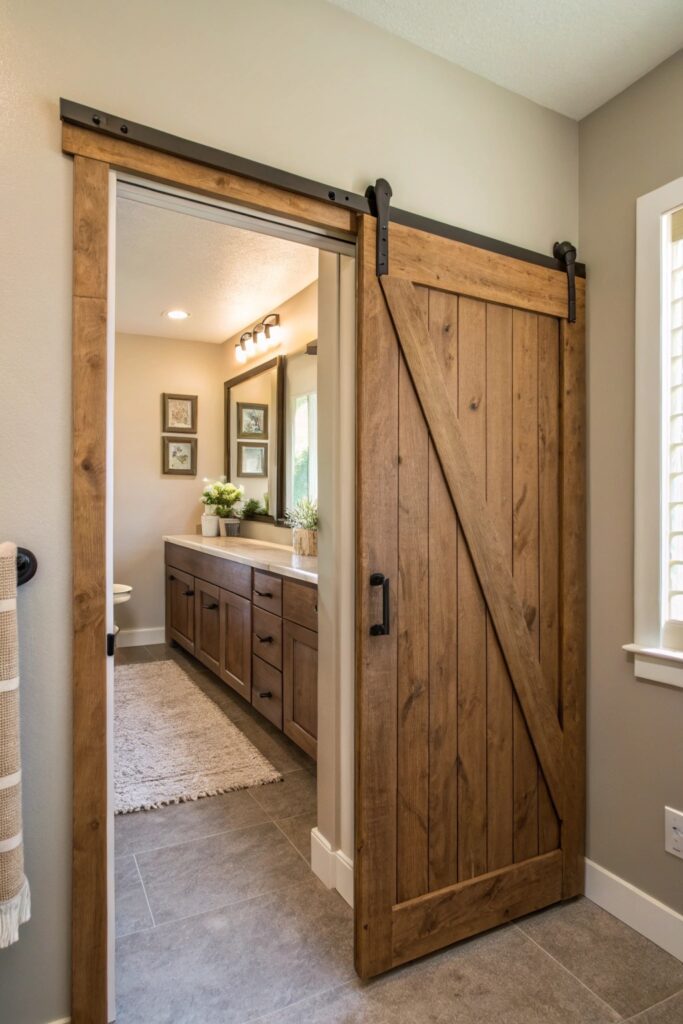
A pocket or barn-style sliding door ($200-600 including hardware) eliminates the floor space a swinging door’s arc requires, recovering genuinely usable square footage in a small bathroom’s layout.
This is worth considering specifically for the main bathroom entry door, where a swinging door’s arc often conflicts with fixture placement in a tight floor plan.
13. Add a Statement Light Fixture
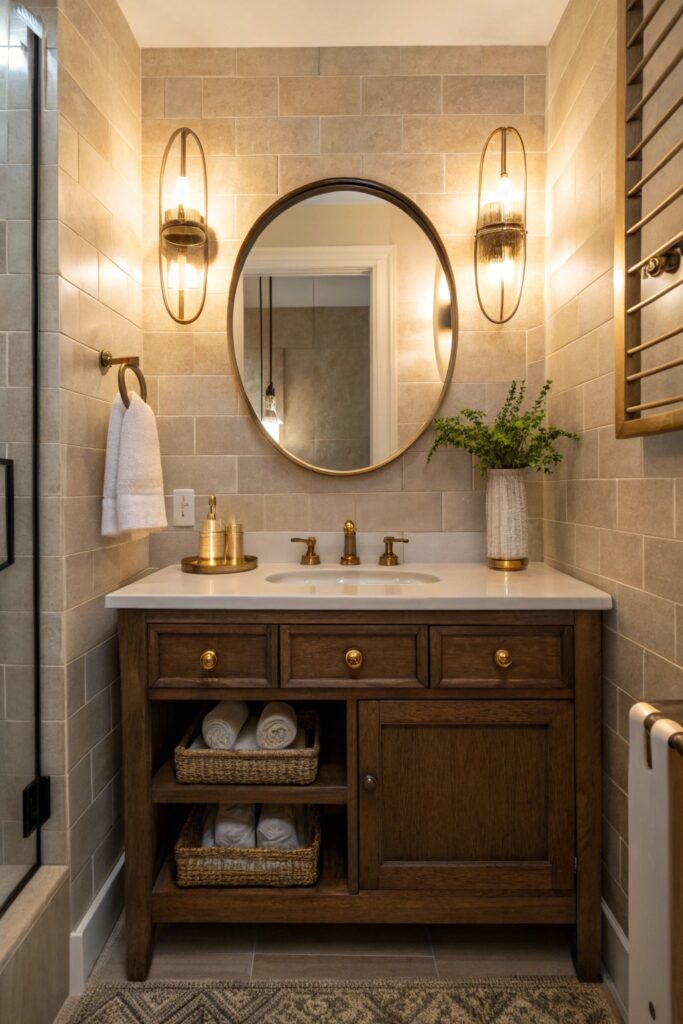
A distinctive fixture ($60-200) draws the eye upward and serves as a genuine focal point, which is a useful styling technique in a small room where floor-level focal points are harder to establish.
Warm-toned bulbs (2700K or lower) matter as much here as in any other room, since good lighting affects both the room’s function and its perceived spaciousness.
14. Keep the Color Palette Cohesive
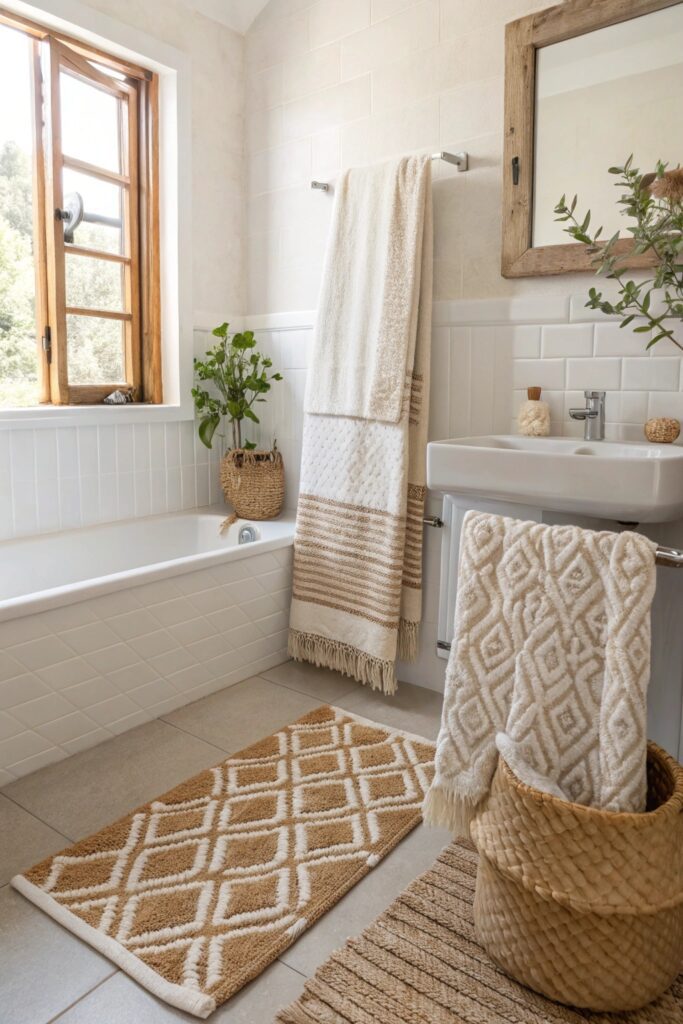
Limiting the room to 2-3 coordinated colors throughout — tile, walls, fixtures — prevents visual busyness that can make a small space feel more cramped than its actual dimensions.
This cohesion matters more in a small bathroom than a larger room, since every surface is visible from nearly every angle in a genuinely compact space.
Wrapping It Up
A large mirror and lighter wall colors matter most if you’re prioritizing only a couple of these changes, since both are relatively low-cost and directly affect how much light the room reflects and retains. Bigger structural changes — a floating vanity, sliding doors, a glass shower enclosure — are worth considering during a fuller renovation, where the added cost is easier to justify alongside other planned work.