
A heat-dry cycle that isn’t drying dishes properly usually comes down to one of a few specific causes — the heating element itself, rinse aid, or airflow — and working through them in order typically identifies the issue without needing a technician for every case.
Below are 12 causes to check, starting with the most common before moving to less frequent but still plausible explanations.
1. The Vent Isn’t Opening (Or Doesn’t Exist)
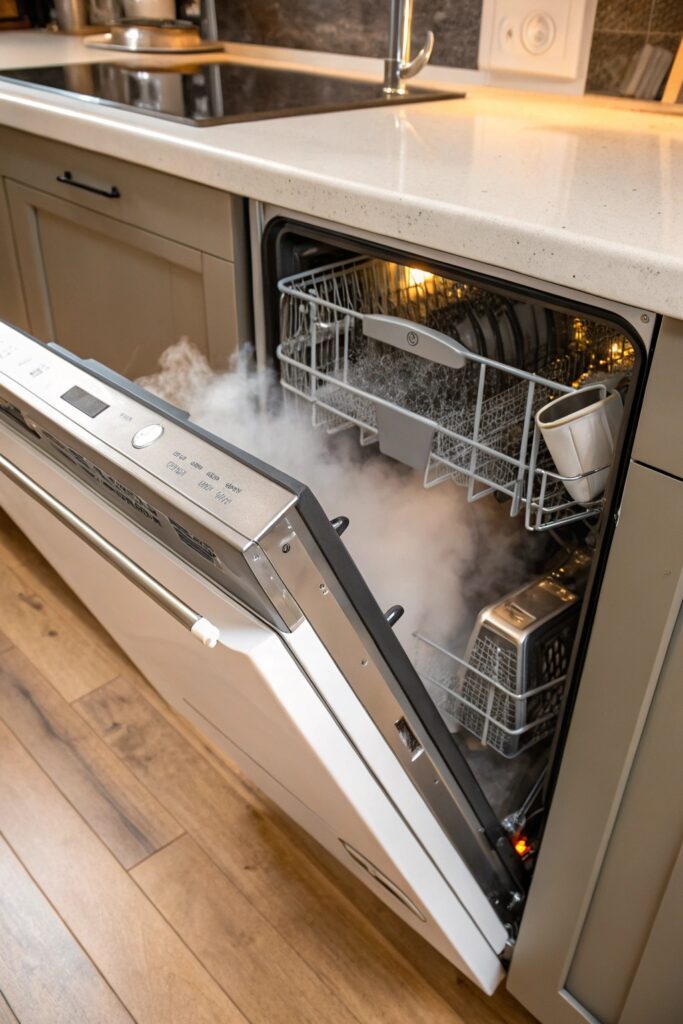
Many heat-dry cycles rely on a small vent that opens near the end of the cycle to release humid air, and a stuck or malfunctioning vent motor prevents this moisture from escaping, leaving dishes damp even with the heating element working correctly.
Check whether your specific model has a vent (some newer models use different drying mechanisms entirely) and listen for it opening near the end of a cycle — a vent that doesn’t audibly open likely has a failed vent motor needing replacement.
2. The Heating Element Has Given Up
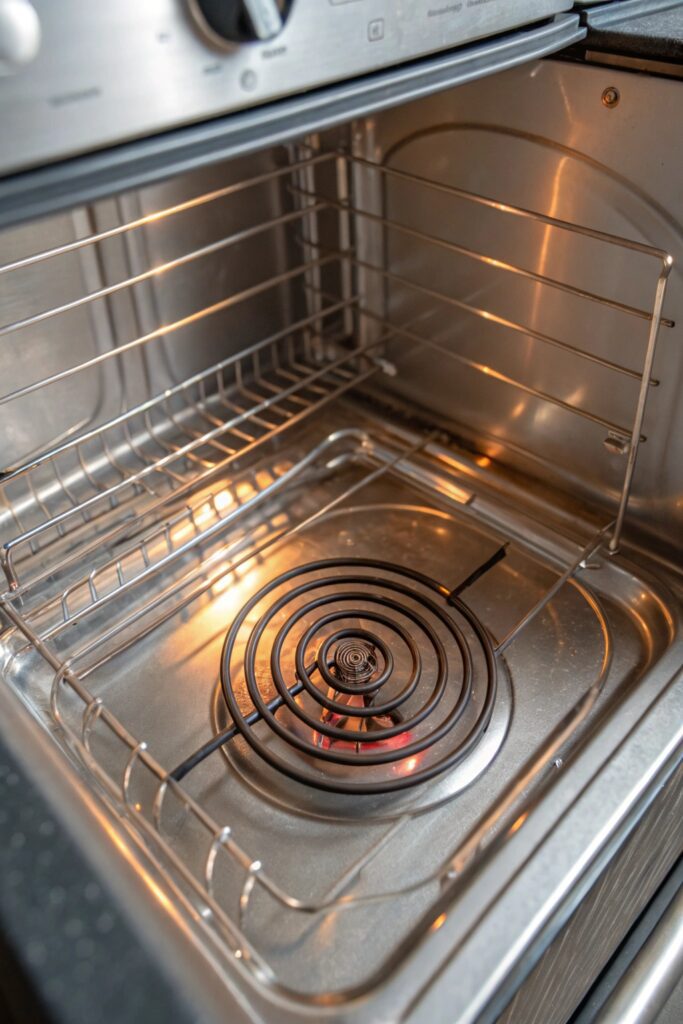
The heating element itself, typically a visible coil or hidden element at the bottom of the tub, can fail completely or partially with age, providing insufficient heat to properly dry dishes even though the rest of the cycle completes normally.
Run a cycle and carefully check (without touching) whether the element visibly glows or the tub feels warm partway through — no detectable heat points to element failure, a repair typically running $50-100 in parts for DIY replacement.
3. You’re Using the Wrong Rinse Aid (Or None)
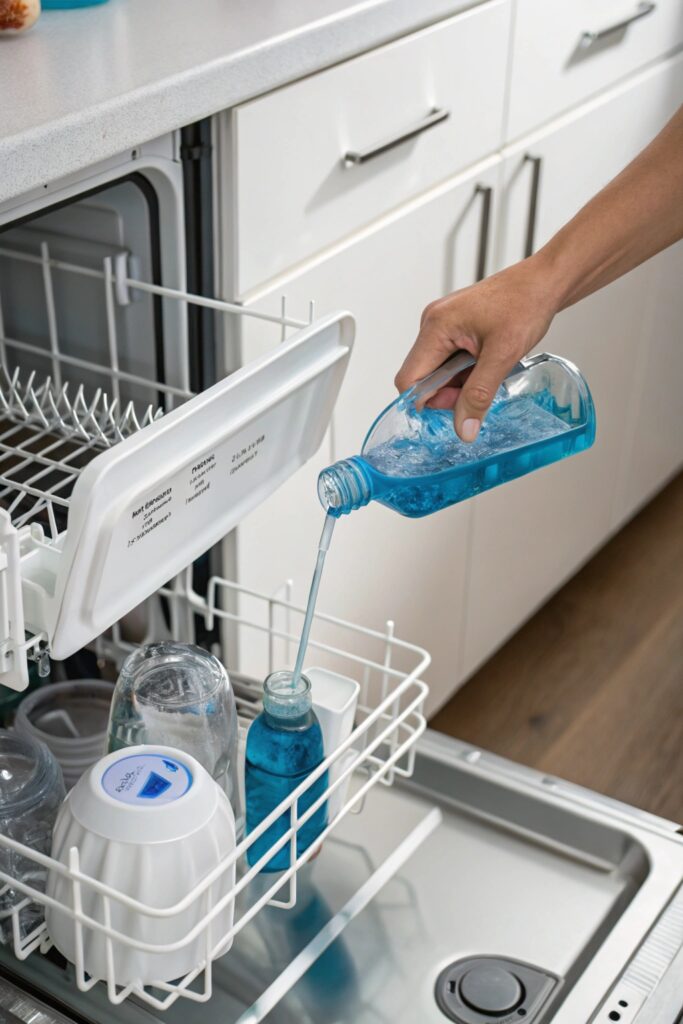
Rinse aid plays a genuinely significant role in drying performance by helping water sheet off dishes rather than forming droplets — running a heat-dry cycle without rinse aid, or with the dispenser empty, can leave dishes noticeably wetter even with fully functional heating.
Check the rinse aid dispenser level and refill if needed, and confirm the dispenser’s release setting is adjusted appropriately rather than set to the minimum release level.
4. The Thermostat Is Misreading Temperature
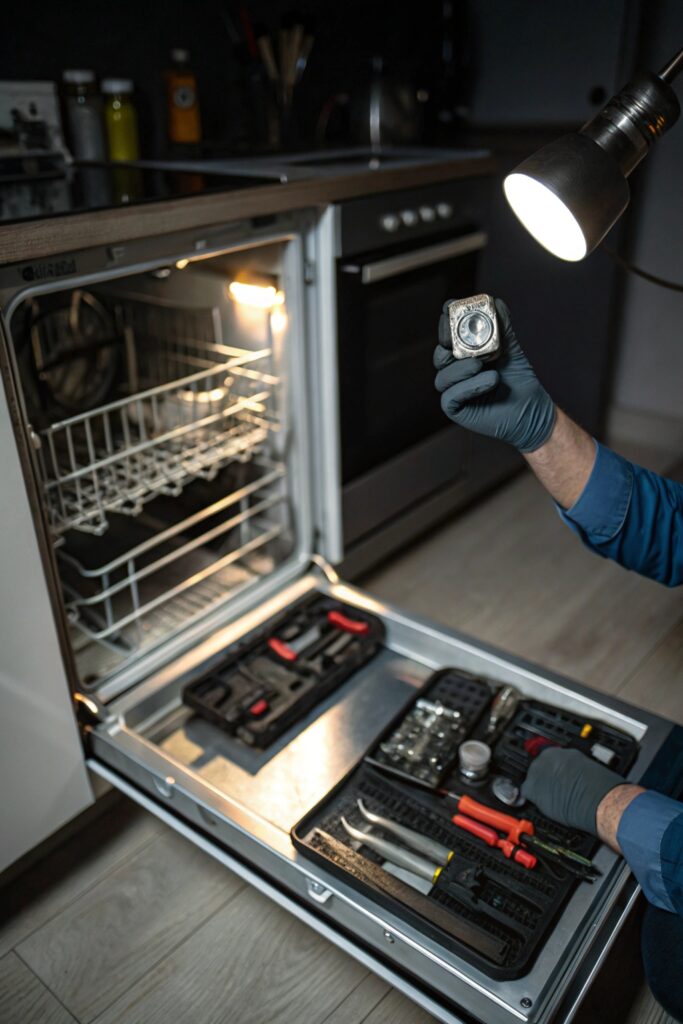
A faulty thermostat can cause the heating element to shut off prematurely, believing the target temperature has already been reached when it hasn’t, resulting in an incomplete drying cycle despite the element itself functioning correctly.
This component typically requires multimeter testing against manufacturer specifications to properly diagnose, making it a reasonable point to involve a technician if you’re not comfortable with electrical component testing.
5. Your Water Heater Isn’t Hot Enough
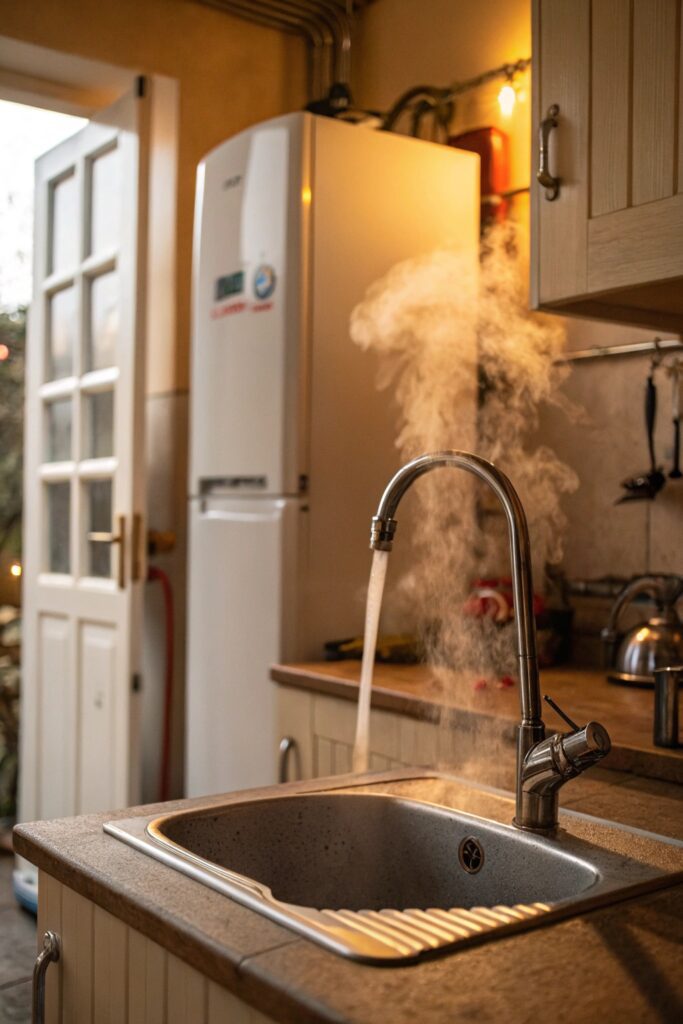
Heat-dry cycles work considerably better with hot incoming water to begin with, since the dishwasher’s heating element is topping off an already-warm rinse rather than working from cold — a home water heater set below 120°F can meaningfully hurt drying performance.
Check your water heater’s temperature setting and run the kitchen faucet until genuinely hot before starting a dishwasher cycle, which ensures the first fill isn’t starting from cooler water sitting in the pipes.
6. Overloading the Rack Blocks Airflow
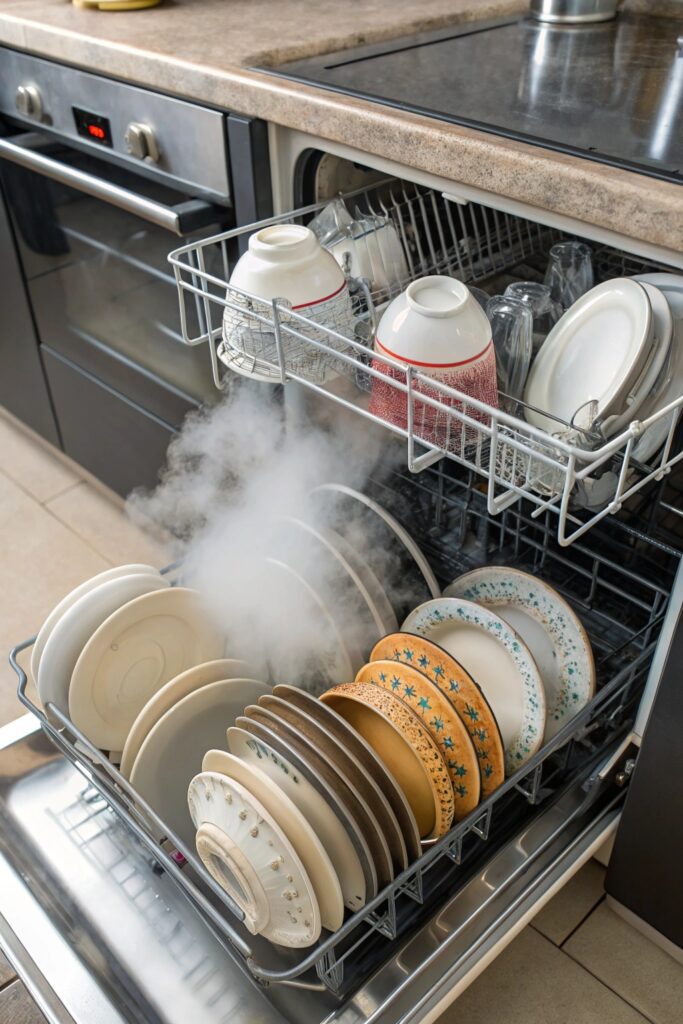
Packing dishes too tightly restricts the air and heat circulation heat-dry cycles depend on, leaving items in blocked or shadowed positions noticeably wetter than items with adequate space around them.
Leave meaningful spacing between items, particularly avoiding nesting bowls or plates too closely, and check that nothing blocks the vent opening if your model has one.
7. Plastic Items Are Disrupting the Cycle
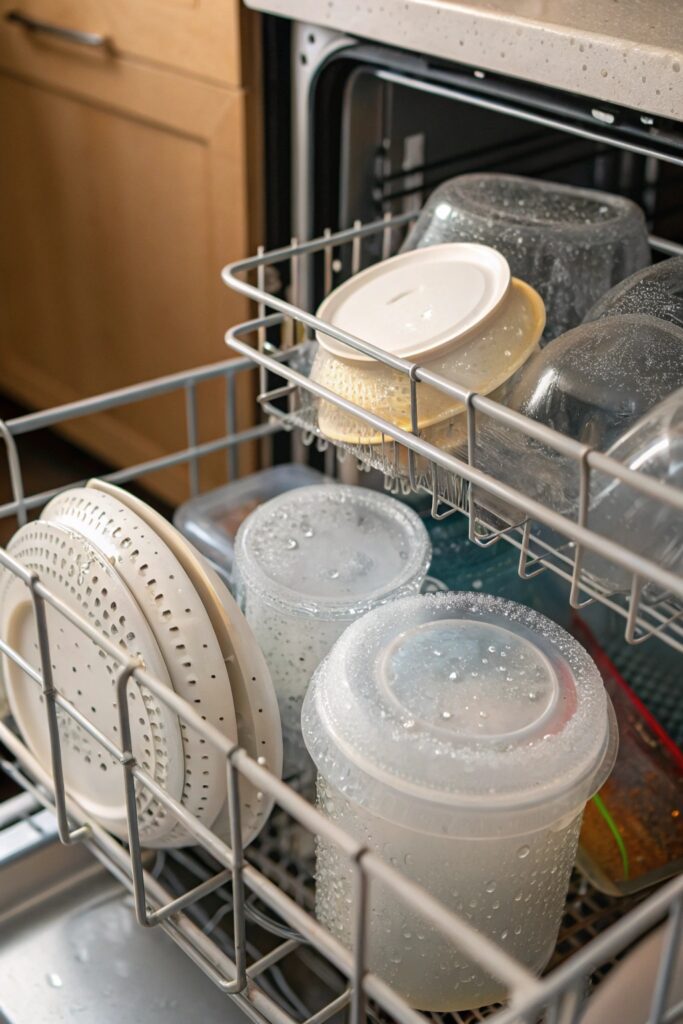
Large quantities of plastic items (which don’t retain heat the way ceramic or glass does) can throw off a load’s overall heat retention during drying, and some models’ sensors specifically detect plastic content and adjust cycle behavior accordingly, sometimes resulting in reduced heat-dry performance for heavily plastic loads.
Running mixed loads with a majority of ceramic, glass, or metal items tends to dry more effectively than loads dominated by plastic containers and lids.
8. The Door Isn’t Sealing Properly
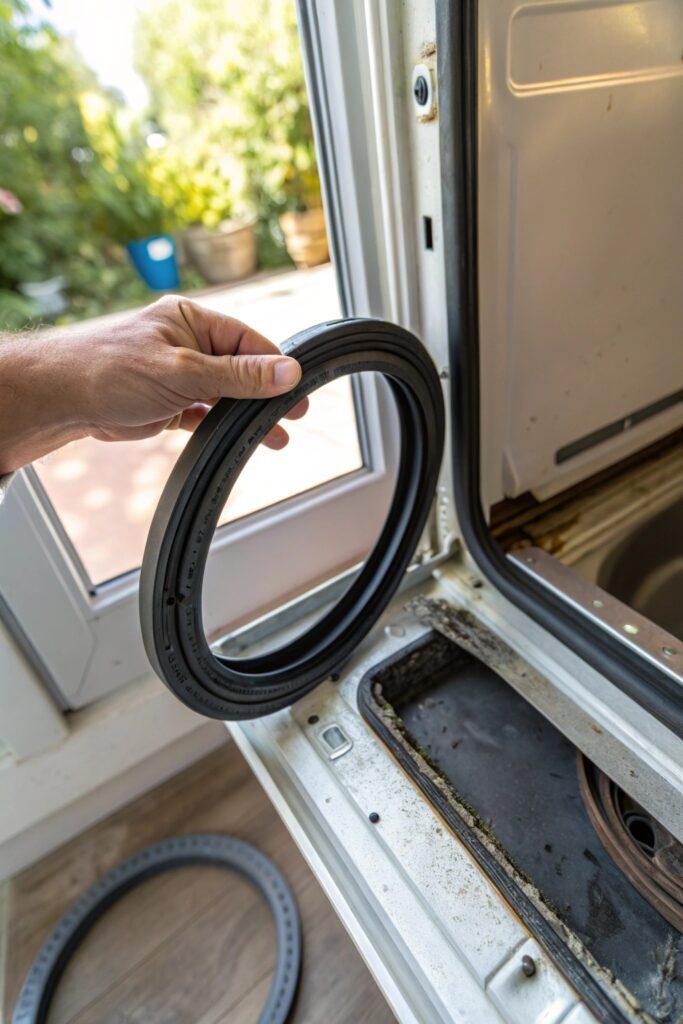
A door seal that’s worn, warped, or has debris caught in it lets heat escape during the drying phase, undermining the heating element’s effectiveness even when the element itself is functioning normally.
Inspect the rubber gasket around the door for visible damage or debris, and run a hand around the closed door during a cycle to feel for any noticeable heat or steam escaping, which points to a seal needing replacement.
9. The Control Board Has a Glitch
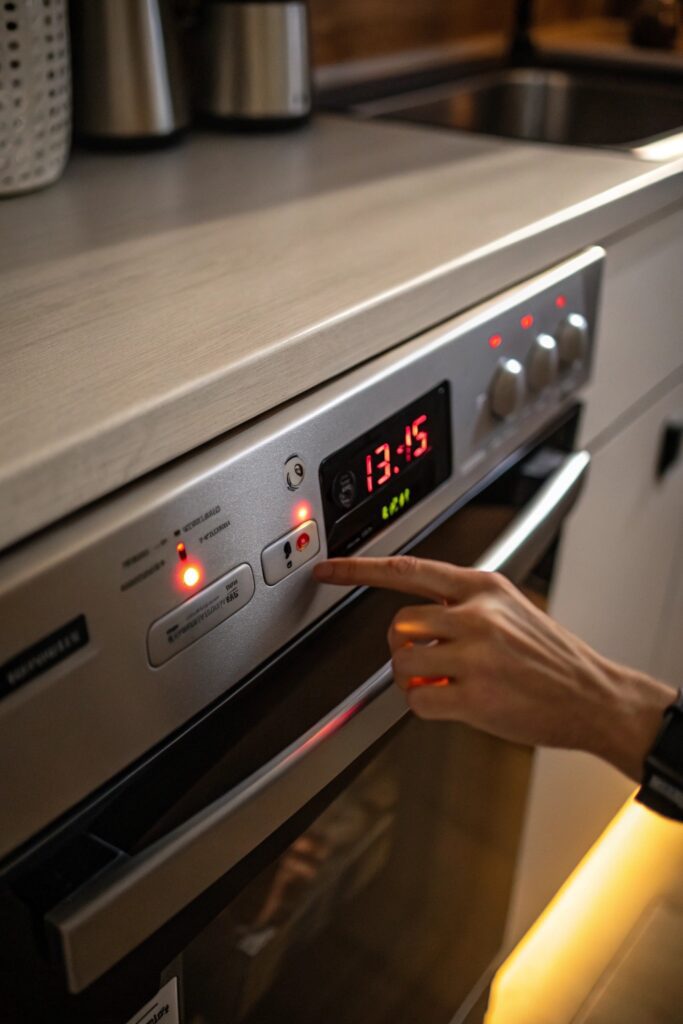
An electronic glitch in the control board can cause the heat-dry function to not activate at all despite being selected, even when every physical component (element, vent, thermostat) is functioning correctly.
A full power reset — unplugging or switching off the breaker for 5-10 minutes — clears many of these temporary glitches and is worth trying before assuming a genuine control board hardware failure.
10. You Selected the Wrong Cycle Setting
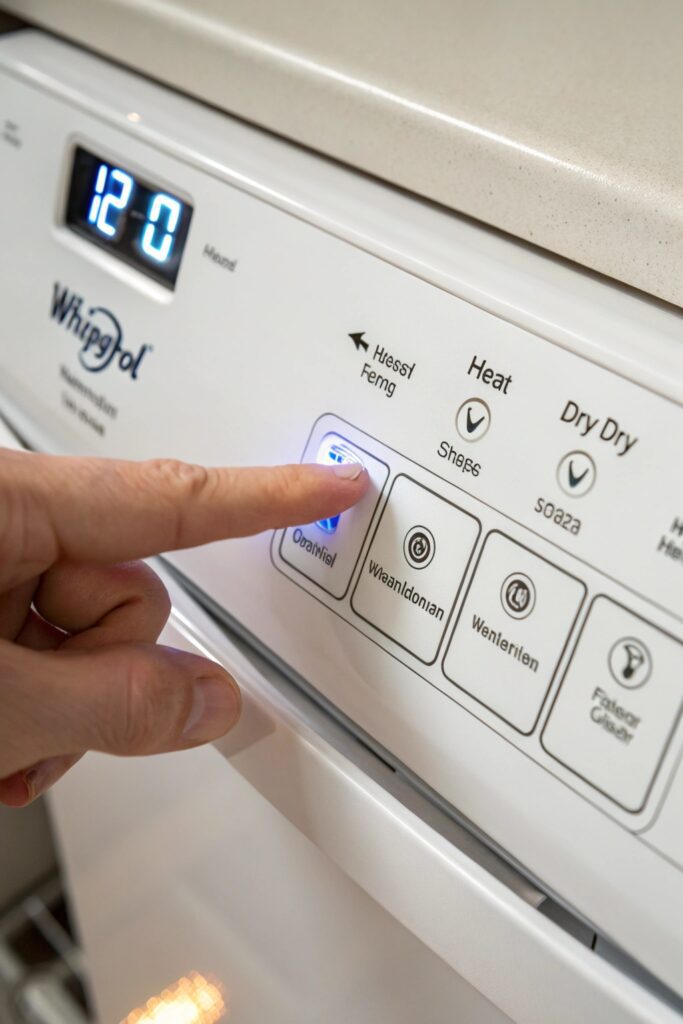
Some models have separate heat-dry and energy-saver drying options, and it’s easy to accidentally leave a more energy-efficient (air-dry) setting selected from a previous cycle, which uses little to no active heat by design.
Double-check your specific model’s control panel to confirm heat-dry is genuinely selected rather than an energy-saving alternative that might look similar at a glance.
11. The Fan (If Your Model Has One) Isn’t Spinning
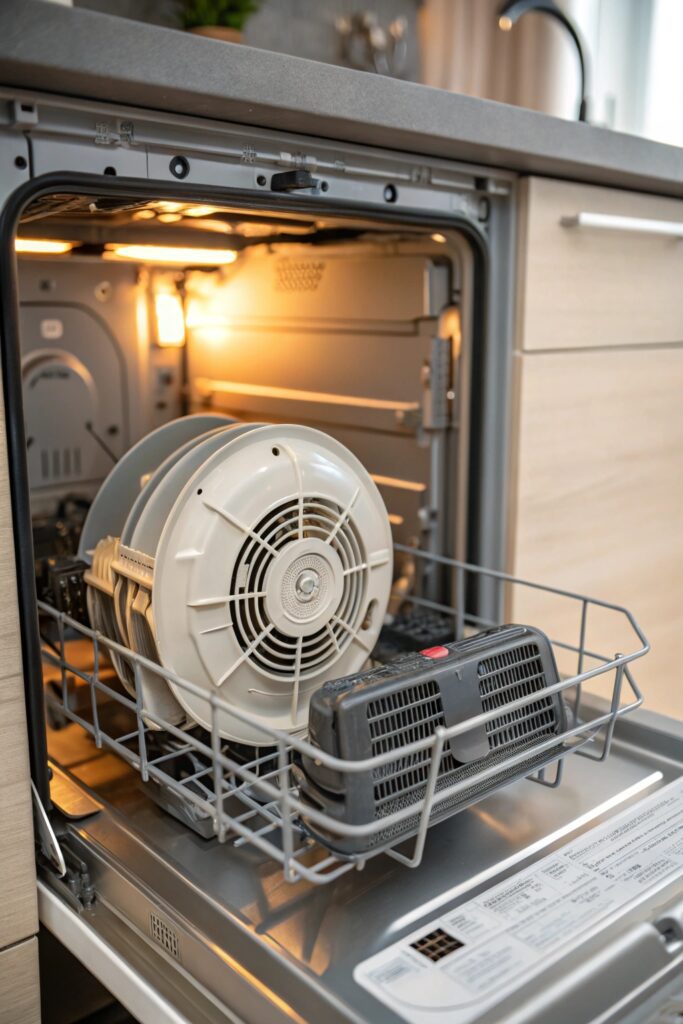
Some Whirlpool models use a fan-assisted drying system alongside or instead of a simple vent, and a fan motor that’s failed or jammed prevents the air circulation this drying method depends on.
Listen for fan operation during the drying phase — silence where you’d normally expect fan noise points toward a failed fan motor needing replacement rather than a heating element issue.
12. Mineral Buildup Is Insulating the Heating Element
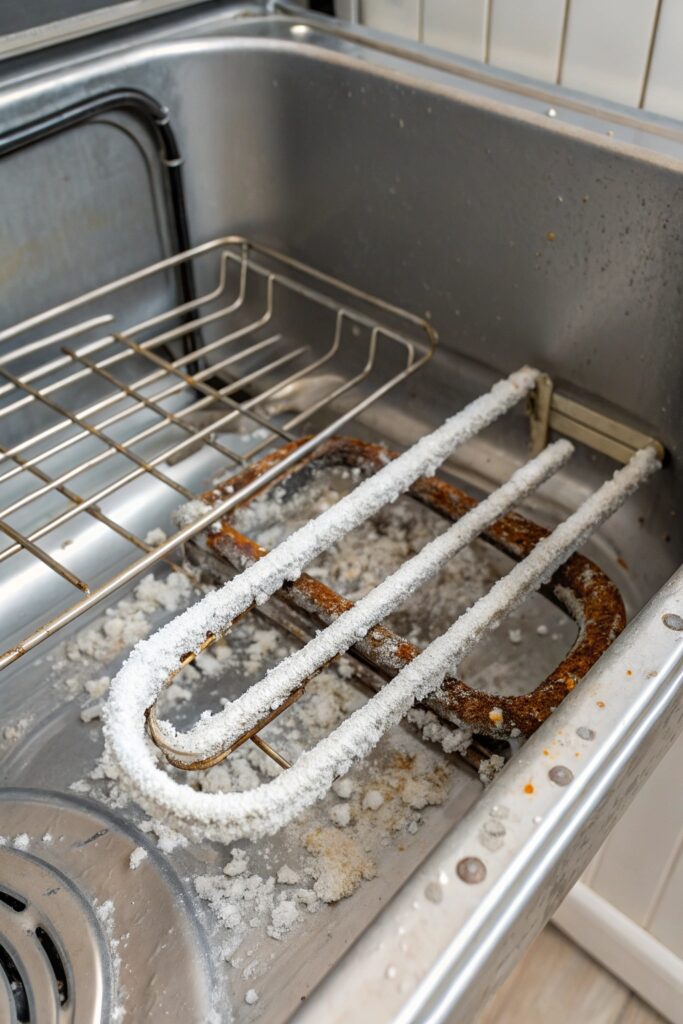
In hard water areas, mineral scale can build up directly on the heating element’s surface over time, acting as an insulating layer that reduces how effectively the element transfers heat into the tub, even though the element itself still technically functions.
A vinegar-based cleaning cycle run periodically helps dissolve this buildup before it significantly impacts drying performance, and this is worth doing as routine maintenance rather than only after drying problems have already appeared.
Wrapping It Up
Rinse aid and water heater temperature are worth checking first, since both require no tools and account for a meaningful share of drying complaints that aren’t actually heating element failures. If those check out and dishes are still coming out wet, working through the vent, element, and thermostat next covers the most common genuine hardware causes.