
Winter coziness isn’t really about adding more decor — it’s about layering warmth through texture, lighting, and material choices that work together rather than as isolated purchases. The changes that matter most are often the cheapest: bulb temperature and lighting layout do more than any single decorative object.
Below are 15 ways to build that warmth, with real materials and costs for each.
1. Layer Chunky Knit Throws
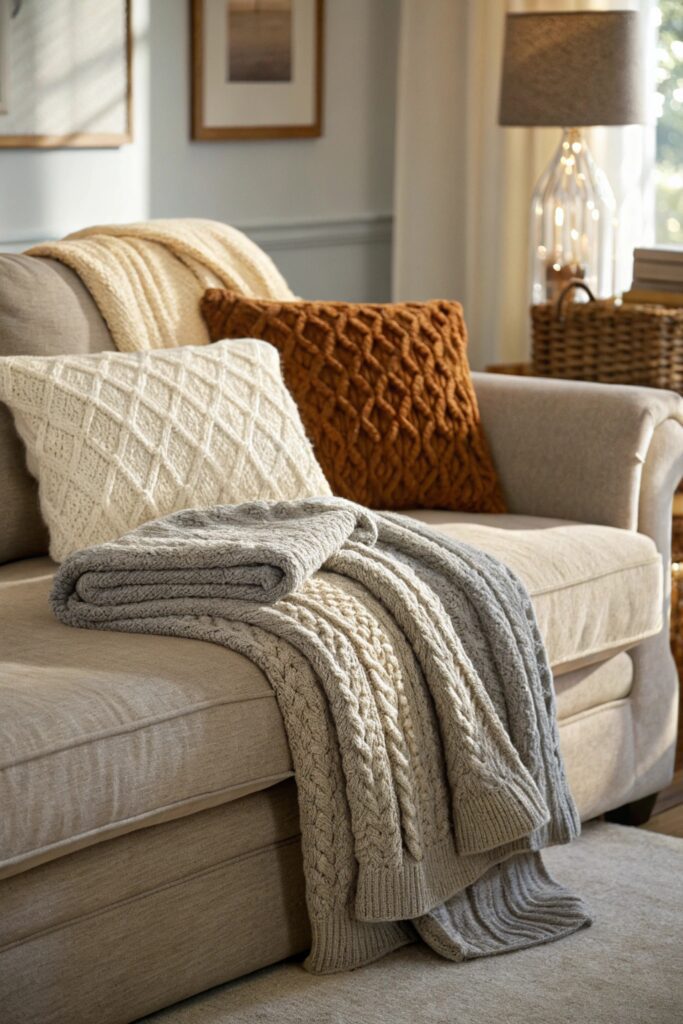
A cable-knit or waffle-weave throw ($30-50 at West Elm or Target) draped over a sofa arm or the foot of a bed adds visual and literal warmth in a way flat throws don’t. Layer two different knit textures — a chunky cable-knit under a thinner waffle throw — rather than one alone; the texture contrast reads more intentional than a single blanket, even at the same price point.
2. Switch to Warm-Toned Light Bulbs
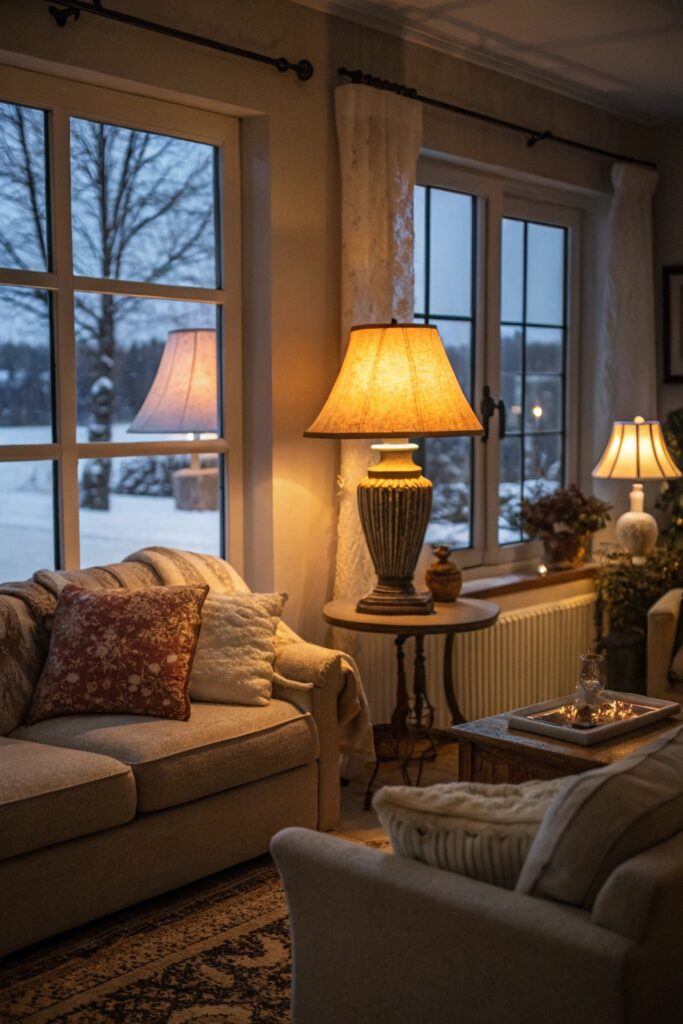
Winter’s shorter days make lighting temperature matter more than any other season — swapping to 2700K warm white bulbs throughout (versus 4000K+ cool white or daylight) shifts a room from clinical to cozy for the cost of the bulbs alone, typically $15-25 for a full room’s worth. This is one of the highest-impact, lowest-cost changes on this entire list.
3. Add a Faux Fur or Sheepskin Rug
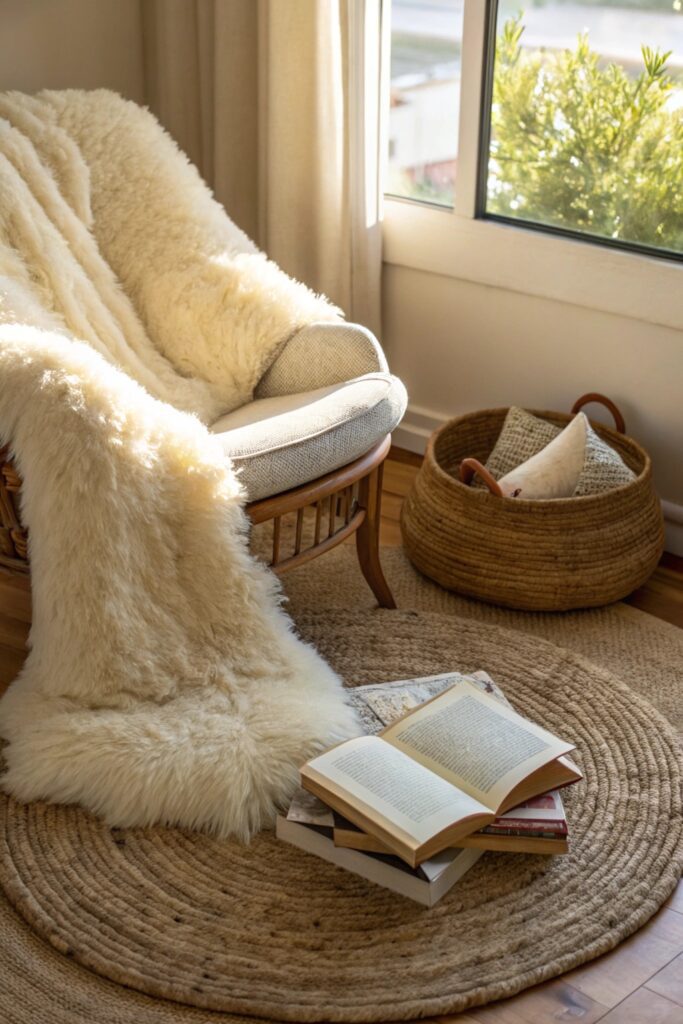
A faux sheepskin (IKEA’s Skold or similar, $25-40) layered over a larger flat-weave rug near a reading chair or at the foot of a bed adds tactile warmth exactly where bare feet meet floor in winter. Faux over real is worth it here specifically for easy machine-washing, since these rugs see more foot traffic and moisture (melting snow, wet socks) than most other textiles in the home.
4. Light Candles Everywhere (Safely)
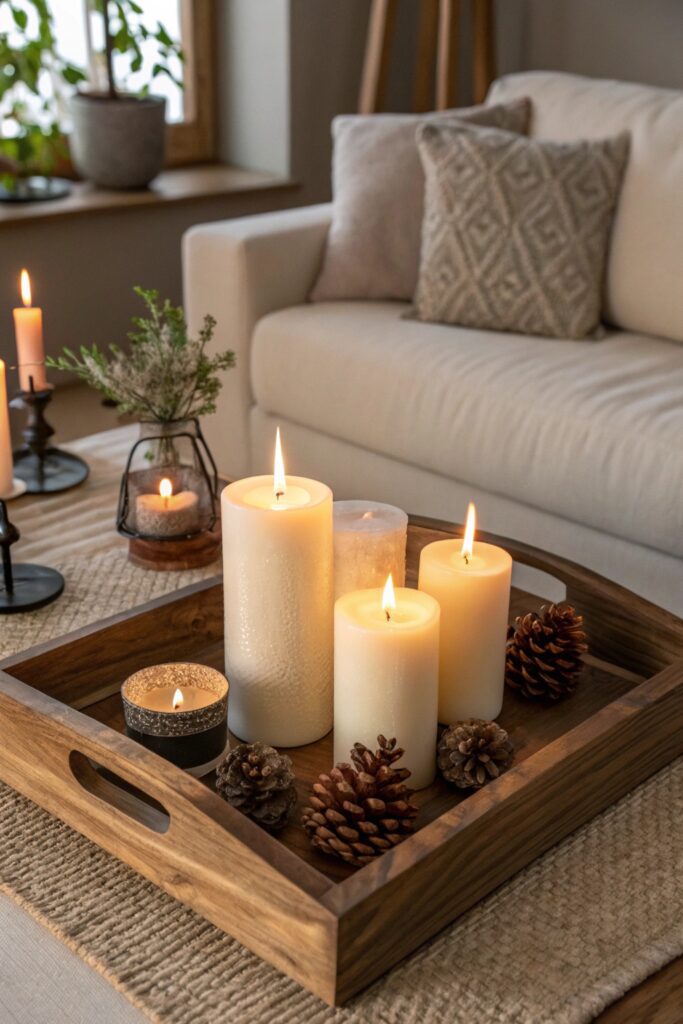
Grouped pillar candles at varying heights (real or flameless) on a mantel, coffee table, or windowsill add warm ambient light that compounds with your warm bulb swap. If using real candles, choose a wood-wick or soy-based option — they burn slightly warmer and slower than standard paraffin, which matters if you’re lighting them regularly through a long winter.
5. Bring In Wood Accents
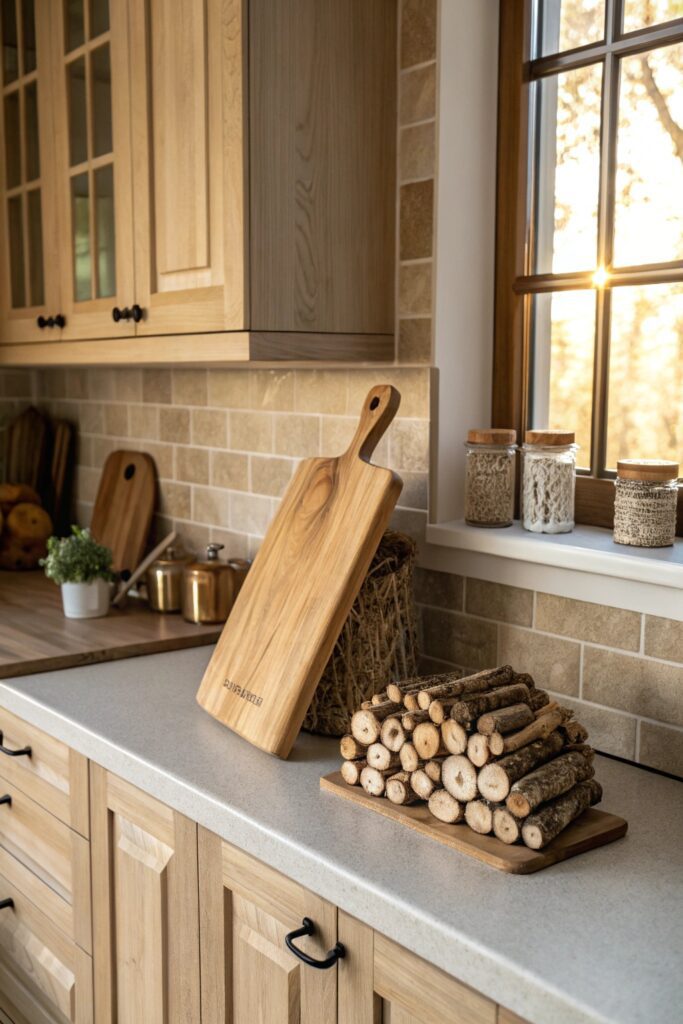
Raw or lightly finished wood — a cutting board displayed as decor, a wood bowl, a live-edge shelf — adds warmth through material rather than color alone, balancing out winter’s tendency toward cooler light and shorter days. Even small wood accents (a set of wood coasters, a wooden tray) contribute to this effect cumulatively across a room.
6. Add a Weighted or Textured Throw Pillow Mix
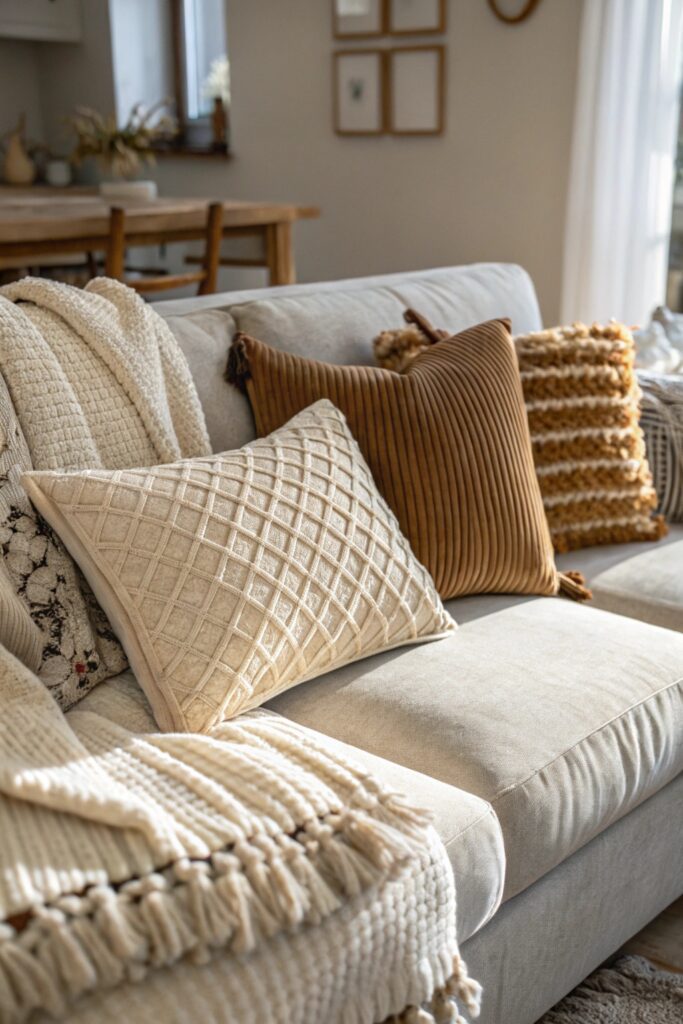
Boucle, velvet, and cable-knit pillow covers mixed together (avoid three of the same texture) on a sofa or bed add the kind of tactile variety that photographs and feels cozier than a matching set. Budget $15-25 per cover; a set of 3-4 mixed textures runs $60-100 total, refreshing a room’s whole feel for less than a new throw blanket alone.
7. Set Up a Hot Drink Station
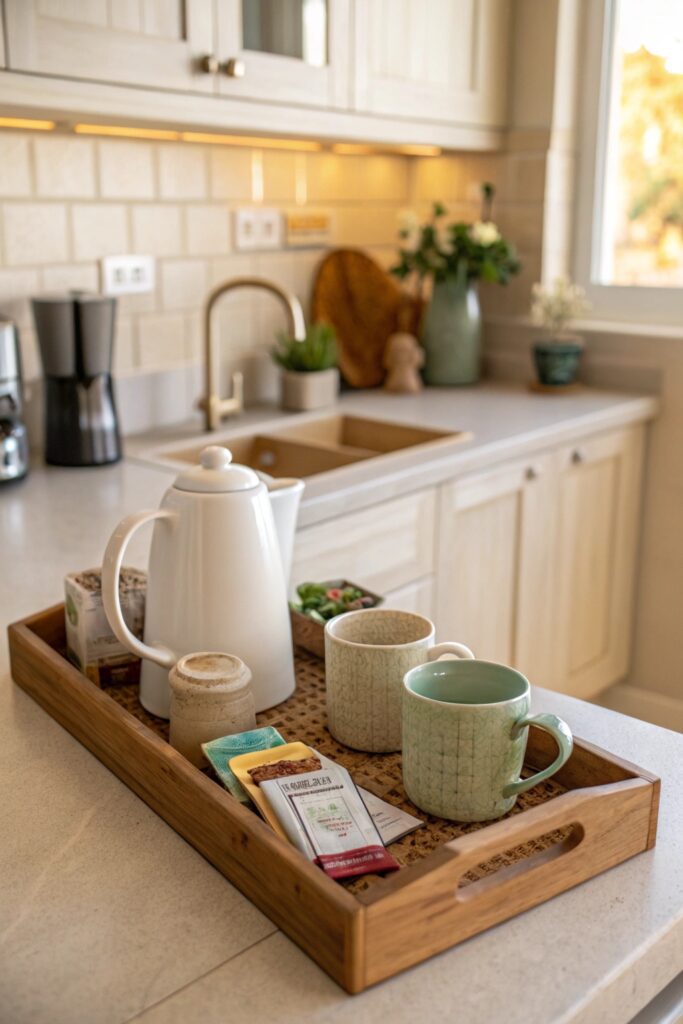
A small tray with a kettle, a few mugs, and a basket of tea or cocoa packets on a counter or console makes a warm drink a two-minute task instead of a multi-step kitchen trip, which genuinely increases how often you’ll actually make one during winter. This is functional decor — it solves a real behavioral friction point, not just a styling choice.
8. Swap Curtains for Heavier Fabric
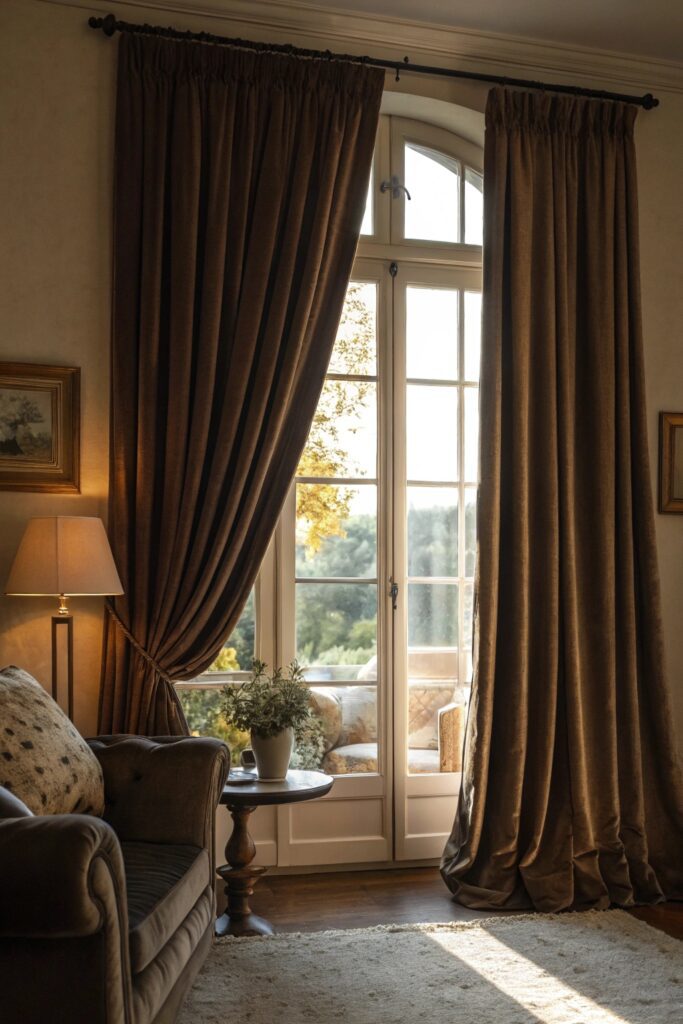
Velvet or heavy cotton curtains (versus sheer or linen) add both a visual sense of warmth and genuine thermal insulation against cold windows — a meaningful winter-specific upgrade beyond pure aesthetics. Budget $35-60 per panel for a heavier fabric; the insulation benefit alone can offset some heating costs in older homes with drafty windows.
9. Add a Basket of Extra Blankets
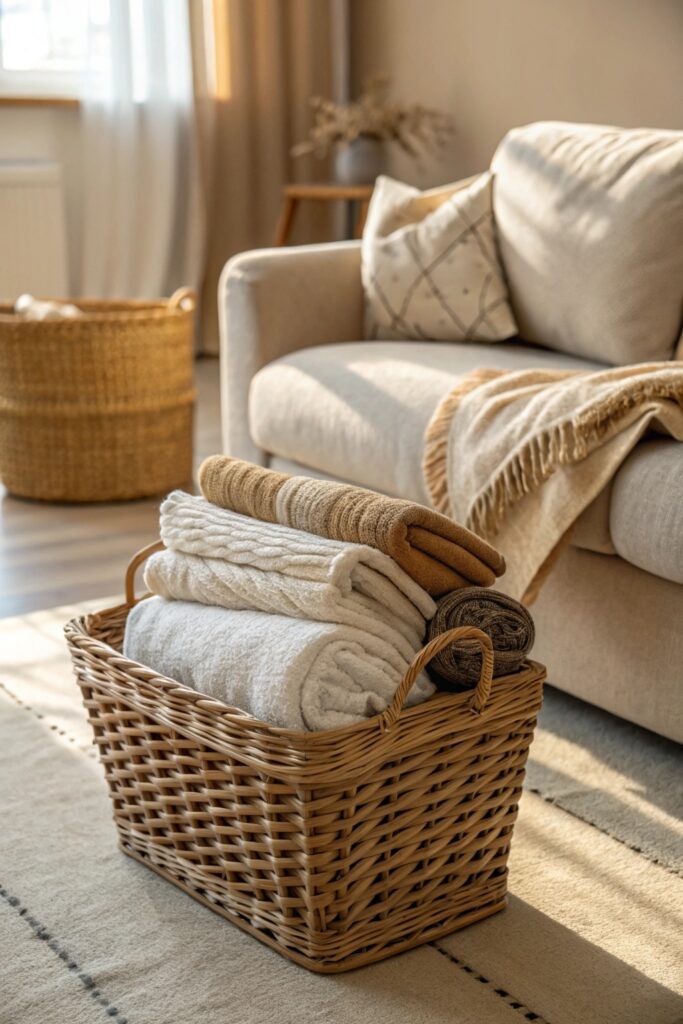
A woven basket by the main seating area, stocked with 2-3 extra blankets, makes it easy for guests (and yourself) to grab warmth without hunting through a closet. This is both practical and decorative — an empty corner filled with a textural basket reads intentional, and the blankets get used rather than sitting folded in a linen closet all season.
10. Layer Rugs for Extra Warmth Underfoot
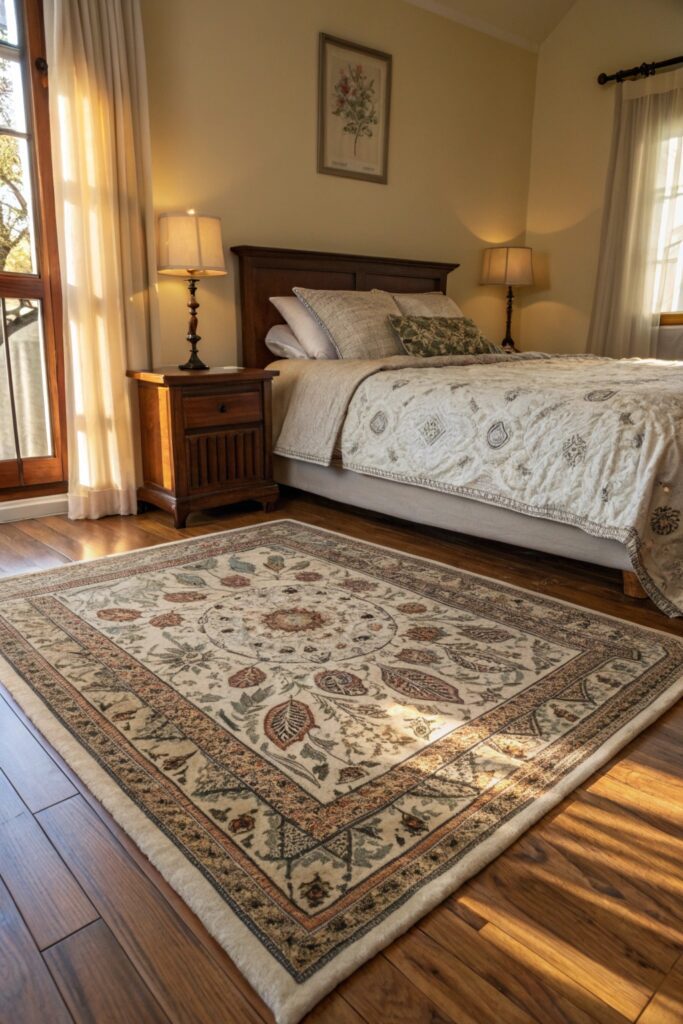
A smaller textured rug over a larger flat-weave base rug adds both visual depth and genuine warmth underfoot on cold floors, particularly over hardwood or tile. Keep the layered rug roughly two-thirds the size of the base so the border remains visible — this is what separates intentional layering from looking like a rug that doesn’t fit.
11. Bring In Dried Florals or Winter Greenery
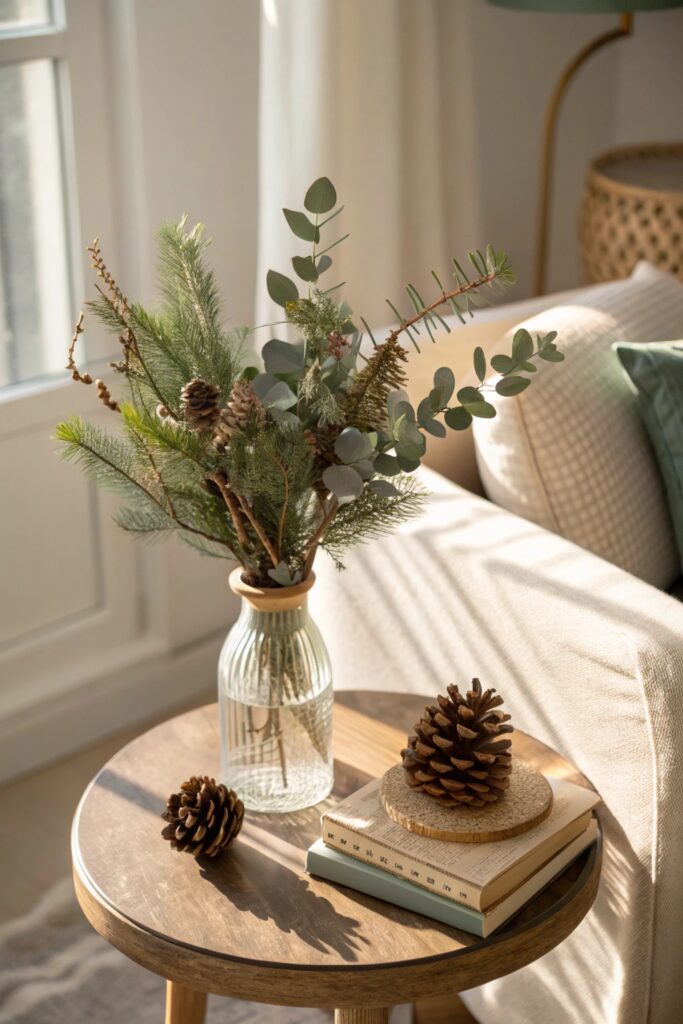
Dried eucalyptus, pampas grass, or preserved winter greenery in a stoneware vase adds organic texture without the maintenance fresh flowers require during a season when they wilt faster in dry, heated indoor air. Dried arrangements hold their look for months, making them a one-time $15-25 purchase that lasts the whole season.
12. Use a Space Heater as a Design Feature
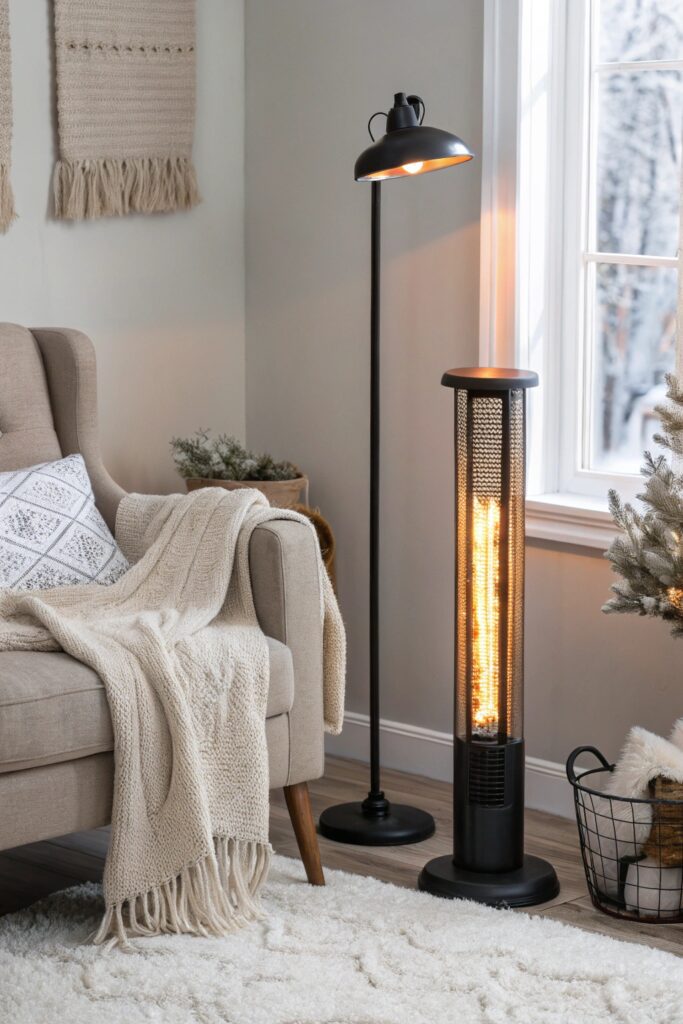
Modern space heaters (Vornado and Dyson both make design-forward options in the $60-150 range) don’t need to be hidden in a corner — placed intentionally near a reading chair, they function as both a heat source and a visual anchor point, rather than an ugly necessity tucked out of sight.
13. Add a Chunky Knit Blanket Ladder
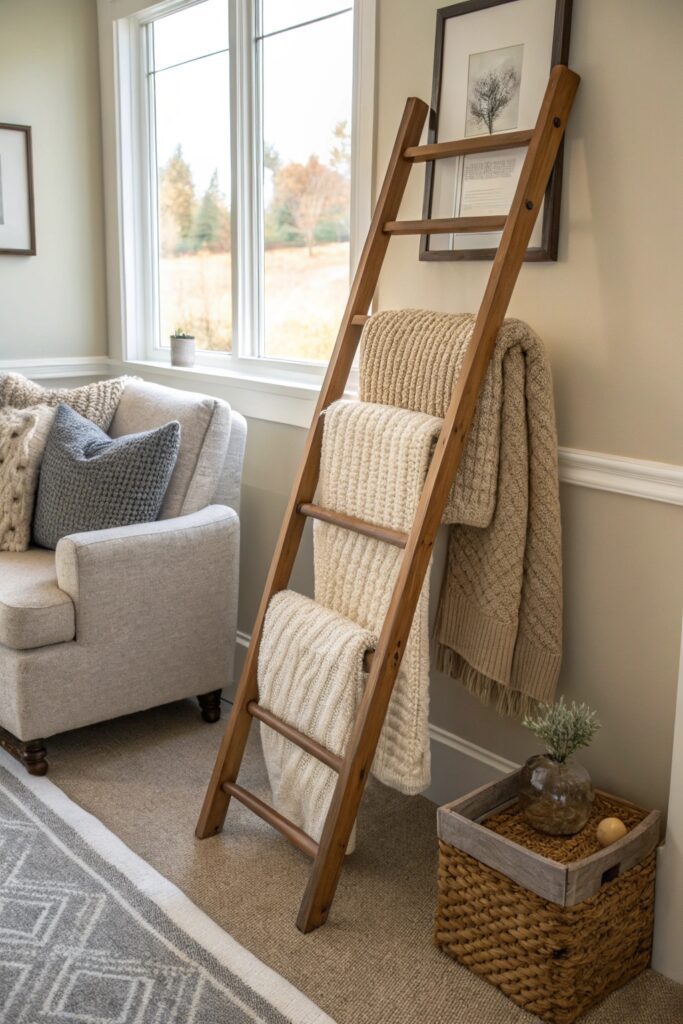
A wood ladder styled with 2-3 chunky knit blankets in varying textures serves the dual purpose of storage and decor, keeping blankets accessible and visible rather than stuffed in a closet. Fold each blanket in thirds lengthwise and drape asymmetrically rather than squared, which reads more relaxed and lived-in.
14. Bring In Warm Metallics
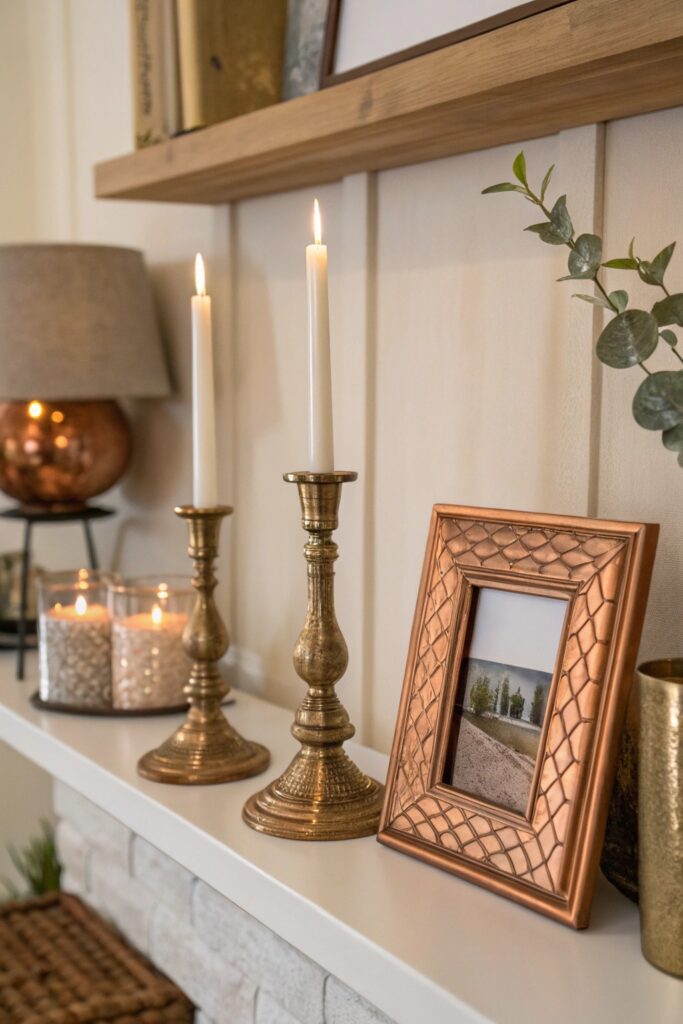
Brass, copper, or aged gold accents — a candle holder, a picture frame, a vase — reflect warm light in a way that silver or chrome doesn’t, adding a subtle glow that compounds with your warm bulb swap. Even one or two small metallic pieces per room contribute to this effect without requiring a full hardware or fixture overhaul.
15. Layer Lighting Instead of Relying on One Overhead Fixture
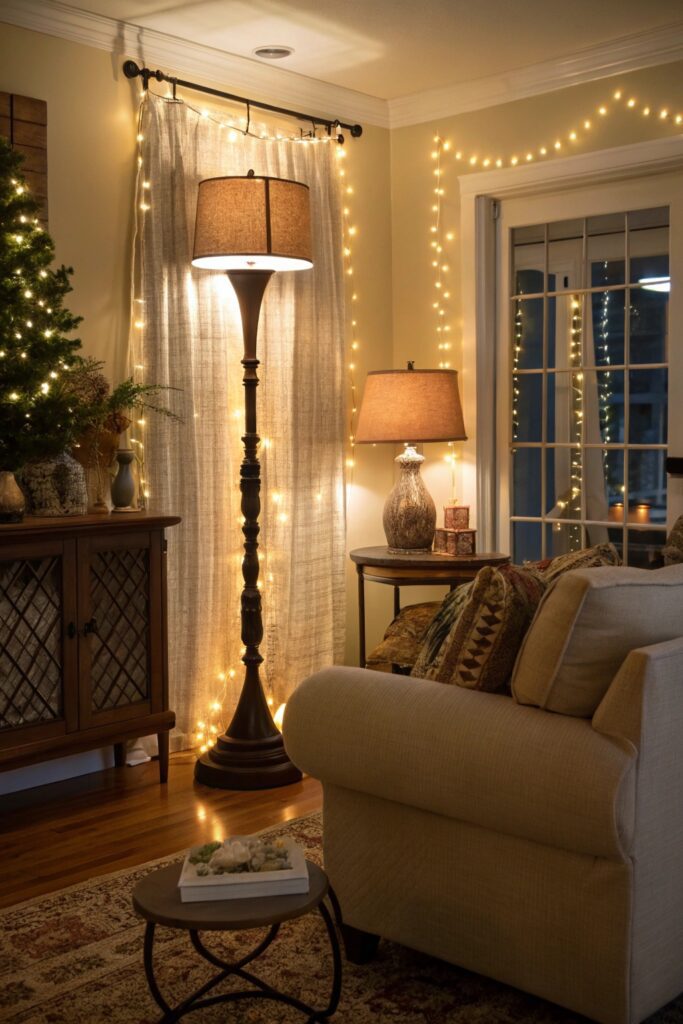
Combining a floor lamp, a table lamp, and candlelight at three different heights creates the layered warmth winter rooms need, since a single overhead fixture creates flat, even light that reads cold regardless of the bulb’s color temperature. This is the single most effective change on this list when combined with the warm bulb swap from earlier.
Making Winter Feel Like a Season Worth Enjoying
If you only do a few of these, prioritize the lighting changes first — warm bulbs and layered lamp placement affect how the entire room feels more than any individual textile or decor piece. Textiles and metallics compound that warmth once the lighting foundation is right, rather than trying to substitute for it.