
A functional boys’ bedroom balances a fun, engaging theme with practical storage and furniture that can adapt as interests change over the years.
Below are 10 room concepts worth considering, with practical notes for each.
1. The Adventure-Themed Bunk Bed Setup
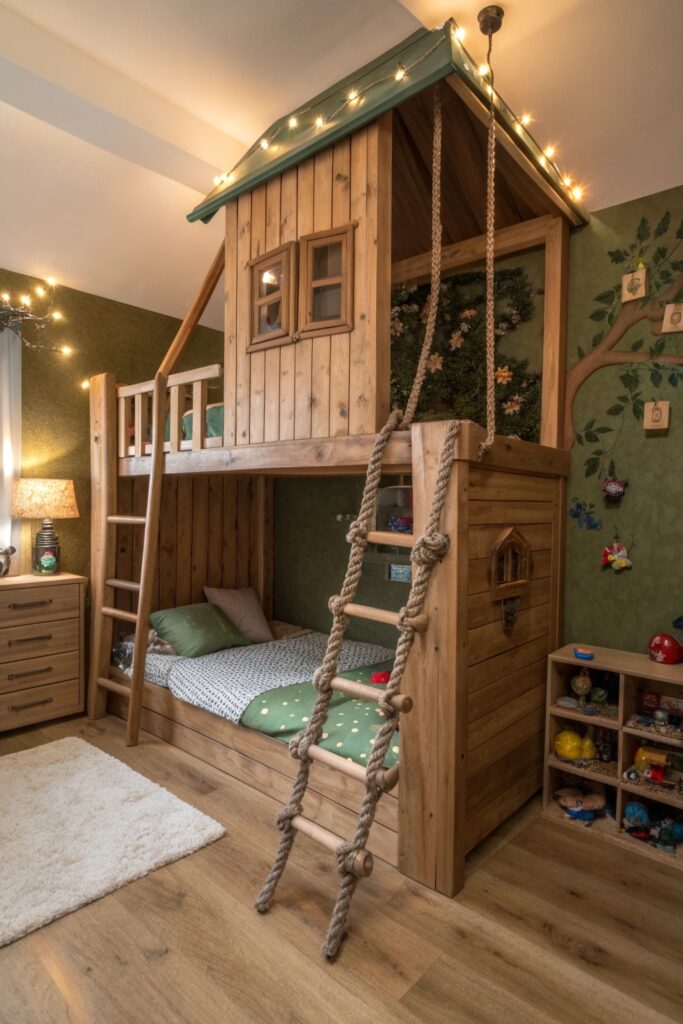
A bunk bed maximizes floor space in a smaller room, freeing up area below for a play or reading zone rather than a second bed frame.
Choose a bunk bed with sturdy guardrails and a stable ladder, since safety matters more here than in almost any other furniture choice for a child’s room.
2. The Space Explorer Bedroom
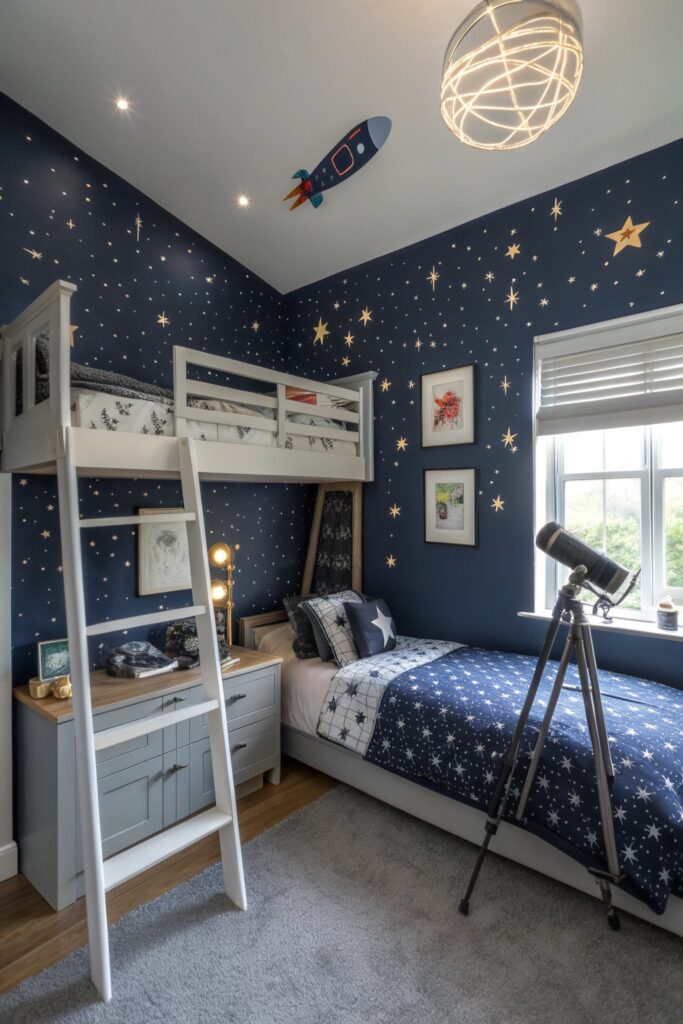
Glow-in-the-dark star decals add a low-cost detail that becomes a fun nightly feature without requiring any wall painting.
Apply the decals to a clean, dry wall for the best adhesion, and note that most brands need several hours of light exposure to charge before glowing at night.
3. The Sports Command Center
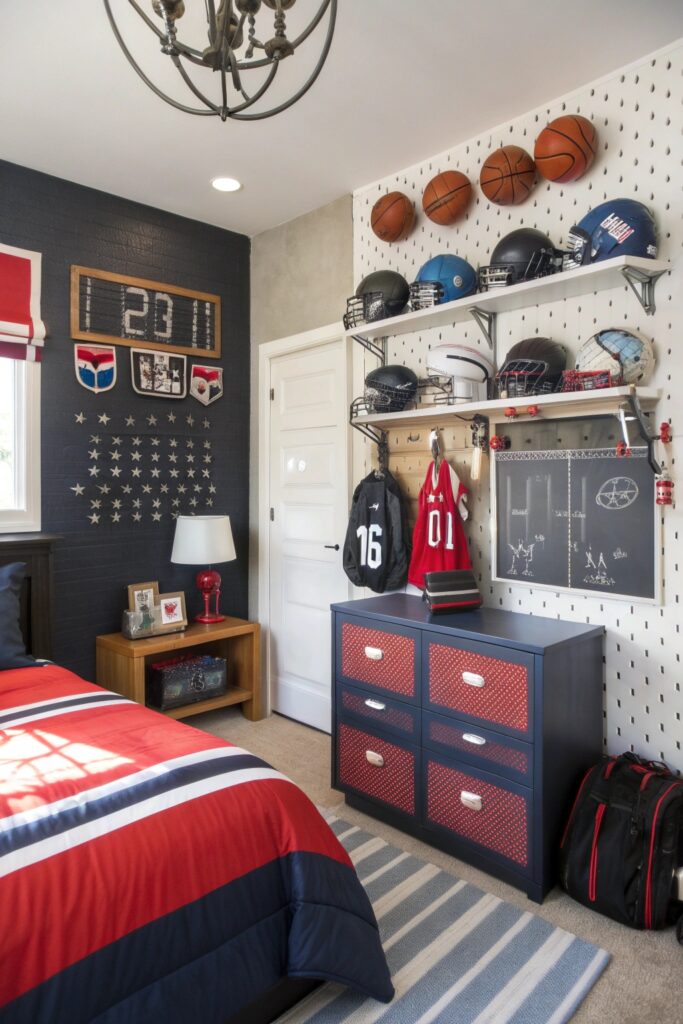
Choosing a specific sport rather than a generic sports theme gives the room more personal relevance if your child has an actual favorite.
Choose bedding and accent colors in the actual team’s colors specifically, which ties the room together more cohesively than generic sports imagery alone.
4. The LEGO Builder’s Workshop
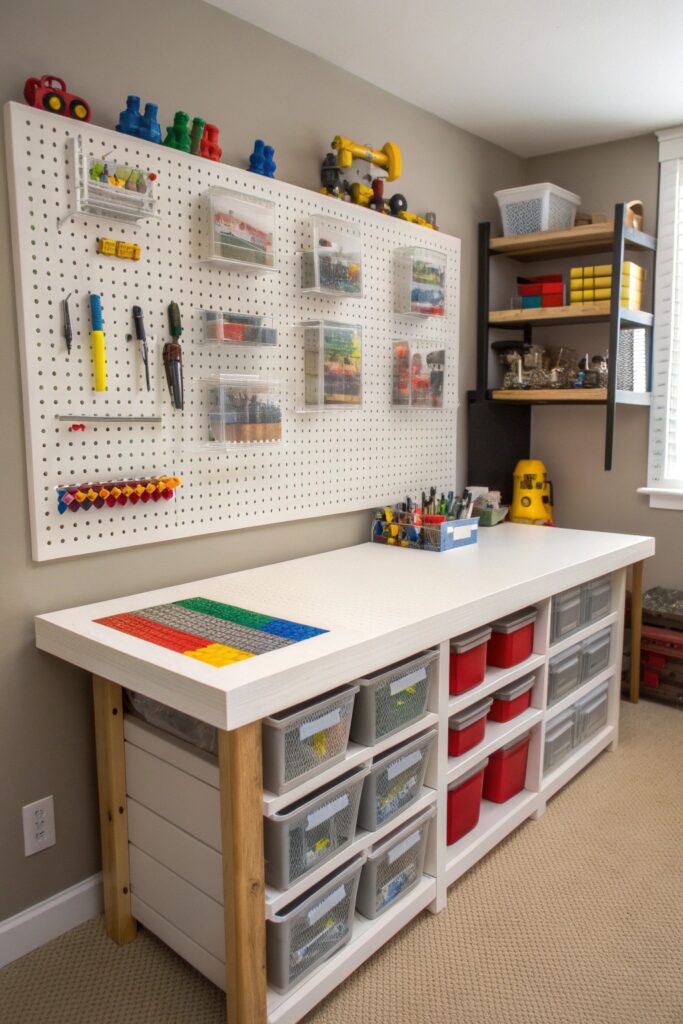
A dedicated building surface with genuine sorted storage bins keeps small pieces contained and considerably reduces the chance of stepping on stray blocks.
Label storage bins clearly by piece type or set, which makes cleanup faster and helps avoid the frustration of searching through mixed bins for a specific piece.
5. The Cozy Reading Nook Bedroom
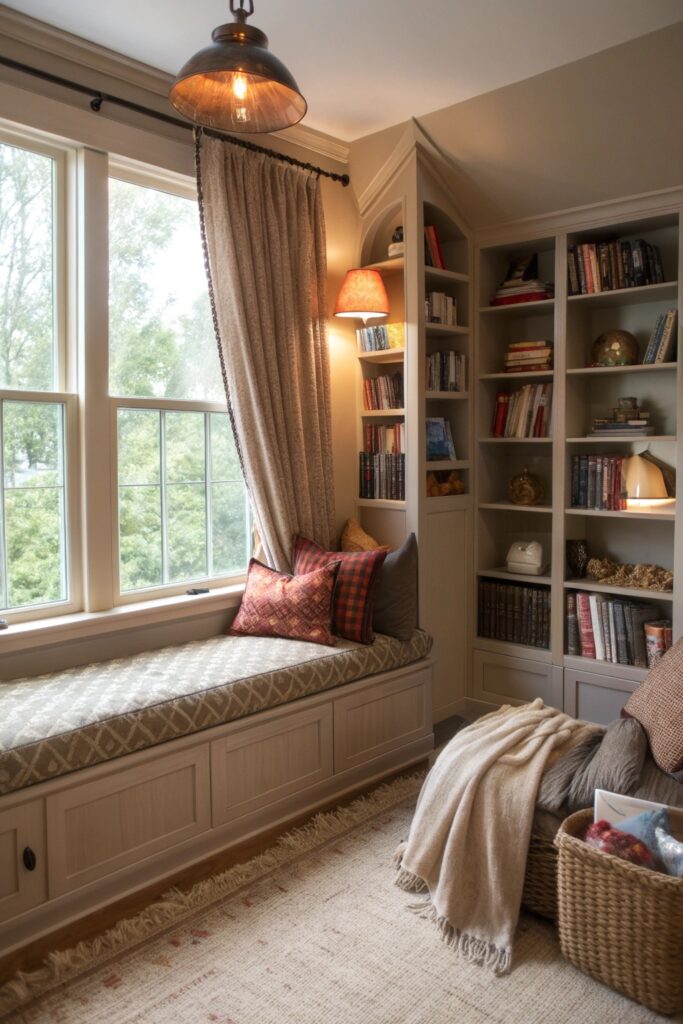
A dedicated reading spot with good task lighting encourages actual use, separate from the bed where reading in low light isn’t ideal.
Choose a reading light with adjustable brightness, which accommodates both daytime reading and a dimmer setting for winding down before bed.
6. The Dinosaur Discovery Room
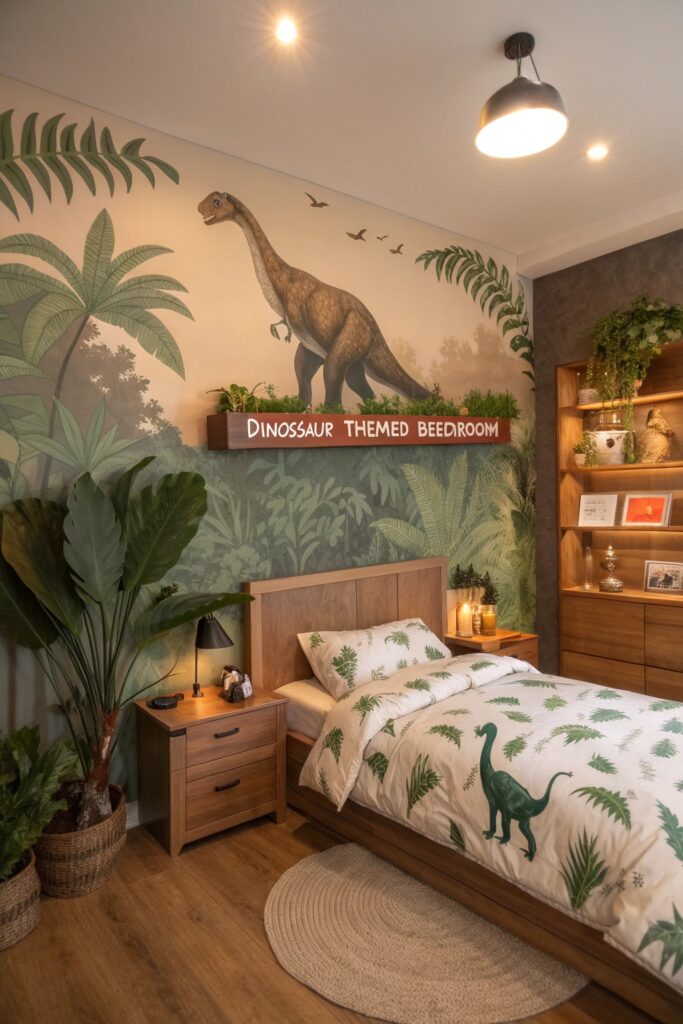
This theme works well with an earthy, muted color palette rather than bright cartoonish colors, which helps the room age a bit better as interests evolve.
Choose dinosaur figures and books as accent details rather than covering every surface, which keeps the theme from feeling overwhelming in a smaller space.
7. The Multi-Zone Micro Bedroom
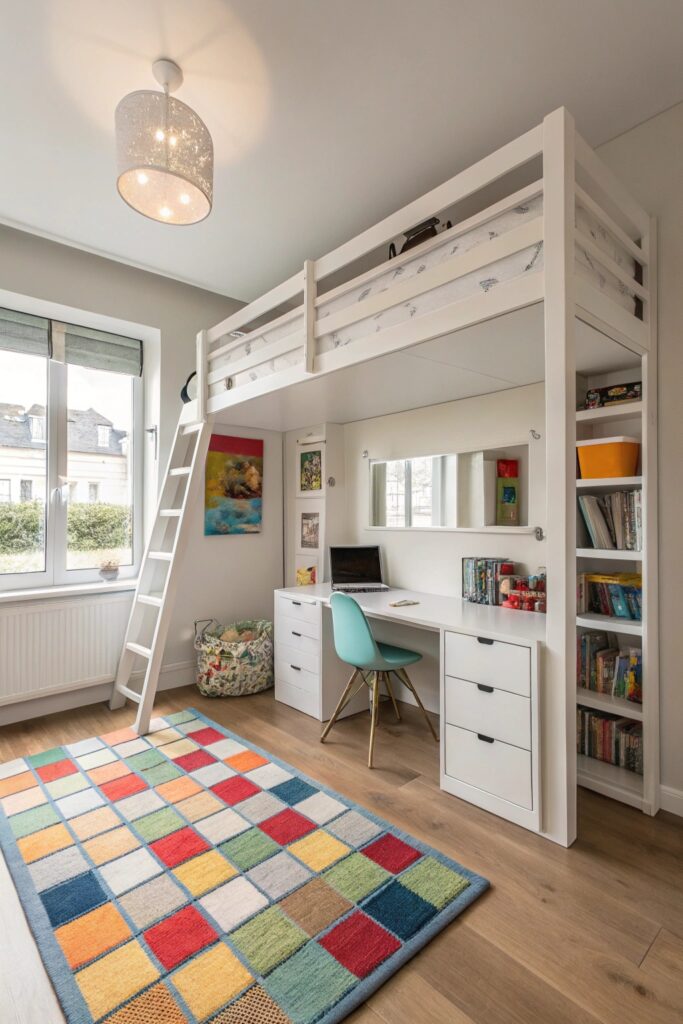
Dividing a small room into distinct zones — sleep, play, study — with rugs or furniture placement helps the space feel more organized despite its size.
Use furniture that can serve double duty, like a storage ottoman that also works as extra seating, which matters most in a room with limited square footage.
8. The Tech-Savvy Gamer Setup
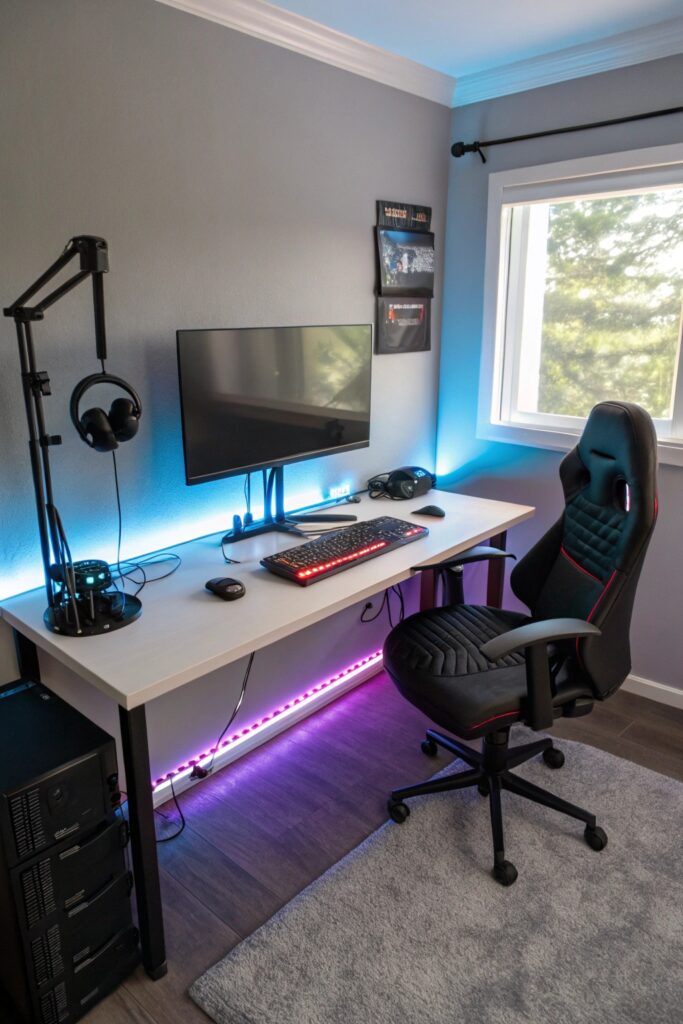
Genuine cable management and a dedicated desk setup keep this room from looking cluttered despite the added electronics and equipment.
Position the desk away from the bed specifically, which helps the room maintain some separation between screen time and sleep.
9. The Superhero HQ Bedroom
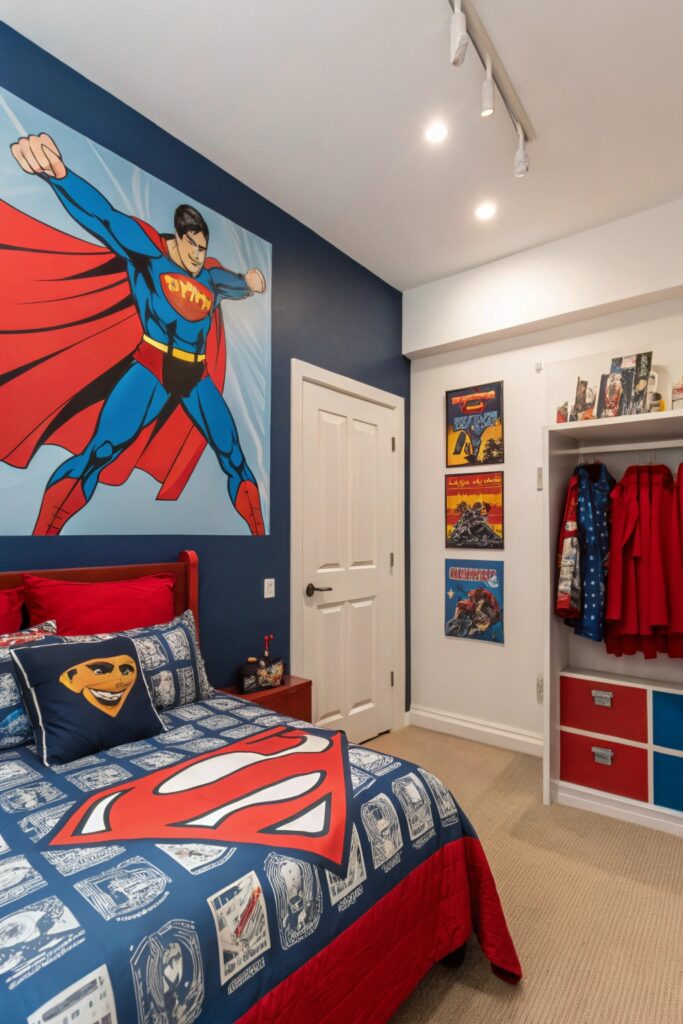
Sticking to a color palette rather than licensed character imagery gives the room more longevity as specific interests shift over time.
Keep any character imagery to smaller, easily swappable items like bedding or posters rather than a painted mural, which is easier to update as interests change.
10. The Nature Explorer Bedroom
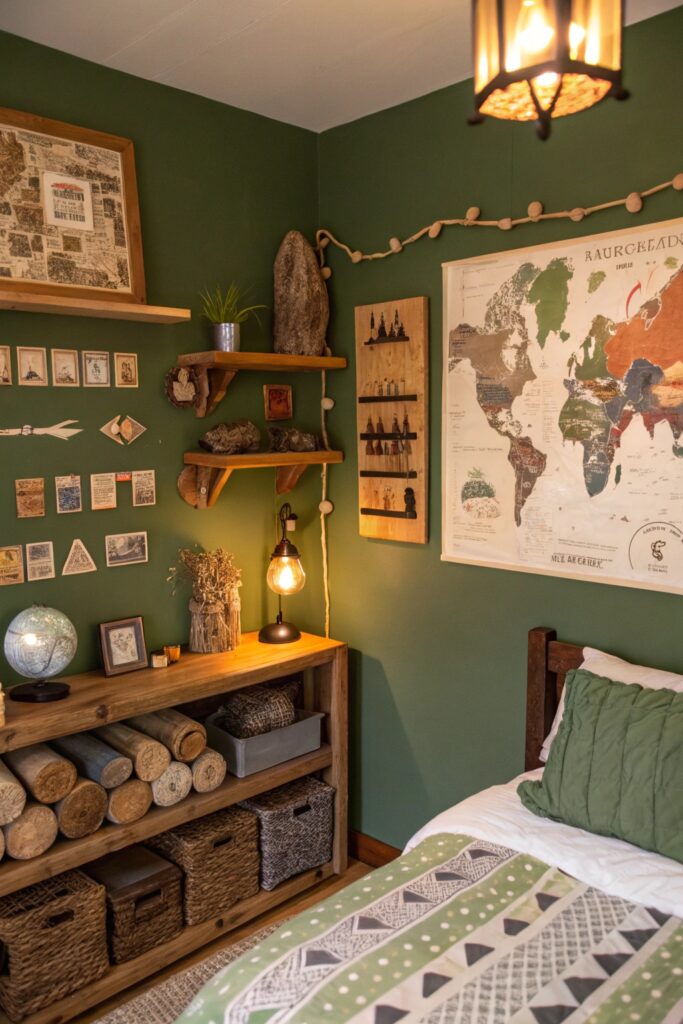
Natural materials like wood and canvas suit this theme better than the brighter plastics common in more overtly commercial bedroom themes.
Lighting That Supports Both Play and Sleep
A single overhead light rarely covers everything a kid’s room needs, since bright task lighting for building or homework is a different requirement than the dim, calming light that helps with winding down at bedtime.
Layering a brighter desk or play-area lamp with a soft nightlight or dimmable bedside lamp lets the room shift from an energetic play space during the day to a calmer sleep environment at night without needing to renovate anything.
Choosing Furniture That Grows With Them
Furniture in a neutral finish — natural wood, simple painted white or grey lasts through several theme changes better than pieces built specifically around one interest.
Save the actual theme commitment for smaller, easily changed elements like bedding, wall art, and accessories, which can be swapped out in an afternoon rather than requiring a full furniture replacement as interests shift.
What This Room Costs
A few themed accents — bedding, wall decals, a rug — can refresh a room for $100 to $300.
A fuller commitment with new furniture, like a bunk bed or a dedicated desk setup, typically runs $500 to $2,000 depending on the specific pieces chosen.
Involving Them in the Process
Letting a child pick a few specific elements — a bedding pattern, an accent color, a poster gives them a sense of ownership over the space without needing to hand over every design decision.
This also tends to result in a room that better reflects their actual current interests rather than what a parent assumes they’d like, which matters since kids’ preferences can shift considerably faster than adults might expect.
Check that any furniture, especially bunk beds and tall storage pieces, meets current safety standards and is properly anchored to the wall if there’s any tipping risk, which matters more in a child’s room than almost anywhere else in the home.
Start with one or two changes rather than redoing the entire room at once, especially if you’re testing a new theme, since it’s easier to gauge whether the direction truly resonates before committing further budget and effort.
Secondhand furniture is worth checking specifically for pieces like desks and dressers, since these items are often available at a fraction of retail cost and hold up just as well once cleaned up.
Whatever theme you land on, revisit the room every year or so as interests naturally evolve, since a space that once felt exciting can start to feel outgrown, and small refreshes are considerably easier than a full redo down the line.
Take a photo of the finished room, since it’s actually nice to have a record of each stage as the space and its occupant grow and change together over the years.
A truly well-organized room also makes daily routines easier for the whole household, since clear storage and defined zones reduce the back-and-forth of searching for items scattered across the floor.
Conclusion
Choosing a color palette or general theme over specific licensed characters extends how long a room stays relevant, since interests in particular shows or franchises tend to shift faster than broader themes like space or sports. Storage matters as much as decor in a kid’s room, so prioritize it early rather than treating it as an afterthought.