
Outdoor pools carry real structural, electrical, and safety requirements distinct from an indoor pool’s climate-control focus — fencing codes, freeze considerations, and pump sizing all matter here in ways that don’t apply to a pool built inside a home. The details below cover both the design direction and these practical specifics for each style.
Below are 15 backyard pool styles worth considering, with the specifics for each.
1. The Infinity Edge Pool
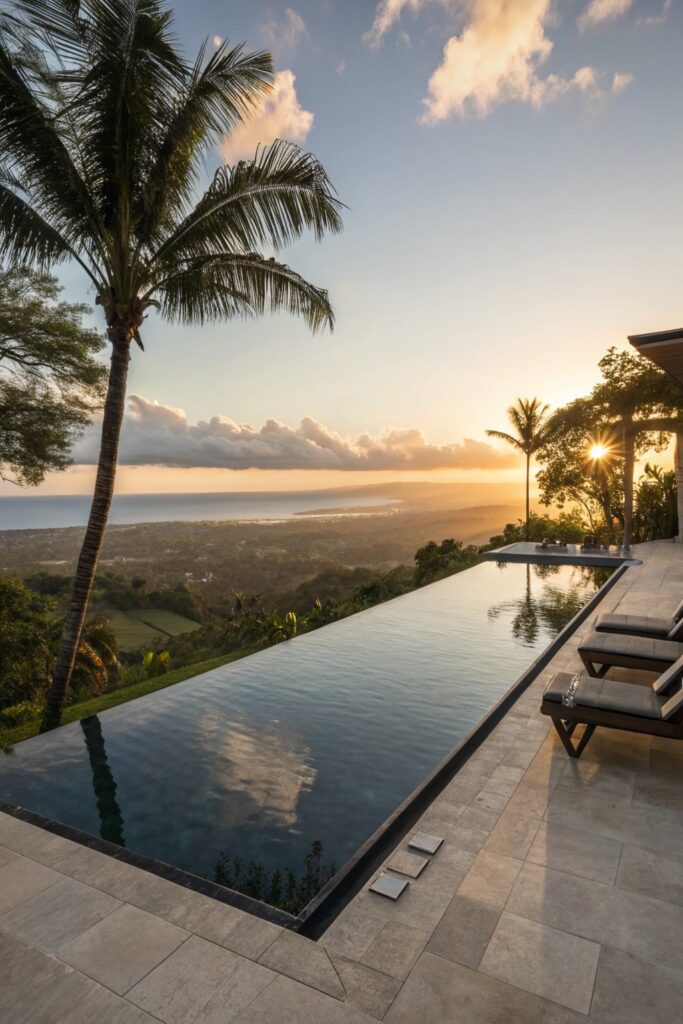
An outdoor infinity edge needs its catch basin sized to handle rainwater runoff on top of the normal overflow volume, a real consideration an indoor pool’s infinity edge never has to account for.
2. The Geometric Modern Pool
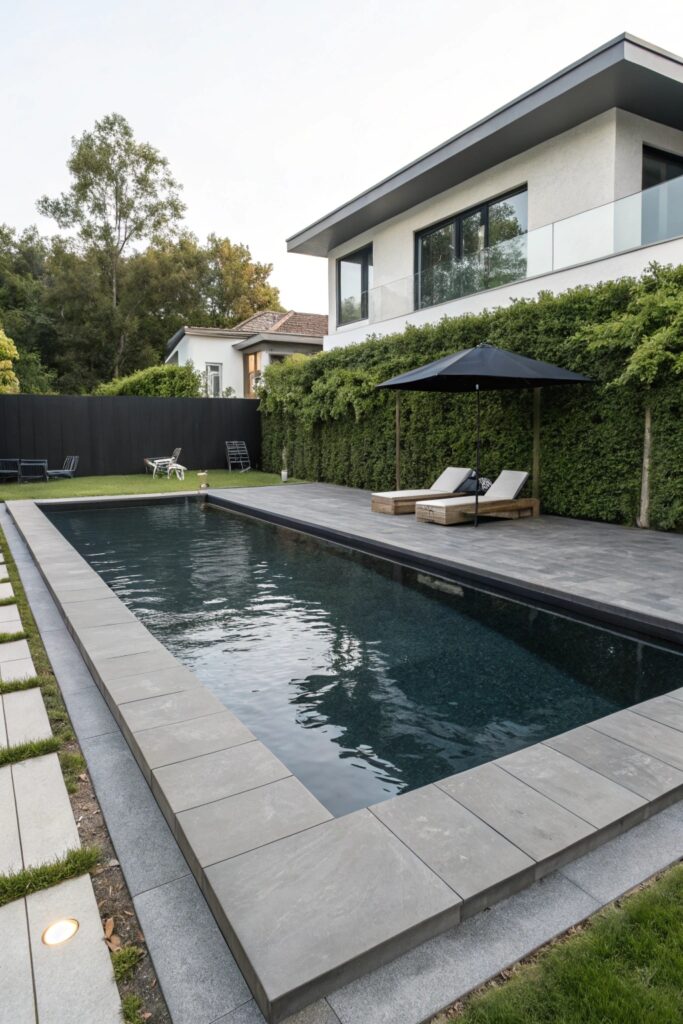
Sharp corners concentrate structural stress differently than a rounded shape, so it’s worth confirming the shell material — gunite, poured concrete, or vinyl liner — is suited to handle those corner stress points without cracking over years of use.
3. The Natural Swimming Pool
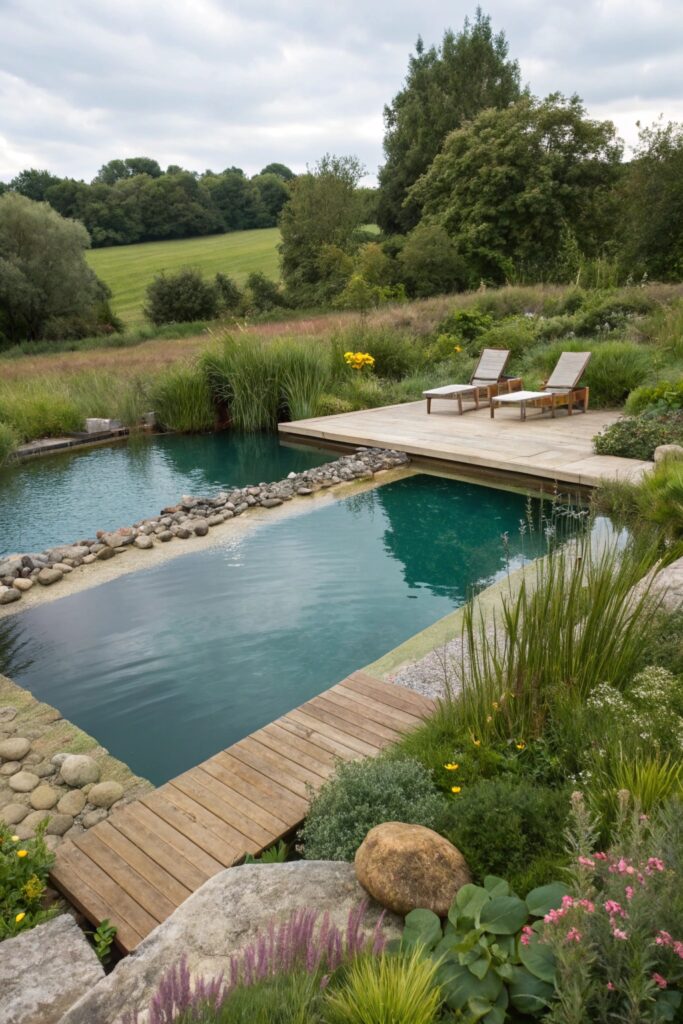
A biological pool uses a separate regeneration zone planted with aquatic species instead of chlorine, and this zone typically needs to be 30 to 50 percent of the total pool area to function properly — considerably more space and different maintenance knowledge than a standard chlorinated pool requires.
4. The Pool with Attached Spa
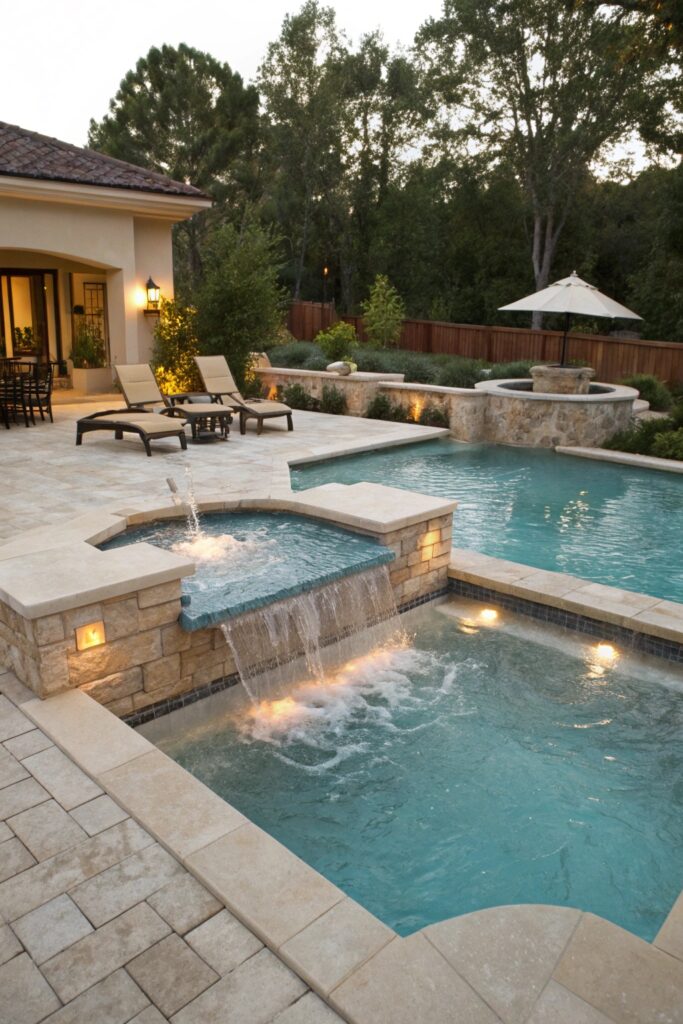
A spa usually runs on its own separate heater and pump rather than sharing the main pool’s system, since spa water needs to reach 100 to 104°F considerably faster than heating an entire pool would allow with a shared system.
5. The Plunge Pool
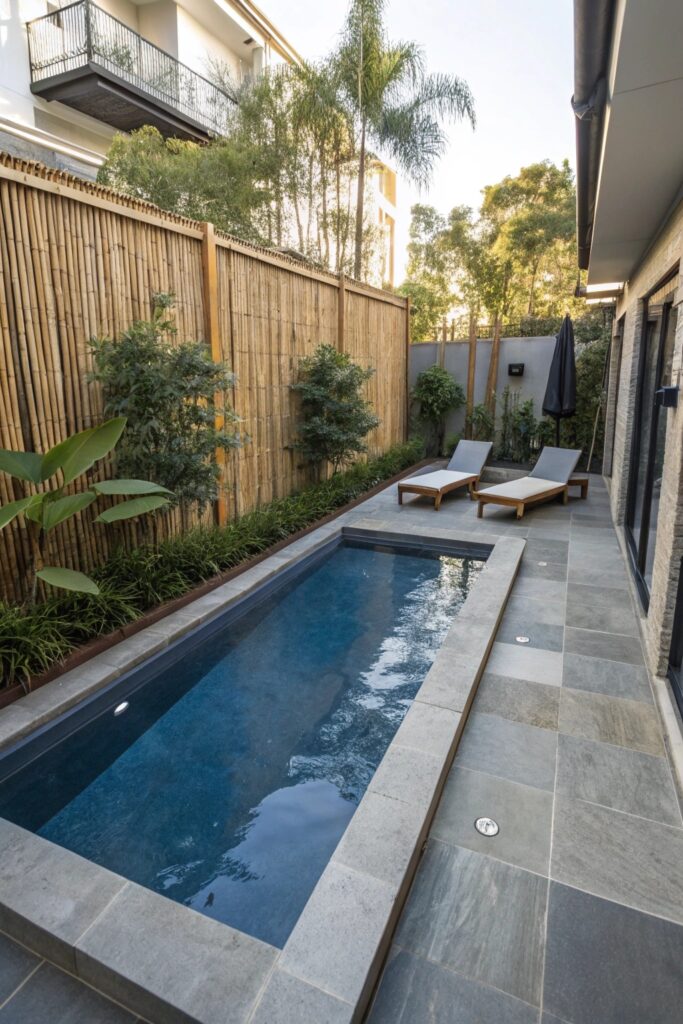
A smaller pool still needs full filtration and water chemistry attention — size doesn’t simplify the underlying maintenance the way people sometimes assume, since even a compact volume of water needs the same chemical balance as a much larger pool.
6. The Lagoon-Style Pool
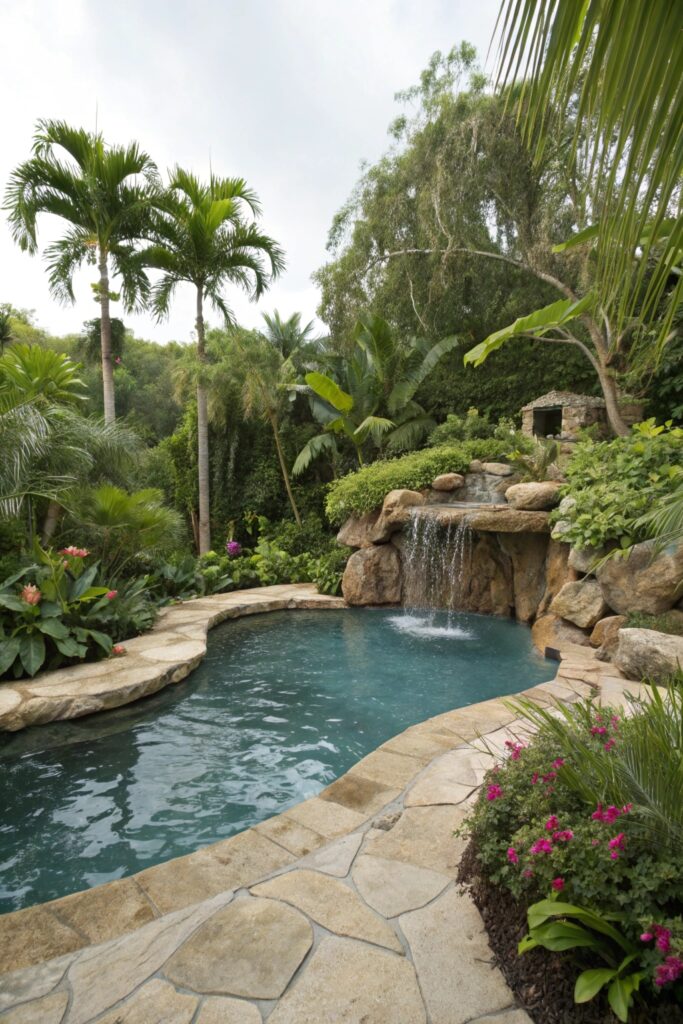
Naturalistic rock features at the pool’s edge add real structural load, and larger rock installations are worth an engineering review rather than assuming decorative rock is inherently lightweight.
7. The Lap Pool
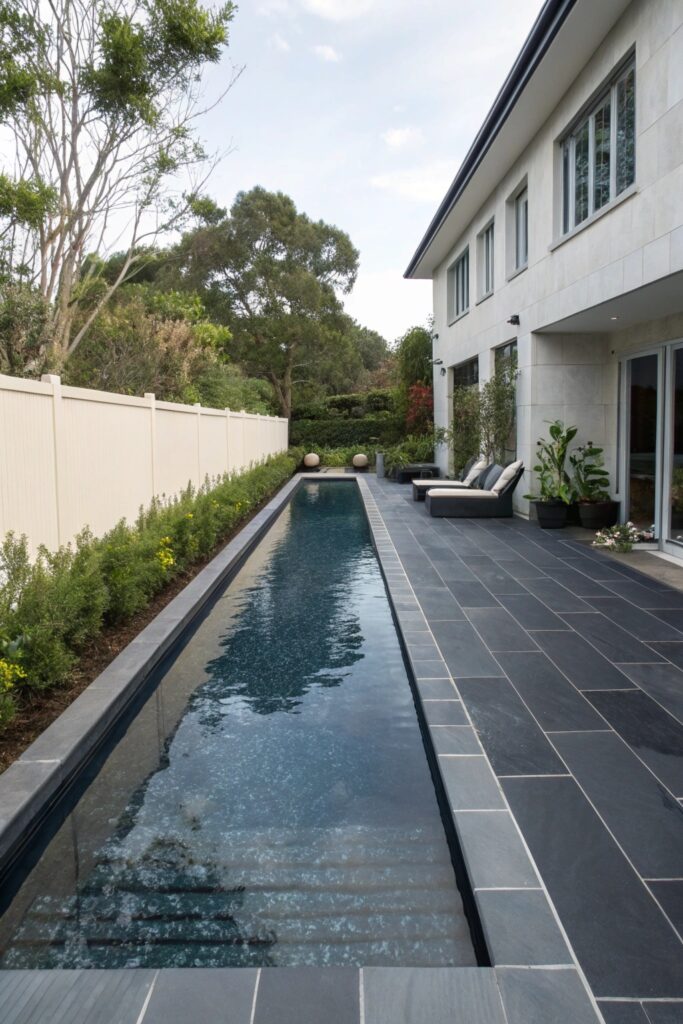
Wind-blocking landscaping along the length of an outdoor lap pool makes a real difference here, since a narrow pool is more affected by wind-driven ripple and debris than a wider pool with more surface area to absorb it.
8. The Pool with Waterfall Feature
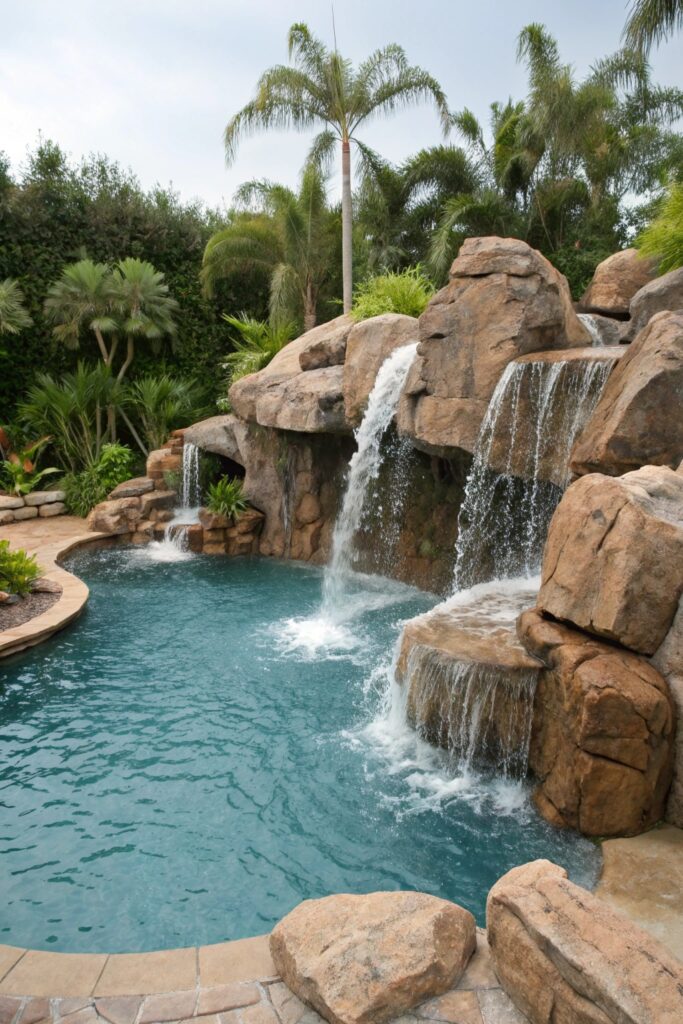
Pump sizing needs to match the actual water volume and height of the waterfall — an undersized pump won’t create the visual effect the design intended. Any pump installed near pool water also needs proper electrical bonding, a genuine code safety requirement rather than an optional detail.
9. The Swim-Up Bar Pool
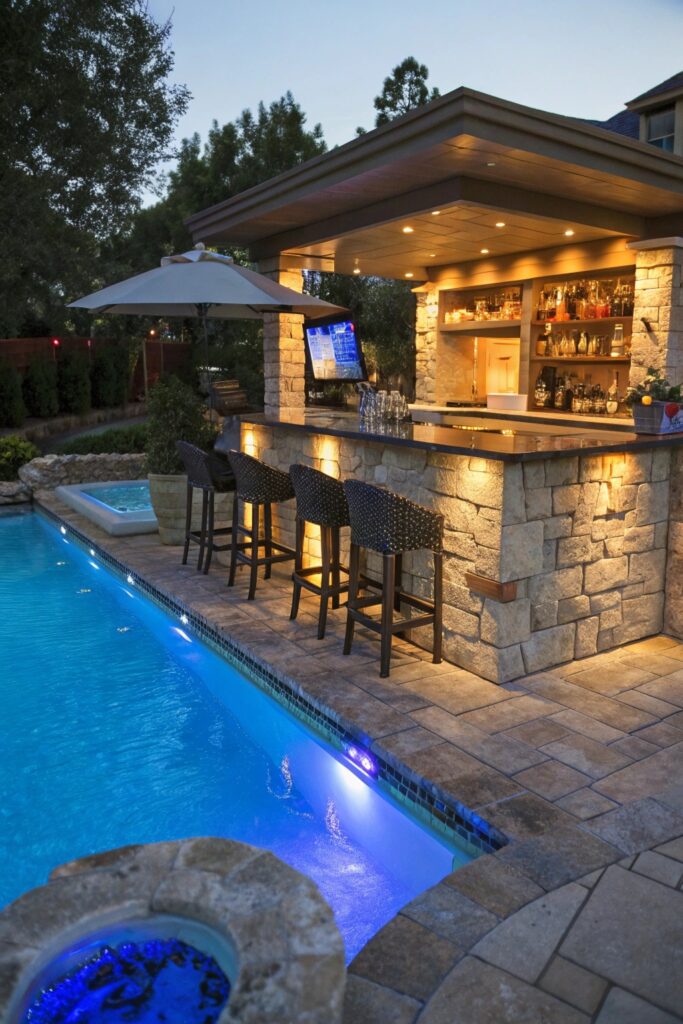
Electrical outlets and appliances at a swim-up bar need real clearance from the water per code, typically a minimum of 10 feet for standard outlets unless they’re GFCI-protected and specifically rated for this proximity to water.
10. The Pool with Sunken Lounge Area
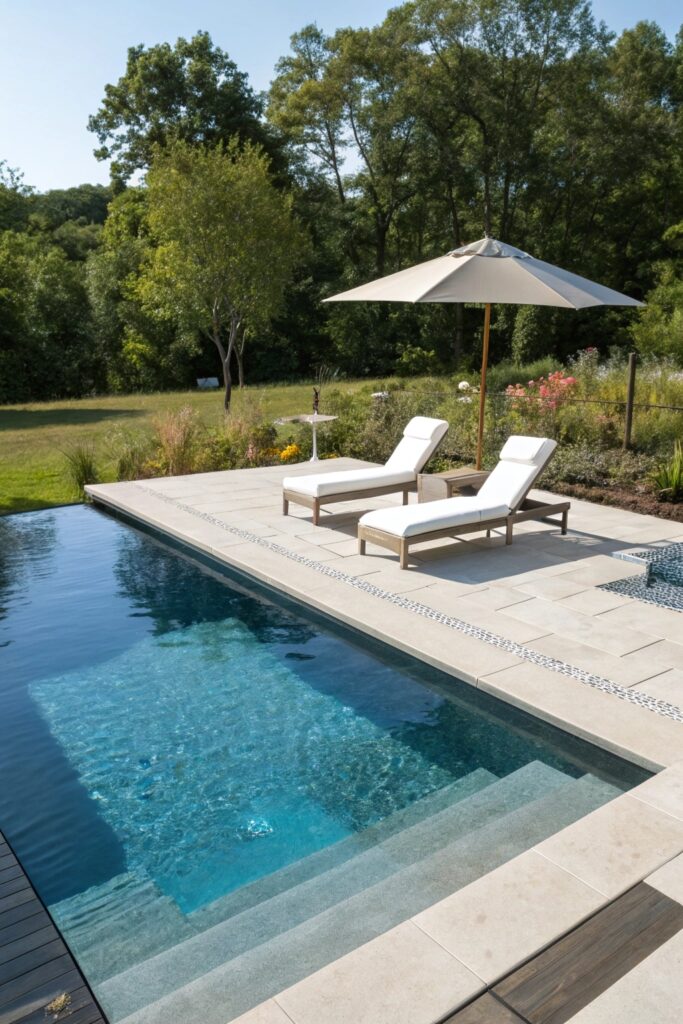
A sunken zone within the pool still needs the same depth marking and safety signage as any other section, and its lower position means proper drainage engineering matters here to avoid debris collecting at that low point.
11. The Pool with Fire Features
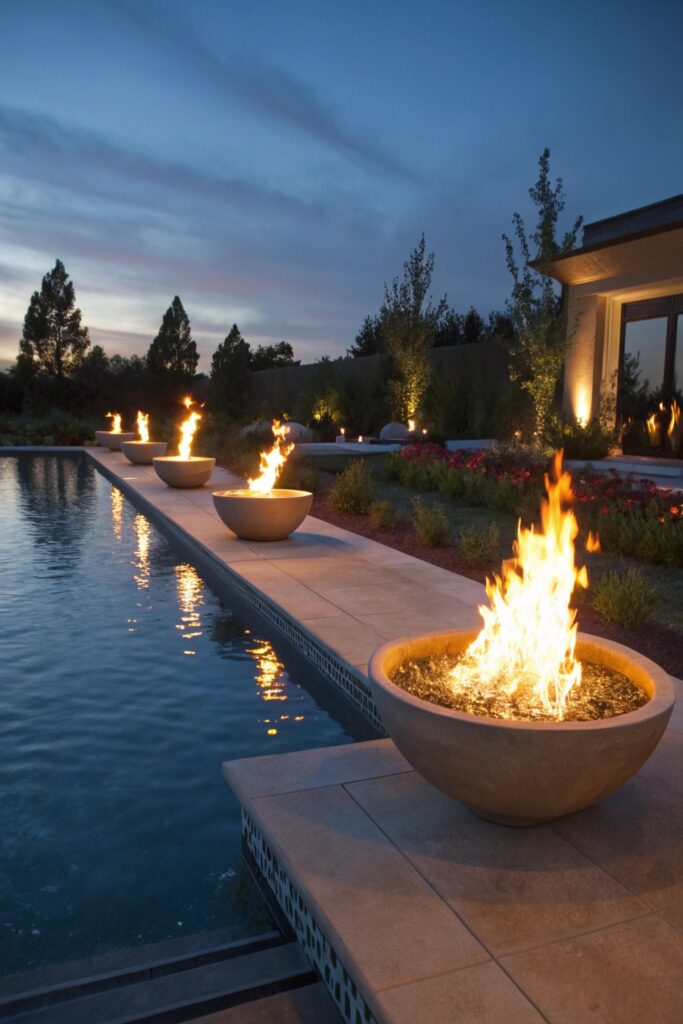
Gas lines run near pool water need specific clearance requirements and installation by a licensed plumber, similar to any poolside fire feature — this isn’t a DIY gas line project given the proximity to water and people.
12. The Saltwater Pool
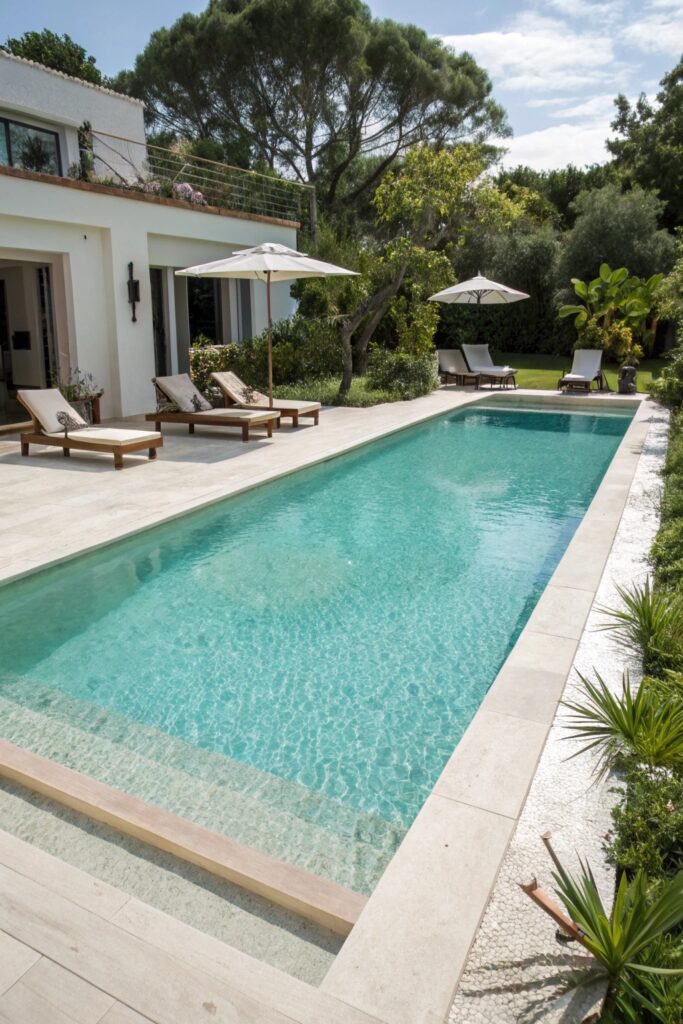
A saltwater system isn’t actually chlorine-free — it generates chlorine electrolytically from the salt itself. Saltwater is also more corrosive to certain metal fixtures and equipment than standard chlorinated water, so choosing saltwater-rated hardware specifically matters more here than with a traditional chlorine pool.
13. The Pool with Outdoor Kitchen and Bar
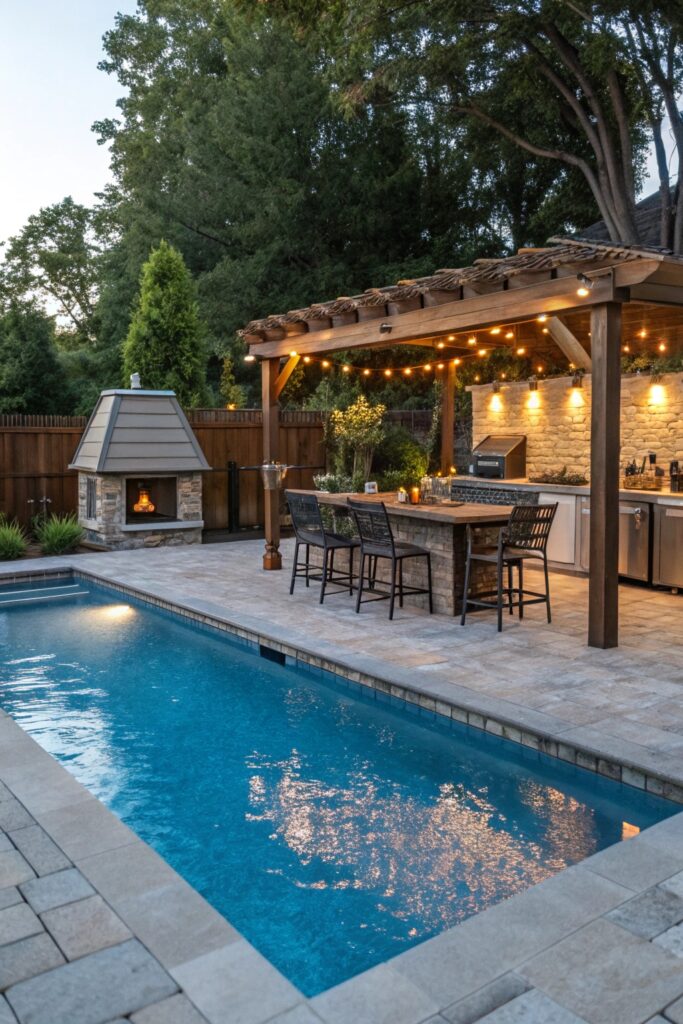
Appliances positioned near pool water need extra corrosion resistance specifically for chlorine or salt splash exposure, beyond the general outdoor-rated hardware a kitchen further from the water might get away with.
14. The Pool with Lush Tropical Landscaping
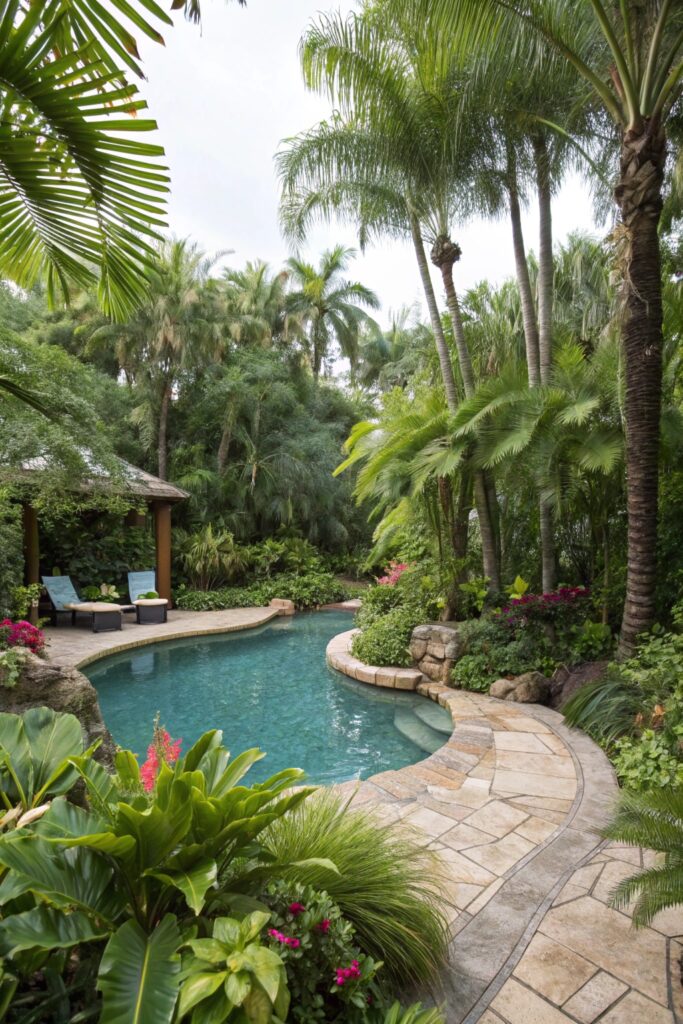
Some tropical plants drop significant leaf and flower litter that clogs pool filtration when planted too close to the water’s edge, so choosing lower-litter species specifically for the immediate poolside zone saves real maintenance hassle.
15. The Smart Pool with Automated Systems
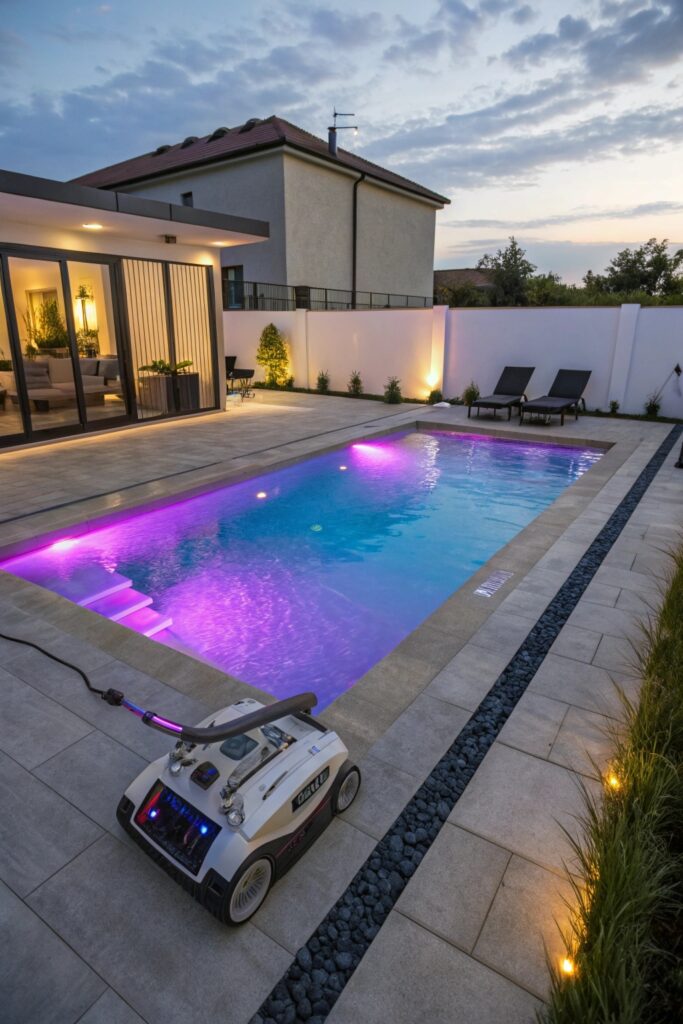
Automated chemical dosing systems still benefit from periodic manual water testing to confirm the sensors are reading accurately — treating this technology as fully set-and-forget without occasional manual checks can let water chemistry drift without anyone noticing.
Winterizing in Cold Climates
In climates with freezing winters, proper winterization is essential to prevent pipes and equipment from cracking as water freezes and expands — this typically involves draining lines to below the frost line, adding pool-specific antifreeze, and covering the pool with a rated winter cover.
Skipping proper winterization is one of the more expensive mistakes a pool owner can make, since a cracked pipe or damaged pump discovered in spring often costs considerably more to repair than the winterization process would have cost to do correctly in the fall.
What a Backyard Pool Costs
A basic vinyl-liner pool typically costs $35,000 to $65,000 installed, depending on size and region.
A fuller gunite or concrete pool with premium features like an infinity edge, attached spa, or extensive landscaping runs considerably higher, often $80,000 to $200,000 or more depending on size and specification.
Getting quotes from at least two or three pool contractors before committing helps confirm both pricing and their specific experience with the style you’re planning, since companies vary considerably in their familiarity with more specialized builds like natural pools or extensive rock and waterfall features.
A well-designed backyard pool tends to become the true center of outdoor living for a household, extending how a home functions well beyond the interior square footage — worth keeping in mind when weighing the upfront investment against years of daily use during warmer months.
Taking time to observe how sun and shade move across your specific yard throughout the day, before finalizing pool placement, helps avoid the common regret of a pool positioned somewhere that ends up shaded during the exact hours you’d most want to use it.
Whichever style ultimately fits your yard and budget best, getting the underlying safety and mechanical systems right matters just as much as the finished visual design.
Final Thoughts
Pool safety requirements — fencing height, self-closing and self-latching gates, and in many jurisdictions pool alarms — vary by location but apply regardless of which style you choose, and checking your specific local code before construction begins is an actually necessary step rather than an afterthought.
Given how many of these ideas involve real electrical, plumbing, or structural work near water, working with a licensed pool contractor rather than a general landscaper helps ensure both the design and the underlying safety systems are handled correctly from the start.