
IKEA hacking works by adding the details mass-produced flat-pack furniture skips — molding, upgraded hardware, custom tops — to achieve a considerably more expensive-looking result for a fraction of custom furniture cost.
Below are 12 hacks using current IKEA product lines, with real costs and practical notes for each.
1. Turn a BILLY Bookcase Into a Built-In
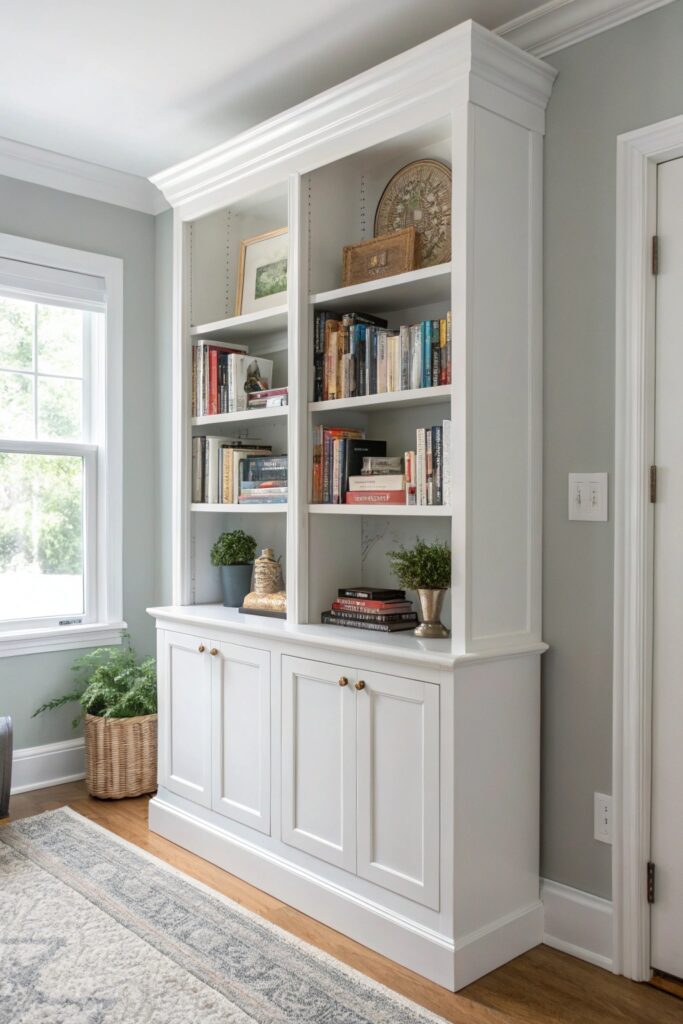
Adding crown molding and filler panels to close the gaps between a BILLY bookcase and the wall ($40-100 in molding and paint) makes the freestanding unit read as genuine custom built-in shelving.
Paint the molding and bookcase the same color as the wall for the most convincing built-in effect, since color continuity is what most effectively disguises the furniture’s freestanding origin.
2. Upgrade KALLAX Cubes With New Legs
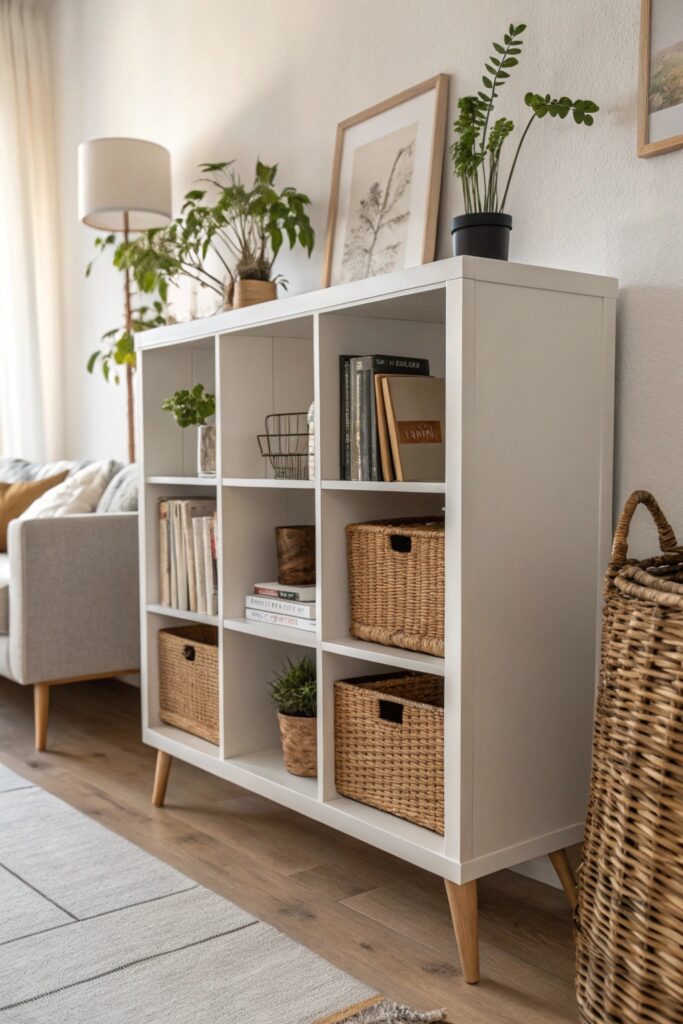
Swapping KALLAX’s default flush-to-floor base for tapered wood or metal legs ($20-50 for a set) lifts the unit visually and adds a mid-century or more elevated furniture look.
This is one of the simplest IKEA hacks to execute, typically requiring only a drill and the replacement legs themselves, no additional materials.
3. Give MALM Dressers a Wood Top
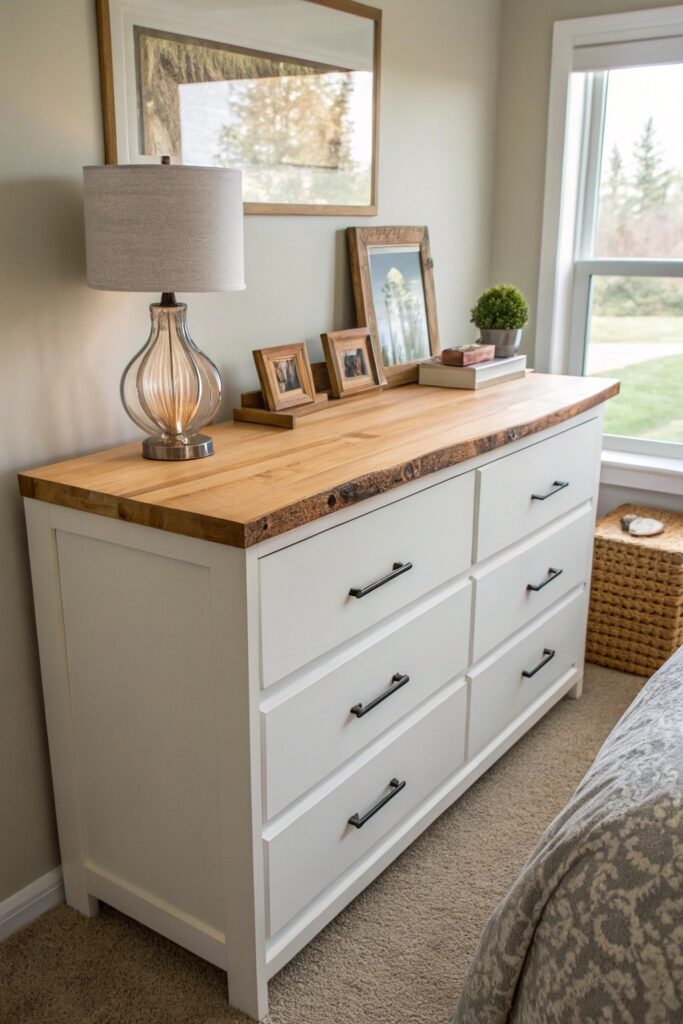
Adding a solid wood or butcher block top ($40-100 depending on size) to a MALM dresser disguises its laminate surface and adds genuine material richness that reads as more expensive furniture.
Secure the top with construction adhesive or small brackets rather than assuming friction alone will keep it in place over years of regular use.
4. Convert a LACK Table Into a Faux Marble Piece
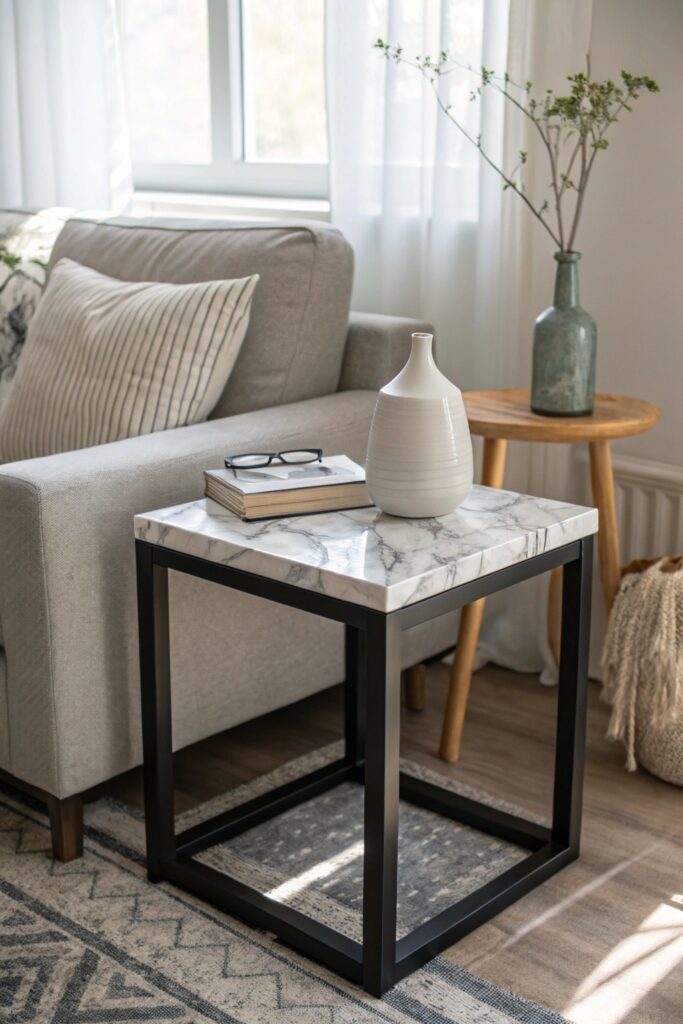
Marble-look contact paper or vinyl wrap ($15-30) applied to a LACK table’s surface achieves a convincing stone look at a fraction of genuine marble’s cost.
Choose a higher-quality wrap specifically, since cheaper vinyl options can show visible seams or bubbling that undermines the convincing marble effect.
5. Add Molding to RAST Dresser Drawers
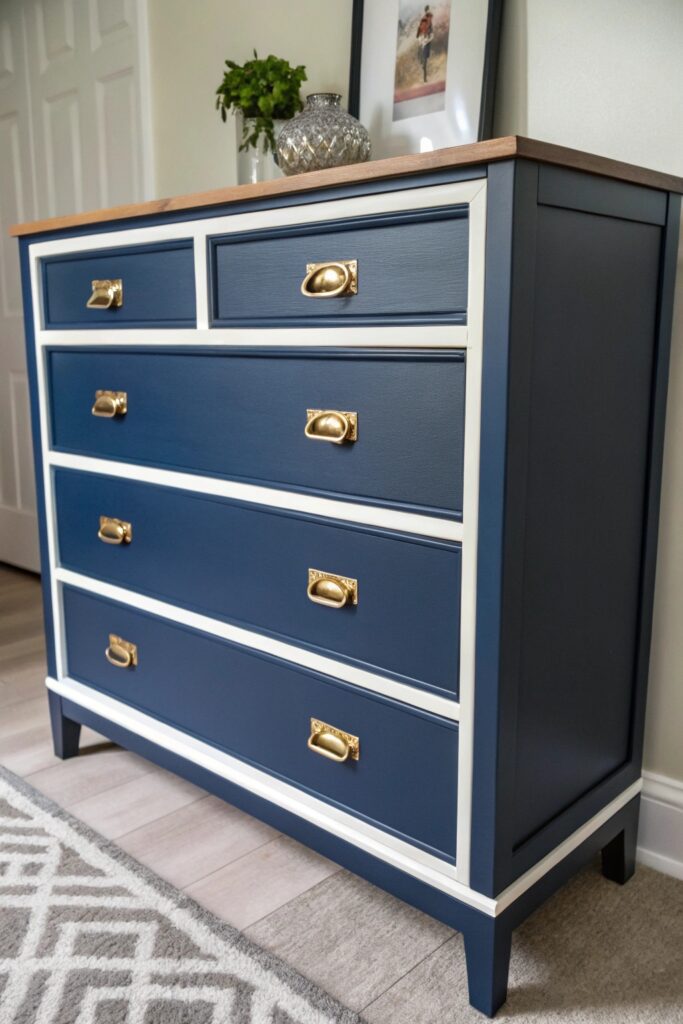
Applying simple picture-frame molding to RAST’s plain drawer fronts ($20-40 in molding and adhesive) adds a paneled, custom furniture look to what’s otherwise a basic raw pine dresser.
RAST’s unfinished wood is specifically designed for this kind of customization, making it one of the most hack-friendly pieces in IKEA’s current lineup.
6. Build a Bench Seat With BESTÅ Storage
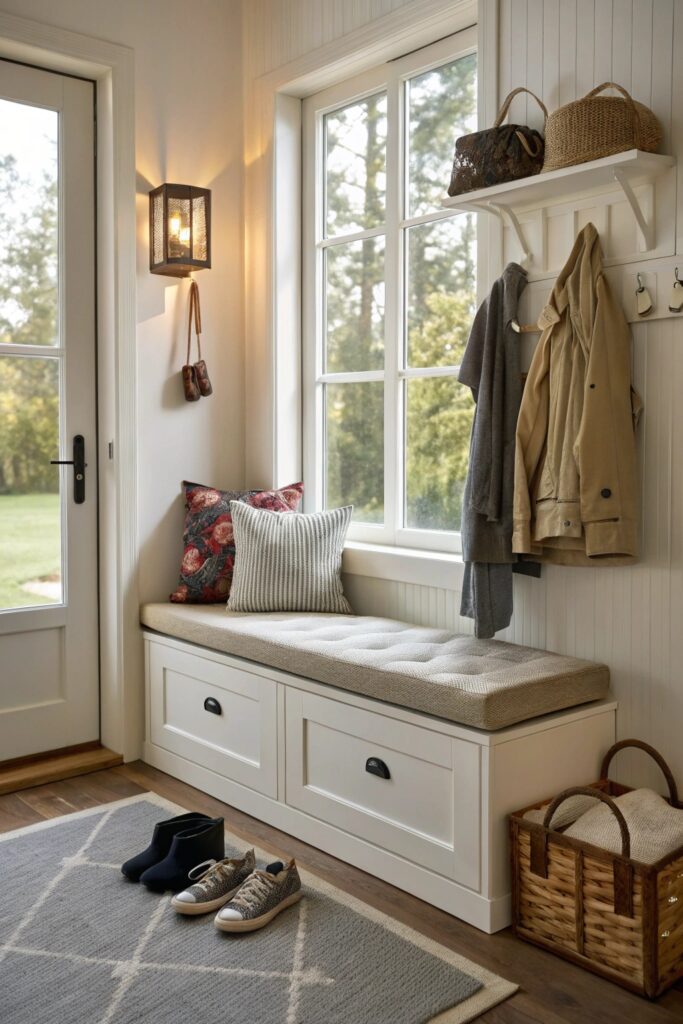
Topping a row of BESTÅ storage units with a cushioned seat ($60-150 for cushion and fabric) creates a genuine built-in bench with storage underneath, well-suited to an entryway or bay window.
Measure the cushion to the exact combined width of the units before ordering custom foam, since an ill-fitting cushion undermines the finished, built-in look this hack aims for.
7. Frame a HEMNES Mirror for a Custom Look
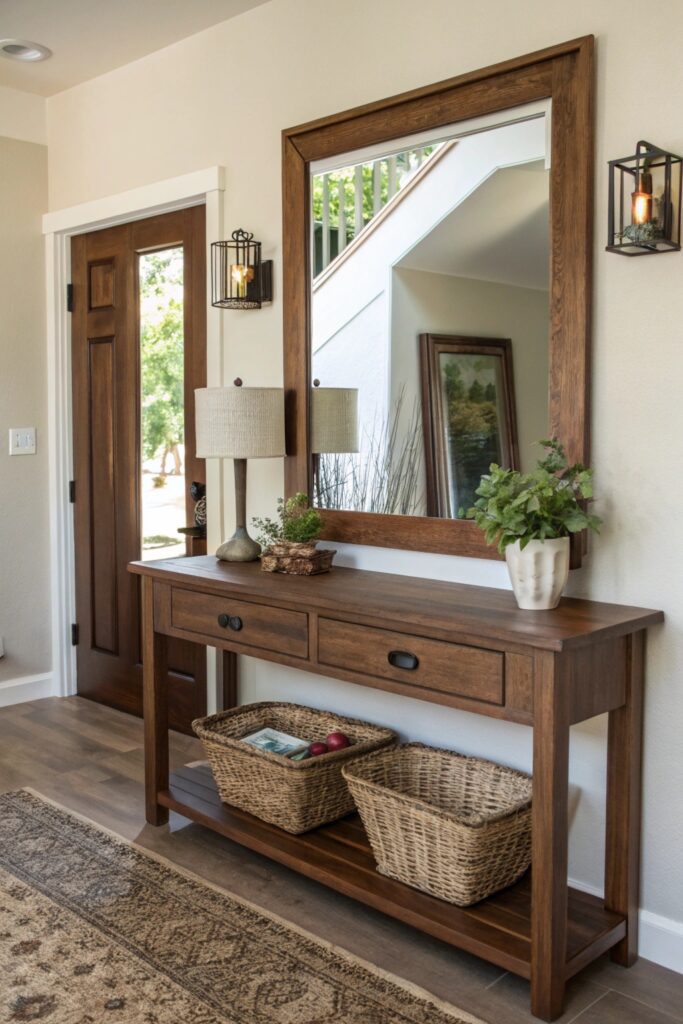
Adding a wood or molding frame around HEMNES’s simple mirror ($30-70 in materials) gives it a more substantial, custom-built appearance than the mirror’s plain default edge.
Choose a frame profile that complements HEMNES’s existing pine finish if you want the addition to read as an intentional part of the original design rather than a mismatched add-on.
8. Transform TARVA Dressers With Stain and New Hardware
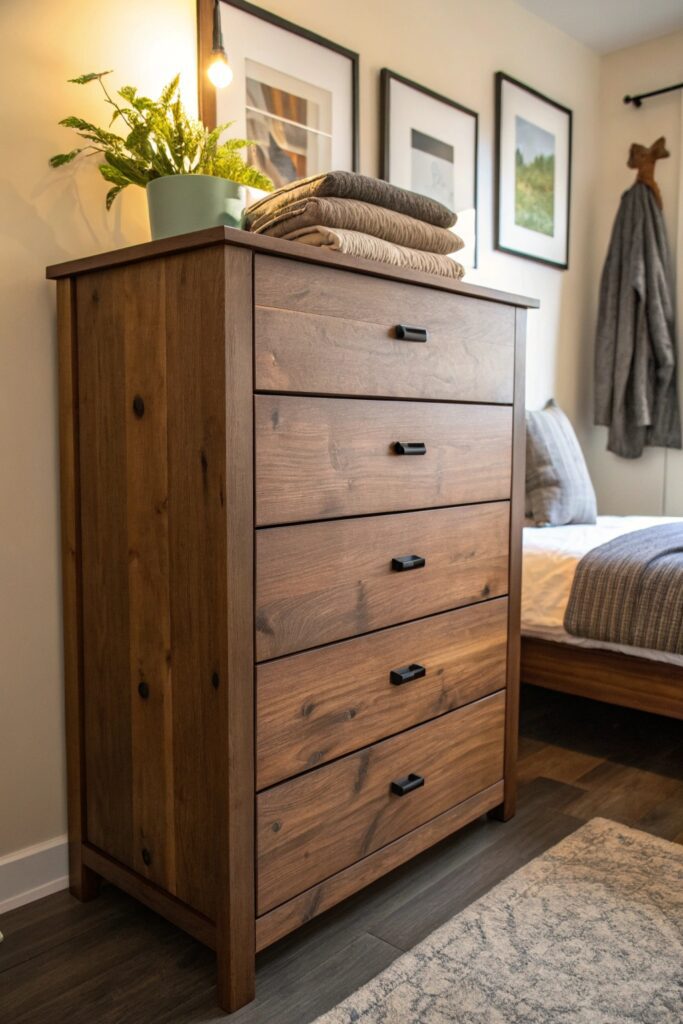
TARVA’s raw pine construction takes stain or paint well, and swapping the default hardware for brass or leather pulls ($5-15 per pull) completes a genuinely custom-looking transformation.
Sand the raw wood lightly before staining for more even color absorption, since unsanded pine can take stain unevenly and show blotchy results.
9. Turn PAX Wardrobes Into Built-In Closets
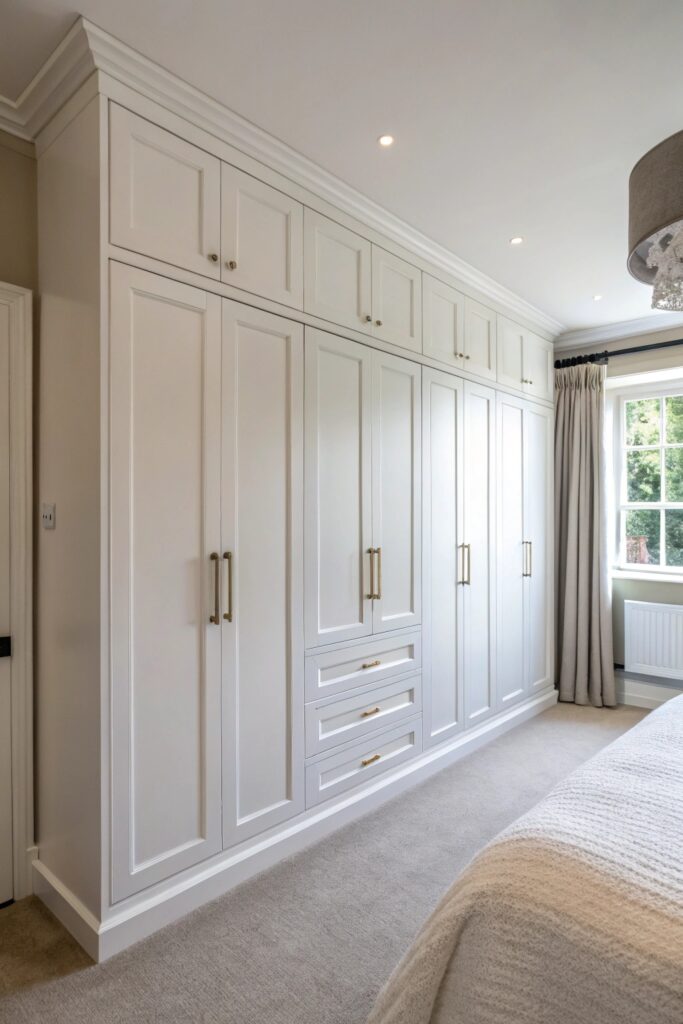
Extending PAX units wall-to-wall and adding crown molding at the top ($100-300 depending on scale) creates the appearance of a genuine built-in closet system rather than obviously modular furniture.
This is one of the more involved hacks on this list, best planned during an actual closet or bedroom reorganization rather than as a quick weekend project.
10. Add a Herringbone Pattern to LACK Shelves
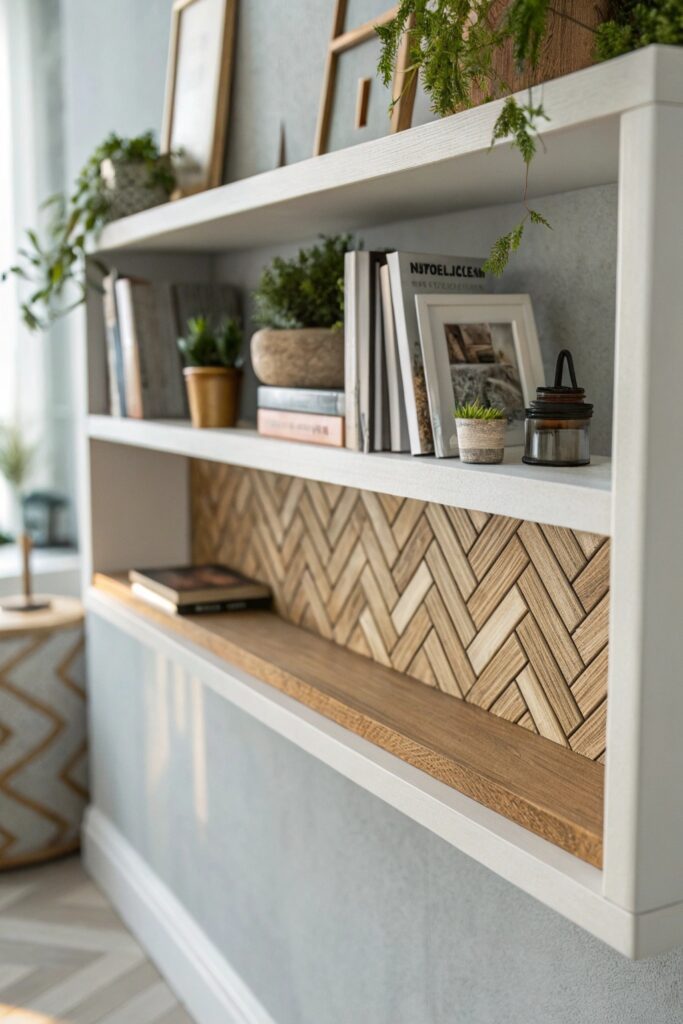
Cutting and arranging thin wood strips in a herringbone pattern on LACK’s flat shelf surface ($20-40 in wood strips) adds genuine textural detail to an otherwise plain floating shelf.
This is a more involved DIY project requiring precise cutting, making it worth practicing the pattern on scrap material before committing to the actual shelf.
11. Convert IVAR Shelving Into a Kitchen Pantry
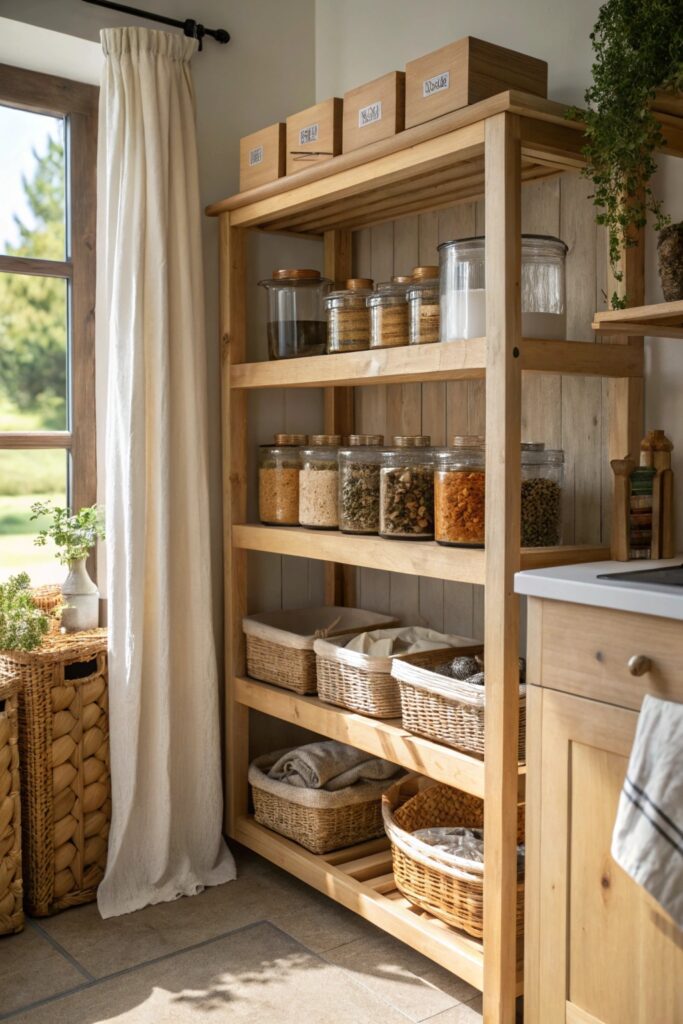
IVAR’s raw wood shelving system, painted or stained and fitted with baskets or bins, adapts well into an open kitchen pantry for a fraction of built-in pantry cabinetry cost.
The system’s adjustable shelf heights are genuinely useful in a pantry context specifically, accommodating everything from tall cereal boxes to shorter canned goods on the same unit.
12. Upgrade NORDLI Nightstands With New Fronts
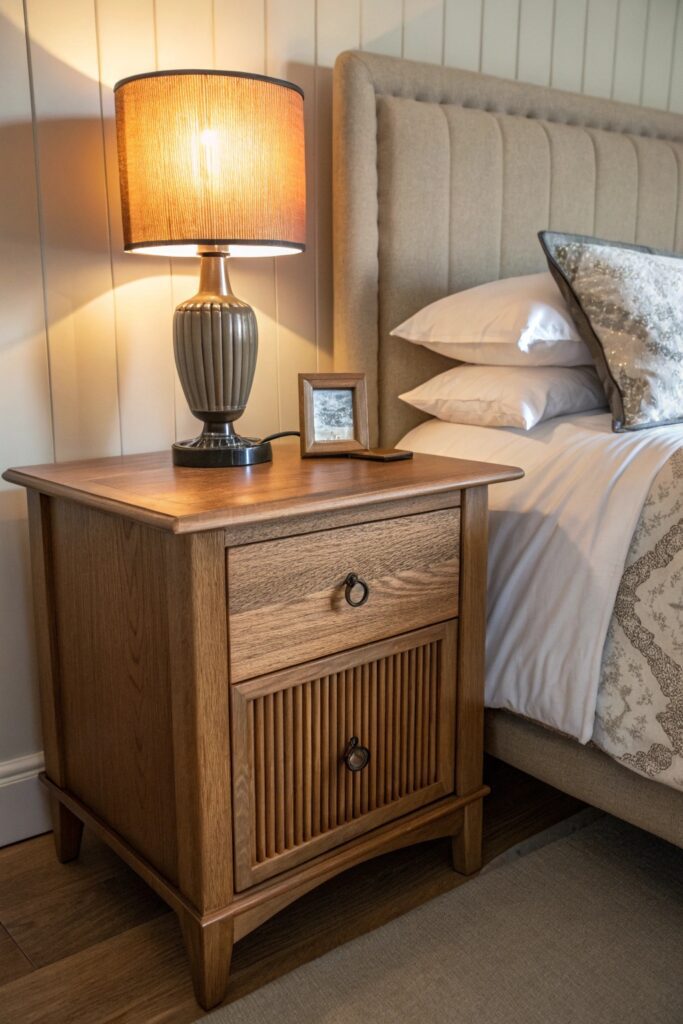
Replacing NORDLI’s flush drawer front with a paneled or fluted wood insert ($20-50 per nightstand) adds dimensional detail that the default flat front doesn’t provide.
This works well paired with new hardware in a metal tone that matches other fixtures in the room, tying the upgraded nightstand into the room’s broader material palette.
A Note on Product Availability
IKEA periodically discontinues and redesigns product lines, so it’s worth checking current availability on IKEA’s own website before shopping specifically for any item named here — a line that’s current when this is written may be phased out or replaced by a successor product by the time you’re ready to buy.
If a specific product mentioned here is unavailable, IKEA’s in-store staff and online planning tools can typically point you toward the current equivalent, since discontinued lines are usually replaced with a functionally similar successor rather than removed from the catalog entirely without any alternative.
Wrapping It Up
Hardware swaps and added molding are worth starting with if you’re new to IKEA hacking, since both are low-cost, low-skill changes that make a genuine visual difference on almost any piece. Check current product availability on IKEA’s website before shopping specifically for any item mentioned here, since product lines are periodically discontinued or redesigned.