
Water working everywhere except the kitchen points to a cause isolated to that specific fixture or line, rather than a whole-house supply problem — which narrows things down considerably compared to troubleshooting a full water outage.
Below are 12 causes to check, starting with the simplest and most common before moving to less frequent but still plausible explanations.
1. Closed or Partially Closed Shut-Off Valve
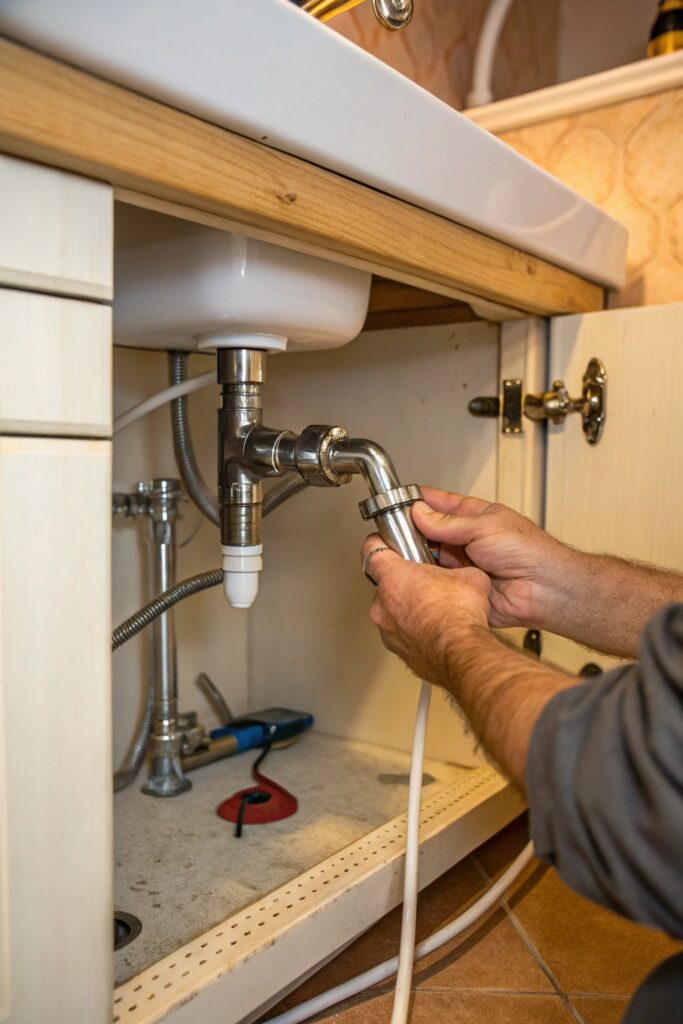
The most common cause is simply a shut-off valve under the kitchen sink that’s closed or only partially open, often left that way after a repair, a dishwasher installation, or even accidental contact while storing cleaning supplies underneath.
Check both the hot and cold valves under the sink specifically — it’s common for only one to be affected, which shows up as reduced or missing water from just one side of the faucet rather than a complete loss of flow.
2. Clogged Faucet Aerator
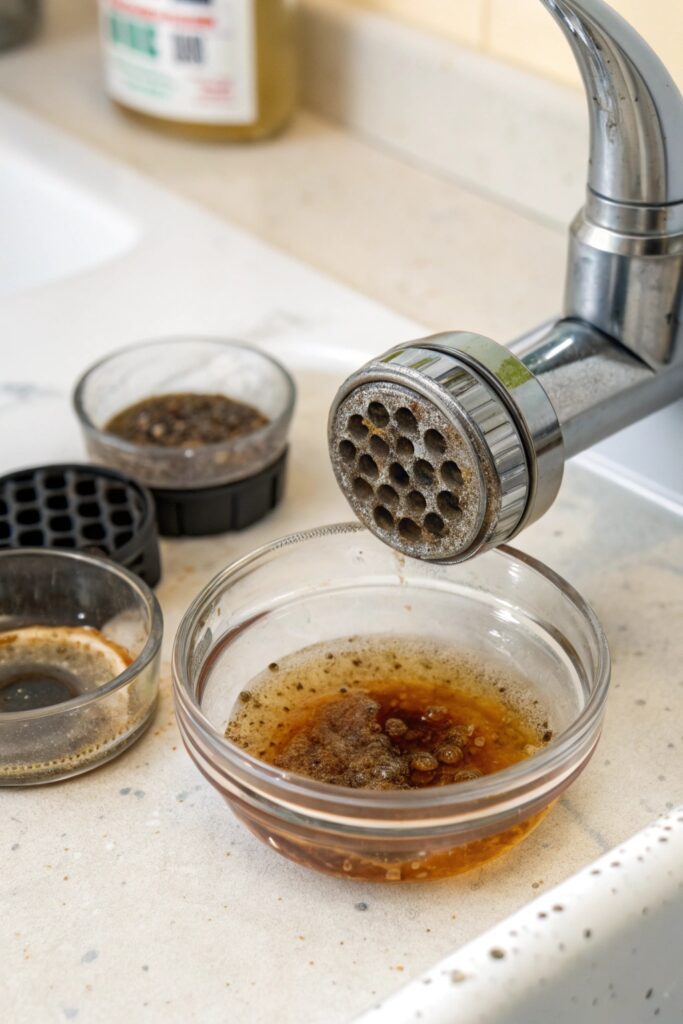
Sediment and mineral buildup inside the small mesh aerator at the faucet’s tip can restrict or fully block water flow while leaving every other fixture in the house completely unaffected, since the blockage is isolated to that one small component.
Unscrew the aerator (usually hand-tight or with pliers wrapped in a cloth to avoid scratching the finish) and check for visible debris — soaking it in vinegar for 15-20 minutes typically clears mineral deposits without needing replacement.
3. Frozen Pipes Leading to the Kitchen
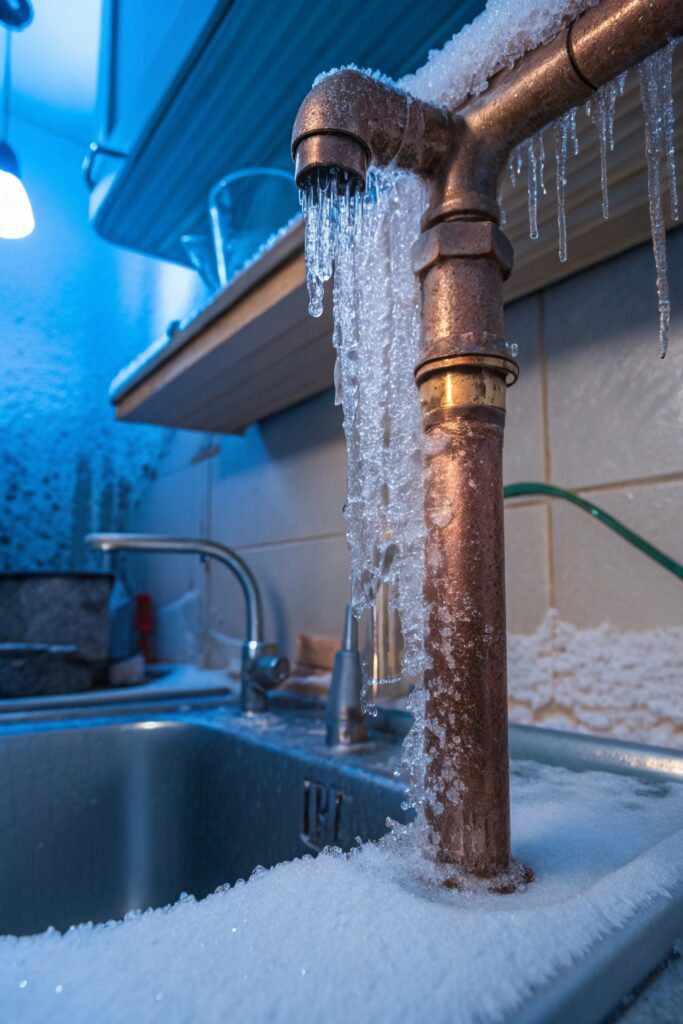
In cold climates, a kitchen supply line running along an exterior wall or through an unheated space (like a crawlspace) can freeze even when interior fixtures elsewhere in the house continue working normally, since freezing depends heavily on a pipe’s specific location and insulation.
Never use an open flame to thaw a frozen pipe — a hair dryer, heat lamp, or warm towels wrapped around the affected section are safer methods, and turning off the main water supply first prevents pressure buildup if the pipe has already cracked.
4. Isolated Pipe Blockage
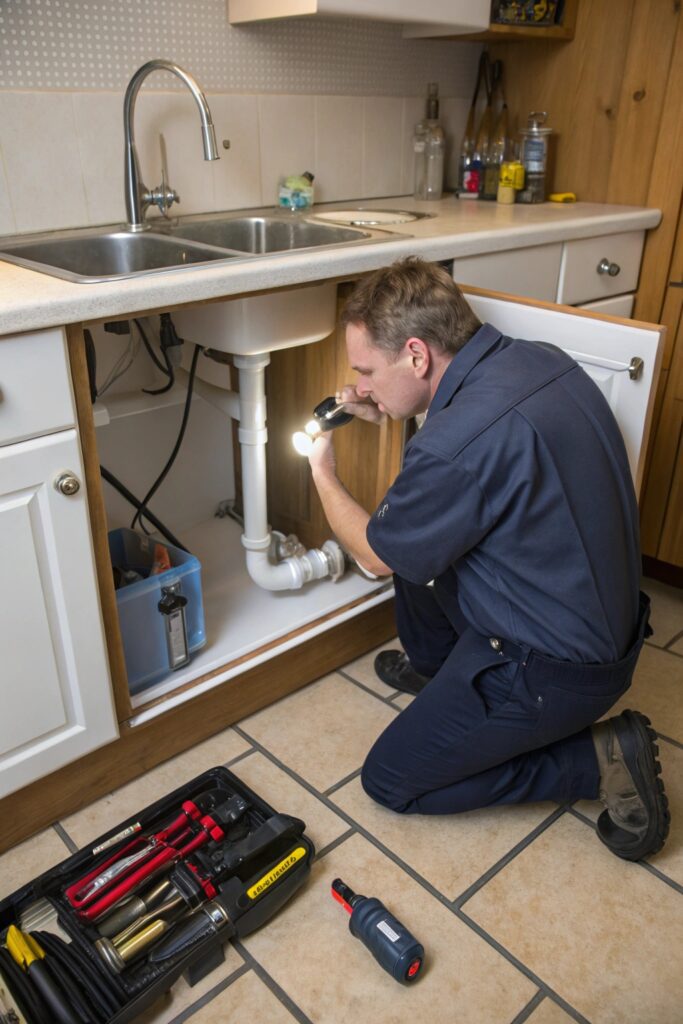
Sediment, rust flakes from aging galvanized pipe, or mineral scale can build up specifically in the branch line feeding the kitchen, particularly in older homes, without affecting other branches of the plumbing system that see different water flow patterns.
This type of blockage often develops gradually, so a kitchen faucet that’s been slowly losing pressure over weeks or months before stopping entirely points toward this cause rather than a sudden valve or supply issue.
5. Recent Plumbing Work Left a Valve Closed
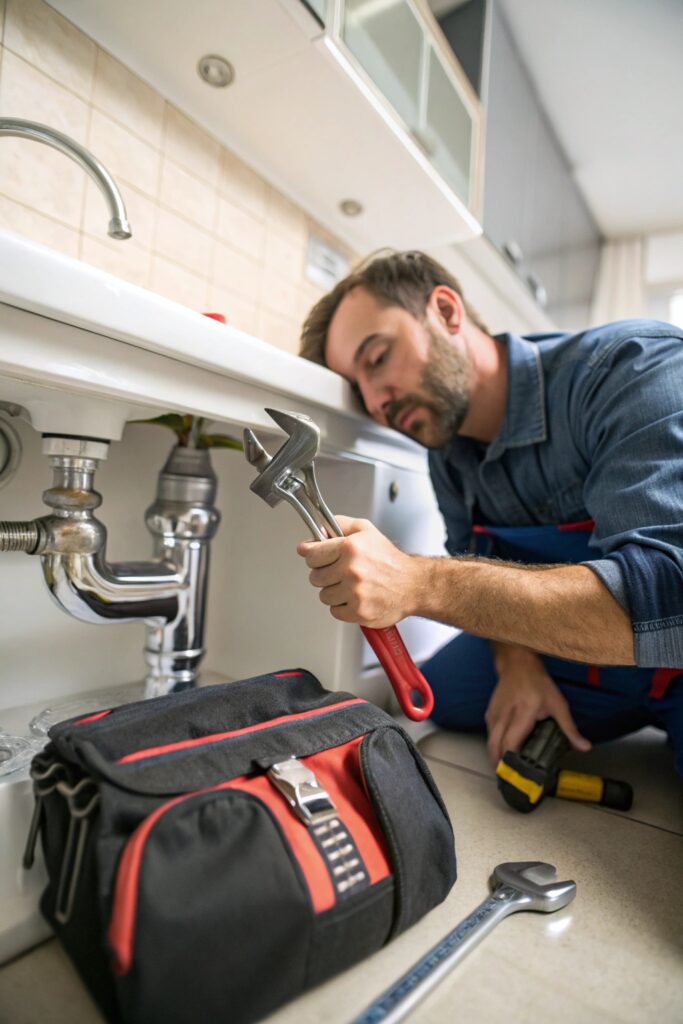
If a plumber or DIY repair recently worked on the kitchen specifically — a new dishwasher, a disposal swap, a faucet replacement — it’s worth double-checking that every valve touched during that work was fully reopened afterward.
This is easy to overlook since the work itself may have been completed successfully, with only the valve reopening step missed at the very end of the job.
6. Garbage Disposal Blocking Water Flow
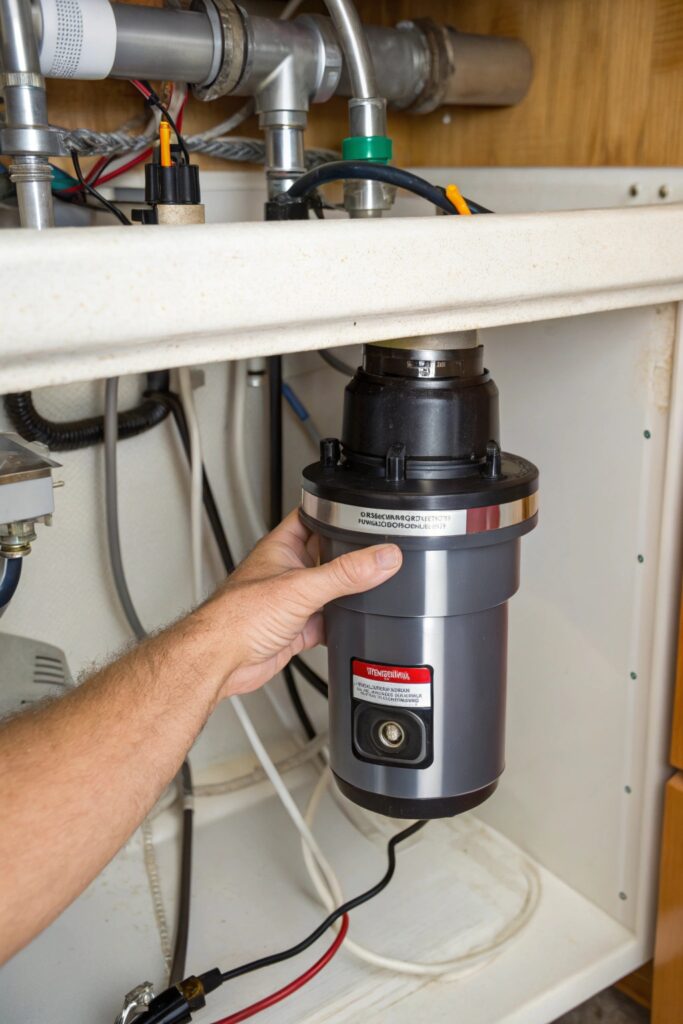
A disposal unit isn’t typically part of the cold water supply line, but if your kitchen has an air gap or dishwasher air switch system routed near the disposal, a clog or malfunction there can sometimes create the appearance of a water supply issue rather than a drainage one.
Rule this out by checking whether the issue affects incoming water (nothing comes out of the faucet at all) versus drainage (water comes out fine but doesn’t drain), since these point to entirely different systems despite both being centered in the kitchen.
7. Water Line Damage Specific to the Kitchen
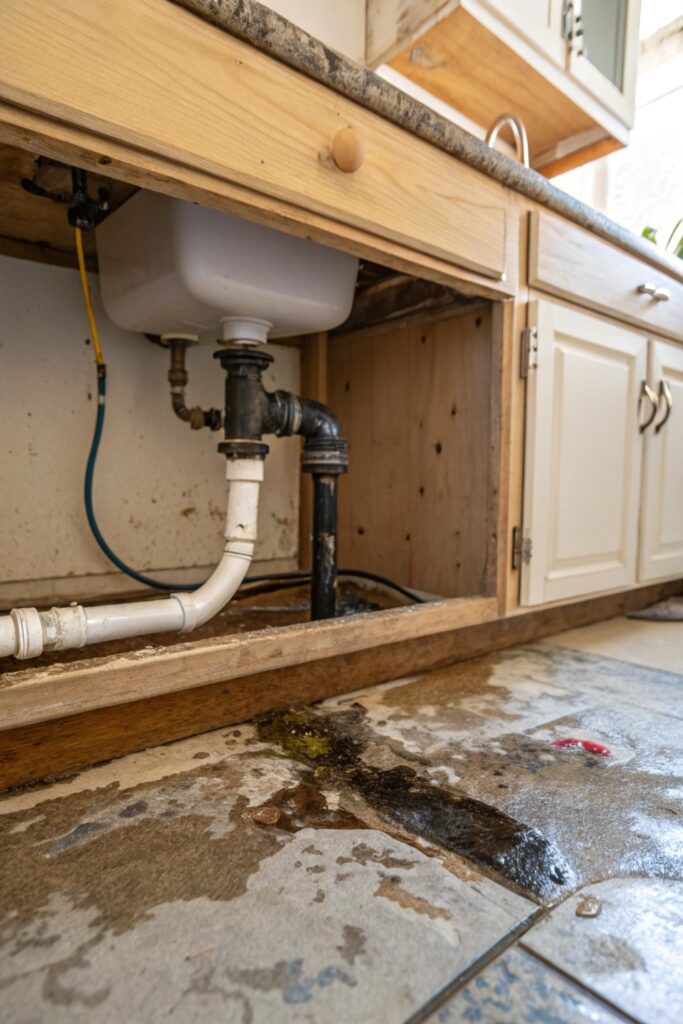
A nick or puncture in the kitchen’s specific supply line — from a nail during a nearby renovation, pest damage, or corrosion in an older line — can cut off flow to that one location while the rest of the home’s plumbing remains fully intact.
Check for water stains, dampness, or a drop in water pressure at the main shut-off (indicating a leak elsewhere in the line) as signs pointing toward physical line damage rather than a simple valve or clog issue.
8. Sediment Buildup From Municipal Water Work
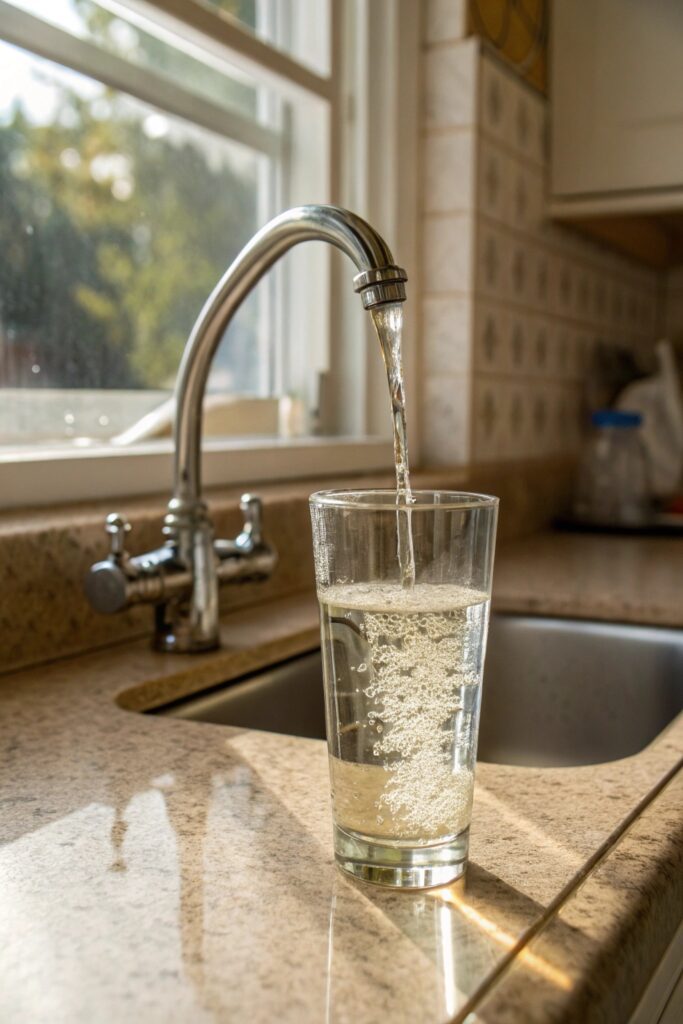
Nearby municipal water main repairs or flushing can dislodge sediment that then settles disproportionately in one branch of a home’s plumbing, often the branch with the smallest diameter fixtures or fittings — frequently the kitchen faucet’s aerator and cartridge.
If neighbors have reported similar issues or you know of recent city water work in the area, this is worth checking before assuming the problem originates entirely within your own home’s plumbing.
9. Water Filter System Malfunction
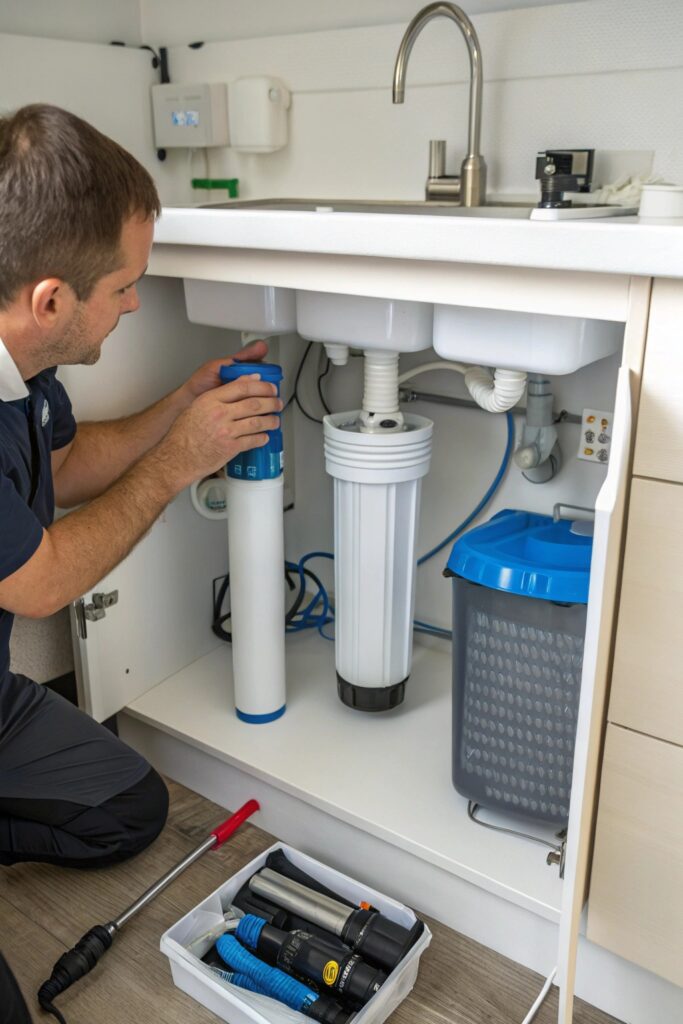
If your kitchen has a dedicated under-sink water filtration system, a clogged filter cartridge can restrict or completely block water flow to that faucet specifically, while unfiltered fixtures elsewhere in the home continue working normally.
Check the filter’s replacement schedule (most cartridges need swapping every 3-6 months depending on usage and water quality) and confirm the bypass valve, if your system has one, hasn’t been accidentally left in the wrong position.
10. Faulty Cartridge or Valve Inside the Faucet
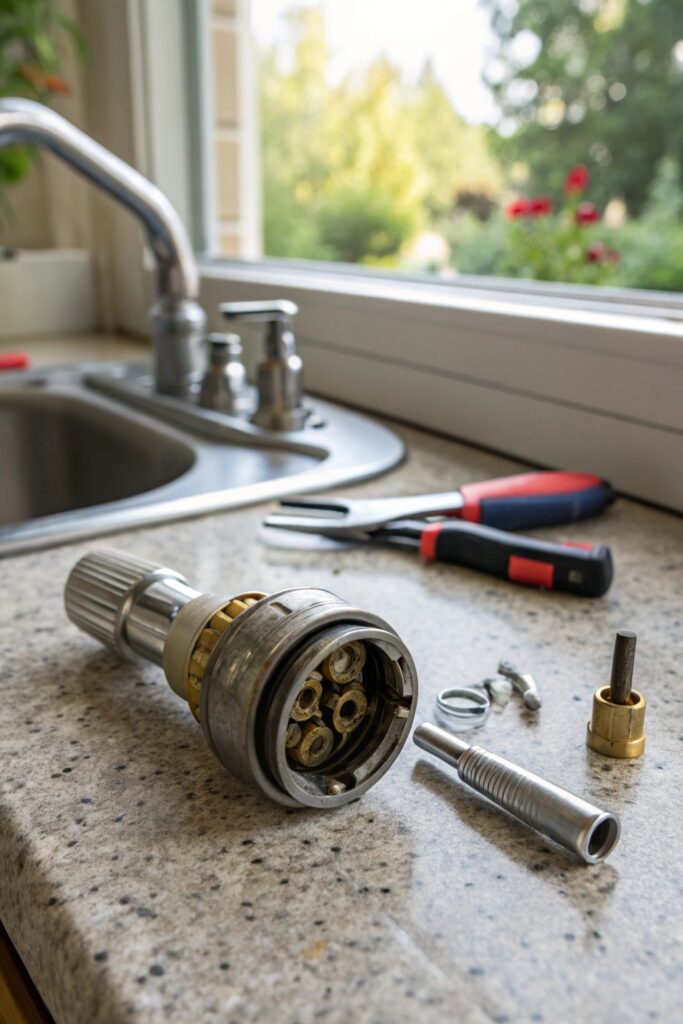
The internal cartridge or valve that controls water flow within the faucet body itself can fail or become blocked with mineral buildup, cutting off flow at the faucet even though water pressure and supply remain completely normal everywhere else in the plumbing system.
This is often confirmed by process of elimination — if the shut-off valves are open, the aerator is clear, and the supply line shows no damage, the faucet’s internal cartridge is the next most likely point of failure.
11. Water Pressure Regulator Issues Affecting One Zone
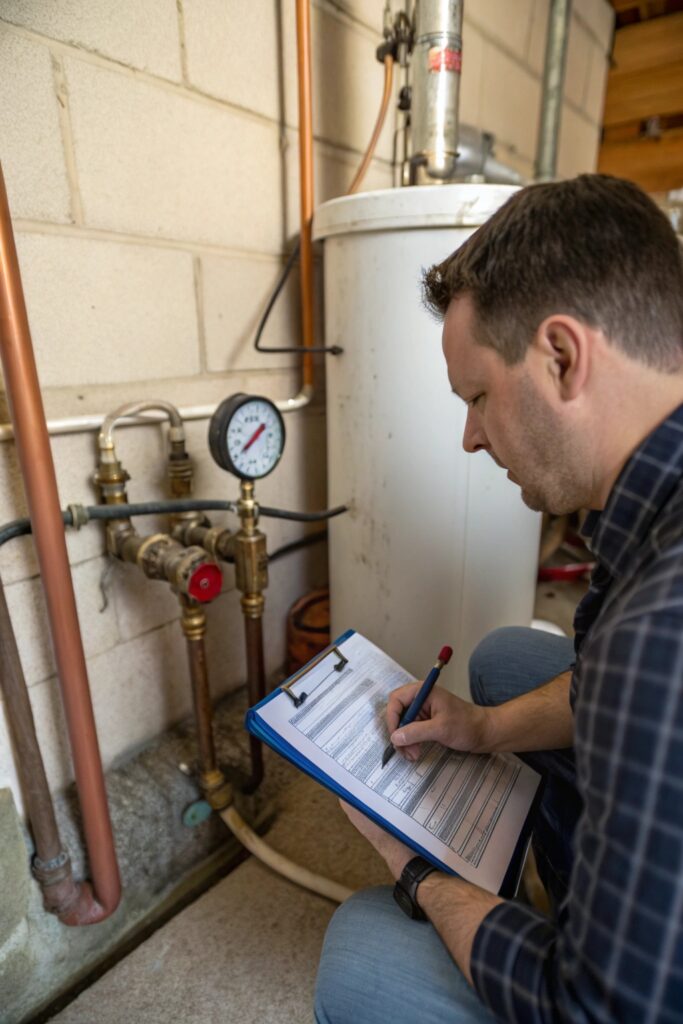
In homes with a zoned or multi-regulator plumbing setup (more common in larger or multi-level homes), a regulator serving specifically the kitchen zone can fail independently of the regulator serving the rest of the house.
This is less common in standard single-family homes with one main supply line, but worth investigating if your home has a more complex plumbing layout with documented separate zones.
12. Renovation or Remodeling Work Disrupted the Line
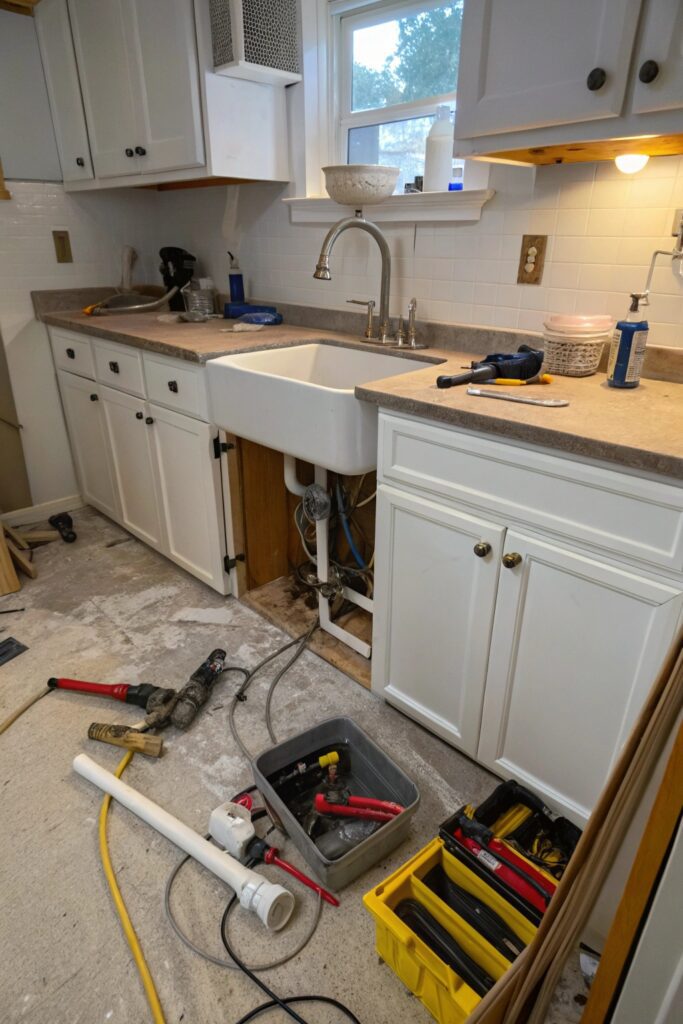
Any recent renovation work near the kitchen — even work not directly involving plumbing, like electrical or flooring — can accidentally damage or disconnect a water line running through a wall or under a floor in that specific area.
If the issue started immediately after or during a renovation project, this is worth investigating first, even if the contracted work wasn’t plumbing-related, since supply lines often run through walls being opened for other purposes.
Final Thoughts
Check the shut-off valves and aerator first, since these two causes account for the large majority of isolated no-water-in-kitchen cases and require no tools beyond a wrench. If both check out clean, work through the supply line and faucet cartridge next before assuming a larger plumbing issue is responsible.