
A fall wreath needs to hold up through a longer stretch of weather variation — rain, wind, real temperature swings — than a summer wreath typically faces, so material durability deserves even more attention here. The details below cover both the styling direction and these practical specifics for each idea.
Below are 12 fall wreath ideas worth considering, with the specifics for each.
1. Classic Pumpkin and Leaf Wreath
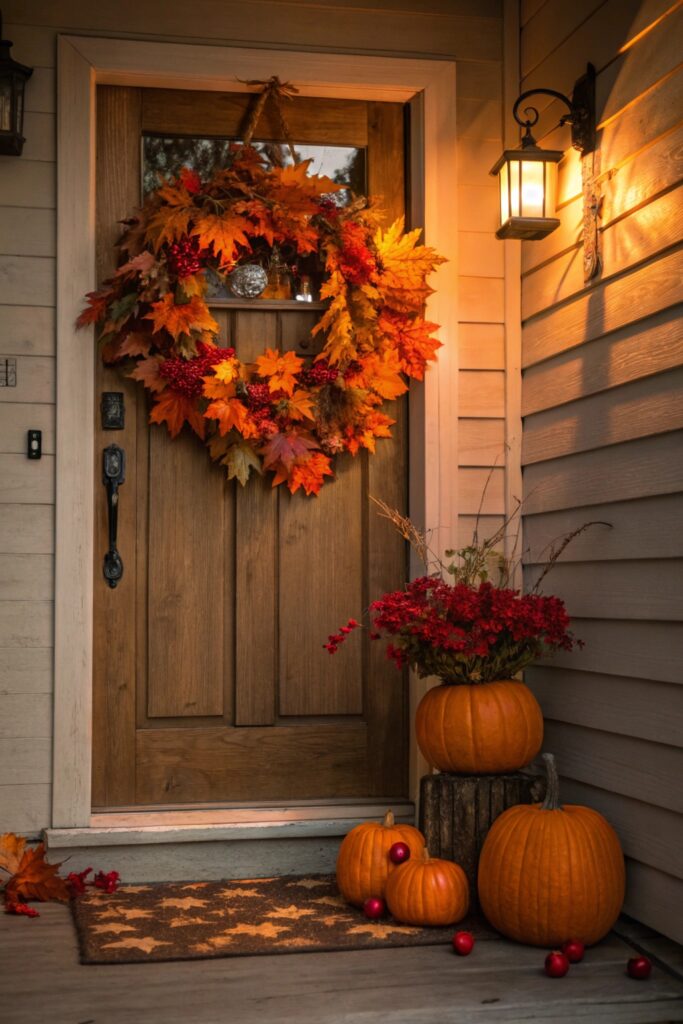
Real mini pumpkins will rot outdoors over the course of a fall season, so faux versions hold up considerably longer on a wreath meant to last through multiple months of exposure.
2. Neutral Tone Fall Wreath
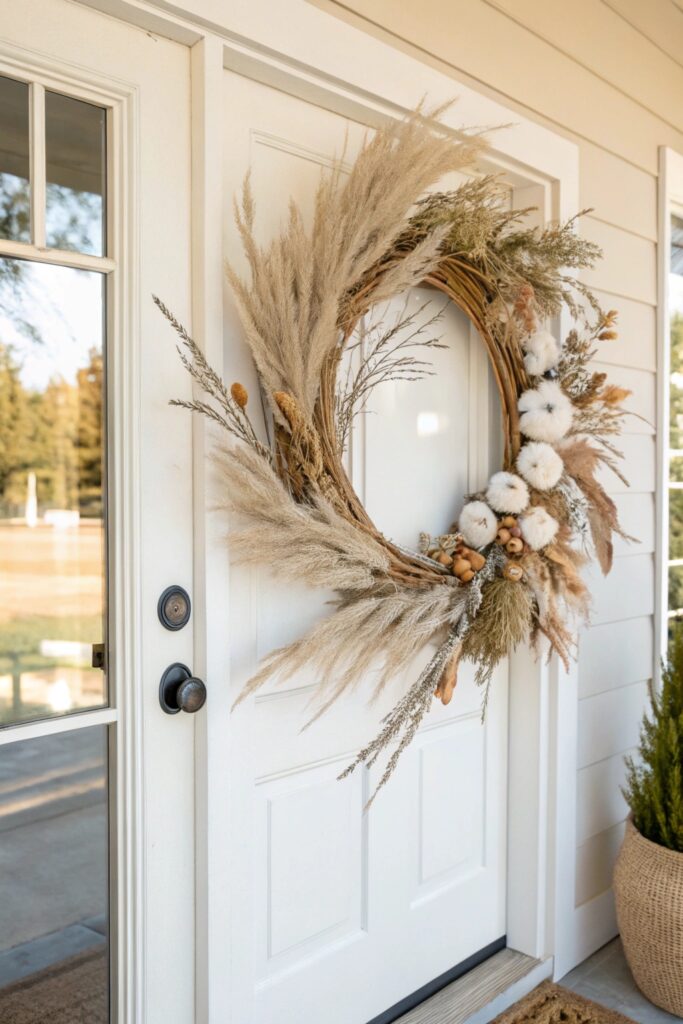
Dried neutral materials like bleached branches or pampas grass continue to fade and can yellow with ongoing sun exposure, so choosing UV-resistant faux versions matters if you want a consistent color through the full season.
3. Rustic Farmhouse Wreath
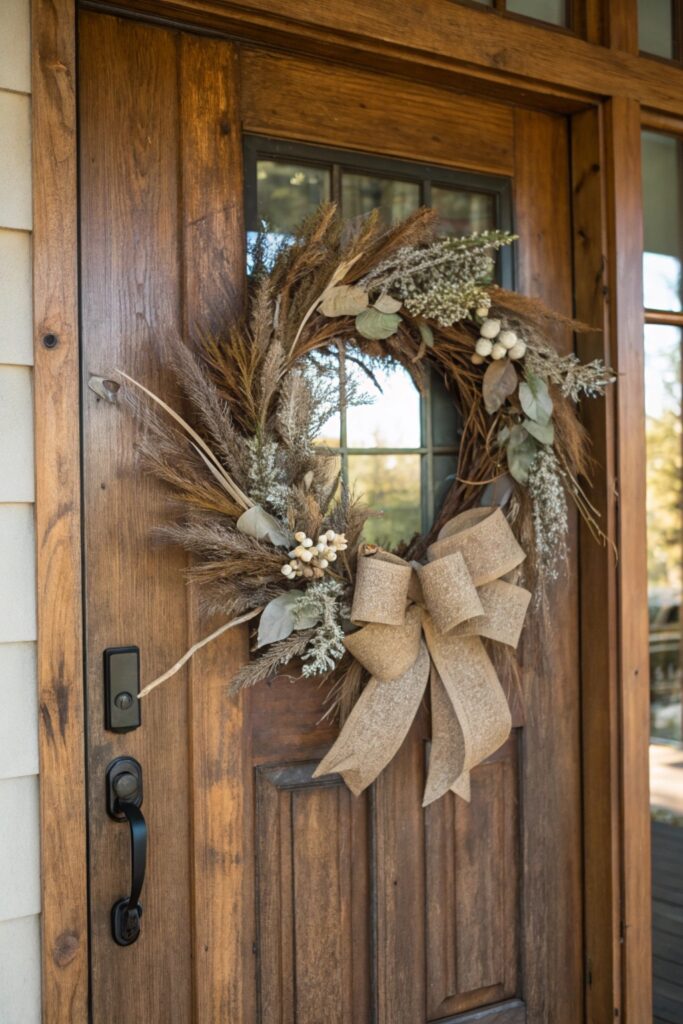
Sealed wood elements hold up to fall rain and temperature swings better than raw, untreated wood, the same durability principle that applies to farmhouse-style decor anywhere else in the home.
4. Eucalyptus and Greenery Wreath
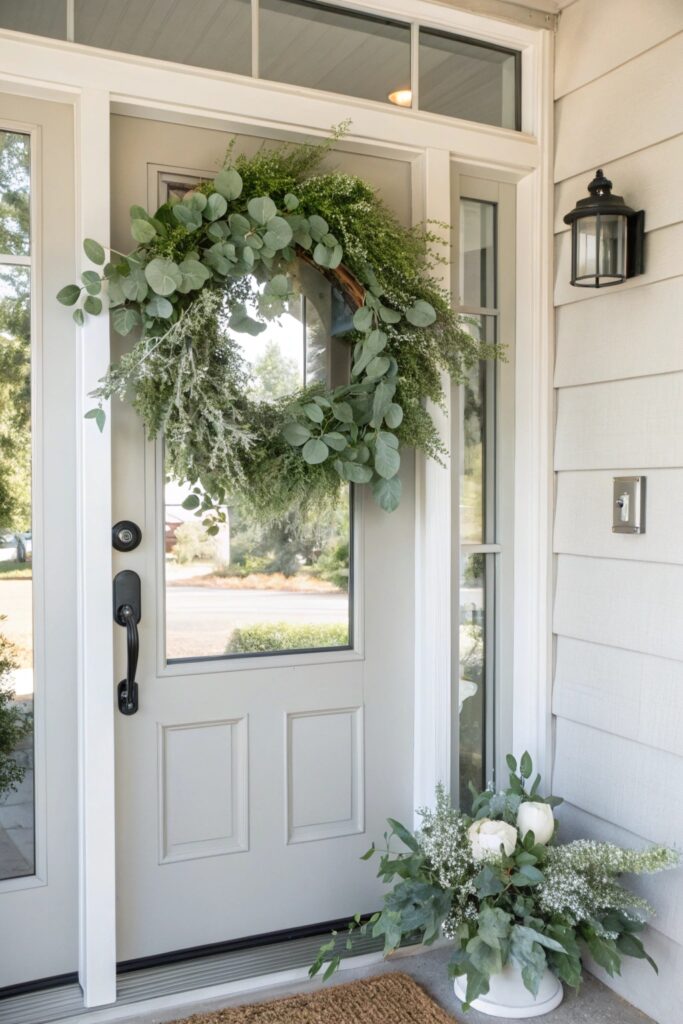
Fresh eucalyptus dries and drops leaves within a few weeks outdoors, so preserved, glycerin-treated eucalyptus holds its look considerably longer than fresh-cut stems for a wreath meant to last the season.
5. Sunflower Fall Wreath
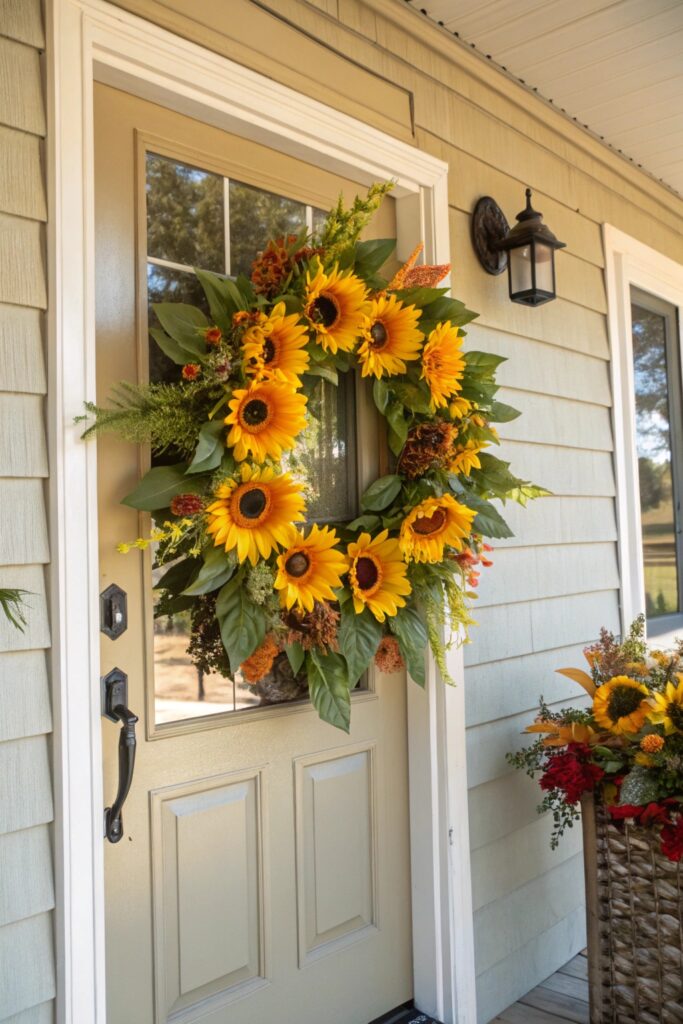
Real sunflowers wilt within days once cut, so this style specifically needs faux flowers for any outdoor display meant to last, more so than wreath styles built around hardier dried materials.
6. Minimalist Hoop Wreath
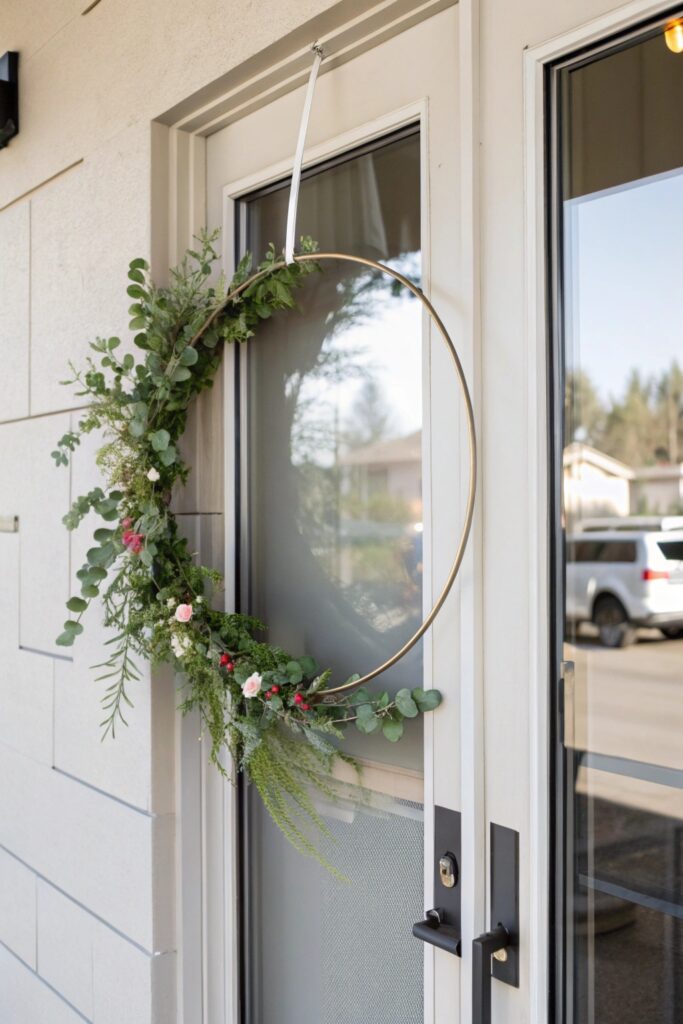
An exposed metal or wood hoop frame needs a weather-resistant finish, since bare, untreated material warps or rusts faster than a sealed or coated frame left exposed to fall rain.
7. Berry and Twig Wreath
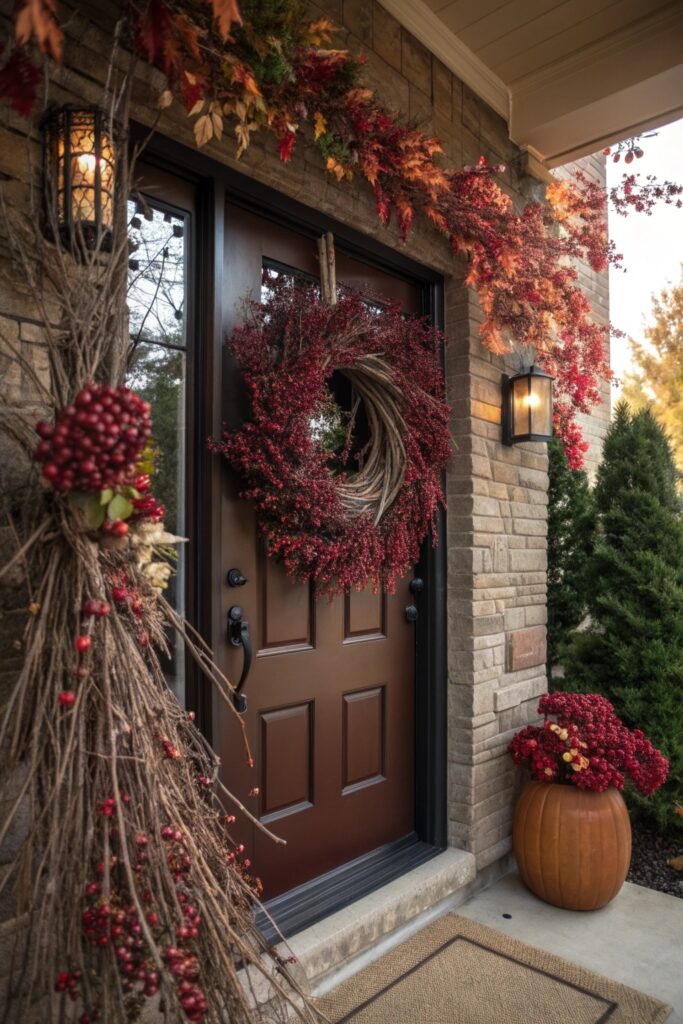
Choose non-toxic faux berries specifically if the wreath hangs at a reachable height, since some decorative berry varieties can be harmful if ingested by pets or small children who interact with a low-hung door wreath.
8. Pinecone Fall Wreath
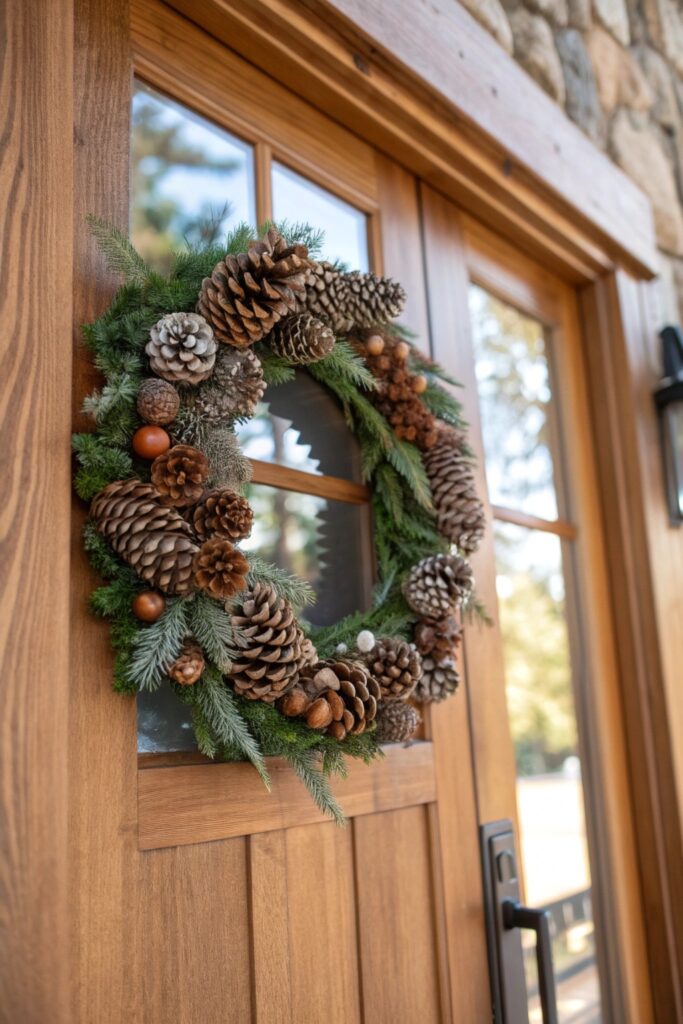
Pinecones sourced outdoors can carry insects or larvae, so baking them briefly in a low oven before use helps avoid bringing unwanted pests onto your door.
9. Floral Fall Wreath
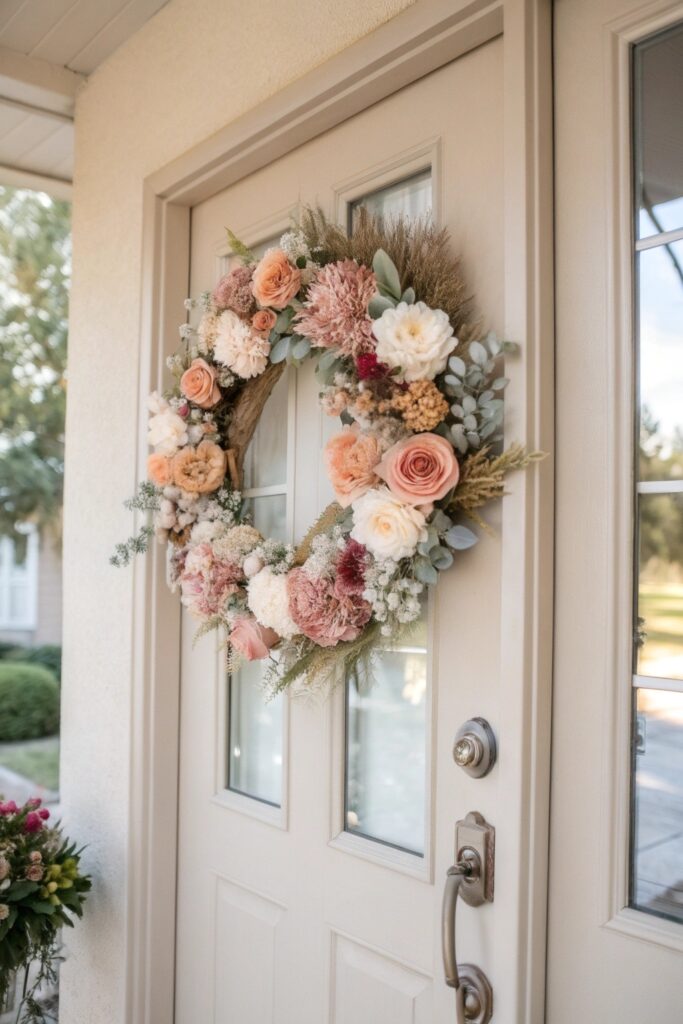
Faux florals in deeper fall tones hold their color through sun exposure better than dyed dried flowers, which can fade unevenly over a full season outdoors.
10. Plaid Ribbon Wreath
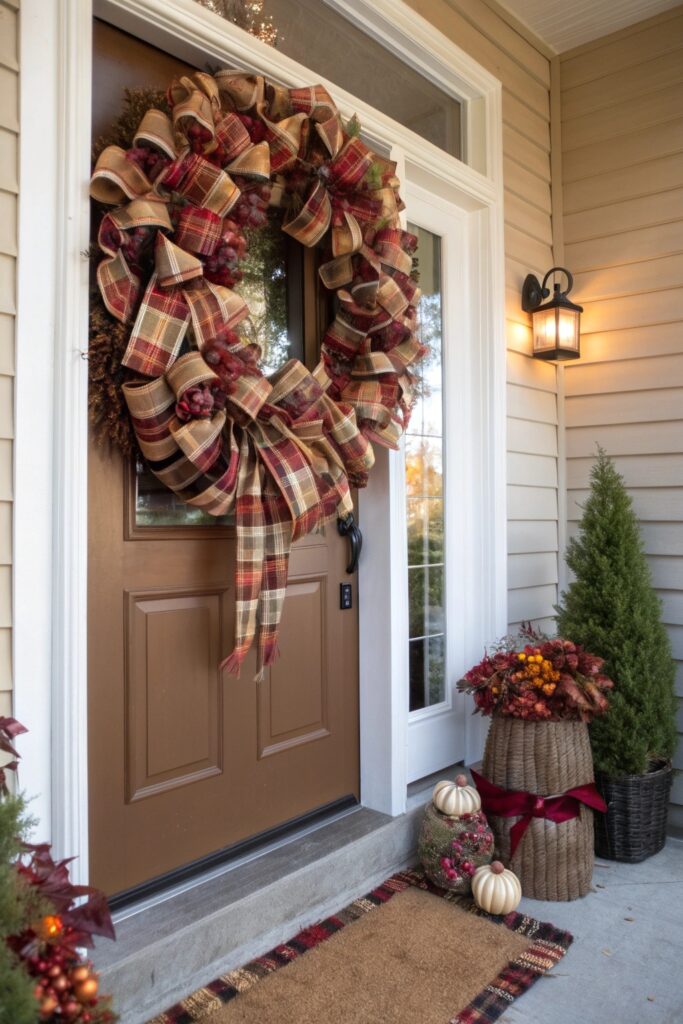
Choose a wired, outdoor-rated ribbon specifically, since standard fabric ribbon exposed to fall rain and sun fades and frays considerably faster than material designed for exterior use.
11. Wheat and Harvest Wreath
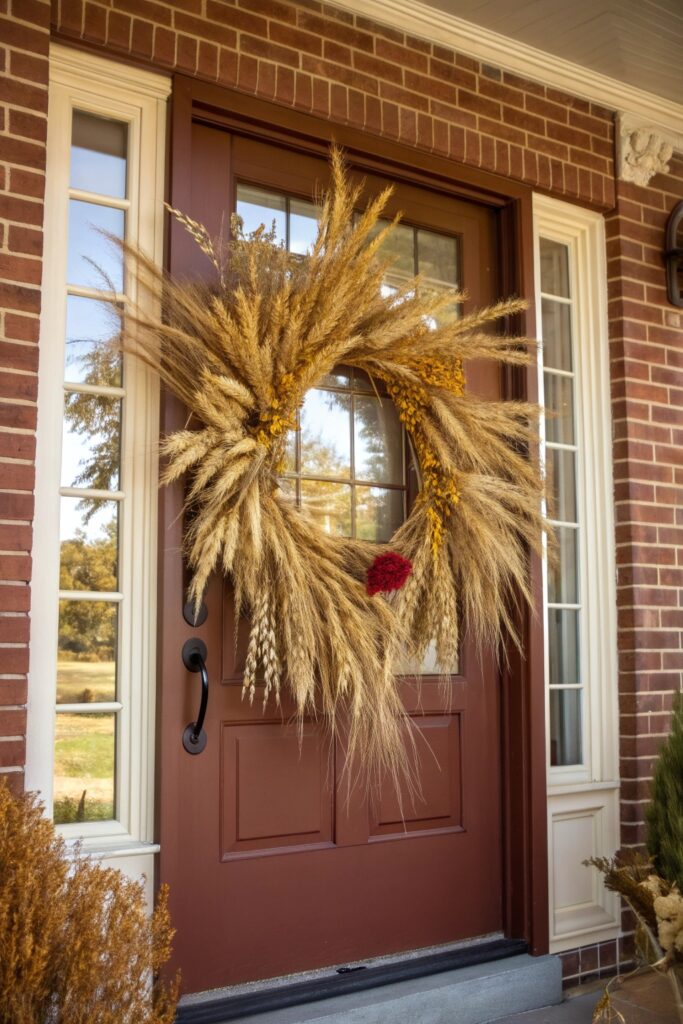
Natural wheat stalks can attract birds or rodents looking for a food source, so trimming and sealing the cut ends helps reduce, though doesn’t fully eliminate, this if you notice pest activity around the wreath.
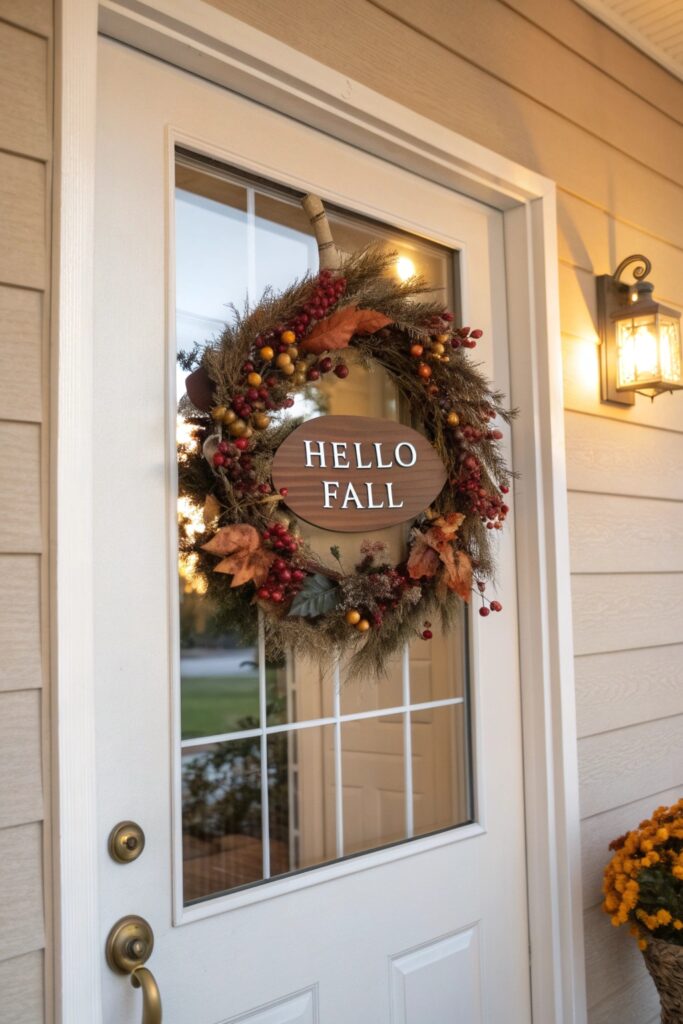
12. Personalized Fall Wreath
For material-specific guidance on real versus faux elements and hanging hardware, see our companion guide to summer wreath ideas, which covers many of the same durability principles for the opposite season.
Hanging Hardware That Actually Holds
An over-the-door wreath hanger rated for the wreath’s actual weight matters more than it might seem, since a heavier design with pumpkins, wheat, or multiple layered elements can weigh considerably more than a simple grapevine base.
A hook mounted directly into the door frame, rather than relying solely on an over-the-door hanger, provides more secure support for a heavier design and avoids the small gap an over-the-door hanger can leave that lets in a draft.
What a Fall Wreath Costs
A simple wreath using dried or faux elements typically costs $20 to $60 depending on size and materials.
A fuller, professionally designed wreath with premium faux florals or a mixed-material design runs higher, often $80 to $200 or more depending on the complexity.
Considering Your Door’s Sun Exposure
A south or west-facing door gets considerably more direct sun over the course of a fall day than a north-facing one, so a wreath in that location fades faster regardless of how well-rated the materials are.
If your door sees heavy sun exposure, choosing a wreath in a slightly deeper starting shade helps mask fading better over the season than a pale or pastel design would.
Sizing Your Wreath to the Door
A wreath between 20 and 24 inches in diameter suits most standard front doors, while an oversized wreath on a smaller door can overwhelm the entry and make the space feel cramped rather than welcoming.
If your door has a window, keep the wreath size in mind so it doesn’t block too much of the glass, both for the visual balance and so anyone inside can still see who’s at the door.
Pulling one or two colors from the wreath into other porch decor, like a doormat or a small planter, helps the whole entry feel coordinated rather than treating the wreath as an isolated accent hung on an otherwise unstyled door.
DIY Versus Store-Bought
A DIY wreath built on a basic grapevine or foam base with faux picks from a craft store typically costs less than a comparable pre-assembled design, though it requires real time and some trial and error to get proportions looking balanced.
If you’re short on time or new to wreath-making, starting with a pre-made base and adding just a few personal touches, like a ribbon or a monogram, offers a middle ground between fully DIY and a completely store-bought design.
A fall wreath doesn’t need to include every classic seasonal element to feel right for the season — a simpler design built around one or two strong materials, like a wheat bundle or a cluster of berries, often reads as more intentional than one crowded with every autumn motif at once.
Checking the wreath periodically through the season, particularly after a stretch of heavy rain or wind, catches loose elements or fading before they become obvious from the street, letting you make small repairs rather than replacing the whole piece.
A well-chosen fall wreath sets the tone for your entire entryway, giving visitors an immediate sense of the season before they even reach the door, which is worth the small investment of time it takes to get the details right.
It’s a small detail with real impact.
Final Thoughts
Choosing materials rated to handle your specific region’s fall weather, rather than assuming any wreath marketed as “fall” will hold up outdoors for months, saves real disappointment partway through the season.
Whichever style speaks to you, storing the wreath somewhere dry and protected between uses, if you plan to reuse it next year, extends its life considerably compared to leaving it exposed to the elements once the season ends.