
Small outdoor space? That’s not a problem — that’s a creative challenge. I’ve personally turned a narrow 6-foot balcony into a lush little green escape, and trust me, size really doesn’t matter when you plan smart.
The secret isn’t having more space. It’s using the space you already have more cleverly. Vertical walls, corners, railings, even your windowsills — all of it counts.
So if you’ve been staring at your tiny patch of outdoor space thinking “what’s even the point,” this list is for you. Let’s get that garden going.
1. Build a Vertical Garden Wall
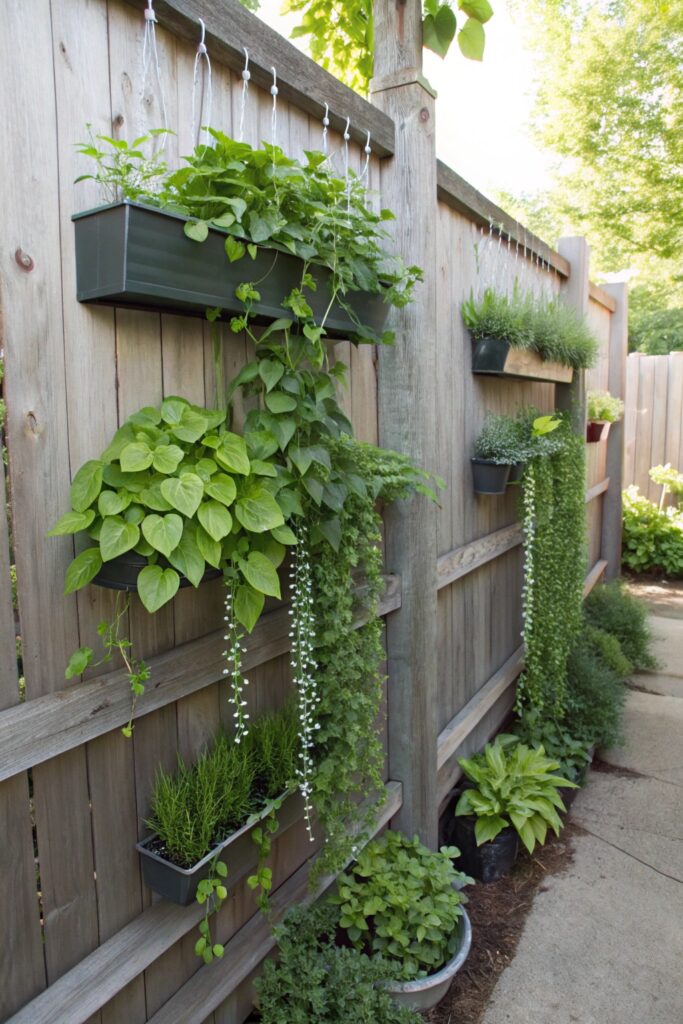
Why it works: Walls give you growing space without eating up floor space.
When floor space runs out, you go up. A vertical garden wall lets you grow herbs, flowers, trailing plants, and even small vegetables — all without sacrificing a single square foot of ground.
Here’s how to make it work:
- Use modular wall planters or repurposed wooden pallets as your frame
- Plant herbs like basil, mint, and thyme in upper pockets for easy kitchen access
- Add trailing plants like pothos or string of pearls for a lush, cascading effect
A vertical garden also doubles as a privacy screen — two problems solved with one idea. IMO, this is the single best investment you can make in a small outdoor space.
2. Use Raised Garden Beds Strategically
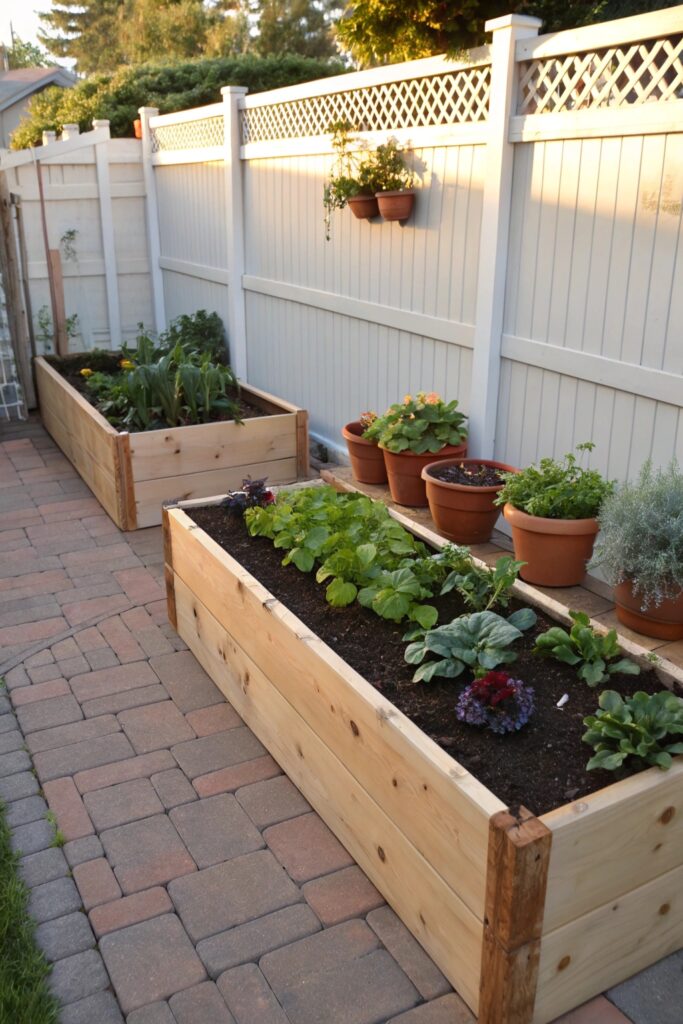
Why it works: Raised beds define space, improve drainage, and maximize planting density.
Raised garden beds turn even a concrete patio or paved yard into productive growing space. You control the soil quality completely, which means healthier plants and better harvests from a tiny footprint.
- Choose cedar or redwood for naturally rot-resistant, long-lasting beds
- Stack two levels high to grow deeper-rooted vegetables like carrots and tomatoes
- Place beds along fence lines or walls to keep the center of your space open
A well-placed raised bed also adds visual structure to a small garden. It makes the whole space look intentional and designed rather than just random pots scattered around.
3. Hang Planters from Railings and Fences
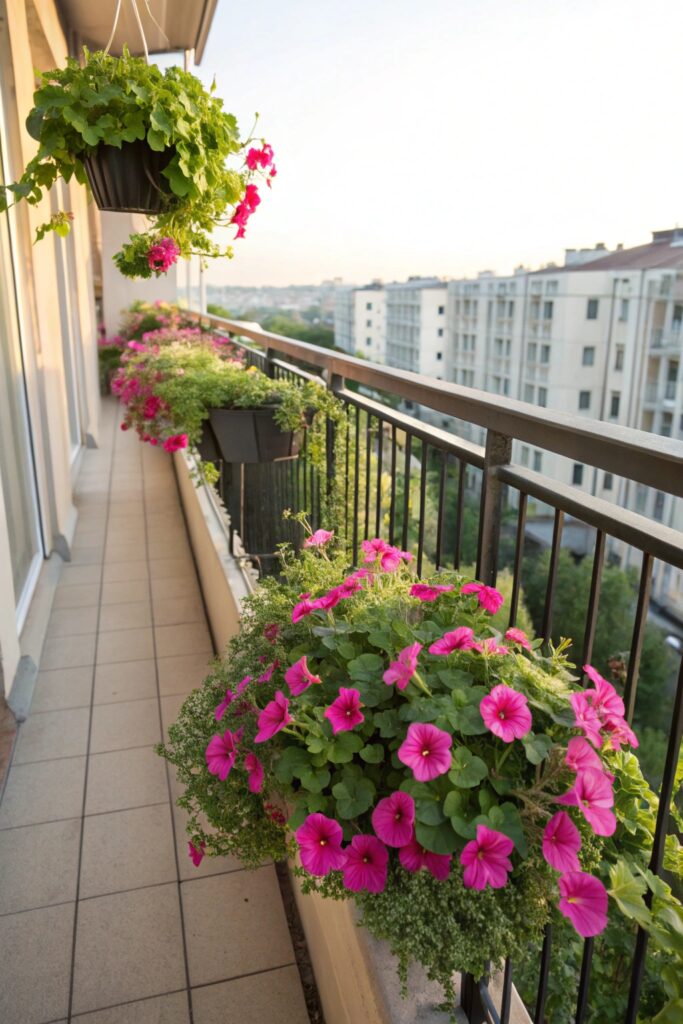
Why it works: Railings and fences are wasted real estate just waiting to be used.
Every railing on your balcony or fence panel in your yard is a potential planting spot. Railing planters clip or hook directly onto railings and hold everything from flowering annuals to fresh herbs — no drilling, no permanent fixtures required.
- Metal rail planters work best for weight-bearing and weather resistance
- Alternate between trailing plants and upright plants for visual variety
- Plant colorful petunias or nasturtiums for a pop of color that faces outward
This idea works especially well on apartment balconies where floor space is truly tiny. You essentially add a whole extra layer of garden without touching the ground at all.
4. Create a Container Garden Collection
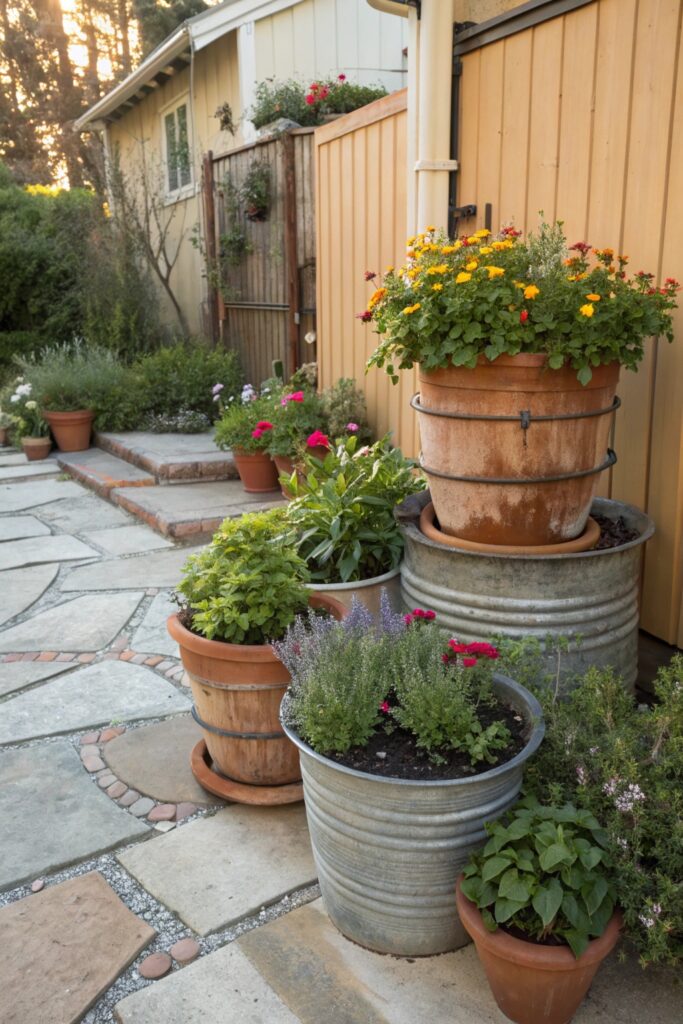
Why it works: Containers give you total flexibility — move, rearrange, and experiment freely.
Container gardening is honestly the most beginner-friendly tiny garden idea on this list. You can grow almost anything in a pot, and you can rearrange everything whenever you feel like a change. No commitment, no digging, no fuss.
- Group containers in odd numbers — threes and fives look more natural and dynamic
- Use varying pot heights to create visual layers and depth
- Try self-watering containers if you forget to water regularly (no judgment :))
Mix materials too — terracotta, glazed ceramic, and galvanized metal together create a curated, collected look. The key is treating your container garden like a design project, not just a collection of random pots.
5. Install a Trellis for Climbing Plants
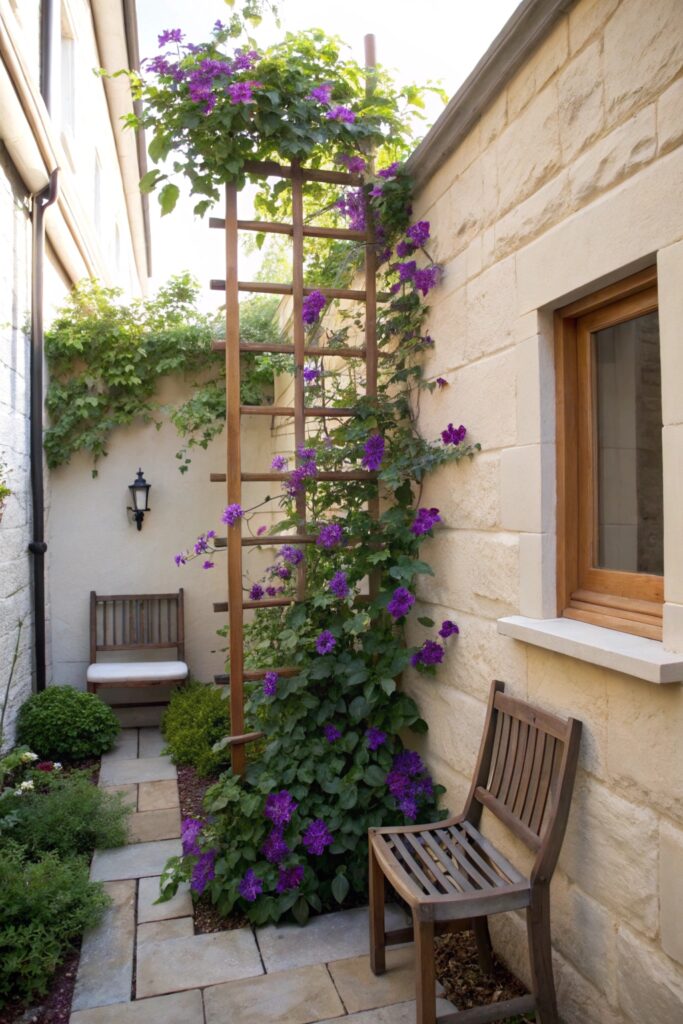
Why it works: Climbing plants grow upward, not outward — perfect for tight spaces.
A simple trellis against a wall or fence transforms vertical space into a living green feature. Climbing plants like clematis, jasmine, or even cucumbers take up almost zero floor space while creating serious visual impact.
- Use a freestanding trellis if you can’t drill into walls or fences
- Plant fast-growing climbers like morning glory for quick coverage in one season
- Train edible climbers like beans or peas for beauty and harvests
A jasmine trellis near a seating area also fills your tiny garden with fragrance — a detail that makes the whole space feel like a proper outdoor retreat rather than just a patch of plants.
6. Design a Cozy Corner Seating Nook
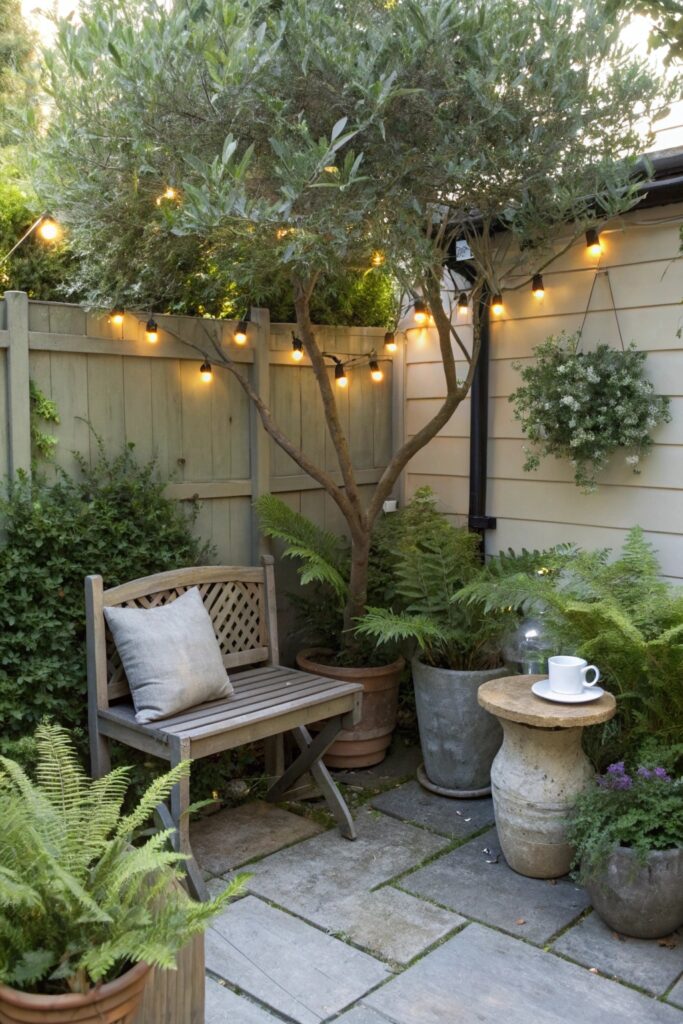
Why it works: A defined seating area makes even the smallest garden feel like a destination.
Here’s the thing about tiny gardens — people often spend all their effort on plants and forget to make the space actually livable. A corner nook with a small bench or two folding chairs instantly makes your garden feel like a room.
- Use fold-flat furniture that stores easily when not in use
- Add a small side table for your coffee, book, or garden tools
- Frame the nook with tall potted plants on either side for a sense of enclosure
Once you have a proper place to sit, you’ll actually use your garden instead of just looking at it through the window. That’s the real goal, isn’t it?
7. Grow Herbs in a Windowsill Garden
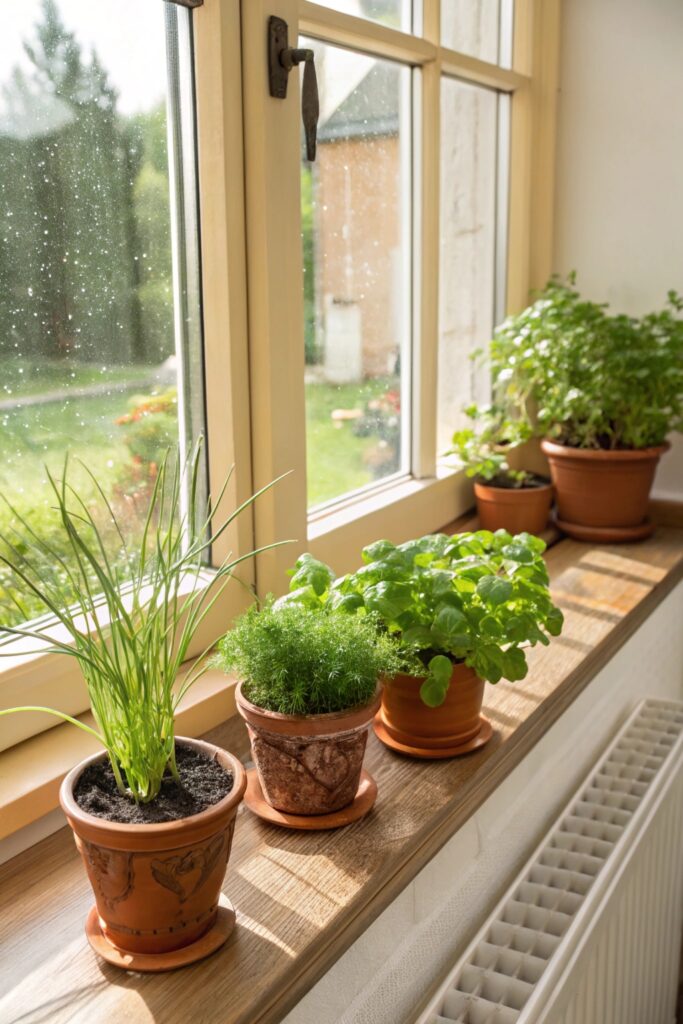
Why it works: Windowsills are already there — might as well put them to work.
A windowsill herb garden is the ultimate tiny garden move. It costs almost nothing, requires minimal maintenance, and gives you fresh herbs literally an arm’s reach from your kitchen. Hard to argue with that logic.
- Grow basil, chives, parsley, and rosemary as a starter lineup
- Use terracotta pots with drainage holes to prevent root rot
- Rotate pots every few days so all sides get equal sunlight
FYI — herbs actually grow better when you harvest them regularly. So cooking with your windowsill garden isn’t laziness, it’s literally good plant care. You’re welcome.
8. Add Mirror Panels to Expand the Space Visually
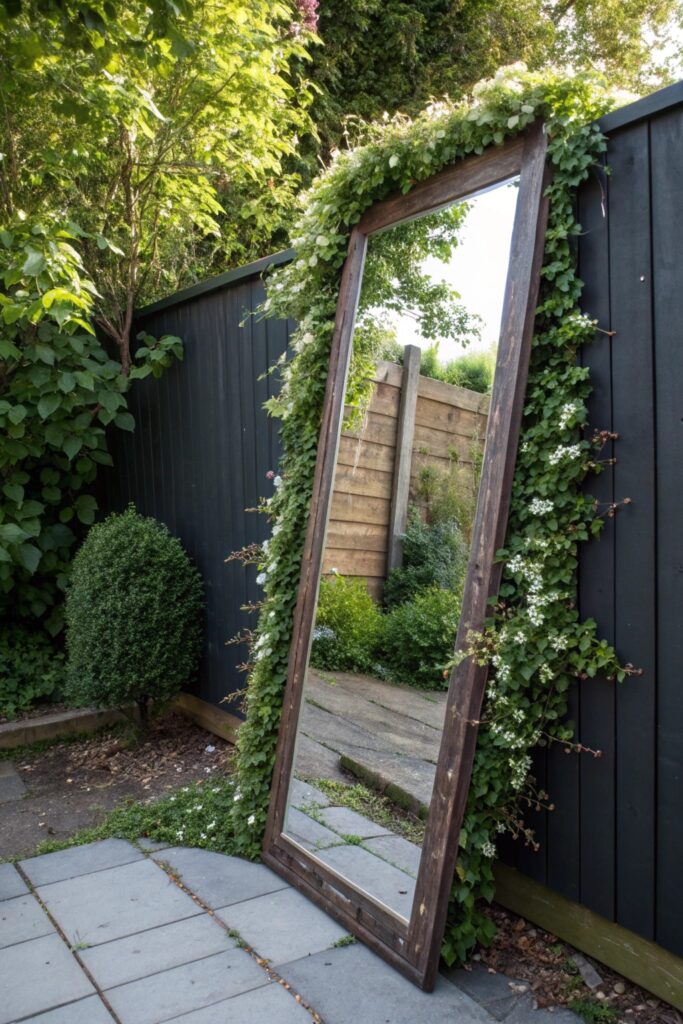
Why it works: Mirrors trick the eye into seeing a larger, deeper garden.
This one surprises people every time. Leaning or mounting an outdoor-safe mirror against a fence or wall instantly makes a small garden feel twice as big. The reflection adds depth and bounces light around beautifully.
- Use weatherproof acrylic mirrors designed specifically for outdoor use
- Position them to reflect the most lush, green part of your garden
- Frame them with climbing plants for a gorgeous garden-within-a-garden effect
Place a mirror opposite your main seating area and the garden suddenly feels noticeably spacious. It’s one of those tricks that costs very little but delivers an outsized visual result.
9. Build a Mini Water Feature
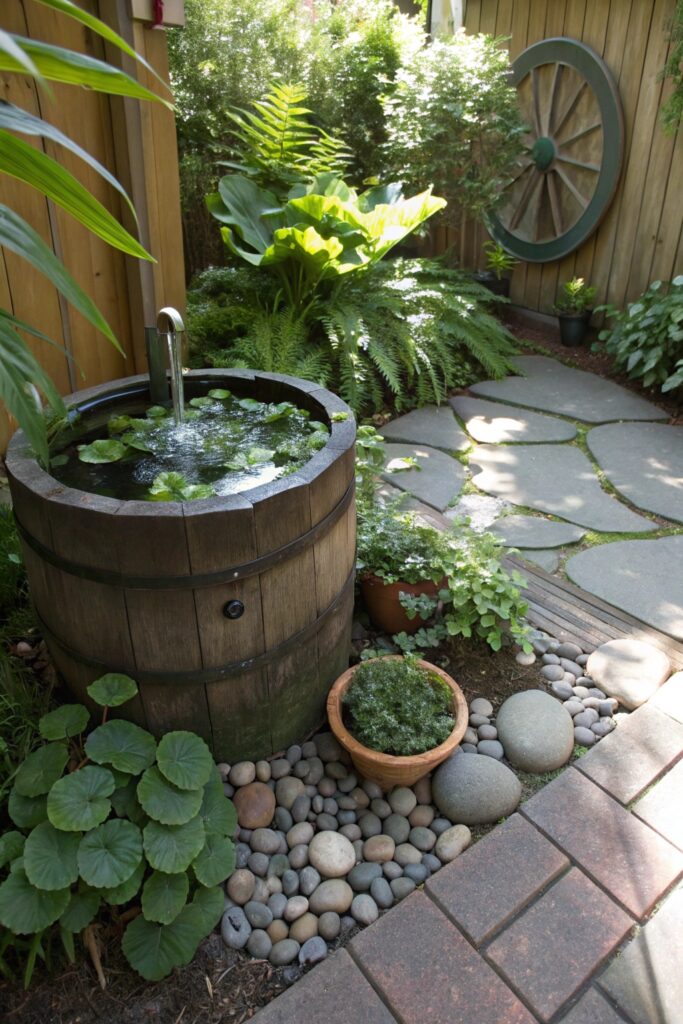
Why it works: Moving water adds sound, movement, and atmosphere to a tiny space.
You don’t need a large garden to enjoy a water feature. A small tabletop fountain or a compact barrel pond adds an entirely new sensory dimension to your outdoor space — and it takes up barely any room.
- Solar-powered tabletop fountains need zero wiring and minimal maintenance
- A half barrel filled with water plants and a small pump creates a mini pond effect
- Add water hyacinth or water lettuce for natural filtration and texture
The sound of trickling water actually makes a small garden feel more immersive and calming. It’s one of those additions that makes people stop and actually breathe when they sit outside.
10. Use Hanging Baskets Overhead
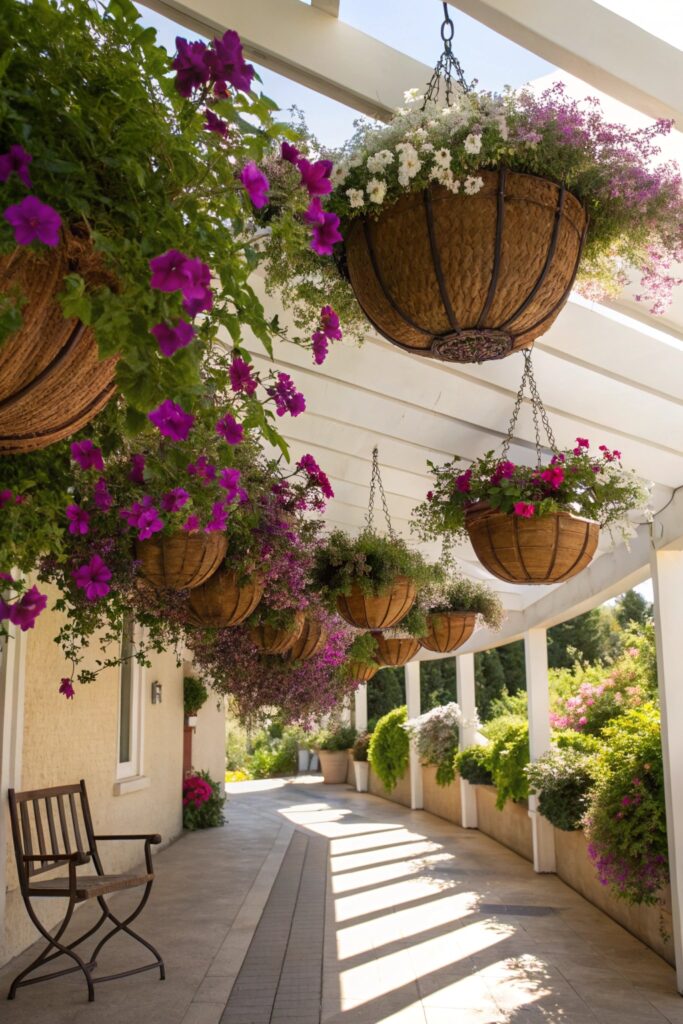
Why it works: The space above your head is completely unused — until now.
Hanging baskets from overhead beams, pergola structures, or ceiling hooks on a covered balcony add an entirely new growing level. They create a lush, layered canopy effect that makes small gardens feel like secret hideaways.
- Choose trailing plants like fuchsia, lobelia, or bacopa for maximum visual drama
- Use coco liner baskets for better moisture retention than plastic
- Water them consistently — hanging baskets dry out faster than ground-level pots
Staggering baskets at different heights creates an almost jungle-like density overhead. Even five or six baskets can completely transform how an outdoor space feels from the inside.
11. Layer Plants by Height
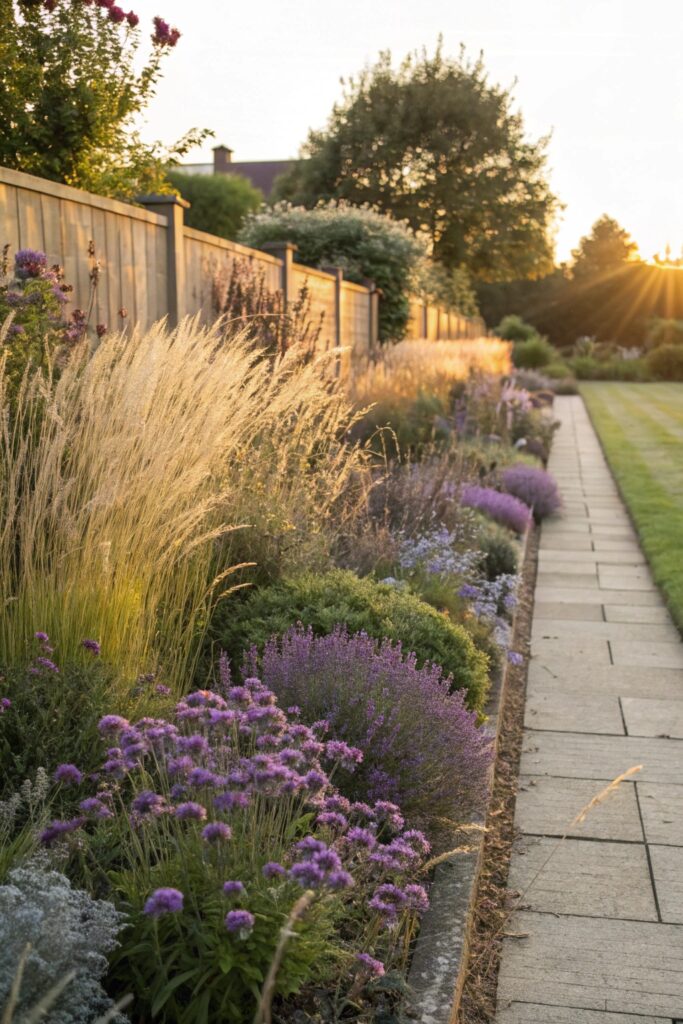
Why it works: Layering creates depth and fullness without needing more floor space.
The secret to a tiny garden that looks lush and abundant is layering. Place tall plants at the back, medium plants in the middle, and low-growing ground cover or trailing plants at the front. Simple concept, transformative result.
- Use ornamental grasses or tall grasses as dramatic back-row anchors
- Fill the middle layer with flowering perennials like lavender or salvia
- Let creeping thyme or alyssum spread across the front edge naturally
This approach makes even a narrow garden border look full and professionally planted. Your tiny garden stops looking sparse and starts looking intentional — like someone who actually knows what they’re doing designed it.
12. Create a Gravel Garden with Potted Focal Points
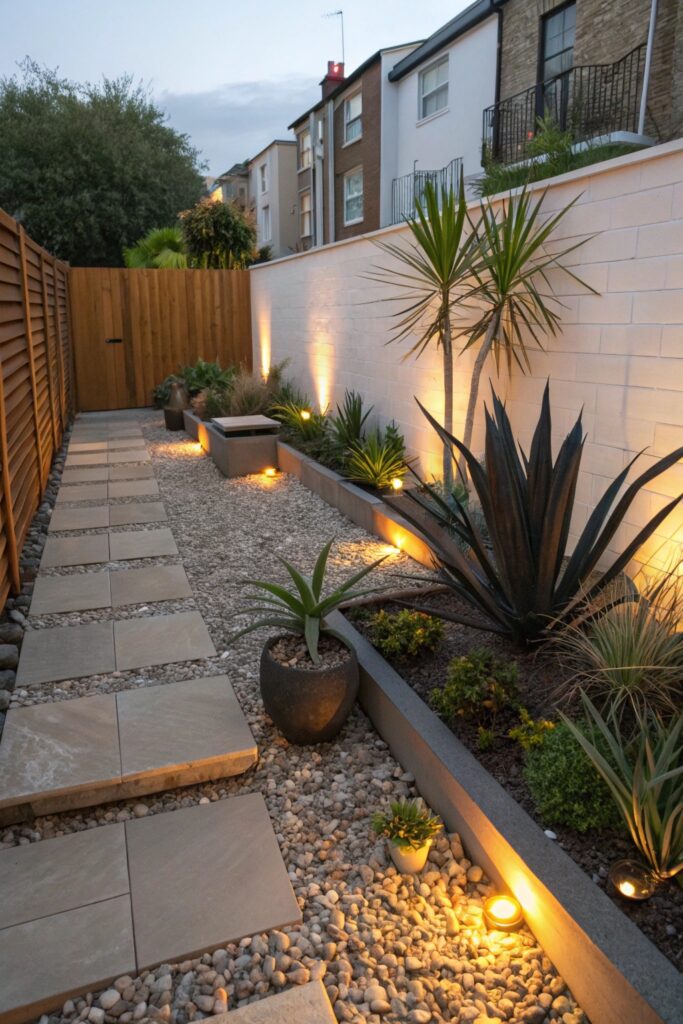
Why it works: Gravel suppresses weeds, improves drainage, and looks polished with minimal effort.
A gravel garden with strategic potted plants is one of the lowest-maintenance tiny garden ideas that still looks truly beautiful. Lay gravel across your outdoor area and then dot it with statement pots — the effect is clean, modern, and easy to maintain.
- Use pea gravel or crushed slate depending on the aesthetic you want
- Place architectural plants like agave, phormium, or bamboo as bold focal points
- Add solar path lights nestled in the gravel for atmosphere after dark
The gravel handles itself between the pots, meaning you spend your time enjoying the garden rather than constantly weeding it. Honestly, sometimes the smartest garden is the one that does most of the work for you :/
Final Thoughts
For more greenery-focused ideas on a larger patio, see our companion guide to patio garden ideas.
There you have it — twelve truly practical ways to squeeze every last drop of potential from your tiny outdoor space. From vertical walls to gravel gardens, none of these ideas require a huge budget or a landscaping degree. They just require a little creativity and the willingness to actually try something.
Start with one idea that excites you most and build from there. A tiny garden done well beats a large garden done carelessly every single time. The space you have is enough — you just have to believe that and start.
Now put your phone down and go plant something.