
Base preparation and drainage determine how well any driveway holds up over time far more than the visible surface material itself, regardless of which style you’re drawn to. The details below cover both the design direction and these practical specifics for each idea.
Below are 10 driveway ideas worth considering, with the specifics for each.
1. Install a Paver Driveway for a Timeless Look
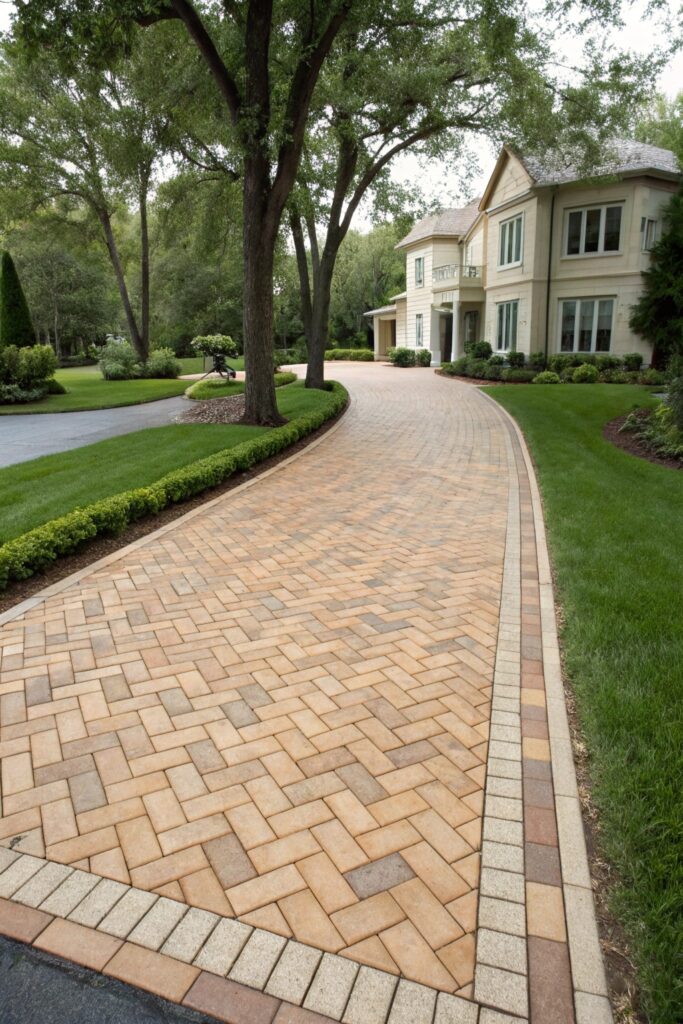
Pavers need a properly compacted gravel base, typically four to six inches depending on soil and climate, before installation — inadequate base preparation is the most common cause of pavers settling or shifting within just a few years.
2. Add Driveway Border Landscaping
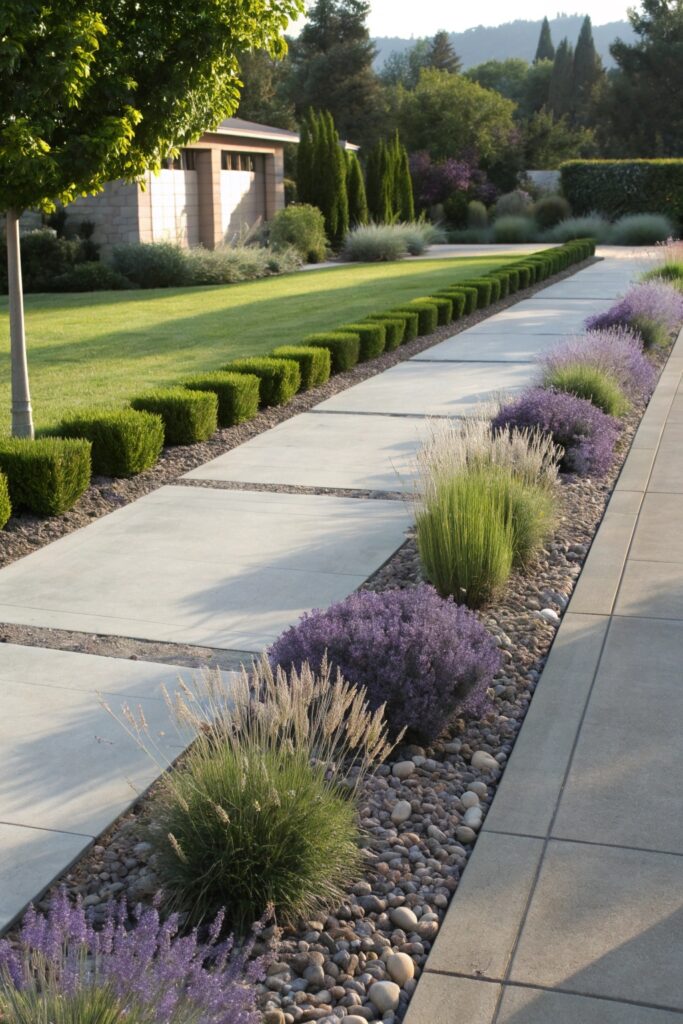
Plants directly bordering a driveway need to tolerate reflected heat from the pavement, and in cold climates, exposure to de-icing salt runoff, better than plants placed elsewhere in the yard.
3. Use Gravel for a Charming, Budget-Friendly Driveway
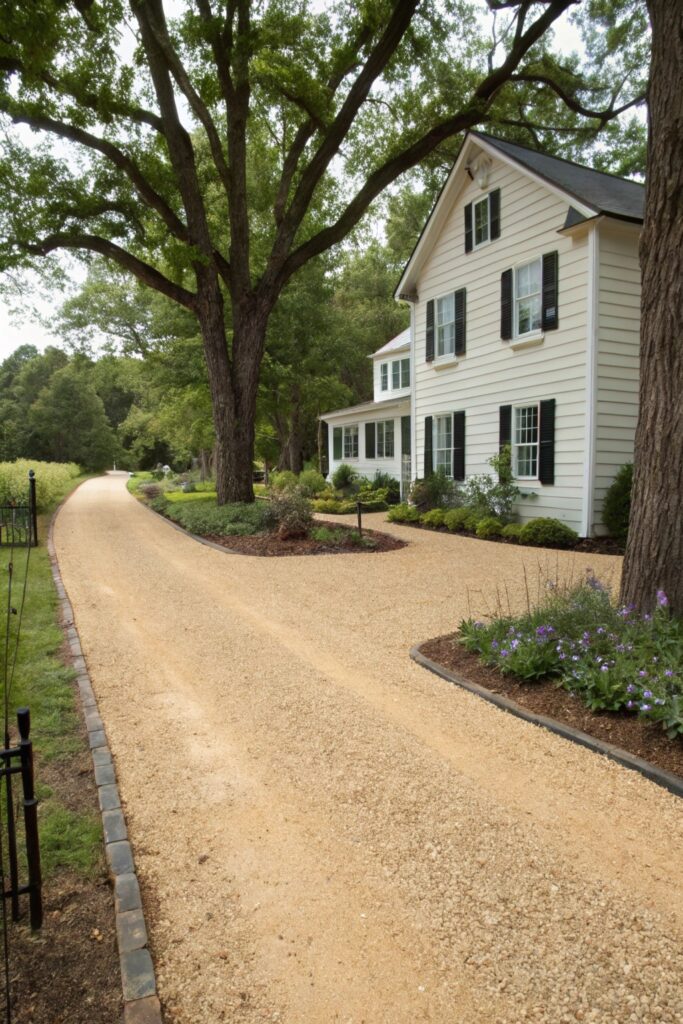
Budget for topping off the gravel every few years rather than assuming a one-time installation lasts indefinitely, since loose stone naturally migrates and compacts into the ground with regular vehicle traffic.
4. Install Driveway Lighting Along the Edges
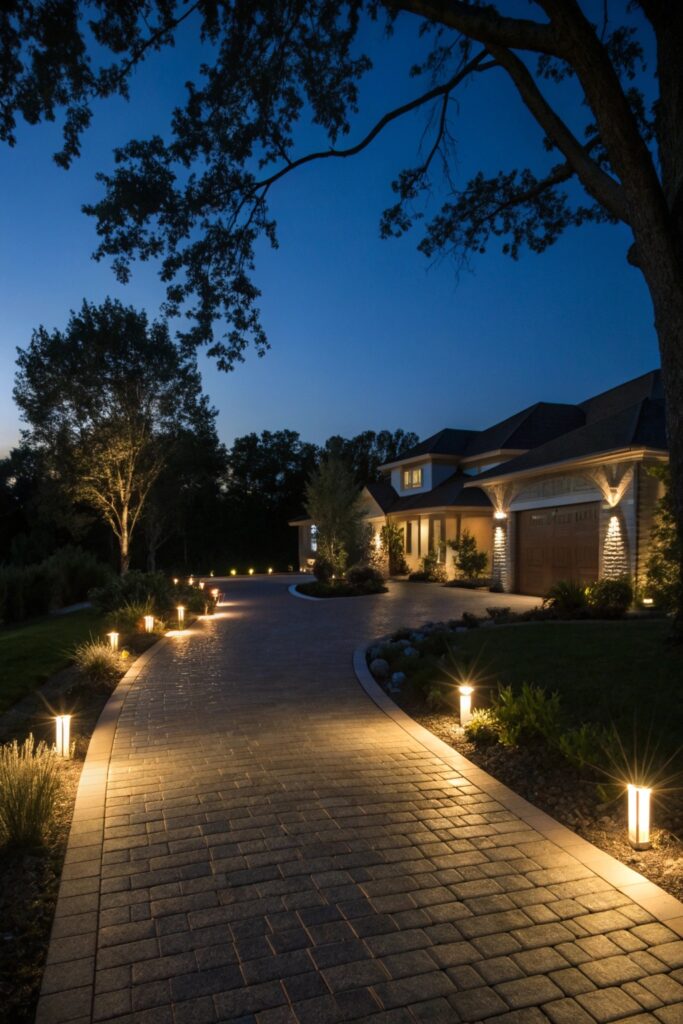
Choose fixtures rated for the actual brightness needed for safe nighttime navigation, not just decorative ambiance — a common mistake is under-lighting a functional driveway edge with fixtures really meant for accent lighting alone.
5. Create a Circular Driveway for Maximum Curb Appeal
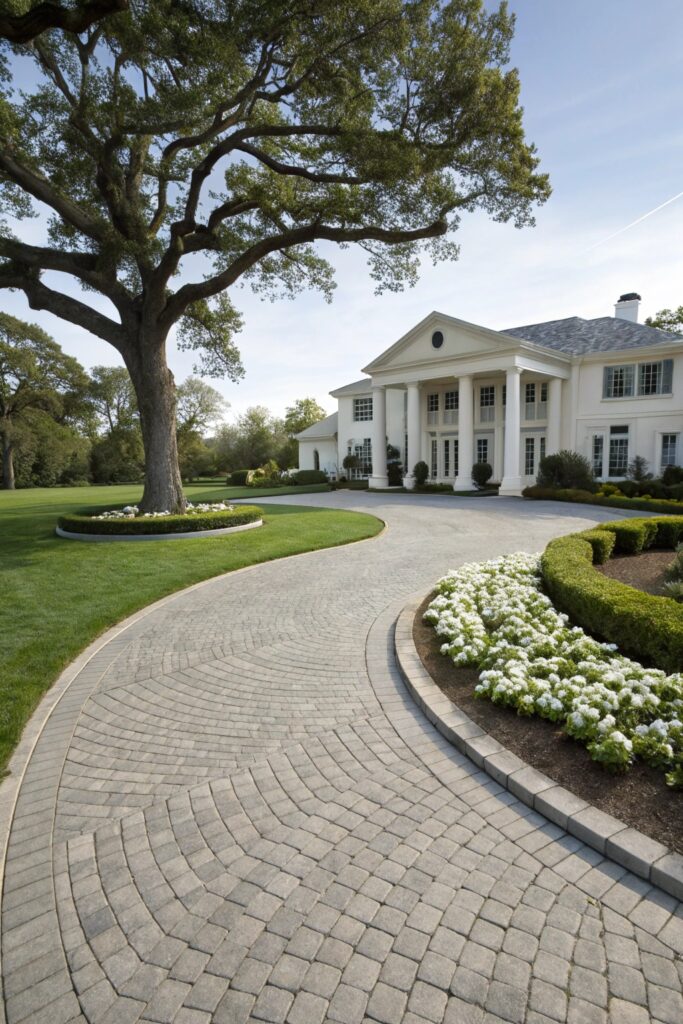
This layout requires real additional square footage and wider lot frontage, and many municipalities have setback and curb-cut permit requirements specifically for a second entry point onto the street, worth checking before committing to this design.
6. Try Stamped Concrete for a High-End Look on a Budget
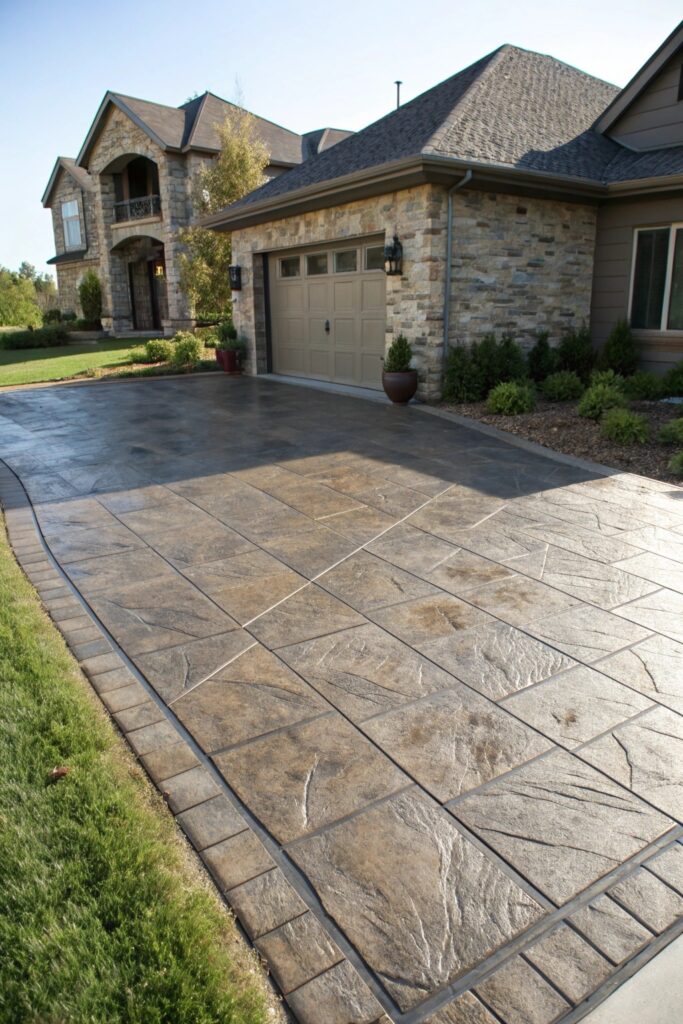
Stamped concrete needs resealing roughly every two to three years to maintain both its color and slip resistance, a more frequent maintenance schedule than plain concrete requires.
7. Plant a Tree-Lined Driveway for a Grand Entrance
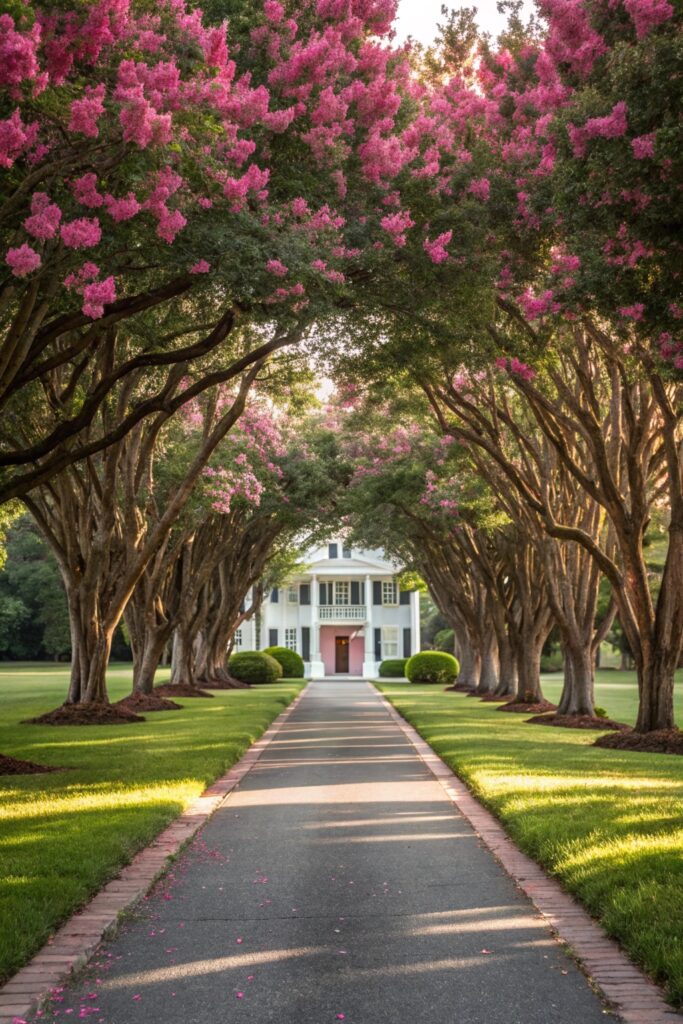
Choose species with less aggressive surface root growth and plant them far enough back from the driveway edge, since mature root systems can eventually heave and crack pavement as they grow closer to the surface.
8. Add a Decorative Driveway Gate or Entrance Columns
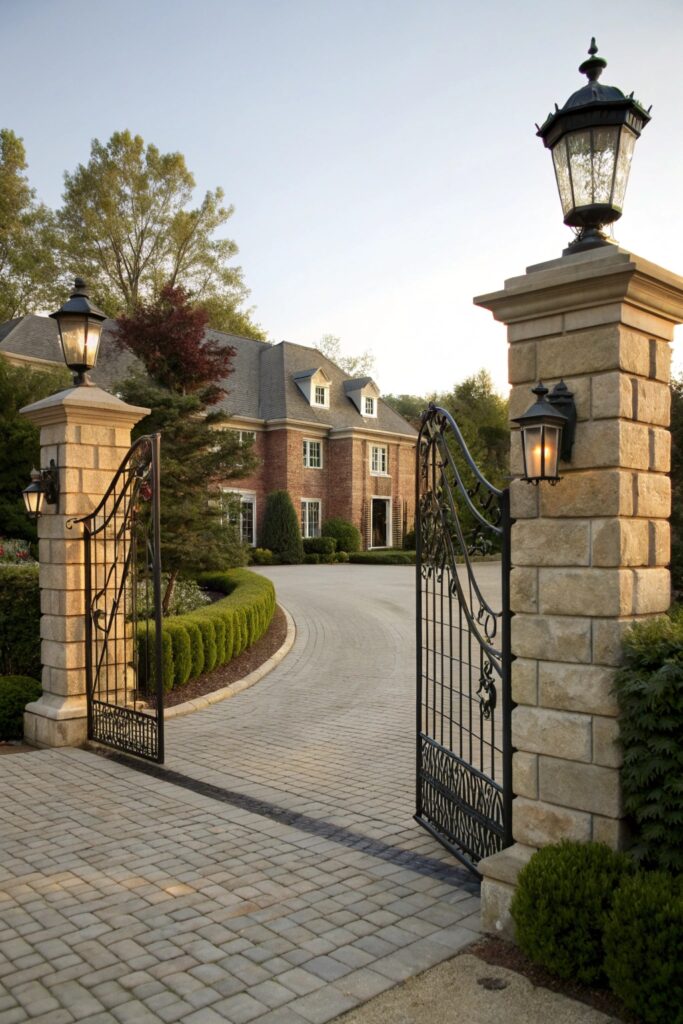
An automated gate needs either a hardwired electrical connection or a solar power source, plus a manual release mechanism most fire codes require so emergency vehicles can still access the property if the automated system fails.
9. Use Grass Pavers for an Eco-Friendly Driveway
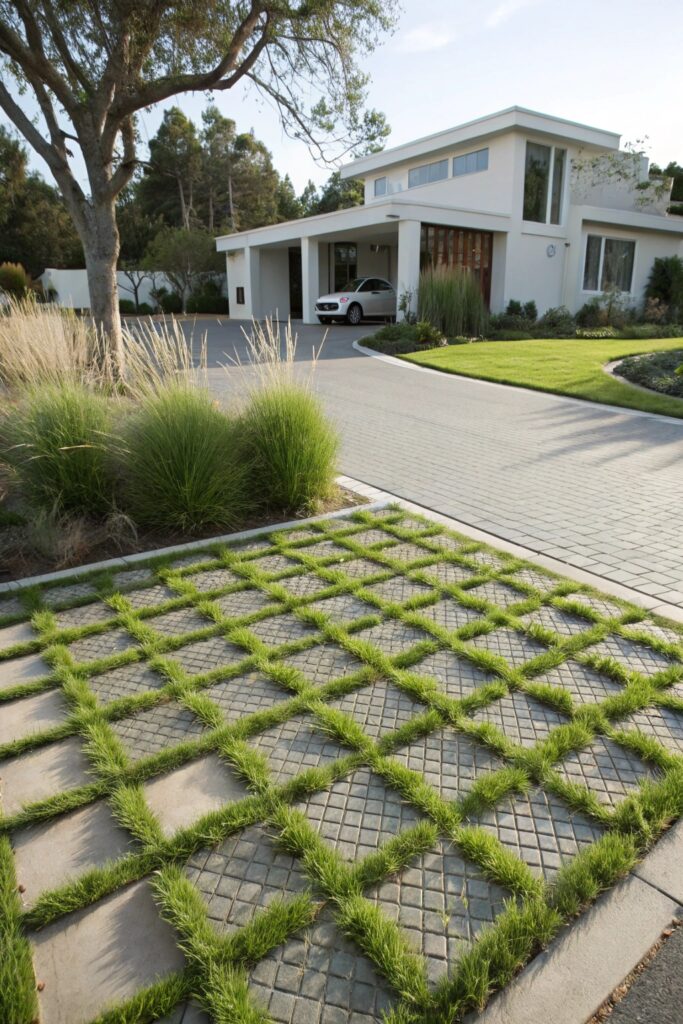
The grass itself needs adequate sun and water to stay healthy under regular vehicle weight, and this option suits overflow or occasional-use parking better than a primary driveway that sees heavy daily traffic.
10. Pressure Wash and Seal Your Existing Driveway
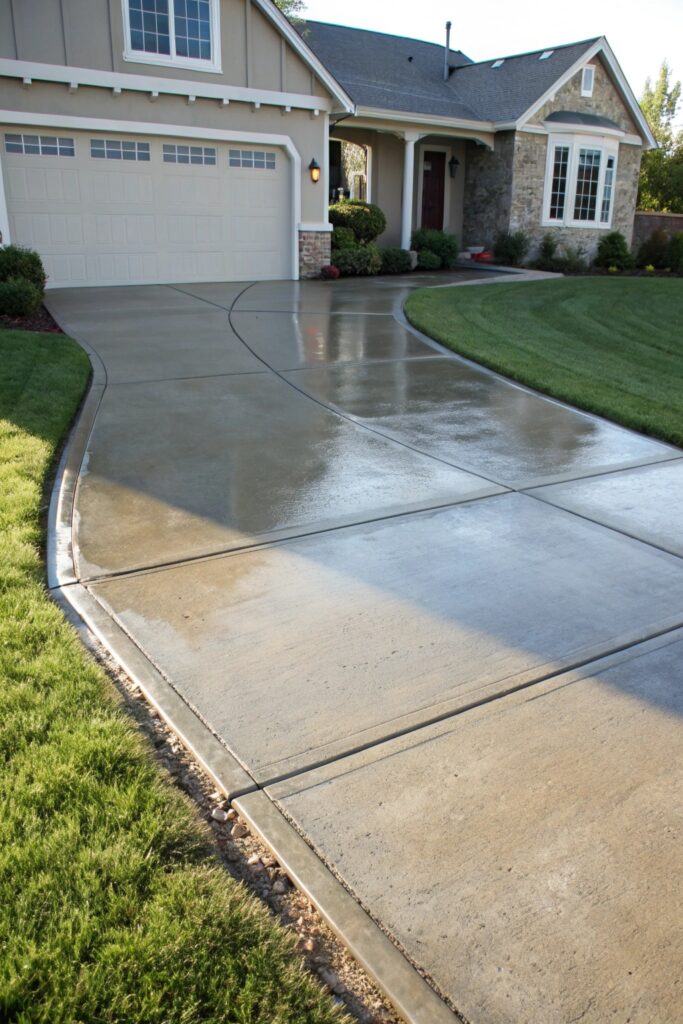
Pressure washing at too high a PSI setting can actually etch and damage concrete or paver surfaces rather than simply cleaning them, so using a lower setting or a wider fan tip matters more here than on a smaller, more resilient surface.
Drainage Deserves Real Attention
A driveway should slope slightly away from your home’s foundation, typically at least a two percent grade, to direct rainwater away rather than toward the house, which matters more to preventing long-term water damage than almost any surface choice.
Permeable materials like gravel, grass pavers, or permeable pavers reduce runoff into storm drains and can help with drainage in areas prone to pooling, though they require more thought given to the base layer to actually function as intended rather than becoming a muddy mess.
What a Driveway Project Costs
A basic refresh like pressure washing and sealing an existing driveway typically costs $200 to $600 depending on size.
A full driveway replacement with pavers, stamped concrete, or a new layout runs considerably higher, often $4,000 to $15,000 or more depending on materials, size, and site preparation needs.
Matching the Driveway to Your Home’s Style
A driveway that shares material language with your home’s existing exterior — brick to match brick accents, a similar stone tone to your foundation — tends to look more cohesive than one chosen purely on its own merits without regard for the house behind it.
Pulling a sample or photo of your home’s existing exterior materials when comparing paver or concrete finish options helps confirm the pairing works together before committing to a full installation.
Timing Your Project Around the Seasons
Concrete and asphalt installation both require a real temperature window to cure properly, generally avoiding both freezing conditions and extreme summer heat, so spring and fall tend to be the most reliable seasons for a full driveway replacement in most climates.
Sealing and pressure washing an existing driveway is more forgiving of timing, though avoiding the peak of summer heat when the sealant can dry too quickly to bond properly is worth keeping in mind for that specific task.
A driveway replacement consistently ranks among the higher-return exterior projects for curb appeal and resale value, which is worth factoring in alongside personal preference if you’re weighing this project against other home improvement priorities competing for the same budget.
Testing a physical sample or a small mockup section against your actual driveway footprint, rather than relying only on a small swatch or a showroom display, gives a more accurate sense of how a color or pattern will read at true scale before committing to the full installation.
Whichever style ultimately fits your home best, this is one exterior project that both improves daily curb appeal and holds up well as a long-term investment, provided the underlying base preparation and drainage are handled correctly from the start.
Scheduling an annual inspection of the surface for cracks, settling, or drainage issues, similar to any other exterior maintenance item, catches small problems before they turn into a more costly repair, which is a far more manageable habit than waiting until a driveway needs full replacement.
A well-planned driveway remains one of the first things visitors and passersby actually notice about a home’s exterior, which is worth keeping in mind alongside the more functional considerations covered above when weighing your final decision.
A little planning upfront saves real time and money over the years ahead.
Your Driveway Deserves Better — Start This Weekend
Getting quotes from at least two or three contractors before starting a larger project helps confirm both pricing and their experience with proper base preparation, since this underlying work matters more to a driveway’s long-term durability than the surface material choice alone.
Whichever style fits your home and budget, checking local permit requirements before committing to a layout change, particularly for a circular driveway or new entrance, saves real frustration compared to discovering a conflict after work has already begun.