
A genuinely functional dorm kitchen setup depends more on a focused set of core appliances than an elaborate collection, and most students find that a fridge, microwave, and kettle alone cover the large majority of daily food needs.
Below are 10 essentials worth prioritizing, with real costs and practical notes for each.
1. A Reliable Mini Fridge
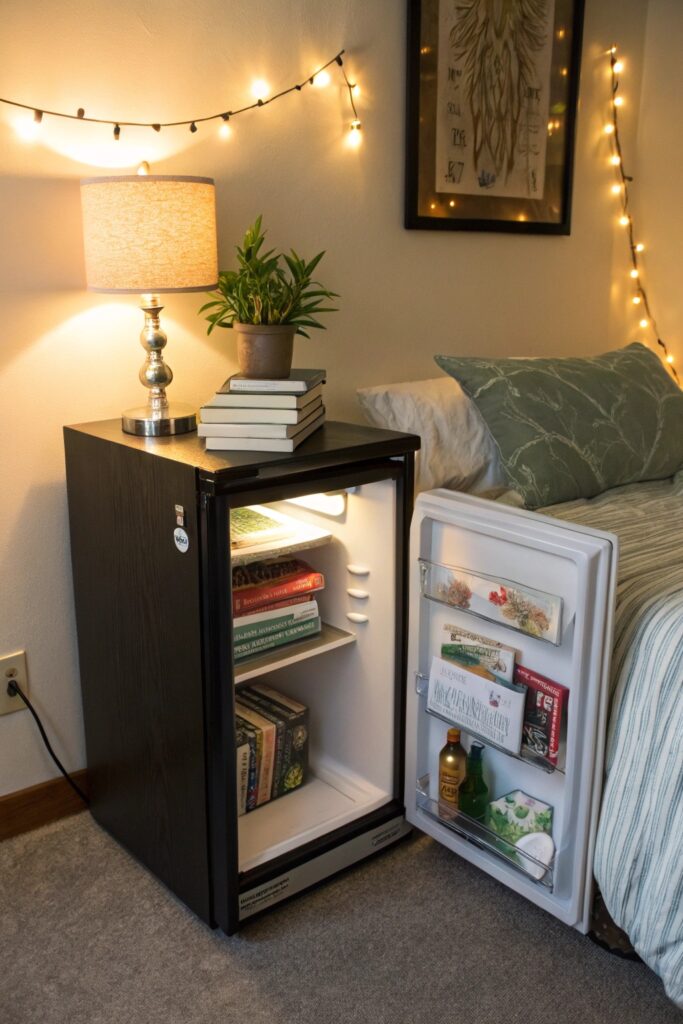
A mini fridge ($80-150) is genuinely the foundation of any dorm kitchen setup, letting you store perishables and leftovers rather than relying entirely on a dining hall schedule.
Check your dorm’s specific size and wattage restrictions before purchasing, since most housing agreements cap fridge dimensions.
2. A Microwave That Actually Works
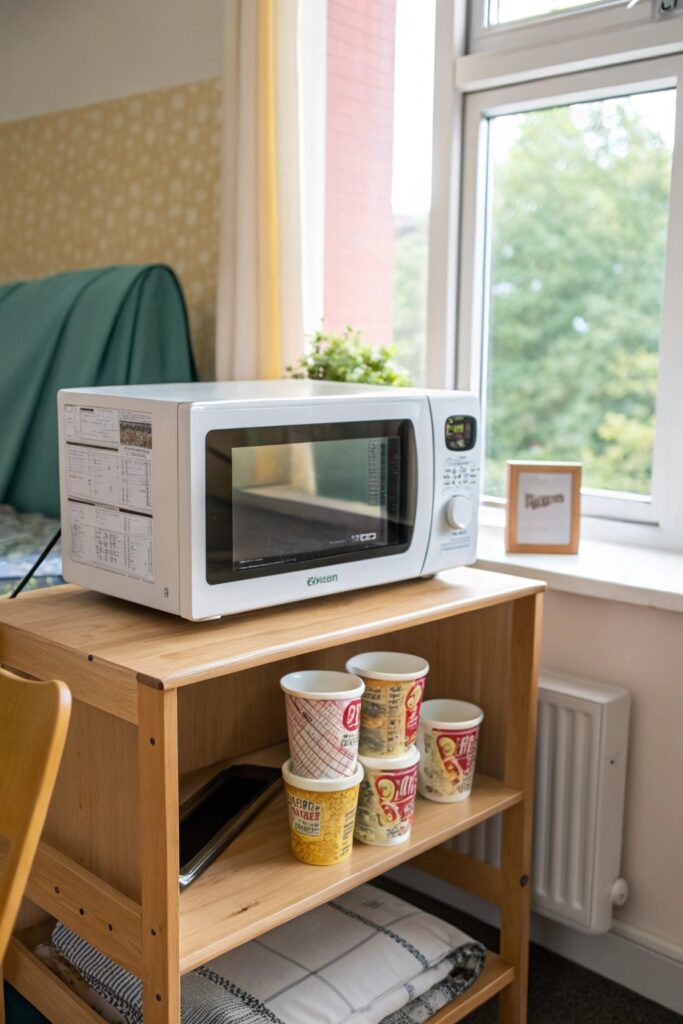
A compact microwave ($30-60) handles a genuinely large share of dorm cooking, from reheating leftovers to preparing simple meals that don’t require a full stove.
Confirm your dorm allows microwaves specifically (some require a combined microwave-fridge unit for fire safety reasons), since policies vary between buildings.
3. An Electric Kettle
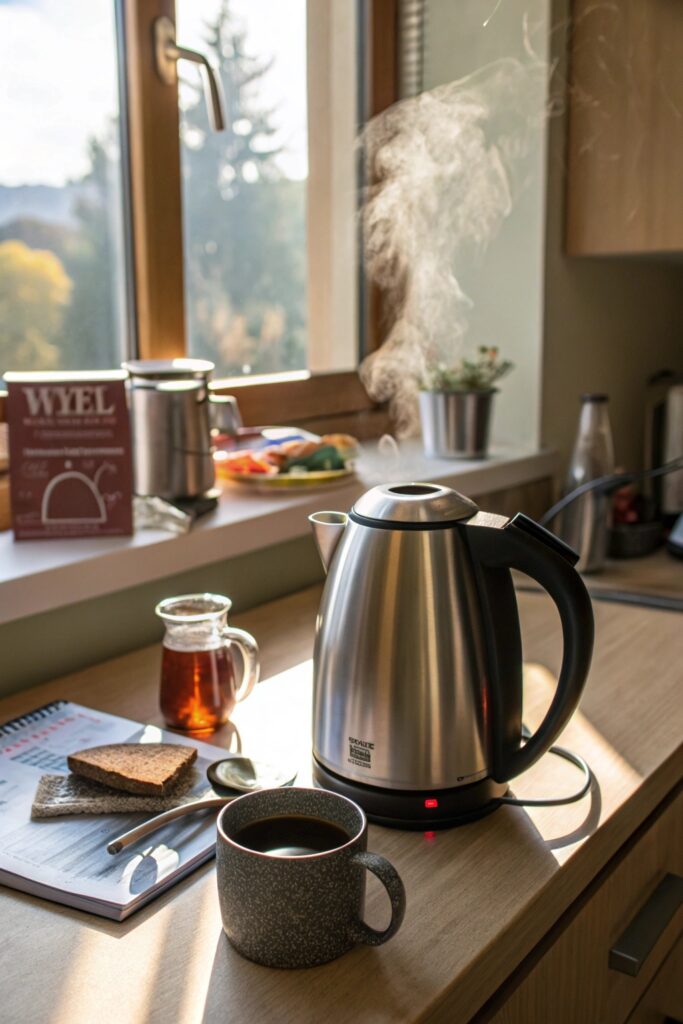
An electric kettle ($15-30) boils water considerably faster than a microwave, making it genuinely useful for coffee, tea, instant noodles, and oatmeal.
Choose one with auto shut-off specifically, which is both a safety feature and one that many dorm fire codes actually require for approved appliances.
4. A Set of Stackable Storage Containers
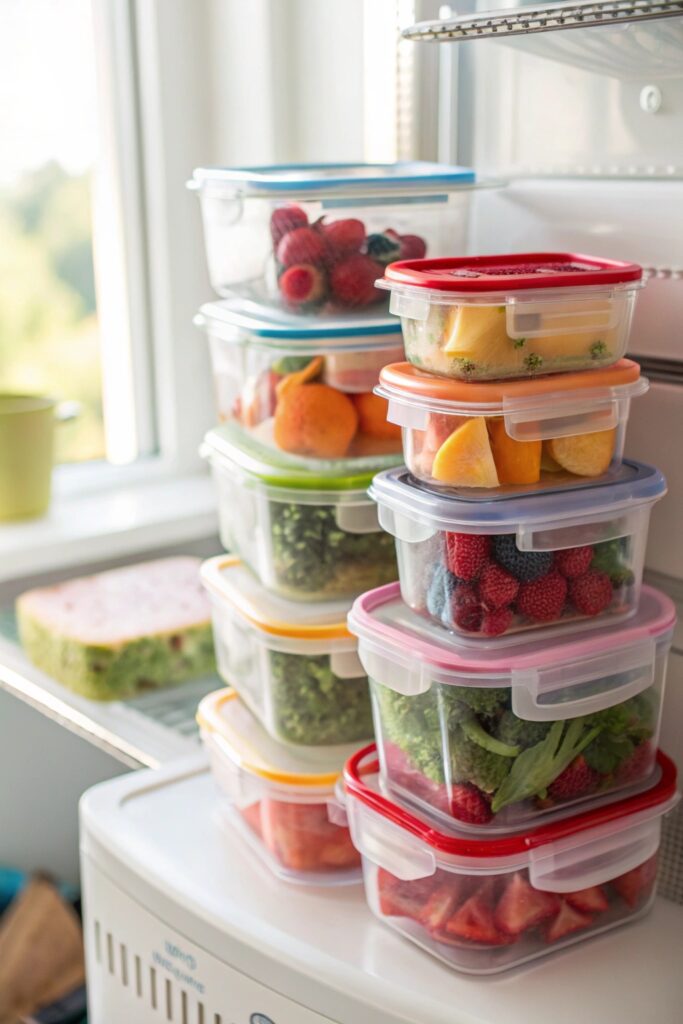
Uniform, stackable containers ($15-30 for a set) make efficient use of a mini fridge’s limited shelf space, holding considerably more than mismatched containers of varying sizes.
Choose microwave-safe containers specifically, which lets you reheat directly in the same container rather than needing a separate dish.
5. A Compact Blender
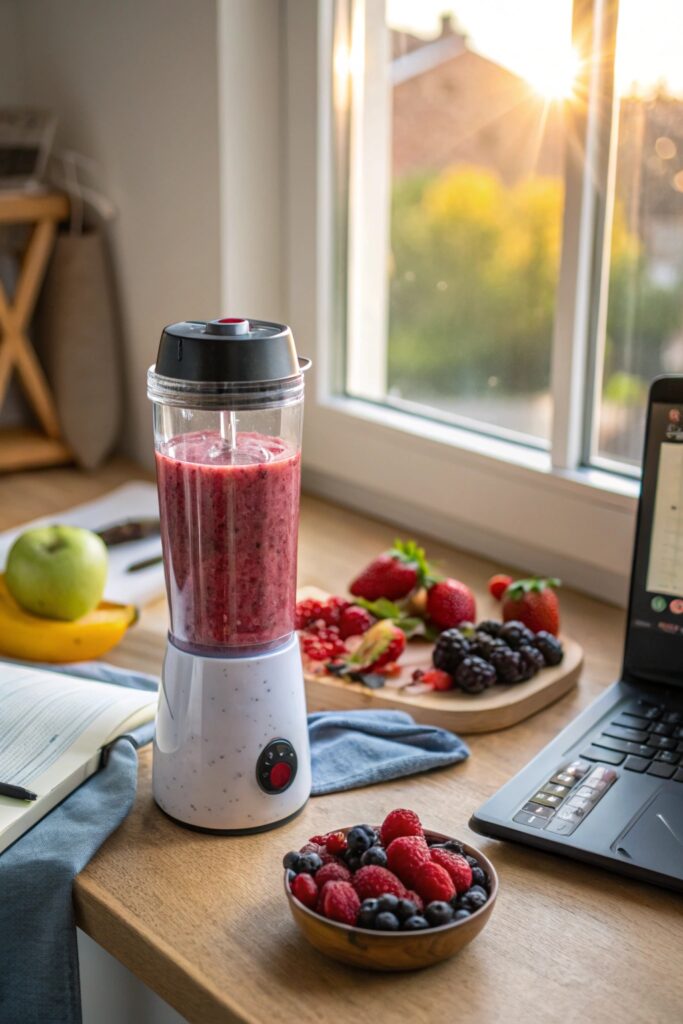
A single-serve or compact blender ($20-40) handles smoothies and simple blended drinks without taking up much counter or storage space.
This is a genuinely optional addition compared to the fridge, microwave, and kettle, worth prioritizing specifically if smoothies or protein shakes are already part of your regular routine.
6. A Sharp Knife (Yes, Really)
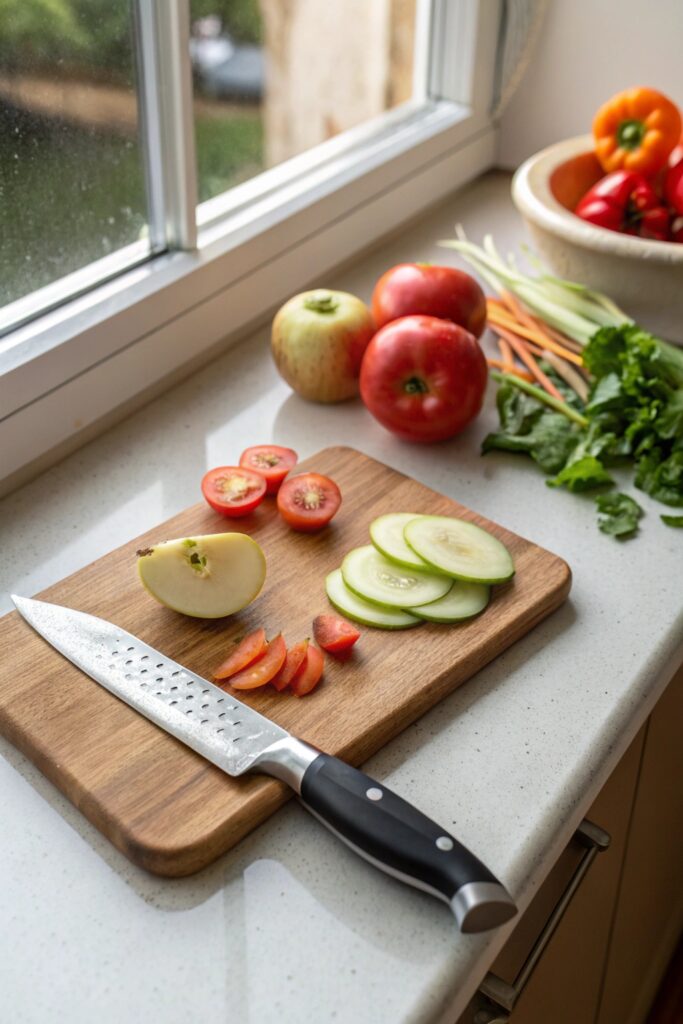
A single quality paring or utility knife ($10-20) is genuinely necessary for basic food prep — cutting fruit, slicing bread — that a dorm kitchen setup otherwise struggles with.
Store it safely (a sheath or a dedicated drawer spot) specifically in a shared or small space, where a loose knife is more of a genuine safety concern than in a full kitchen.
7. Disposable or Reusable Utensils

A small set of reusable utensils and plates ($15-25) reduces the ongoing cost and waste of disposable options while still being easy to wash in a shared or limited sink setup.
Choose stackable, compact designs specifically, which matter more in a dorm room’s limited storage than they would in a full kitchen.
8. A Coffee Maker (Single-Serve or Small Pot)
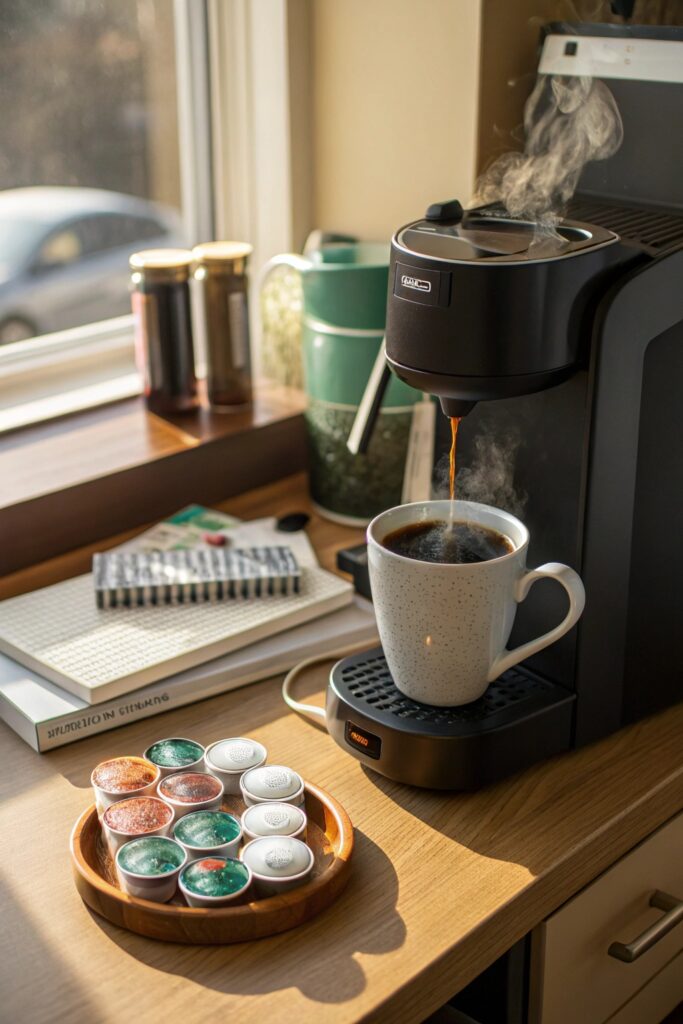
A compact coffee maker ($20-50) saves genuine daily cost compared to buying coffee out, and single-serve options specifically minimize both space and cleanup.
Confirm your dorm’s policy on coffee makers specifically, since some housing agreements have separate rules for this appliance category distinct from general small kitchen appliances.
9. A Toaster or Toaster Oven
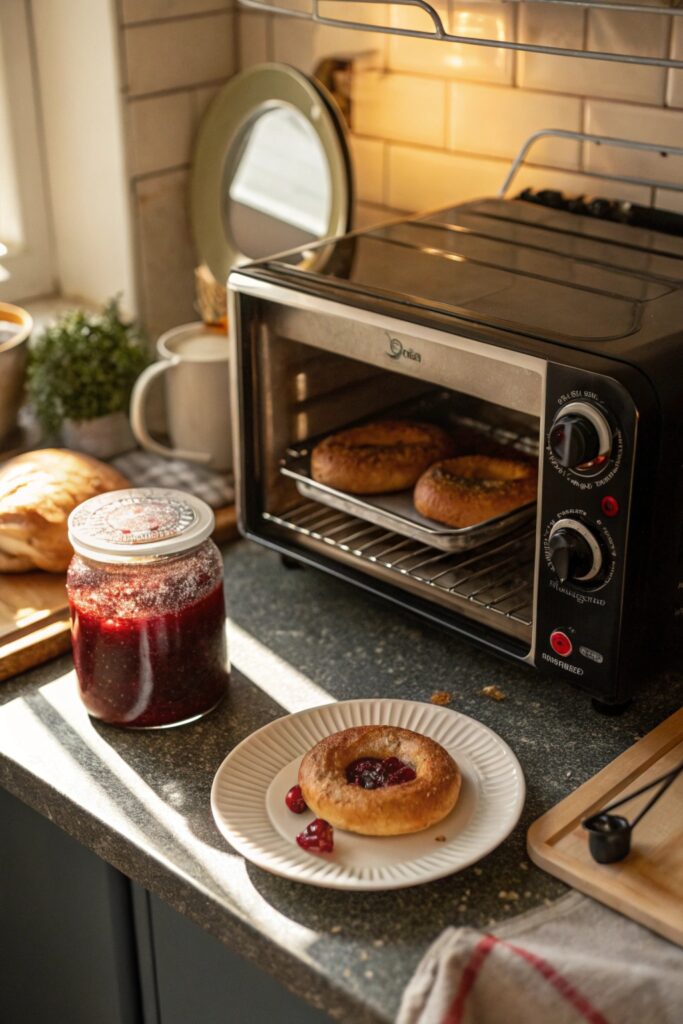
A toaster or compact toaster oven ($20-45) expands what you can genuinely prepare beyond microwave-only cooking, handling toast, reheated pizza, and small baked items.
Check specifically whether your dorm permits toasters, since this is one of the more commonly restricted small appliances due to fire safety concerns.
10. A Drying Rack and Dish Soap
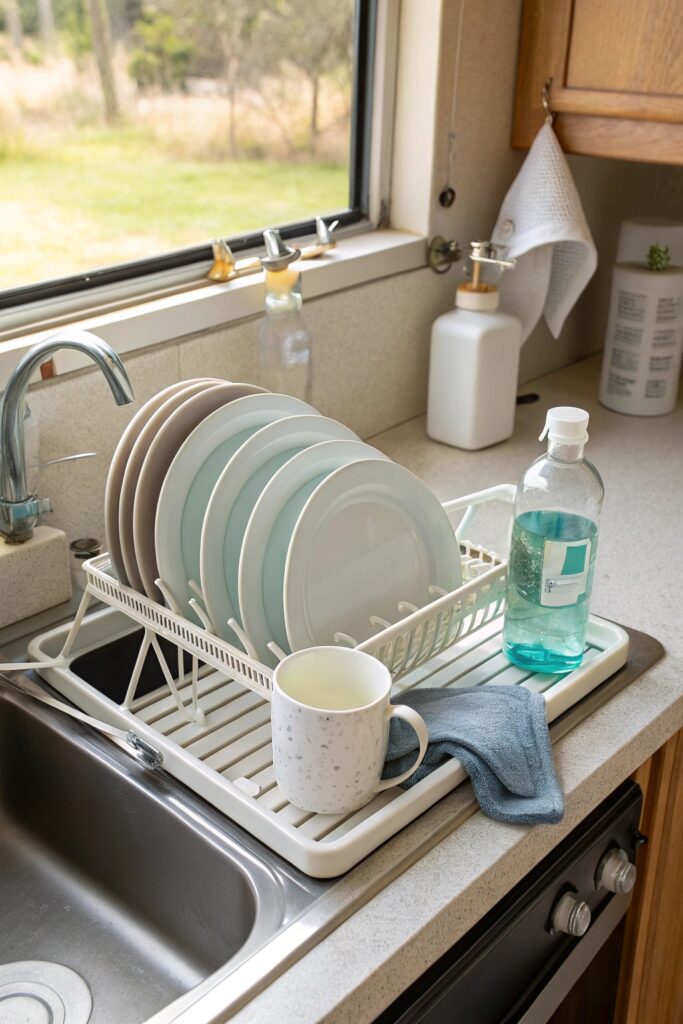
A small drying rack and a bottle of dish soap ($10-20 combined) are easy to overlook when focused on appliances, but genuinely necessary for actually maintaining a functional dorm kitchen setup.
Choose a compact, foldable rack specifically, which matters for a dorm room’s limited counter or shelf space when not in active use.
Check Your Dorm’s Appliance Policy First
Nearly every appliance on this list is subject to some kind of restriction in most dorm housing agreements, whether that’s a wattage cap, a specific list of approved items, or an outright ban on certain categories like toasters and hot plates due to fire safety concerns.
Reading your specific housing agreement or checking with your residence life office before purchasing anything on this list saves genuine hassle and potential cost, since appliances that violate policy are typically confiscated during routine room checks rather than simply flagged with a warning.
If your specific dorm restricts several of these items, a communal kitchen (if your building has one) can often fill the gap for anything you can’t keep in your own room, making it worth locating and understanding the shared kitchen’s setup during your first week.
A Realistic Budget for the Full Setup
Covering all ten items at the lower end of the estimated costs runs roughly $240-290 total, while a more comfortable setup with higher-quality appliances throughout lands closer to $400-500 — both are reasonable depending on your specific budget and how much cooking you actually plan to do in your room.
If you’re working with a genuinely tight budget, prioritize the fridge, microwave, and kettle first, since these three cover the widest range of daily food needs — a blender, toaster, and coffee maker can reasonably wait until you have a clearer sense of your actual routine a few weeks into the semester.
Wrapping It Up
A mini fridge and microwave matter most if you’re prioritizing only a couple of appliances, since both cover the widest range of daily food needs. Check your specific dorm’s appliance policy before purchasing anything, since fire safety restrictions on kitchen appliances vary considerably between housing buildings and are worth confirming before you’ve already bought something you can’t actually use.