
Beyond the basic checklist of a fridge and microwave (covered in our guide to dorm room kitchen essentials), genuinely cooking real meals in a dorm room depends on a specific set of appliances that handle actual cooking tasks a microwave can’t.
Below are 10 appliances and tools that genuinely enable stove-free cooking, with real costs and practical notes for each.
1. A Rice Cooker (Seriously, It Does More Than Rice)
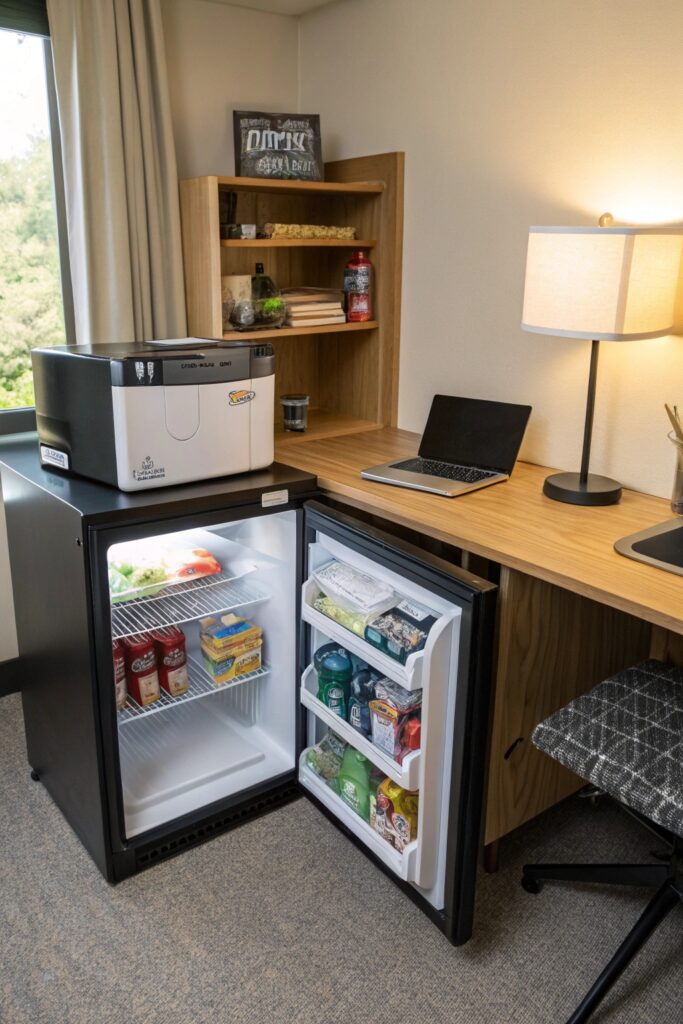
A rice cooker ($20-40) genuinely handles far more than rice — many models steam vegetables, cook oatmeal, and even manage simple one-pot meals, making it one of the most versatile stove-free cooking tools available.
This is worth prioritizing over a basic essentials list specifically if you want to cook actual meals rather than just reheating, since it’s genuinely one of the few dorm-safe appliances that cooks raw ingredients from scratch.
2. A Slow Cooker for Hands-Off Meals
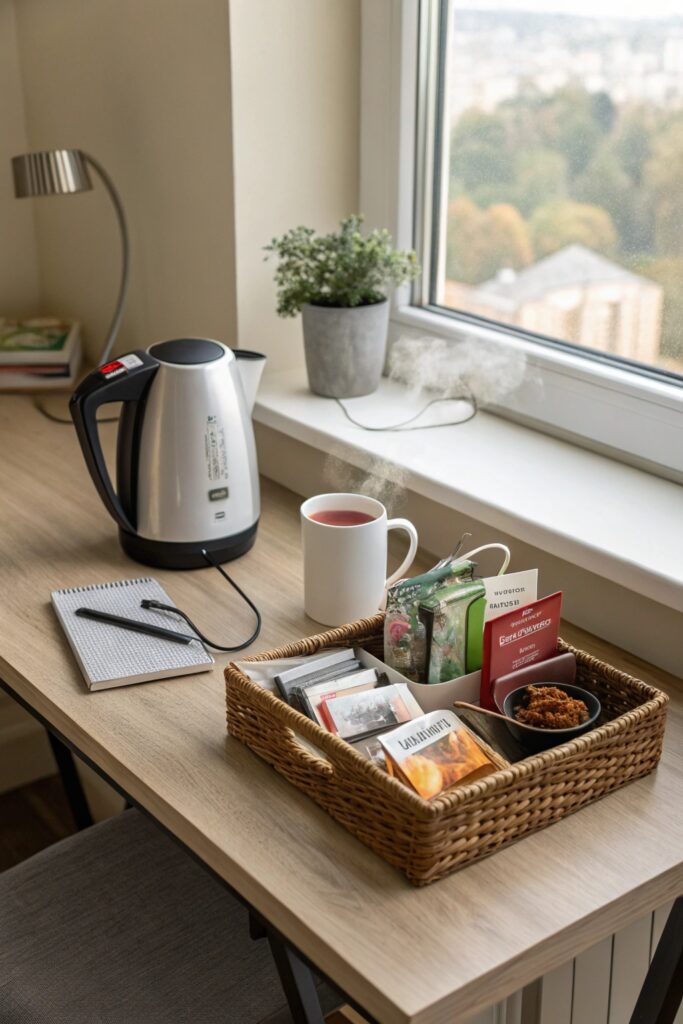
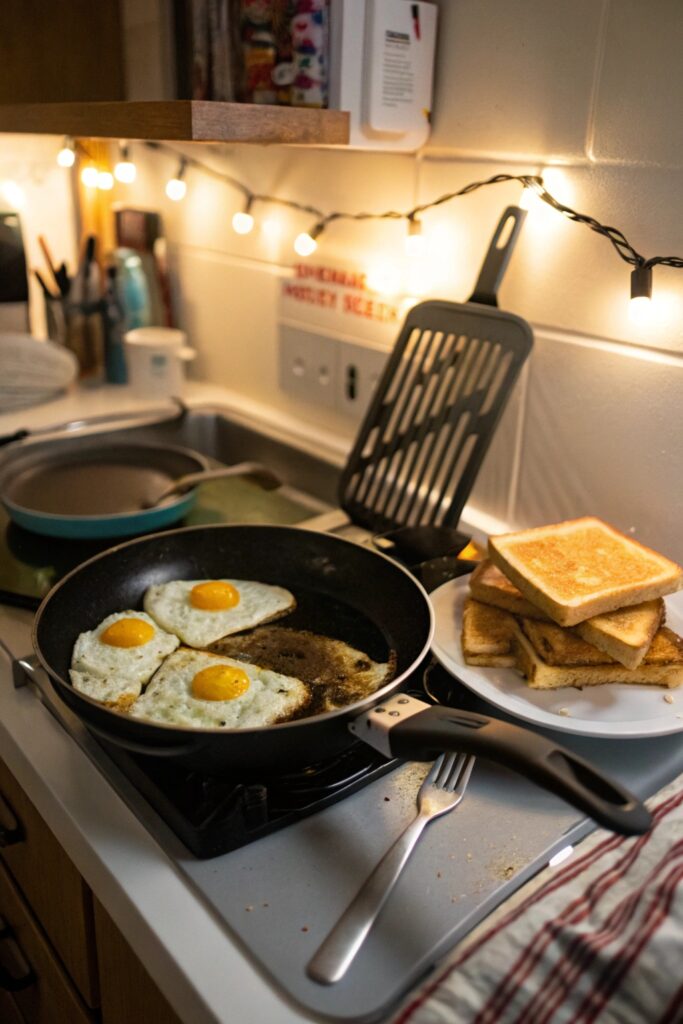
A small slow cooker ($20-35) lets you prepare genuine meals (soups, stews, shredded meats) with minimal active attention, which fits well around a genuinely busy class schedule.
Choose a compact 1.5-3 quart size specifically for dorm use, since a larger slow cooker both takes up more storage space and produces more food than a single student typically needs at once.
3. An Electric Skillet for Stove-Free Cooking
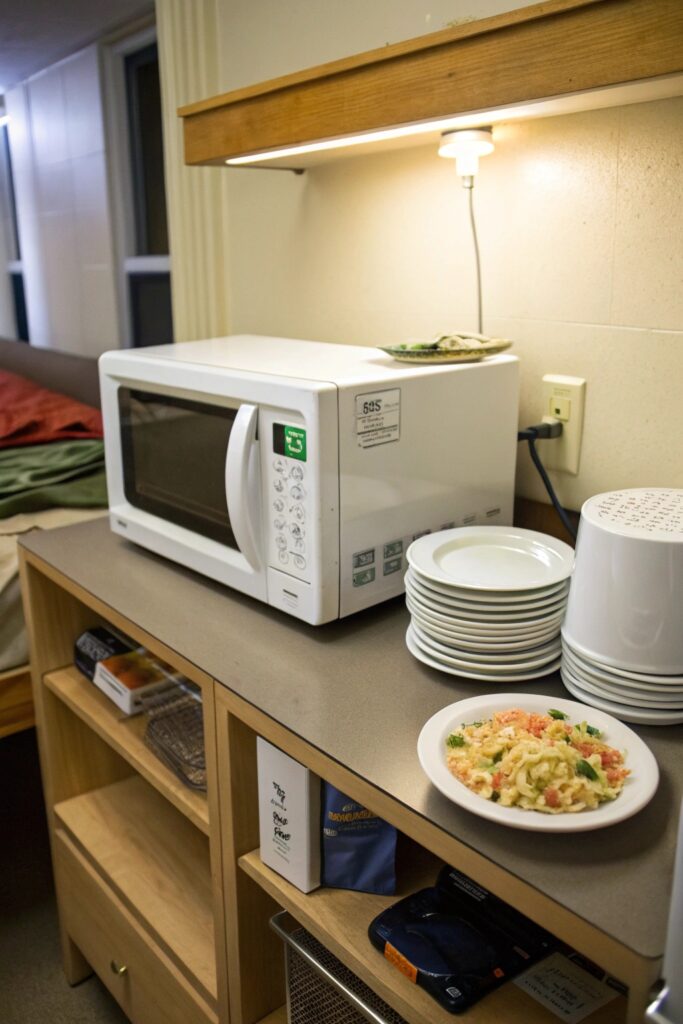
An electric skillet ($25-45) is genuinely the closest thing to an actual stovetop most dorm kitchen setups can achieve, handling eggs, stir-fries, and sautéed dishes a microwave simply can’t replicate.
Confirm your dorm’s specific policy on this appliance category before purchasing, since electric skillets sit in a gray area between approved small appliances and restricted open-heating devices in some housing agreements.
4. A Compact Blender for Real Meal Prep
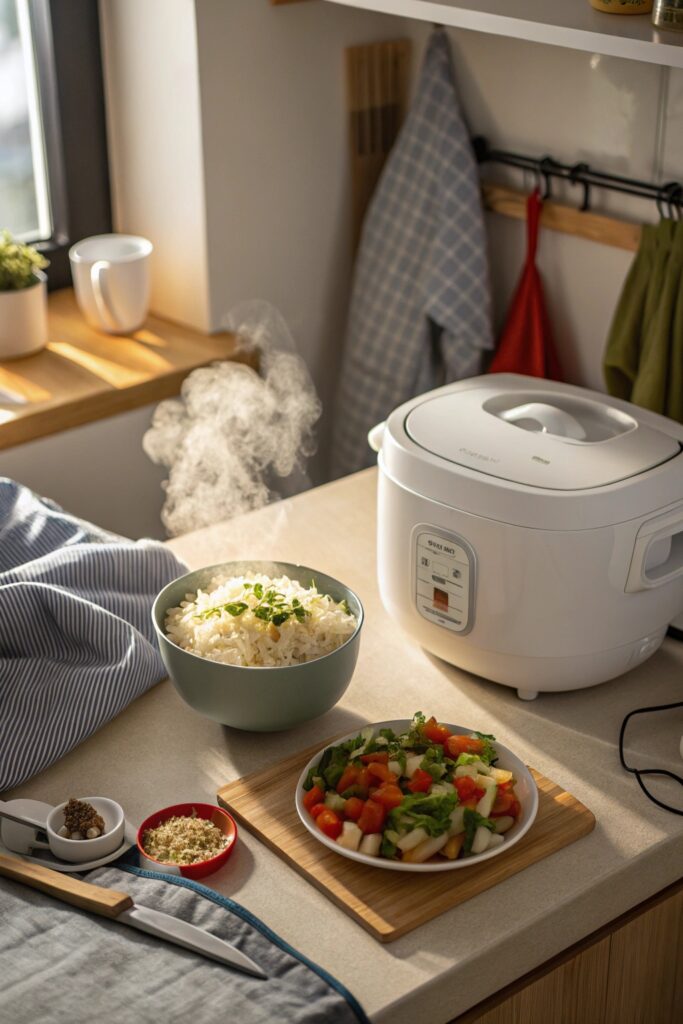
Beyond smoothies, a blender ($20-40) genuinely helps with soup purees, sauces, and batter-based recipes, expanding what you can actually cook beyond appliance-specific single uses.
A single-serve design specifically minimizes both storage footprint and cleanup, which matters more in a dorm kitchen setup than blending capacity.
5. Build a Portable Utensil and Tool Kit
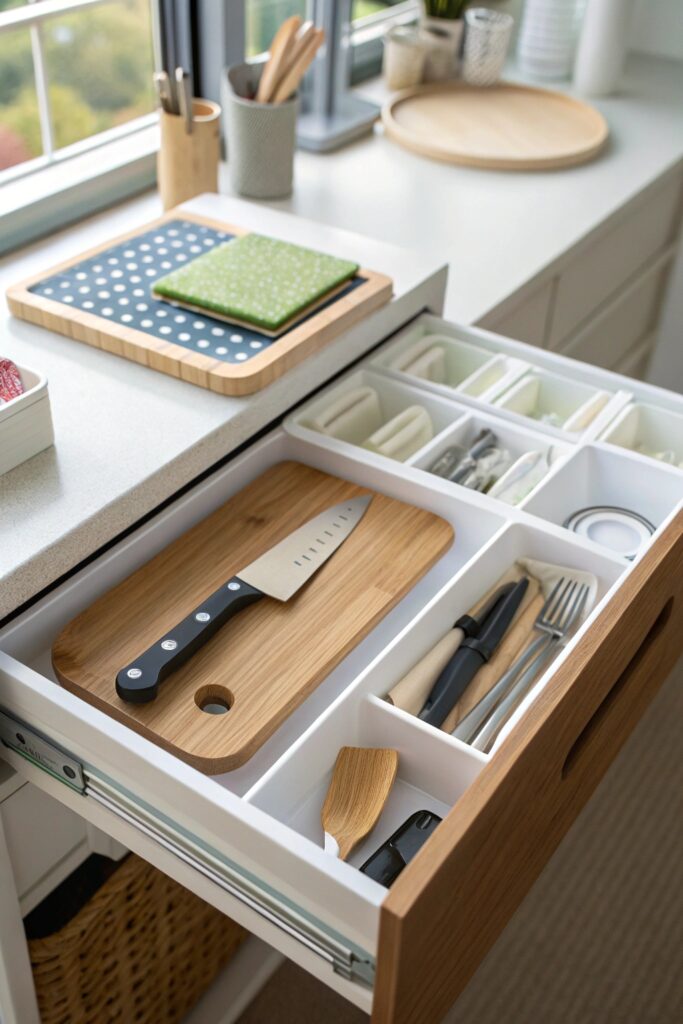
A compact kit with a spatula, tongs, a ladle, and measuring tools ($15-30) covers the genuine range of actual cooking tasks a rice cooker, slow cooker, or electric skillet requires beyond the appliance itself.
Choose heat-safe silicone or wood tools specifically, which protect nonstick surfaces better than metal utensils across all three of these cooking appliances.
6. A Cutting Board and a Sharp Knife
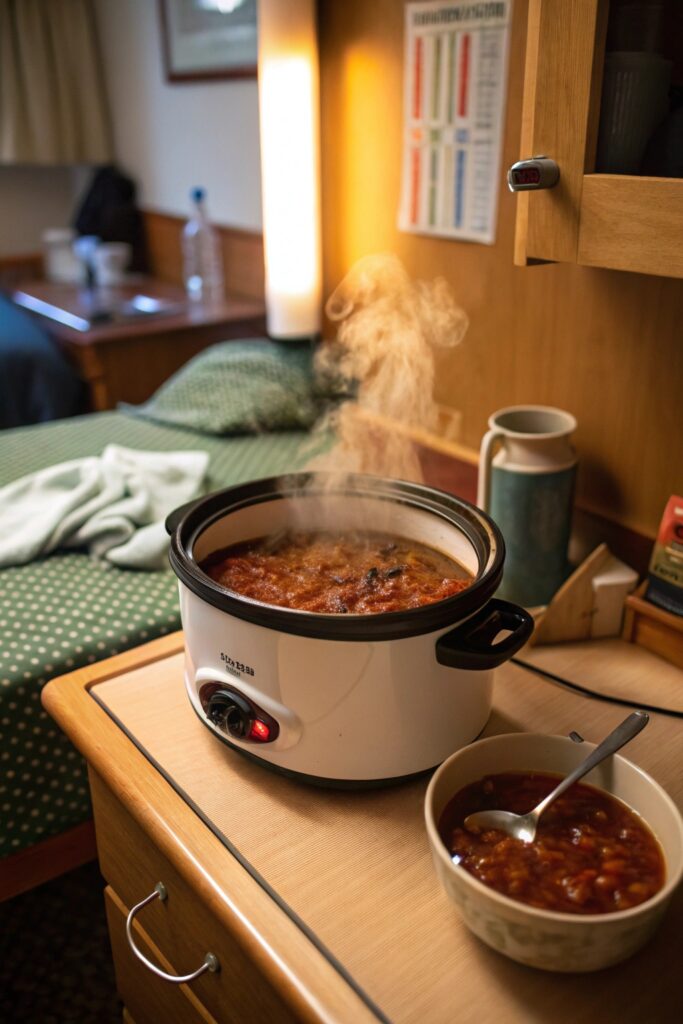
Genuine meal prep — the kind these cooking appliances make possible — requires basic prep tools that a purely reheat-and-eat kitchen setup doesn’t need.
Store the knife safely and separately from other utensils specifically in a shared or small space, where a loose blade is more of a genuine safety concern.
7. Meal-Prep Containers Sized for Batch Cooking
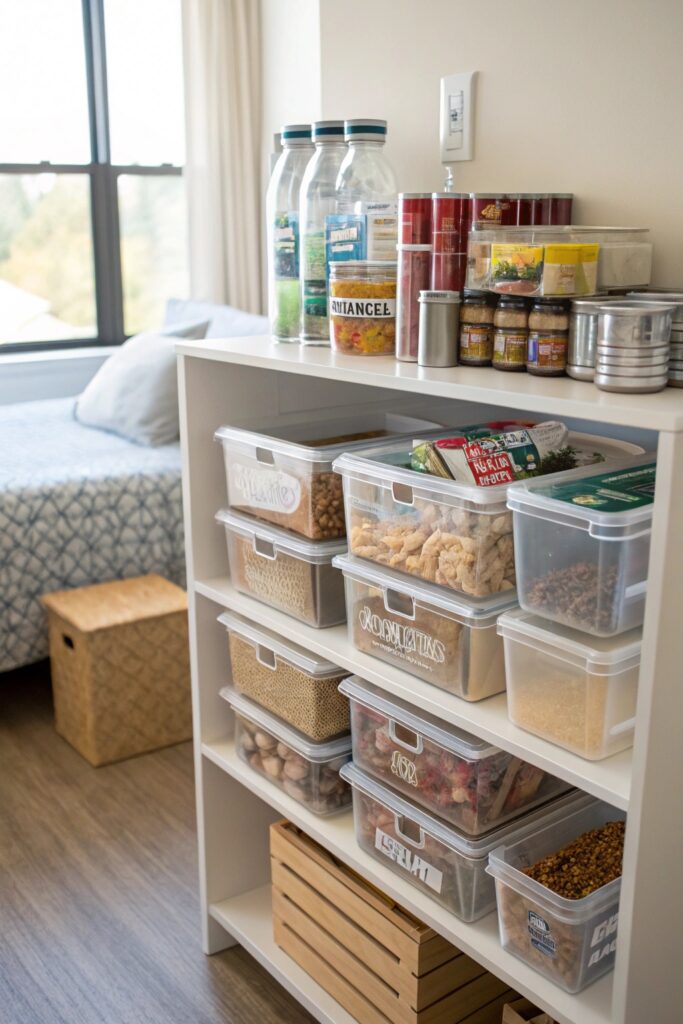
Since a slow cooker and rice cooker both genuinely produce batch-sized portions, stackable containers ($15-30 for a set) sized for actual meal storage matter more here than basic leftover containers.
Choose microwave-safe, freezer-safe containers specifically, which lets batch-cooked meals go directly from a mini freezer to reheating without needing to transfer dishes.
8. A Basic Spice Kit
A small set of core spices (salt, pepper, garlic powder, a couple of favorites) genuinely transforms what these cooking appliances can produce, since bland ingredients undersell what a rice cooker or slow cooker is actually capable of.
Small travel-size spice containers save genuine cabinet space compared to full-size grocery store packaging.
9. A Strainer or Colander for Actual Cooking
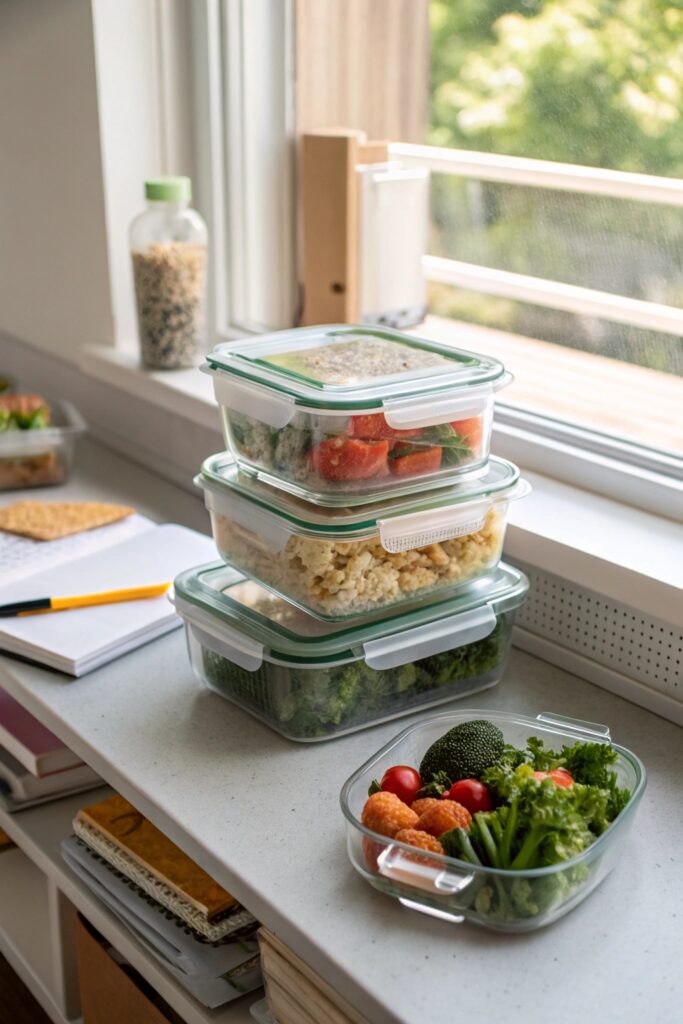
A small colander ($10-20) is genuinely necessary for pasta, rinsing grains before a rice cooker, or draining canned goods — tasks a basic reheating setup doesn’t require but real cooking does.
A collapsible silicone design saves storage space specifically, which matters in a dorm kitchen setup more than in a full kitchen.
10. Set Up a Coffee and Tea Station
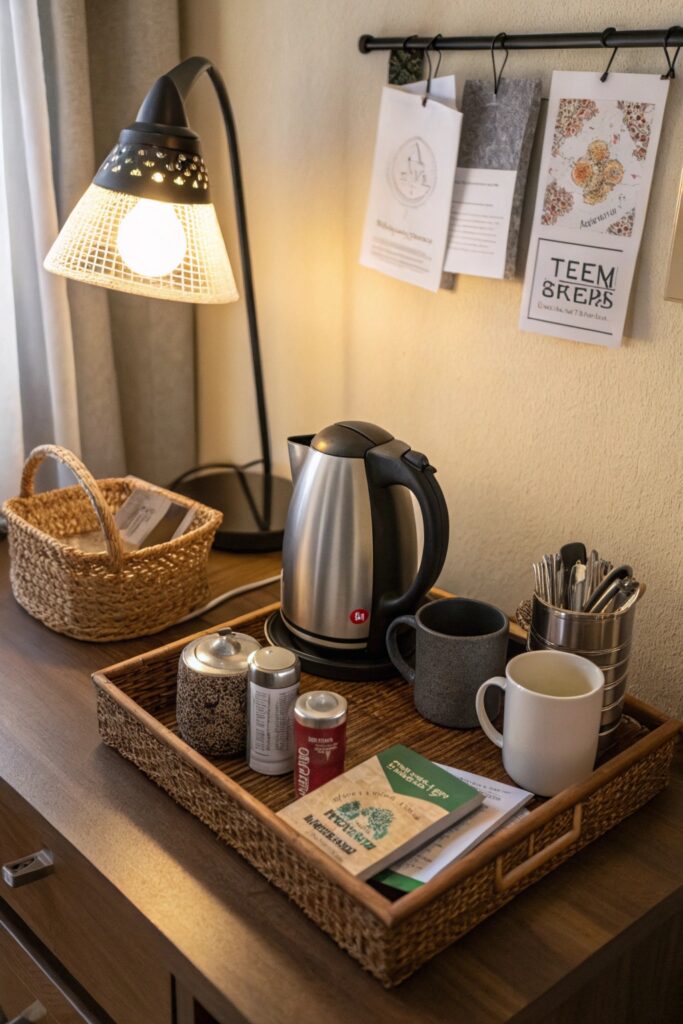
A compact coffee maker or electric kettle dedicated to coffee and tea ($20-50) rounds out a genuine dorm kitchen setup beyond meal-cooking appliances specifically.
Keep this station in one dedicated corner of your dorm kitchen area, which matters for genuine daily efficiency given how limited the overall counter space typically is.
Quick Tips Before You Set Up Your Dorm Kitchen
Check your dorm’s specific appliance policy before purchasing anything on this list, since fire safety restrictions on cooking appliances (particularly electric skillets and slow cookers) vary considerably between housing buildings.
Start with just a rice cooker if you’re genuinely uncertain how much cooking you’ll actually do — it’s the single most versatile appliance here and a reasonable way to test whether dorm cooking fits your routine before investing in additional equipment.
Building Your Setup Around What You’ll Actually Cook
Rather than buying every appliance on this list at once, think through what you actually enjoy eating — someone who wants rice bowls and steamed vegetables gets more use from a rice cooker specifically, while someone who prefers stews and braised dishes will use a slow cooker far more often.
A realistic starter setup (one appliance, basic tools, containers) runs roughly $70-100, while a fuller stove-free kitchen with all three cooking appliances lands closer to $150-200 — both are reasonable depending on how much of your actual meals you plan to cook versus eat at a dining hall.
Wrapping It Up
A rice cooker and a slow cooker matter most if you’re prioritizing genuine home-cooked meals over reheating, since both handle actual cooking from raw ingredients rather than just warming pre-made food. Check your specific housing policy carefully before buying anything in this category, since cooking appliances face more restrictions than basic storage and reheating equipment.