
A Mother’s Day table works best when the decor supports the actual meal and conversation rather than competing with it — centerpiece height, dessert display placement, and table proportions all affect this more than people initially expect. The details below cover both the styling direction and these practical considerations for each element.
Below are 12 elements worth focusing on, with the specifics for each.
1. Fresh Floral Centerpiece That Steals the Show
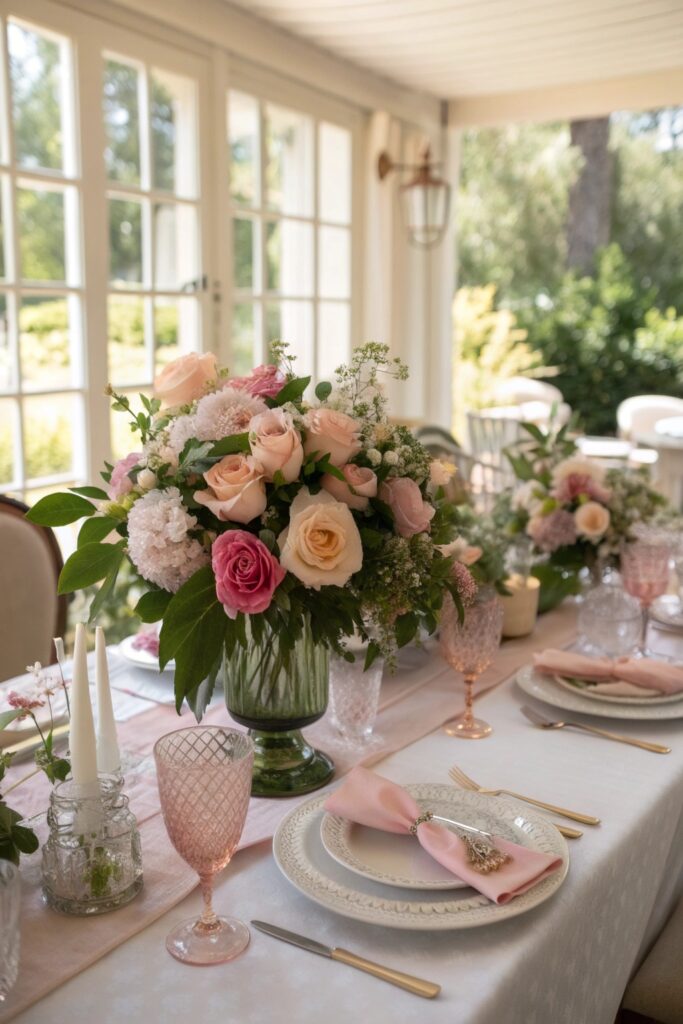
Keep the arrangement under about 14 inches tall, or well above eye level at 20 inches or more, so it doesn’t block sightlines across the table during conversation — a mid-height arrangement is the one proportion that tends to get in the way.
Peonies and ranunculus are actually in season around Mother’s Day in much of the Northern Hemisphere, making them a fresher, often more affordable choice than out-of-season imports. Trimming stems at an angle and removing any foliage that would sit below the waterline helps the arrangement last several days longer than leaving stems untrimmed.
2. Soft Pastel Table Setting for a Gentle Look
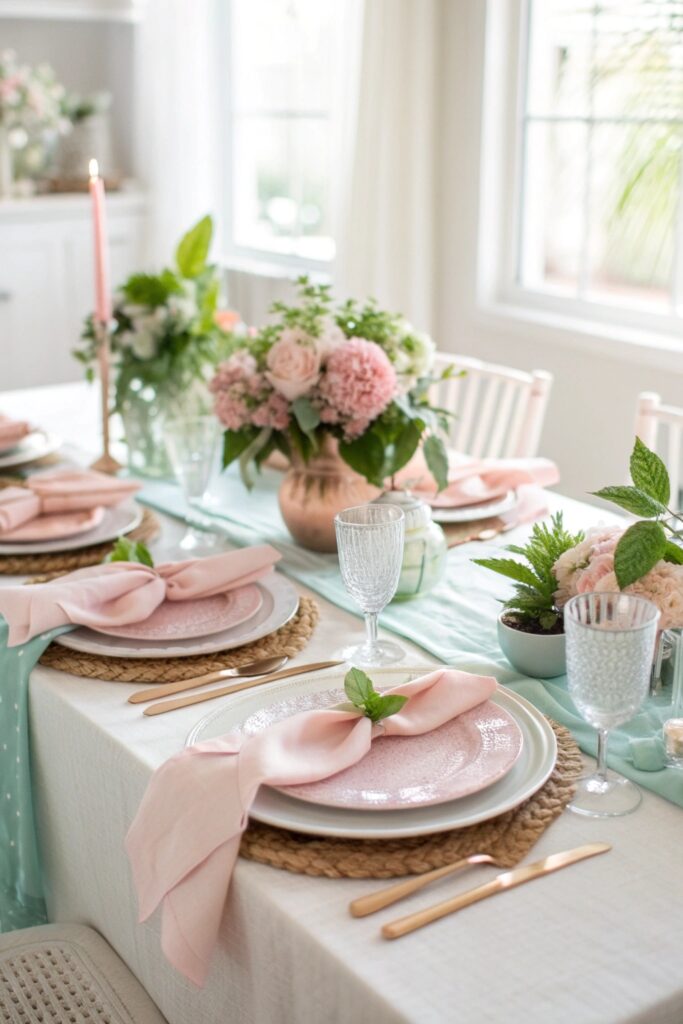
Mixing two or three complementary pastel tones reads as more considered than committing to a single flat color across every element, which can start to look more like a themed party than an elegant table.
3. Elegant Table Runner for Instant Style
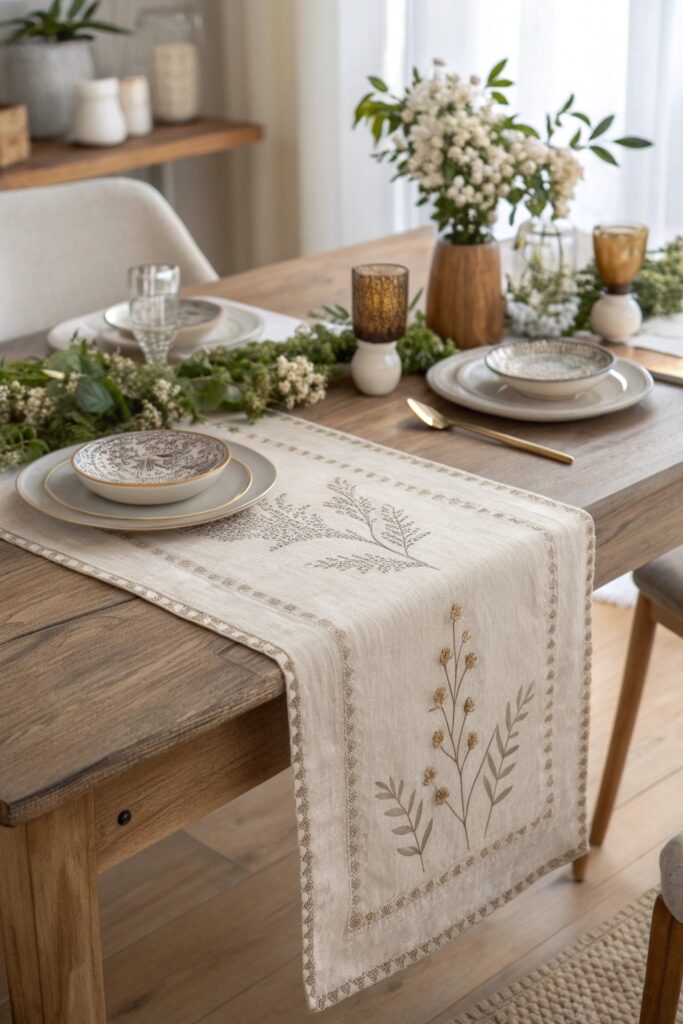
A runner sized to roughly a third of the table’s width, with 6 to 12 inches of overhang at each end, is the standard proportion that reads as intentional rather than undersized or overwhelming the table surface.
4. Personalized Place Cards for a Thoughtful Touch
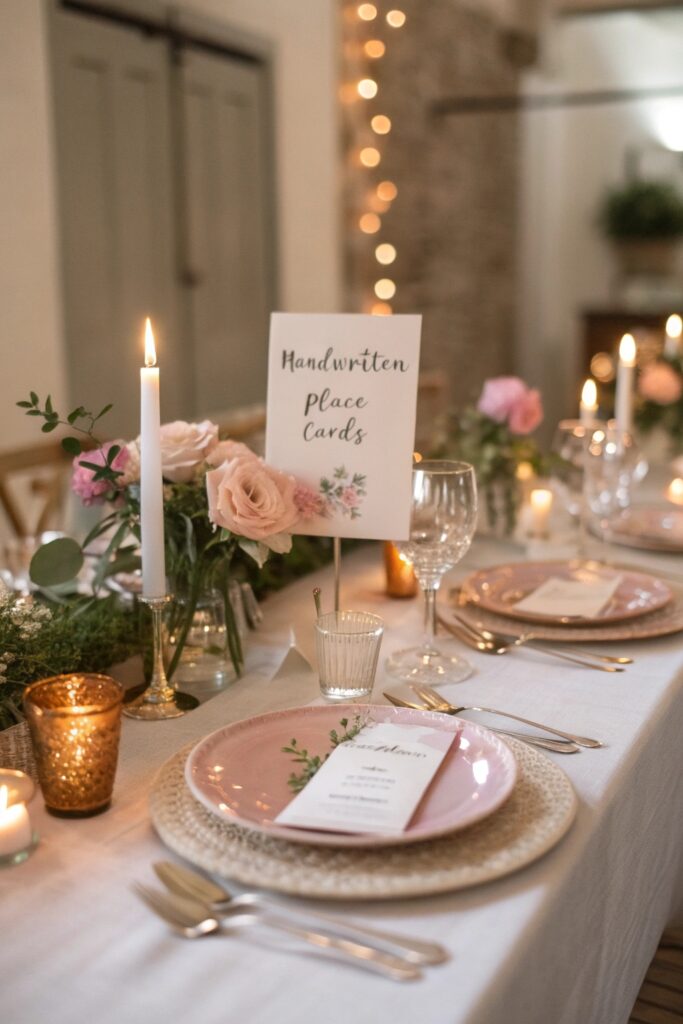
Hand lettering with a calligraphy pen adds a genuine handmade touch, while printed cards offer more consistency if you’re setting a larger table. A small photo tucked into each place card setting is a simple way to make the detail feel more personal without much added cost.
5. Candlelight for a Warm and Cozy Ambiance
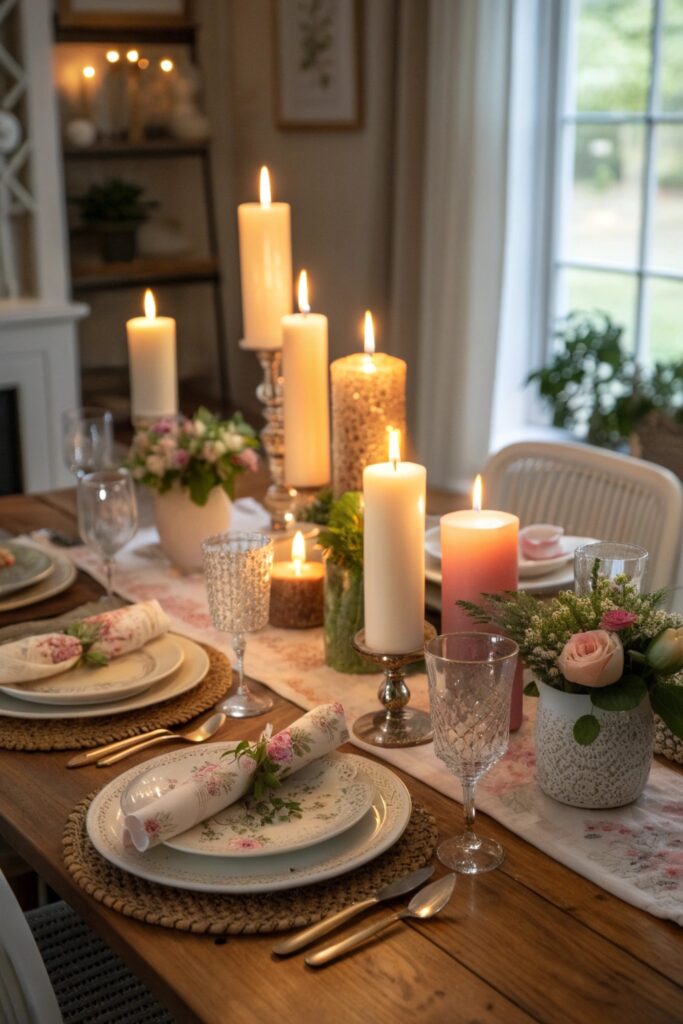
Keep taper candles positioned away from floral arrangements and any other decor that could catch a stray flame, and consider drip guards to protect the tablecloth or runner from wax. Varying candle heights across the table — a few tapers alongside lower votives — adds more visual layering than a single uniform height.
6. Gold Accents for a Luxurious Feel
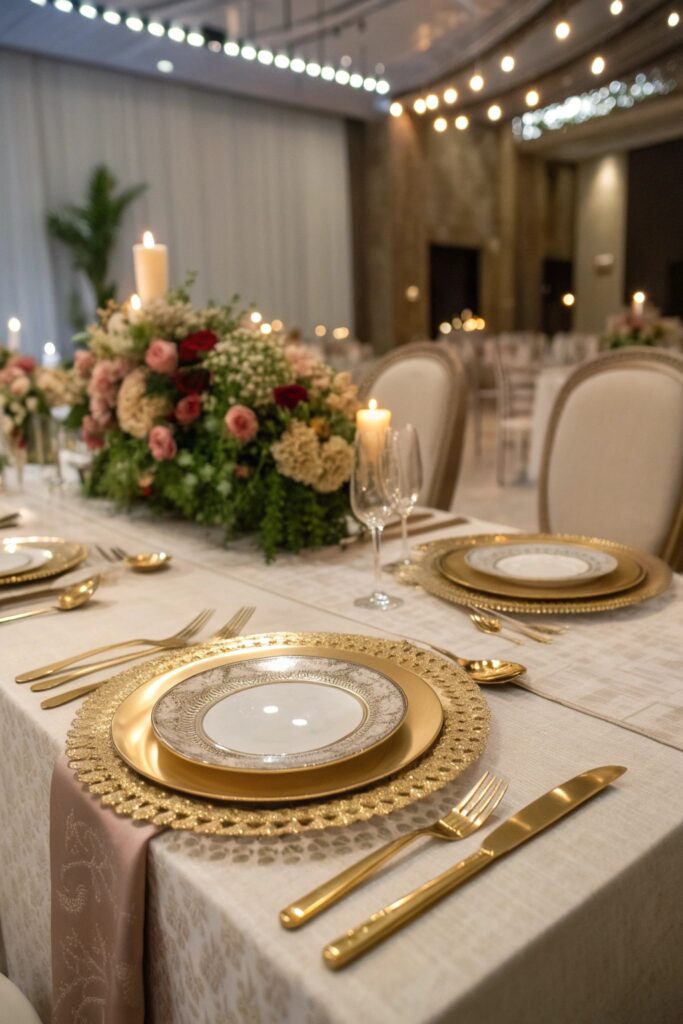
Sticking to one warm metal tone throughout — rather than mixing gold, brass, and rose gold pieces indiscriminately — keeps the table looking coordinated instead of like separately sourced pieces that happen to share a similar color family.
7. Layered Tableware for a Designer Look
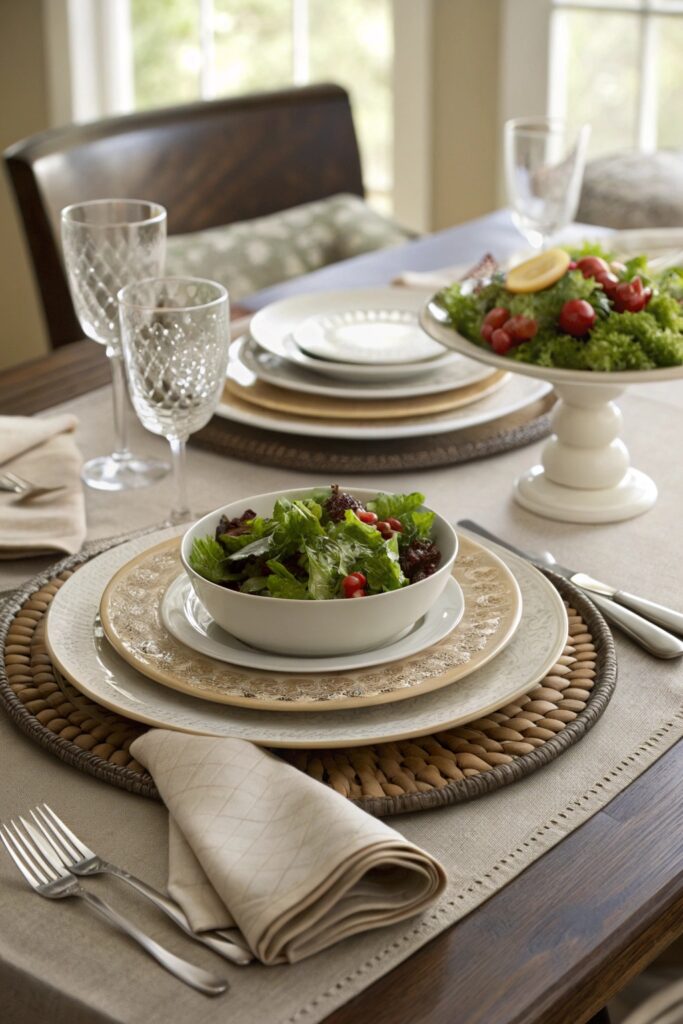
A charger plate, typically 12 to 13 inches in diameter, sits under the dinner plate as the base layer, with a smaller salad or bread plate stacked on top. This layered approach adds visual height and formality that a single flat place setting doesn’t achieve.
8. Napkin Styling That Feels Special
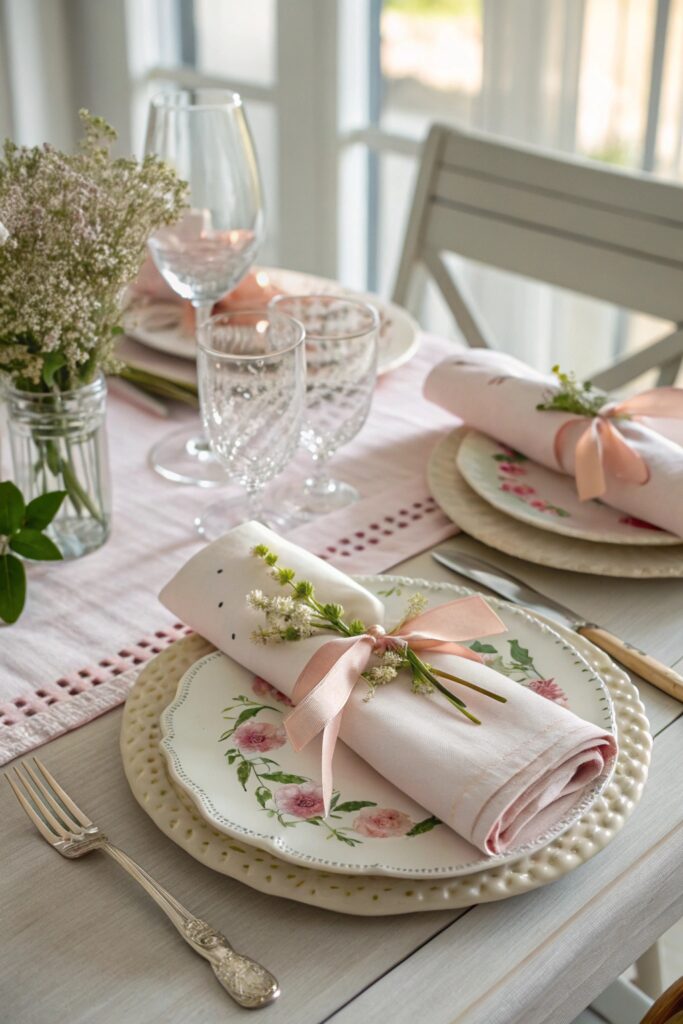
A simple pocket fold that holds utensils in place is both practical and visually tidy, while a napkin ring or tied ribbon adds a decorative finishing touch. Linen napkins wrinkle more readily than cotton but drape and soften with washing in a way cotton doesn’t quite replicate.
9. Seasonal Decor Elements for a Fresh Theme
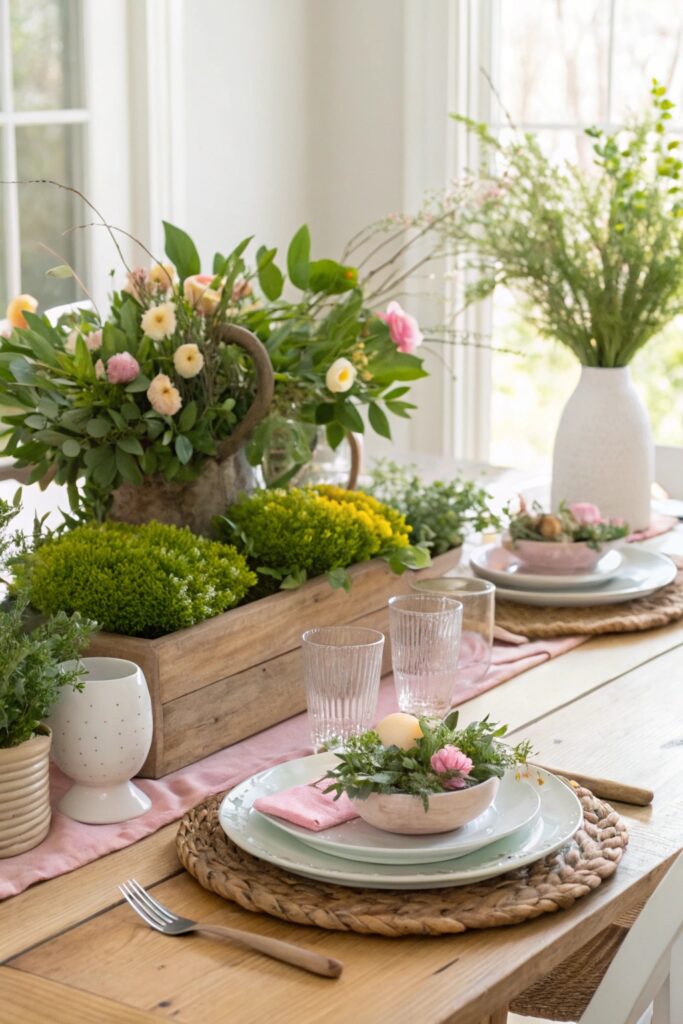
A few small seasonal touches — a scattering of fresh petals, a light spring-toned linen — tie the table to the actual time of year without requiring a full decor overhaul specific to the occasion.
10. Minimalist Setup for Clean Elegance
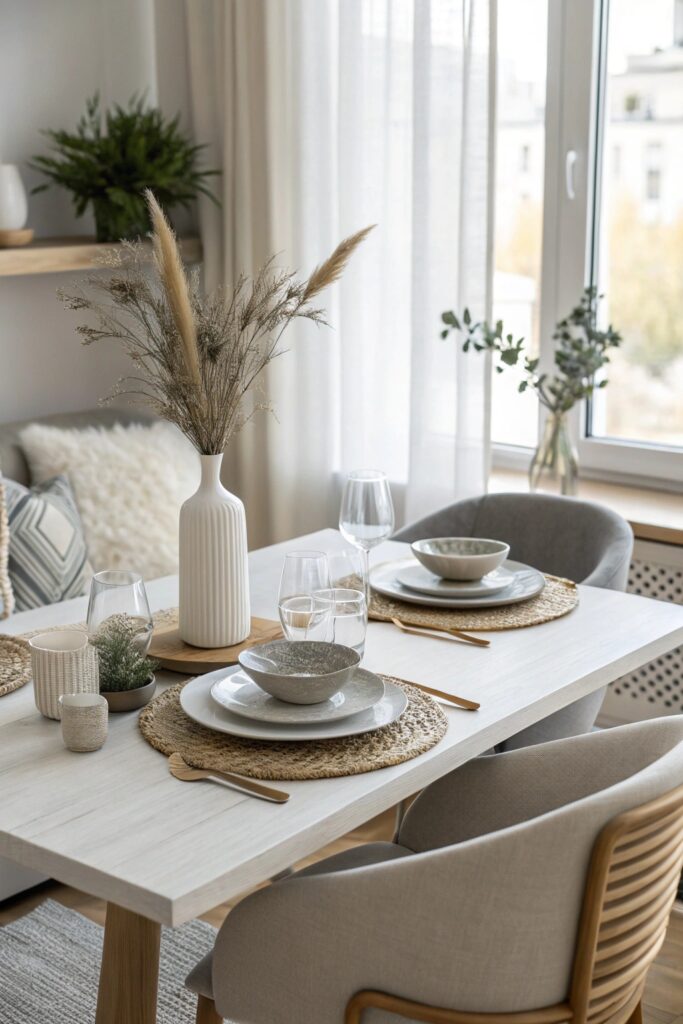
A minimalist table relies on the quality of fewer individual elements — one well-chosen centerpiece, good linens, considered tableware — rather than filling every inch of the table’s surface with decor.
11. Vintage-Inspired Table for Timeless Charm
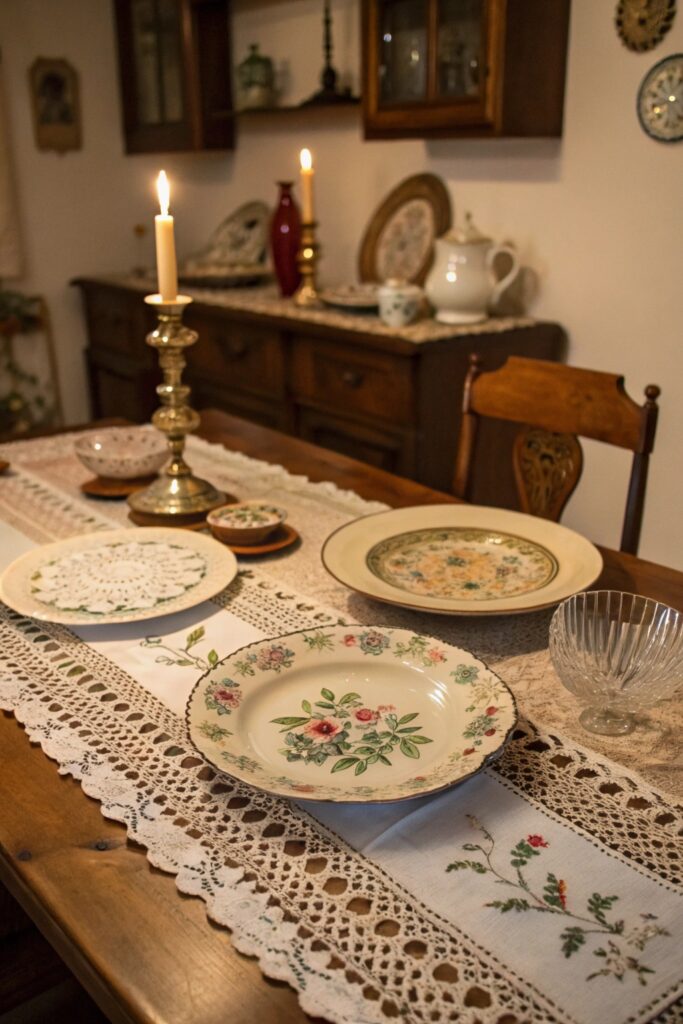
Sourcing mismatched vintage china from estate sales or thrift shops suits this style better than a uniform new set, since the collected, slightly varied look is the actual appeal rather than a flaw to avoid.
12. Dessert Display as a Decorative Feature
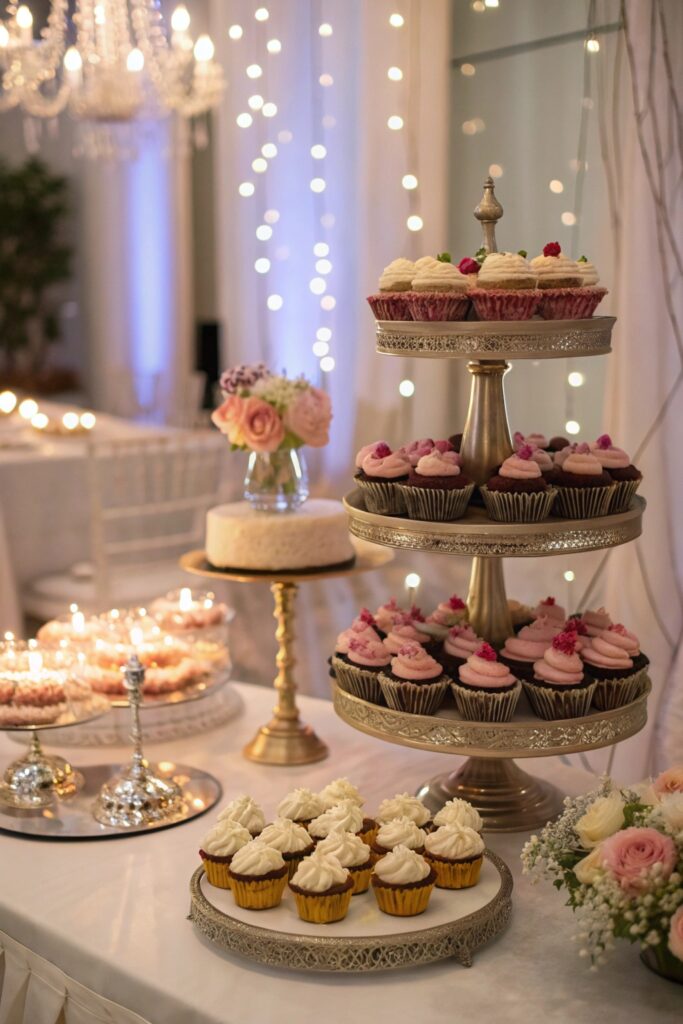
A multi-tier dessert stand can obstruct sightlines the same way a tall centerpiece does, so positioning it off to one side or at the table’s end works better than placing it directly in the middle of a table meant for conversation. Cream-based desserts sitting at room temperature for more than about two hours are generally best refrigerated again or replaced, a standard food safety guideline worth keeping in mind for a table display that sits out during a longer meal.
Planning Around Dietary Needs and Allergies
If the gathering includes guests with food allergies or dietary restrictions, it’s worth confirming these ahead of time rather than assuming, and labeling dishes clearly on the table itself — a small card noting an ingredient like nuts or dairy helps guests make quick decisions without needing to ask and potentially feel singled out.
Keeping a couple of naturally allergen-friendly dishes on the table, rather than requiring every single item to be modified, tends to be a simpler approach than trying to make an entire menu accommodate every possible restriction.
What This Table Setup Costs
Using tableware and decor you already own, supplemented with fresh flowers and a few small additions, typically costs $30 to $80.
A fuller setup with new linens, a coordinated place setting, and a larger floral arrangement runs higher, often $100 to $300 depending on the size of the gathering and the quality of materials chosen.
A Timeline for Setting the Table Stress-Free
Laying out linens, chargers, and any decor that doesn’t rely on fresh flowers a day ahead of the actual gathering takes the pressure off the morning of the event, when there’s usually more happening — cooking, guests arriving, last-minute details. Fresh flowers are the one element worth waiting on until closer to the day itself, since most cut arrangements only hold their best appearance for a few days.
Setting a rough hour-by-hour plan for the morning, even a simple mental checklist of what needs to happen and when, helps keep the final table setup from becoming rushed once other preparations start competing for attention.
Function Should Guide the Prettiest Details
The recurring theme across several of these ideas — centerpiece height, dessert stand placement, candle positioning — is that beautiful table decor still needs to work for the actual meal happening around it. A stunning arrangement that blocks half the table from seeing each other, or a dessert display that takes up the space guests need for their plates, undermines the gathering it’s meant to enhance.
Setting the table a day ahead when possible, rather than rushing right before guests arrive, gives you time to actually sit at a few different seats and check sightlines and spacing before the day itself, catching any adjustments worth making while there’s still time.