Interior design trends move faster than they used to, but the ones with real staying power tend to be built on functional or material shifts rather than a single color or pattern — Japandi and warm minimalism, for instance, have held on for years because they’re rooted in how materials and space actually function, not just how they look in a photo.
Below are 15 trends currently shaping residential interiors, with specific materials, techniques, and reasoning for why each one has staying power.
1. Warm Minimalism
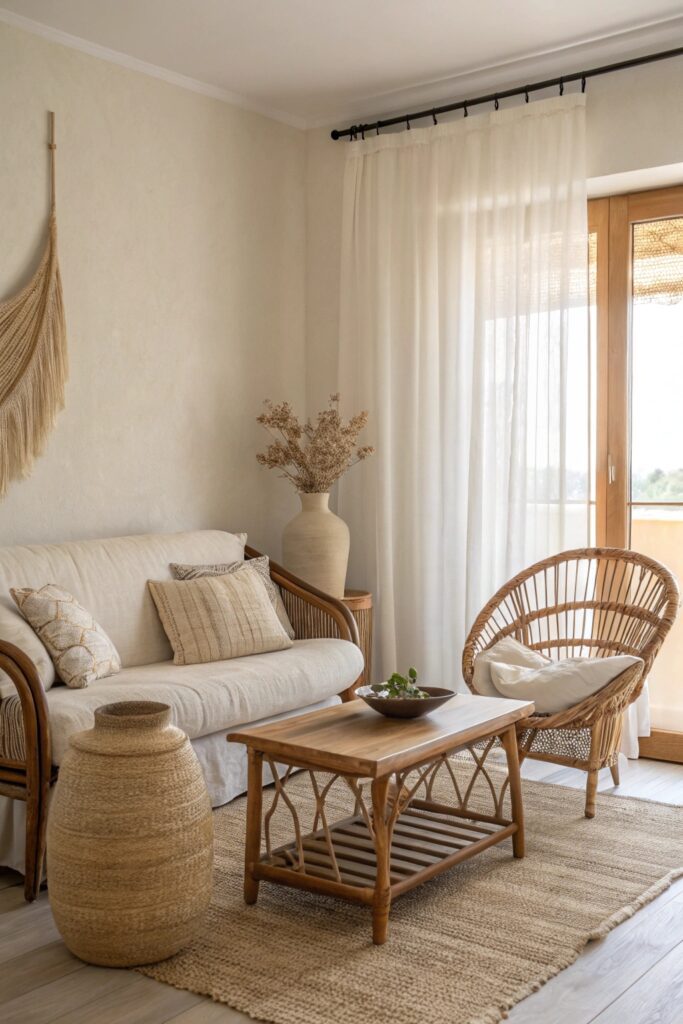
Unlike the stark, all-white minimalism of the 2010s, this version keeps a restrained approach to clutter and color but swaps cool whites for warm off-whites, cream, and beige, paired with natural materials like wood and linen. Benjamin Moore’s ‘Swiss Coffee’ or ‘White Dove’ are common reference points for the wall color specifically, replacing the cooler, blue-based whites that dominated the previous decade.
The easiest way to shift toward this look without a full room overhaul is swapping cool-white textiles (sheets, towels, curtains) for warm cream or oatmeal versions, since fabric color shifts a room’s overall temperature more noticeably than most people expect.
2. Curved Furniture
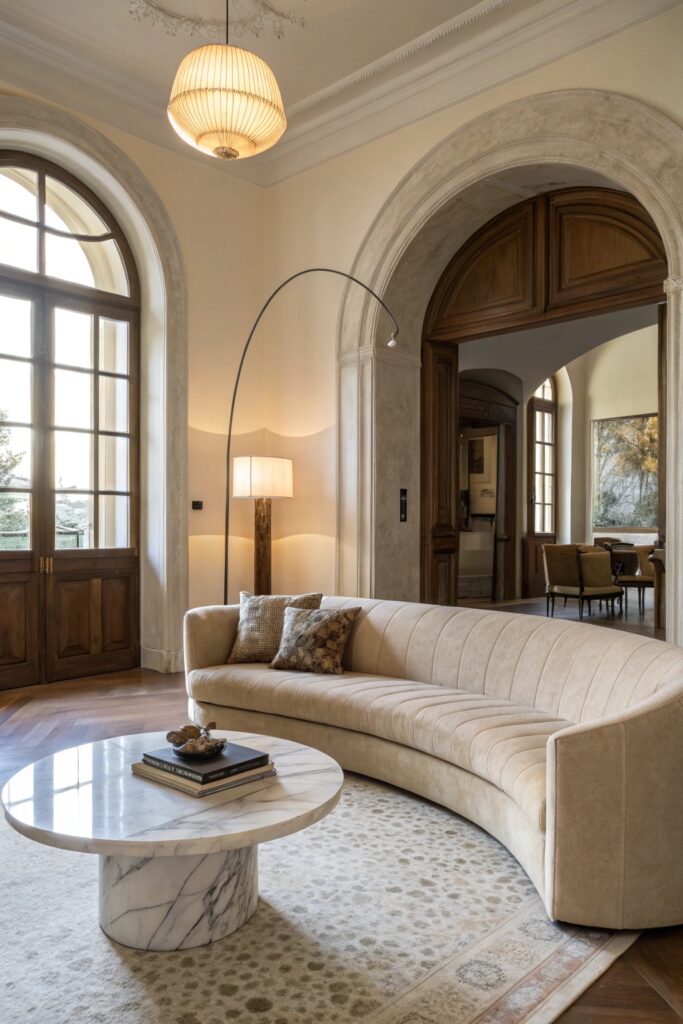
Rounded sofas, curved-back chairs, and organic-shaped coffee tables have moved from a niche design choice to a mainstream offering at major retailers (CB2, West Elm, Article all now carry dedicated curved-furniture lines). The appeal is partly practical — curved pieces have no sharp corners to catch on in smaller spaces — and partly a reaction against the boxy, hard-angled furniture that dominated minimalist interiors previously.
A single curved accent chair or coffee table is often enough to introduce this trend without committing to a full curved sofa, which typically costs 15-25% more than an equivalent straight-lined piece from the same retailer.
3. Bold Color Drenching
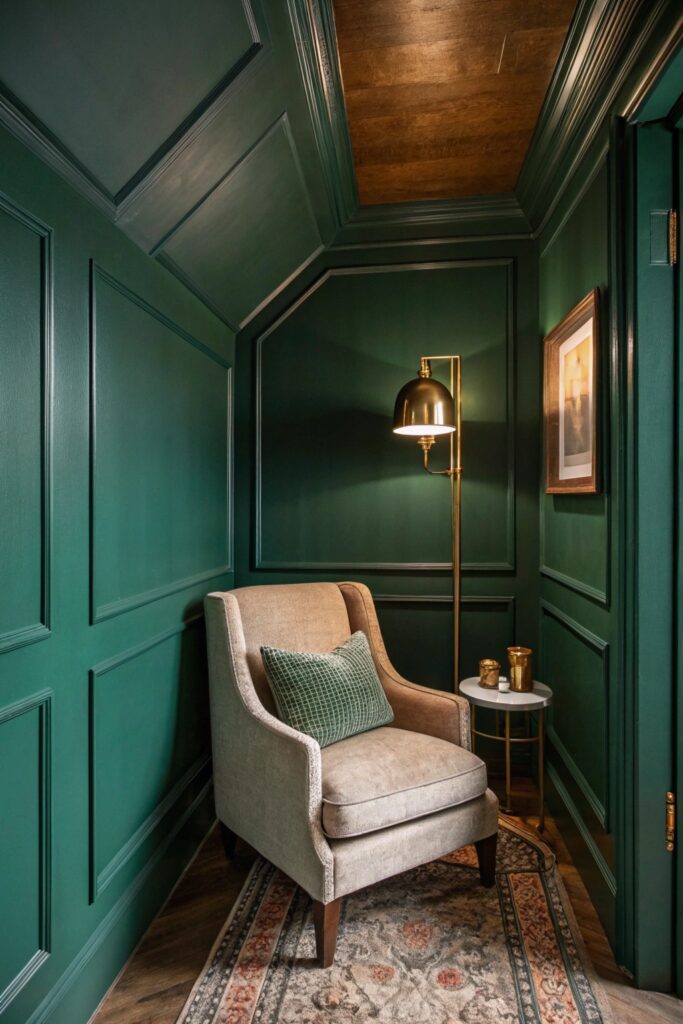
‘Color drenching’ means painting walls, trim, ceiling, and sometimes even built-ins the exact same saturated color, rather than white trim against a colored wall — the monochromatic effect makes a room feel enveloping and intentional rather than boxy. This works especially well in smaller rooms (a powder room or a reading nook), where the uniform color removes the visual break points that would otherwise make the space feel choppy.
Use the same paint sheen throughout for the most cohesive drenched effect — mixing matte walls with semi-gloss trim in the same color creates subtle sheen variation that undercuts the intended seamless look.
4. Sustainable and Reclaimed Materials
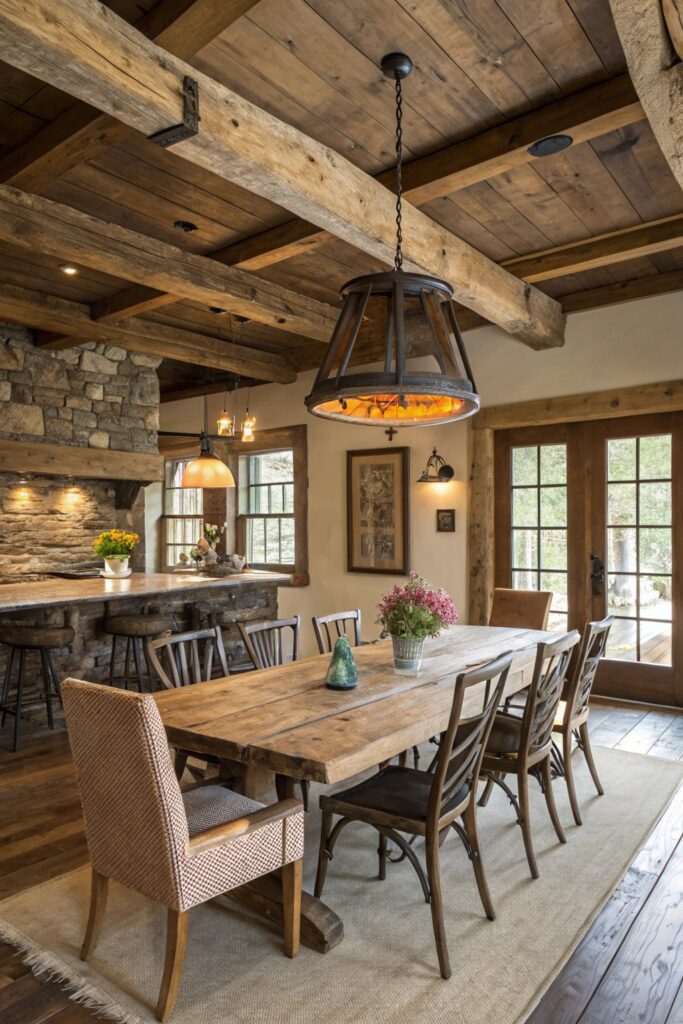
Reclaimed wood flooring, recycled glass countertops, and furniture built from FSC-certified or salvaged materials have shifted from a niche eco-conscious choice to a mainstream design preference, partly driven by genuine sustainability concerns and partly by the authentic, weathered character these materials bring that new manufactured materials can’t replicate. Reclaimed wood specifically commands a price premium over new lumber (often 20-40% more) due to the sourcing and processing labor involved.
Look for FSC (Forest Stewardship Council) certification specifically when shopping for ‘sustainable’ wood furniture — the term itself isn’t regulated, and certification is the most reliable way to verify sourcing claims.
5. Japandi Style
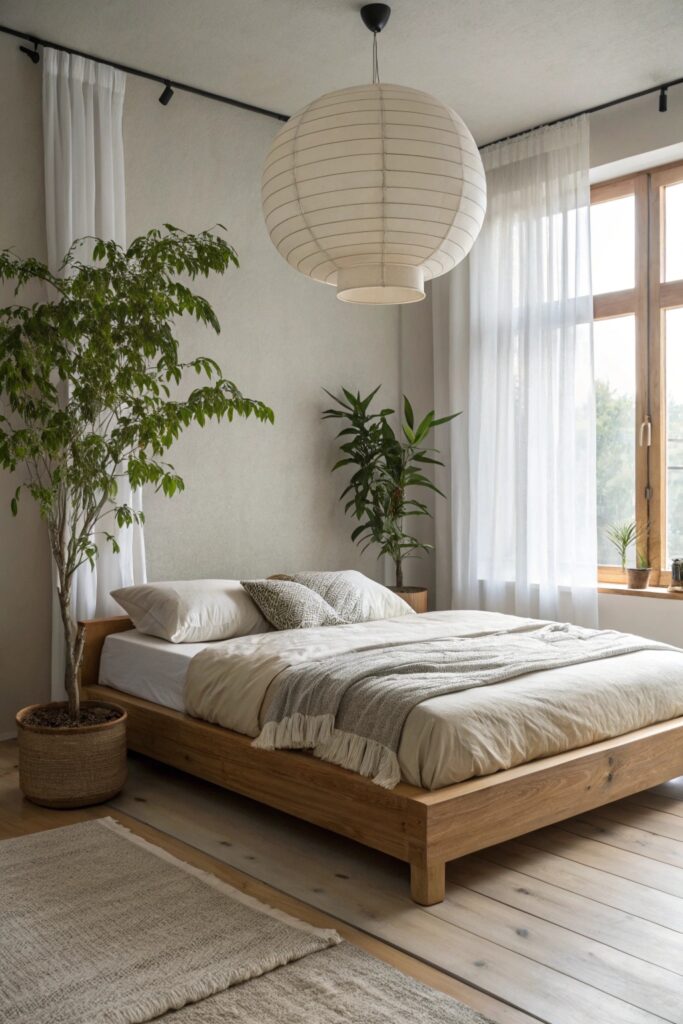
A blend of Japanese minimalism and Scandinavian functionality, Japandi combines clean lines and uncluttered spaces (the Japanese influence) with warm wood tones and cozy textiles (the Scandinavian influence) — the result reads calmer and warmer than either aesthetic alone. Low-profile furniture, natural materials, and a muted, earthy palette (rather than Scandinavian design’s sometimes brighter accent colors) define the look specifically.
This style has proven to have staying power beyond a typical trend cycle because it’s built on functional principles (quality materials, uncluttered space) rather than a specific color or pattern that dates quickly.
6. Statement Ceilings
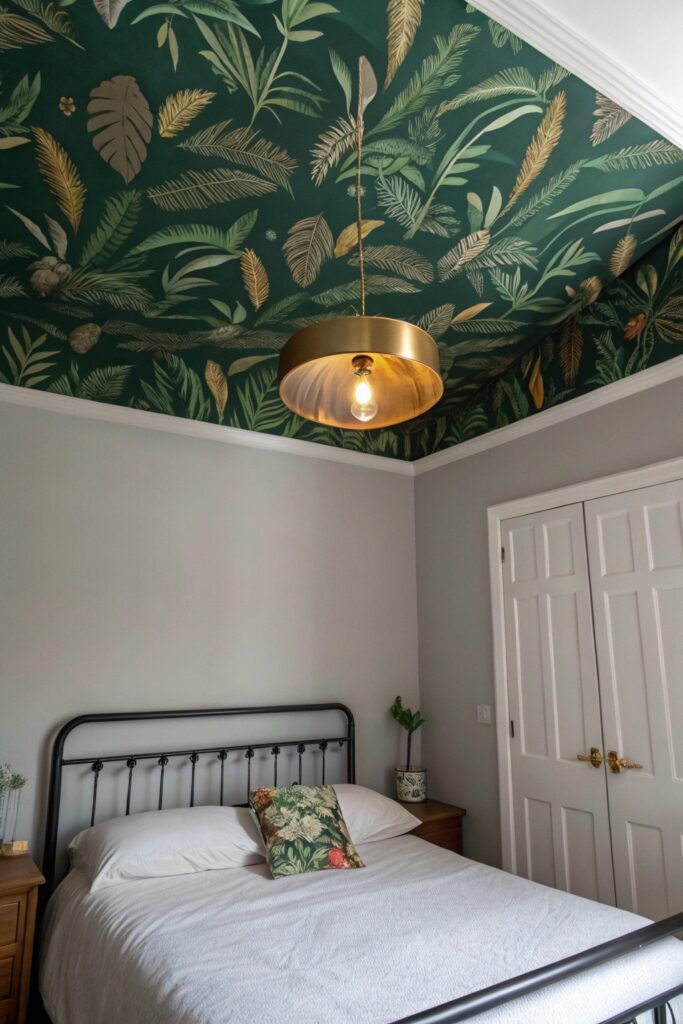
Painted, wallpapered, or wood-paneled ceilings turn the ‘fifth wall’ into a design feature rather than an afterthought, particularly effective in rooms with limited wall space for other design statements (small bedrooms, powder rooms, entryways). Wallpapering a ceiling specifically requires more material waste for pattern matching than a standard wall — budget 15-20% extra material for the installation.
A darker or more saturated ceiling color than the walls makes a room feel more enclosed and intimate; a lighter or reflective finish (like a soft metallic wallpaper) can make a ceiling feel higher than it actually is, which matters in rooms with lower ceiling heights.
7. Multi-Functional Furniture
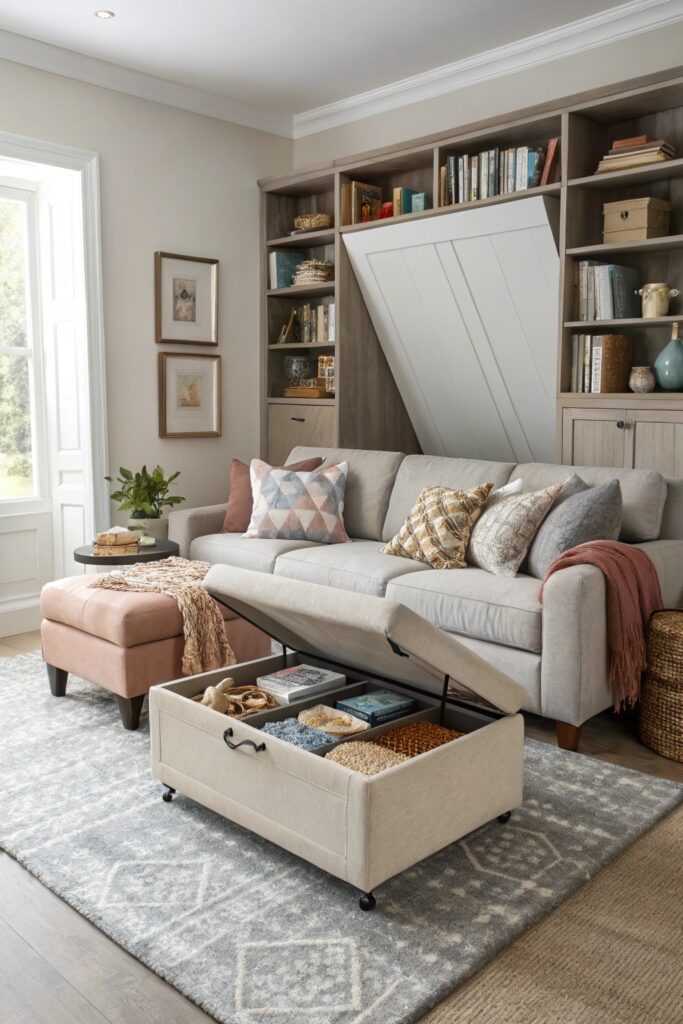
Storage ottomans, sofa beds with genuinely comfortable mattresses (rather than the notoriously uncomfortable pull-out beds of previous decades), and expandable dining tables have become a design priority rather than a compromise, driven largely by smaller urban living spaces where every piece needs to earn its footprint. Quality multi-functional pieces command a price premium over single-purpose furniture — a storage ottoman with genuine internal capacity runs $150-300 versus $80-150 for a purely decorative version.
Check weight capacity and mechanism durability specifically when shopping for convertible furniture (sofa beds, expandable tables) — these are the components most likely to fail with regular use, and cheaper mechanisms wear out considerably faster than quality hardware.
8. Biophilic Design
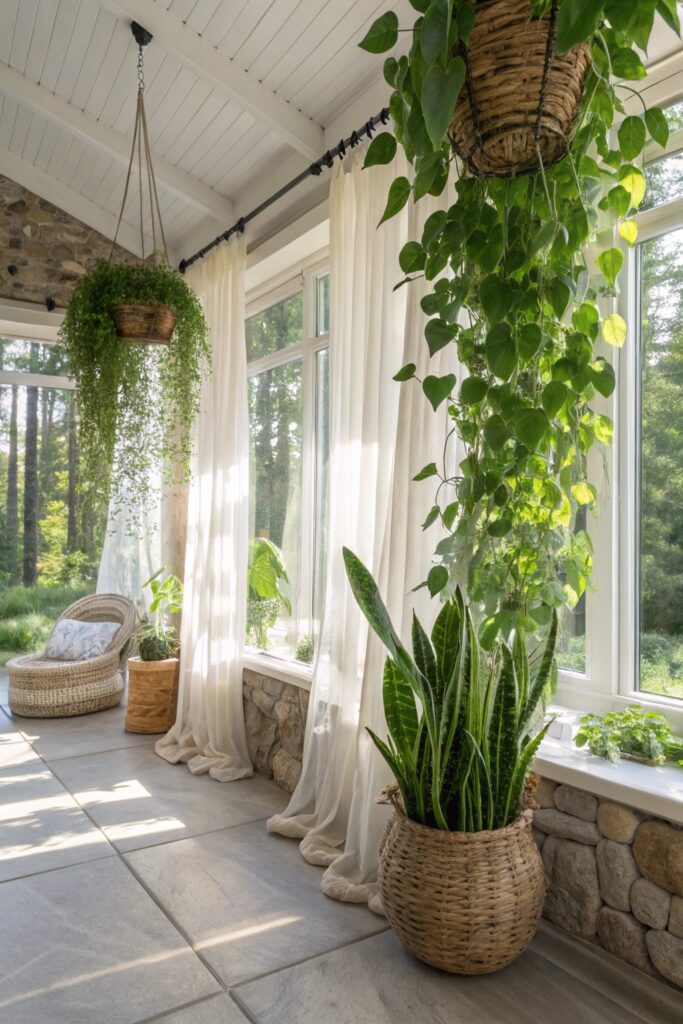
Beyond simply adding houseplants, biophilic design incorporates natural light, organic materials, and views of or connections to nature as core structural elements — larger windows, indoor-outdoor flow, and materials like wood and stone used structurally rather than just decoratively. This approach has research backing beyond aesthetic preference; several studies have linked biophilic design elements to measurably reduced stress levels in occupied spaces.
On a smaller budget, maximizing natural light (removing heavy curtains, adding mirrors to reflect existing light) and adding a few larger, architectural houseplants captures much of this trend’s effect without structural renovation.
9. Vintage and Antique Mixing
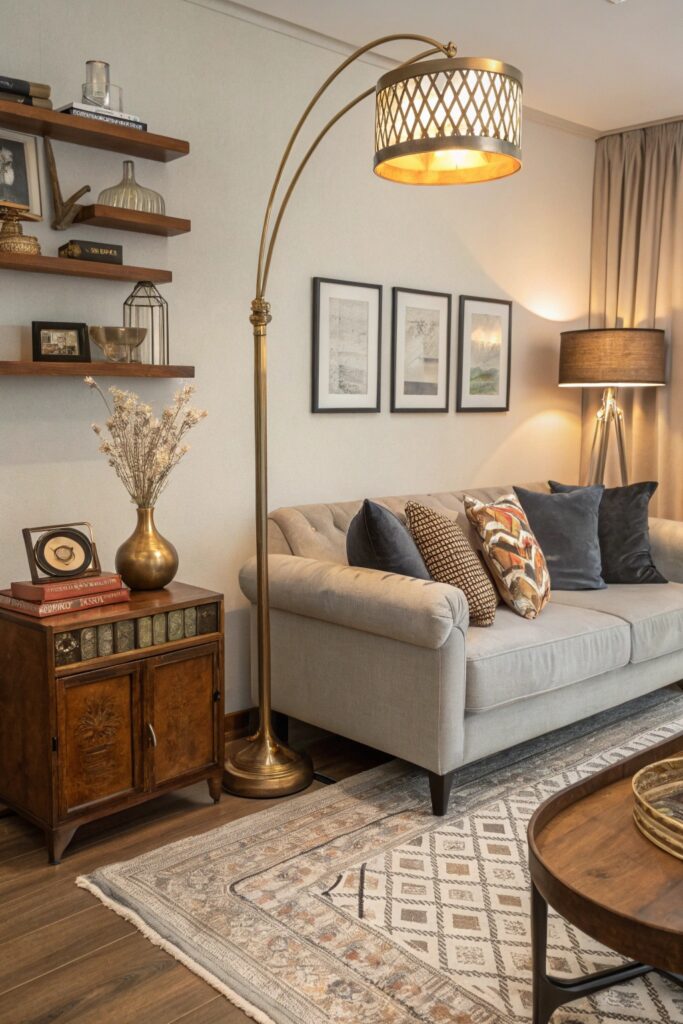
Rather than fully vintage or fully modern rooms, mixing eras — a mid-century modern chair next to contemporary furniture, or an antique mirror in an otherwise modern bathroom — has become the dominant approach to collected, personal-feeling spaces. This trend has been fueled partly by resale platforms (Chairish, 1stDibs, Facebook Marketplace) making vintage sourcing dramatically more accessible than it was a decade ago.
One or two genuine vintage pieces per room, rather than an entire vintage-furnished space, tends to read as more intentional than either extreme — a single well-chosen antique alongside modern furniture stands out more than it would in an all-vintage room.
10. Textured Walls
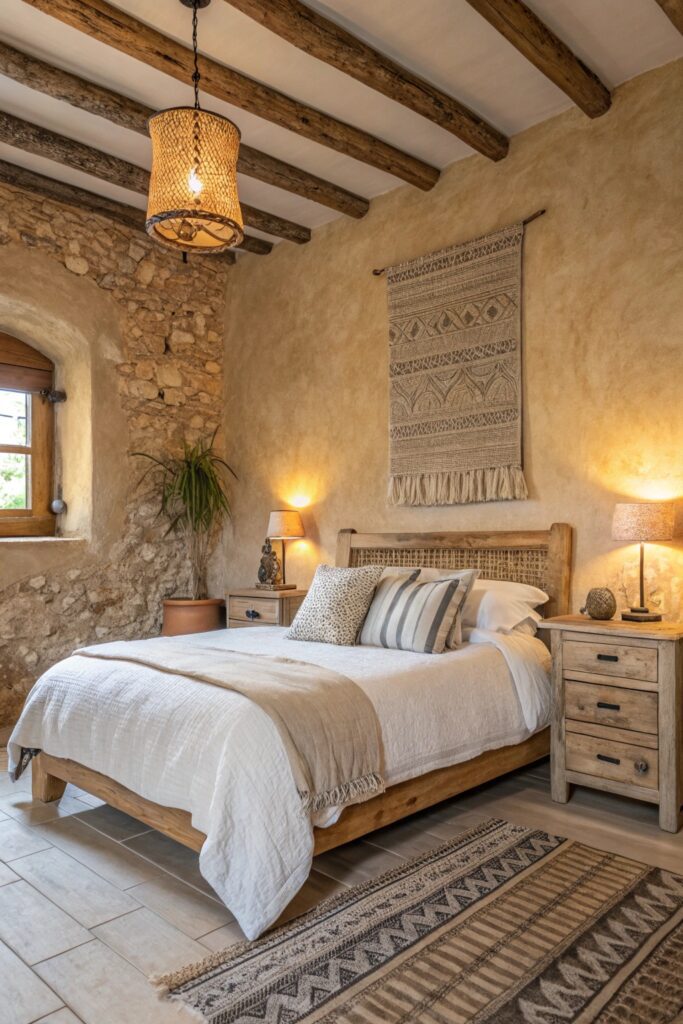
Limewash, Venetian plaster, and textured paint techniques replace flat, uniform wall finishes with visible hand-applied texture, adding depth that flat paint simply can’t achieve. Limewash specifically has become a signature technique for this trend — its slightly mottled, matte finish reads as more artisanal than a standard paint job, though it requires more skill and time to apply evenly than rolling on flat paint.
Textured finishes generally cost more than flat paint both in materials and labor if hiring a professional — expect to pay $8-15 per square foot for professional limewash application versus $2-4 per square foot for standard paint.
11. Dark and Moody Kitchens
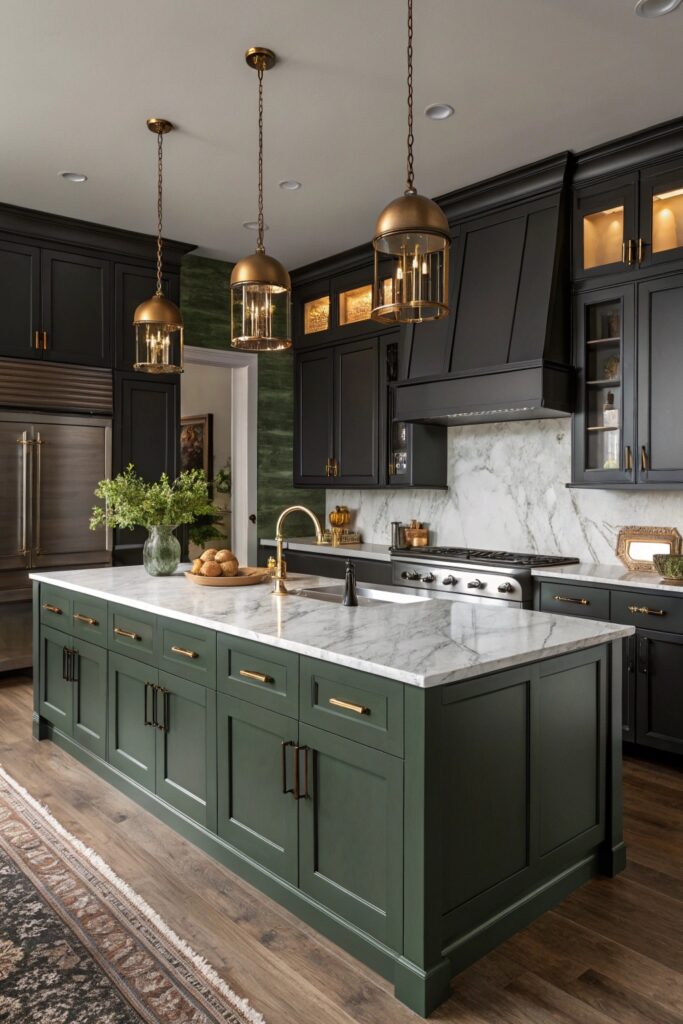
Deep green, navy, or charcoal cabinetry has moved from a bold, unconventional choice to a mainstream kitchen option, often paired with warm wood open shelving and brass hardware to keep the space from feeling too heavy or cave-like. This shift reflects a broader move away from the all-white kitchen that dominated the previous decade, toward kitchens that feel more like considered living spaces than purely utilitarian ones.
Balance dark lower cabinets with lighter countertops and upper elements (open shelving, a lighter backsplash) rather than going dark on every surface — full dark-on-dark kitchens can feel oppressive without adequate lighting to compensate.
12. Curated Maximalism
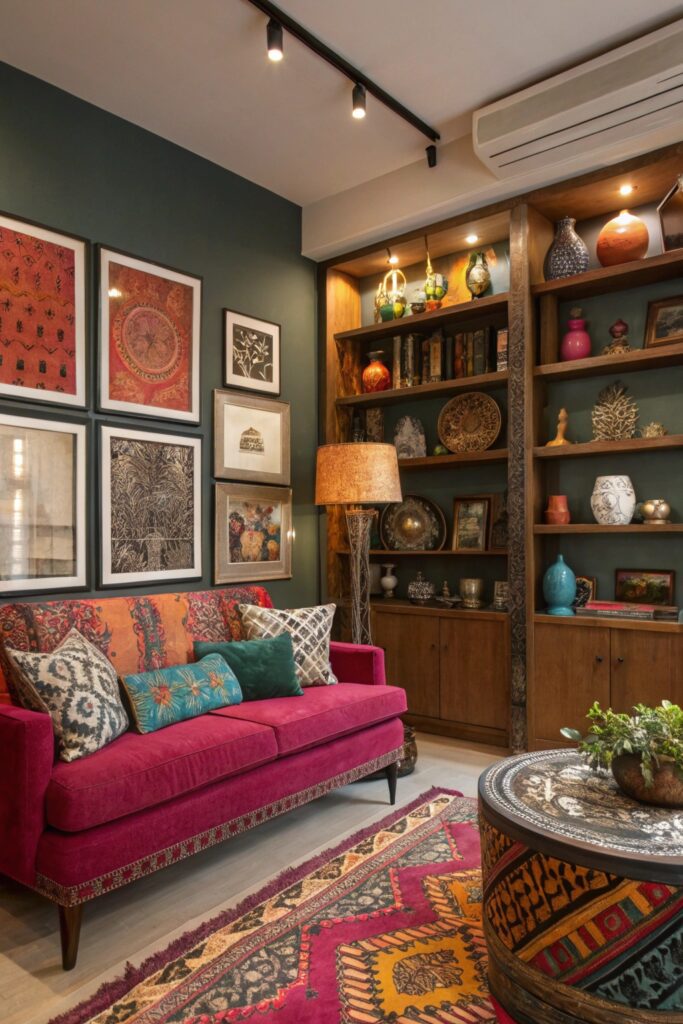
Distinct from cluttered maximalism, this version layers pattern, color, and collected objects deliberately — every piece has a place and a reason for being there, even in a visually rich, dense room. The distinguishing factor from simple ‘more is more’ decorating is intentionality: curated maximalism still follows underlying rules of color coordination and balance, just with more elements in play than a minimalist room.
This trend rewards patience and collection over time rather than a single shopping trip — the most convincing curated maximalist spaces tend to include pieces gathered across years rather than a room fully furnished in one purchase.
13. Smart Home Integration
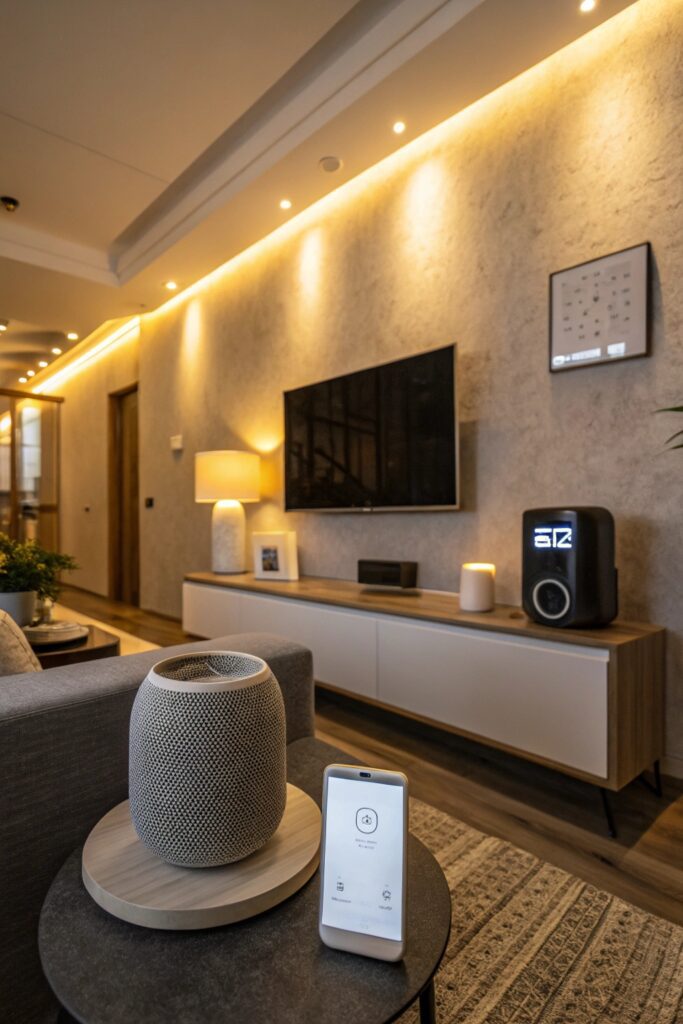
Smart lighting, thermostats, and increasingly, furniture with integrated charging and connectivity have moved from a novelty to an expected baseline in new home design, driven by both convenience and genuine energy efficiency gains from smart climate control. The design challenge has shifted from ‘does this technology exist’ to ‘how do we integrate it without visible cords and devices disrupting a room’s aesthetic.’
Look specifically for furniture and lighting with truly hidden or minimal-visibility tech integration (charging pads built into nightstand surfaces, for instance) rather than obviously bolted-on smart devices, which tend to date a room’s look faster than the underlying furniture itself.
14. Natural Stone Accents
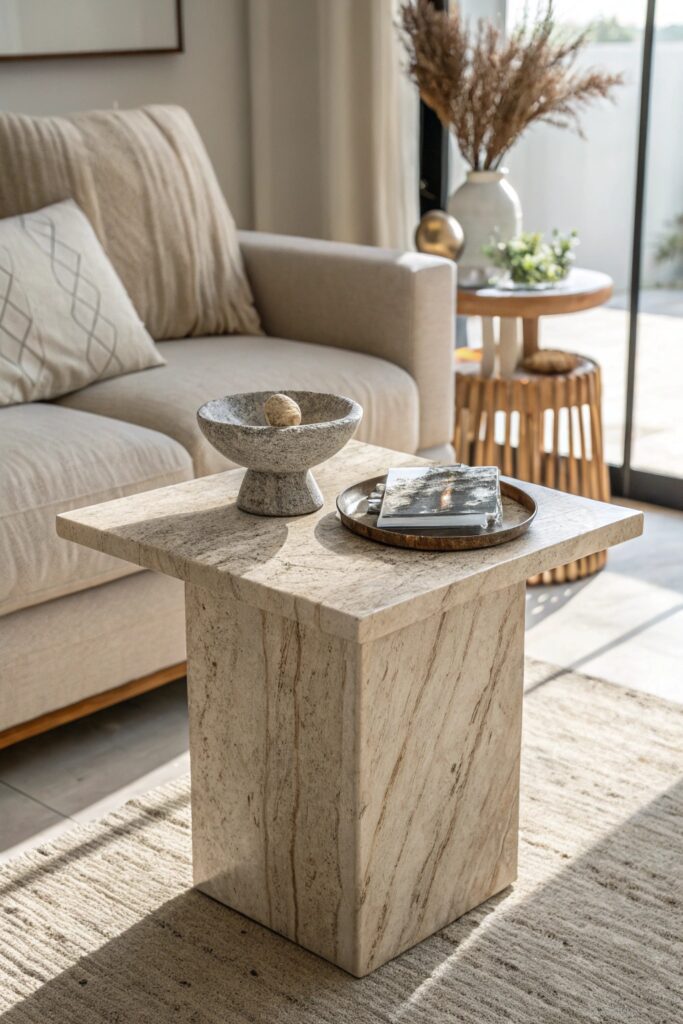
Travertine, marble, and other natural stones have expanded beyond kitchen countertops into furniture (side tables, lamp bases), bathroom fixtures, and decorative objects, driven partly by the same material-honesty preference behind other trends on this list. Travertine specifically has become a signature material for its warm, pitted texture, distinct from the cooler, more polished look of traditional marble.
Genuine stone furniture commands a significant price premium over engineered or composite reproductions — a small genuine travertine side table often runs $200-400 versus $60-120 for a convincing composite version, worth knowing if budget is a primary constraint.
15. Personalized, Story-Driven Spaces
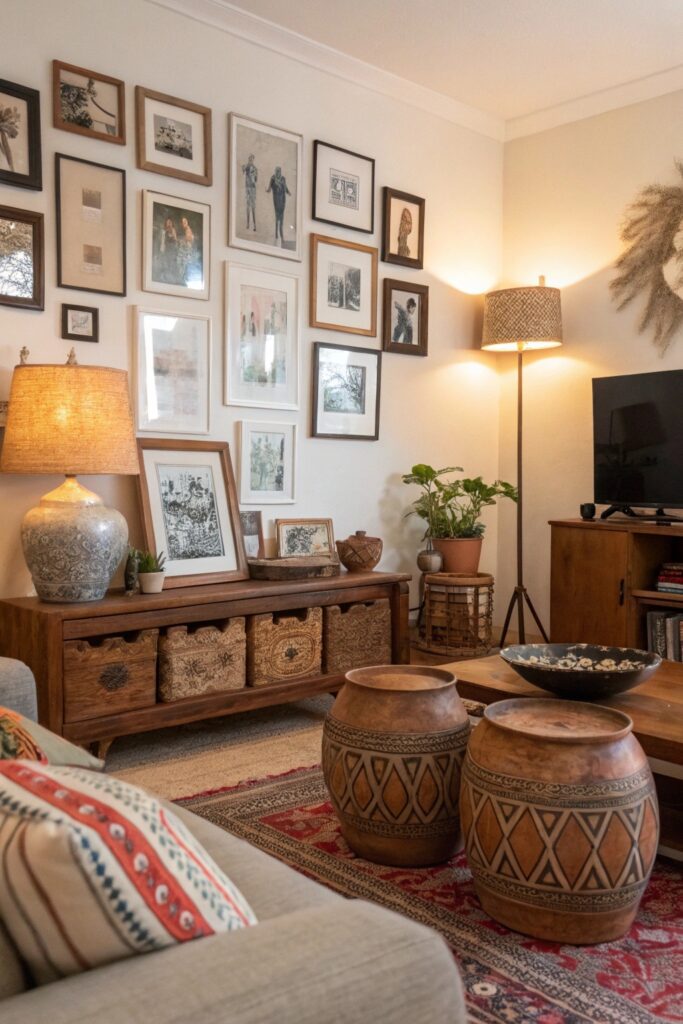
Perhaps the broadest trend underlying many of the others on this list: a move away from rooms styled to match a single cohesive catalog look, toward spaces that visibly reflect the specific people living in them — travel souvenirs, family pieces, art with personal meaning, displayed alongside more conventional decor. This shift has been amplified by social media fatigue with overly formulaic, algorithm-optimized interiors that all start to look the same.
The easiest way to build toward this is resisting the urge to buy an entire room’s decor from one source — mixing at least a few personally meaningful or unique pieces into an otherwise coordinated space is what actually creates the ‘story-driven’ effect this trend describes.
Final Thoughts
Not every trend on this list needs to apply to your home at once — in fact, most well-designed spaces borrow from 2-3 of these rather than chasing all fifteen simultaneously. Warm minimalism, curved furniture, and personalized styling are worth prioritizing if you’re only adopting a few, since all three tend to age better than more purely aesthetic, color-driven trends.