
These kitchen trends range from restrained minimalism to maximalist color and pattern, and most work best when filtered through what actually suits your kitchen’s existing architecture rather than adopted wholesale. The details below cover the defining characteristics and practical specifics for each.
Below are 12 kitchen aesthetics worth knowing, with the specifics for each.
1. Japandi Kitchen: Where Calm Meets Cool
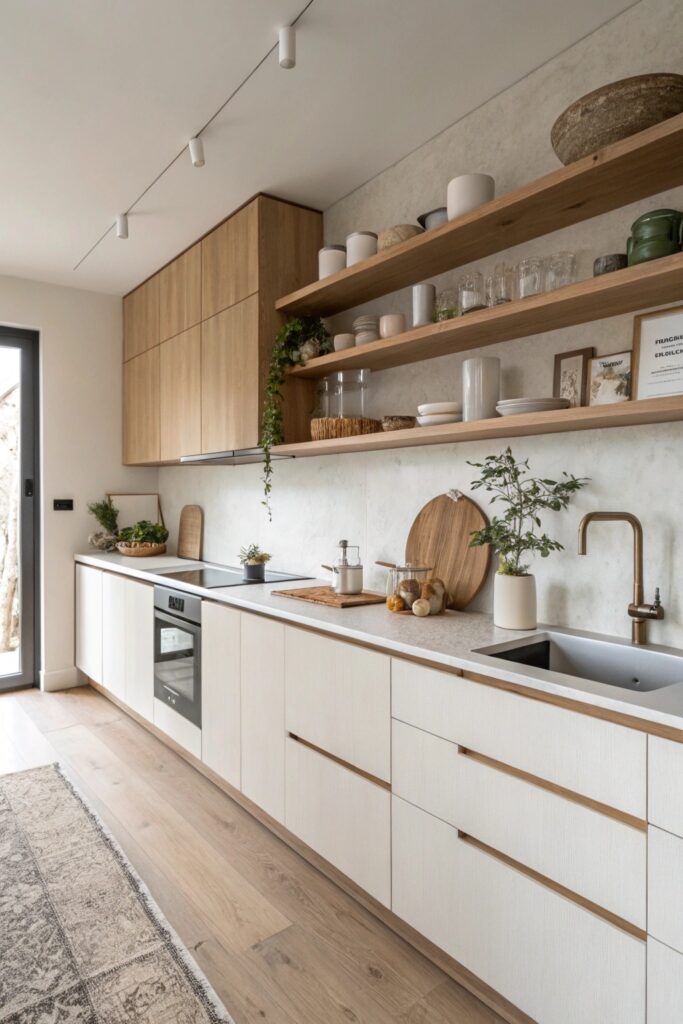
This style fuses Japanese and Scandinavian minimalism specifically, typically built around light oak or ash cabinetry, matte black hardware, and handleless cabinet fronts. The functional principle behind it matters as much as the look — visible storage stays deliberately minimal, with just a few displayed items rather than open shelving packed with dishware.
2. Dark and Moody Kitchen: Dramatic Done Right
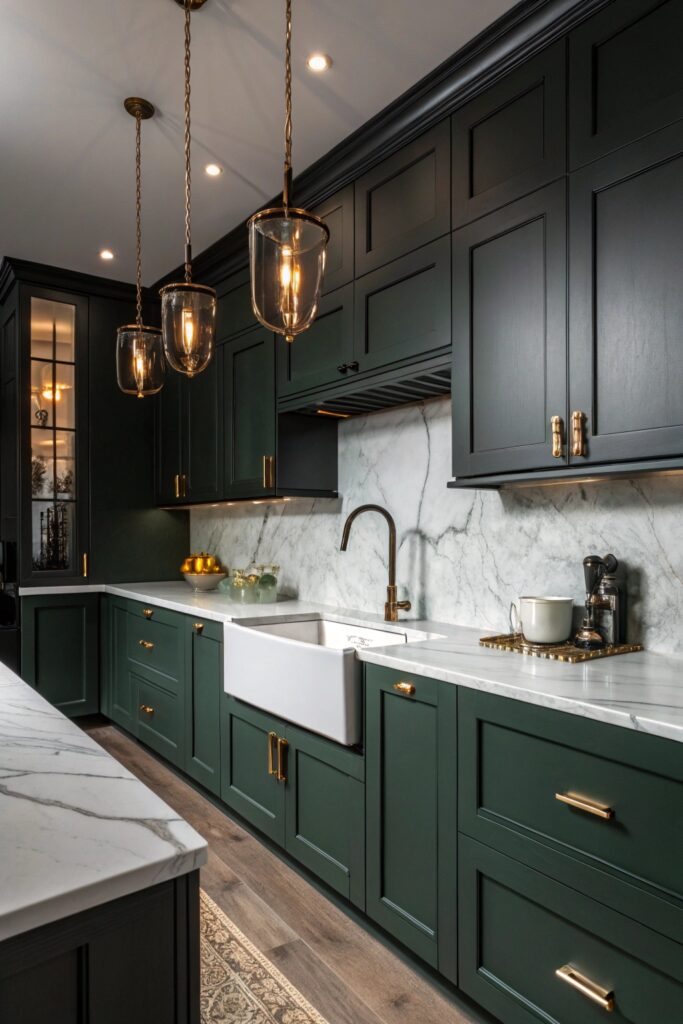
A dark kitchen absorbs more light than a lighter one, so layering in additional task lighting under cabinets and over work surfaces matters more here than it would in a brighter kitchen relying mostly on ambient light.
3. Warm Minimalism: The Anti-Cold-Modern
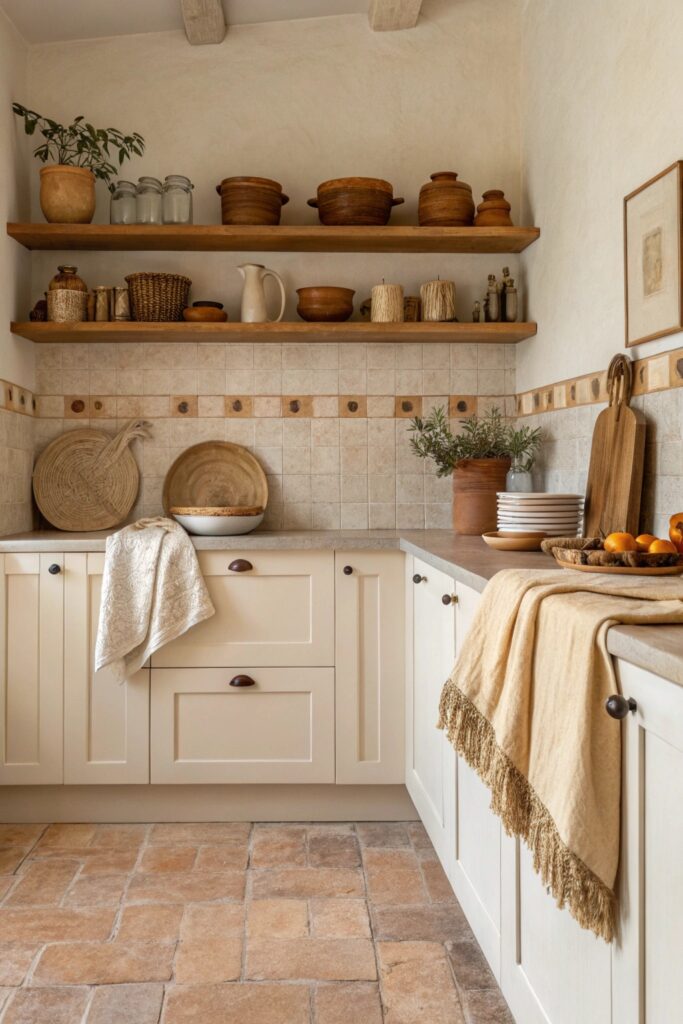
This differs from Japandi in its warmer wood tones and softer, more rounded cabinet edges rather than sharp linear profiles, and it typically incorporates more visible texture through textiles — woven baskets, linen towels — layered into an otherwise pared-back space.
4. Cottagecore Kitchen: Soft, Nostalgic, and Totally Charming
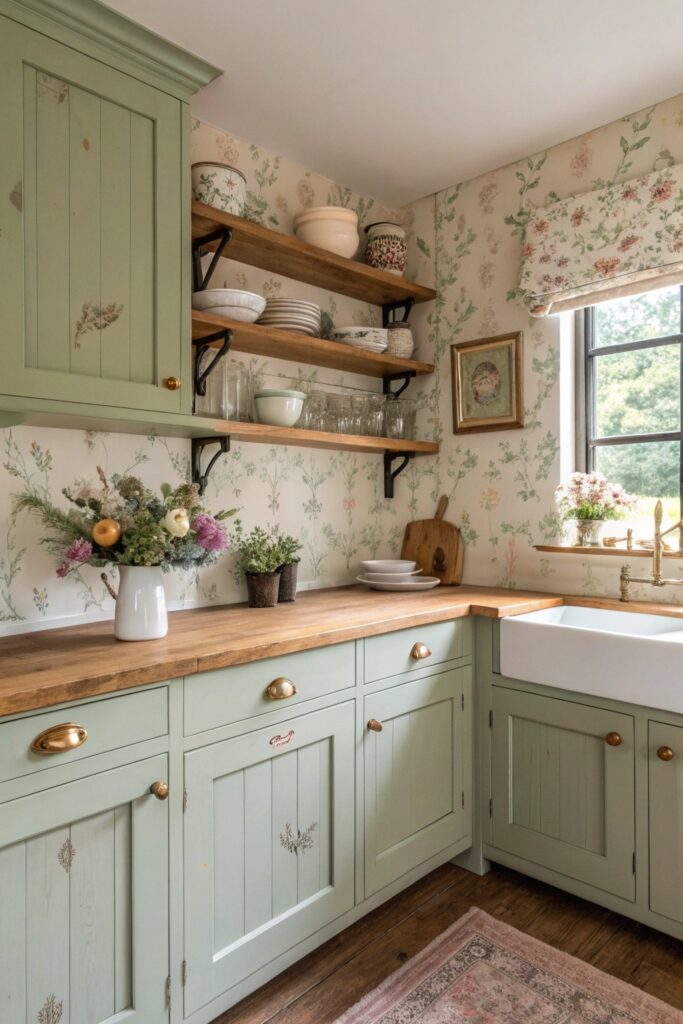
Vintage-look hardware, floral or gingham textiles, and open shelving displaying a distinctly mismatched collection of dishware are the defining details here, leaning into an intentionally collected-over-time look rather than a uniform new set.
5. Industrial Kitchen: Raw, Edgy, and Unapologetic
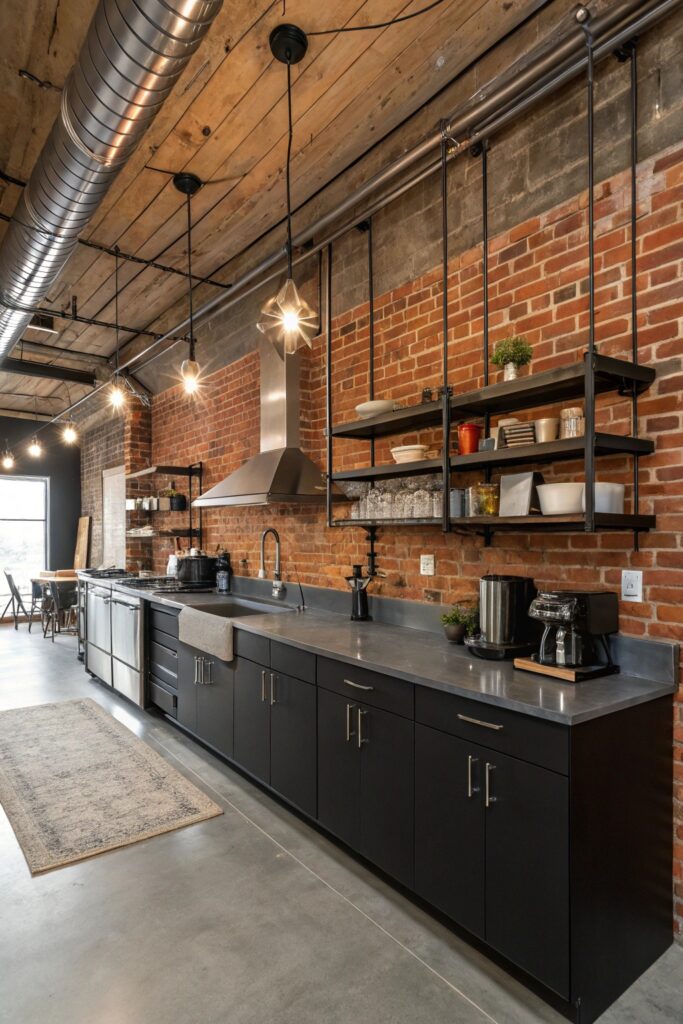
Unlacquered metal fixtures that develop a natural patina over time suit this style better than a polished chrome finish, since the intentional wear is part of the aesthetic rather than something to avoid.
6. Biophilic Kitchen: Bringing the Outside In
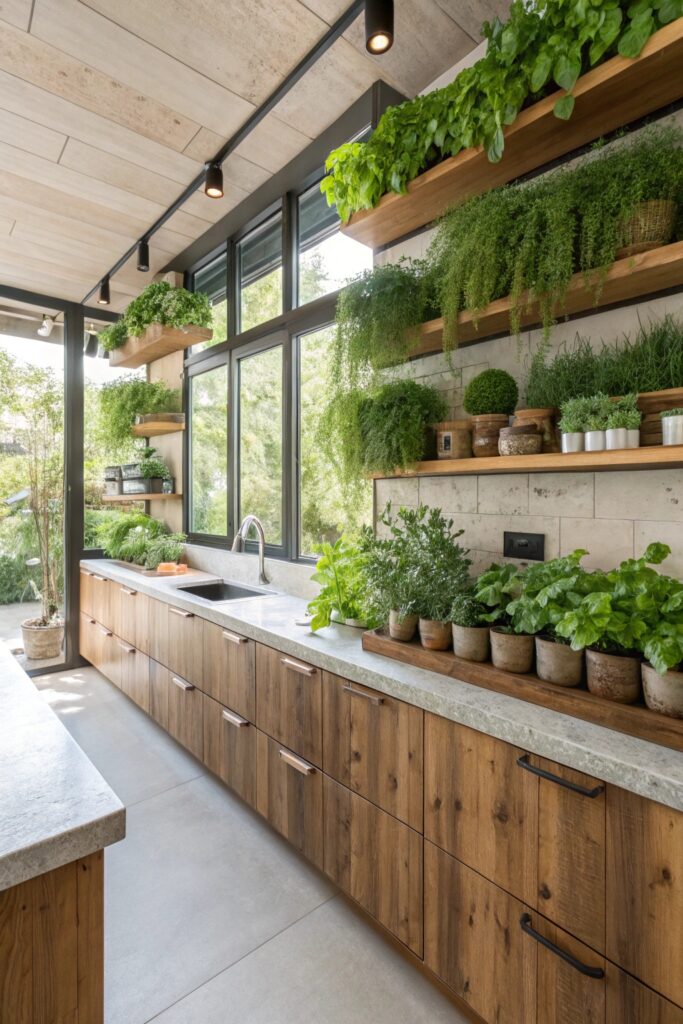
This goes beyond simply adding plants — biophilic design principles prioritize maximizing natural light, using real wood and stone rather than laminate imitations, and orienting sightlines toward outdoor greenery where the layout allows. Any actual plants should stay positioned away from direct heat sources like the range or oven vent.
7. Mediterranean Kitchen: Sun-Soaked and Full of Character
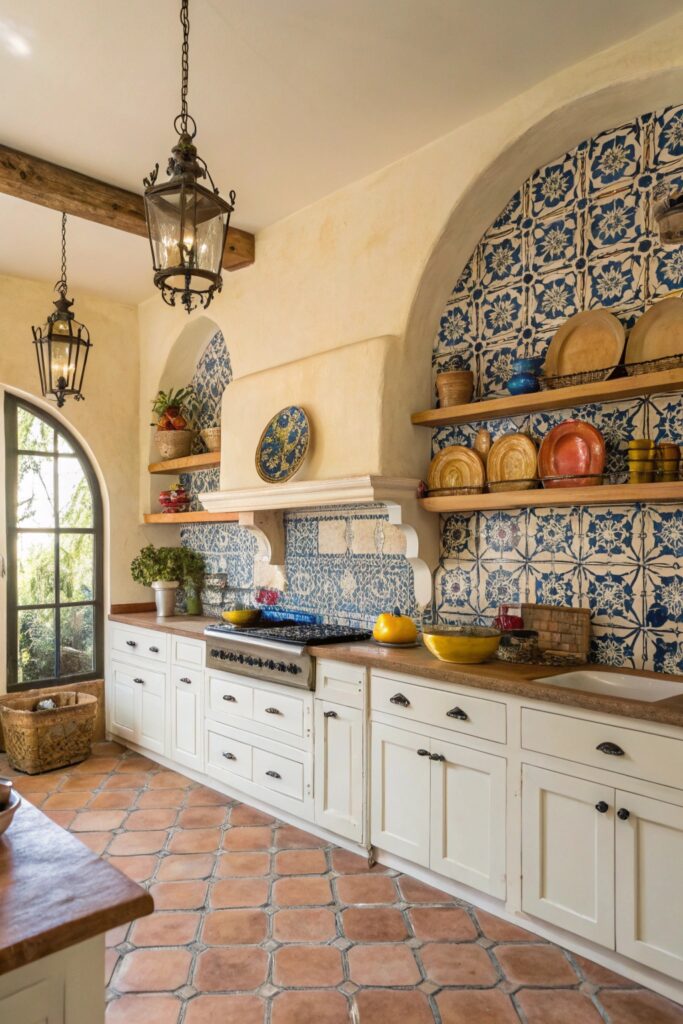
Zellige tile is a defining material here — handmade and intentionally irregular, it catches and reflects light differently across each individual tile in a way machine-made ceramic simply can’t replicate, which is part of why it costs considerably more than standard tile.
8. Grandmillennial Kitchen: Old-School Charm, Modern Execution
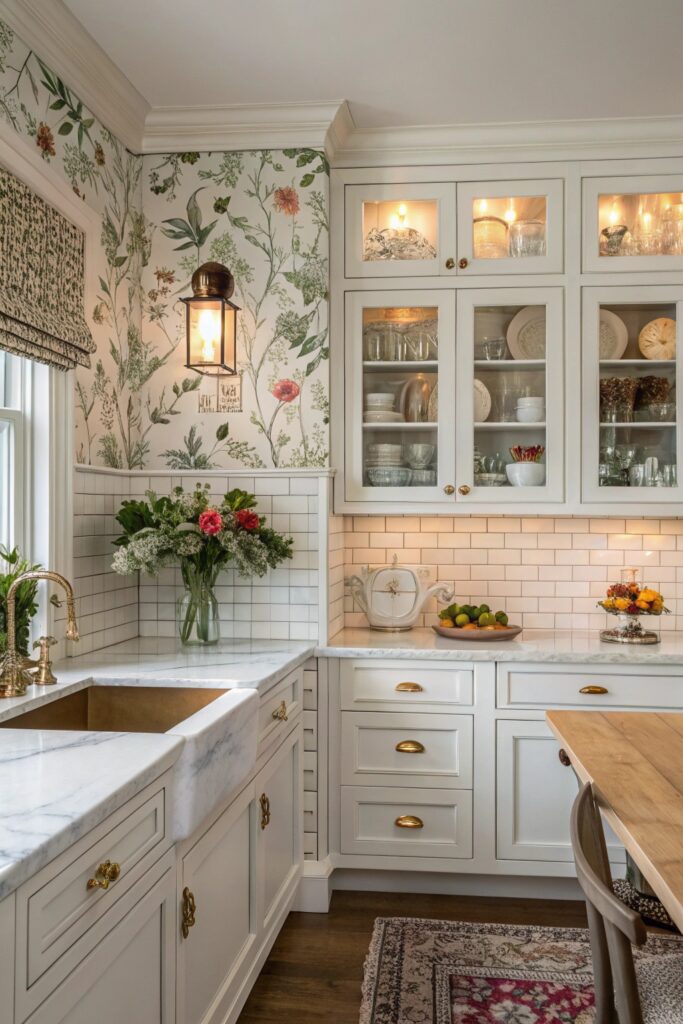
Scalloped trim details, chinoiserie-inspired patterns, and warm brass hardware update a traditional, vintage-inspired look with distinctly current proportions and layout functionality rather than a literal period reproduction.
9. Two-Tone Kitchen: Color-Blocking Done Beautifully
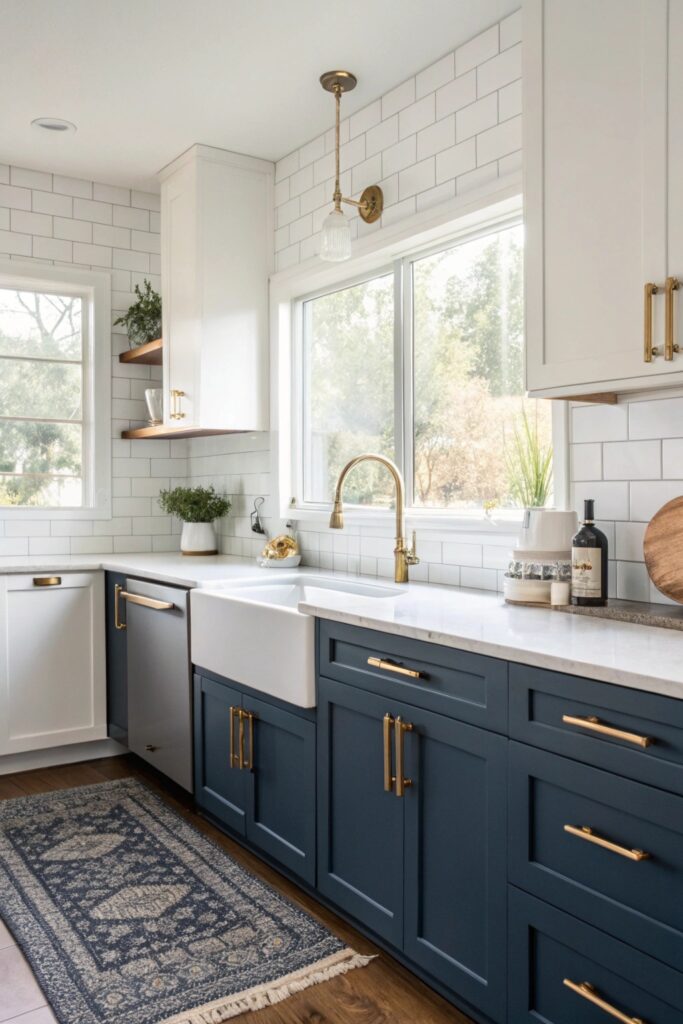
Lighter upper cabinets paired with a bolder, darker lower cabinet color is the most common pairing, since it visually lightens the space overhead while grounding the room at eye level and below.
10. Retro Kitchen: 70s and 80s Vibes Are Back
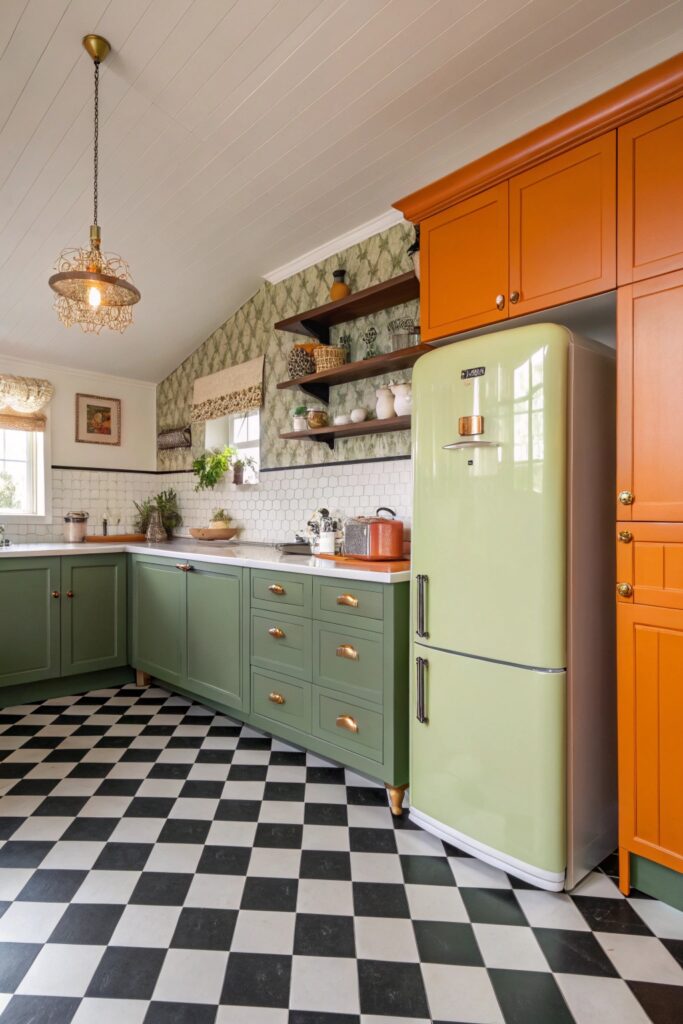
Saturated, era-accurate colors — avocado green, burnt orange, mustard yellow — define this trend, and several appliance manufacturers have brought back retro-styled color options in response, making it easier to source authentic-feeling pieces without hunting for genuine vintage units.
11. Coastal Kitchen: Breezy, Light, and Effortlessly Relaxed
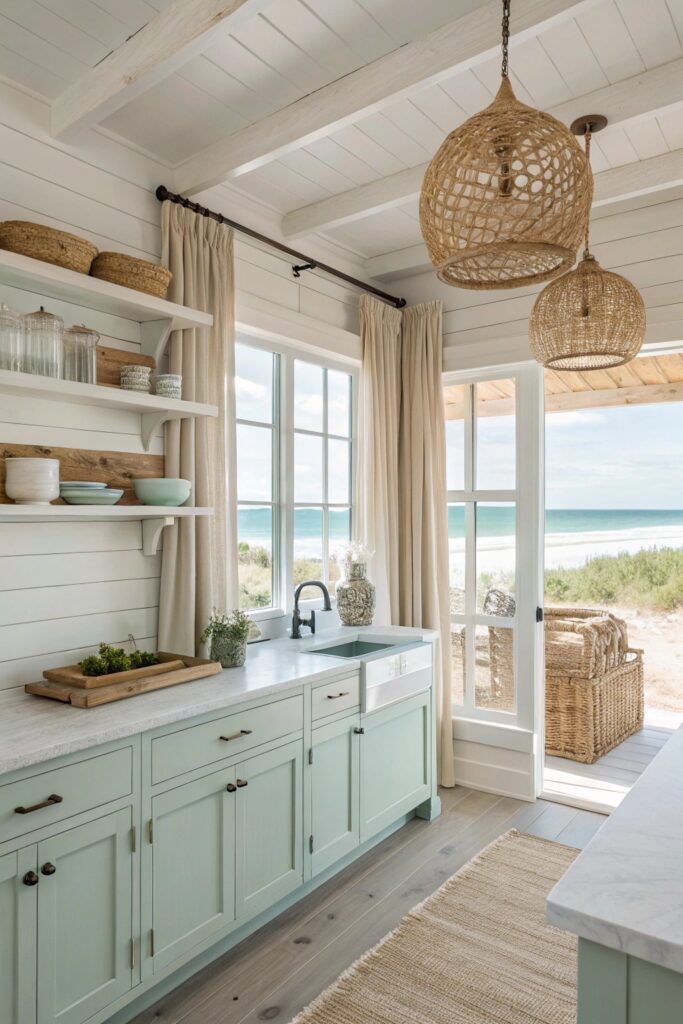
Whitewashed wood and rope or nautical textural accents distinguish this from Mediterranean style’s warmer, earthier palette — coastal leans into a cooler blue-and-white combination rather than terracotta and olive tones.
12. Statement Range Hood: When One Detail Changes Everything
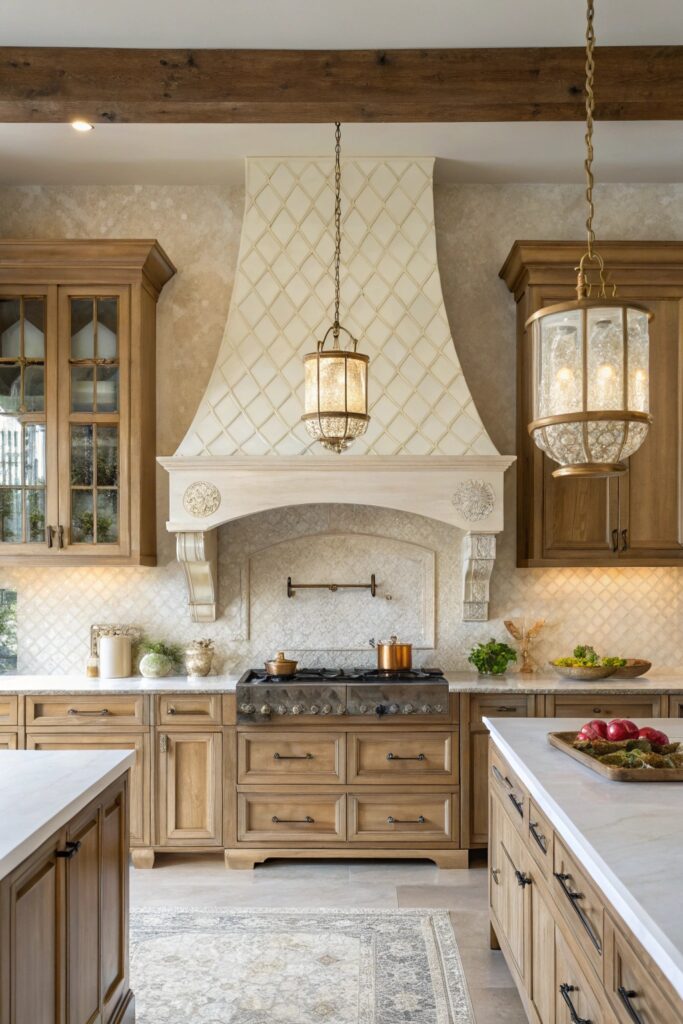
A custom plaster or wood hood surround still needs a properly sized ventilation insert underneath it — the decorative shell alone doesn’t provide airflow, and the insert’s CFM rating should actually match your range’s size and cooking volume rather than being an afterthought to the visual design.
Which Trends Hold Up Best Over Time
Styles built around neutral, versatile bases with easily swapped accents — Japandi, warm minimalism, coastal — tend to age better than trends defined by a single bold, hard-to-reverse choice, like a saturated retro color scheme on permanent surfaces such as countertops or backsplash tile.
If you’re drawn to a bolder trend but concerned about longevity, applying it through easily changed elements — paint, hardware, textiles, a range hood — rather than permanent structural finishes gives you room to evolve the look without a full remodel down the line.
What a Kitchen Refresh in This Style Costs
Updating hardware, lighting, and paint while keeping existing cabinetry typically costs $500 to $2,000 depending on the scope and quality of materials.
A fuller renovation involving new cabinetry, countertops, or a statement material like zellige tile runs considerably higher, often $15,000 to $40,000 or more depending on kitchen size and finish level.
Matching a Trend to Your Kitchen’s Existing Architecture
A style that photographs beautifully in a new-construction open-concept kitchen doesn’t always translate the same way into a smaller galley kitchen or one with older, more traditional millwork already in place. Industrial and Japandi styles, for instance, tend to need more open sightlines and simpler existing trim to read correctly, while grandmillennial and cottagecore styles can work well even in a kitchen with more traditional bones already present.
Taking stock of what’s structurally fixed in your kitchen — window placement, ceiling height, existing cabinet layout — before choosing a trend helps avoid fighting against the room’s actual architecture to force a look that doesn’t naturally fit.
Pulling reference photos from multiple sources for whichever trend catches your interest, rather than relying on a single image, gives a more realistic sense of how the style actually looks across different kitchen sizes and lighting conditions before committing to it in your own space.
Talking to a kitchen designer or contractor familiar with several of these styles, rather than working purely from inspiration photos, can also surface practical considerations specific to your space — plumbing and electrical locations, structural walls, existing ventilation — that affect which trends are realistically achievable without a much larger renovation budget.
Whichever direction resonates most, giving yourself room to blend elements rather than committing to a single trend exactly as pictured usually results in a kitchen that feels more distinctly your own.
Final Thoughts
A trend that photographs well isn’t automatically the right fit for your specific kitchen’s layout, existing finishes, or how you actually cook and use the space day to day. Borrowing individual elements from a few of these — a two-tone cabinet scheme here, a biophilic material choice there — often produces a more personal and longer-lasting result than committing fully to a single named trend.
Since kitchen renovations are among the more expensive projects in a home, it’s worth sitting with a direction for a few weeks, gathering real material samples, before committing to a full trend-driven remodel that might feel dated once the next aesthetic cycles through.