Home decor trends this year lean toward warmth and personality after a long stretch of minimalist, neutral-dominated interiors — the throughline across most of what follows is a move away from formulaic, algorithm-optimized spaces toward rooms that read as genuinely lived-in.
Below are 12 trends worth knowing, with the reasoning behind why each has staying power. For a deeper look at several of these in more technical detail, our broader interior design trends guide covers additional materials and product-level specifics.
1. Warm Minimalism Is Replacing Cold, Sterile Spaces
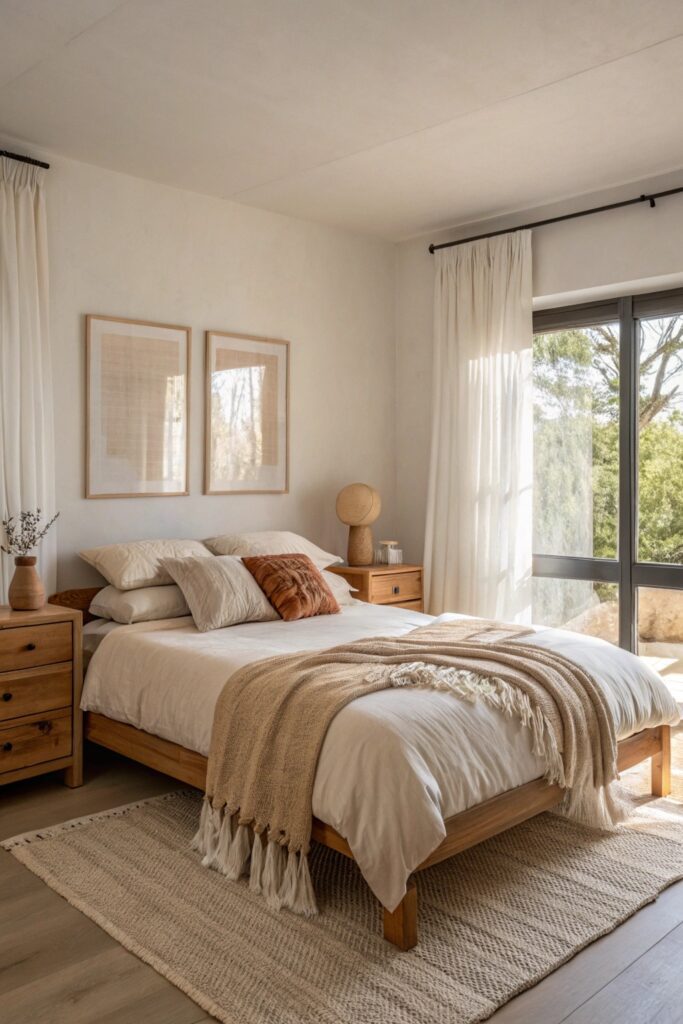
The stark, all-white minimalism that dominated for over a decade is giving way to a softer version built on cream, oatmeal, and warm taupe tones layered with natural materials. The shift is largely a reaction to how flat and impersonal purely white rooms photograph versus how they actually feel to live in day to day.
This is a low-cost trend to adopt gradually — swapping cool-white bedding and towels for warm ivory versions changes a room’s temperature more than most people expect, without any wall painting required.
2. Curved Furniture Is Taking Over Living Rooms
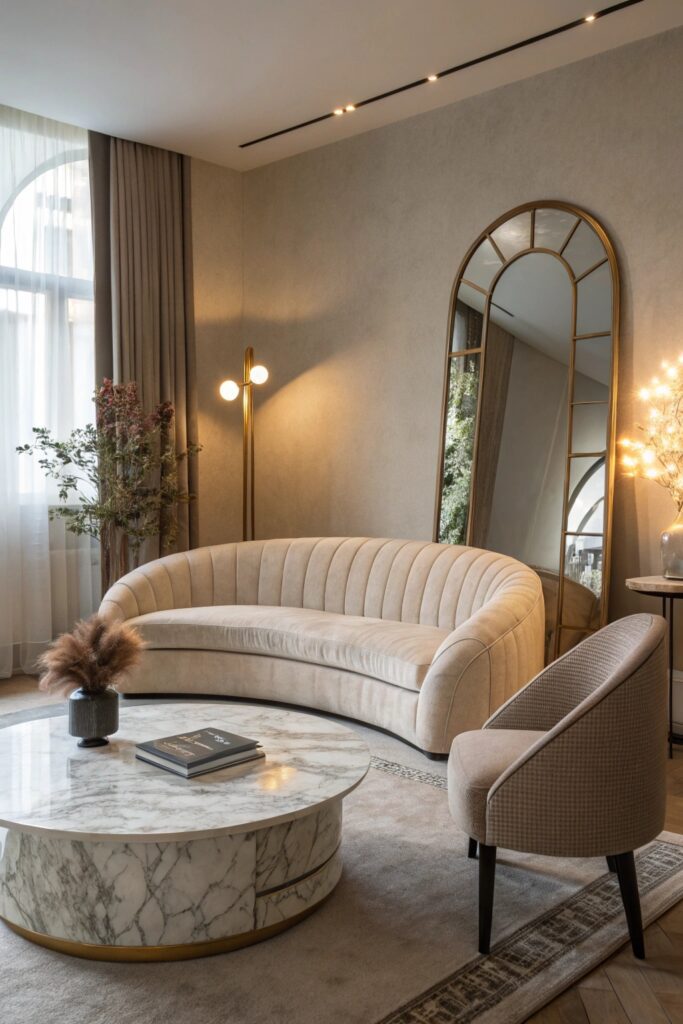
Rounded sofas, arched mirrors, and organic coffee tables have become widely available at major retailers rather than a boutique-only option, driven partly by smaller apartment living where sharp corners are a genuine liability in tight walkways.
A single curved accent piece (a chair or side table) is a lower-commitment way to test this trend before investing in a full curved sofa, which typically costs more than an equivalent straight-lined piece.
3. Maximalist Gallery Walls Are Back With a Vengeance
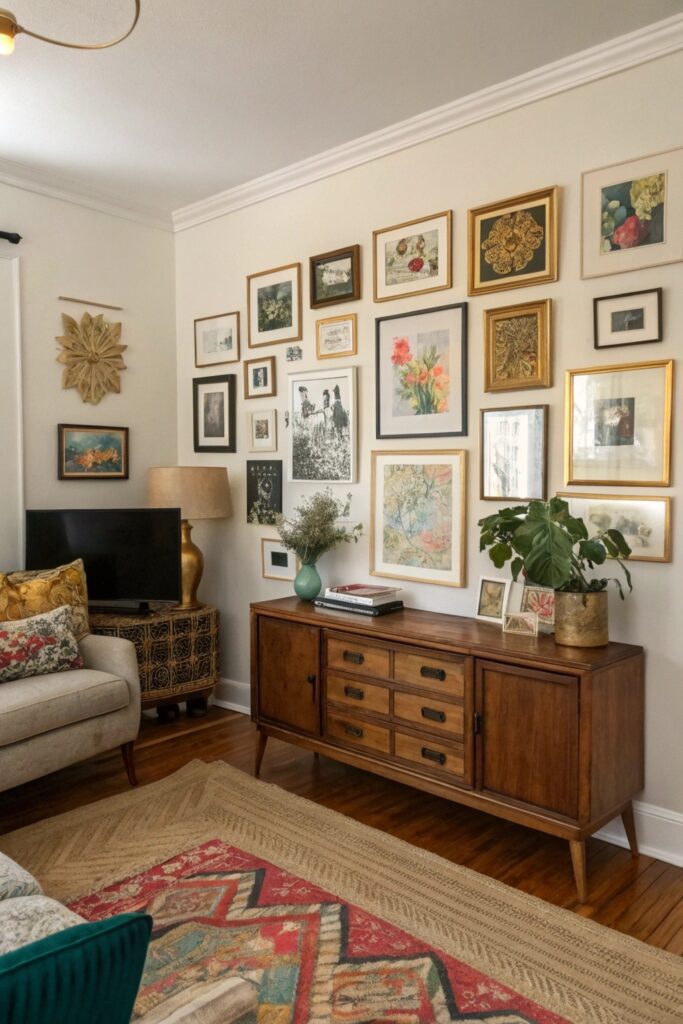
After years of restrained single-statement-piece art walls, densely packed gallery arrangements mixing art, mirrors, and objects are returning, reflecting a broader move away from minimalism across home decor generally.
Unlike the more curated gallery walls of a few years ago, this version embraces genuine density — filling nearly the entire wall rather than leaving generous negative space between pieces.
4. Japandi Style Continues to Dominate
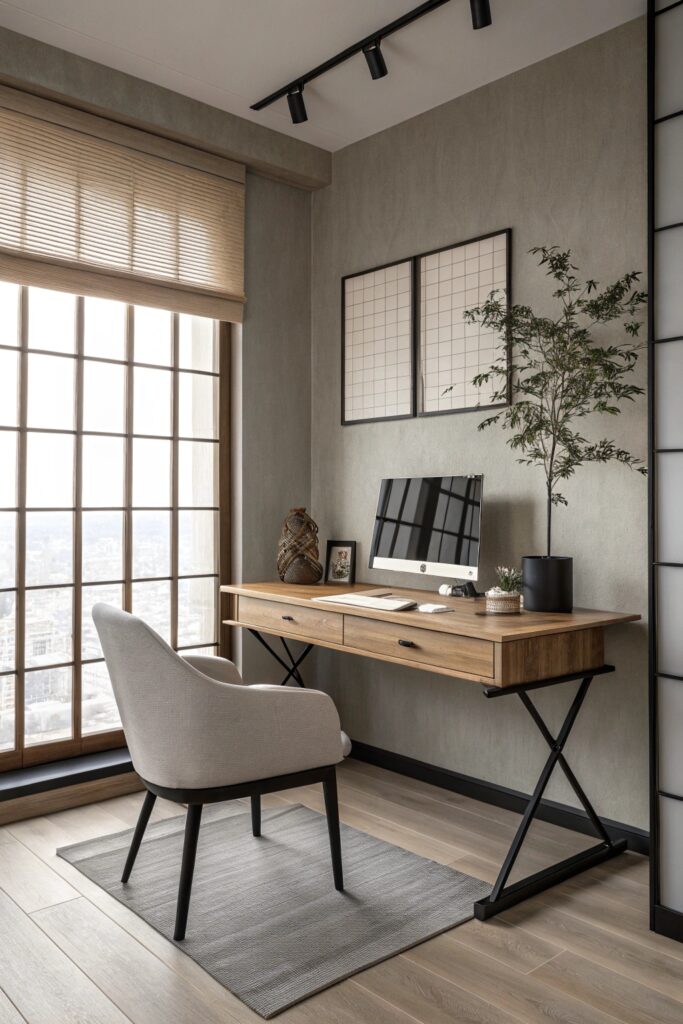
The Japanese-Scandinavian hybrid aesthetic has proven to be one of the most durable recent trends, likely because it’s built on functional principles (quality materials, uncluttered space) rather than a specific color palette that dates quickly.
Low-profile furniture and a muted, earthy palette define this look — it pairs naturally with the warm minimalism trend covered above, and many rooms successfully blend both.
5. Bold, Saturated Color Is Making a Comeback
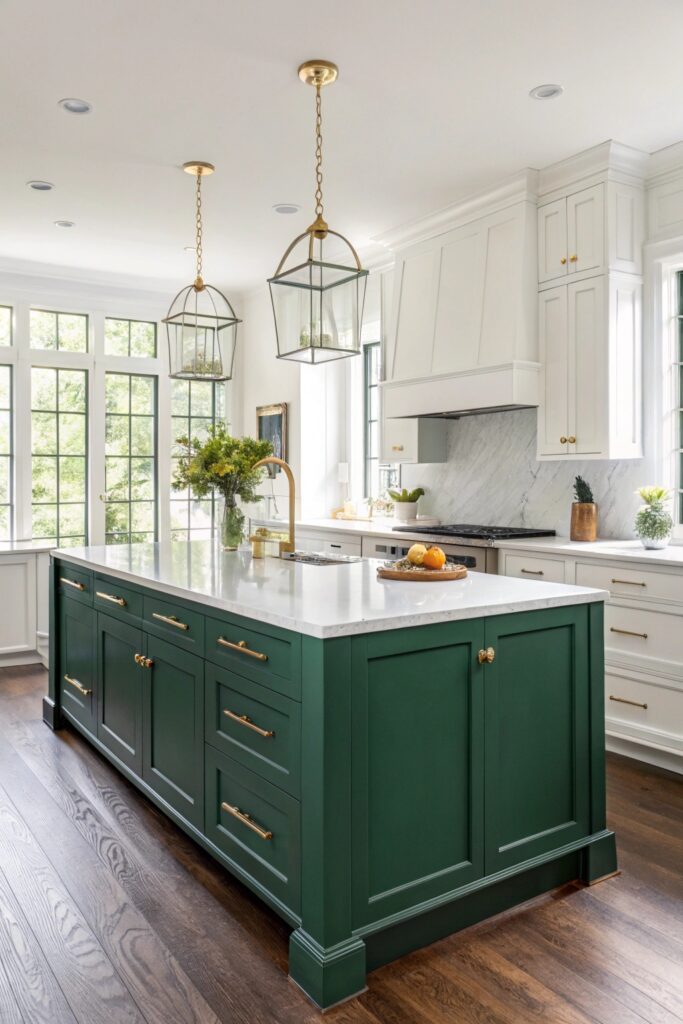
After years of neutral-dominated interiors, deeply saturated wall colors — emerald, cobalt, burgundy — are reappearing, often applied as full ‘color drenching’ (walls, trim, and ceiling in one matching shade) rather than a single accent wall.
This works best in smaller, contained spaces (a powder room or reading nook) where the boldness reads as intentional rather than overwhelming across an entire open floor plan.
6. Textured Walls Are Replacing Flat Paint
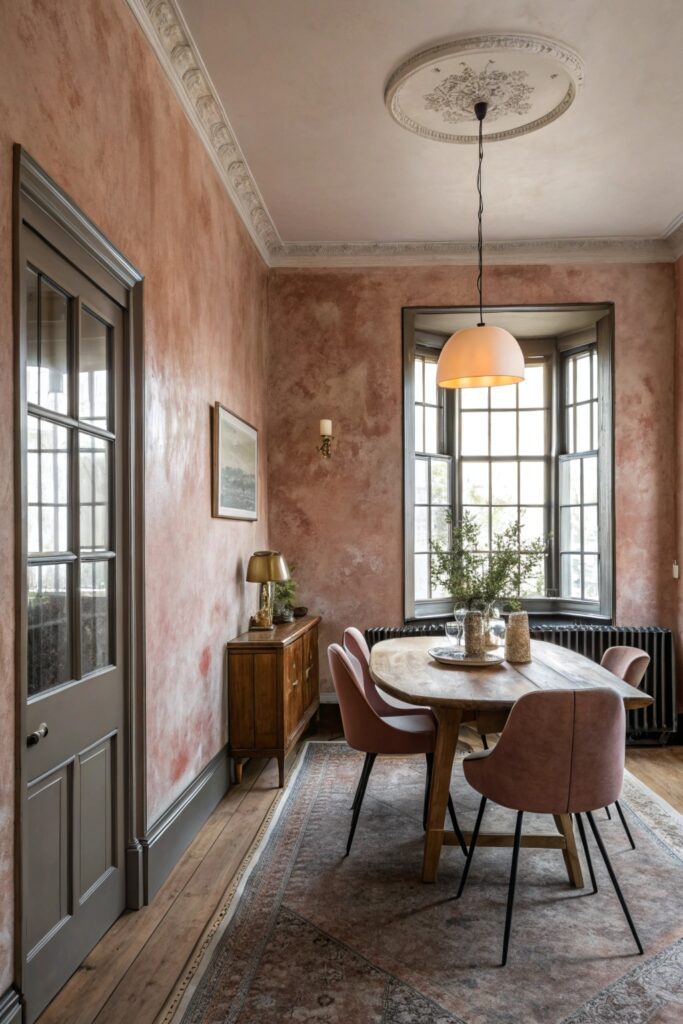
Limewash and Venetian plaster techniques, which create visible hand-applied texture rather than a flat uniform finish, have moved from a high-end specialty service to something more homeowners are attempting themselves with DIY kits.
Textured finishes generally cost more in both materials and labor than flat paint, so this trend tends to appear on a single accent wall rather than throughout a whole home.
7. Vintage and Thrifted Pieces Are a Design Flex Now
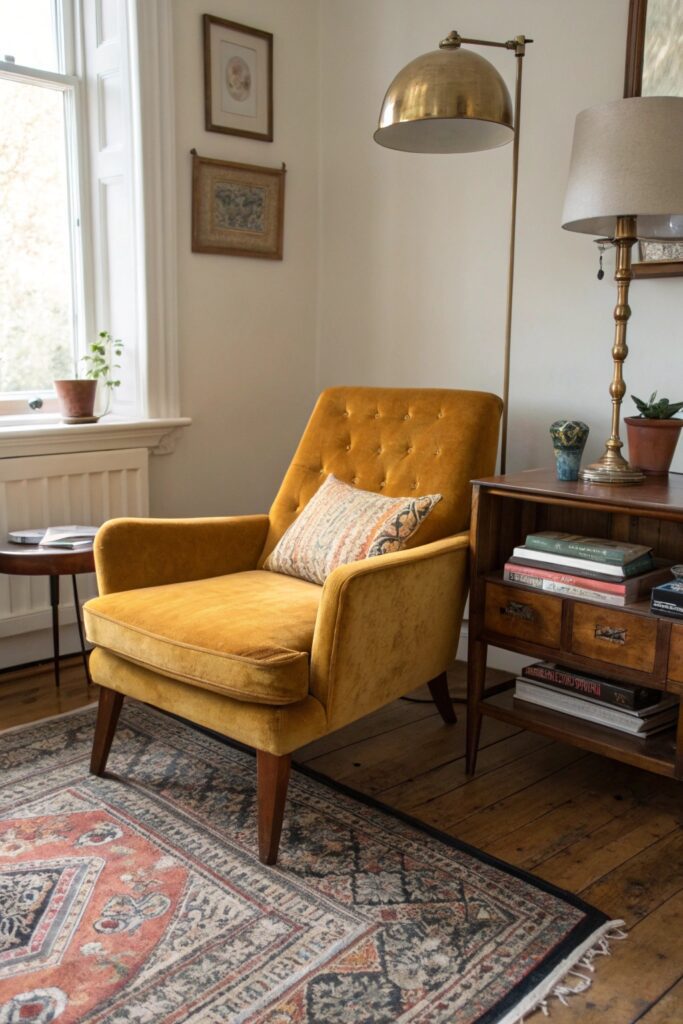
Owning genuinely vintage or thrifted furniture has shifted from a budget necessity to an active style statement, fueled significantly by resale platforms making sourcing far more accessible than searching physical estate sales alone.
Mixing one or two vintage pieces into an otherwise modern room tends to read more intentional than furnishing an entire space in vintage finds, which can start to look more like a period room than a lived-in home.
8. Statement Ceilings Are Finally Getting Attention
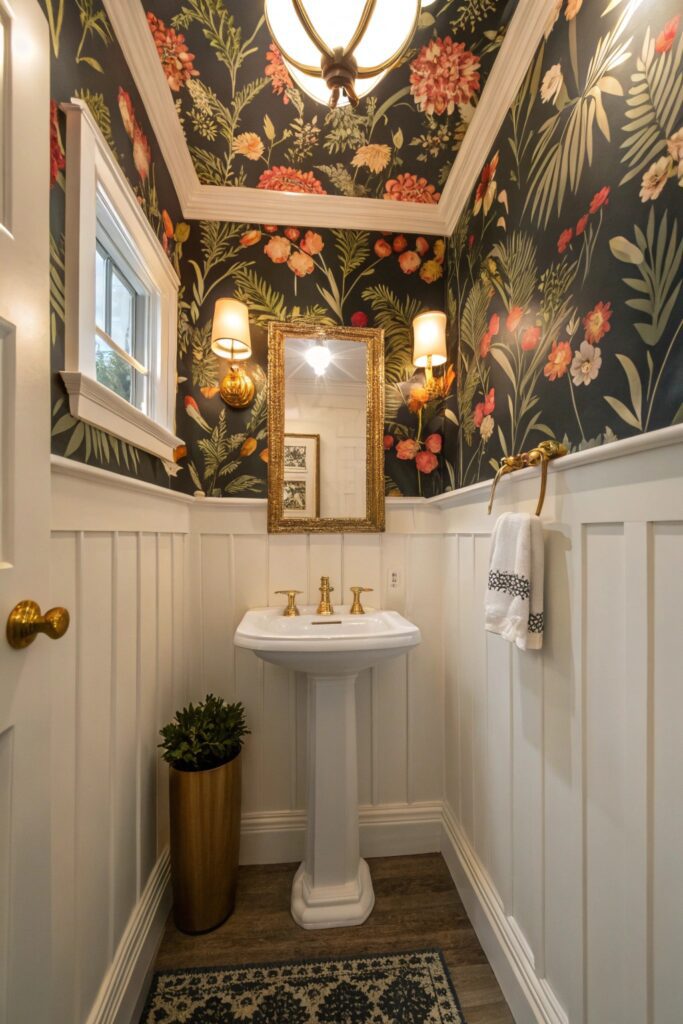
Painted, wallpapered, or paneled ceilings are increasingly treated as a genuine design opportunity rather than an afterthought, particularly in smaller rooms where wall space for other statements is limited.
A darker ceiling color makes a room feel cozier and more enclosed, while a lighter or reflective finish can make a lower ceiling feel taller — the right choice depends entirely on the room’s existing proportions.
9. Multi-Functional Furniture Is a Must, Not a Luxury
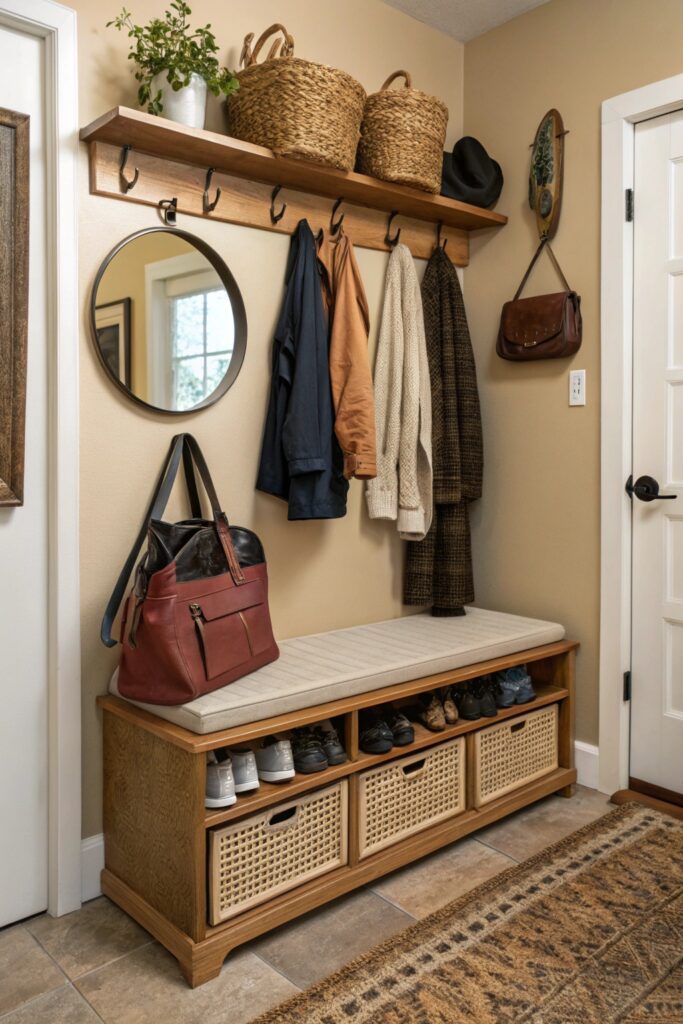
Storage ottomans, genuinely comfortable sofa beds, and expandable dining tables have become an expectation rather than a compromise, driven by smaller urban living spaces where every piece needs to serve more than one purpose.
Quality multi-functional furniture commands a real price premium over single-purpose pieces — the storage capacity and mechanism durability are worth checking closely before buying, since these are the components most likely to wear out first.
10. Nature-Inspired Elements Are Everywhere
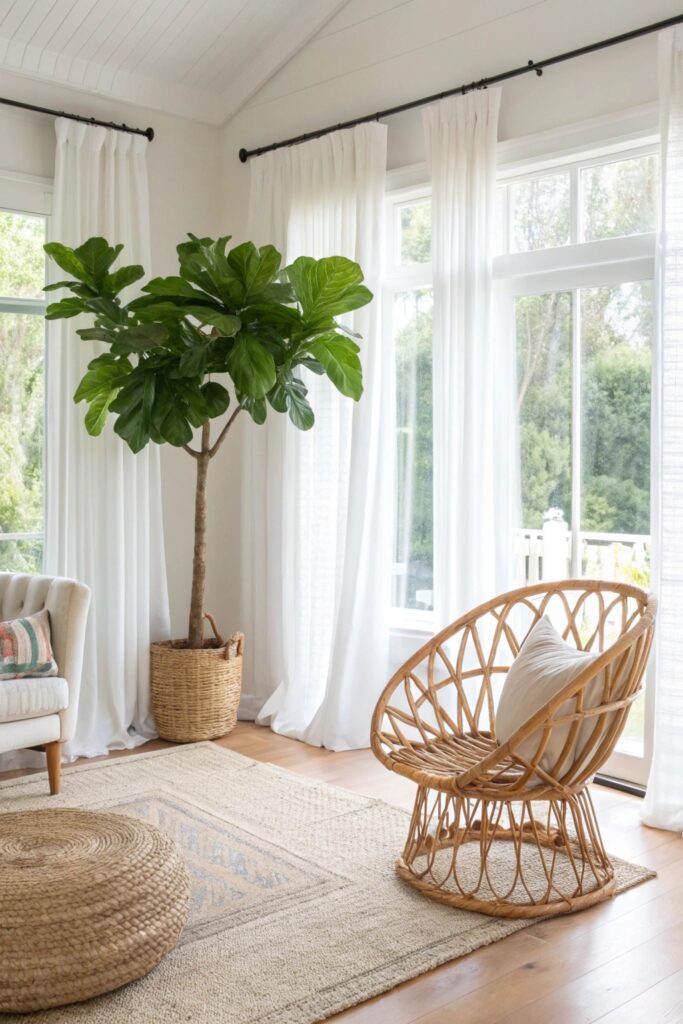
Beyond houseplants, this trend includes natural materials used structurally (stone, wood) and design choices that maximize natural light and outdoor sightlines, reflecting growing interest in biophilic design’s documented wellbeing benefits.
On a smaller budget, removing heavy curtains to maximize existing natural light and adding one or two larger architectural houseplants captures much of this trend’s effect without any renovation.
11. Personalized “Cluttercore” Spaces Are Trending
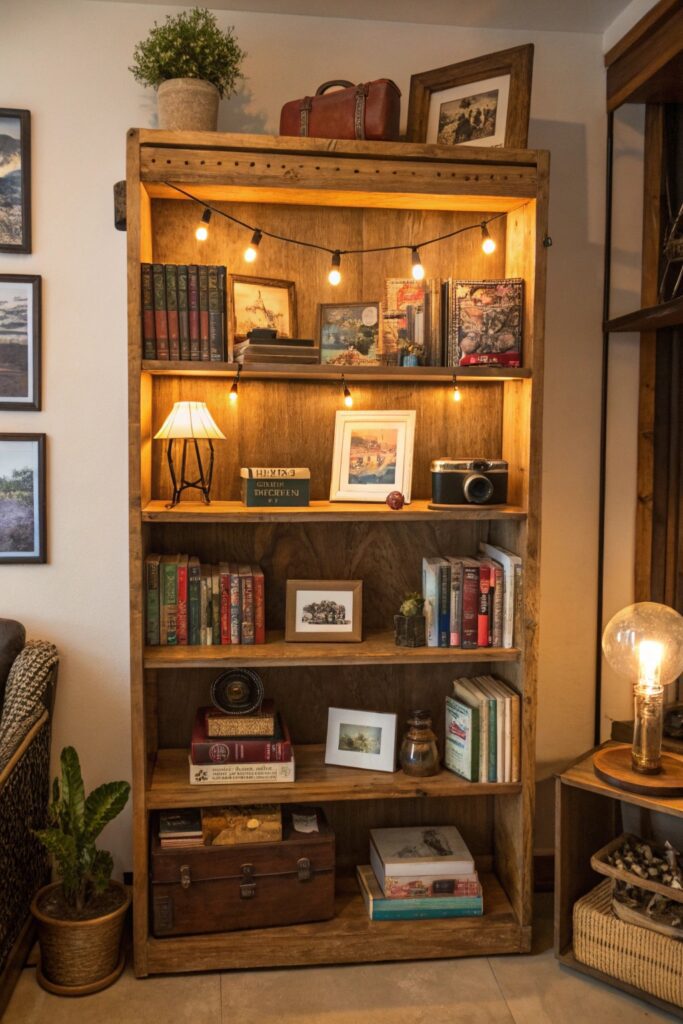
A deliberate reaction against algorithm-driven, formulaic interiors, cluttercore embraces visible personal collections — books, travel souvenirs, art — displayed together rather than edited down to a minimalist few pieces.
The distinction from simply messy decorating is intentionality: even dense cluttercore spaces tend to follow an underlying color or material logic that ties the collection together rather than looking genuinely random.
12. Sustainable and Local Materials Are Non-Negotiable
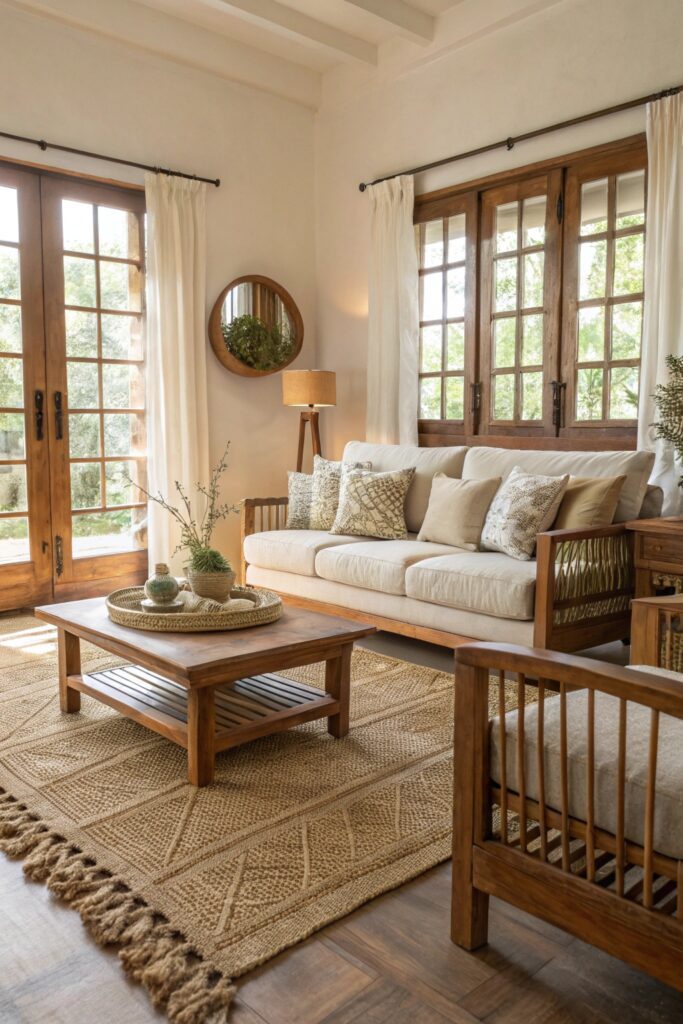
Reclaimed wood, recycled materials, and locally sourced furniture have shifted from a niche preference to a mainstream expectation for many shoppers, driven by both genuine environmental concern and the authentic character these materials bring.
FSC certification is the most reliable way to verify sustainable wood sourcing claims specifically, since the term ‘sustainable’ itself isn’t a regulated label on most furniture.
Final Thoughts
Warm minimalism and curved furniture are worth prioritizing if you’re only adopting a couple of these — both pair well with almost any existing room rather than requiring a full aesthetic overhaul. If your space currently leans more organic and natural-material focused, our guide to organic modern living rooms covers several of these trends in that specific context.